
After dark, the math on American roads gets grimmer in a hurry. While just about nine percent of all driving occurs between sunset and sunrise, roughly half of all fatal accidents happen during that same window. That gap between driving time and dying time is one of the starkest in road safety research, and it shapes the experience of millions of people who drive home late from work, run a night errand, or just head out on a Friday.
The nighttime fatality rate on the nation’s roadways is three times higher than the daytime rate, and more than three quarters of pedestrian fatalities occur at night. That backdrop makes the cities on this list more than statistical outliers. They are places where drivers have real reasons to feel that something is wrong after sunset, and where the data backs those feelings up.
1. Memphis, Tennessee
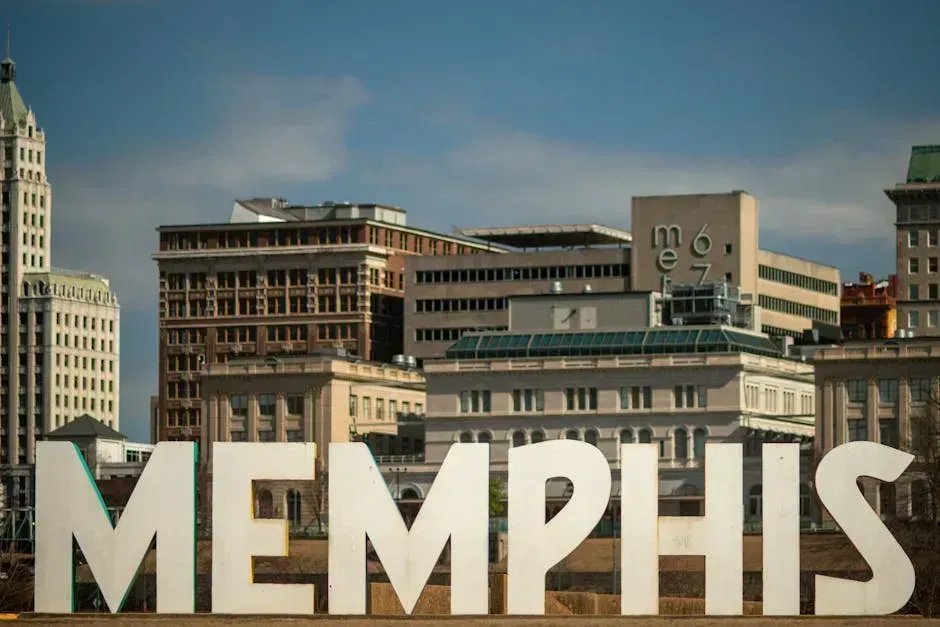
With roughly 34 traffic accident fatalities per 100,000 residents annually, Memphis carries the highest driving mortality rate of all major U.S. cities. High rates of speeding, drunk driving, and distraction compound the problem, and the city is home to some of the most dangerous intersections in the country. Memphis ranks as the top U.S. drunk driving hotspot, with 98 alcohol-related driving deaths per 100,000 residents, and most alcohol-related crashes concentrate on its busiest corridors due to high traffic volume, elevated speeds, and multiple merge points.
Among the largest metro areas, Memphis streets are the most deadly for people on foot, with its pedestrian fatality rate more than quadrupling between 2010 and 2023. Deaths peaked at 82 in 2022 before declining to 47 in 2024. Wide, fast-moving arterial roads cut directly through residential areas, and the combination of overlapping risk factors has kept Memphis near the top of worst-driving lists year after year.
2. Detroit, Michigan
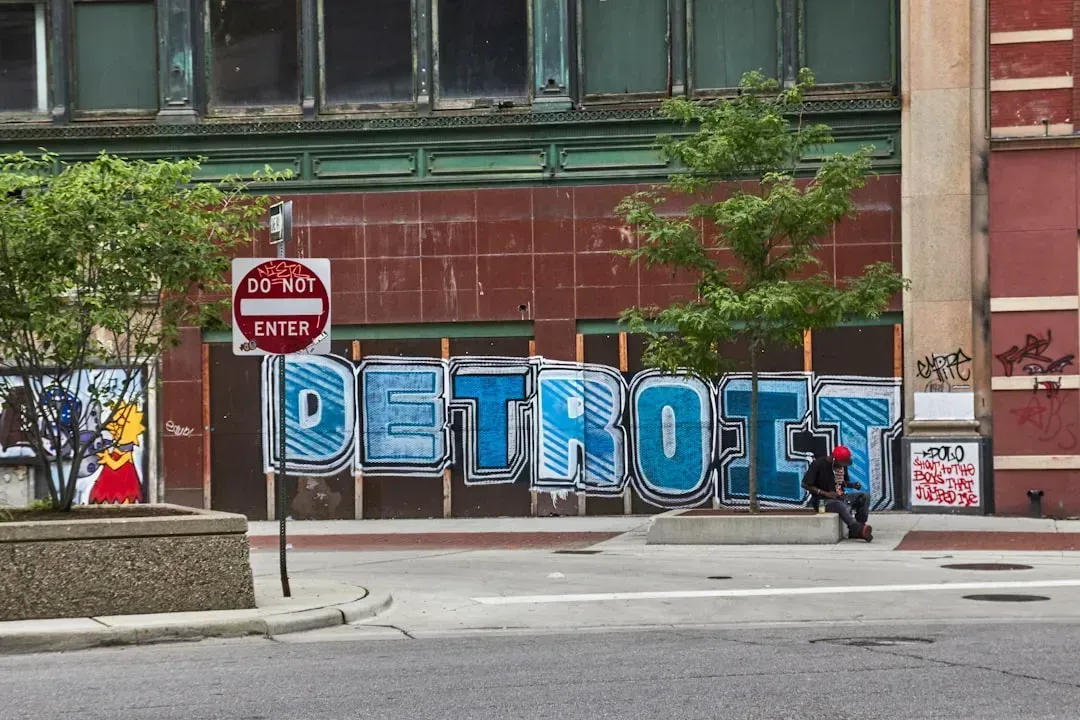
Detroit’s traffic risks are tied to a dangerous combination of speeding, alcohol, and aggressive behavior on the roads. Motorists contend with deteriorating infrastructure, including potholes, faded lane markings, and malfunctioning signals, all of which amplify the hazards of reckless driving. High rates of red-light running and tailgating contribute to the city’s alarming fatal crash numbers.
Alcohol and drug-related crashes remain a serious problem in Detroit, with nearly 579 combined alcohol and drug-related car accident fatalities recorded statewide in Michigan in 2024. Detroit’s long winter season brings snow, ice, and low visibility, all of which contribute to collisions when drivers fail to adjust their speed, while potholes and construction areas add further hazards that demand constant attention after dark.
3. Houston, Texas
Texas reported more than 4,200 traffic fatalities statewide in a recent year, maintaining its position as the state with the highest number of traffic deaths in the nation. Houston alone accounted for 290 of those deaths in one year, climbing to 345 fatalities in 2024, a fifteen percent rise in just twelve months. In Houston alone, 119 pedestrians were killed on city streets in 2024, amounting to nearly one pedestrian death every three days.
In Houston, vehicles struck and killed 36 people along a single three-and-a-half-mile section of Westheimer Road alone, according to a Washington Post investigation covering over a decade of crash records. Poor lighting, a lack of crosswalks, speeding drivers, and distracted driving all play a role, and vulnerable road users have essentially no protection when a car hits them at 40, 50, or 60 miles per hour.
4. Albuquerque, New Mexico
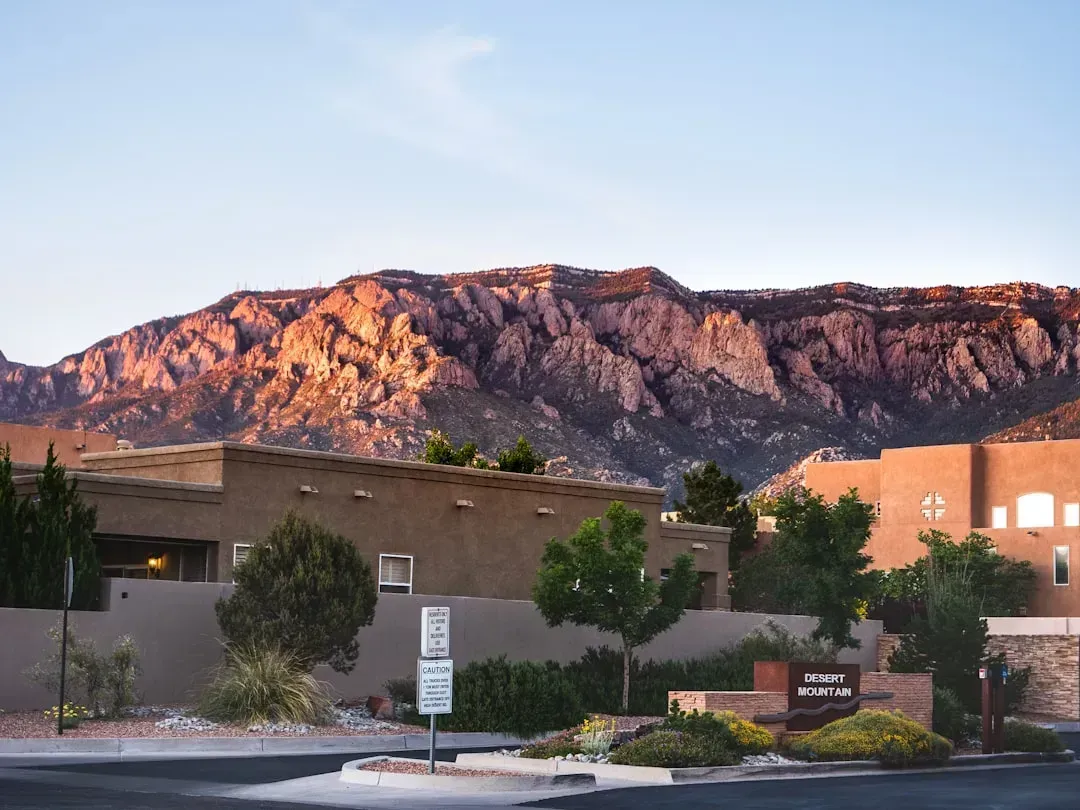
Albuquerque, New Mexico, follows Memphis in per-capita fatal car crash rates, consistently ranking among the cities with the worst drivers in the country. The pedestrian death rate in Albuquerque nearly doubled in the five years following the city’s announcement that it was signing on to the Vision Zero traffic safety initiative.
In Albuquerque, 34 pedestrians were killed along a single three-mile stretch of Central Avenue between 2010 and 2023 alone. Almost the entire increase in pedestrian deaths nationally has occurred on urban arterial roads and after dark, and Albuquerque’s wide, high-speed arterials are a textbook example: they are built to move traffic efficiently between districts while still allowing local access, which means pedestrians and vehicles share congested roads that are not always well-lit or equipped with adequate sidewalks.
5. Atlanta, Georgia
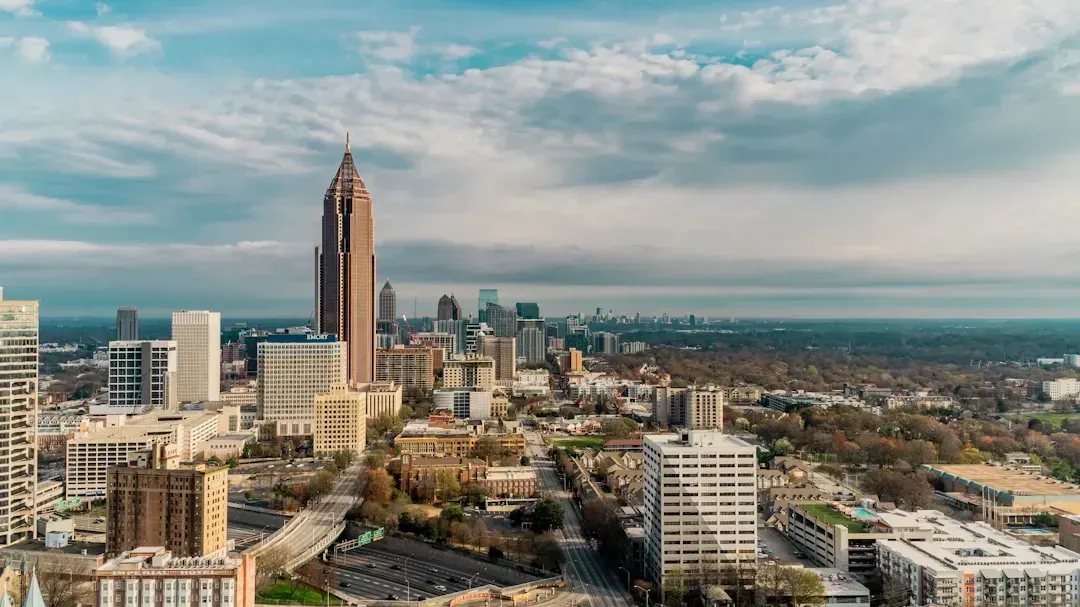
With over 16 auto accident fatalities annually per 100,000 residents, Atlanta consistently tops lists of the most dangerous driving cities in the country. The Atlanta Police Department reported more than 28,000 accidents in 2023, and preliminary data for 2024 suggests the tally remained in a similar range, influenced by traffic trends and population growth.
The Atlanta metro region carries the largest share of crash activity in the state, where congestion and distracted driving dominate crash reports, and interstates like I-75 and I-85 push totals higher due to high-speed traffic volumes, leaving Georgia as one of the most crash-prone states in the Southeast. Nighttime hours amplify the existing pressures on Atlanta’s roads, especially along corridors where lighting is inconsistent and pedestrian infrastructure is thin.
6. Los Angeles, California
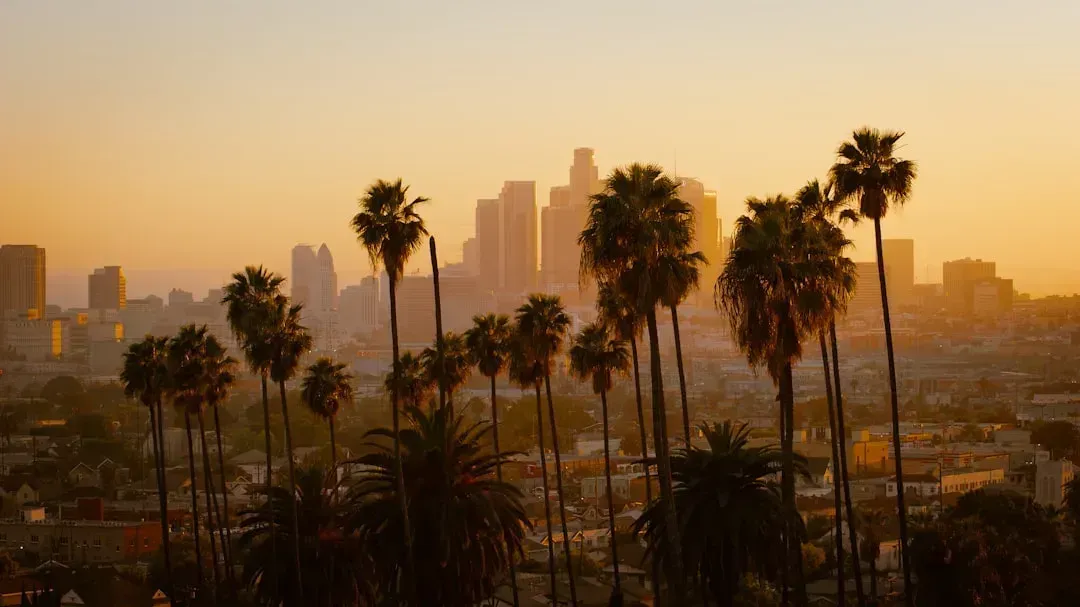
In 2024, Los Angeles collision data recorded 1,402 pedestrian crashes, resulting in 158 deaths and more than 1,400 injuries. A large number of these collisions happened because drivers failed to yield, even when pedestrians had the legal right of way. The number of people on foot killed by cars in Los Angeles increased more than sixty percent from 97 in 2015 to 158 in 2024, according to statewide traffic data from UC Berkeley.
Los Angeles was one of the first cities in the country to adopt the Vision Zero pledge in 2015, committing to eliminate crash deaths entirely. The trend moved in the opposite direction. Night driving risk is notably elevated in California, where nighttime driving is roughly twelve times more deadly than daytime driving.
7. Fort Worth, Texas
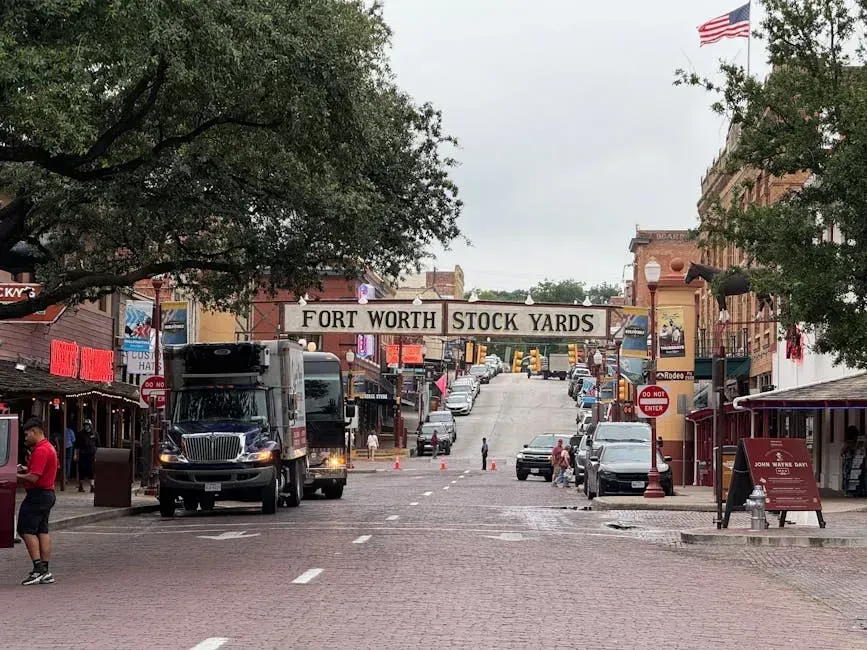
Fort Worth shares many of Dallas’s road safety challenges, but drunk driving plays an even larger role in per-capita fatalities. Wide freeways, mixed traffic volumes, and heavy nighttime driving contribute to deadly crash patterns, and speeding compounds the issue by making accidents more severe. Despite public awareness campaigns, DUI-related fatalities remain a stubborn problem for Fort Worth drivers.
The top cities for drunk driving crashes are concentrated in Texas, and more than two percent of Texans report driving after drinking too much, compared to 1.7 percent elsewhere in the country. After midnight on weekends, Fort Worth’s wide highway network thins out enforcement visibility while speeds tend to rise, a combination that shows up repeatedly in crash records.
8. Baltimore, Maryland
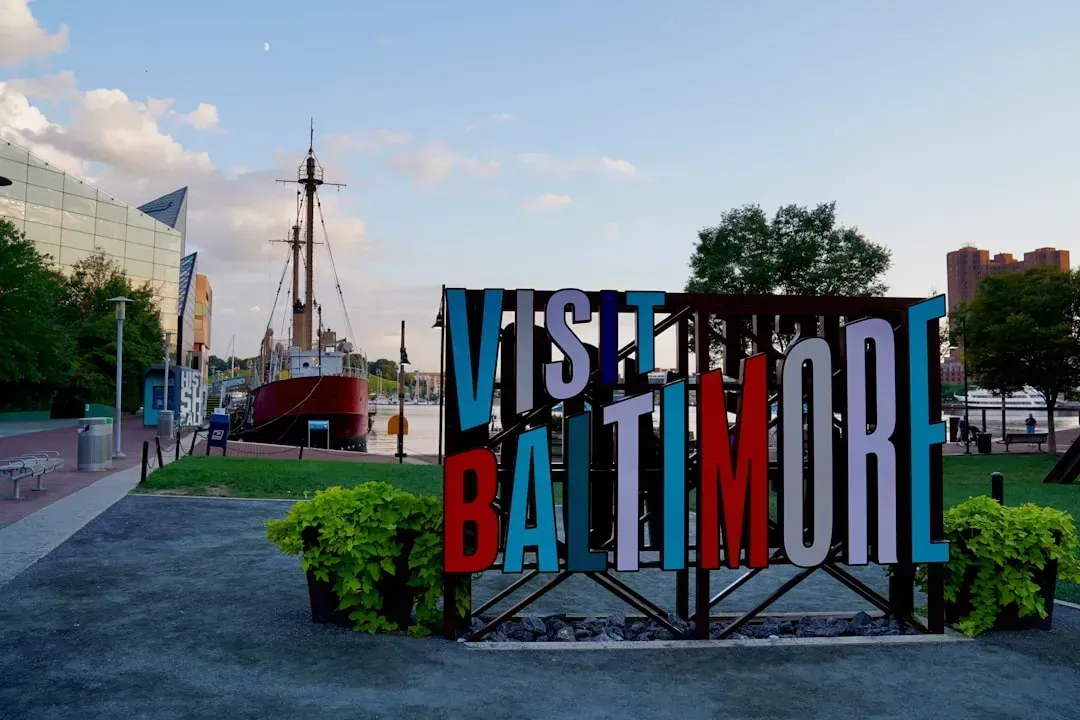
Baltimore ranks among the most dangerous driving cities, facing hazards including aggressive motorists, frequent construction zones, and variable weather. Drivers frequently tailgate, change lanes erratically, exceed speed limits, and engage in road rage, which leads to rear-end collisions, sideswipe accidents, and other serious crashes. In 2024, Baltimore was named the deadliest city in the country based on a study analyzing FBI crime reports.
Construction zones present particular risks at night, with narrow lanes, reduced speeds, and construction vehicles entering and exiting the roadway. Inclement weather including snow, rain, and fog further reduces visibility and road grip, compounding the danger of an already aggressive driving culture. The combination of deteriorating infrastructure and nighttime impaired driving continues to make Baltimore one of the harder cities in the country to drive through safely after dark.
9. Chicago, Illinois
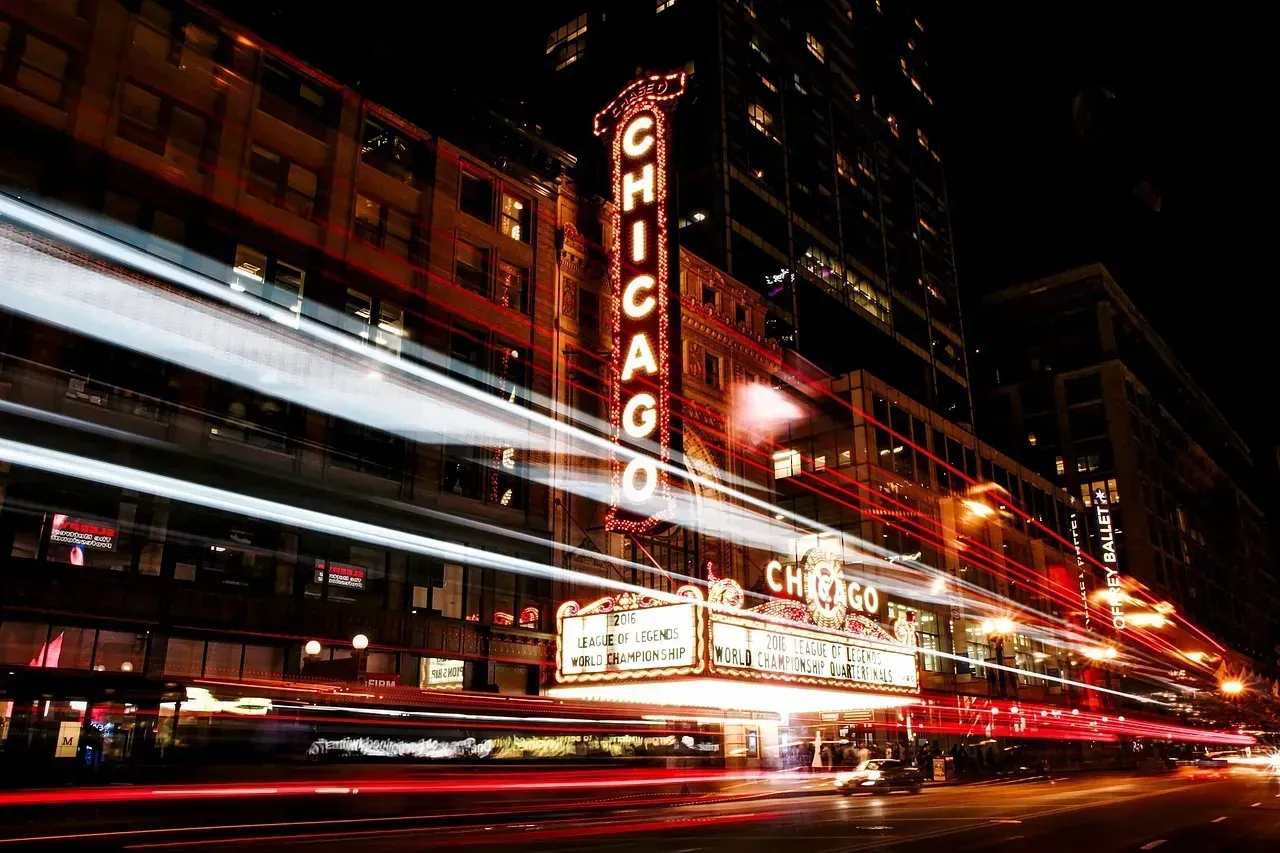
Downtown Chicago’s urban density contributes to elevated crash risks, with over 18 accident fatalities annually per 100,000 people, a figure that places it among the country’s more dangerous driving cities. Fridays and Saturdays see the sharpest increases in fatal crash risk, reflecting the overlap of weekend travel and nighttime recreation, and NHTSA crash data consistently identifies the window between 6 p.m. and 9 p.m. as the deadliest three-hour period.
Chicago’s size means the nighttime risk is spread across many different neighborhoods and road types, from dense urban corridors on the North Side to under-lit stretches of the South Side where enforcement is thinner. City layout, driver behavior, enforcement levels, and infrastructure capacity all converge to create risk, and in cities where vehicle volume outpaces infrastructure, collision rates rise sharply.
10. Tampa, Florida
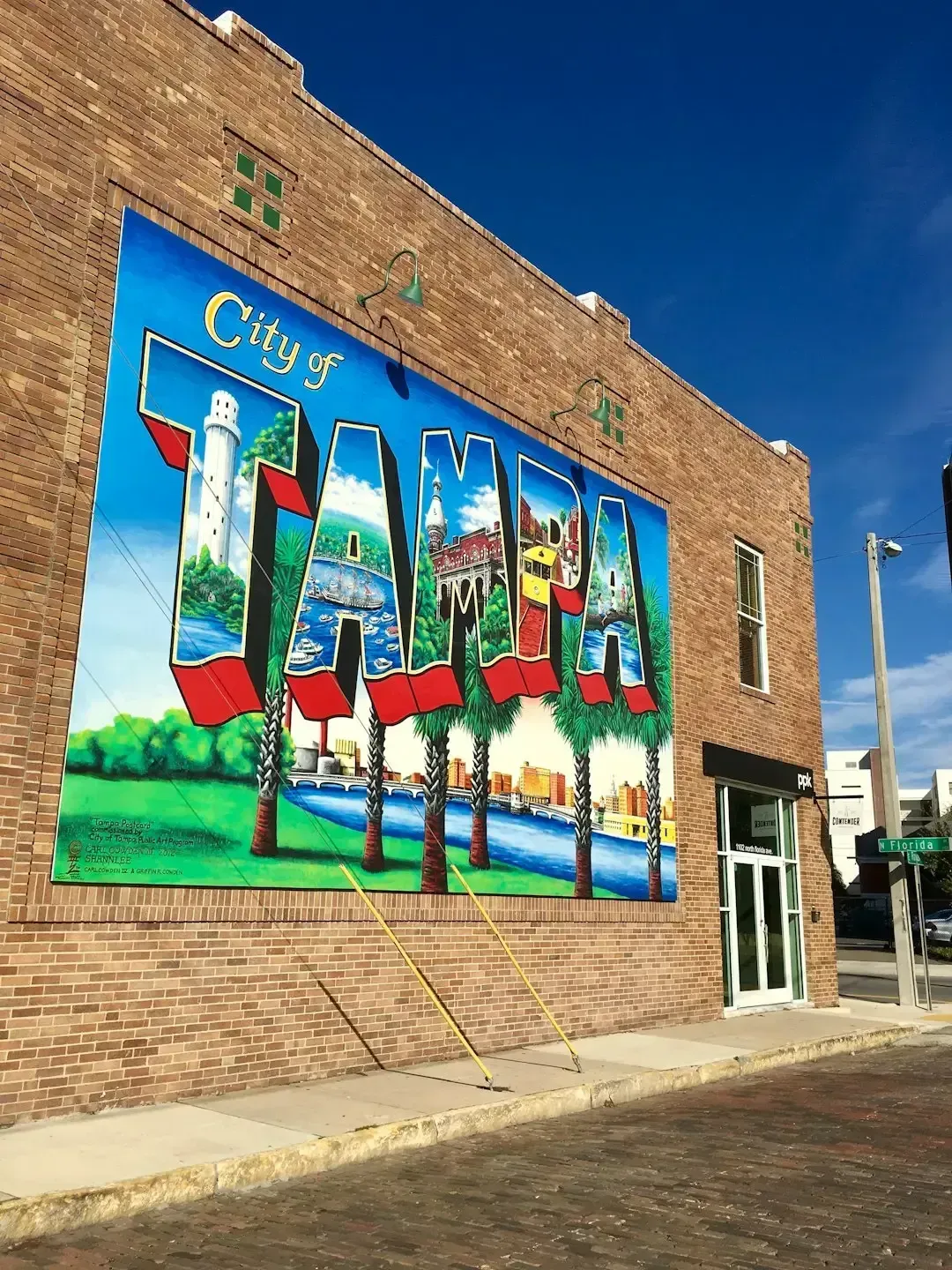
Tampa records a fatal crash rate well above the national average, driven partly by sprawl that forces longer commutes and higher vehicle dependency. Limited pedestrian protections create additional hazards, and speeding and alcohol play a role in many serious crashes, particularly on poorly lit suburban highways. Despite city-level safety programs, Tampa remains one of the riskiest cities for drivers in the Southeast.
The share of nighttime pedestrian deaths nationally has skyrocketed in recent years, with fatal pedestrian crashes at night rising 84 percent between 2010 and 2023, compared to a 28 percent increase in daytime fatalities. Tampa’s wide arterial roads and suburban highway design, built for vehicle speed rather than pedestrian survival, make that national trend feel very local once the sun goes down.
What connects most of these cities is not simply traffic volume. It is the gap between how roads were designed and how people actually use them after dark, a gap that infrastructure investment, enforcement, and political will have so far failed to fully close.