Ask a comfortable 70-something today about their younger years and you’ll likely hear a tidy story about hard work, good timing, and steady progress. What rarely comes up is the quiet dread that shadowed a lot of those decisions. Boomers came of age during a stretch of American history that looked stable from the outside but felt anything but certain from the inside, with wars, oil shocks, and wild inflation swings testing their nerves long before pensions and paid-off houses became the norm.
Beneath the confident exterior many boomers project now, there was a young adult in the 1960s, 70s, or early 80s who worried constantly about money, stability, and whether the future would hold together. These are eleven fears that rarely made it into family stories, but shaped financial habits that lasted a lifetime.
1. The fear of another Great Depression

Many boomers grew up listening to parents and grandparents describe breadlines, bank failures, and the kind of scarcity that never fully leaves a family’s memory. That inherited anxiety did not disappear just because the postwar economy was growing. A lot of young boomers privately wondered if the prosperity around them was temporary, a pause before another collapse rather than a permanent shift.
This fear shaped behavior in subtle ways, pushing many toward cautious saving habits and a reluctance to borrow even when credit became more available. Some boomers have admitted later in life that the specter of the Depression felt closer than people realized at the time. It was less a rational calculation and more a background hum of worry passed down through family stories.
2. The fear of inflation wiping out everything they saved

The 1970s delivered a brutal lesson in what stagflation actually feels like, with inflation climbing into double digits by the end of the decade. Prices for groceries, gas, and housing rose faster than paychecks for years at a stretch, and young boomers watched their modest savings lose real value almost in real time. It is one thing to read about inflation in a textbook and another to watch your grocery bill jump month after month while your salary stays flat.
By 1980, inflation had peaked at roughly fourteen percent, a number that terrified anyone trying to plan a future around fixed savings. Federal Reserve Chairman Paul Volcker’s response, pushing interest rates toward twenty percent, triggered a sharp recession that only deepened the sense of financial instability. Many boomers carried a lasting wariness about cash sitting idle, a habit rooted directly in those brutal years.
3. The fear of never affording a home

It is a popular myth that homeownership was simple and cheap for boomers in their twenties. In reality, mortgage rates climbed to historic highs by the early 1980s, at one point exceeding eighteen percent, making monthly payments genuinely painful even on modest homes. Plenty of young couples delayed buying for years, worried they would never save enough for a down payment while rates stayed punishing.
The anxiety was real even if the eventual outcome, for many, was a paid-off house decades later. Renting for longer than planned, moving in with family temporarily, or settling for a smaller starter home than desired were common compromises. The comfortable equity boomers hold now often masks years of genuine uncertainty about whether homeownership would happen at all.
4. The fear of losing a job in a shaky economy
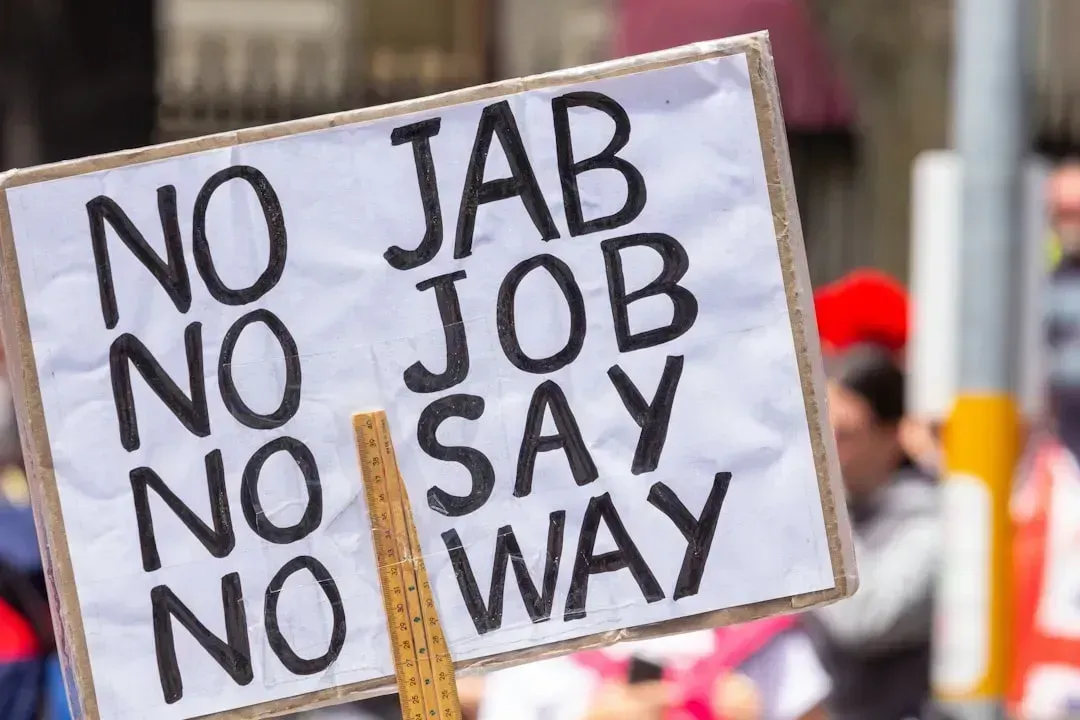
The 1973 to 1975 recession, triggered partly by the OPEC oil embargo, was one of the sharpest downturns since the Depression, and unemployment climbed sharply as industries contracted. Young boomers entering the workforce during this period faced a genuinely unstable job market, not the smooth career ladder often imagined in retrospect. Layoffs felt arbitrary and sudden, and job security was far from guaranteed even for those with decent educations.
Another steep recession followed in the early 1980s as the Federal Reserve fought inflation with aggressive rate hikes, pushing unemployment above ten percent nationally. Boomers who lived through both downturns in close succession developed a lasting caution about job stability that shaped career choices for years afterward. The idea of staying loyal to one employer for decades was, for many, less about tradition and more about fear of instability elsewhere.
5. The fear of the draft derailing everything

For male boomers born in the right years, the Vietnam War draft was not an abstract political issue but a direct threat to career plans, education, and financial futures. The draft lottery, introduced in 1969, meant that a birthdate alone could determine whether someone spent their twenties building a career or serving overseas. This uncertainty made long-term financial planning feel almost pointless for years at a time.
The draft formally ended in 1973, but its psychological effects lingered well beyond that date. Many young men had already altered their education or career paths to manage draft risk, and those decisions carried financial consequences for years. The fear was not just about safety but about the sudden derailment of whatever financial foundation they were trying to build.
6. The fear of the stock market after watching it crash
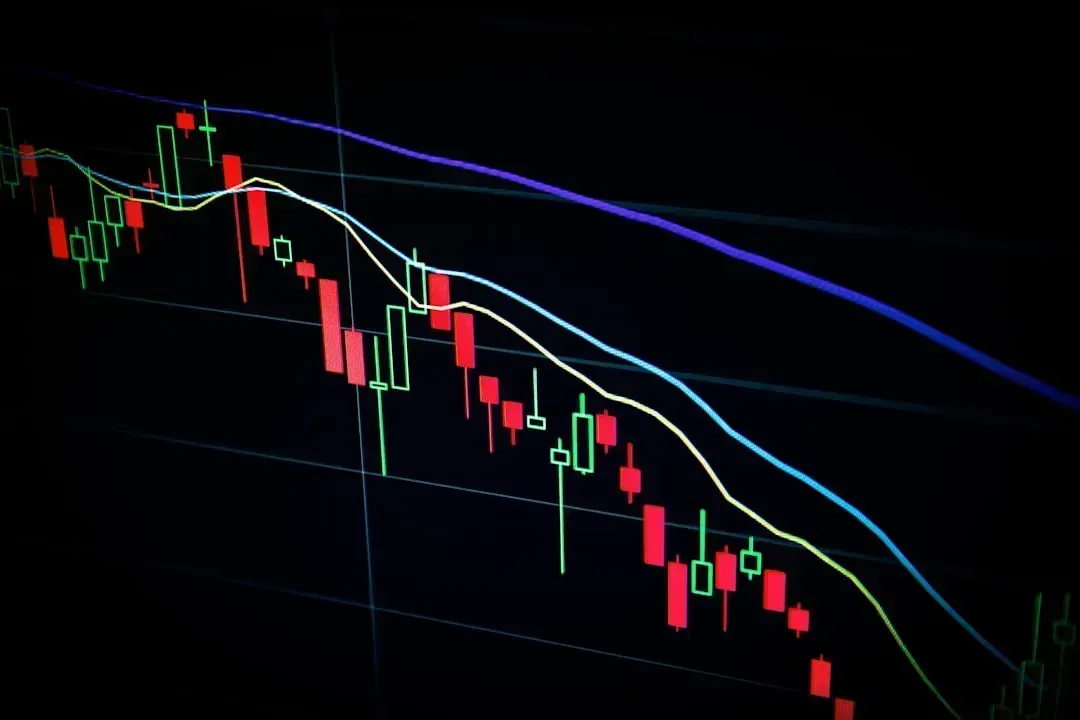
Boomers who started investing, or considered investing, in the early 1970s got an unwelcome introduction to market risk. The Dow Jones Industrial Average lost close to forty five percent of its value between January 1973 and December 1974, a brutal stretch that scared off a generation of would be investors. For many young adults, this was their first real exposure to how quickly paper wealth could evaporate.
That early scare bred a lasting skepticism toward stocks that took years, sometimes decades, to soften. Some boomers avoided equities almost entirely through their thirties, favoring savings accounts, bonds, or real estate instead. The eventual embrace of 401k investing in later decades often came only after considerable persuasion and, frankly, no better alternatives once pensions began disappearing.
7. The fear of a medical bill wiping out their savings

Health insurance in the 1960s and 70s was far less comprehensive than what became standard later, and employer coverage varied wildly by industry and job type. A serious illness or accident could mean out of pocket costs that threatened years of careful saving. Young boomers without stable, benefits paying jobs felt this risk acutely, especially before Medicaid expansions and workplace protections matured.
This fear was rarely discussed openly, since admitting financial vulnerability around health carried its own social stigma at the time. Many boomers quietly avoided doctors or delayed treatment for non emergencies simply to sidestep the cost. The habit of viewing healthcare spending with suspicion, even after gaining better coverage later in life, traces back directly to this early exposure.
8. The fear of falling short of their parents’ success

The postwar boom created a narrative of ever rising prosperity, and many boomers grew up believing each generation would automatically do better than the last. When the economic turbulence of the 1970s hit, that assumption suddenly felt shaky. Watching parents who had enjoyed relatively steady postwar growth made the uncertainty of their own twenties feel like a personal failure rather than a broader economic trend.
This comparison created quiet pressure that rarely surfaced in conversation but influenced major decisions. Some boomers pushed harder into overtime work or second jobs specifically to avoid the appearance of falling behind. The fear was less about material comfort and more about a nagging sense of not living up to an inherited standard.
9. The fear of never being able to retire

Traditional pensions were already beginning to decline in reliability by the time younger boomers entered the workforce, and Social Security’s long term solvency was a recurring topic of public debate even then. Young boomers heard warnings about the system’s future strain decades before it became a mainstream talking point. This created an early, persistent worry that retirement might simply not be financially possible.
The shift toward defined contribution plans, which accelerated through the late 1970s and into the 1980s with the introduction of 401k plans in 1978, placed more retirement responsibility directly on individual workers. That transition felt risky and unfamiliar at the time, a far cry from the guaranteed pension model many had expected to inherit. Decades of disciplined saving that boomers are now known for often started as a direct response to that early anxiety.
10. The fear of credit and debt spiraling out of control

Credit cards moved from a niche convenience to a mainstream financial tool during the very years boomers were young adults, with Visa and Mastercard expanding rapidly through the 1970s. This was new territory, and the ease of borrowing felt genuinely unsettling to a generation raised on cash based household budgeting. Many boomers worried openly, if privately, about debt becoming an invisible trap they couldn’t see accumulating.
High interest rates in the late 1970s and early 1980s made carrying a balance especially punishing, reinforcing the sense that debt was dangerous rather than a normal financial tool. This wariness shaped spending habits for decades, with many boomers avoiding revolving credit even once it became far more common and accepted. The instinct to pay things off quickly, still visible in this generation today, has roots in that uneasy introduction to consumer credit.
11. The fear of running out of money in old age

Even in their twenties, many boomers carried a quiet dread about what old age might financially look like, informed by watching relatives struggle on fixed incomes during high inflation years. The idea of outliving savings was not an abstract retirement planning concept but a real possibility they had witnessed firsthand in older family members. This fear pushed some toward aggressive saving habits decades before retirement was anywhere close.
Life expectancy was also rising steadily through this period, meaning retirement, if it happened at all, could stretch on longer than earlier generations had ever needed to plan for. That extended horizon made the math of saving enough feel genuinely daunting rather than a distant, theoretical concern. The financial caution boomers are known for today was, in many cases, forged by confronting this fear decades earlier than expected.
Looking back, the financial security many boomers enjoy now was not handed to them by an easy economy. It was built, often anxiously, through decades that included war, inflation shocks, interest rate spikes, and a genuinely uncertain path to retirement. The confidence visible today rarely tells the whole story of the worry it took to get there.