
Gardening advice travels fast and sticks around even longer. Tips passed down through generations, shared across neighborhood fences, or now recycled endlessly on social media have a stubborn kind of authority. They feel true because they’ve been around so long.
The trouble is, soil science has moved on. Research over the past decade has revealed that several beloved “hacks” aren’t just ineffective – they’re quietly undermining the very ground you’re trying to improve. Here are eleven of the most common offenders.
1. Tilling the Soil Every Spring
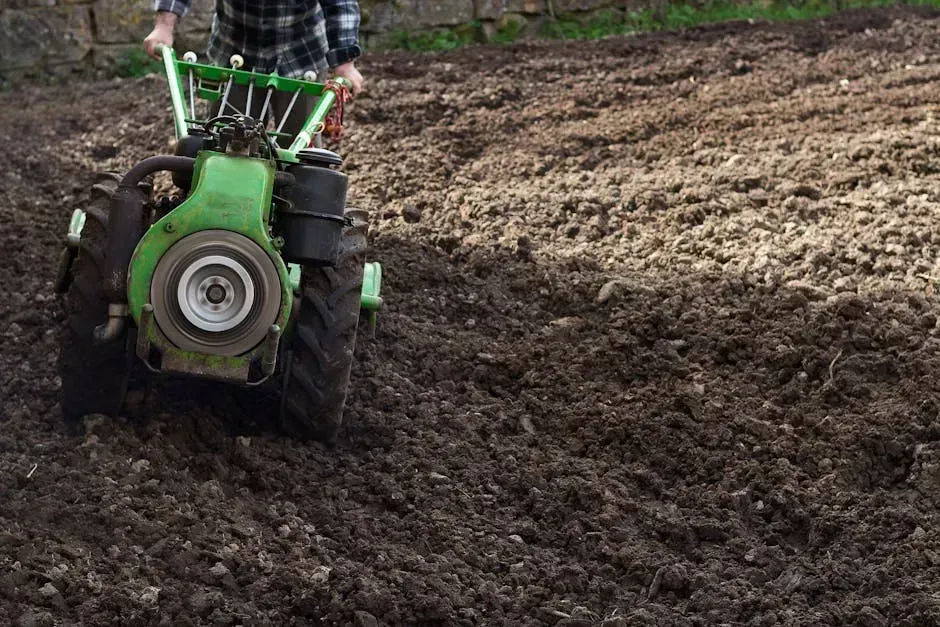
For generations, the annual spring till was treated as a rite of passage. The logic made sense on the surface: loosen the soil, aerate it, work in compost. Rather than making soil “lighter” and looser for better root growth, tilling actually pulverizes the soil into smaller particles that settle closer together, resulting in soil that compacts tighter in the long run. The very outcome gardeners were trying to avoid.
Each slice with a spade severs countless fungal threads, through which plants receive nutrients and water, collapses the many tunnels forged by earthworms, and unearths sleeping plant-digesting microbes, stimulating them to feed and then release plumes of greenhouse gases into the air. Tilling, once considered essential, is now recognized as harmful to soil health – it can also destroy beneficial soil organisms such as earthworms and mycorrhizal fungi.
2. Using Vinegar as a Natural Weed Killer
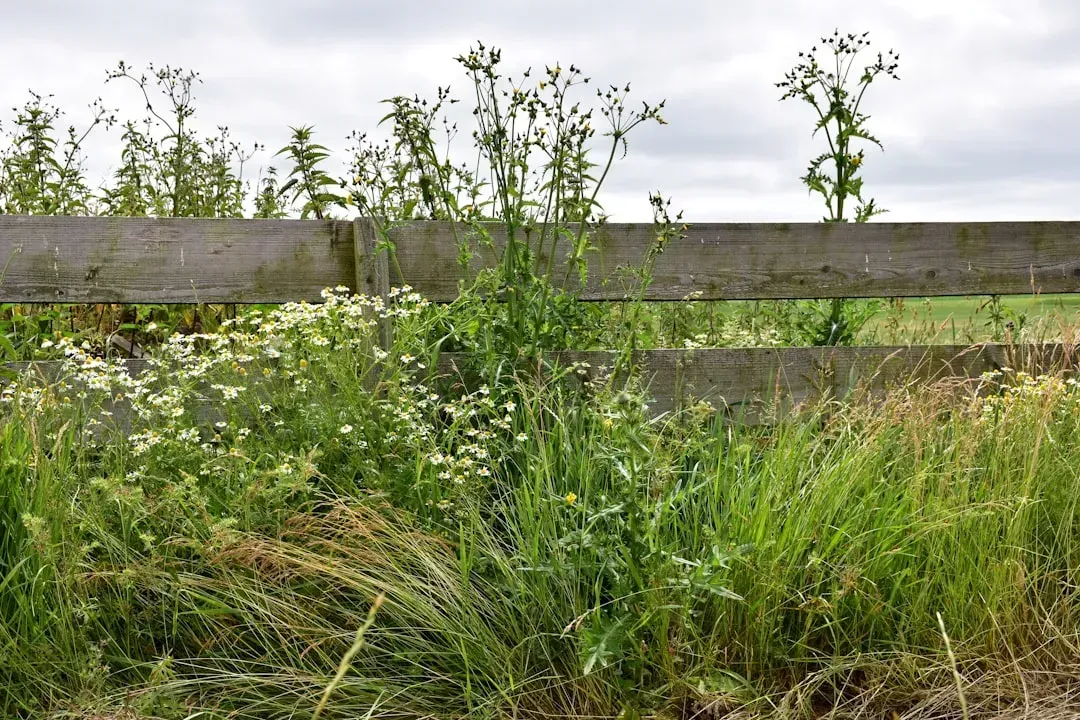
Vinegar has been embraced as the go-to “natural” weed killer for anyone wanting to avoid commercial herbicides. It feels safe, it’s cheap, and it seems to work. Touted as harmless, vinegar kills weeds by desiccating them, but it also damages surrounding soil microbes if used repeatedly in the same spot. Beneficial fungi and bacteria, essential for healthy soil ecosystems, can take a serious hit.
Household vinegar at five percent acetic acid can burn tender annual weeds on contact but rarely kills roots. Stronger horticultural vinegar works better but can injure desirable plants and irritate skin and eyes. If you use enough to kill the roots of the weeds you are spraying, you are also killing your garden soil.
3. Spreading Coffee Grounds to Acidify Soil
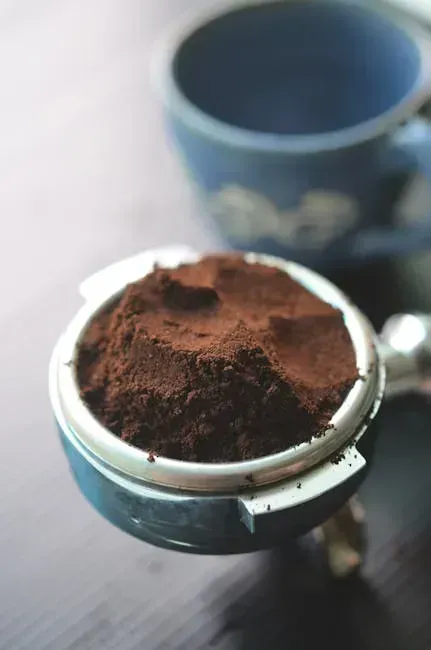
Coffee grounds have a wholesome reputation in the garden. Many gardeners swear by sprinkling them around acid-loving plants like blueberries or azaleas to lower the soil’s pH. The science, though, simply doesn’t back this up. Fresh coffee grounds are acidic, but used coffee grounds are not – they’re neutral. Adding used grounds won’t change your soil pH at all.
Research from Oregon State University shows that used coffee grounds have a near-neutral pH ranging between 6.5 and 6.8. While they can slightly lower pH when used in high concentrations, the effect is minimal and temporary. Soil science suggests coffee grounds add organic matter but can inhibit seedling growth when used fresh or applied in thick layers.
4. Laying Plastic Landscape Fabric as a Weed Barrier
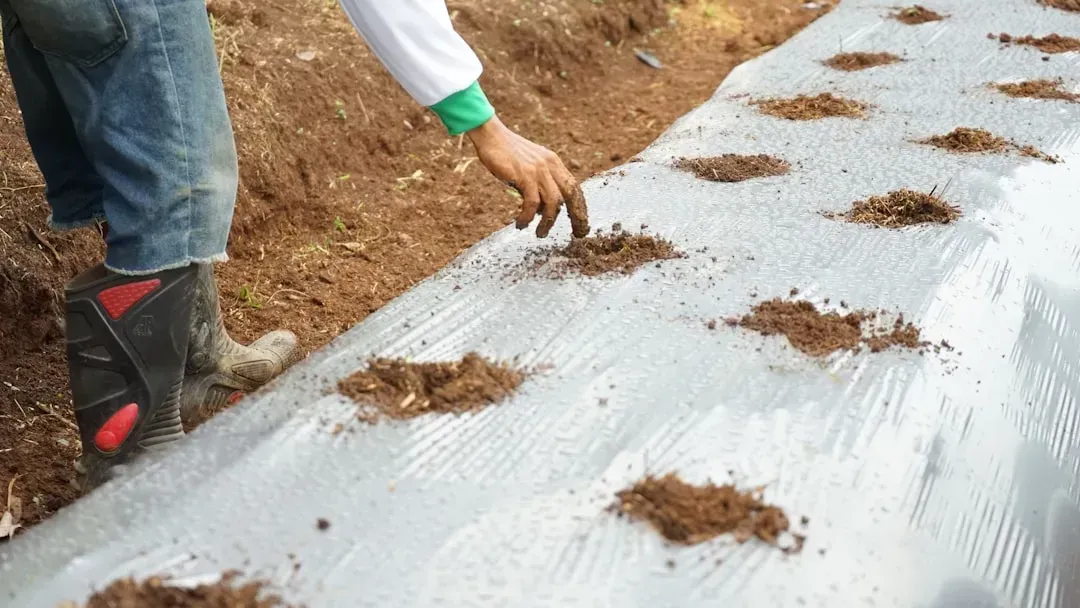
Landscape fabric is one of the most aggressively marketed products in home gardening, sold as a long-term, low-maintenance weed solution. In practice, it becomes a slow-motion disaster for soil. It does not take long before dew worms, microbes, and other soil life, which depend on air and food, either leave or die. When this happens, there is a reduction of nutrients for plants, and soil structure starts to degrade.
Landscape fabric breaks down to create microplastics, and the petrochemicals it’s made from leach into the soil. The fabric prevents organic matter from getting into the soil, which makes it unlivable for worms and beneficial microorganisms. Without that activity the soil becomes barren, compacted, and dry.
5. Adding Epsom Salt to Boost Plant Growth
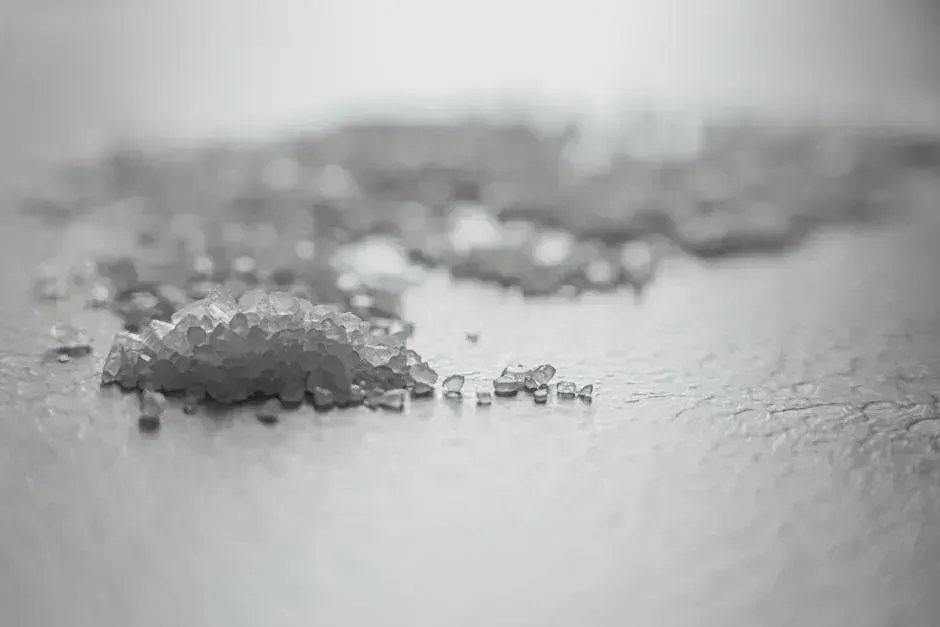
Epsom salt is one of gardening’s most enduring folk remedies, especially popular with rose and tomato growers. The pitch is simple: it adds magnesium and makes plants thrive. Scientific research reveals that most soils already contain sufficient magnesium, and excessive use may disrupt the nutrient balance. Pouring on Epsom salt without knowing what’s already in the ground is essentially guessing with chemistry.
Adding Epsom salts to soil that already has sufficient magnesium can actually harm your soil and plants by inhibiting calcium uptake. Spraying Epsom salt solutions on plant leaves can cause leaf scorch, and excess magnesium can increase mineral contamination in water that percolates through soil. Without knowing what’s already in the garden soil, gardeners could be doing more harm than good. The overuse of magnesium sulfate can cause salt injury to plants and lead to deficiencies of other essential plant nutrients like iron, boron, and potassium.
6. Raking Up and Removing Every Fallen Leaf
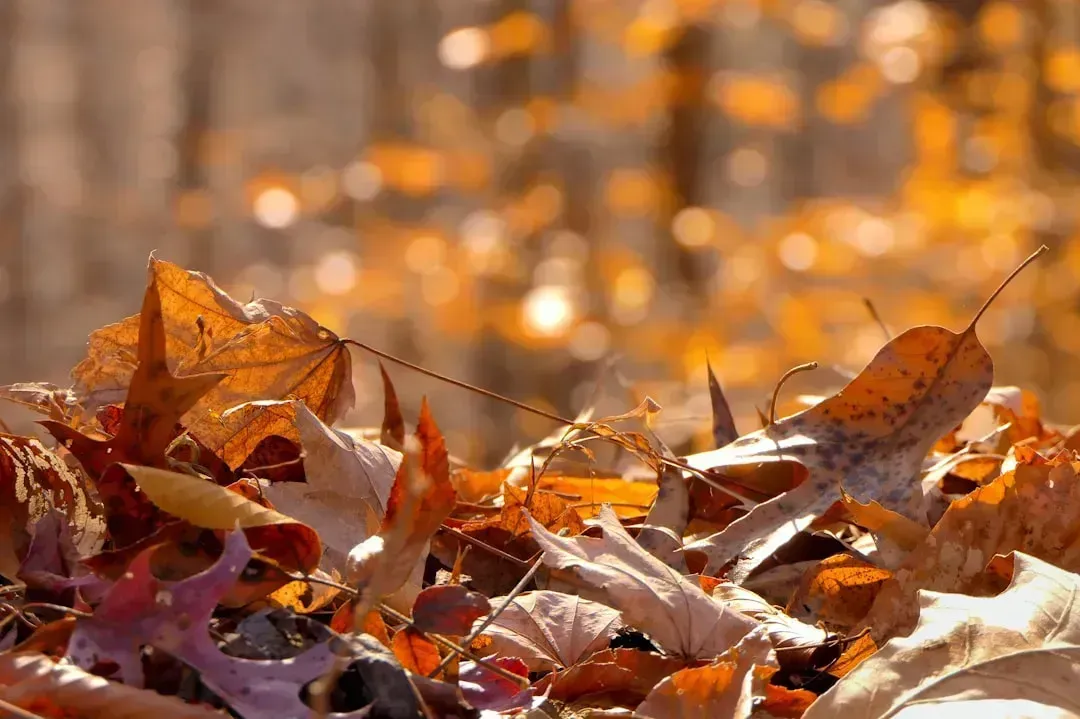
The obsession with a spotlessly clean garden in autumn has driven generations of gardeners to bag up every fallen leaf and haul it away. It looks tidy. It also strips the soil of something valuable. As leaves break down, they release nutrients and valuable organic matter back into the soil, replenishing nutrients and improving structure. Removing them entirely cuts off a natural recycling process that costs nothing.
You should never leave any of your soil bare. Bare soil is vulnerable to erosion, compaction, and flooding. It also creates the heat island effect, which can kill microorganisms in the soil and contribute to climate change. Shredding leaves and returning them to beds or borders is a far better approach than bagging them for collection.
7. Pouring Dish Soap Sprays onto the Garden
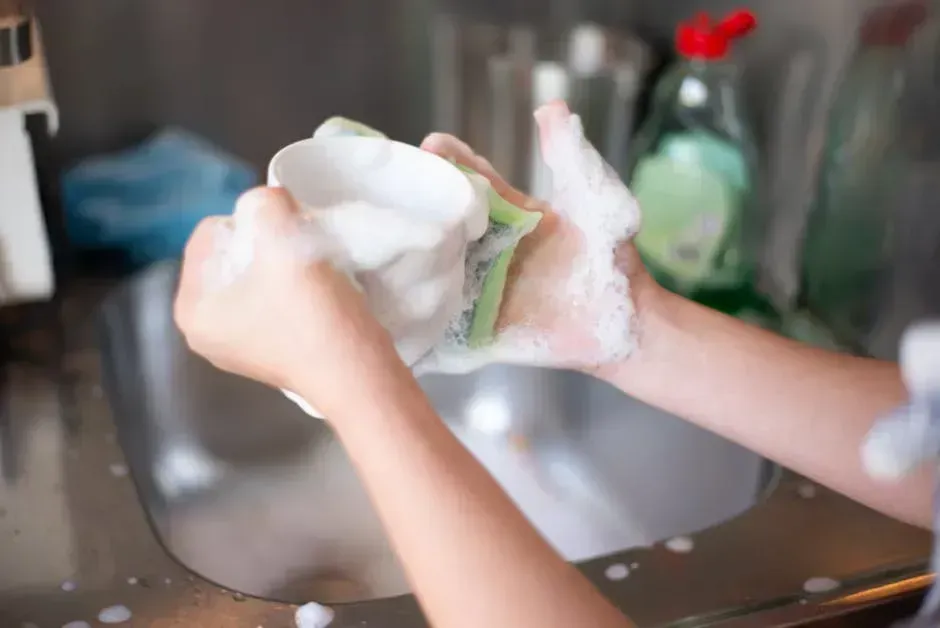
Homemade insect sprays mixing dish soap with water have been passed around as a harmless, budget-friendly alternative to commercial pesticides. The “natural” label feels reassuring. Dish soap is formulated for kitchens, not plants. It can strip leaf cuticles, causing burn, and harm beneficial insects. The very organisms you want to protect from pests can end up casualties of the remedy.
If you care at all about your soil, do not use the DIY homemade mixture of table salt, vinegar, and dish soap as a weed killer. It’s not natural, nor is it organic. When these solutions run off into the soil repeatedly, they disrupt the microbial community that plants depend on, often leaving behind residues that were never intended to be there.
8. Using Baking Soda as a Soil or Compost Fix
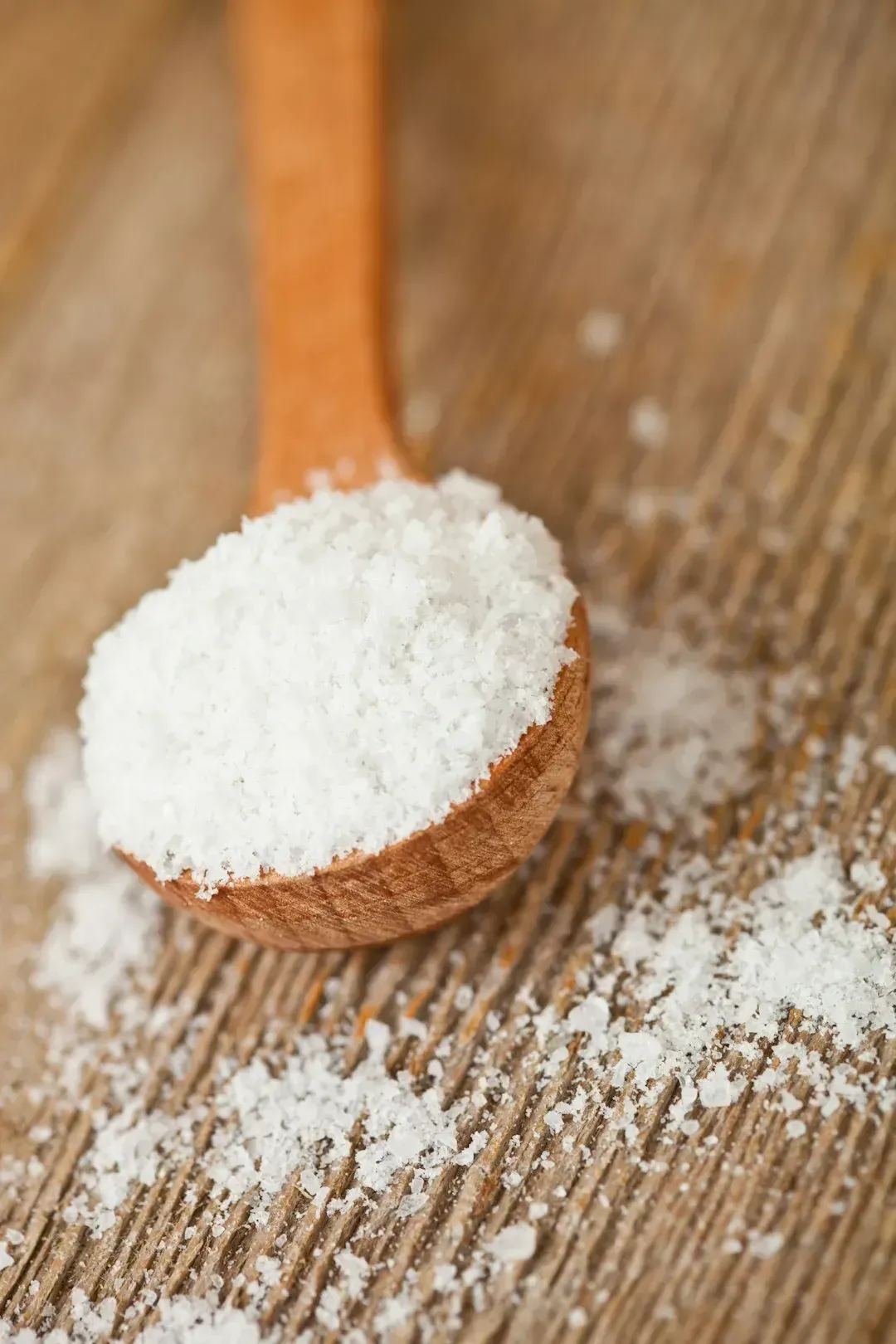
Baking soda turns up in all manner of gardening hacks, from treating fungal disease on leaves to deodorizing compost piles. It’s cheap, readily available, and seems harmless. Garden soil and garden plants do not benefit from sodium bicarbonate. In fact, it can build up in garden soil and become harmful to plants.
Sodium accumulation in soil is a genuine problem – it degrades soil structure and makes it harder for plant roots to access water. One particularly persistent hack suggests using baking soda in compost to make it less smelly. If you’re composting correctly, it simply will not smell in the first place. Masking a composting problem with baking soda only delays addressing the real issue: poor carbon-to-nitrogen balance in the pile.
9. Burying Banana Peels Directly in the Soil
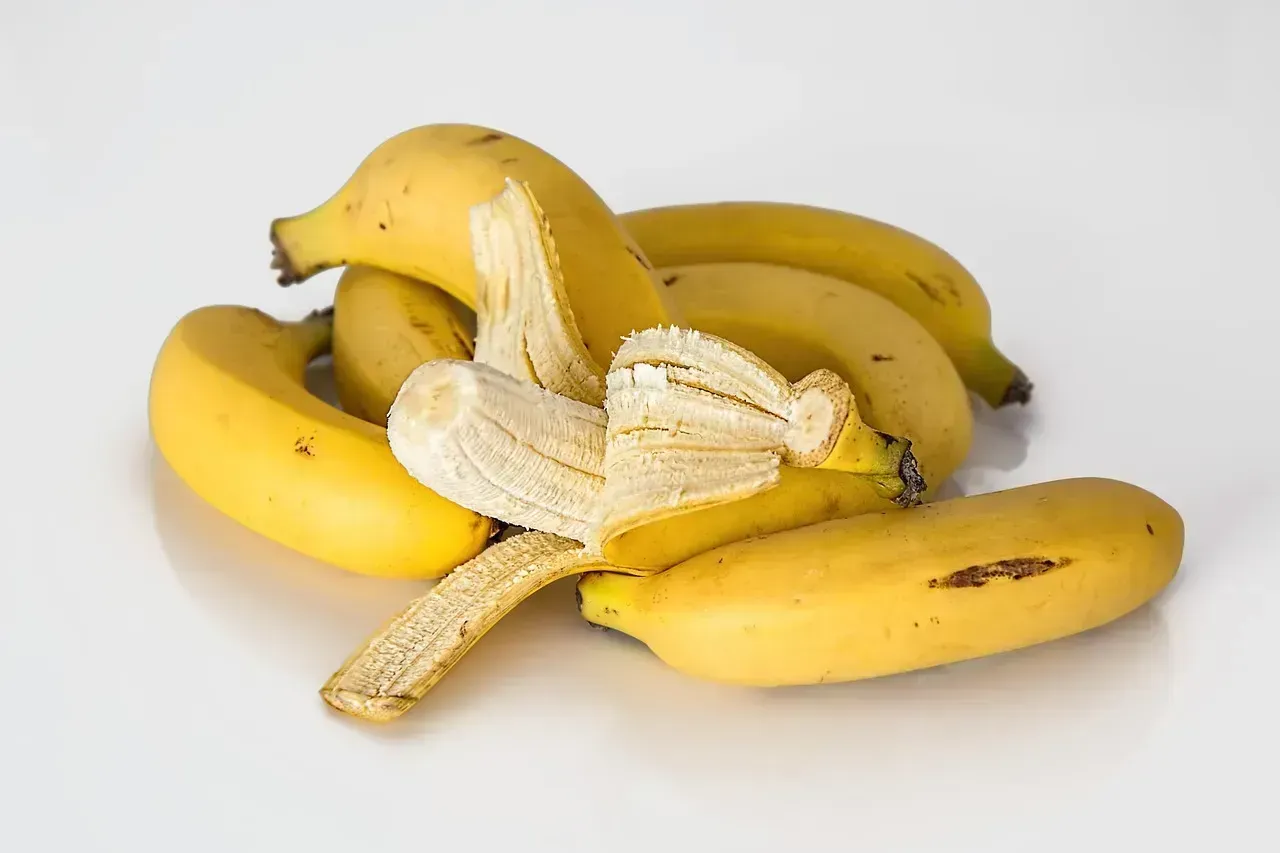
The idea is appealing – banana peels are rich in potassium, so burying them near plants should give a nutritional boost. It sounds like a tidy, zero-waste gardening move. Reality is more complicated. While bananas and their peels do contain potassium, the amount of nitrogen needed to break down the peel means less nitrogen is available for greening plants. Putting peels in shallow soil may also attract unwelcome wildlife.
Banana peels add organic matter as they break down, but they are not a quick potassium fix. Uneven burial can attract rodents, and the nutrient release is slow and inconsistent. Composting peels first and then applying finished compost is a far more reliable way to deliver nutrients to the soil without the downsides.
10. Amending the Planting Hole with Fertilizer
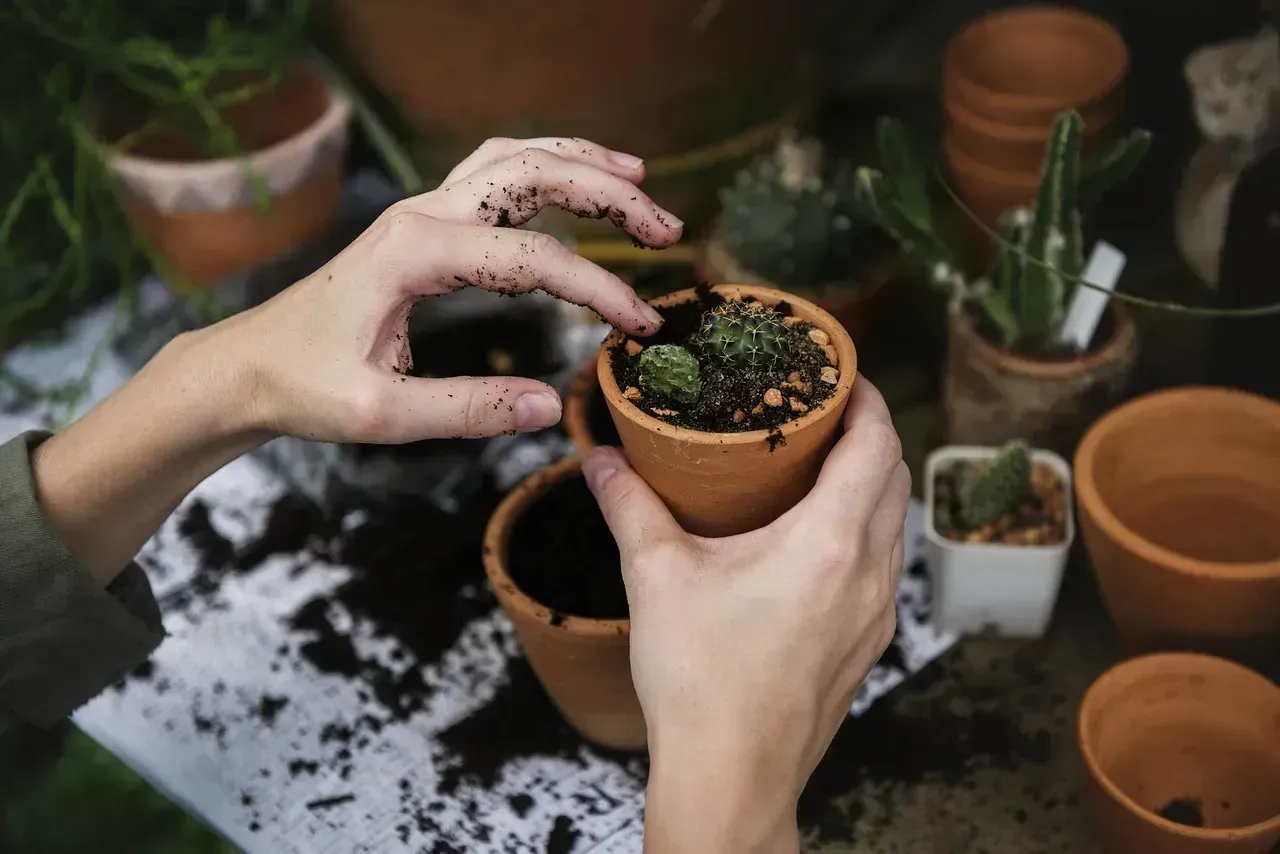
A widely repeated piece of advice says that you should enrich the soil at the bottom of a new planting hole with fertilizer or compost to give the plant a head start. It seems logical. The roots go in, the nutrients are right there waiting. Studies show that nothing is gained by amending backfill with organic matter, fertilizer, or other material. And sometimes it can be harmful – adding fertilizer in a planting hole too close to the plant’s roots can chemically burn them.
Research shows that the best planting practice is to backfill with the soil you shoveled out and to add a layer of organic mulch to improve soil structure, conserve water, and discourage weeds. While intensive techniques such as fertilizer use boost crop yields in the short term, their regular longer-term use can degrade soils, leaving them less able to withstand shocks such as drought, flooding, or disruption.
11. Applying Synthetic Fertilizer Every Season Without Soil Testing
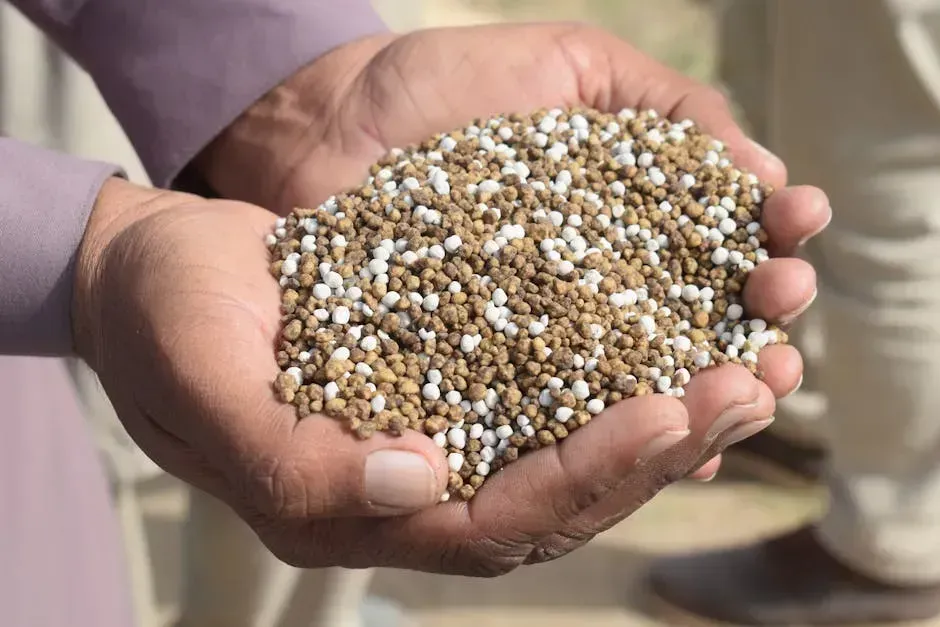
Reaching for a bag of synthetic fertilizer at the start of each growing season feels responsible. Plants need nutrients, fertilizer provides nutrients – the logic seems airtight. The fast-acting formula of many synthetic fertilizers depletes quickly, leaving your soil just as nutrient-poor as it was before. Whatever doesn’t get used by your plants can end up running off, contaminating waterways and harming fish.
In reality, fertilizers usually aren’t necessary. Most plants growing in the ground don’t really need any fertilizer. The ones that do may not need as much as the package recommends, or may benefit more from a slow-release, organic option like compost or bone meal. Intensive practices such as excessive fertilizer use increase short-term yields but degrade soil resilience over time, making soils more vulnerable to erosion, salinization, and compaction.
The pattern running through all eleven of these hacks is the same: they prioritize the visible over the invisible. Clean beds, green leaves, quick fixes – all at the expense of what’s happening beneath the surface. Soil is not just dirt. It’s a living system, and the simplest way to protect it is often to leave it alone more than we’ve been taught to.