
Money doesn’t disappear the same way for everyone. Some people spend freely on flashy things and then quietly economize where it actually matters, and wealthy homeowners tend to fall into that second camp more often than popular imagination suggests. Behind the granite counters and the manicured lawns, there’s usually a shorter list of items where the checkbook opens without hesitation, because the cost of getting it wrong is simply too high.
These aren’t the purchases that show up in glossy home tours. They’re the unglamorous, structural, and often invisible investments that protect the value of a property and the safety of the people living in it. Here’s a look at the eleven areas where affluent homeowners consistently refuse to gamble on a bargain.
1. Roofing materials and installation
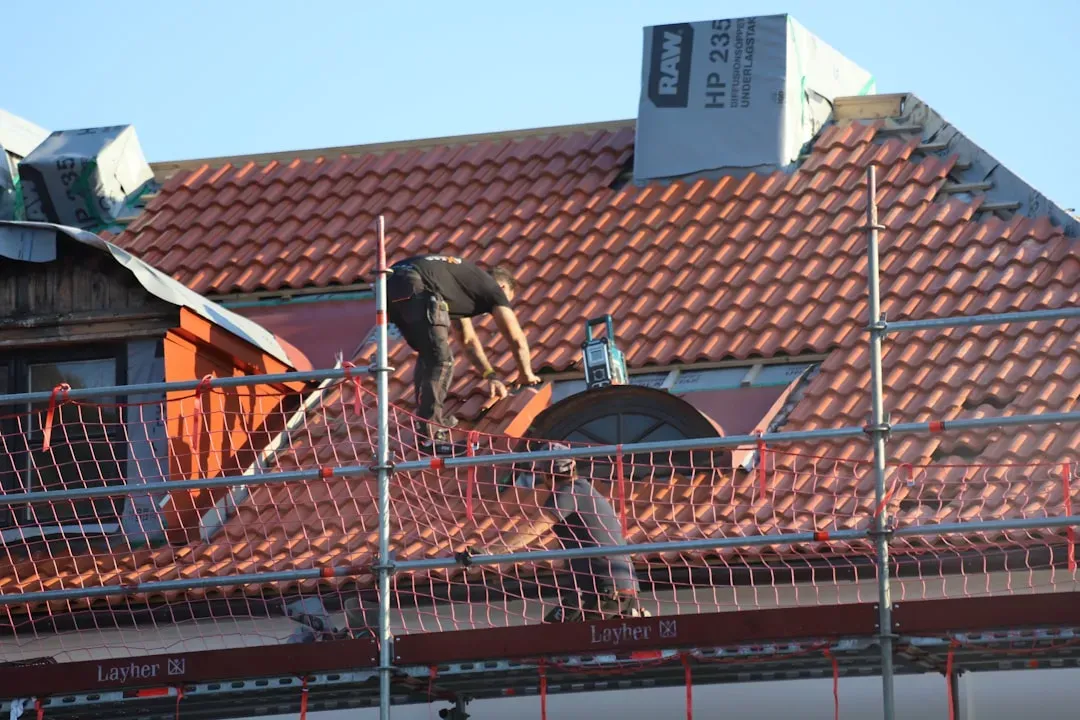
A roof is one of those things that looks fine right up until it doesn’t, and wealthy homeowners tend to treat it as non-negotiable infrastructure rather than a cosmetic choice. Premium materials like slate, copper, or high-grade architectural shingles cost significantly more upfront, but they’re chosen because a failure here means water damage, mold, and structural rot that can spread through an entire house before anyone notices.
Labor matters just as much as material. A poorly installed roof, even with expensive shingles, will leak in the same places a cheap one does, so affluent buyers tend to pay for licensed, insured crews with strong warranties rather than the lowest bid on the block.
2. Foundation and structural work
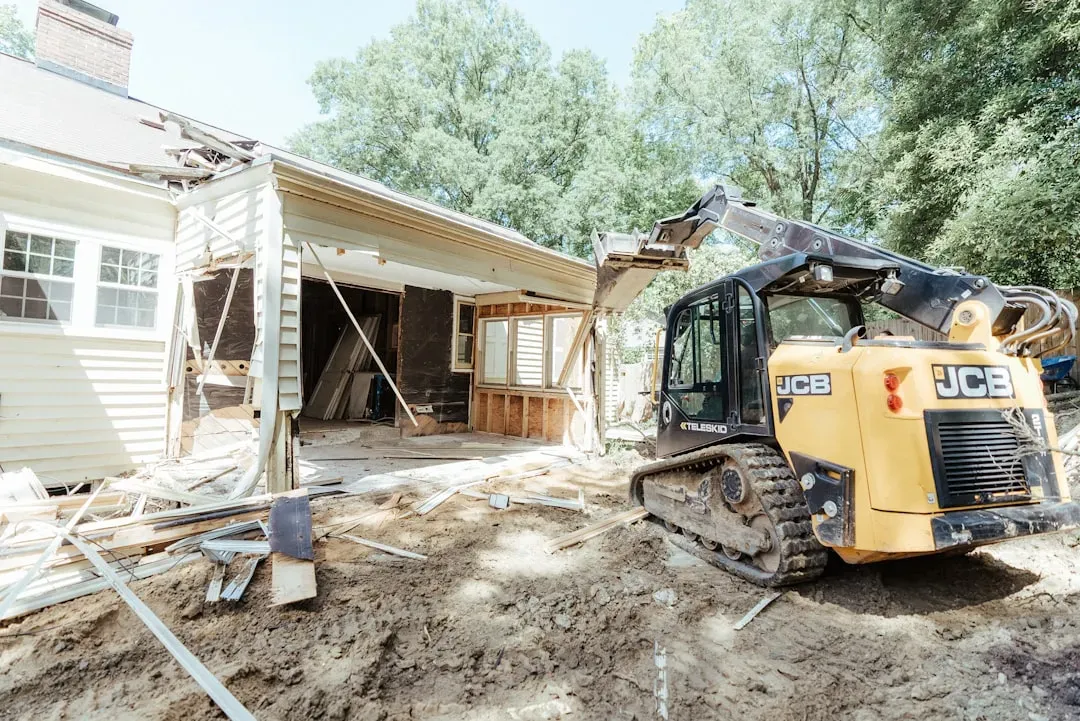
Nothing rattles a homeowner faster than the word “foundation,” and for good reason. Cracks, settling, or drainage issues around the base of a house can compromise everything built on top of it, and repairs get exponentially more expensive the longer they’re ignored.
Wealthy homeowners are more likely to bring in structural engineers early, even for minor-looking cracks, rather than patching things over cosmetically. It’s a category where the temptation to save money almost never wins out, because a home with foundation problems can lose substantial resale value overnight.
3. HVAC systems
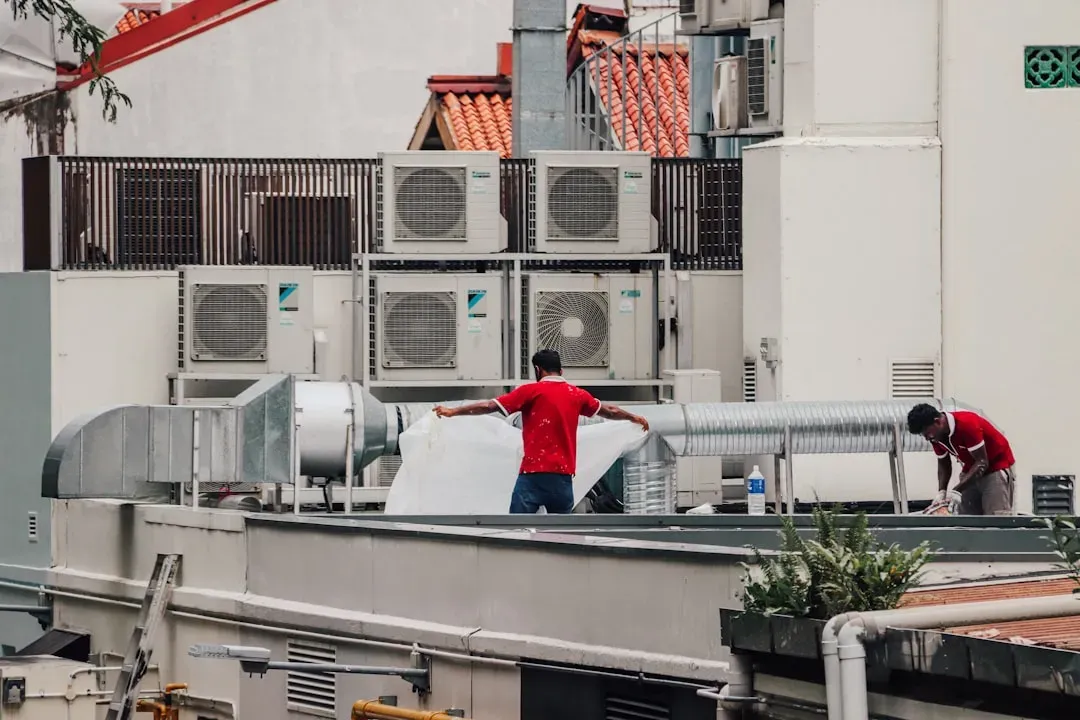
Heating and cooling systems are easy to ignore until the moment they fail, usually during the least convenient week of the year. Affluent homeowners tend to invest in higher-efficiency units and consistent professional maintenance schedules rather than waiting for a breakdown to force their hand.
Beyond comfort, there’s a real financial logic here. A well-maintained, high-quality HVAC system tends to use less energy over its lifespan and avoids the kind of emergency repair bills that come with neglected systems, so the upfront cost is treated as a long-term insurance policy rather than a discretionary upgrade.
4. Plumbing and pipe quality
Plumbing problems have a way of hiding inside walls until they become disasters, which is exactly why wealthy homeowners rarely cut corners here. Cheap pipe fittings or outdated materials can lead to slow leaks that silently damage drywall, flooring, and even furniture over months or years.
Many affluent buyers specifically ask about pipe materials and age during a purchase, because replacing plumbing in a finished home is disruptive and expensive. It’s cheaper, in every sense, to pay for quality copper or PEX piping and licensed plumbing work the first time around.
5. Electrical wiring and panel capacity
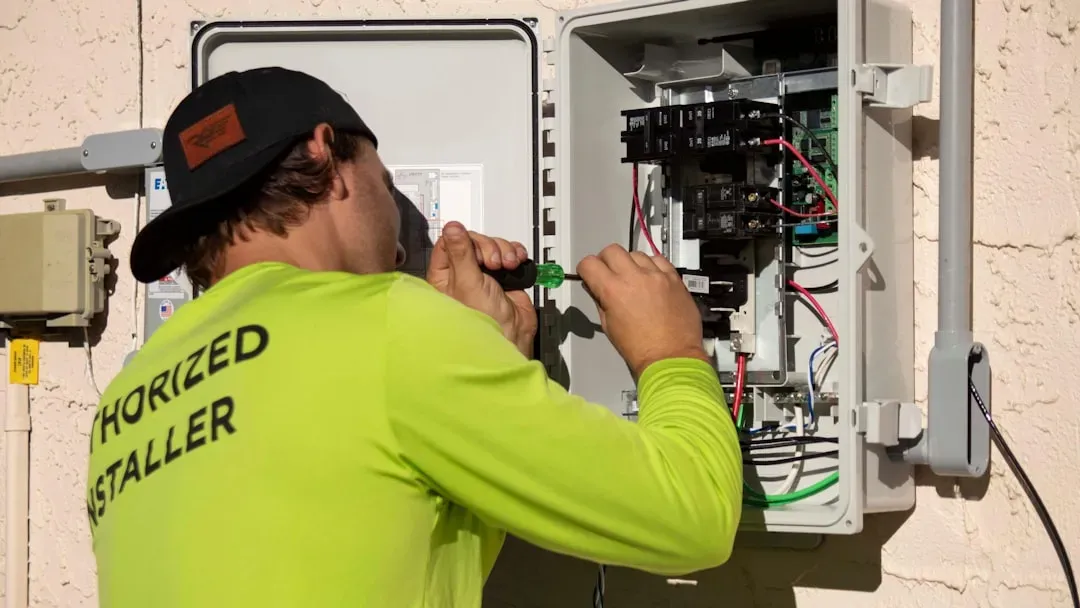
Electrical work is one of those areas where a discount job can be genuinely dangerous, not just inconvenient. Faulty wiring is a leading contributor to house fires, and wealthy homeowners tend to treat licensed electrical inspections and up-to-date panels as essential rather than optional.
As homes add more devices, electric vehicle chargers, and smart systems, outdated electrical panels simply can’t keep up safely. That’s why upgrading panel capacity and hiring certified electricians is one of the last places affluent owners look to trim a budget.
6. Home security systems

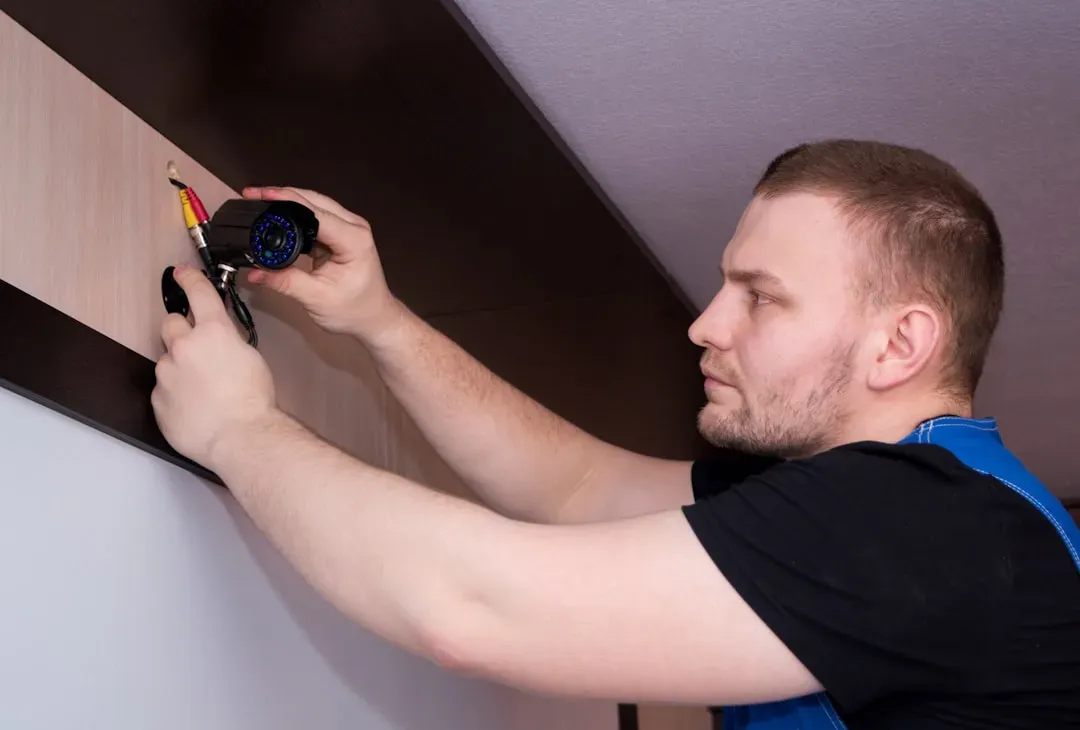
Security is deeply personal, and for people with valuable homes, it’s rarely an area for bargain shopping. Wealthy homeowners tend to invest in monitored alarm systems, reinforced entry points, and sometimes professional security consultations rather than relying on basic off-the-shelf cameras alone.
The reasoning isn’t just about theft. A reliable security system also covers fire detection, carbon monoxide alerts, and emergency response times, so the investment is viewed as protecting people first and possessions second.
7. Water damage and moisture control
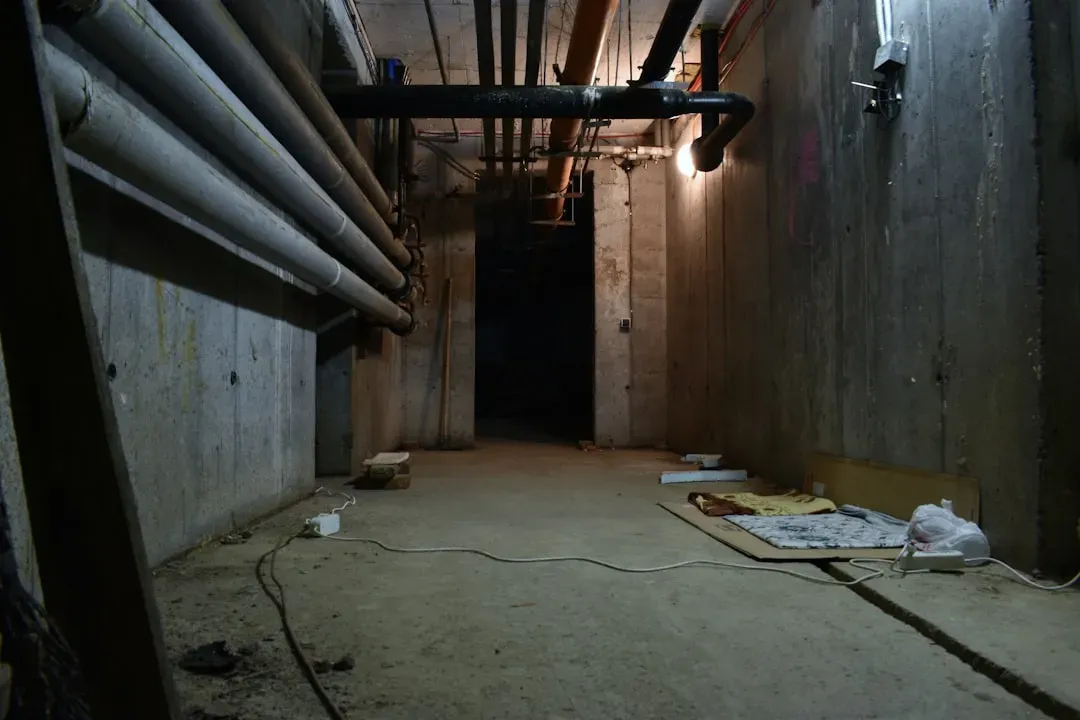
Moisture is patient and destructive, which is why waterproofing basements, sealing foundations, and maintaining proper drainage grading around a house get serious attention from affluent owners. Mold remediation and water damage repairs can run into the tens of thousands of dollars, and insurance doesn’t always cover every scenario.
Gutters, sump pumps, and French drains might not be exciting purchases, but they’re treated as essential preventive spending. Wealthy homeowners tend to view moisture control as one of those quiet investments that only becomes visible in hindsight, when the house next door has a flooded basement and theirs doesn’t.
8. Quality windows and insulation
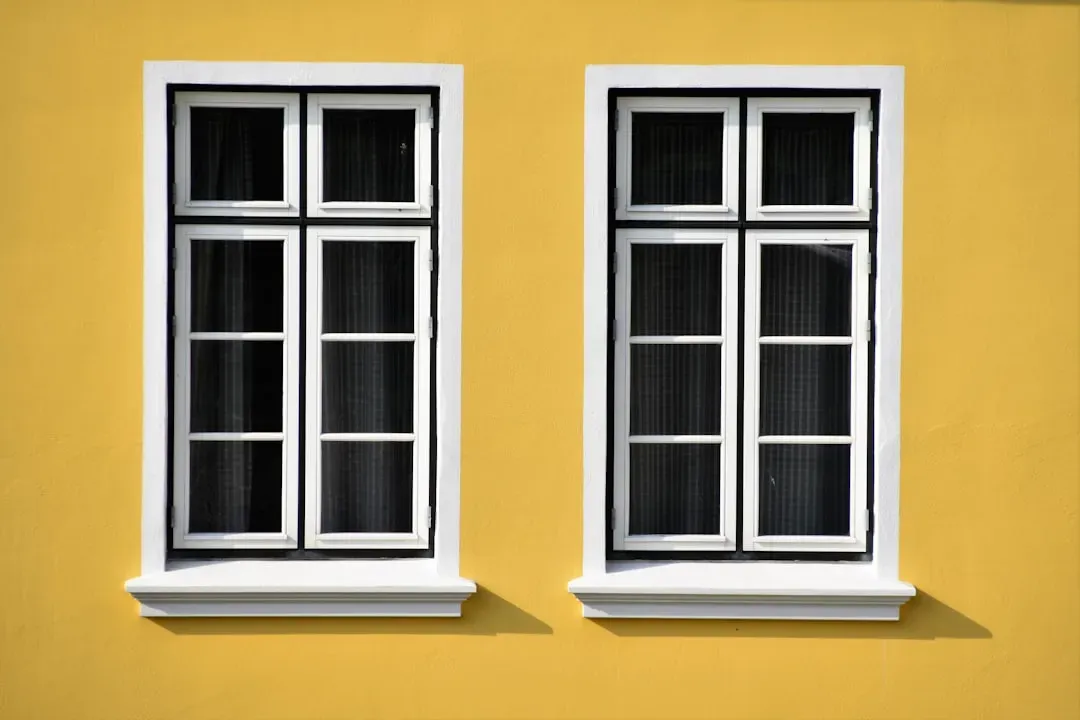
Windows do more than let in light. They regulate temperature, block noise, and contribute meaningfully to a home’s energy efficiency, which is why wealthy homeowners are willing to pay more for double or triple-pane options with strong insulation ratings.
Poor insulation shows up later as higher utility bills and uneven indoor temperatures, problems that tend to compound over years rather than appear all at once. Investing properly the first time avoids a slow drain on comfort and cash that’s easy to underestimate.
9. Professional landscaping and drainage design
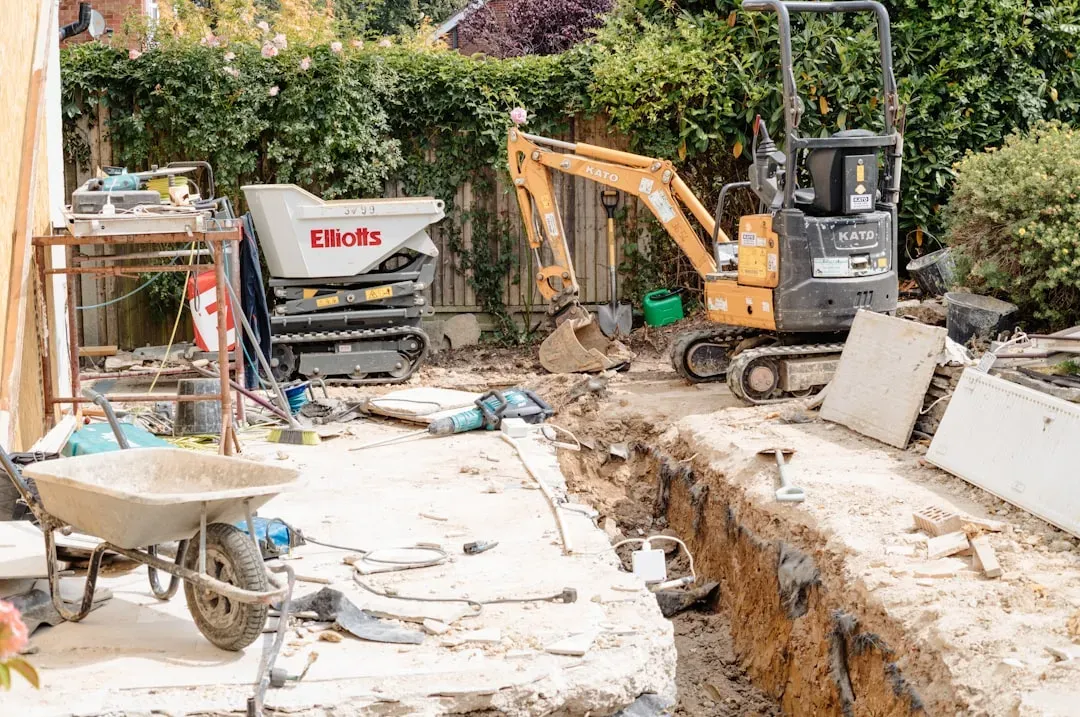
Landscaping might seem purely aesthetic, but the drainage and grading work underneath it protects the entire property. Wealthy homeowners tend to hire professional landscape designers who understand water flow, soil erosion, and how root systems interact with foundations, rather than treating yard work as a weekend DIY project.
Poorly planned grading can direct water straight toward a foundation, undoing thousands of dollars in other structural investments. It’s a category where the visible beauty is almost secondary to the invisible engineering happening beneath the surface.
10. Home inspections before buying or renovating
Skipping or rushing a home inspection is one of the costliest shortcuts a buyer can take, and it’s one that wealthy homeowners consistently avoid. A thorough, independent inspection can reveal issues with the roof, foundation, electrical systems, or plumbing before they become the new owner’s expensive problem.
Even during renovations, affluent homeowners tend to bring in specialized inspectors for structural or mechanical work rather than relying solely on a contractor’s word. The inspection fee is small compared to the potential cost of an undiscovered defect surfacing after closing.
11. Skilled, licensed contractors
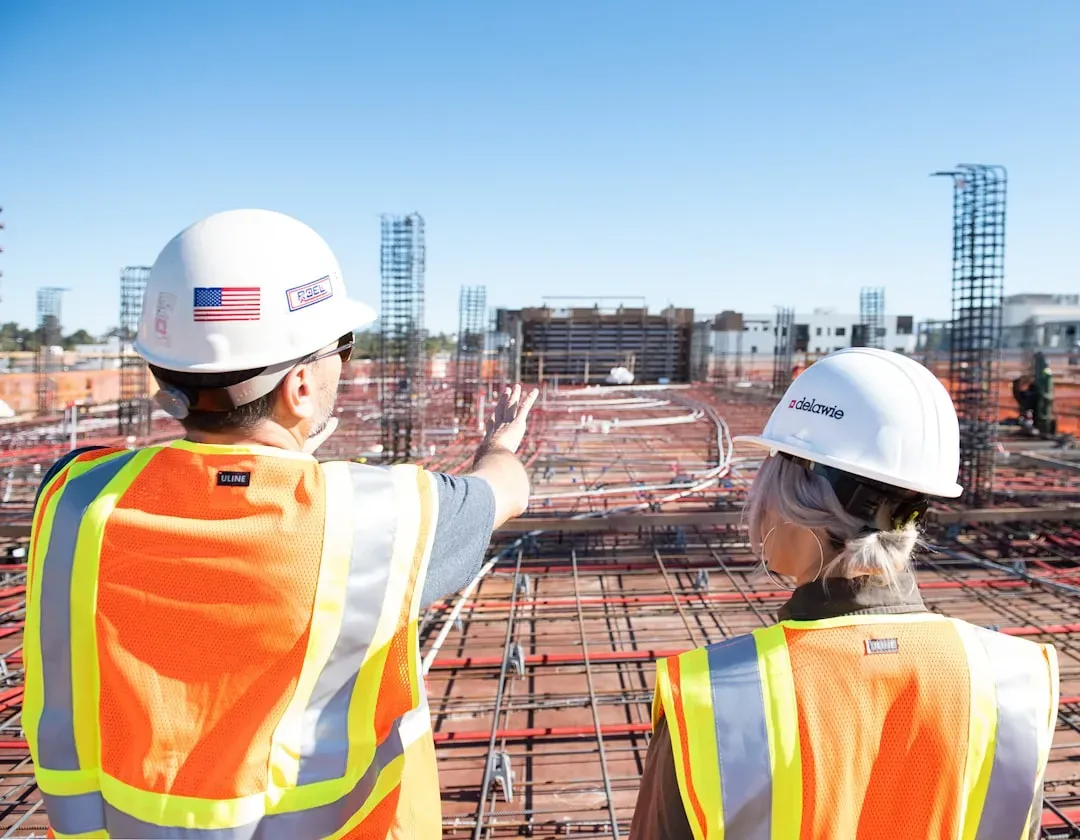
Perhaps the most consistent theme across every category above is a refusal to hire the cheapest available labor. Wealthy homeowners tend to prioritize licensed, insured contractors with verifiable track records, even when it means paying a premium and waiting longer for a project to start.
Cutting corners on labor quality often means redoing work later, sometimes at double the original cost once damage or code violations are factored in. It’s a lesson many affluent homeowners learned the hard way early in their lives, and it’s why they rarely repeat the mistake once they have the means to avoid it.
Taken together, these eleven categories share a common thread: they’re mostly invisible until something goes wrong, and by then the cost of the shortcut has multiplied several times over. Wealthy homeowners aren’t necessarily spending more across the board. They’re simply choosing, with some consistency, where a discount isn’t worth the risk.