
Some fears don’t come from lived experience. They come from something a parent said, a half-remembered headline, or a “fact” that circulated so long it started to feel true. The strange thing about myths is that they tend to survive not because people are gullible, but because the stories are vivid, emotionally resonant, and rarely challenged out loud.
The result is a kind of background anxiety that many people carry without questioning its source. The good news is that a large number of these fears rest on nothing solid at all. Here are 16 widely believed myths that science and research have convincingly put to rest.
1. Vaccines Cause Autism
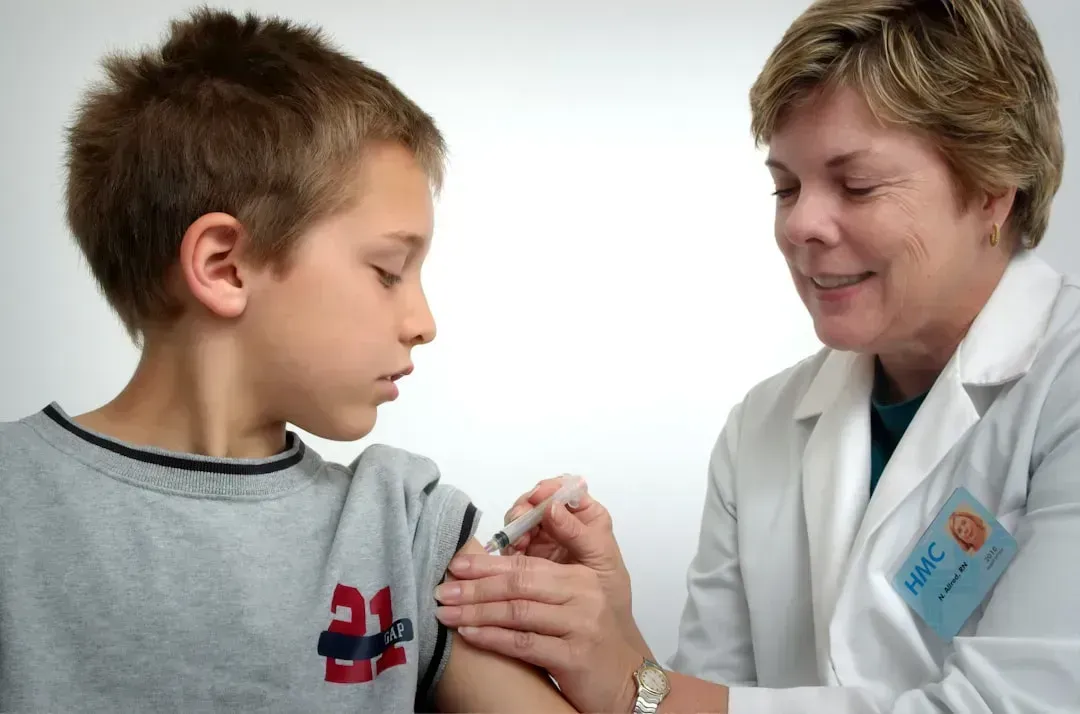
This myth began with a now-discredited study published in 1998, which falsely linked the MMR vaccine to autism. The study was later retracted, and numerous large-scale studies since then have found no connection between vaccines and autism. The study was reviewed further and retracted, and the author’s medical license was revoked due to falsified information.
More than two decades after the false claim was first made and debunked, it remains an idea that makes parents fearful or anxious about vaccinating their young children. Even though there have been no published studies that significantly illustrate a relation between vaccines and autism, vaccine hesitancy continues, as the conspiracy is rooted in individuals not trusting the scientific information being released. By fueling conspiracy theories, the feeling of fear increases, leading to ultimately detrimental effects on public health.
2. You Only Use 10 Percent of Your Brain
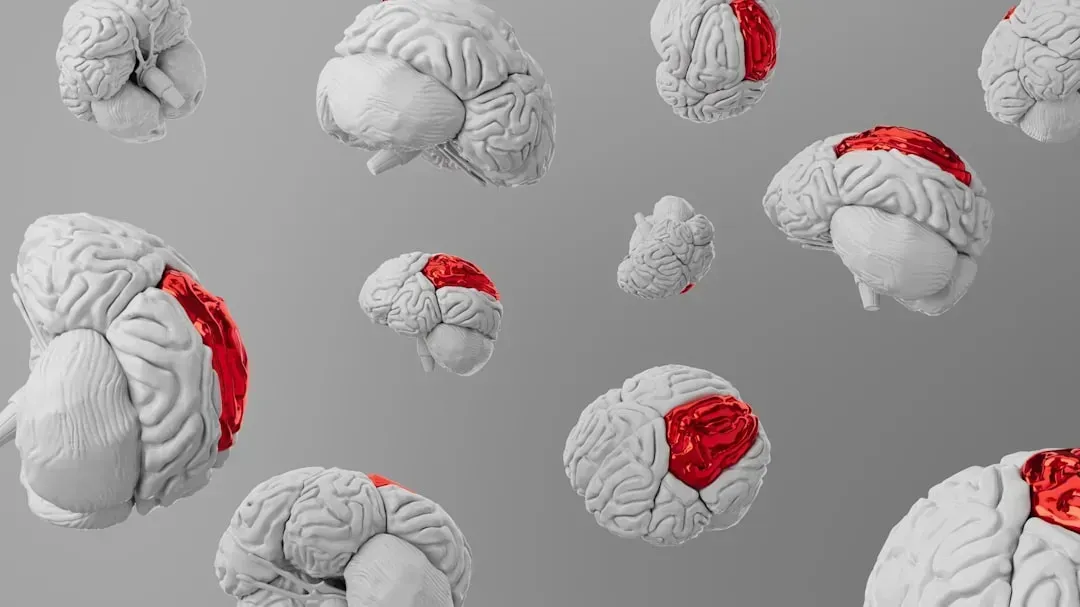
The idea that we use 10 percent of our brain is completely a myth. Scientists believe that we use our entire brain every day. Evolutionarily, it would make no sense for the human brain, which consumes about 20 percent of the body’s energy despite accounting for only about 2 percent of its mass, to be largely unused. From an adaptive standpoint, such metabolic expense must correspond to high utility.
Although it’s true that at any given moment all of the brain’s regions are not concurrently firing, brain researchers using imaging technology have shown that most are continually active over a 24-hour period. As one neurologist at the Mayo Clinic puts it, evidence shows that over the course of a day you use 100 percent of the brain. Even during sleep, areas such as the frontal cortex, which controls higher-level thinking and self-awareness, remain active.
3. Sugar Makes Children Hyperactive

The belief that sugar makes kids hyperactive is a long-standing myth, with roots dating back to the 1970s. Numerous studies have shown no significant link between sugar consumption and increased hyperactivity in children. A notable review published in 1995 analyzed multiple studies and concluded that sugar does not affect the behavior or cognitive performance of children.
Several studies have shown that parents’ expectations can influence their perception of their children’s behavior after consuming sugar. In other words, if parents believe that sugar causes hyperactivity, they may be more likely to observe and report such behavior. The fear is, in a real sense, self-fulfilling. Other factors contribute to hyperactive behavior in children: environmental stimuli such as crowded and noisy settings can increase activity levels, and emotional factors including stress or excitement also play a significant role.
4. Cracking Your Knuckles Causes Arthritis

Studies have found no direct link between knuckle-cracking and arthritis. The sound is caused by gas bubbles popping in the joint fluid, which does not harm your joints. A notable study by Dr. Donald Unger, who cracked the knuckles of one hand for over 60 years while leaving the other uncracked, found no difference in arthritis between the two hands. Broader studies have also shown no significant increase in arthritis risk among habitual knuckle crackers compared to those who don’t crack their knuckles.
Knuckle cracking isn’t entirely risk-free, however. Potential risks include temporary joint swelling and reduced grip strength due to repetitive motion. In rare cases, aggressive or frequent knuckle cracking can lead to ligament damage or joint injury. So while it might irritate everyone in the room, it won’t give you arthritis.
5. Cold Weather Gives You a Cold

There’s no doubt that drops in temperature can cause discomfort, especially if you’re not dressed for it. Only a bacterium or virus will cause a cold, not the weather itself. Cold weather may indirectly increase the likelihood of catching a cold because people tend to spend more time indoors in close proximity to others, where viruses can spread more easily.
While it is true that people get sick more often during the colder months, cold weather itself does not cause illness. The seasonality of certain viruses like influenza, as well as more time spent indoors when it’s cold out, encourages viral spread. The fear of stepping outside with wet hair or without a coat is understandable, but it won’t cause a cold on its own.
6. You Need to Drink Eight Glasses of Water a Day

The idea that people need to drink eight cups of water every day was derived from a 1940s article in which the specifics of the recommendation were lost in the article’s summary. The article actually stated that fluid ingested through food counts toward that amount. While staying hydrated is essential, the “8 glasses a day” rule is not scientifically based. Water needs vary depending on age, activity level, and overall health.
Research shows people who drink a glass of water when they’re thirsty get enough to stay healthy and hydrated. Water-rich foods like soup, fruit, and vegetables, along with drinks like juice, tea, and coffee, all help you reach your daily fluid intake. If your urine is light or clear, this is always a good indication that you’re properly hydrated.
7. We Are Either Left-Brained or Right-Brained
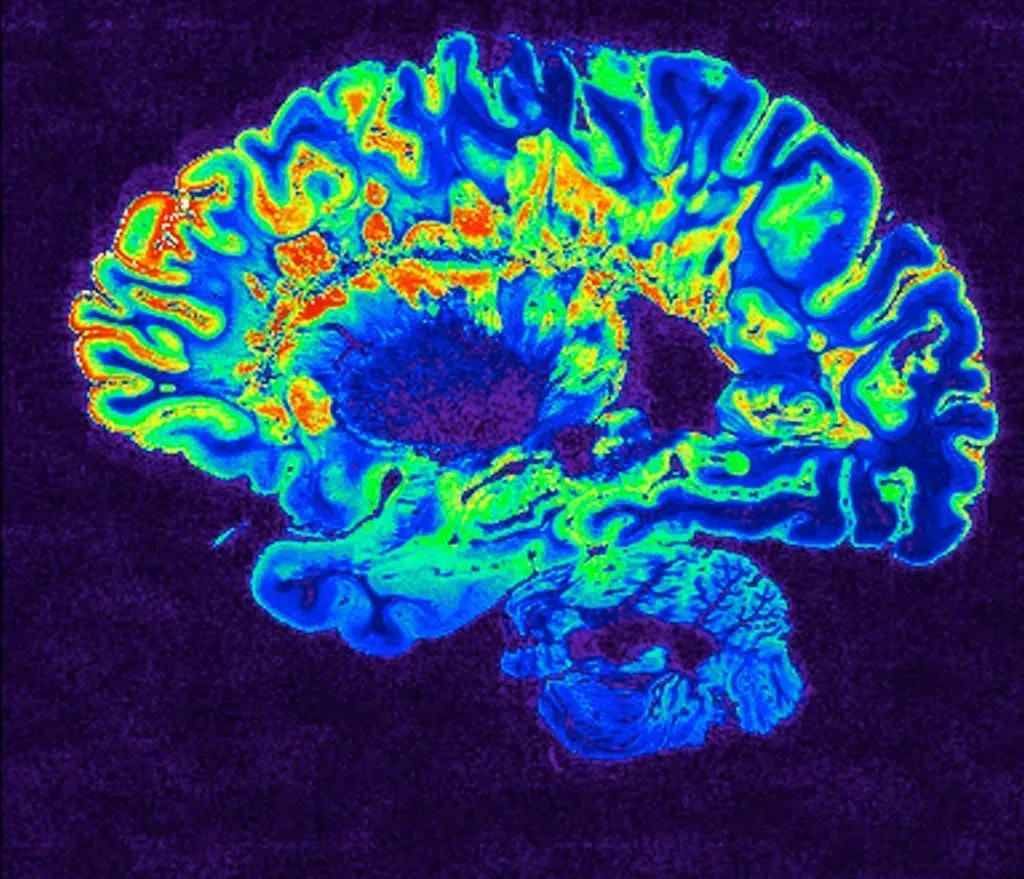
Research suggests that a person will not be dominated by either the left hemisphere or right, but that both sides of the brain are used equally. Many believe that right-brained people are more creative and left-brained people more logical. Research suggests this is a myth and that people are not dominated by one brain hemisphere or the other. A healthy person is constantly using both hemispheres.
There’s no solid division between the talents of each hemisphere. The left brain can learn so-called right-brain skills, and vice versa. The left-brain/right-brain framework has been popular in self-help and education for decades, but it has consistently failed to hold up under neuroimaging scrutiny. Labeling yourself as one or the other may actually limit how you approach learning.
8. Antibiotics Can Treat a Cold or Flu

Antibiotics are only effective against bacterial infections and have no effect on viral infections like the cold or flu. Misuse of antibiotics can lead to antibiotic resistance, a serious global health issue. Despite this, many people still feel anxious when a doctor doesn’t prescribe them, interpreting the absence of a prescription as being dismissed rather than treated correctly.
The fear here is subtle but real: people worry that without antibiotics, they’ll get worse. In most cases of a common cold, the body simply needs time and rest. Taking antibiotics unnecessarily doesn’t speed recovery, it contributes to a broader public health problem by reducing the effectiveness of these drugs when they’re genuinely needed.
9. Swallowing Gum Stays in Your Stomach for Seven Years

To understand why this is a myth, it’s essential to know how the digestive process works. When you swallow gum, it travels down the esophagus to the stomach just like any other food. The stomach uses acids and enzymes to break down what we eat. The human digestive system can only process the sugars and oils in gum, meaning that the gum base is resistant to digestive enzymes.
Despite this, chewing gum does not linger in the stomach for years. The indigestible parts of gum move through the digestive tract relatively intact and are expelled from the body in the stool. The idea that swallowing a single piece of gum causes lasting internal harm is entirely unfounded, yet it still generates genuine worry in children and even some adults.
10. Eggs Are Bad for Your Heart

Eating an egg or two a day doesn’t raise the risk of heart disease in healthy people. Yes, the yolks have cholesterol, but for most people, the amount found in any one food isn’t as bad as the mix of fats from everything we eat. What’s more, eggs have nutrients like omega-3s that may actually lower the risk of heart disease.
Eggs have gotten a bad reputation, but the truth is these breakfast staples are mostly good for you. Eggs are low-calorie and nutrient-dense, meaning they pack a powerful health punch. They are also a great source of protein. The fear around eggs was amplified for decades by dietary guidance that has since been substantially revised, leaving many people still avoiding a genuinely nutritious food.
11. You Lose Most of Your Body Heat Through Your Head

The belief that you lose most of your body heat through your head is a myth. This misconception likely stems from an old military study where subjects were dressed in Arctic survival suits without hats, leading to significant heat loss from the only exposed area: the head. The problem with the study’s interpretation was obvious in hindsight: if your head is the only uncovered part of your body, of course it loses more heat proportionally.
In reality, heat escapes from any exposed surface. The head accounts for roughly the same proportion of heat loss as any other part of the body of similar size. The myth has led to parents anxiously rushing to bundle up children’s heads in all weather, which isn’t harmful but isn’t grounded in accurate physiology either.
12. Touching a Baby Bird Will Make Its Mother Abandon It

Most birds have a limited sense of smell, so a mother bird won’t abandon babies who smell of humans. It’s perfectly fine to pick up a baby bird and place it back in its nest. This myth has caused well-meaning people to leave vulnerable fledglings on the ground out of misplaced concern, often to the bird’s detriment.
The fear is understandable given how protective we feel about wildlife, but it’s based on a false premise about bird biology. The instinct to parent is stronger than any brief human contact. If you find a nestling on the ground and can safely return it, doing so is the right call.
13. Microwaving Food Destroys Its Nutrients

There is no scientific evidence to suggest that microwaving food reduces nutrient levels more than other methods. All forms of cooking reduce nutrient content to some extent, with the main factors being temperature, cooking time, and method. As microwave cooking times are generally shorter and use lower temperatures than other forms of cooking, fewer nutrients are lost from shorter heat exposure.
The fear around microwaves has persisted partly because the technology feels unfamiliar or unnatural to some people. In practice, microwaving is often one of the gentler cooking methods when it comes to nutrient retention. The anxiety about using a microwave has pushed some people toward longer cooking methods that, ironically, strip more nutritional value from their food.
14. Sitting Too Close to the TV Will Damage Your Eyes

Many of us were warned as children that sitting too close to the TV would damage our eyes, but this is a myth. The concern originated decades ago when early television sets emitted low levels of radiation. Modern televisions, including flat screens and LED displays, do not carry this risk. No credible body of research supports the claim that proximity to a screen permanently harms vision.
Children often sit close to screens naturally because their eyes focus more easily at short distances. While extended screen time can cause temporary eye fatigue, known as digital eye strain, it doesn’t cause lasting damage to the eyes. The fear generated by this myth has been disproportionate to any actual physiological risk.
15. Your Body Needs Regular “Detoxing”
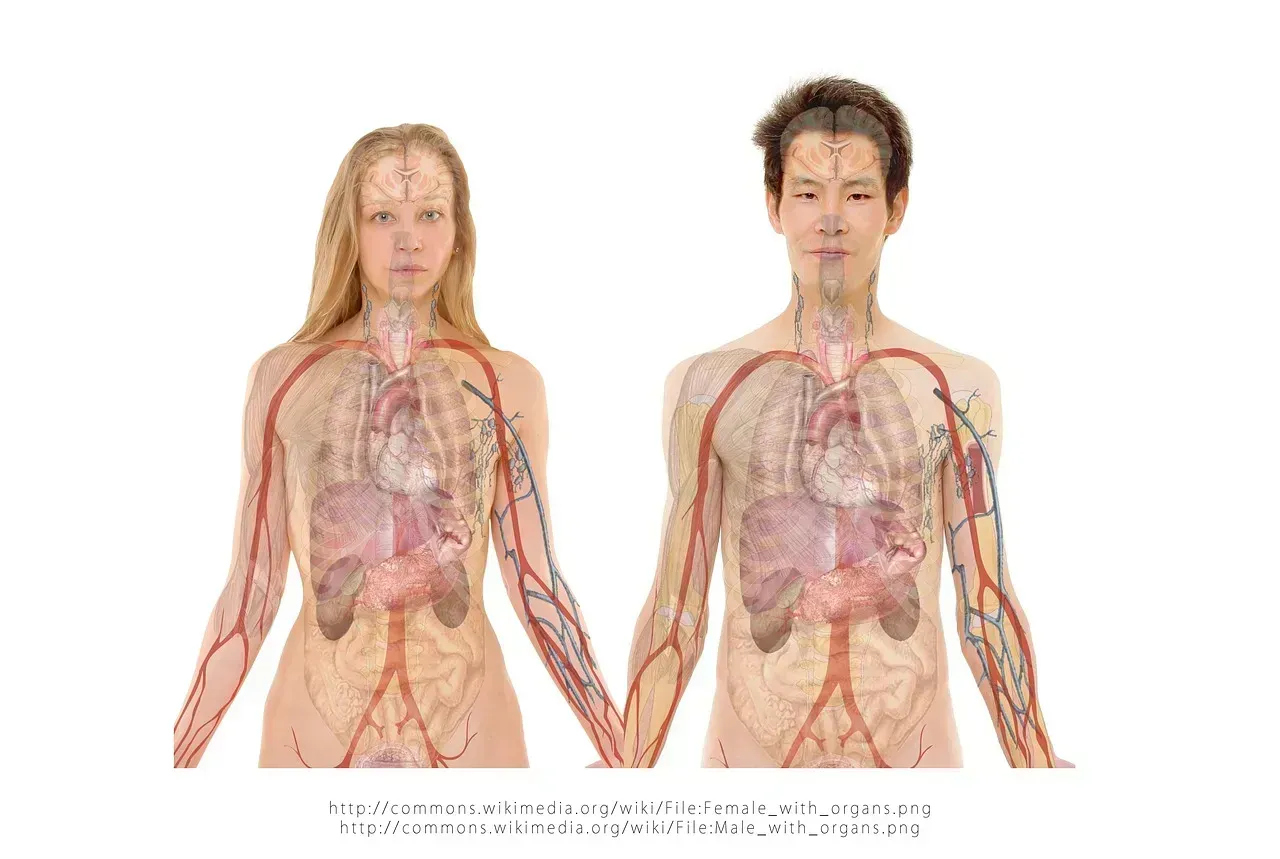
The body already has a natural detoxification system involving the liver, kidneys, and digestive system. These organs work continuously to filter waste, neutralize harmful substances, and eliminate byproducts of metabolism. The notion that we need to periodically flush this system with special juices or supplements has no meaningful scientific backing.
The wellness industry has built considerable revenue around detox fears, positioning the human body as perpetually toxic and in need of rescue. For the vast majority of healthy people, this framing creates anxiety without cause. Drinking water, eating fiber-rich foods, and avoiding excessive alcohol already give the liver and kidneys everything they need to do their job well.
16. Misinformation Is Easy to Spot and Rarely Sticks

The enormous abundance of uncertain online information worldwide has led to what the WHO calls an “infodemic,” making it difficult for people to find evidence-based information and to distinguish correct from incorrect information. Some people simply believe what they have once heard or read from their parents, friends, or online. Misinformed beliefs are relatively stable in recipients’ cognitive models, quite resistant to corrective messages, and thus difficult to eliminate.
Misunderstandings and inaccurate knowledge can occur because people in everyday life have limited time, cognitive resources, or motivation to understand complex scientific topics. This is perhaps the most important myth of all: the comfortable assumption that bad information can’t affect us, that we’d notice if we were being misled. The myths listed above prove otherwise. Most of them have survived not because the evidence supports them, but because no one thought to look closely at where they came from.