
Stress does not affect everyone equally, and for women, the picture is more layered than it might appear from the outside. A lot of what weighs on women goes unspoken – not because it is trivial, but because it often feels too ordinary, too expected, or too hard to explain. It quietly accumulates in the background of daily life, rarely making headlines but rarely going away either.
Women are twice as likely to be diagnosed with an anxiety disorder compared to men, and the gap in reported stress levels has persisted for decades. APA’s 2023 Stress in America survey finds women continue to report higher stress levels than men. Many of the reasons behind that gap are not dramatic life events – they are the quiet, recurring pressures that rarely get named out loud. Here are eighteen of them.
1. The Mental Load of Organizing Everyone Else’s Life
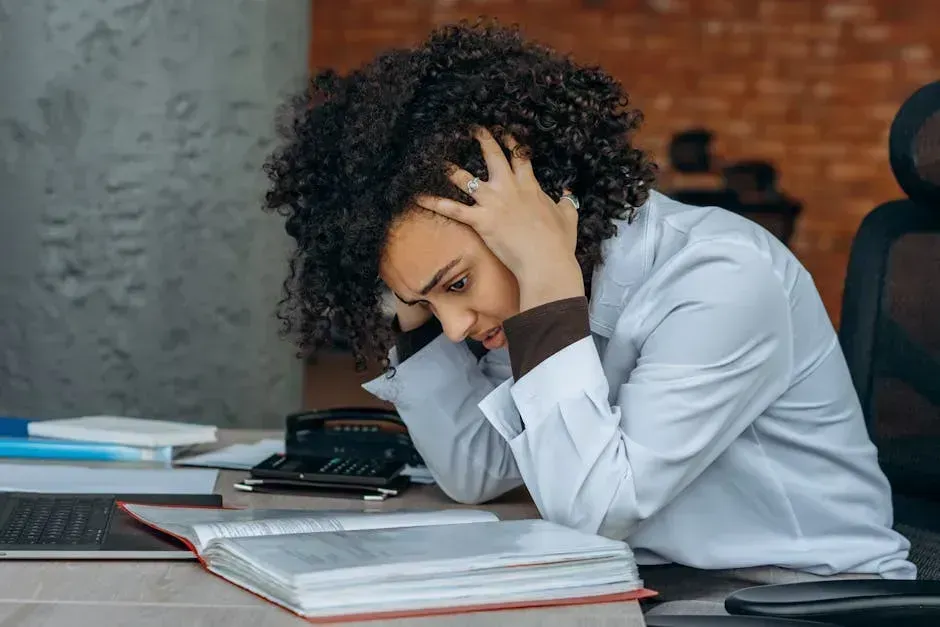
Many women report that caregiving and family responsibilities, such as taking care of children, parents, and household duties, increase stress and a sense of reduced well-being. Often, women spend more time meeting the needs of others rather than caring for themselves. The mental load is not just about doing tasks – it is about tracking, anticipating, and remembering them in the first place.
The invisible management layer – remembering that the dentist appointment needs rescheduling, that a birthday is approaching, that a permission slip is due – rarely gets acknowledged or shared. Women were more likely than men to cite family responsibilities as key stressors in their lives. The constant background processing is exhausting in a way that is genuinely difficult to articulate.
2. Being Perceived as “Too Much” or “Not Enough”
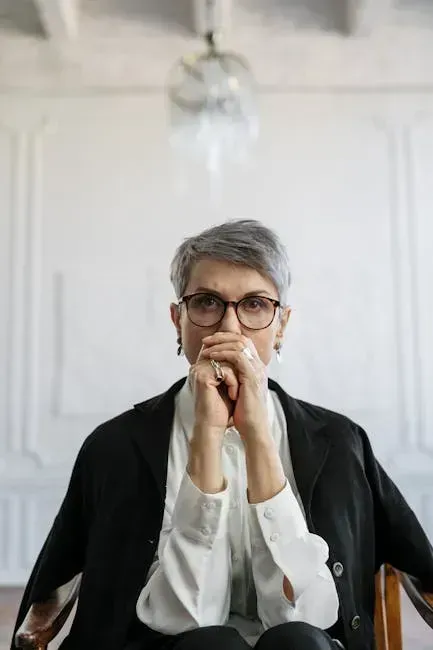
The social tightrope many women walk – assertive but not aggressive, confident but not arrogant, warm but not weak – is a source of chronic low-level anxiety. It shapes how women speak in meetings, how they phrase requests, and how they manage pushback. The fear of being misjudged is rarely dramatic; it is a quiet filter applied to almost every social interaction.
Women were more likely to say they “strongly agree” that no one understands how stressed they are, and were less likely to report that they can quickly get over stress. Part of that isolation comes from the sense that the pressure to calibrate their presentation is something others simply do not experience at the same frequency.
3. Physical Safety in Public Spaces
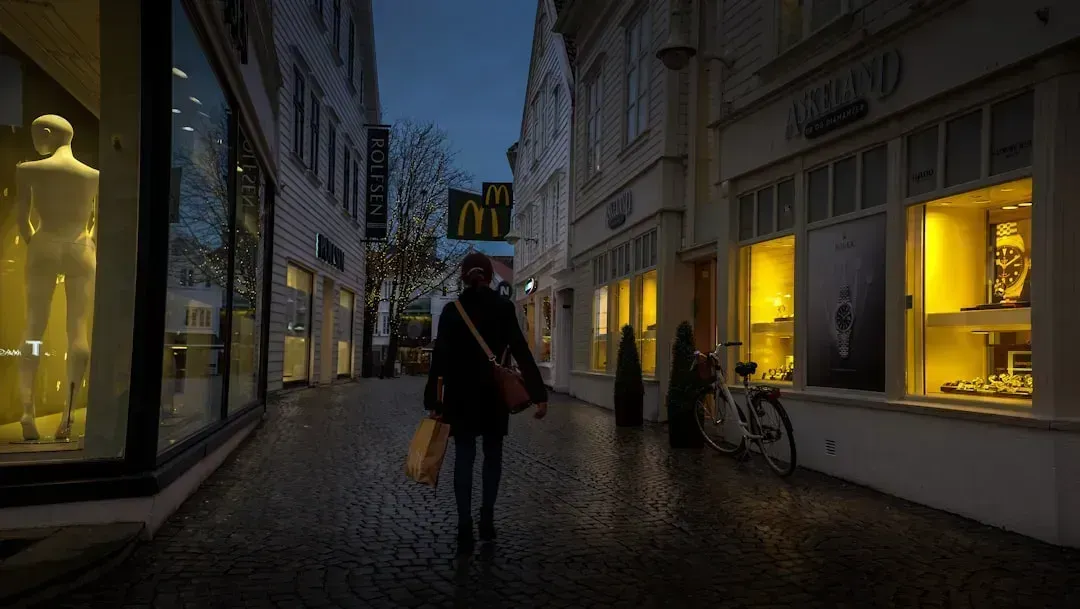
Walking to a car at night. Taking public transit alone. Running in a park after dark. These are everyday activities for many people, but for a large number of women, each one carries an undercurrent of vigilance that most men rarely experience. The mental energy spent assessing surroundings, planning routes, or keeping keys accessible is real, even when nothing bad happens.
This form of ambient anxiety does not usually show up in clinical surveys as a diagnosable condition, but it shapes behavior in measurable ways – from route choices to what time women leave social events. It is largely invisible to those who do not experience it, which makes it harder to discuss without sounding alarmist.
4. Hormonal Fluctuations Throughout the Month
Women experience a hormonal shift throughout their lives. From puberty to menstruation, pregnancy, and menopause, fluctuating hormone levels can influence how women perceive and respond to stress. The week before a period, in particular, can bring a spike in anxiety, irritability, or a sense of emotional overwhelm that feels disproportionate to what is actually happening.
Estrogen and progesterone play a crucial role in mood regulation. During the menstrual cycle, dips in estrogen and progesterone can contribute to feelings of anxiety and irritability. Many women are aware of this pattern but still find it destabilizing each month – especially when they cannot easily explain it to colleagues, partners, or employers.
5. Body Image and Appearance Pressure
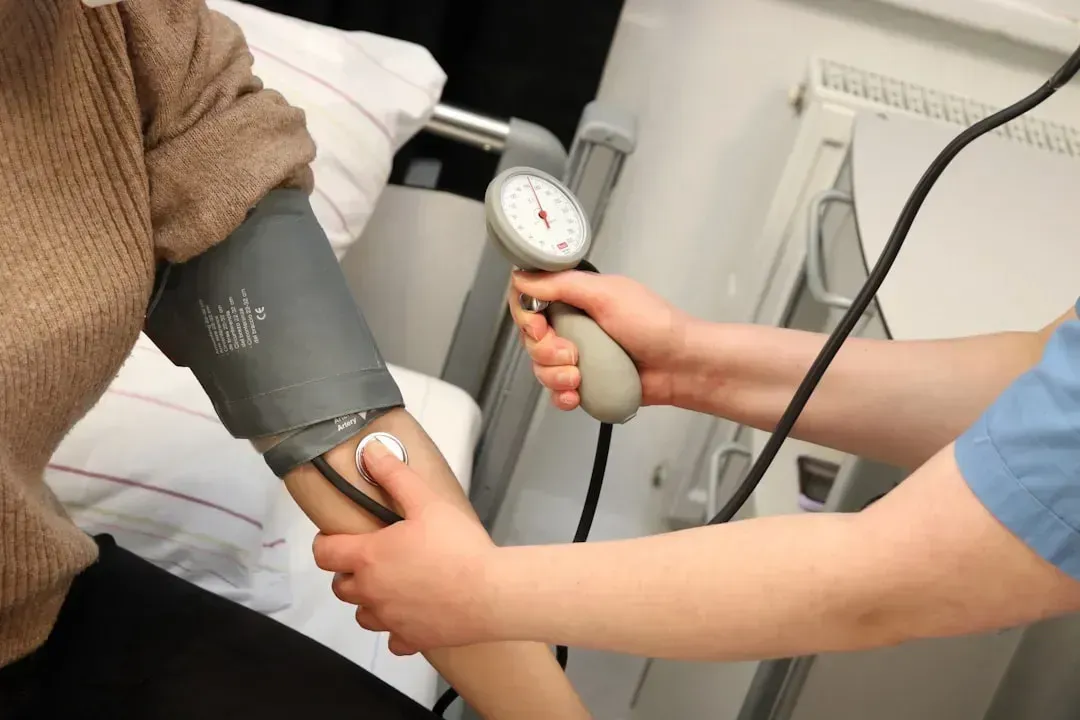
Research reveals that the social media environment exerts significant pressure on women to conform to narrow beauty standards, leading to increased body dissatisfaction, low self-esteem, and heightened levels of anxiety. This pressure does not stay online. It bleeds into how women feel in their own skin at work, at social events, and in the mirror each morning.
Women and people with preexisting body image concerns are more likely to feel worse about their bodies after spending time on social media. A recent review found that social media use is a risk factor for the development of an eating disorder, body image dissatisfaction, and disordered eating. The anxiety around appearance is not vanity – it is a culturally constructed pressure that has measurable mental health consequences.
6. Feeling Dismissed or Not Believed by Healthcare Providers
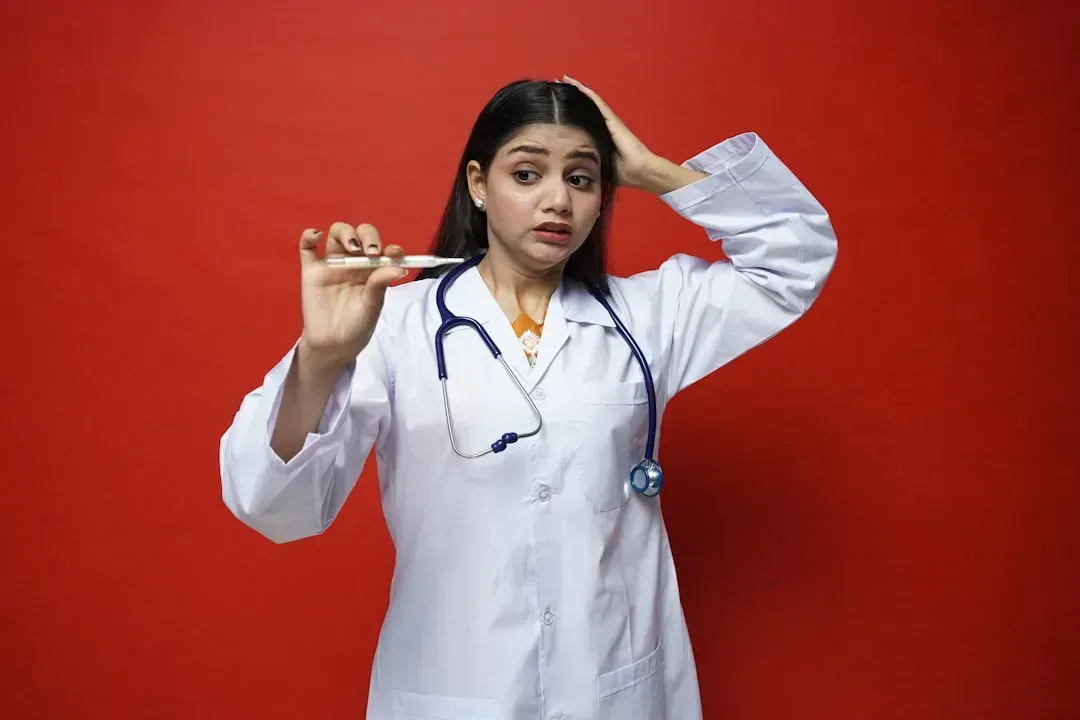
Research consistently documents a pattern in which women’s pain and symptoms are taken less seriously than men’s in clinical settings. Women are more likely to wait longer for pain relief in emergency rooms, more likely to have physical symptoms attributed to anxiety or stress, and more likely to spend years seeking a diagnosis for conditions that affect them disproportionately.
This is not a fringe experience. The worry that a doctor will minimize a concern, or that a legitimate symptom will be chalked up to “stress” without investigation, generates a specific kind of healthcare anxiety. The societal stigma associated with higher body weight is pervasive, manifesting in various forms of discrimination that can infiltrate healthcare settings. That same dismissal dynamic applies to a broader range of women’s health concerns beyond weight.
7. Work Performance and Being Held to a Double Standard
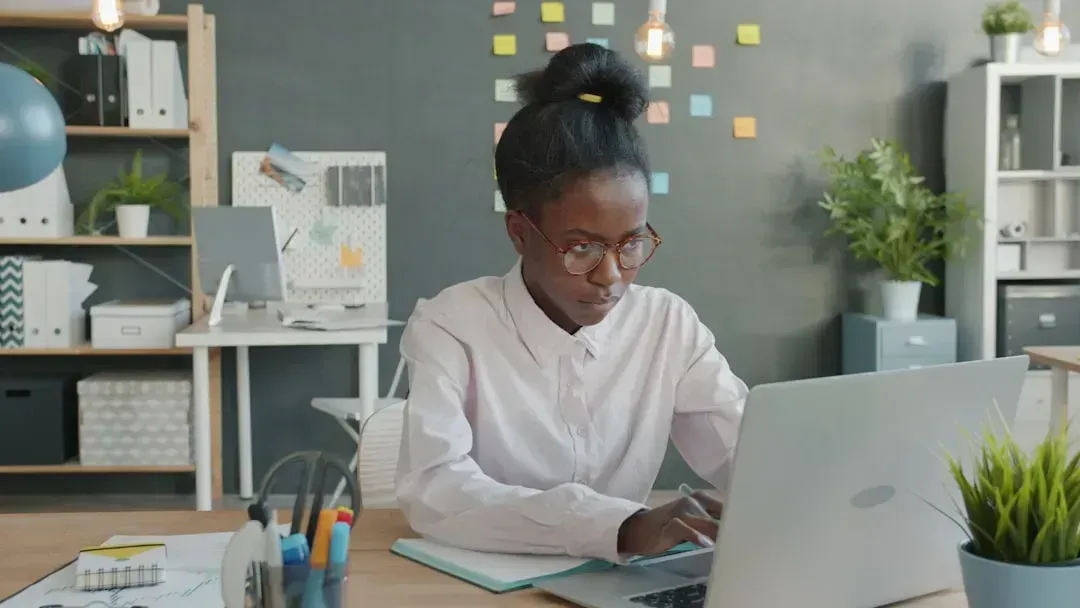
The number of women experiencing work-related stress is roughly half again higher than for men of the same age. Part of that gap comes from the double standard many women navigate at work – where confidence can be read as aggression, and softness can be mistaken for lack of competence. Calibrating that constantly is genuinely taxing.
A common stressor shared by professional women is “the overwhelming sense of being burdened by the responsibilities of home life while trying to advance – and often just maintain a standard of excellence – in their career.” The stress is not just about workload. It is about the cost of performing competence in an environment that sometimes applies different measures.
8. Social Media Comparison and the Highlight Reel Effect
Social media use can foster social comparison, as users consciously and subconsciously compare themselves and their achievements to those of their peers. This can result in feelings of inadequacy and low self-esteem, further contributing to distorted self-perception and increased body dissatisfaction. The problem is not just that other people look happier or more successful online – it is that the comparison happens dozens of times a day, often without conscious awareness.
Social comparison is consistently shown to be one of the processes driving body dissatisfaction, but comparison is virtually all we do on Instagram and TikTok. In the real world, social comparison is contained – your peer comparison group is your class or the people you work with – on social media, the peer group is literally everyone posting a selfie. The scale of comparison has no precedent in human history, and the emotional toll is still being understood.
9. Financial Insecurity and Money Worry
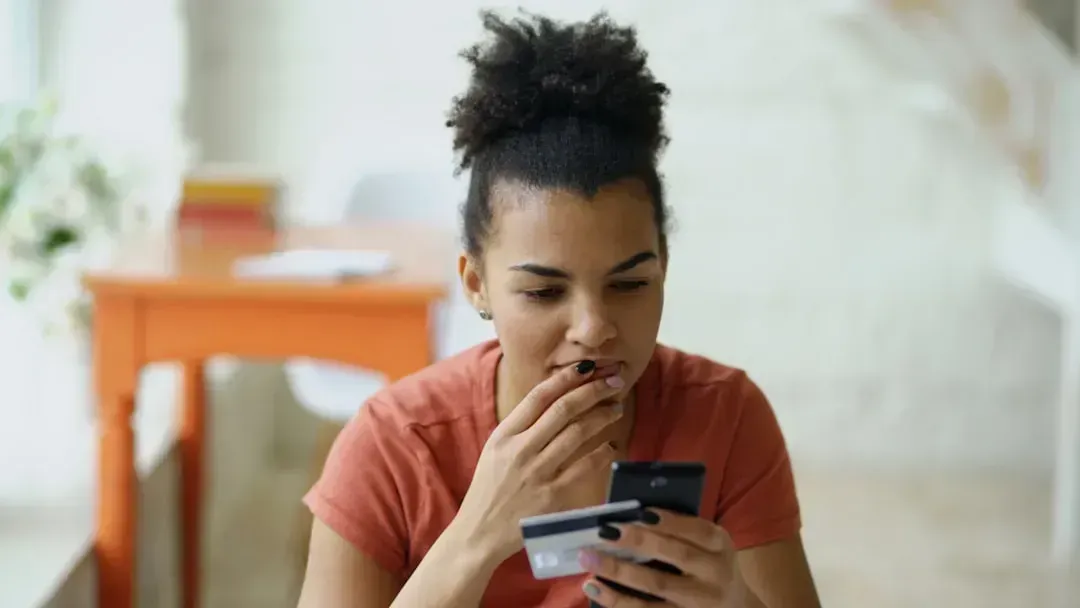
Women were more likely than men to report feeling “consumed” by money worries, including those related to both essential and unexpected costs. Gender pay gaps, career interruptions for caregiving, and disproportionate part-time work all contribute to a financial vulnerability that many women carry quietly for years.
The stress of an unexpected bill, insufficient savings, or the pressure of being financially dependent on a partner creates a background hum of insecurity that rarely goes away with one good month. In the presence of an anxiety disorder, women were more likely to have economic difficulties than men, suggesting that financial stress and anxiety can reinforce each other in ways that compound over time.
10. The Pressure to Age “Gracefully”
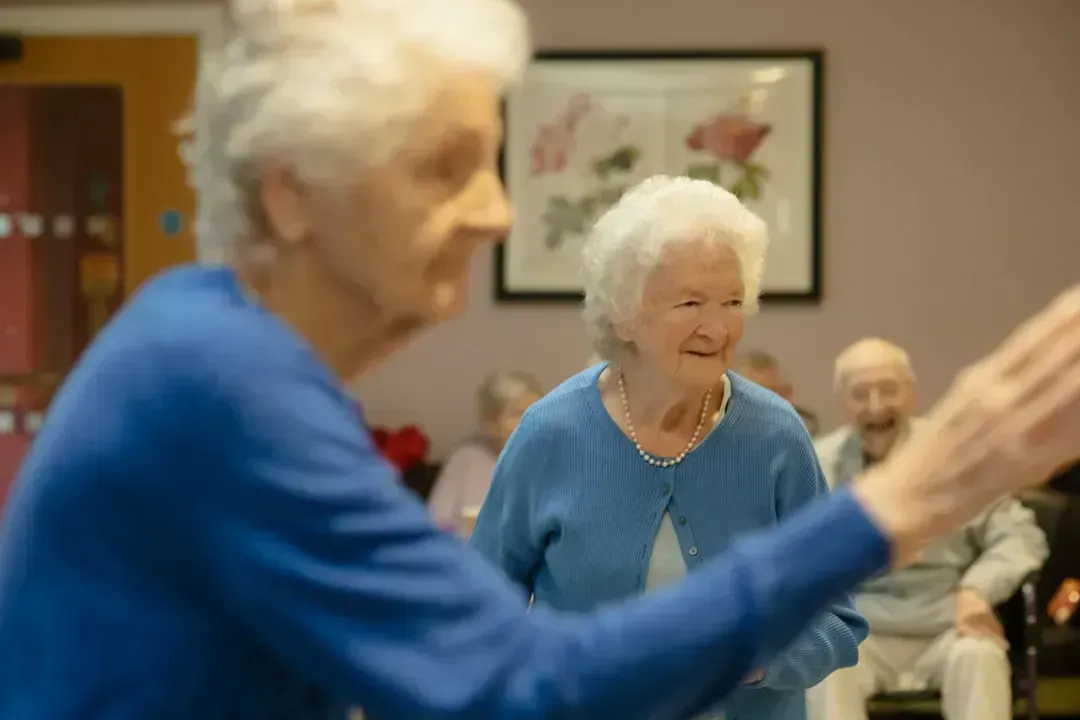
Society sends sharply contradictory messages to women about aging. They are told to look youthful but not try too hard. To age naturally but also to “take care of themselves.” The window of socially acceptable appearance is narrower for women than for men at every age, and the pressure to stay within it does not diminish as women get older – it often intensifies.
Grey hair, wrinkles, and changes in body shape are frequently treated as problems requiring solutions when they appear on women, while the same changes in men are met with indifference or even approval. This asymmetry is not lost on most women, and the slow awareness of being judged by a shrinking standard generates a real, if rarely articulated, form of anxiety.
11. Trying to Be a “Good Enough” Mother
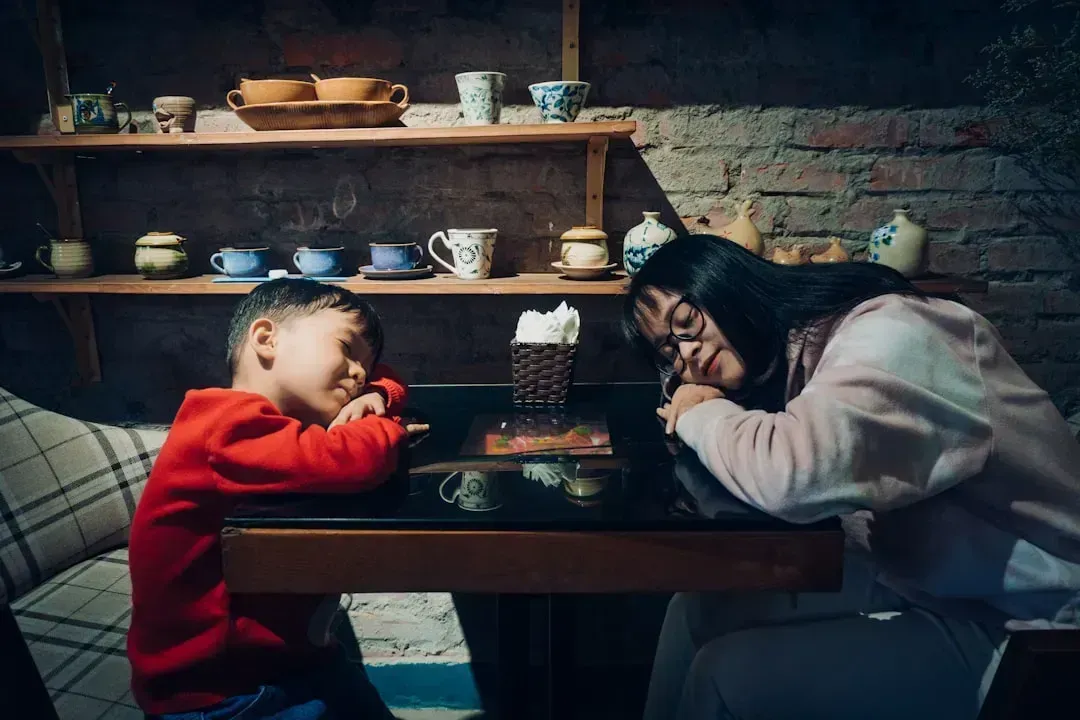
Motherhood carries an enormous invisible weight of expectation. The cultural ideal of the selfless, endlessly patient, perfectly nurturing mother sits in stark contrast to the reality of sleep deprivation, competing demands, and ordinary human limits. The fear of getting it wrong – or of not giving enough – is something many mothers carry constantly, even when they are doing a genuinely good job.
It is normal to want to perform well in all that you do. And sometimes it can be difficult to say no, even when you know you do not have the time or energy. For mothers especially, that inability to set limits often comes from an internalized fear that saying no makes them a worse parent. That fear, left unexamined, becomes its own persistent stressor.
12. Relationship Conflict and the Fear of Abandonment

Research suggests that women experiencing stress tend to feel greater sadness and anxiety, while men show a greater integration of reward motivation and emotional stress systems. In the context of relationships, this means conflict can feel particularly destabilizing for many women – not because they are fragile, but because relational security is genuinely central to wellbeing.
The anxiety around relationship tension – whether a partnership feels unstable, a friendship is cooling, or a family relationship is strained – tends to be processed internally rather than externally. Some research suggests women are more likely to internalize stress, leading more readily to both physical and mental disorders, while men tend to externalize it in the form of aggression or impulsivity. The interior nature of this processing makes it easy to dismiss from the outside.
13. Fertility, Reproductive Choices, and the Biological Clock
The social and biological pressures around reproduction occupy a unique space in many women’s lives. Whether a woman wants children and is struggling to conceive, or does not want them and is fielding endless questions about why, or is simply unsure while a perceived deadline ticks closer – each of these paths carries its own specific strain.
Identification of depression and anxiety during pregnancy has been a subject of systematic review and meta-analysis, reflecting the well-documented reality that the perinatal period is a time of elevated vulnerability. The pressure to decide, to try, or to explain a reproductive choice adds to an already complex emotional landscape that women often navigate with very little external acknowledgment.
14. Perimenopause and Menopause Without Warning
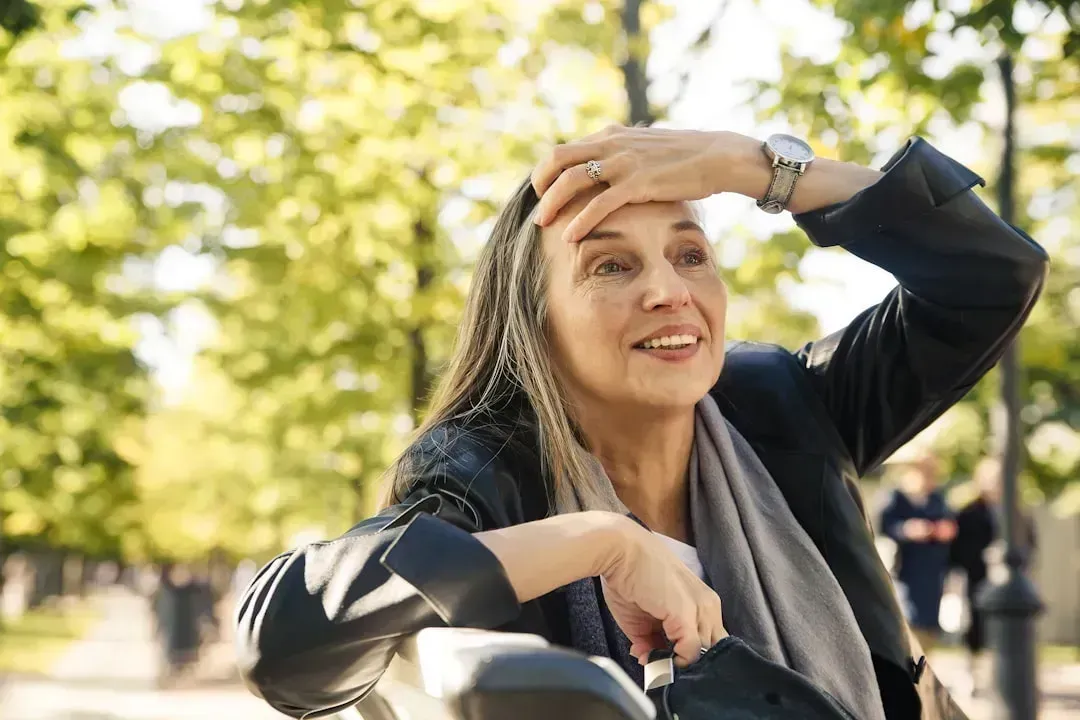
Many women arrive at perimenopause with almost no preparation. Hot flashes, sleep disruption, mood swings, brain fog, and anxiety can begin years before periods actually stop, and many women spend months before getting an accurate explanation for what is happening. Fluctuating hormone levels during menopause can influence how women perceive and respond to stress, creating a feedback loop where hormonal anxiety and life stress amplify each other.
The lack of open cultural conversation about perimenopause means many women suffer in relative silence, unsure whether what they are feeling is “normal” or something requiring treatment. That uncertainty itself becomes a source of anxiety. Workplace policies and social scripts around menopause remain thin in most settings, adding to the sense of invisibility around a transition that affects roughly half the world’s population.
15. Carrying Emotional Labor in Relationships
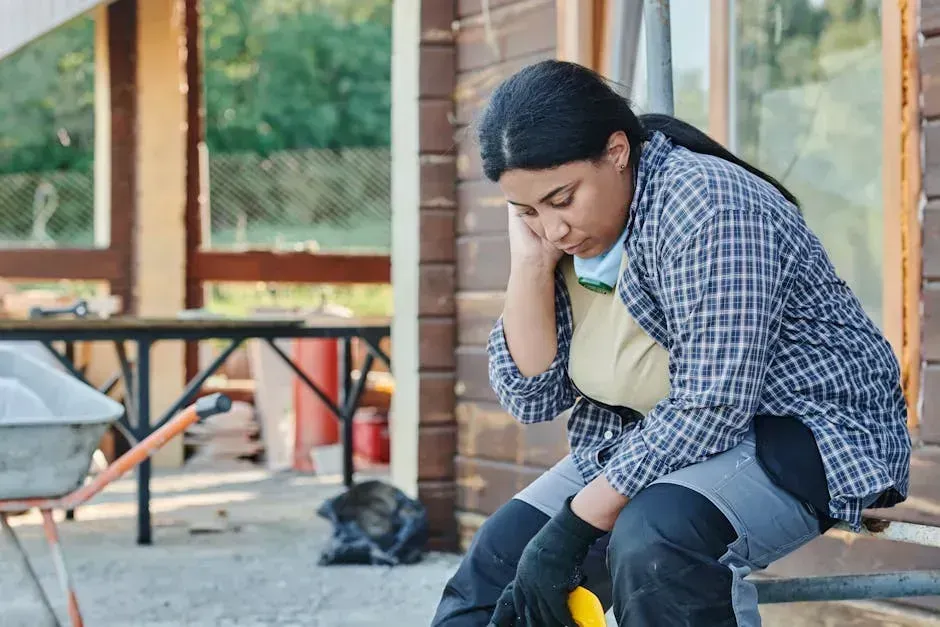
Emotional labor – the work of managing other people’s feelings, maintaining social harmony, remembering to check in on people, and smoothing over conflict before it escalates – falls disproportionately on women in both personal and professional contexts. It is rarely acknowledged as work precisely because it is invisible when done well.
Over time, the expectation of being the emotional anchor in a relationship or workplace takes a real toll. For women, who may feel more pressure to tend to the needs of others, stress can be both motivating and overwhelming. When emotional labor goes unrecognized, the person doing it can feel simultaneously overextended and undervalued – a combination that is particularly corrosive to wellbeing.
16. Social Rejection and the Need to Be Liked
Physiological factors, among others, may affect women’s response to stress, thereby increasing their likelihood of developing anxiety disorders. Socially, women are often conditioned from childhood to prioritize likability and belonging, which makes the threat of social rejection feel considerably more charged. The fear of being excluded, criticized, or disliked can generate disproportionate anxiety even in low-stakes situations.
This is not a character flaw. Research suggests women may be more inclined towards a “tend-and-befriend” response to stress, which involves seeking social support, talking through problems, and nurturing relationships. When social bonds feel threatened, the stress response activates in ways that feel urgent – even when the situation is objectively minor.
17. Political and Reproductive Rights Anxiety
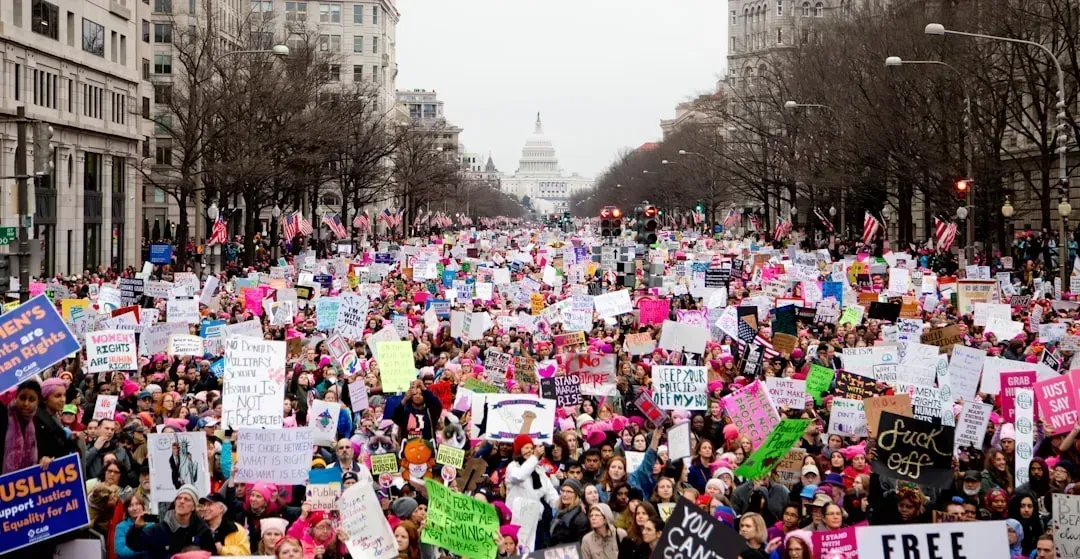
Just roughly one in five women surveyed believed women’s rights were getting better in the U.S., with respondents sharing similarly bleak perspectives about the rights of other groups. For many women, the political climate around reproductive rights, workplace protections, and bodily autonomy is not an abstract concern – it is a source of ongoing dread that colors daily life in ways that are hard to quantify.
The feeling that hard-won rights are not permanent generates a specific kind of vigilant anxiety. In the APA’s 2025 Stress in America report, roughly three in four adults said the future of the nation is a significant source of stress. For women, this concern is often filtered through questions about what the political landscape means specifically for their own bodily autonomy and legal protections.
18. Feeling Understood – or Rather, Not Being Understood
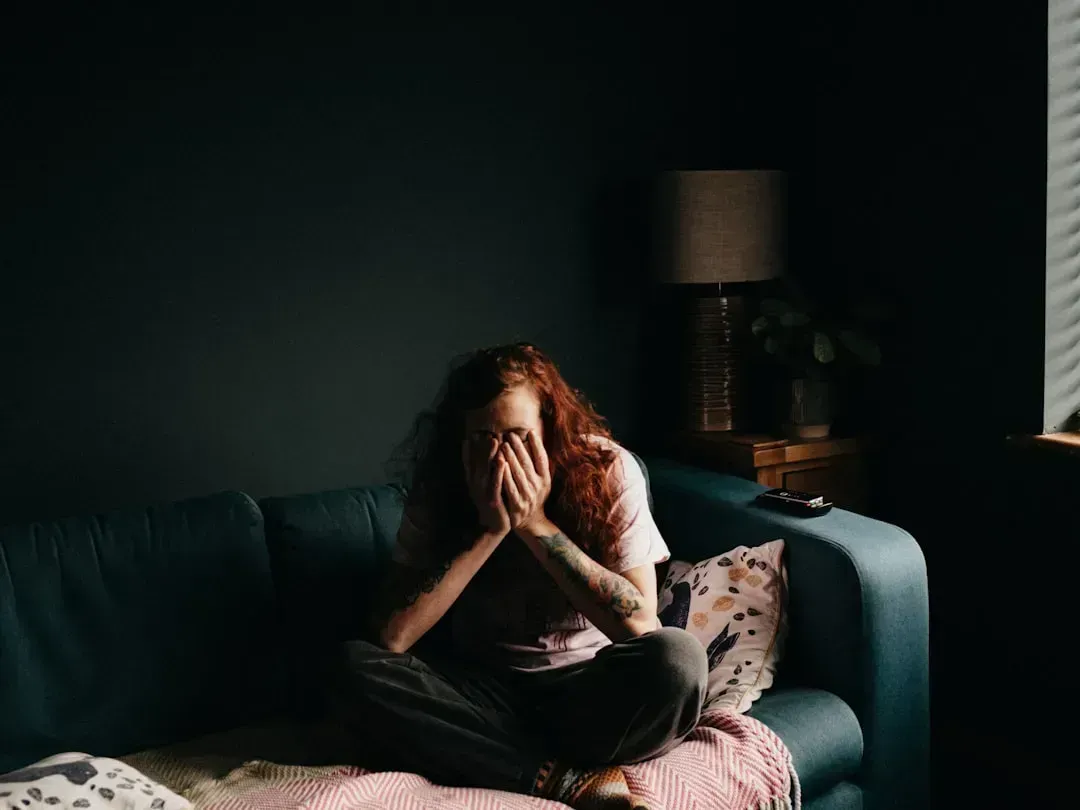
Women were more likely to say they “strongly agree” that no one understands how stressed they are, and were less likely to report that they can quickly get over stress. This sense of not being seen is not a minor complaint. It is a form of isolation that amplifies every other stressor on this list, because carrying a burden alone is always heavier than carrying it with company.
Connection is a key antidote to stress, with research showing a strong network can buffer against the physical and mental health consequences of stress. Both men and women can be reluctant to reach out for social support, though women are more likely to have canceled social plans in the last month. The irony is that the very thing that would help – honest, recognized community – tends to get sacrificed first when stress gets heavy enough.
What runs through all eighteen of these experiences is something worth sitting with: most of them are not catastrophic. They do not require a crisis to take hold. They accumulate quietly, in the margins of ordinary days, and that is precisely what makes them so persistent. Naming them matters – not to frame women as perpetual victims, but because stress that stays unnamed rarely gets addressed. Recognition, however small, is often where relief begins.