
Something shifted in how younger Americans think about where they want to live. The old script was simple: move to a major coastal city, hustle hard, build a career. Today, that script is getting rewritten. A key factor driving millennials and Gen Z away from urban centers is the relentless surge in rent and living expenses – city life has become increasingly unaffordable, especially for those at the beginning of their careers or still paying off student loans.
Gen Z and millennials are driving much of this movement, with younger generations more likely to seek out new locations that offer flexibility, opportunity, and affordability. The cities pulling them in aren’t necessarily the flashiest names. They’re places where a paycheck actually goes somewhere, where commutes don’t eat up hours, and where the low-level stress of overcrowded city life quietly disappears. Here are six cities where that shift is happening right now.
1. Raleigh, North Carolina – The Research Triangle’s Quiet Powerhouse
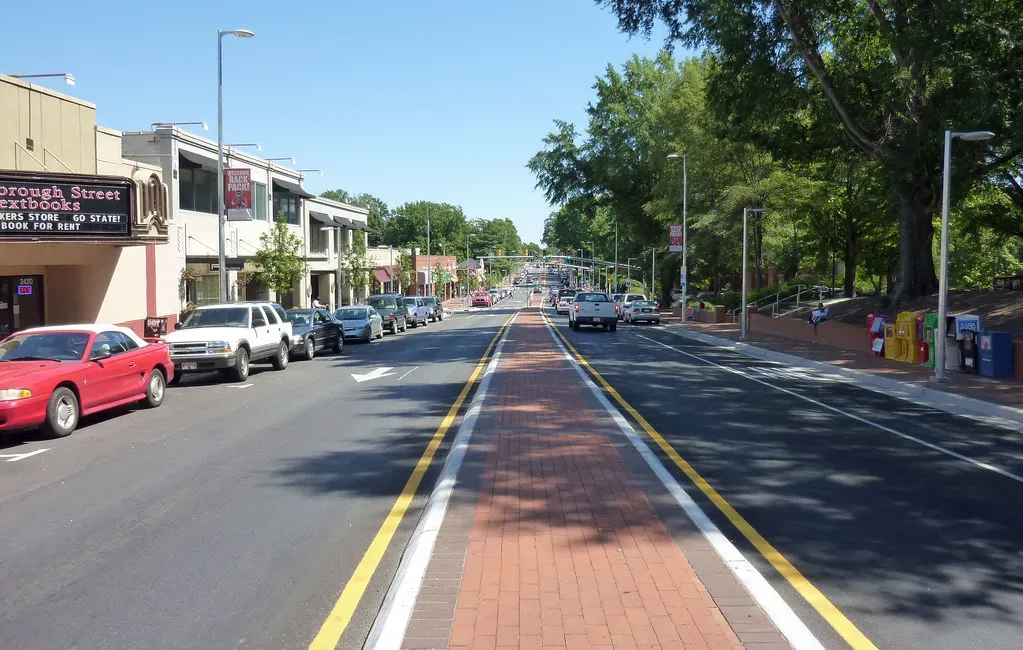
Raleigh offers the rare opportunity of a genuinely dynamic, tech-driven economy paired with a cost of living that remains about five percent below the national average. Job growth in Research Triangle Park is one of the biggest drivers behind Raleigh’s population surge. RTP is the largest research park in the world, spanning over 7,000 acres and housing more than 375 companies with over 55,000 employees.
Still a job hub in North Carolina’s Research Triangle, Raleigh grew its population most from 2024 to 2025, and that trend continues in 2026. Today, nearly two movers are looking to relocate to Raleigh for every resident plotting their exit. In Raleigh, a roughly $470,000 budget can still buy a single-family home with a yard, access to strong schools, and proximity to jobs. In other tech markets, that price point often means a condo or no entry at all.
2. Charlotte, North Carolina – Banking Capital Meets Affordable Urban Life
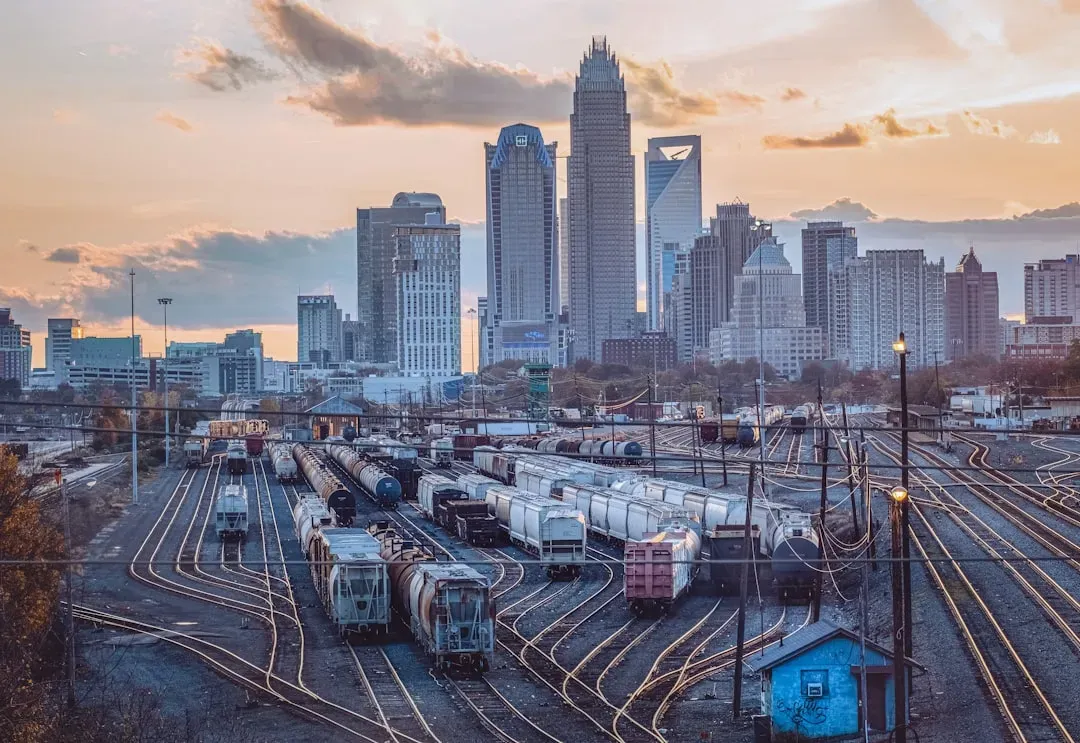
The Charlotte metro area was the clear leader in North Carolina’s inbound migration, attracting over 163,000 people in just the past year – nearly a quarter of all moves, both from outside the state and from within. Charlotte is the second-largest banking center in the United States, the Research Triangle is a top-five tech hub, and the state offers beaches, mountains, and four seasons.
Charlotte added roughly 37,000 jobs between December 2024 and December 2025, with major financial institutions including Charles Schwab, JPMorgan Chase, Bank of America, and Truist all expanding operations there. The South End, NoDa, and Plaza Midwood neighborhoods attract young professionals, while suburbs like Ballantyne, Huntersville, and Matthews draw families with strong schools and more space.
3. Nashville, Tennessee – No State Income Tax and a Thriving Job Scene
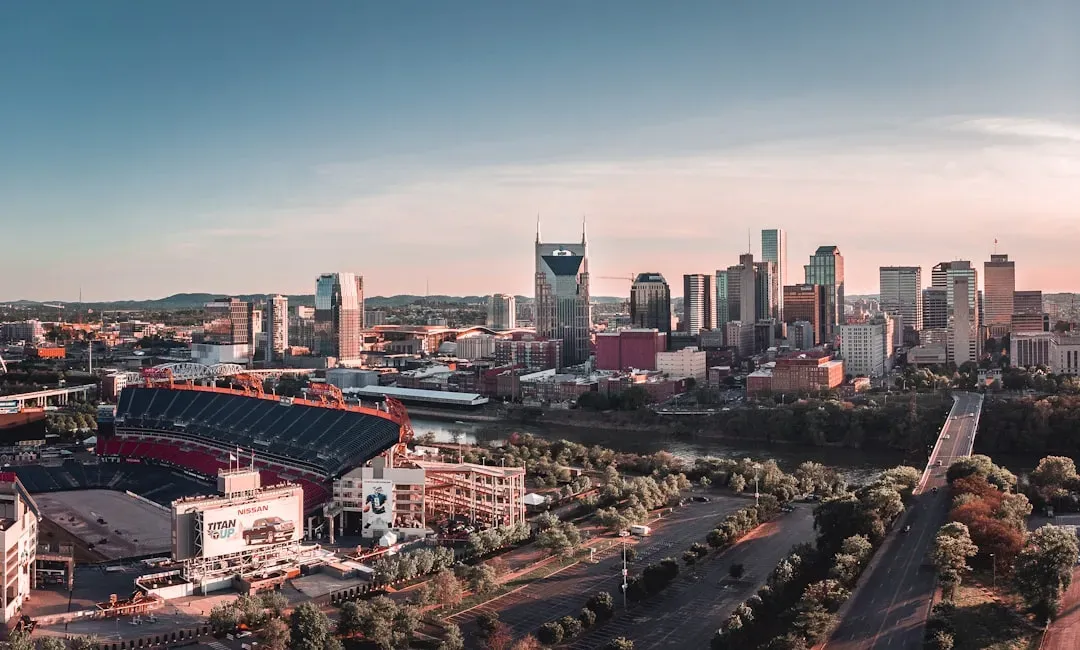
Nashville has become a hotspot for people looking to escape high-cost areas. With no state income tax and a relatively low cost of living, Tennessee saw a net migration increase of around 40,000 people. Tennessee has a lot of job opportunities in growing metro areas, meaning younger generations are flocking to Nashville and Memphis. Median home prices in Tennessee are also significantly below the national average at around $385,800 compared to the national median, even in major metros. Tennessee also has no state income tax on wages and lower utility and transportation costs compared with more popular coastal cities.
Nashville is a fantastic place in the Southeast to settle down. A thriving job market and an unemployment rate lower than the national average are just some of the reasons for Nashville’s steady population growth. With major companies like Ardent Health Services and HCA Healthcare, there are plenty of ample job opportunities in Nashville for young professionals. Tennessee is an affordable southern state, great for newlyweds, recent college graduates, and retirees. Popular cities such as Nashville are also becoming a hotspot for healthcare and tech startups, resulting in an increase of professionals in the area.
4. Minneapolis, Minnesota – The Midwest Surprise Nobody Saw Coming

While the Sun Belt gets most of the attention, one of the most notable trends in recent data is the Midwest’s emergence as a migration destination. Minneapolis flipped from net domestic outflow to net inflow in the most recent year, according to Redfin’s analysis of Census data. Minnesota appeared on United Van Lines’ top ten inbound list for the first time, and Minneapolis cracked U-Haul’s top 25 growth metros, also a first.
Minnesota is home to 15 Fortune 500 companies, including UnitedHealth Group, Target, General Mills, and 3M, with five of them headquartered in Minneapolis, making it one of the best U.S. cities for young professionals. The affordability and livability that characterizes many population centers in the Midwest resulted in the region recording no fewer than four out of ten cities among the best for Gen Z to relocate to in 2025. According to MovingPlace’s analysis of moves in 2025, the top Gen Z destination ZIP code is a central Minneapolis area, with a remarkable ratio showing that for every Gen Z resident leaving, 25 new Gen Z residents moved in.
5. Richmond, Virginia – The Overlooked East Coast Gem
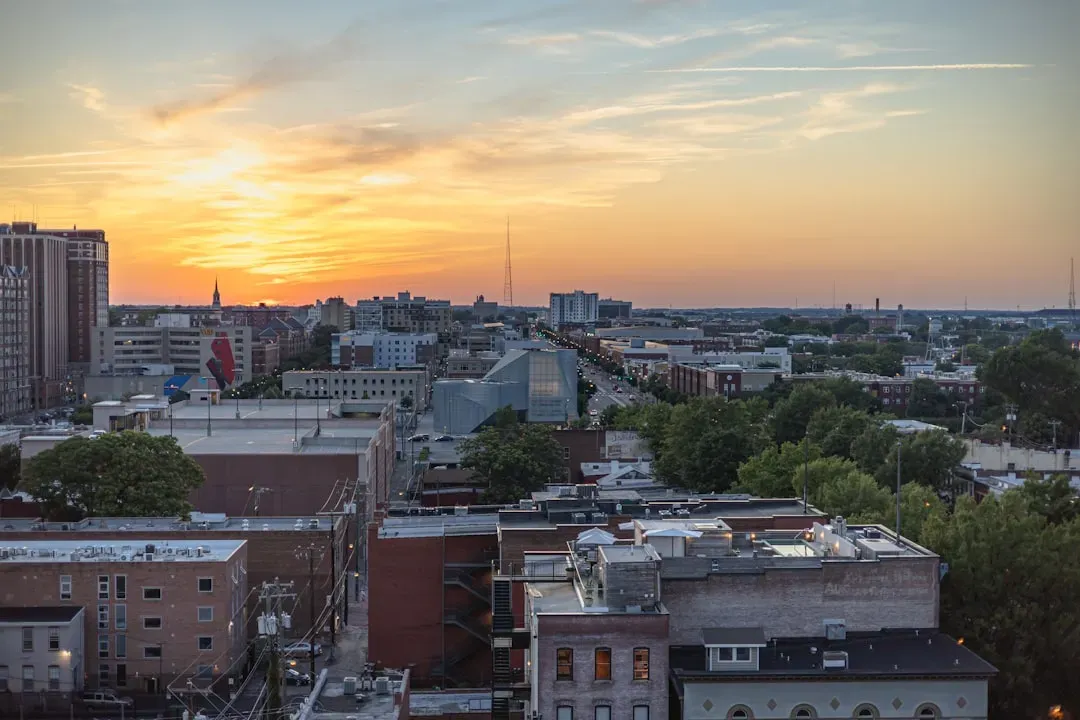
Millennials have driven the lion’s share of relocations to Richmond. Those in the 25 to 44 age bracket account for three-fifths of people who’ve migrated into the region from 2020 to 2024. According to a November 2025 state demographics study, the average age of newcomers to Virginia is 31. Both Austin, Raleigh, and Richmond, Virginia, are among the cities that increased their populations of both millennials and Gen Z simultaneously.
Transplants from more expensive regions within the state and beyond have chosen the Richmond area for its comparatively affordable lifestyle. The result is a wave of migration as people leverage their equity from higher-priced markets to find more value and a comfortable quality of life. The Richmond region pulled in nearly 56,000 people in just four years, compared to 36,000 in a four-year period during the housing boom of the 2000s. In February 2025, 2024 marked the first time since 2013 that more people moved into Virginia than out.
6. Boise, Idaho – The Western Relocation Story Still Going Strong
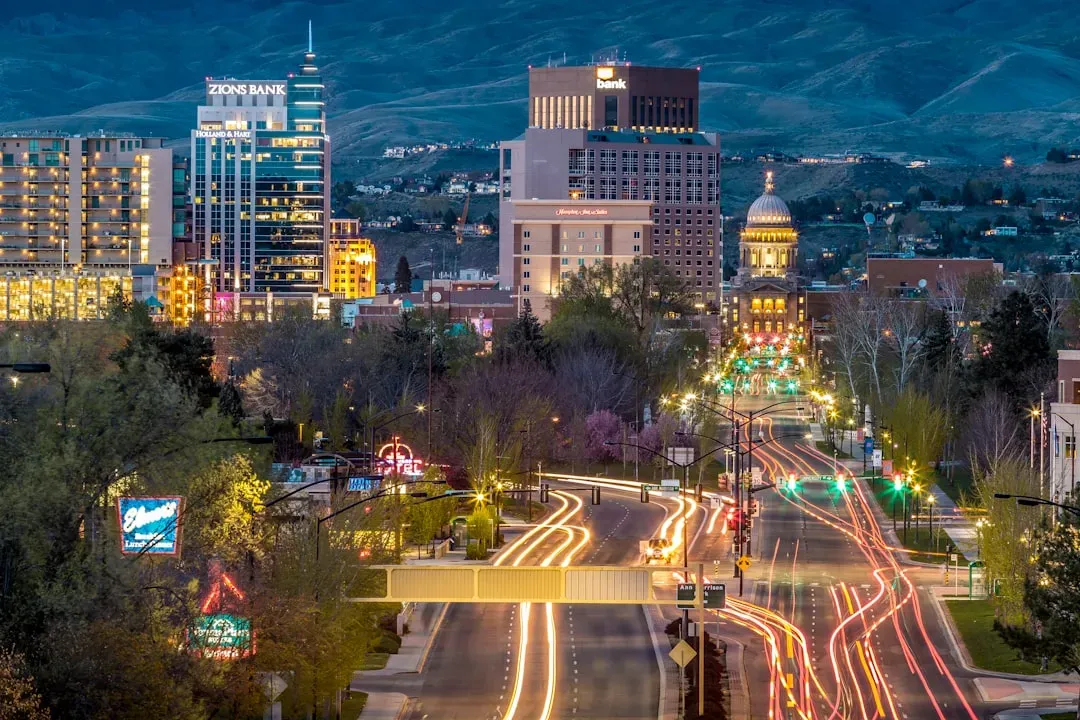
With an in-to-out ratio of 1.92, Boise has among the highest in-move interest in the country. That in-move interest builds on one of the country’s largest leaps in population year-over-year from 2024 to 2025, when the Treasure Valley’s capital gained over two percent more residents. Boise is an attractive mid-sized city that offers affordable housing and a low cost of living. It’s also known for its close proximity to nature and endless entertainment for recent college graduates and young families.
Boise, in particular, is one of the best cities for job-seekers – young professionals moving to Boise can browse open positions at some of the area’s largest employers such as onsemi, St. Luke’s Health System, and Micron Technology. Younger generations are choosing to rent condos and apartments in mid-sized, walkable cities like Boise, attracted by a pace of life that simply cannot be replicated in a coastal megacity. The outdoor access is an added pull that no Manhattan zip code can match.
What ties these six cities together isn’t a single price point or industry. It’s the same underlying calculation: the old tradeoffs of expensive city living no longer feel worth it. By 2025, housing affordability had overtaken sheer market momentum as the primary driver of interstate moves. For younger Americans especially, that realization isn’t just reshaping migration maps. It’s reshaping what a good life is supposed to look like.