Walking into a grocery store used to feel routine. You grabbed a cart, worked your way through the aisles, and checked out without much drama. That’s no longer a universal experience for Americans. Over the past few years, a combination of inflation, food safety scares, and new retail technologies have quietly stacked one layer of anxiety on top of another.
Poll findings show that roughly nine out of ten Americans say the cost of groceries is at least a minor source of stress, with more than half calling it a major anxiety in their lives right now. These fears aren’t abstract. They’re changing how people shop, what they buy, and how much trust they place in the stores and products they once took for granted.
1. Prices That Keep Climbing With No Clear End in Sight
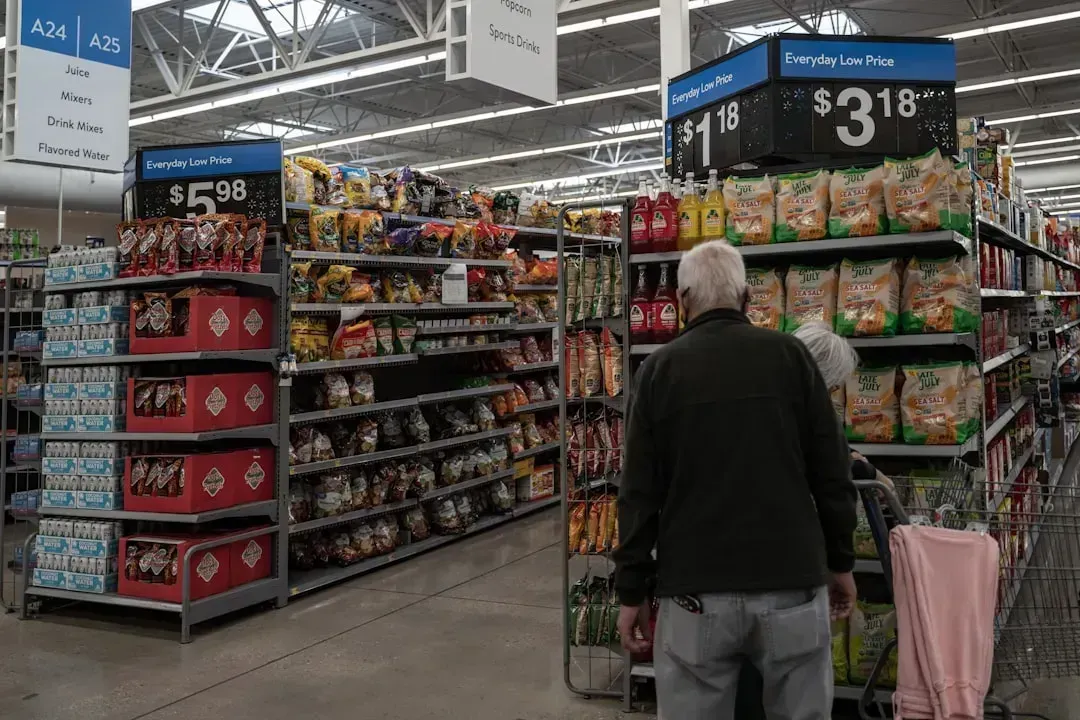
About half of all Americans say the cost of groceries is a “major” source of stress in their lives right now, while a third describe it as a “minor” stressor. Only about one in seven say it’s not a source of stress at all, underscoring the pervasive anxiety most Americans continue to feel about the cost of everyday essentials. This isn’t a one-income-level problem. It cuts across age groups and backgrounds in a way few other financial concerns do.
Groceries have become one of the most far-reaching financial stressors, affecting the young and old alike. While Americans over age 60 are less likely than younger people to feel major financial anxiety about housing or savings, they are just as worried about the cost of groceries. Nearly two-thirds of the lowest-earning Americans, making under $30,000 a year, say that grocery prices are a major financial stress, compared to four in ten Americans making above $100,000.
2. Shrinkflation: Paying the Same for Less
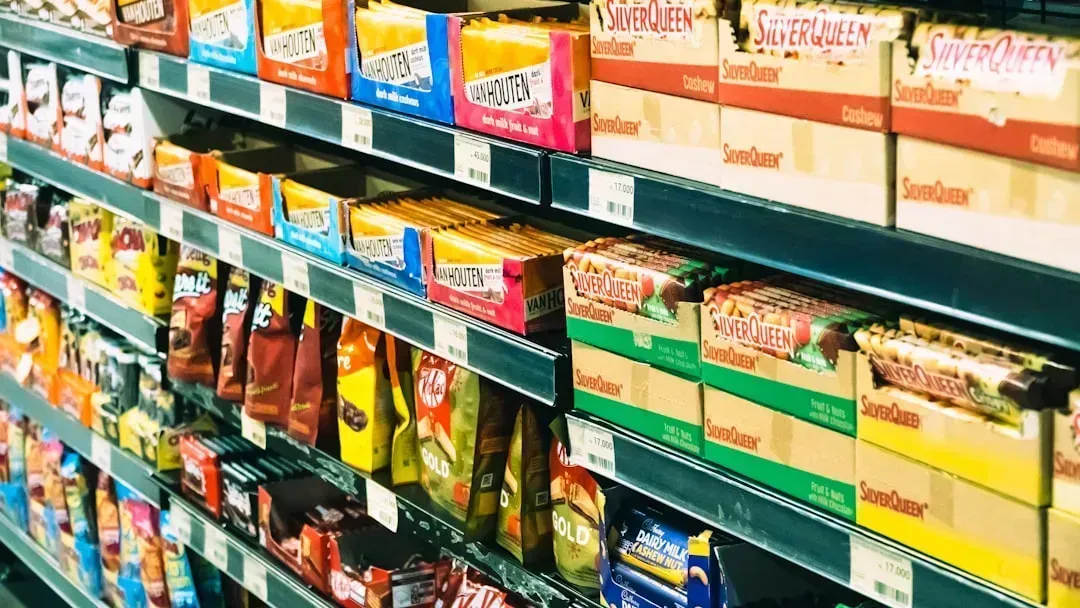
One of the most frustrating ways inflation remains hidden on grocery receipts is through shrinkflation, where product sizes decrease while prices stay the same. It’s a quiet kind of deception that many shoppers find particularly infuriating because it’s designed to be hard to notice. Over three-quarters of surveyed consumers say they have noticed shrinkflation at the grocery store in the previous 30 days, according to the October 2024 Consumer Food Insights Report.
Per-unit price increases from shrinkflation ranged from 12 percent for paper towels to 32 percent for coffee between 2019 and 2024, according to a GAO report released in July 2025. Of the consumers who noticed shrinkflation, nearly four out of five say they observed it in snack foods, and about half reported noticing it in frozen foods. Meanwhile, nearly half of American shoppers have abandoned a brand entirely because of shrinkflation.
3. Food Safety Scares and High-Profile Recalls
More people in the United States got sick from contaminated food outbreaks in 2024 than the year before, and the number of people who were hospitalized or died doubled. Nearly 1,400 people became ill from food they ate that was later recalled, with 98 percent of those cases stemming from just 13 outbreaks, nearly all of which involved Listeria, Salmonella, or E. coli. That concentrated severity shook consumer confidence in ways that stretched far beyond the directly affected products.
Although the number of food recall announcements were down overall, foodborne illness outbreaks were prominent in the headlines in 2024, not only because of their size but also because they involved some of the country’s most well-known food brands. Among those was the multistate Listeria outbreak linked to Boar’s Head deli meat, which sickened 61 people across 19 states, 60 of whom were hospitalized. High-profile recalls involving seemingly healthy everyday items escalated many consumers’ concerns about the routine food they purchase.
4. The Fear of Surge Pricing and Digital Price Tags
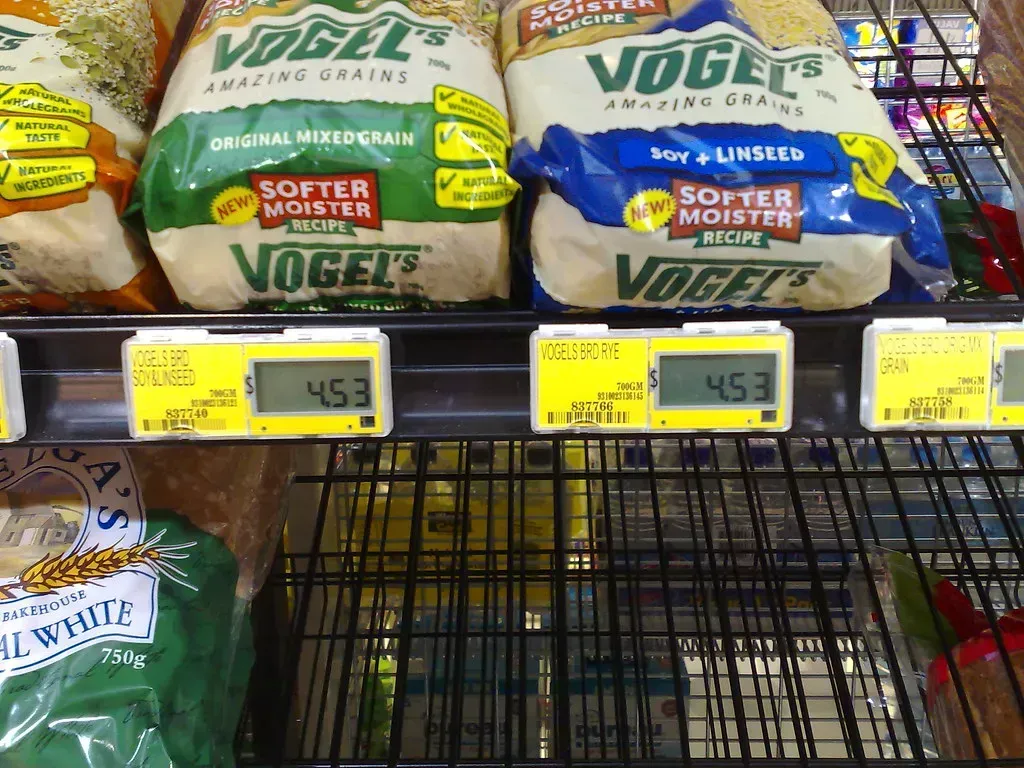
Electronic shelf labels allow grocery retailers to almost instantaneously change the prices of their products, which has raised concerns among consumers and policymakers that retailers might use this technology for surge pricing. The comparison to Uber’s notorious surge pricing model landed quickly in the public imagination. Prominent lawmakers, including Senators Elizabeth Warren and Bernie Sanders, have raised alarms about surge pricing in grocery stores, likening the technology to price hikes seen in ride-sharing apps and dynamic airline ticketing.
Amid growing political concerns, a study from the University of California Rady School of Management analyzed over 180 million product-level observations before and after the introduction of electronic shelf labels, and found no evidence that the technology has led to real-time pricing spikes, even during periods of high inflation. Still, the fear persists among shoppers. In 2025 alone, 24 different state legislatures introduced over 50 bills aimed at regulating algorithmic pricing.
5. Tariffs and Supply Chain Uncertainty
Researchers at Harvard Business School’s Pricing Lab estimated that pass-through from tariffs to consumer goods had added 0.7 percentage points to the all-items Consumer Price Index by September of 2025. The annual inflation rate stood at 2.9 percent at the time; without broad-based tariffs, they estimated, inflation would have been dampened at 2.2 percent. For shoppers already stretched thin, even modest increases on staples like cooking oils, canned goods, and produce feel significant.
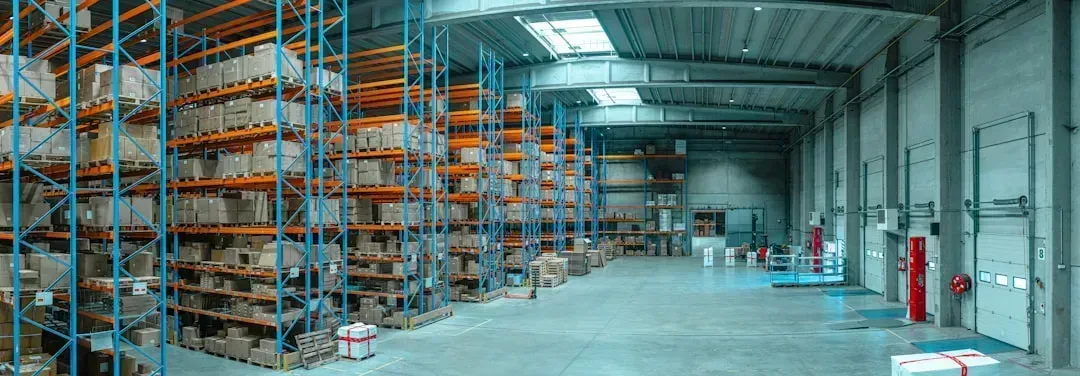
The cost of getting food from the farm to the shelf is still heavily influenced by last-mile logistics expenses that peaked during the supply chain crisis. Every item on a grocery receipt carries a portion of the cost of diesel fuel, refrigerated trucking, and warehouse labor, all of which remain elevated. Even as crop prices for certain commodities fall, these structural overhead costs prevent retailers from passing those savings on to the final consumer.
6. Allergen Anxiety and Undeclared Ingredients
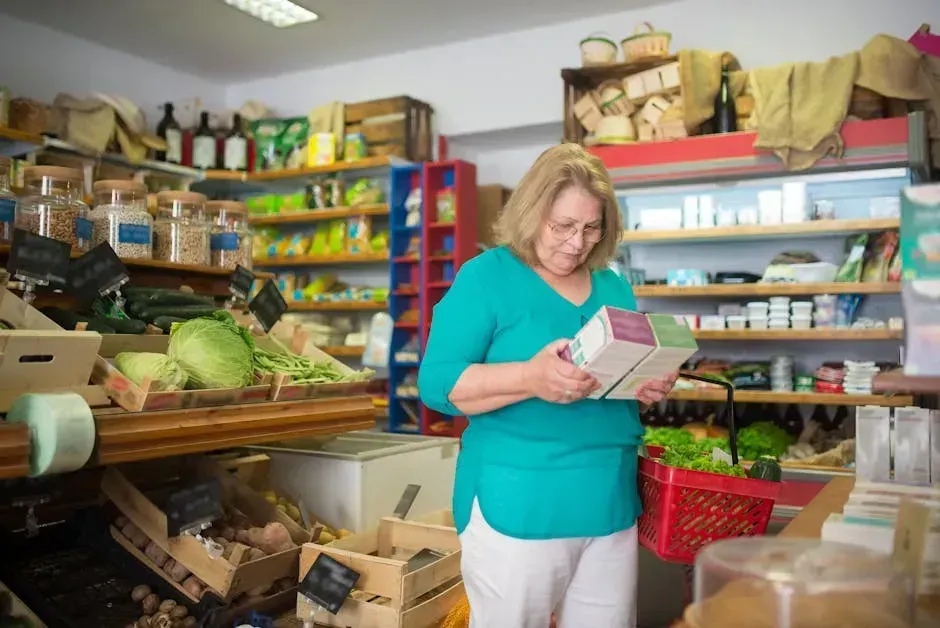
The biggest cause of recalls in 2024 was bacterial contamination, followed by undisclosed allergens such as peanuts and tree nuts. For the roughly 33 million Americans who live with food allergies, an undeclared allergen in a packaged product is not just an inconvenience. It can trigger a life-threatening reaction. The steady stream of allergen-related recalls has made ingredient label scrutiny a non-negotiable habit for a significant portion of the population.
Undeclared allergens, pathogens, and toxic contaminants were among the main drivers of the most recalls in 2024. The rise in toxic contaminants, such as lead found in cinnamon products and a psychoactive compound found in mushroom-infused snacks, is particularly concerning, suggesting that companies need to expand their risk assessments beyond traditional hazards. Many shoppers now spend far longer in the aisle reading labels than they did just a few years ago, and that shift in behavior is itself a form of eroded trust.
7. The Psychological Toll of Budget Stress at Checkout
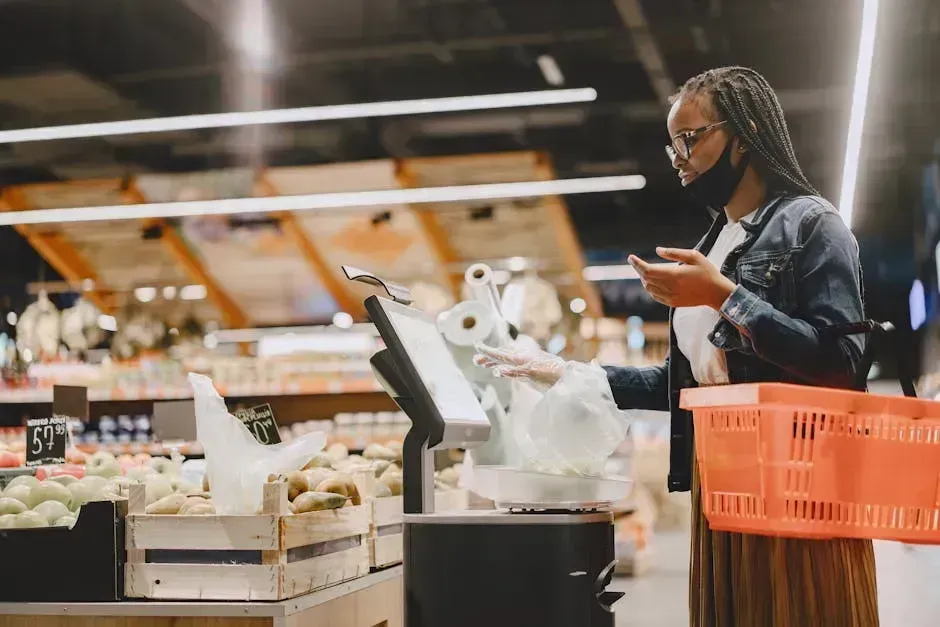
Nearly seven in ten Americans say that financial uncertainty has caused them depression and anxiety. Younger Americans report high percentages of financial anxiety, including impacted sleep, marital issues, and lowered job performance. Meanwhile, four in ten Americans have reported physical illness due to financial stress. The grocery store checkout line has become a specific flashpoint for that broader economic anxiety.
This anxiety cuts across generations. Younger consumers may be preoccupied with credit card debt, student loans, or soaring housing costs, but when it comes to groceries, the strain is universal, felt by both the young and the old. Some people are making real changes to their lifestyle as a result of high costs, including switching to less expensive grocery stores even when the quality trade-off isn’t ideal. A weekly chore has, for many households, become a source of genuine dread.
What makes this moment particularly striking is how many of these fears have arrived at the same time. Prices, safety, technology, and trust in institutions have all been called into question simultaneously. The grocery store, once the most unremarkable of weekly errands, now sits at the center of how Americans measure their financial security and sense of control over everyday life.