
Travel is supposed to restore you. Yet in some of the world’s most beloved destinations, the experience increasingly resembles a crowded theme park rather than a meaningful encounter with another culture. After the quiet of the pandemic years, when cities and beaches reverted to residents, tourism surged back, with the UNWTO estimating 1.5 billion tourists in 2024. The numbers keep climbing, and the places absorbing that surge are starting to show it in very visible ways.
The United Nations World Tourism Organization has described overtourism as a situation in which residents or visitors feel tourism has harmed quality of life to an unacceptable degree, manifesting as packed historic sites, disruptive noise, traffic congestion, and the replacement of local shops by stores catering solely to tourists. What follows are eight destinations where that tipping point has arrived, or is arriving fast.
1. Barcelona, Spain
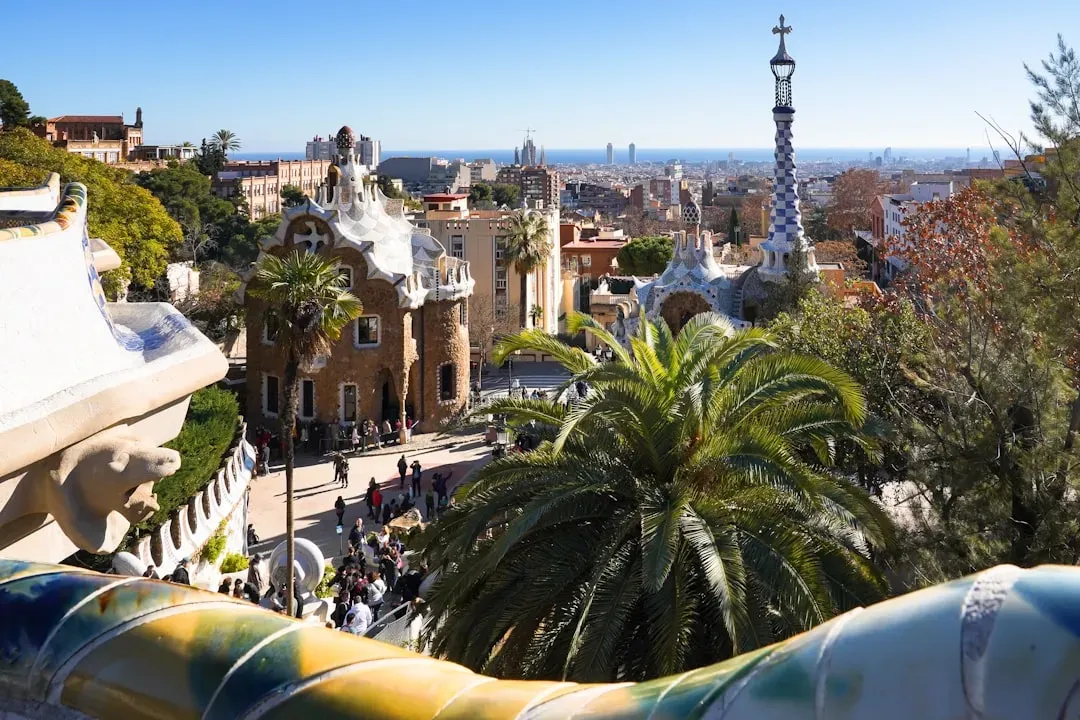
Barcelona is one of the most well-known destinations suffering from overtourism. An estimated 32 million tourists visit the city each year, yet the city has a population of just 1.6 million. That ratio strains everything from public transportation to housing. In Barcelona, the circumstances have led to a nearly 68% increase in rent over the past decade.
In Barcelona, 600 masked protesters took to the streets on June 15, 2025, equipped with water pistols, smoke bombs, and protest banners emblazoned with slogans like “Your holidays, my misery” and “Mass tourism kills the city.” The city is now taking legislative action in response. In 2024, the city passed new legislation to eliminate all short-term tourist apartment licences by 2028, and in 2025, no new licences were issued while enforcement on illegal rentals ramped up significantly.
2. Venice, Italy
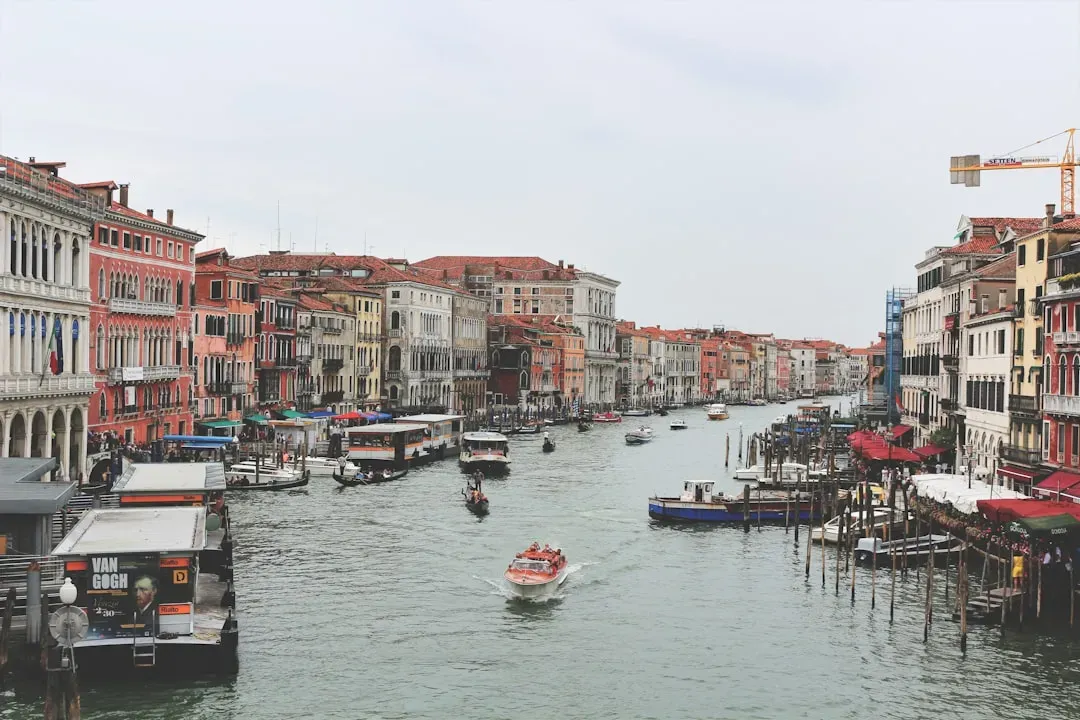
Venice is one of the worst-affected destinations from overtourism, with tourist numbers steadily rising each year. The city receives more than 35 million visitors annually, and less than a third of them stay overnight. There are just 50,000 residents, a number that is quickly dropping as rising rent prices leave many locals unable to afford a home in the city.
Venice, a city built on water, faces its own battle with physical limits. Its maze of canals, historic bridges, and narrow alleys wasn’t designed for millions of annual visitors. The fragile lagoon ecosystem struggles under the weight of cruise ships, while iconic spots like St. Mark’s Square and the Rialto Bridge become gridlocked. Rising sea levels and frequent flooding worsen the strain, damaging centuries-old buildings and forcing costly infrastructure projects. The Venice council has responded by introducing a day-tripper access fee, with the 2025 program applying on 54 high-traffic days, up from 29 days in 2024.
3. Amsterdam, Netherlands
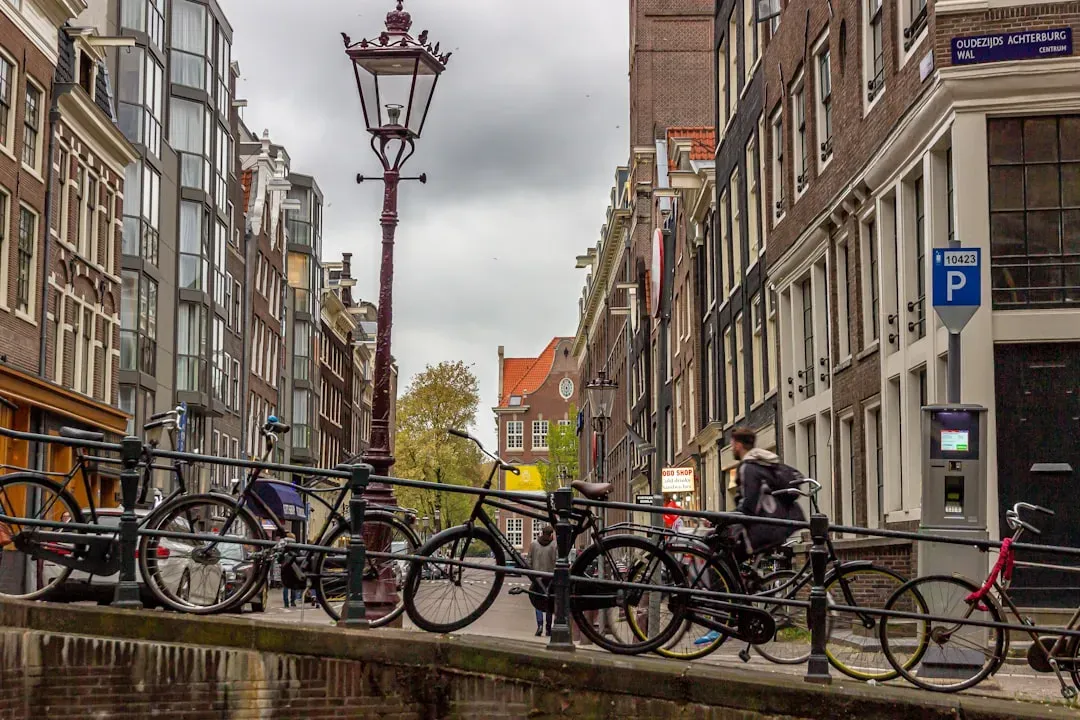
A recent survey shows that an overwhelming 82% of people living in Amsterdam believe that tourism continues to pose significant problems for the city’s residents. Although tourism delivers substantial economic benefits, many locals cite issues such as crowds, noise, litter, and other disruptions to normal life. The frustration has moved beyond opinion polls. On September 22, 2025, residents backed by 12 neighborhood groups filed a formal complaint, saying the city had failed to act decisively despite surpassing its overnight visitor cap in 2022, 2023, and 2024, with 22.9 million overnight stays recorded in 2024 alone.
Amsterdam has also been tightening the rules on holiday rentals. Homeowners could previously rent out their property on platforms like Airbnb for up to 30 nights per year, but from April 2026, that limit was cut to 15 nights in the city centre and the Pijp district. Amsterdam’s tourism tax of 12.5% of a room price is already the highest in Europe. Despite all this, visitor forecasts for 2026 continue to point upward.
4. Santorini, Greece
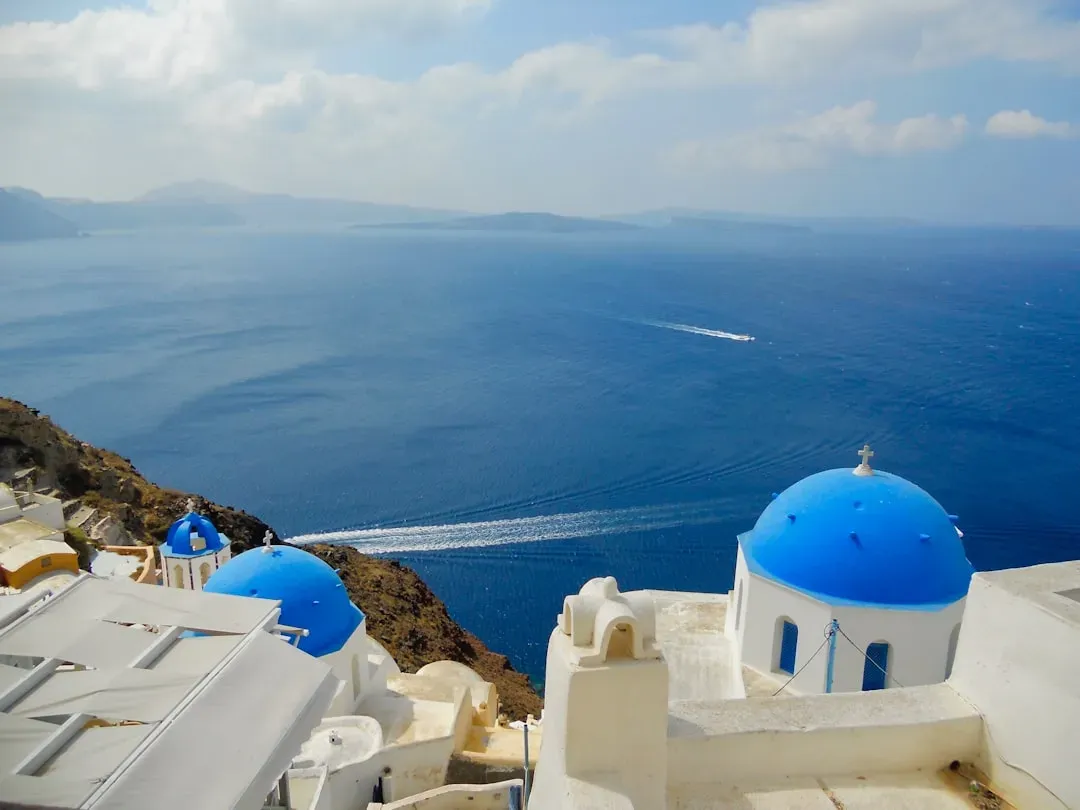
In 2024, Santorini saw reports of up to 18,000 cruise passengers overwhelming the island in a single day, straining resources for its 15,000 residents. The island’s infrastructure was never built for those numbers, and the consequences are obvious to anyone who walks its narrow paths during peak season. Santorini’s limited infrastructure is unable to cope with the influx of visitors, particularly during summer months when cruise ships unload thousands of tourists daily. The strain on local resources, including water and waste management, is immense, and the constant flow of tourists has driven up prices, making it increasingly difficult for locals to afford to live on the island.
To manage visitor numbers, the Greek government introduced a cruise passenger fee starting July 1, 2025. For Santorini, the fee is €20 during the high season from June to September, €12 in October, and €4 from November to March. Parliament approved the cruise-arrival levy, confirming the policy had moved beyond talk and into law. Santorini in particular has become the poster child for postcard beauty meeting physical limits.
5. Kyoto, Japan
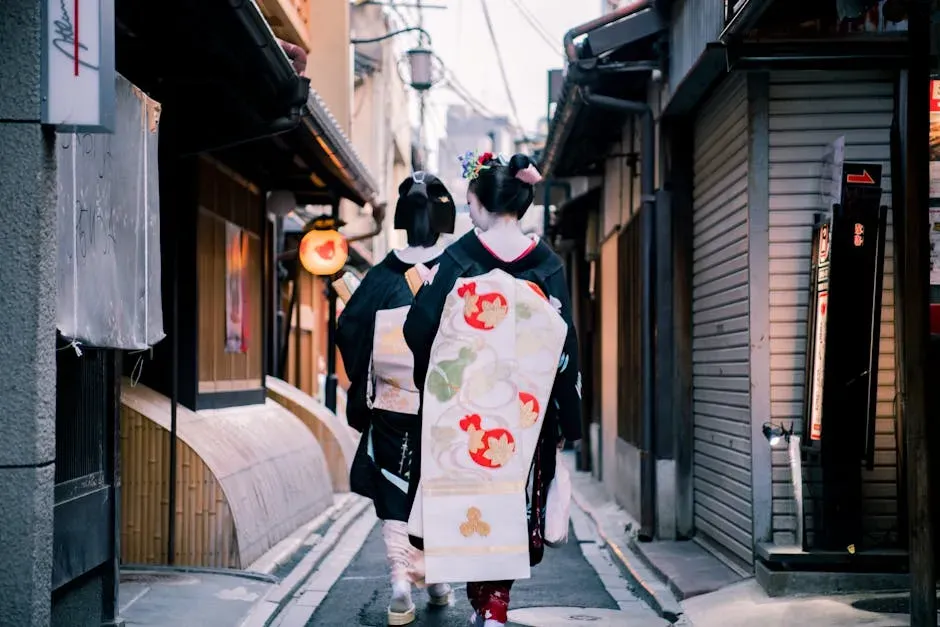
Kyoto’s ancient temples and cherry blossoms attract enormous numbers of travelers, and the city is now overwhelmed. In 2023, more than 50 million visitors flocked to Kyoto, crowding the narrow streets of its historic districts. Residents report that daily life is being disrupted, with tourist buses blocking roads and visitors ignoring local customs. The famed geisha districts are particularly under threat, as tourists chase after performers for photos, ignoring signs and etiquette.
In 2024, the city began limiting access to private streets in Gion, with clear signs and fines for trespassers. Officials also urged visitors to wander quieter areas and visit popular spots during off-peak hours, like early mornings or late evenings. Japan’s overtourism battle is no longer a niche Kyoto argument or a social-media fight over photo spots. Japan welcomed a record 42.7 million international visitors in 2025 according to JNTO figures. The scale now makes the pressure felt far beyond Kyoto’s famous alleys.
6. Dubrovnik, Croatia
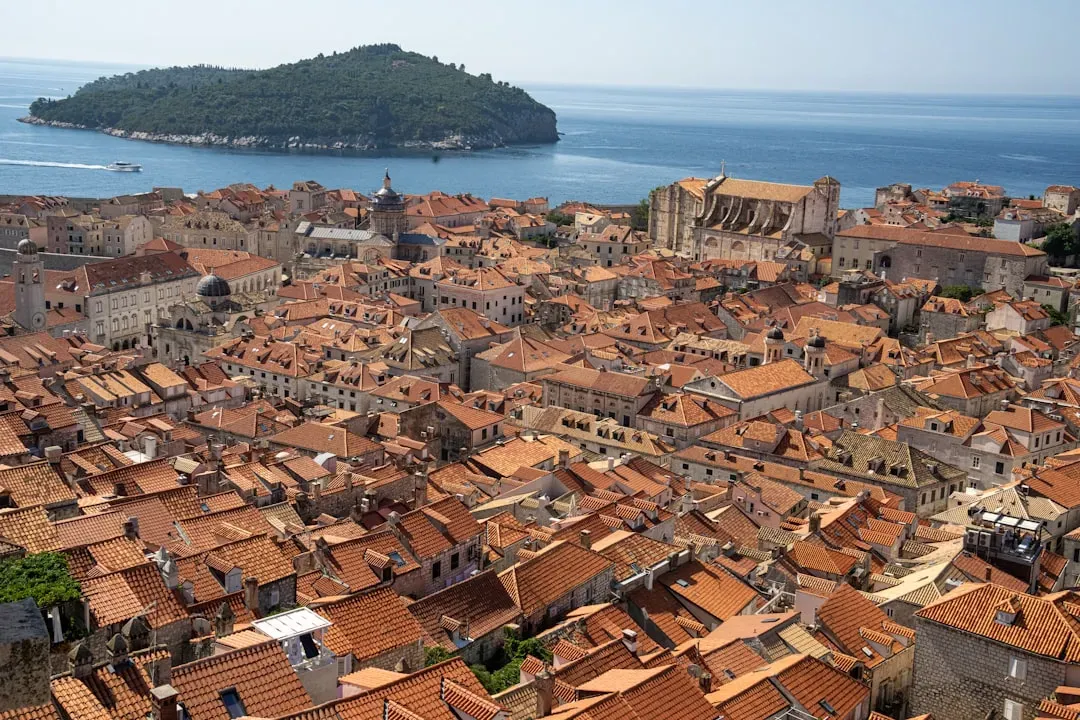
Dubrovnik, known for its medieval walls and association with Game of Thrones, has become a hotspot for mass tourism. In 2023, the city saw over 4 million tourist arrivals, while its Old Town, home to just 1,500 residents, struggled to cope. The city has limited cruise ship arrivals and introduced visitor caps for the historic core, but the crowds keep coming. Residents say life has become chaotic, with shops catering only to tourists and property prices soaring.
UNESCO warned that the city’s World Heritage status is at risk if overtourism continues. The local government has installed surveillance cameras to track visitor numbers and enforce restrictions. Croatia’s crunch point is the coast, where tourism money has collided hard with housing. Croatia approved draft laws to clamp down on short-term tourist rentals, raise taxes on rental properties, and shield long-term residential housing, while Dubrovnik had already moved to restrict new private rental permits in its historic Old Town.
7. Bali, Indonesia
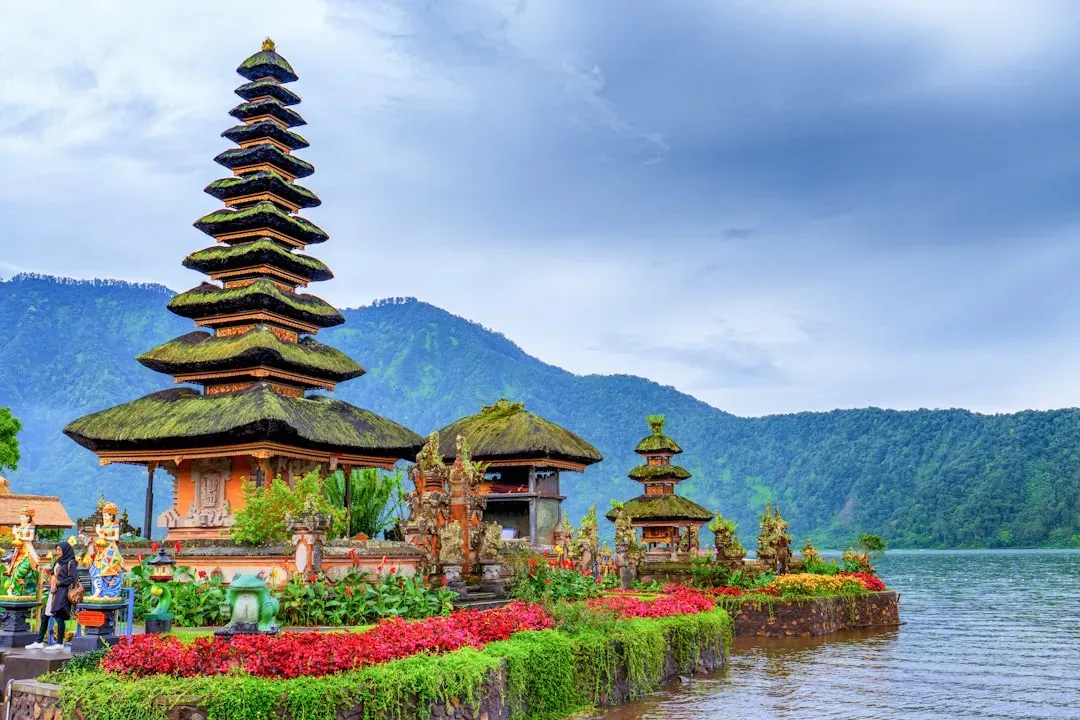
Bali is a top destination known for its stunning beaches, temples, and vibrant culture. However, the island has been overwhelmed by mass tourism, leading to environmental degradation and cultural concerns. Tourism makes up an estimated 60% of Bali’s economy, which makes it nearly impossible to simply cap visitor numbers without serious economic consequences for local communities.
Bali is pairing its tourism levy with conduct rules. An official April 2025 notice said tourists must behave respectfully, pay the levy, and follow specific cultural and legal guidelines while visiting the island. Bali is still selling paradise, but in 2026 it is doing so with more guardrails and less patience for chaotic behavior. Destinations like Bali are bearing the ecological cost through disappearing agricultural land, polluted beaches, and water shortages, forcing policymakers to adopt urgent environmental regulations, such as Bali’s ban on single-use plastics.
8. Mexico City, Mexico
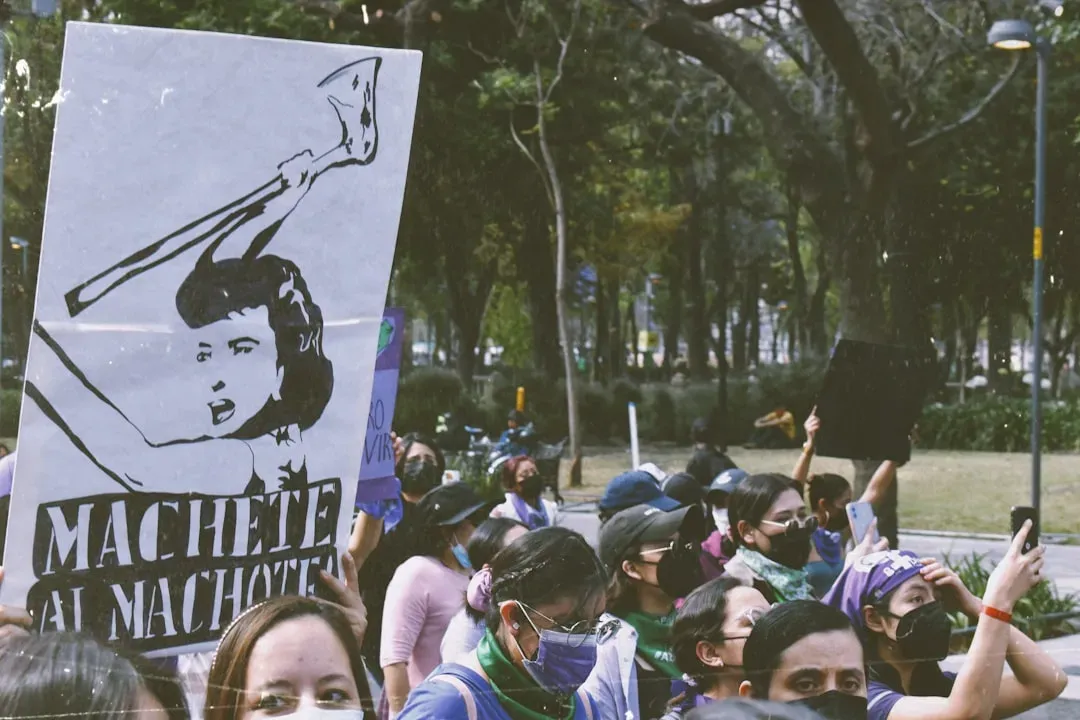
Mexico City has become one of the world’s most visited urban destinations, with tourists flocking to the city to experience its rich history, culture, and cuisine. However, the city has seen a rise in social tensions due to overtourism. In 2025, protests against tourists erupted, and local residents began expressing anger toward the constant influx of visitors. Tensions between locals and tourists have continued to simmer, with some residents accusing visitors of contributing to the city’s overcrowded streets and high cost of living.
The first major protest began on July 4, to protest against the perceived endless influx of Americans and Europeans into trendy neighborhoods that were forcing out long-term residents because of exorbitant rent hikes and a lack of regulation over holiday rentals. There is also frustration over an increase in restaurant menus in English, and hot sauces at taco stands becoming milder to cater to foreign palates. As the city grapples with overcrowding, transportation challenges, and rising housing costs, it’s becoming increasingly difficult for locals to enjoy the city’s resources. Mexico City’s situation is a reminder that overtourism isn’t just a European problem, and that the friction between visitor economies and lived experience is intensifying on every continent.