
Anxiety doesn’t always announce itself loudly. For many women, it shows up in the small, ordinary moments of daily life – a glance at the phone before bed, a crowded parking lot after dark, a work meeting where every word feels loaded. These aren’t dramatic crises. They’re Tuesday afternoons.
Anxiety disorders are more than twice as common in women as in men. That gap isn’t just a clinical statistic. It shapes how millions of women move through their days, often managing low-level stress that nobody talks about because it’s folded into the routine. Here are eight situations that research consistently links to heightened anxiety in women – all of them ordinary, all of them real.
1. Walking Alone After Dark
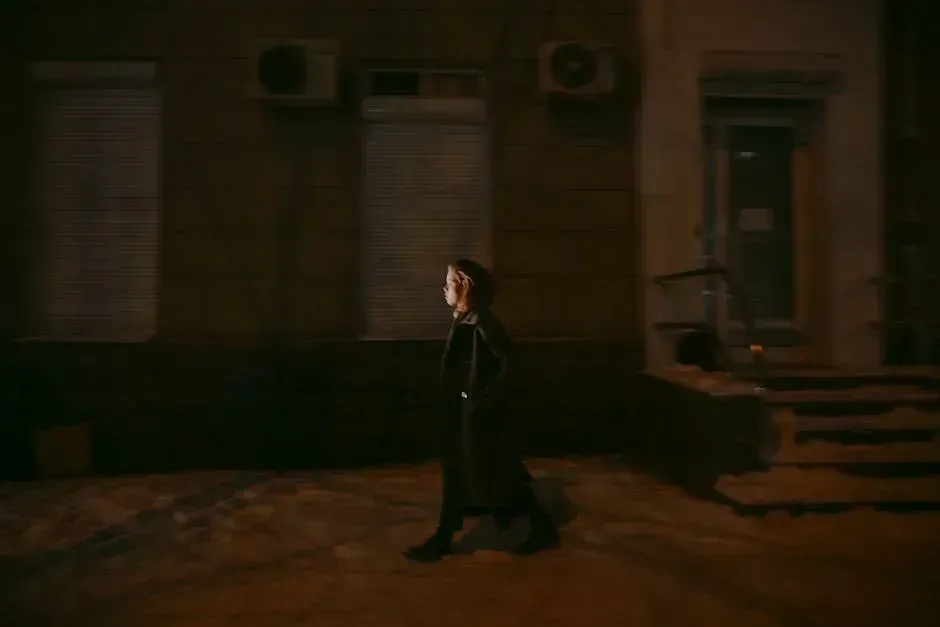
A comprehensive national survey found that walking alone at night dominates women’s safety concerns, with roughly two thirds of respondents identifying it as their primary fear. That’s not an exaggeration or a quirk of individual personality. It reflects a lived reality that shapes how women plan their evenings, which routes they take, and whether they go out at all.
Nearly four in ten women report safety concerns that actively impact their daily lives, and nearly a third have experienced situations where they felt unsafe but were unable to contact someone for help. Everyday safety concerns like walking alone at night contribute to chronic stress and hypervigilance, which are associated with heightened anxiety levels. The anxiety isn’t irrational – it’s a response to a real and well-documented pattern of risk.
2. Scrolling Through Social Media
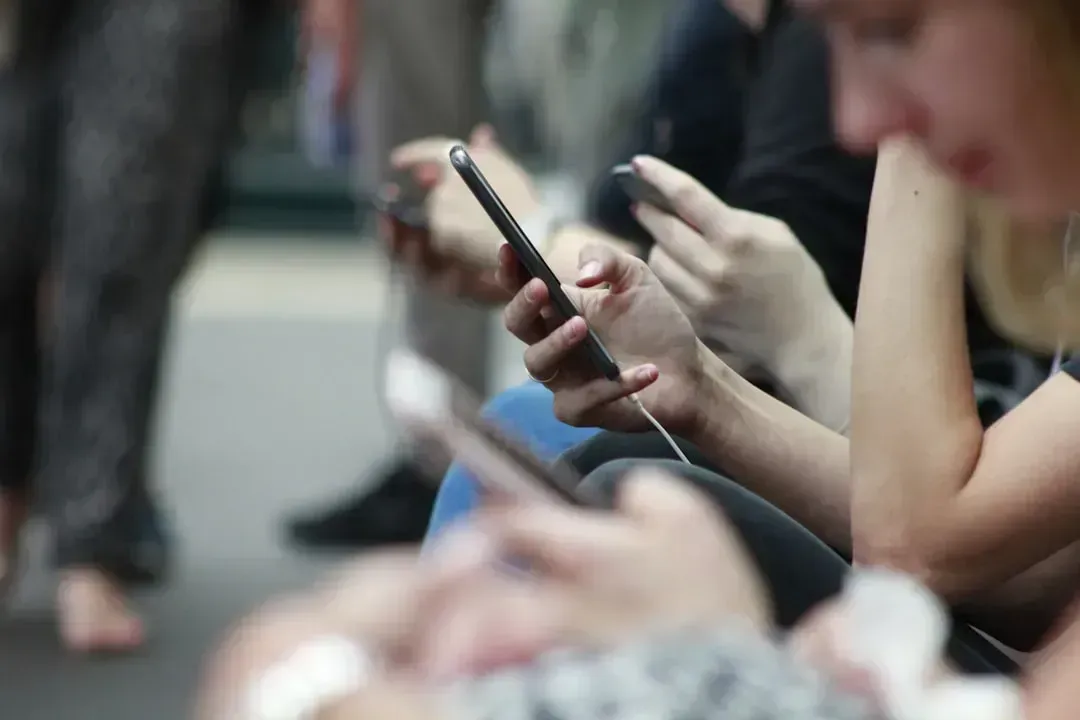
Platforms like Instagram and Facebook have reshaped body image concerns, often leading to increased dissatisfaction and psychological distress due to constant exposure to idealized images and a culture of social comparison. For women especially, this kind of passive scrolling is rarely as passive as it seems. It’s a quiet comparison engine running in the background.
Research findings reveal that the social media environment exerts significant pressure on women to conform to narrow beauty standards, leading to increased body dissatisfaction, low self-esteem, and heightened levels of anxiety. A 2023 study published in Frontiers in Psychology revealed that image-based social media platforms were significantly associated with increased symptoms of body dysmorphia, with regular exposure leading to body dissatisfaction, harsh self-criticism, and anxiety. Knowing this doesn’t make the scroll any easier to put down.
3. Navigating Social and Professional Settings
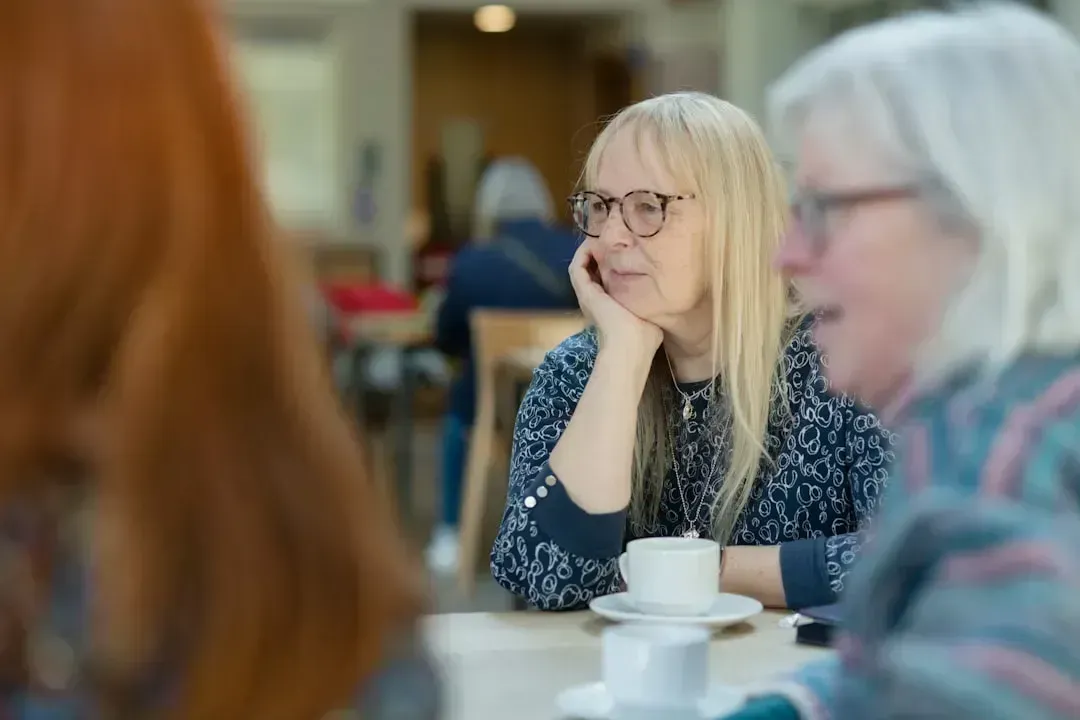
Women’s anxieties often focus on performance, including scrutiny from authority figures and eating and drinking in front of others, and women often present with comorbid mood disorders. A work presentation, a networking event, a dinner with people they don’t know well – these situations can trigger a level of self-monitoring that is exhausting long before anyone has said a word.
Navigating social interactions, especially in professional or unfamiliar settings, can trigger symptoms of anxiety in women, particularly those with social anxiety disorder. At work, women may feel pressured to outperform their male counterparts to gain recognition, while at home they are often expected to be nurturing, patient, and selfless caregivers. The mental overhead of managing both simultaneously is significant, and it doesn’t disappear when a meeting ends.
4. Carrying the Invisible Mental Load
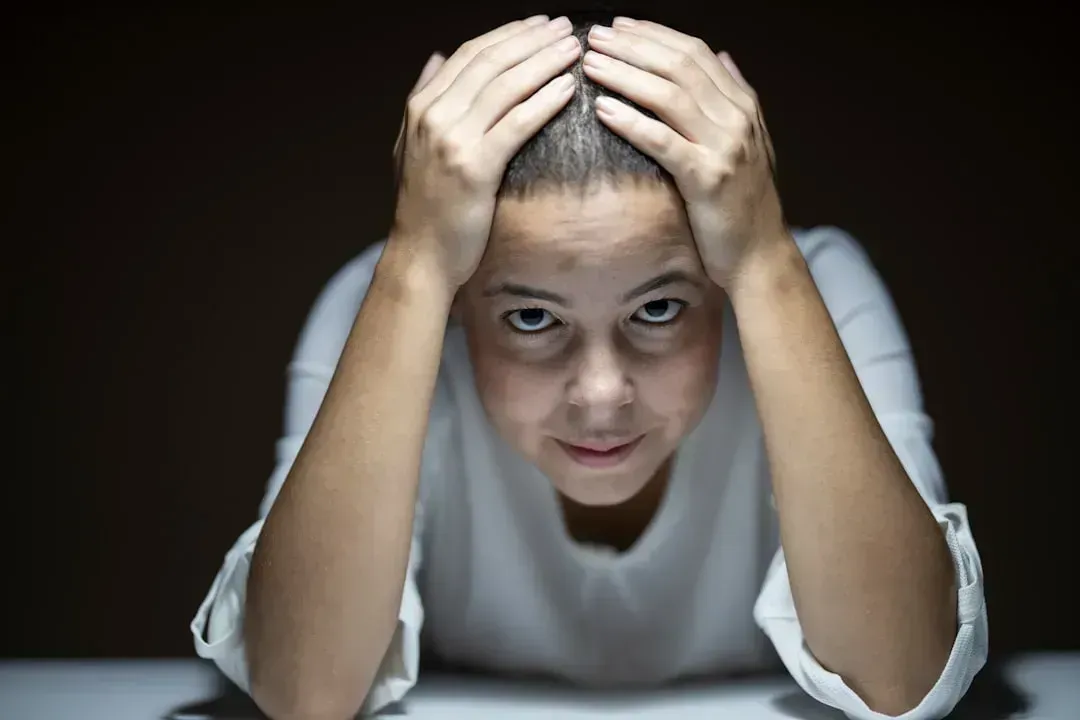
Women often feel responsible for managing relationships and household tasks. The push to do it all can lead to perfectionism and to internalizing stress – a recipe for anxiety. The mental load isn’t just about the tasks themselves. It’s about being the person who tracks, anticipates, and orchestrates everything while rarely being seen doing so.
Women are also conditioned to prioritize the needs of others and are encouraged to keep it together at all times, with many fearing being seen as unstable if they don’t. This conditioning runs deep. It’s not easy to identify in real time, which makes the anxiety it generates even harder to name or address.
5. Health-Related Appointments and Symptoms
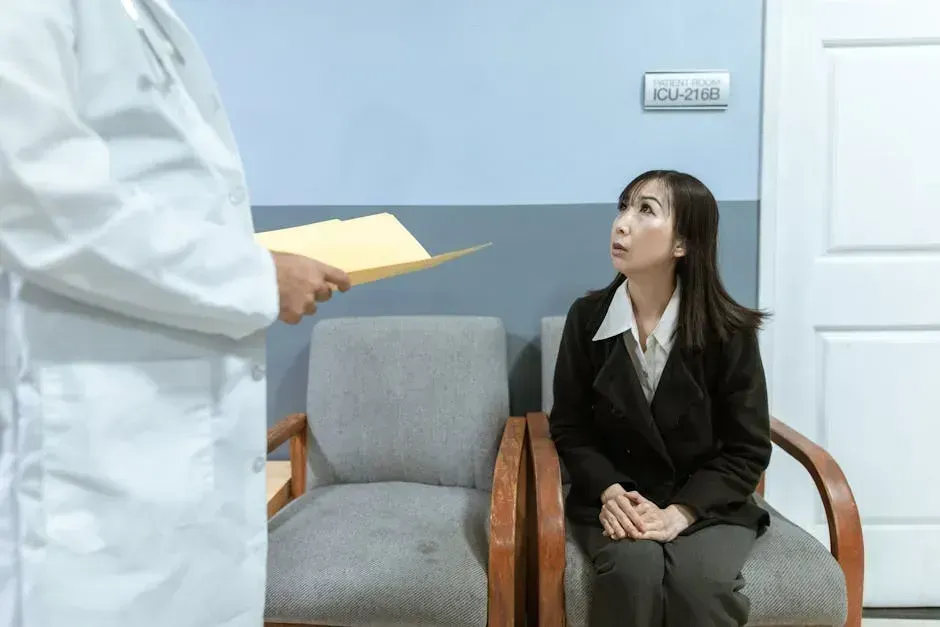
Concerns about physical health, hormonal changes, and chronic conditions can contribute to feelings of anxiety, and women often worry about the impact of these issues on their families and daily lives. Booking a doctor’s appointment can feel like opening a door to difficult news. That anticipatory dread is its own form of anxiety, separate from whatever might actually be found.
One of the most frustrating things for women living with anxiety is misdiagnosis. Sometimes a problem is physical, sometimes it’s mental, and sometimes it’s both. In 2024, about four in ten adults in the U.S. experienced anxiety linked to personal or family health concerns. For women, who are statistically more likely to have their symptoms dismissed or mislabeled, each appointment can carry an added layer of uncertainty.
6. Hormonal Shifts Throughout the Month

Researchers are studying why women are more than twice as likely as men to develop anxiety disorders and depression, and changes in estrogen levels throughout a woman’s menstrual cycle and reproductive life probably play a role. This isn’t a matter of mood being unstable – it’s biology with measurable effects on how the nervous system responds to stress.
Before puberty, girls and boys have similar rates of anxiety and depression. During adolescence, however, the rates of anxiety and depression double for girls compared to boys and later rise further for women around menopause, before becoming comparable again after menopause. The fact that anxiety levels track so closely with hormonal phases suggests the body itself can become a source of daily uncertainty for many women.
7. Financial Stress and Economic Uncertainty
Around nearly three quarters of Americans report feeling stressed about money at least some of the time, and financial concerns are a leading cause of anxiety, affecting more than half of adults in the U.S. who worry about unexpected expenses or debt. For women, who on average still face wage gaps and are more likely to be primary caregivers, financial pressure arrives with additional weight.
Modern life presents unique challenges for women, from career pressures and family responsibilities to societal expectations and digital stressors. When financial insecurity sits underneath all of those other pressures, it colors nearly every decision – from whether to take a sick day to whether to ask for a raise. Women typically get caught in thought loops more than men do, replaying worries and negative feelings over and over, a mental habit that can make anxiety worse.
8. Perfectionism and the Fear of Falling Short
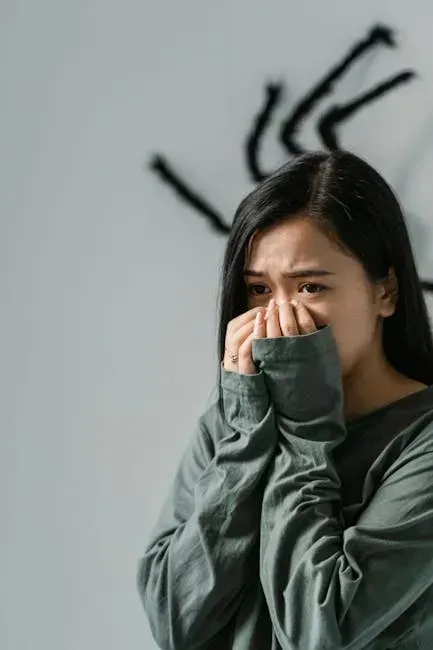
Perfectionism and social pressures can amplify anxiety. Perfectionism in women isn’t simply about wanting things done well. For many ambitious women, perfectionism is actually a protective or trauma response, a way of trying to stay in control when things once felt unpredictable. The goalposts keep moving, and the anxiety doesn’t resolve – it just reshapes itself.
The anxiety doesn’t go away – it just shapeshifts into another never-ending to-do. Generalized Anxiety Disorder affects millions of adults, and women are twice as likely to be affected as men. When perfectionism becomes the primary way someone manages fear of failure or rejection, rest itself starts to feel dangerous. That tension, quiet and persistent, is one of the most common ways anxiety shows up in women’s everyday lives – and one of the hardest to see clearly from the inside.
Recognizing these situations for what they are is a meaningful first step. None of them are signs of weakness, and none of them are unique to any one woman. They are shared experiences with real psychological roots, and they deserve to be taken seriously.