
There’s a particular kind of exhaustion that comes not from big, dramatic events but from the low-level friction of just getting through the day. For many women, certain ordinary situations carry a weight that’s hard to explain to someone who hasn’t felt it. It’s not irrational fear or weakness. It’s a pattern, shaped by real and documented experiences that have accumulated over time.
These aren’t dramatic emergencies or rare catastrophes. They’re the walk to the car after dark, the doctor’s appointment where you brace yourself to be brushed off, the meeting where you wonder if your idea will land differently than a man’s would. Quiet, persistent, and rarely discussed as a group, these are eight things that many women dread as part of their ordinary lives.
Walking Alone at Night
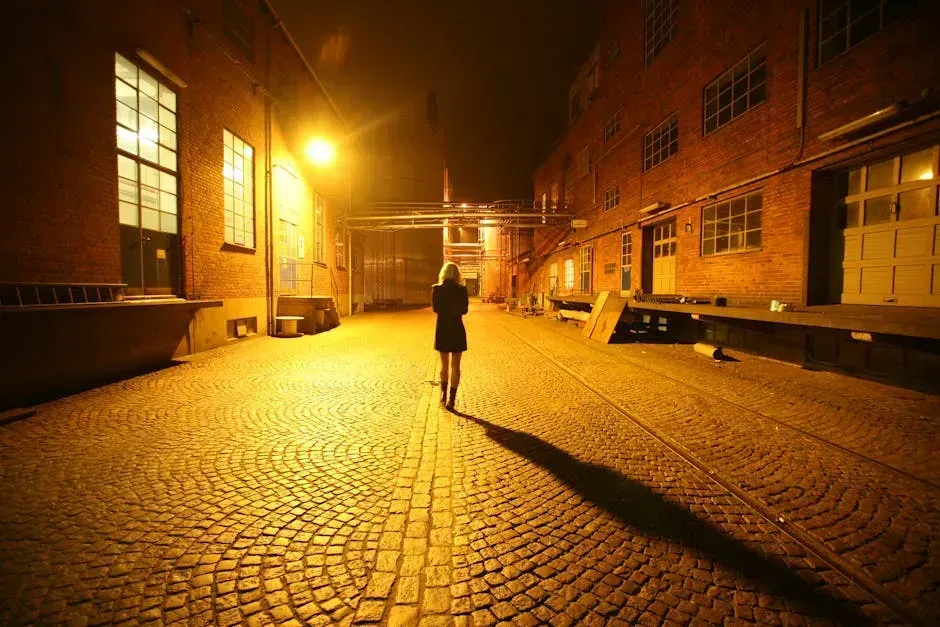
According to a comprehensive national survey on women’s safety, walking alone at night dominates women’s concerns, with roughly two thirds of respondents identifying it as their primary fear, significantly outpacing worries about traveling in unfamiliar areas or navigating parking garages. This isn’t an abstract worry. Research from Brigham Young University shows that women scan their environment constantly while walking in the dark, a behavior that reflects a deeply ingrained, real-world calculation about personal risk.
Safety concerns have become so deeply embedded in women’s daily routines that more than a third are forced to take precautionary measures every single day just to feel secure. Roughly seven in ten women text or call friends or family to communicate their whereabouts, while half actively share their location through smartphone features and apps. The mental load of this constant planning, of route-checking and time-monitoring, rarely gets named for what it is: a routine tax on women’s freedom of movement.
Going to the Doctor and Not Being Believed

Research indicates that roughly seven in ten women say they’ve experienced medical gaslighting, the troubling pattern where a healthcare provider dismisses, minimizes, or outright disbelieves a patient’s reported symptoms. A 2023 survey found that nearly all respondents reported instances in which they felt their symptoms were being ignored or dismissed by a doctor. That number is striking, and it helps explain why so many women approach medical appointments with a familiar sense of dread rather than relief.
Fifty-eight percent of those surveyed said their symptoms worsened after a doctor dismissed their concerns, and more than a quarter said they experienced a health emergency as a result of their provider’s lack of response. Conditions like endometriosis affect roughly one in ten women, yet patients wait on average about seven years after initial symptom onset to receive a diagnosis, a delay driven in part by physicians normalizing women’s menstrual pain rather than investigating symptoms rigorously. The dread of going to the doctor is, for many, inseparable from the dread of leaving with nothing.
Navigating Parking Garages and Isolated Spaces

Navigating parking garages ranks among the top safety fears for women nationwide, cited by more than four in ten women as a significant source of concern. The design of these spaces, low ceilings, poor lighting, blind corners, creates exactly the kind of environment that research identifies as high-risk in terms of perceived entrapment and limited visibility. Researchers have studied what they refer to as “entrapment” features in public spaces, meaning whether an area is open or enclosed. A tunnel, for instance, which can only be entered or exited by going forward or backward, is considered “high entrapment.”
Nearly half of young women report that safety concerns actively restrict their daily activities, and isolated spaces like parking structures are a key part of that calculation. The anxiety isn’t limited to the moment of walking to the car. It begins earlier, in planning which lot to use, parking close to the exit, checking if a friend is available to wait on the phone. These small decisions are invisible to most people around them.
Being Talked Over or Dismissed at Work

Thirty-eight percent of women have had their judgment questioned in their area of expertise, compared to roughly a quarter of men. The experience of offering an idea in a meeting and watching it get ignored, only to hear a male colleague repeat it minutes later to general approval, is so common it has its own name in workplace culture research. Microaggressions, subtle and often unintentional comments or behaviors that reinforce stereotypes, disproportionately affect women, ranging from assumptions about capabilities based on gender to comments that question women’s authority. Over time, these interactions erode confidence and contribute to a hostile work environment.
When women make a mistake, they are judged more harshly than their male counterparts. Women are frequently called bossy or abrasive and are asked to watch their tone. The dread isn’t just about any single meeting or conversation. It’s the anticipatory tension before speaking up, the mental editing of language to preempt being labeled difficult, the energy spent managing perceptions that most male colleagues simply don’t have to spend.
The Pay Conversation
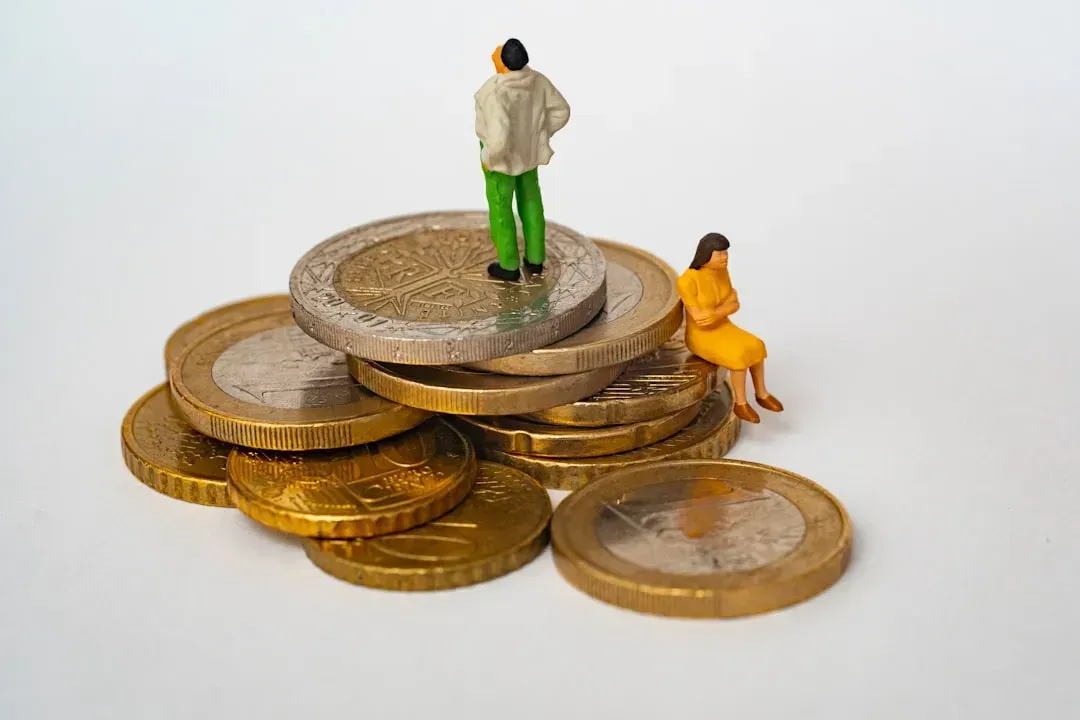
In 2024, women earned an average of 85 cents for every dollar men earned, according to a Pew Research Center analysis of median hourly earnings. The gap is worse when broken down by race and parental status. Women between the ages of 25 and 54 earned roughly 217 dollars less per week than their male counterparts in 2024, according to the Bureau of Labor Statistics, and the gap is wider for women of color and working mothers.
Research has shown that societal biases contribute to gender salary disparities, with Generation Z women entering the workforce with lower pay expectations than men, reflecting historical pay gaps baked in before negotiations even begin. The dread attached to salary conversations is partly about numbers and partly about something harder to quantify: the knowledge that asking for what you’re worth can be met with a different reception depending on your gender, and that the room for error is smaller. A 20-year-old woman starting full-time work in 2024 stands to lose an estimated 407,760 dollars over a 40-year career compared to her male counterpart. That figure has a way of making the anxiety very concrete.
Using Public Transportation Alone, Especially at Night
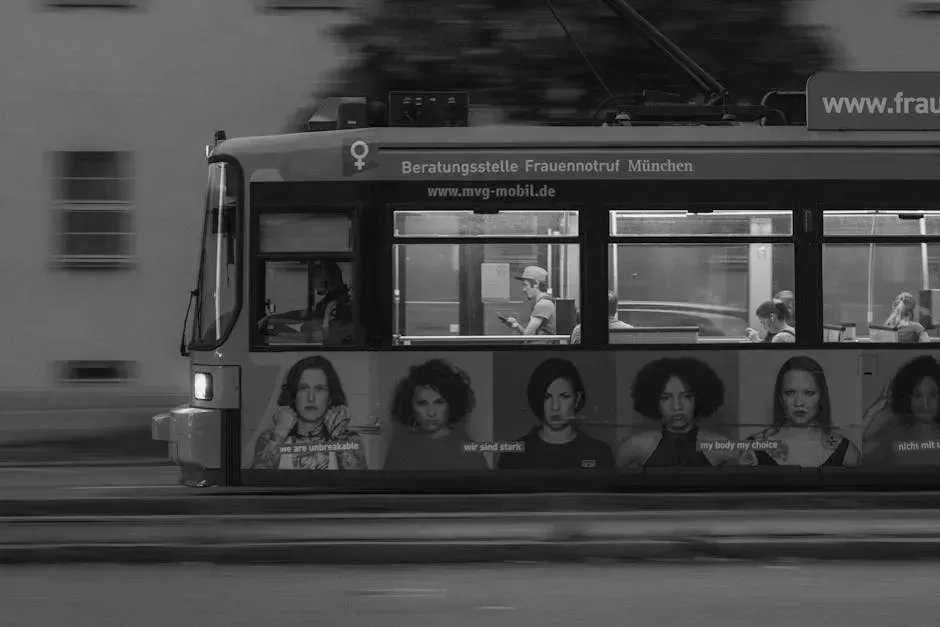
Women aged 18 to 25 show the highest vigilance in safety behaviors, with a significantly greater proportion expressing concern specifically about public transportation and rideshare safety. The discomfort on a late train or a near-empty bus isn’t always about a specific threat. It’s about the constant awareness of vulnerability, of being the person in the carriage who has to think about where to sit, who is getting on, whether the doors will open at the right stop. The fear of violence in public spaces leads many women to alter their routines, with nearly two thirds avoiding certain places or changing their schedules.
This kind of hypervigilance has real costs beyond comfort. Safety concerns actively restrict daily activities for close to half of younger women, which affects access to work, social life, and independence in ways that are difficult to fully measure. The simple act of getting from one place to another after dark carries a cognitive load for many women that simply isn’t a feature of the same commute for most men.
Being Dismissed Because of Age or Appearance
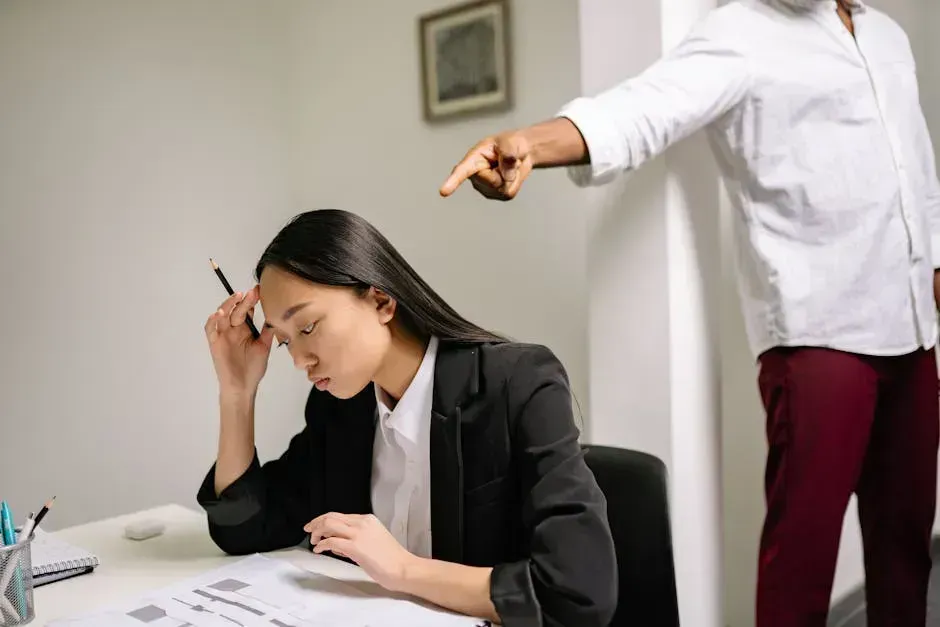
Gender bias and discrimination have held women back in the workplace for generations, and new research identifies as many as 30 characteristics that women say were used against them professionally, including age, attractiveness, and body size. The anxiety around being judged on physical appearance, particularly as women age, is tied to a very real pattern of differential treatment. Women are viewed as less trustworthy, less promotable, and deserving of lower starting salaries, particularly mothers.
The dread of being dismissed based on how one looks or how old one is tends to surface in specific moments: the job interview, the client presentation, the promotion conversation. Women are more likely than men to experience generalized anxiety disorder, and some women experience it acutely during major life and career transitions. The awareness that appearance and age are being weighed alongside actual competence is a background tension that many women carry without naming it directly.
Reporting Something and Not Being Taken Seriously
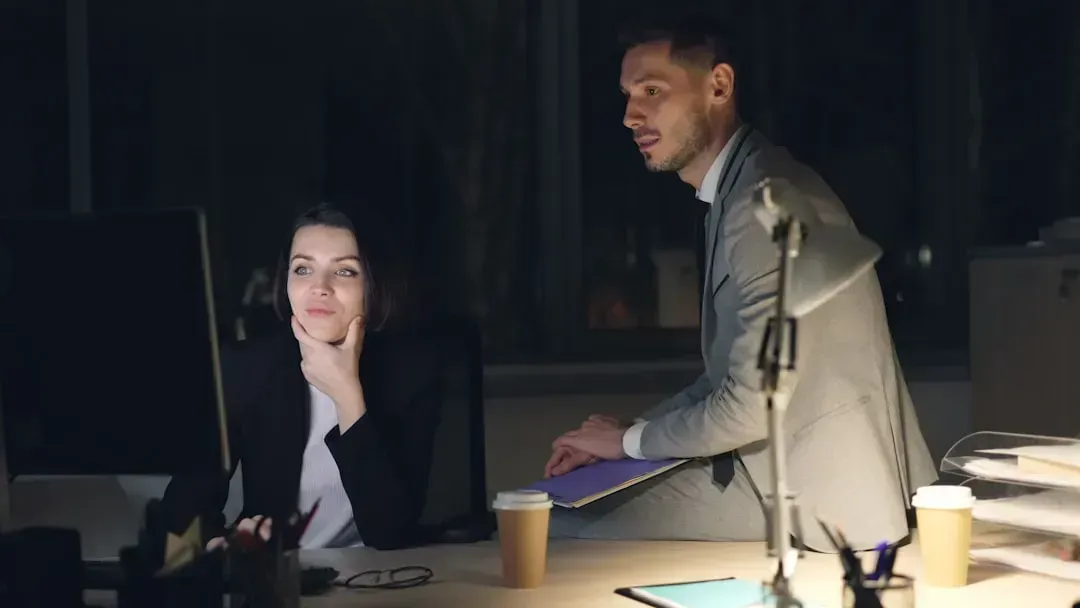
Nearly a quarter of women between the ages of 16 and 30 report having experienced sexual harassment at work, yet only a small fraction report it. Reasons for not reporting include fear of losing their job, receiving reduced hours, or simply not knowing the appropriate channels for filing a complaint. The dread of coming forward is inseparable from a realistic assessment of what tends to happen when women do. Being disbelieved, labeled difficult, or quietly sidelined afterward are outcomes documented consistently enough to function as a deterrent.
A survey found that more than half of young women said they experienced mental health problems as a result of sexual harassment and gender discrimination at work. Women are markedly more likely than men to meet the diagnostic criteria for a diverse array of anxiety disorders, and they commonly manifest more severe symptoms, experience worse outcomes, and exhibit higher rates of comorbidity with depression. That broader mental health picture is not disconnected from the specific, accumulated experience of reporting something, being dismissed, and having to decide each time whether trying again is worth the cost.
None of these eight things are unusual. That’s precisely the point. They surface in ordinary weeks, in ordinary cities, for women across different backgrounds and ages. Recognizing them as real and documented, rather than exaggerated or imagined, is at minimum a starting point for something better.