
There’s a certain kind of traveler you’ve probably spotted at the gate. Calm, organized, already seated before half the boarding zone is called. No frantic digging through a bag, no scramble for overhead bin space. These are the people who have simply flown enough to understand something most passengers never figure out: the boarding process is not random chaos. It’s a system, and it heavily rewards those who know how to work it.
Frequent flyers over 60 have had the most time to figure this out. Decades of trial, error, and quiet observation have taught them exactly which moves to make, which words to say to a gate agent, and which policies most passengers don’t even know exist. What follows are nine of the most effective boarding secrets they use, most of which cost nothing at all.
1. They Know “Courtesy Boarding” Is a Real Thing and They Ask for It by Name
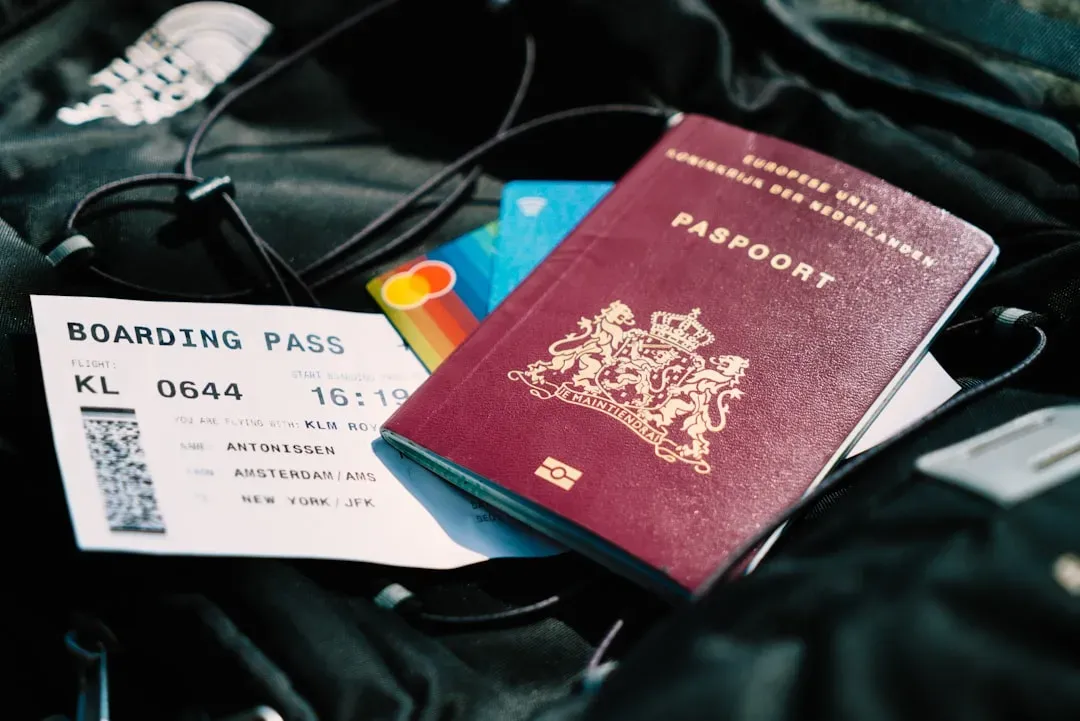
There’s a specific phrase that experienced travelers have quietly added to their airport vocabulary: “courtesy boarding.” It’s not printed on any ticket or advertised on any airline website, but it’s a real policy at multiple major carriers. Most passengers have simply never heard of it because no one announces it.
United Airlines has a formal “Courtesy Boarding” option that includes senior travelers upon request, and Delta and Southwest follow similar practices. Walking up to the gate agent calmly and saying “I’d like to request pre-boarding assistance due to mobility needs” typically gets you on before the main crowd. The phrasing matters more than most people realize. Agents hear hundreds of requests a day, and the ones phrased clearly and politely almost always get a yes.
2. They Use Federal Law to Board Before Everyone Else, Including First Class

Requesting wheelchair assistance at the airport doesn’t just get you a push to the gate. It puts you at the very front of the entire boarding queue. Under Department of Transportation guidance, passengers with disabilities who request preboarding must be allowed to board before all other passengers, including first class, elite-level frequent flyers, and military passengers.
You can request this service for just one leg of a trip without committing to it for the return. Major U.S. airlines including American, Delta, and United all follow this protocol, and their staff are trained to assist. You don’t need to show medical proof, and United’s website notes that aisle wheelchairs, narrower seats designed to fit inside airplane cabins, are available at the gate for free, allowing you to remain seated throughout the entire boarding process.
3. They Never Forget to Link Their Known Traveler Number to Every Booking
One mistake that quietly strips thousands of travelers of their TSA PreCheck benefits on every single flight is forgetting to attach their Known Traveler Number to the reservation. PreCheck benefits are not automatic. Your KTN must be entered in the correct field of every airline reservation for the PreCheck indicator to appear on your boarding pass. Experienced travelers consistently report this as one of the most common self-inflicted snags at security.
The cleanest fix is to save your KTN directly into every airline loyalty profile you use, so it populates automatically whenever you book. You should also confirm that the name in your reservation matches the name used during your PreCheck or Global Entry enrollment, including your middle name or middle initial if one was included. A single mismatched character can trigger a flag that sends you straight to the standard security line.
4. They Understand the Real Difference Between TSA PreCheck, Global Entry, and CLEAR
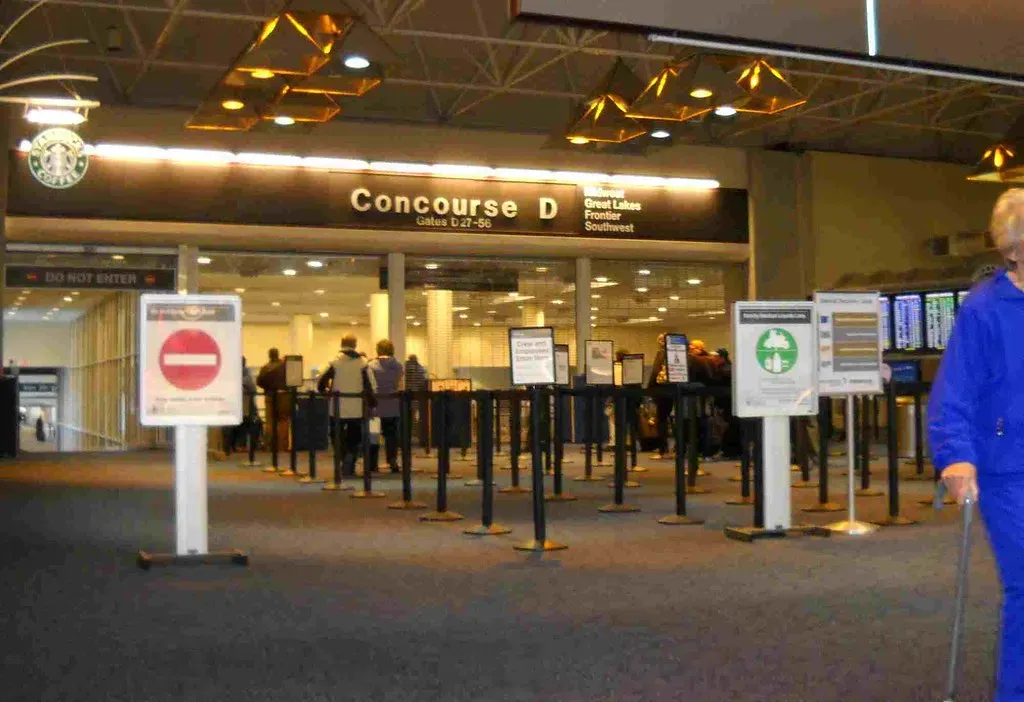
About 99 percent of TSA PreCheck passengers wait less than 10 minutes in the dedicated lane. That alone explains why seasoned travelers treat enrollment as non-negotiable. TSA PreCheck status gives you access to security lanes with lighter screening: you can leave your belt on, your laptop can stay in its case, and you don’t have to take liquids and gels out of your carry-on.
Global Entry costs $120, while TSA PreCheck alone costs between $78 and $85. For $35 to $42 more, Global Entry includes everything PreCheck offers plus the customs benefit when returning from international travel. CLEAR, whose membership program is called CLEAR+, is a private program that helps shave time off your trip through an airport security checkpoint by using biometrics, such as scanning one of your fingers or your eyes, to identify you at a CLEAR station. If your identity is confirmed, you’ll be escorted to a TSA security lane.
5. They Know How to Get a Non-Traveling Companion Through Security to the Gate
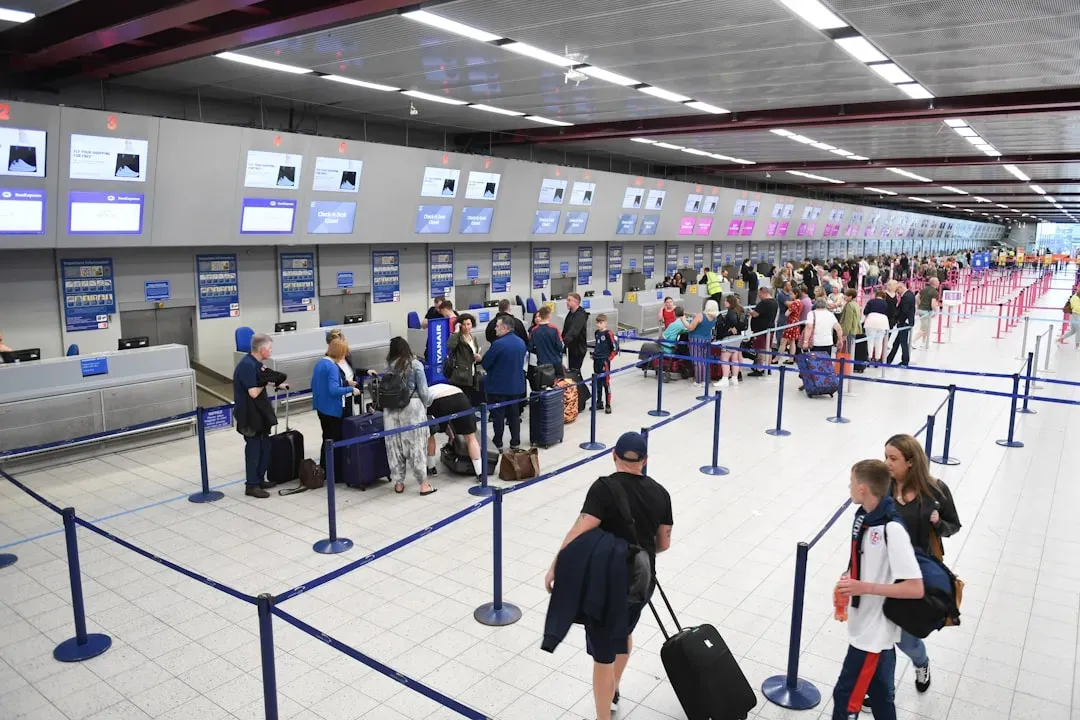
United Airlines allows up to two people to obtain a security pass from the ticket counter. Philadelphia International Airport’s “Wingmate Pass” can be reserved online one to seven days before your visit, letting a non-ticketed companion escort a traveler all the way to the gate at no extra cost. Most travelers don’t know these options exist at all.
Always calling the airline or checking the specific airport’s website before the trip confirms current availability. The policy exists at more airports than most people think, and it just requires a single phone call to unlock. Companion gate passes are issued at the ticket counter, not online and not at the security lane itself.
6. They Use the TSA Cares Program to Turn Security Into a Non-Event
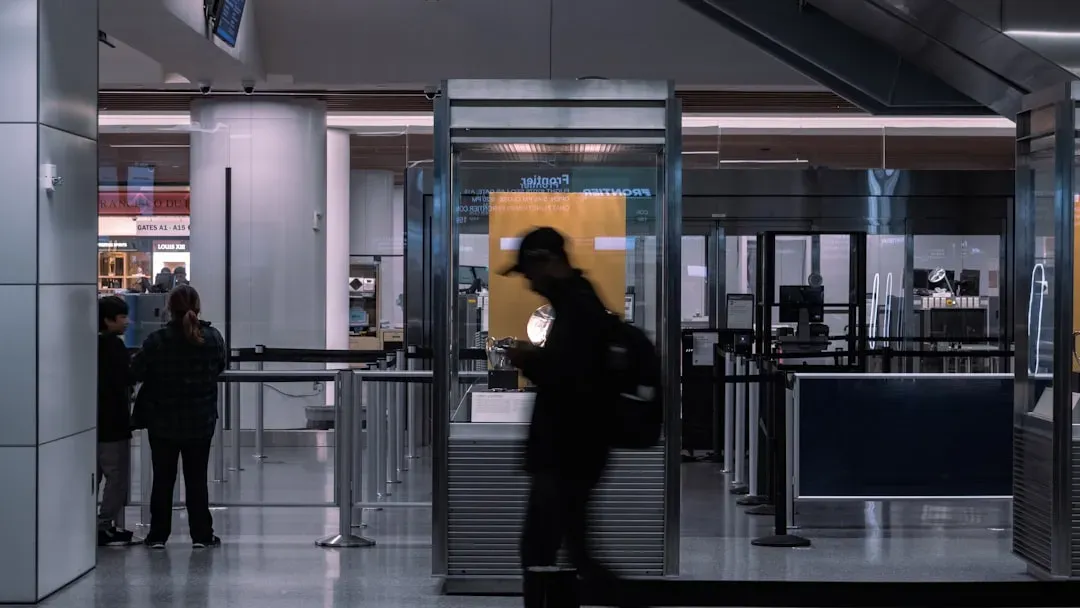
TSA Cares turns one of the most stressful parts of the airport into an almost seamless experience. To use it, you call (855) 787-2227 at least 72 hours before your flight to request on-site assistance, or fill out the request form online if your trip is more than 72 hours away. The program assisted 69,000 travelers in 2024 alone, according to TSA’s own year-end report.
For travelers who’ve dreaded security for years because of implants, oxygen equipment, or limited mobility, this program is genuinely practical, and it’s been available the whole time. TSA Cares is free, requires no enrollment, no approval, and is focused on support and guidance through the checkpoint. TSA Cares works at every airport regardless of which airline you fly, while PreCheck depends on airline participation.
7. They Check In Exactly at the 24-Hour Mark to Secure the Best Available Seats
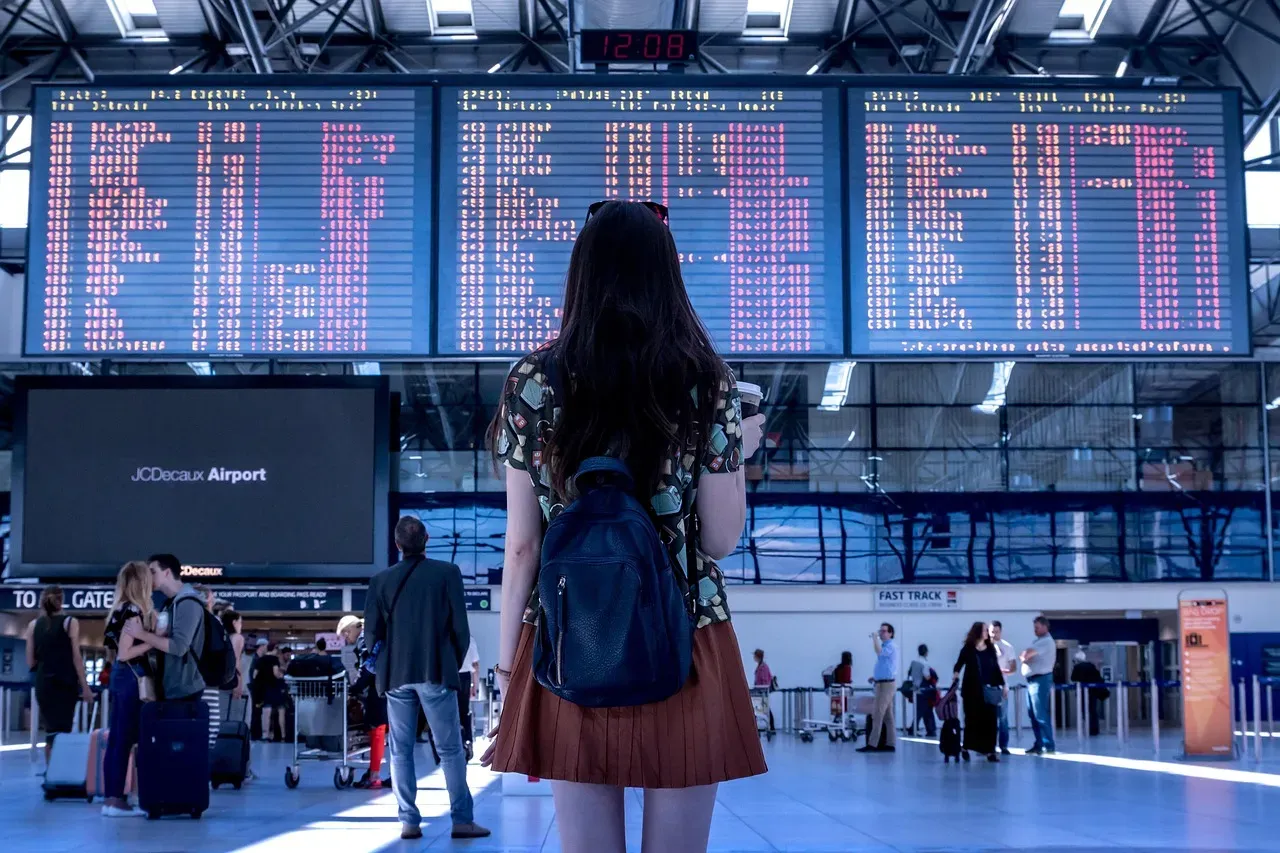
Many airlines allow you to check in up to 24 hours before departure, so taking advantage of this window helps reduce stress and keeps you organized ahead of your trip. Experienced travelers set a reminder and check in the moment the window opens, which is when the best remaining seats are most likely to still be available.
Most airlines allow online check-in 24 to 48 hours before departure, and this can save you time at the airport and help you secure a better seat. Having a digital boarding pass on your phone reduces the risk of losing a paper ticket and speeds up airport check-ins. Airlines typically finalize seat assignments within 30 days of departure, but schedule changes and equipment swaps may affect seating. Seat assignments are not guaranteed until check-in, so always verifying your seat just before the flight is a good habit.
8. They Treat Gate Agents Like Human Beings, Because Gate Agents Have Real Power
Most passengers are politely transactional at best and visibly impatient at worst. The experienced travelers who consistently get better outcomes treat gate agents like actual human beings under real pressure. Gate agents coordinate with operations teams, manage oversold flights, handle delays, field constant questions, and make real-time decisions about who gets what.
They can and do make notes on a traveler’s profile that follow you on future flights. Airlines sometimes offer last-minute upgrades at the gate when premium seats remain unsold close to departure, and these last-minute opportunities are far cheaper than buying up in advance. Frequent flyers over 60 already know this. They’ve watched it happen too many times to ignore it.
9. They Board Last on Purpose When They’re Traveling Light
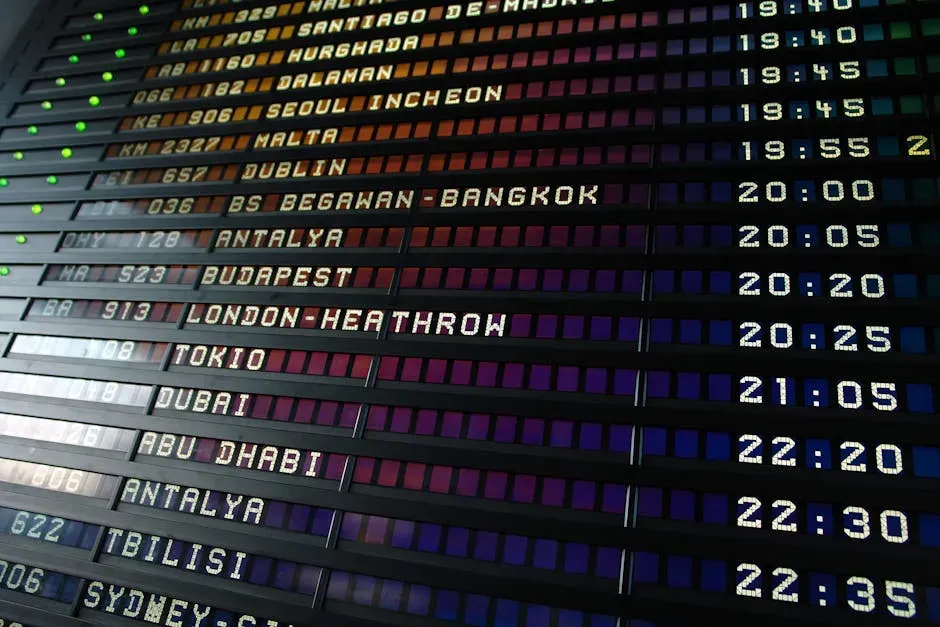
Most premium and frequent travelers prefer to wait until the last minute to board the aircraft to get the most out of their lounge experience and reduce their time spent onboard. It’s a deliberate trade. Less time in a seat, more time in comfort. Passengers who rush to board first and then sit on a stationary plane for 25 minutes are doing the opposite of what experienced travelers do.
Packing light and having checked-in bags means you can get on last without any issue. Traveling with only a personal item that fits under the seat can save time and hassle, since you don’t need to worry about overhead compartments. When you have nothing to stow overhead, the entire calculus changes. You can board whenever you want, settle in without stress, and skip the aisle traffic entirely. That’s not an accident. It’s a strategy that takes a few trips to fully embrace, but once you do, it’s hard to go back.
The common thread running through all nine of these strategies is preparation over reaction. None of them require special connections or expensive upgrades. They require knowing what’s actually available, asking for it calmly, and understanding how the system is actually structured rather than how it appears from the outside. Most passengers will board the same way they always have. The ones who’ve figured this out will already be settled in their seats.