Cinema has always had the power to disturb. From its earliest days, films capable of triggering genuine public outrage or irrational fear were met not just with criticism but with outright prohibition. Governments, religious groups, and moral guardians have all taken their turn at the censor’s desk, and the results have been fascinating – sometimes tragic, sometimes absurd, and occasionally world-changing.
What follows are nine films that didn’t just provoke argument. They provoked bans. Each one crossed a line that someone, somewhere, decided simply could not stand.
1. The Birth of a Nation (1915)
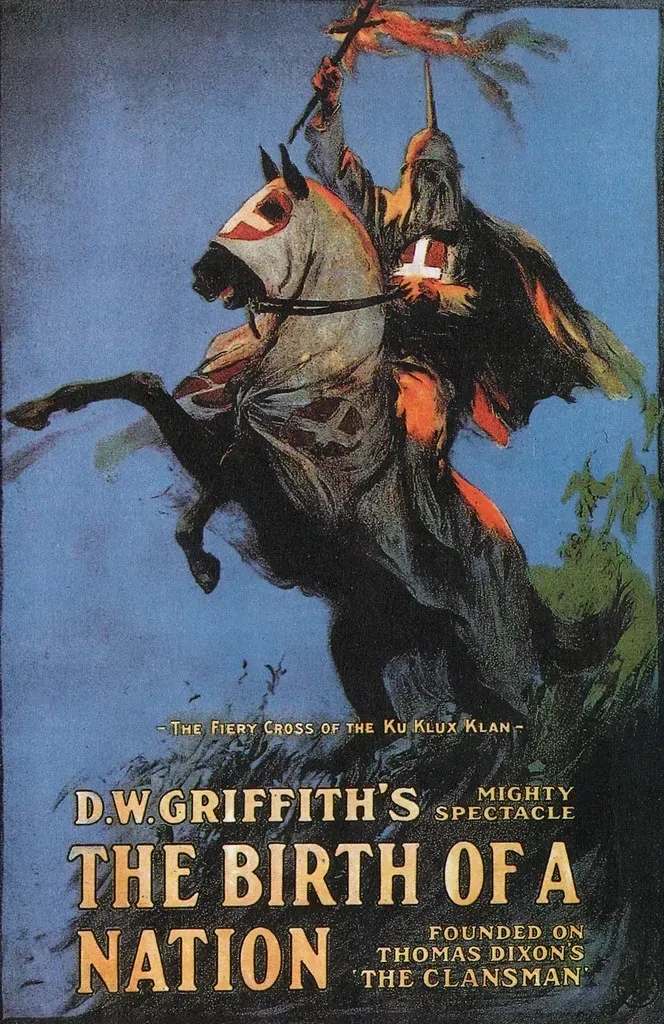
D.W. Griffith’s landmark silent film premiered in Los Angeles on February 8, 1915, and became America’s first feature-length motion picture and a box-office smash. It has since been condemned for the racism inherent in its script and its positive portrayal of the Ku Klux Klan, which experienced a major revival after the movie’s release. The film’s capacity to inflame real-world violence wasn’t hypothetical – it was documented and immediate.
Riots and protests broke out at screenings in a number of Northern cities, and the NAACP embarked on a major campaign to have the film banned. It eventually was censored in several cities, and Griffith agreed to change or cut out some of its most offensive scenes. In Lafayette, Indiana, a white man walked out of a screening and shot dead a 15-year-old Black high school student. The film stands as one of the most consequential – and damaging – acts of cinematic propaganda in history.
2. Battleship Potemkin (1925)
![2. Battleship Potemkin (1925) (Image Credits: [1], Public domain)](https://nvmwebsites-budwg5g9avh3epea.z03.azurefd.net/scaredof/dd39caf2edddae7be04c88cc3efb158a.webp)
Sergei Eisenstein’s Battleship Potemkin stands as a masterpiece of film technique, yet its revolutionary message led to censorship and outright bans in numerous countries, including the UK, France, and Germany. The film depicted a 1905 mutiny aboard a Russian naval vessel and the brutal suppression of civilian protesters by Tsarist forces – hardly comfortable viewing for governments already worried about the spread of communist ideology.
The case of Battleship Potemkin exemplifies political censorship. Despite initial approval in several territories, the film was ultimately heavily cut and temporarily banned due to fears that it might incite revolutionary sentiments. Scenes of violence against authority figures were systematically removed. Decades later, the film is taught in film schools worldwide as a technical revelation – which makes its history of suppression all the more striking.
3. Freaks (1932)
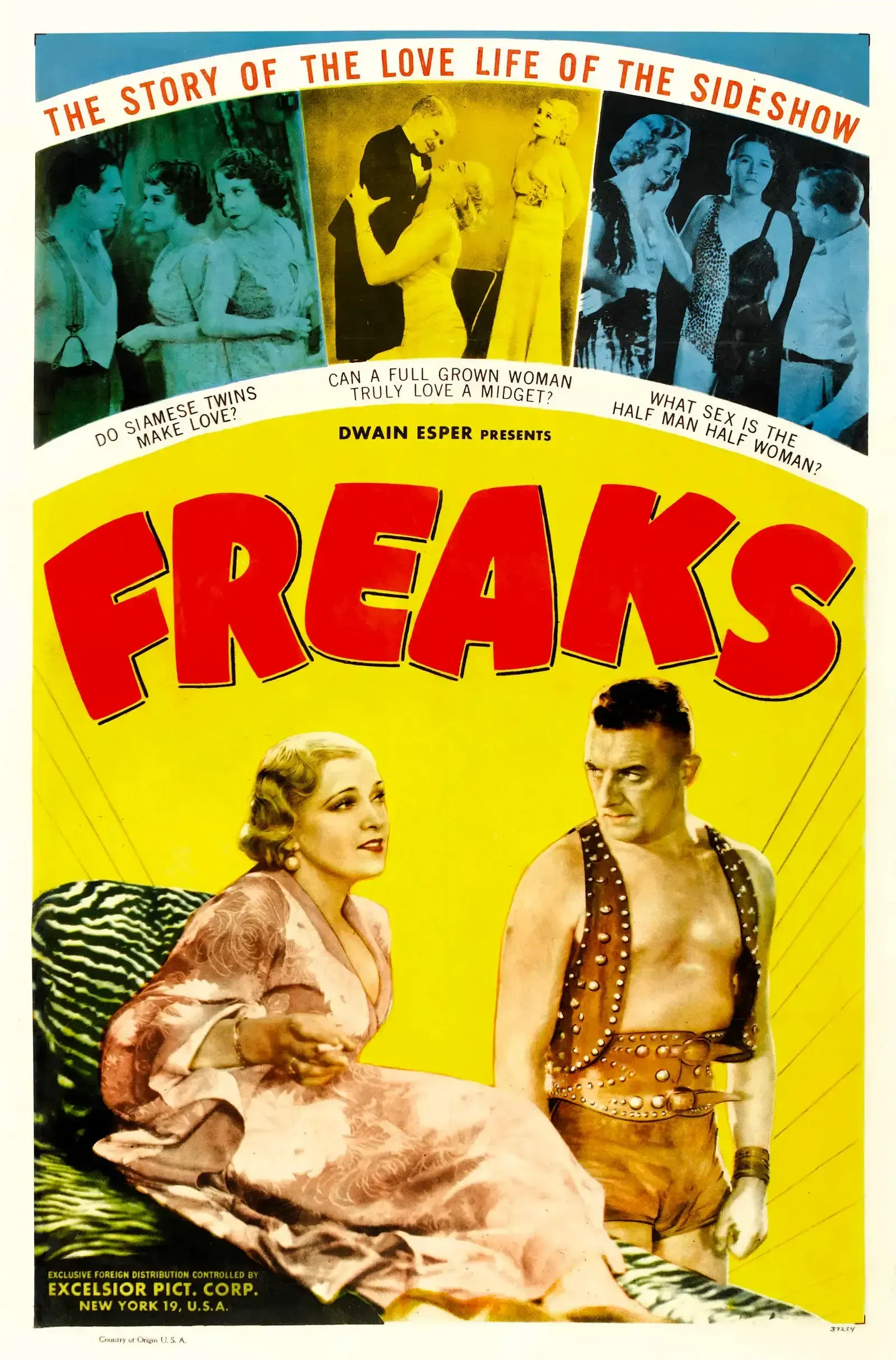
In 1932, Tod Browning’s Freaks was withdrawn for its shocking portrayal of circus performers with disabilities – a reminder that social taboos, as much as gore or sex, set the boundaries of what censors will tolerate. The film cast real people with physical differences in leading roles, which audiences of the time found viscerally unsettling. Its climactic revenge sequence was considered so disturbing that the studio cut roughly thirty minutes from the final release.
MGM pulled the film from wide distribution shortly after its release. It was banned outright in the United Kingdom for more than three decades. Ironically, the same qualities that horrified 1930s audiences – its empathy for its subjects and its challenge to conventional ideas of normalcy – are precisely why Freaks is now regarded as a genuinely compassionate and ahead-of-its-time work. Yesterday’s pariahs are today’s legends. Films once labeled obscene or subversive now hold honored places in cinema history, their bans only adding to their mystique.
4. A Clockwork Orange (1971)
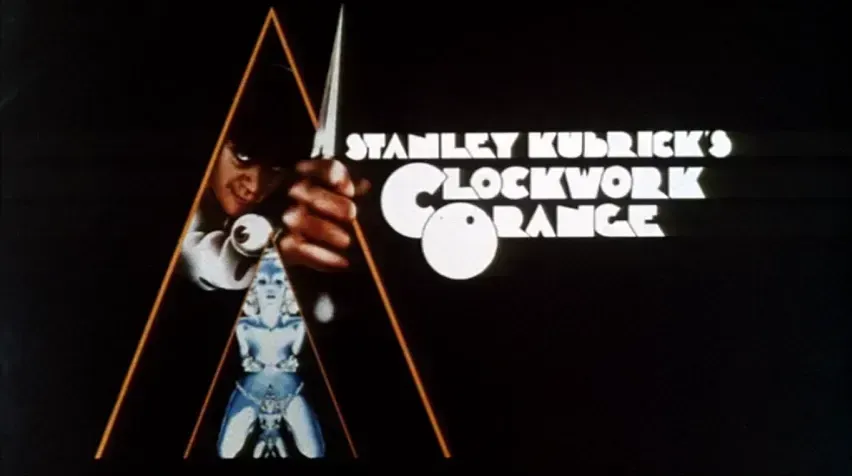
Stanley Kubrick’s A Clockwork Orange remains one of cinema’s most controversial works. Its unflinching portrayal of violence and psychological manipulation led to bans in countries like Ireland and Singapore. In the UK, the controversy took a stranger turn. Kubrick himself requested its withdrawal from cinemas after a series of alleged copycat crimes and mounting public outrage.
Kubrick, frustrated by the backlash and threats to his family, asked for the film to be pulled from circulation. The ban lasted for decades, fueling the film’s mystique and cementing its place in pop culture. Stanley Kubrick pulled A Clockwork Orange himself from UK release after tabloid outrage, only for the film to become a symbol of artistic independence. It returned to British screens only after Kubrick’s death in 1999.
5. The Exorcist (1973)
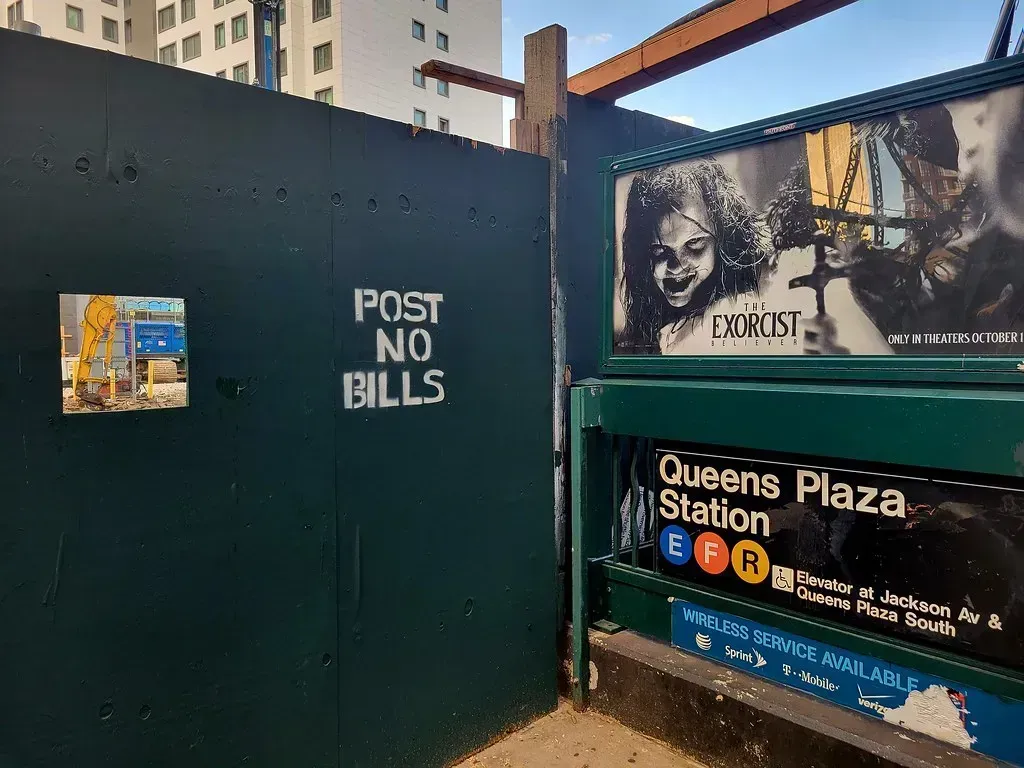
Some viewers suffered adverse physical reactions, fainting or vomiting at shocking scenes. Many children were allowed to see the film, leading to charges that the MPAA had accommodated the studio by giving the film an R rating instead of an X rating. Several cities attempted to ban it outright or prevent children from attending. The panic around the film was real and widespread – churches distributed anti-Exorcist leaflets, and reports of fainting in theater queues spread across the country.
The Exorcist was banned not only in parts of the UK, but also in Malaysia, Lebanon, Singapore, Tunisia, and the vast majority of Arab-speaking countries. Approximately 40 countries banned the film when it was released or shortly after its premiere. The Exorcist created a media frenzy in 1973, with increased reports in the popular press of demon possessions, audience members convulsing and vomiting at screenings, and apparent religious and Catholic moral outrage. Few films have ever generated that kind of visceral, society-wide panic.
6. Cannibal Holocaust (1980)
![6. Cannibal Holocaust (1980) (Image Credits: [1], Public domain)](https://nvmwebsites-budwg5g9avh3epea.z03.azurefd.net/scaredof/e6173bc47607b95cf91989d271138146.webp)
Ruggero Deodato’s Cannibal Holocaust is infamous for its extreme realism and disturbing content. Banned in over 50 countries, the film’s graphic violence and scenes of actual animal cruelty ignited global outrage. Its documentary-style presentation blurred the line between fiction and reality so convincingly that Deodato was arrested on obscenity charges and had to prove his actors were still alive.
Travelling into the Amazon, exploiting indigenous tribes and shooting scenes of genuine animal cruelty, Cannibal Holocaust sparked not just outrage but legal proceedings: presented as recovered footage of a documentary crew that went into the jungle and never returned, Italian authorities arrested Deodato, accusing him of making a snuff film. Countless film censors took umbrage with the violent content and real animal killings, so Cannibal Holocaust received bans across the globe. Many of these prohibitions have since been lifted, but the movie is notably still barred in New Zealand.
7. The Last Temptation of Christ (1988)
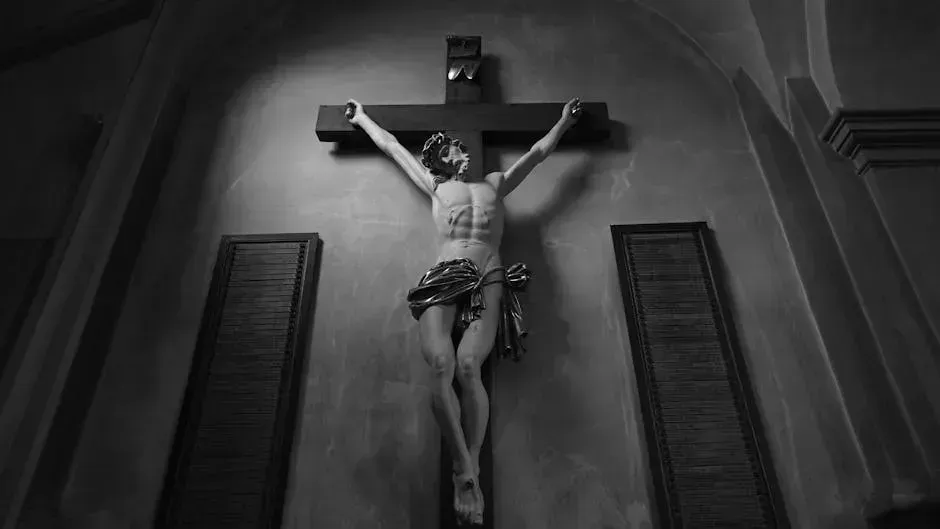
Martin Scorsese’s The Last Temptation of Christ provoked intense backlash for its unorthodox portrayal of Jesus, sparking global protests and boycotts. Religious groups condemned the film for its fictionalized elements, leading to bans in countries such as Greece and Turkey. The controversy escalated to bomb threats against theaters and even acts of violence, underscoring how deeply film can stir public emotion and religious sensitivities.
The Vatican and numerous Christians took vocal issue with the extended sequence in which Jesus imagines an alternate life with the prostitute Mary Magdalene. One French fundamentalist group launched Molotov cocktails into a Paris theater, injuring several patrons. Some countries banned the film sight unseen – it still cannot be shown in the Philippines or Singapore. The film remains commercially available in most of the world today but carries the weight of that violent history wherever it goes.
8. The Texas Chain Saw Massacre (1974)
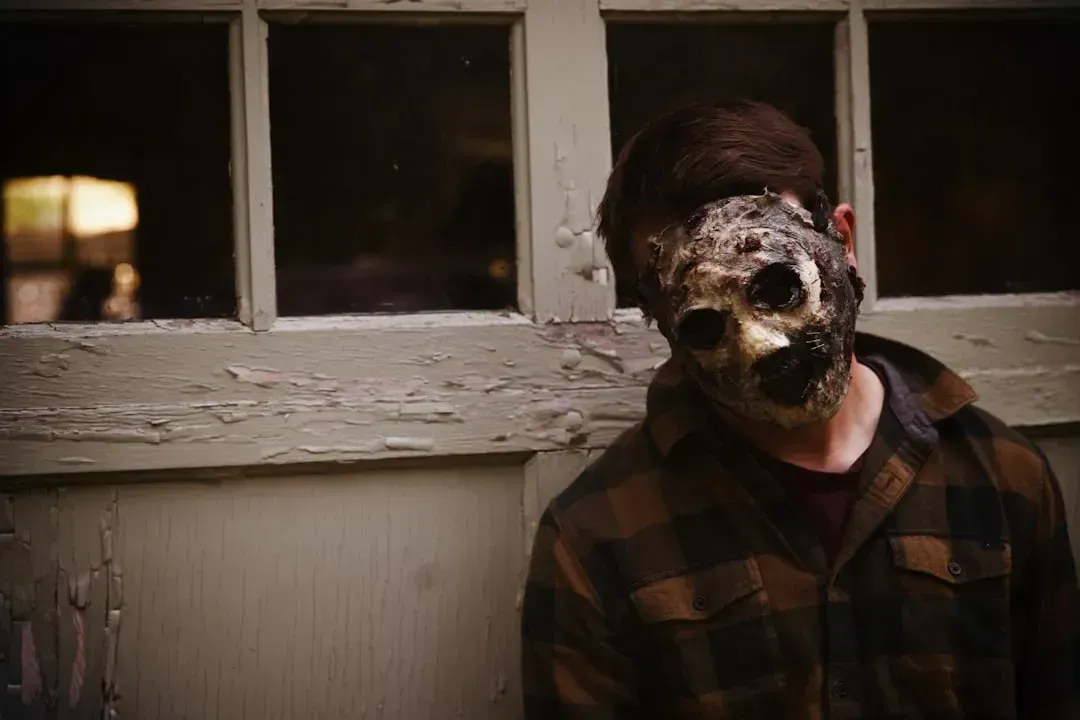
The Texas Chain Saw Massacre proved you don’t need a big budget to scare the pants off audiences. With Gunnar Hansen as the terrifying Leatherface, this gritty slasher broke new ground in horror. Despite its name, the film isn’t all that graphically violent, often implying its gruesome acts. Yet the anxiety it induces was enough to get it banned in 14 countries, including Ireland, New Zealand, Australia, Sweden, Brazil, Chile, Finland, France, Iceland, Norway, Singapore, West Germany, the United Kingdom, and South Africa.
At one point, upwards of ten countries had prevented it from being broadcast, all citing the violence as the reason. Britain went so far with the ban that even the word “chainsaw” was disallowed, forcing the title to be changed. It was only just released in Russia in 2024 – fifty years after its original broadcast. That’s a remarkably long shadow for a low-budget horror film that many scholars now describe as more suggestive than explicitly graphic.
9. The Interview (2014)
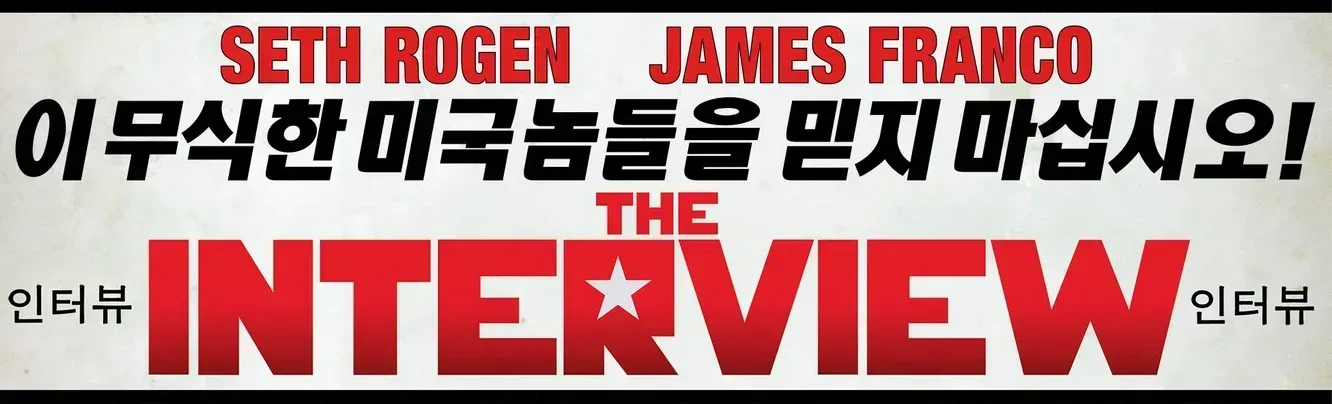
The Interview, a satirical comedy targeting North Korea’s regime, became a real-world flashpoint. The film provoked a massive cyberattack on Sony Pictures and drew condemnation from North Korean officials. Fears of violent retaliation led major theater chains to withdraw the movie just days before its release. Ultimately, the film was relegated to a limited digital release, highlighting the global ripple effects of cinematic controversy.
A criminal group with links to North Korea hacked into Sony Pictures Entertainment and threatened violence in a bid to prevent the film’s release. In the aftermath, the film’s wide theatrical release was controversially axed by Sony. While it would go on to be released through VOD and streaming, it remained banned in both North Korea and Russia. The Interview is notable not just as a censorship story but as a geopolitical event – a comedy film that triggered an international incident and a reckoning with how vulnerable major studios are to state-sponsored intimidation.
What unites all nine of these films, separated by nearly a century of cinema history, is something worth sitting with. The fears they triggered – racial anxiety, revolutionary panic, religious offense, sexual taboo, visceral horror – were never really about the films themselves. They were about what those films revealed: the anxieties already simmering just beneath the surface of the societies that banned them. Cinema holds up a mirror, and sometimes people would rather smash the mirror than look at what’s reflected back.