There’s a particular kind of confidence that comes with age. Grandpa doesn’t check the room before he speaks. He doesn’t pause to consider the policy manual. He just says it, usually at the dinner table, sometimes at a company picnic, and always with a grin that suggests he genuinely doesn’t understand why anyone would take offense.
The gap between what was once considered harmless office banter and what now constitutes a documented HR violation is genuinely enormous. Before the 1960s, there were few legal protections against workplace harassment, and social norms of the time contributed to a culture where such behavior was tolerated or overlooked. That cultural context shaped an entire generation’s sense of humor, and some of those jokes have survived, stubbornly, into the present. Here are nine lines that prove it.
1. “She’s Easy on the Eyes – Good Thing, Too, Because She’s Useless at Everything Else”
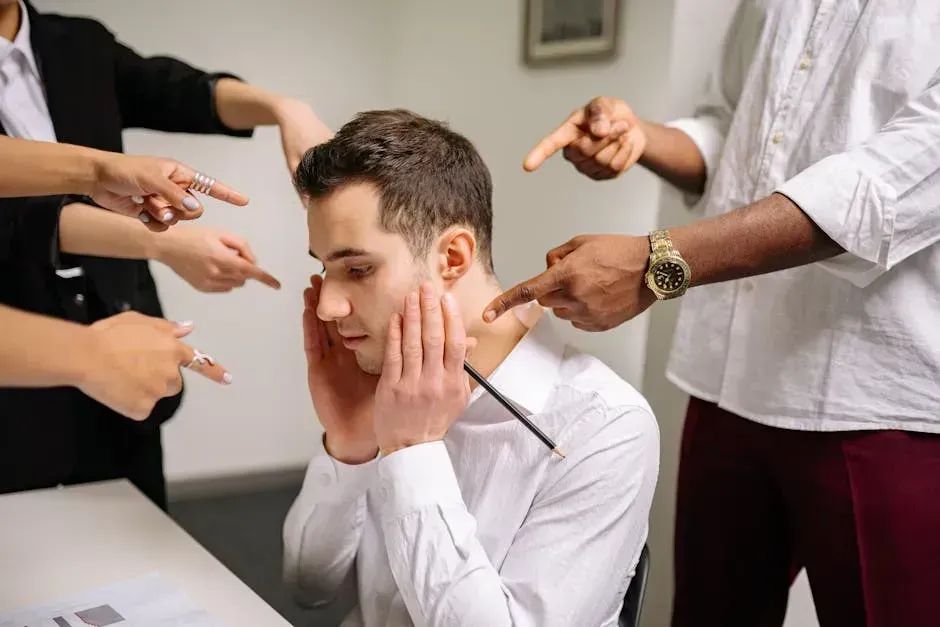
This was a standard-issue compliment-insult combo, the kind of thing grandpa might say about a female colleague and expect a laugh from the whole room. It was delivered without malice, often, though that distinction matters very little in a modern legal context. To be unlawful under today’s standards, conduct must create a work environment that would be intimidating, hostile, or offensive to reasonable people, and offensive conduct can include offensive jokes, slurs, insults, or put-downs.
A remark like this combines a comment on physical appearance with a dismissal of professional competence, both tied directly to gender. The Civil Rights Act of 1964, signed into law by President Lyndon B. Johnson, made it illegal to discriminate on the basis of race, color, religion, sex, or national origin. By the mid-1980s, courts were already treating sexually charged or demeaning comments as actionable workplace harassment. Grandpa was saying this in 1974 and calling it a compliment.
2. “Don’t Worry, Sweetheart – Let the Men Handle It”
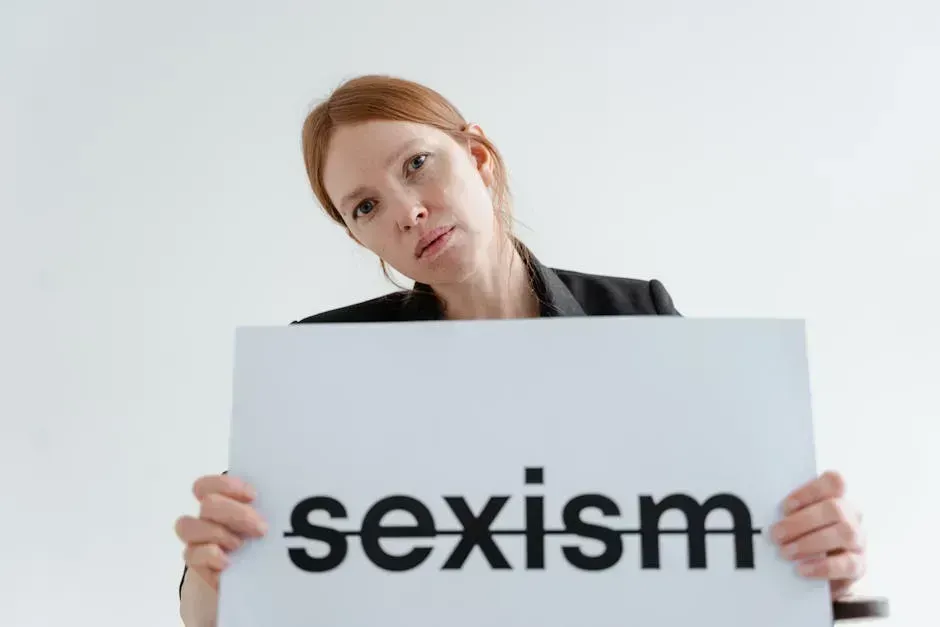
Delivered with the warmth of someone who genuinely believed he was being helpful, this one was a staple of mid-century workplaces where gender roles were treated as fixed facts of nature rather than social constructs worth questioning. Before the 1960s, women, who were predominantly affected by workplace discrimination, often faced such treatment with little to no legal recourse. That reality shaped an entire vocabulary of condescension that felt, to those using it, like simple common sense.
Today, dismissing a colleague based on gender in a professional setting is a textbook example of sex-based discrimination. Title VII of the Civil Rights Act of 1964 prohibits discrimination based on race, color, sex, national origin, religion, and pregnancy. The word “sweetheart” alone, directed at a female coworker by a male supervisor, has appeared in harassment complaints. The phrase in full would send most HR managers straight for their incident report forms.
3. “That’s Woman’s Work – Find Someone Else to Do It”

This one carved the workday into gendered halves with surgical efficiency. Certain tasks belonged to women, full stop. Filing, coffee-making, note-taking, greeting visitors. Nobody wrote this down as policy. It didn’t need to be. Old-fashioned values created some of the sharpest generational divides, with older generations growing up around stricter, often unexamined, standards of how things should be done. The idea that some jobs were inherently feminine wasn’t considered offensive. It was just considered true.
Assigning tasks based on gender is a recognized form of workplace discrimination under modern employment law. In the years following the Civil Rights Act, additional employment discrimination laws were passed, including the Age Discrimination in Employment Act of 1967 and the Americans with Disabilities Act of 1990. Each layer of legislation narrowed the space for the kind of casual, categorical thinking grandpa’s generation treated as good management. The phrase survives only in humor now, though not the kind HR finds funny.
4. “You Look Tired – Must Be Nice Having a Husband to Go Home To”
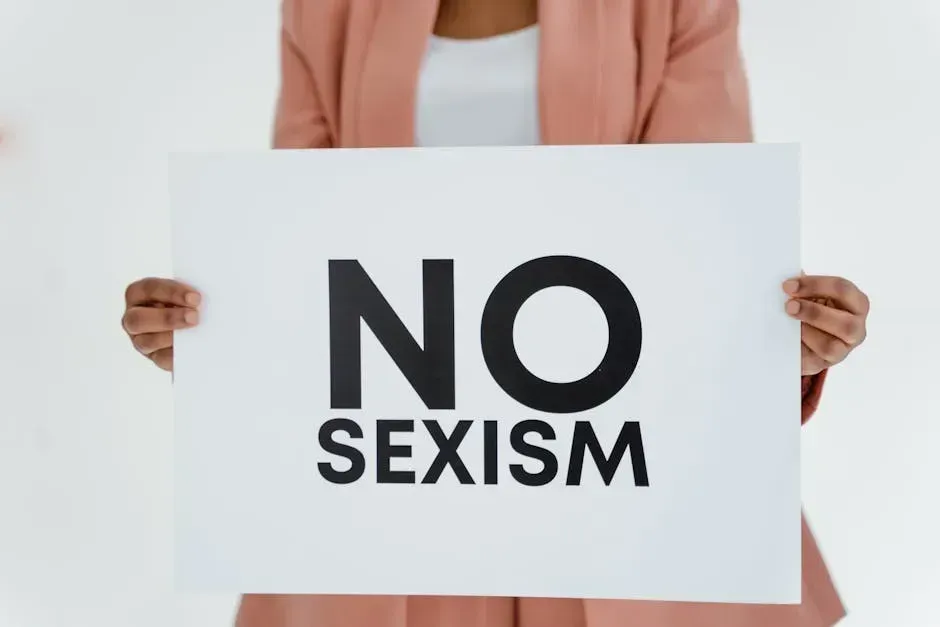
This seemingly innocent observation managed to comment on someone’s appearance, make assumptions about their marital status, and imply that their real purpose lay outside the office, all in one breath. Grandpa would’ve called it friendly. A friendly check-in. Social expectations shift every decade, and older generations grew up with different standards of what passed for polite conversation, often rooted in genuine affection for how things used to be done. That affection doesn’t change how the comment lands.
Modern HR frameworks are sensitive to comments about appearance, personal life, and especially marital status, which in many jurisdictions is a protected characteristic. Workplace harassment is defined as unwelcome conduct based on a person’s race, color, religion, sex, national origin, older age, disability, or genetic information. Comments that tie a person’s appearance to their domestic situation fall into a gray zone that most HR departments would not consider worth risking. Grandpa considered it small talk.
5. “I Don’t Trust Anyone Who Doesn’t Drink”

This one doesn’t sound like it belongs on an HR violation checklist at first. It sounds like a personality quirk, maybe even a charming one, in a gruff-uncle kind of way. But workplaces have changed dramatically in how they handle social pressure around alcohol, and statements like this create exactly the kind of exclusionary dynamic that compliance officers now flag. Recovery from addiction, religious beliefs, and health conditions can all be reasons someone doesn’t drink, and most of those reasons connect directly to protected categories.
Harassment is a form of employment discrimination that violates Title VII of the Civil Rights Act of 1964, the Age Discrimination in Employment Act of 1967, and the Americans with Disabilities Act of 1990. Applying social pressure based on someone’s abstinence from alcohol, especially when that abstinence is connected to disability or religion, sits uncomfortably close to that line. Grandpa meant it as a joke about character. Modern employment law doesn’t really do character jokes.
6. “At Your Age, You Should Be Thinking About Slowing Down”
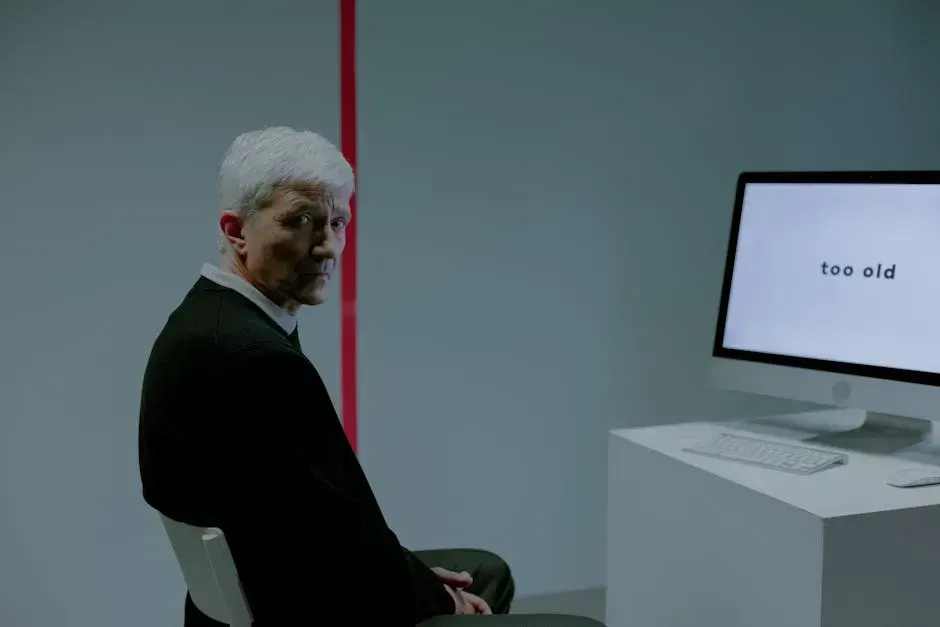
This one was offered kindly, genuinely, by someone who probably believed they were giving useful advice to a colleague. But unsolicited suggestions that an employee consider winding down their career based on age have a name in the legal world. The Age Discrimination in Employment Act prohibits discrimination based on age for workers 40 and older. That legislation exists precisely because comments like this one weren’t always just comments. They were preludes to being quietly pushed out.
The Age Discrimination in Employment Act was passed in 1967 as part of a broader wave of employment protections that followed the Civil Rights Act. It was a direct response to a workplace culture where telling older workers to ease up, step aside, or make room for younger blood was considered reasonable management. Ironically, the grandfathers who said these things most often are now in the protected age group themselves. The law has a long memory.
7. “You’re Hired – You’re Not Hard to Look At, Either”

This one was considered a compliment in some corners of mid-century professional life. A bonus observation. The kind of thing a hiring manager might say at the end of an interview, probably with a wink, expecting gratitude. Sexual harassment in the workplace is not a recent issue, but for centuries there was no legal recourse for victims. The absence of consequences created an environment where comments like this felt harmless because no mechanism existed to say otherwise.
The U.S. Supreme Court addressed sexual harassment for the first time in Meritor Savings Bank v. Vinson, determining that severe or pervasive sexual harassment of an employee by a supervisor violates federal law. That 1986 ruling began drawing a firm line around exactly the kind of remark grandpa made at the end of job interviews. Tying a hiring decision to physical appearance, even as an aside, is now textbook quid pro quo territory. The wink doesn’t help.
8. “We Don’t Need Any More of Your Kind Around Here”

Said sometimes as a joke, sometimes not entirely, this phrase was used to signal that a particular workplace had an unofficial demographic preference. It was said about nationality, religion, race, and background, depending on who was doing the talking and who was in the room. As far back as 1941, engaging in employment discrimination on the basis of race, color, or national origin by government contractors was prohibited by Executive Order 8802, signed by President Franklin D. Roosevelt. The instinct to keep certain workplaces “for certain people” predates modern law by centuries.
The Civil Rights Act of 1964 made it illegal to discriminate on the basis of race, color, religion, sex, or national origin. What grandpa may have delivered as dark humor, or casual gatekeeping, or a long-held tribal preference, is now among the clearest examples of hostile work environment discrimination under federal law. To be unlawful, the conduct must create a work environment that would be intimidating, hostile, or offensive to reasonable people. A remark explicitly targeting someone’s identity checks every one of those boxes.
9. “If You Can’t Take a Joke, You’re in the Wrong Business”

This is perhaps the most persistent of all the grandpa one-liners, because it’s not really a joke at all. It’s a deflection. It’s the line that comes after one of the previous eight, when someone pushes back. It reframes the discomfort of the listener as a personal failing rather than a legitimate response to something genuinely inappropriate. Even with the best intentions, sometimes a joke may not land well, and when workplace humor has unintentionally hurt or offended someone, there needs to be a clear plan for approaching the situation.
Organizations play a crucial role in setting the tone for workplace humor, and HR departments are now expected to provide guidelines on appropriate humor and include this topic in diversity and inclusion training. The “can’t you take a joke” defense has been explicitly rejected in multiple harassment cases, where courts have found that the intent of the speaker matters far less than the effect on the recipient. Grandpa’s exit line, it turns out, is also the one most likely to make the violation stick.
None of this is to say that grandpa was a villain. Most of these lines were delivered without cruelty, inside cultural frameworks that simply hadn’t yet built the vocabulary, or the legal infrastructure, to name the harm. The distance between then and now is less a story about bad people and more a story about how slowly norms catch up to reality.
What’s worth noting is that the shift didn’t happen overnight. Sexual harassment in the workplace is a significant issue that affects employees’ well-being and productivity, and over the years, laws and regulations have evolved to address this pervasive problem, aiming to create safer and more equitable work environments. Each decade added another layer of protection, another clarified boundary, another case that redrew the line. Grandpa’s one-liners didn’t age badly by accident. They aged because the world, eventually, decided they should.