
There’s something almost startling about a garden that’s alive with butterflies. One moment it’s quiet; the next, a dozen wings are dipping between blossoms and the whole yard feels transformed. It’s not magic, though it looks like it. It comes down to knowing which plants to grow.
Butterflies are vital pollinators supporting the vast majority of flowering plants and serve as indicators of a healthy ecosystem. America’s butterfly populations have fallen roughly a fifth in the last twenty years, which makes every garden decision count more than it used to. The good news is that a surprisingly short list of plants can turn an ordinary yard into a genuine gathering place for these insects. Here are nine that consistently deliver.
1. Milkweed (Asclepias spp.)
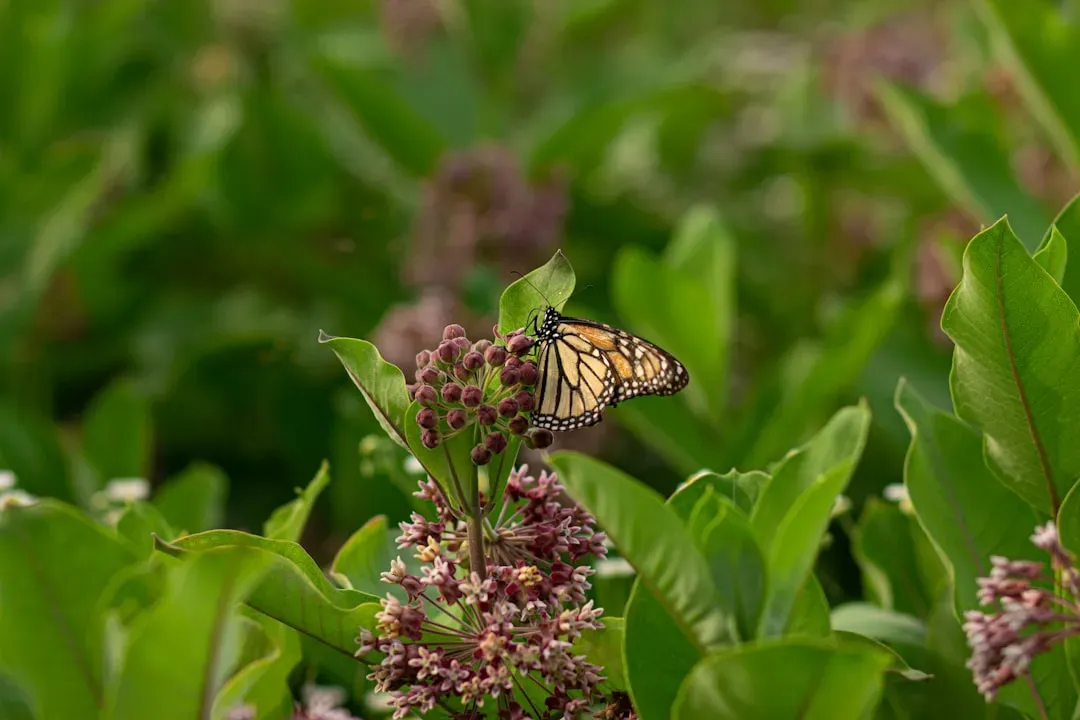
Milkweed is one of the most essential butterfly plants you can grow. It’s the sole food source for monarch larvae, and home gardeners can play a crucial supporting role by providing a way station for these migratory butterflies. Dozens of other species, including various types of swallowtails, fritillaries, skippers, and admirals, are also attracted to its colorful flowers. Five different types are most useful: common milkweed, swamp milkweed, whorled milkweed, the prairie-native showy milkweed, and the orange-blooming butterfly milkweed.
Milkweed is a special plant because it is essential to the survival of monarch butterflies. While the butterflies feed on nectar from a wide variety of plants, the females exclusively lay their eggs on milkweeds, and when the caterpillars hatch, they feed on milkweed and nothing else. The decline in monarch butterfly populations has been directly traced to the eradication of milkweed in agricultural areas, making it one of the most consequential plants you can add to a home garden.
2. Purple Coneflower (Echinacea purpurea)
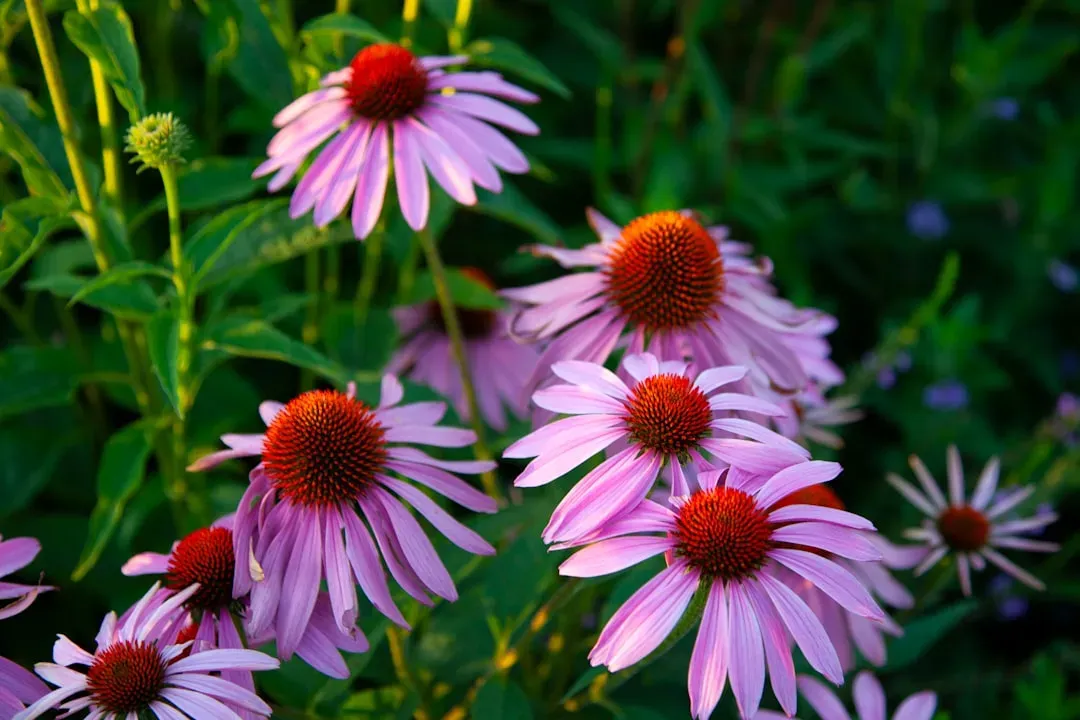
Native to prairies, fields, and open woodlands of North America, coneflower attracts a variety of butterfly species, including monarchs and different types of swallowtails, skippers, fritillaries, and admirals. Coneflower typically blooms in shades of lavender and will maintain its blooms for a long-lasting garden show throughout the fall, ensuring a vibrant display of color well into the cooler months.
These tall perennials with spiky centers and pink or purple petals attract many species, and their dried seed heads feed winter songbirds. Coneflower offers nectar to butterflies and bees, tolerates drought and cold well once established, and is usually reliable in full sun and well-drained soil. It’s a genuinely low-effort plant with a high payoff, which makes it a natural anchor for any pollinator bed.
3. Lavender (Lavandula spp.)
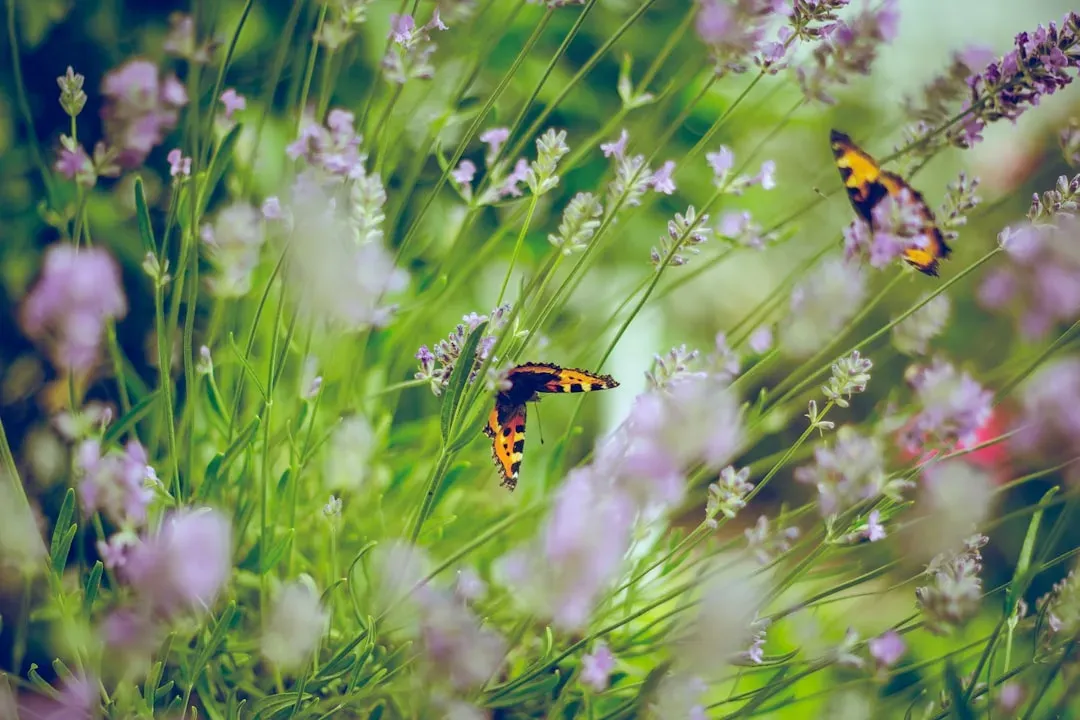
Lavender’s spiky aromatic flowers are a favorite summertime food source for adult butterflies, including cabbage white, hairstreak, monarch, sachem, and silver-spotted skipper. It grows well in zones 5 through 9 and blooms from late spring to early fall. Lavender is a perennial favorite for gardeners and butterflies alike, producing tall, fragrant spikes of purple blooms. Hailing from the Mediterranean, it’s drought-resistant and can take the heat.
Known for its soothing fragrance, lavender is a butterfly favorite, offering both nectar and a touch of elegance to any garden or patio. It works equally well in containers and garden beds, holds up through dry spells without complaint, and stays attractive even when it isn’t in bloom. Few plants earn their keep so quietly across so many seasons.
4. Zinnia (Zinnia elegans)
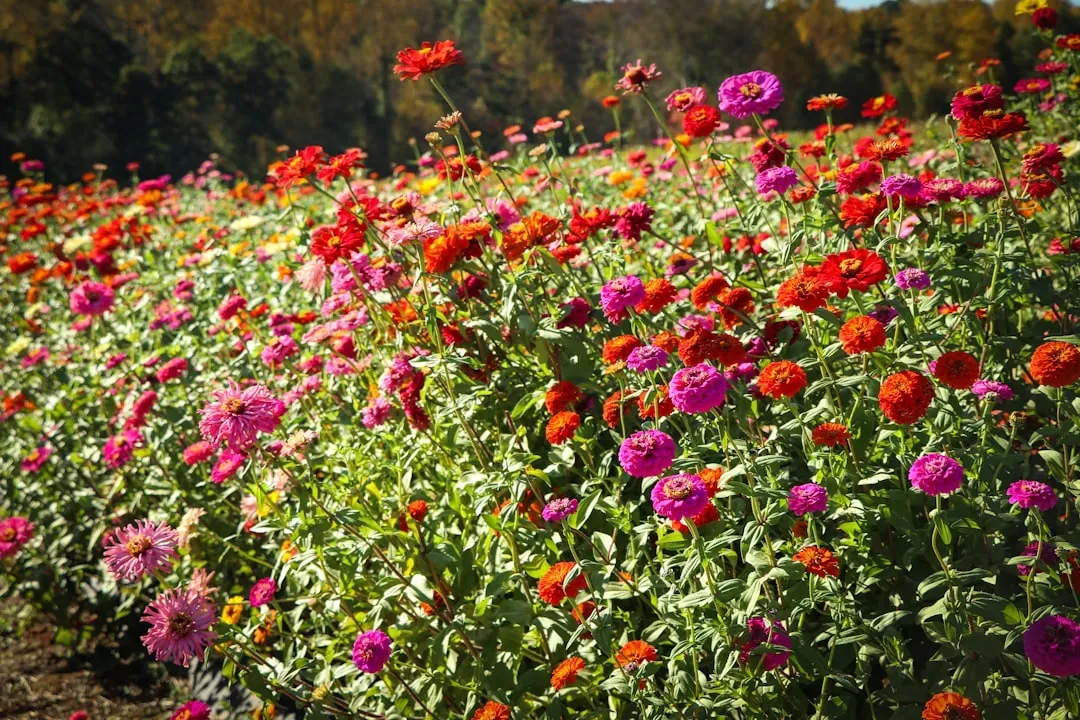
Butterflies love to land on zinnias’ flat, broad flowers. They come in a rainbow of colors and heights, from less than a foot to more than three feet tall. Countless gardeners admire zinnias for their vast spectrum of colors and charming blossoms. These colorful annuals are a favorite for many pollinators, including monarch butterflies, and they are easy to grow and long-lasting, blooming throughout the summer and fall.
Zinnia is a good place to start because it is easy to grow from seed and blooms fast, providing nectar for adult butterflies. Gardeners should carefully select the seed variety purchased, making sure to grow single forms rather than double flowers, because butterflies usually cannot access nectar from double forms. That’s a small detail that makes a real difference in how many visitors actually stop to feed.
5. Goldenrod (Solidago spp.)
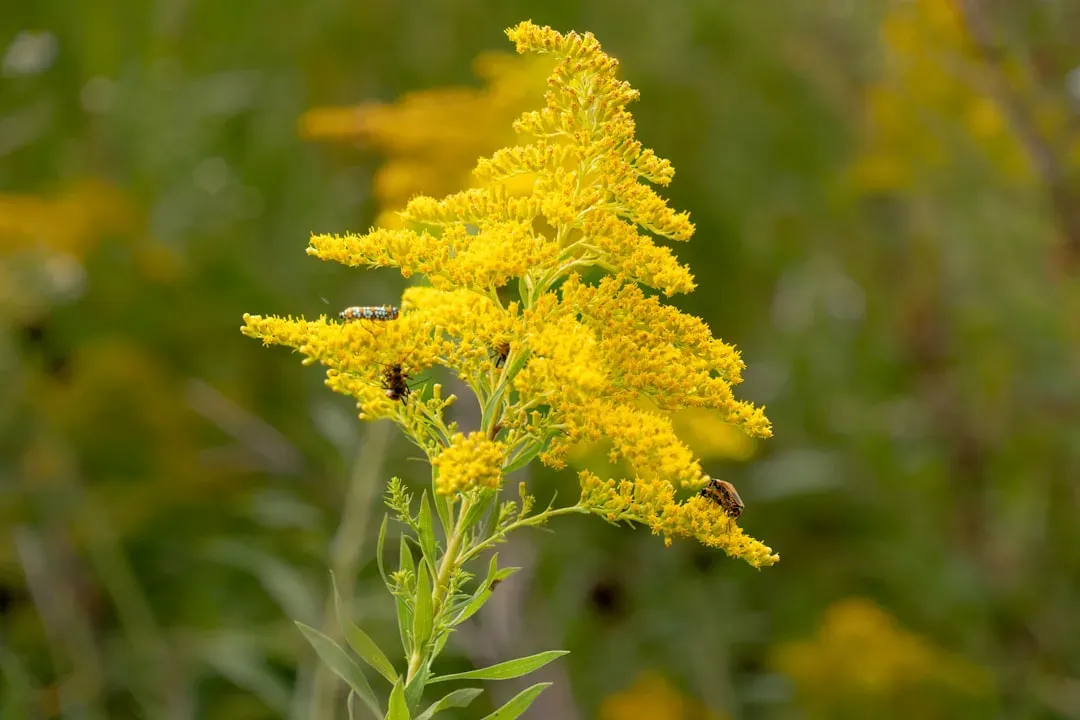
Goldenrod is a crucial late-season food source for butterflies. It blooms just in time to feed migrating monarchs as they travel south for the winter to reach their hibernation grounds. In addition to monarchs, these blooms also attract swallowtails, painted ladies, red admirals, and native bees. Contrary to popular belief, goldenrod doesn’t cause hay fever – that’s ragweed.
Growing to a height of two to five feet, goldenrod is a non-aggressive, clump-forming plant that produces dense, plume-like clusters of brilliant yellow flowers in late summer and fall, attracting a wide array of pollinators. It is a crucial late-season nectar and pollen source for bees, butterflies, and other beneficial insects, making it an ecological powerhouse. For a plant that asks almost nothing of you, it gives back quite a lot.
6. Lantana (Lantana camara)
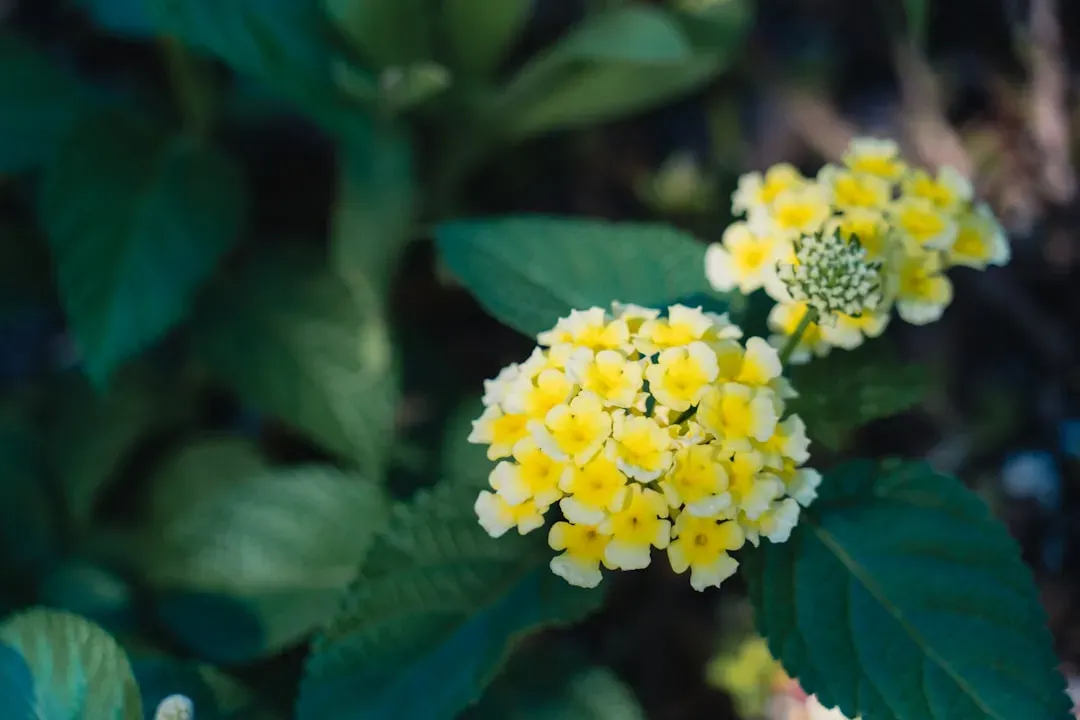
Lantana is a continuous bloomer from late spring through the fall season that monarch, cabbage white, red admiral, and swallowtail butterflies love. It’s highly heat-tolerant and an excellent choice for hot, sunny spots, though in cooler climates it must be treated as an annual. There are over 150 varieties of lantana, from trailing vine-like plants to tall, upright plants reaching up to six feet.
This heat-loving annual explodes with clusters formed from nectar-rich tubular flowers, often bicolored in tropical shades. Keep in mind that the leaves and berries are highly toxic to dogs and cats, so placement matters if you have pets that like to chew on foliage. That caveat aside, lantana is one of the most visually dramatic butterfly plants available, especially when it’s in full summer stride.
7. Aster (Symphyotrichum spp.)
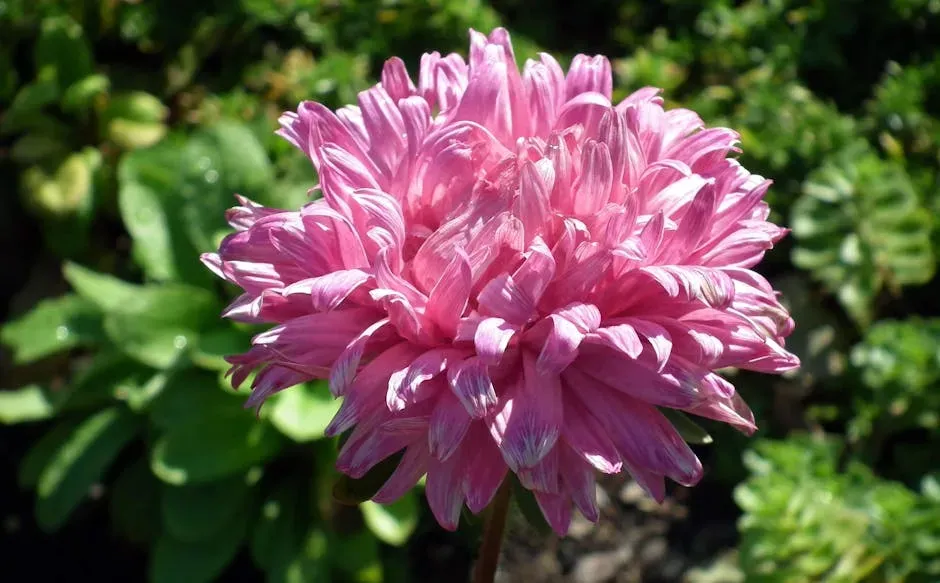
Among the most valuable butterfly plants, this North American native is a host plant for painted crescent and pearl crescent butterflies. Its prolific daisy-like blooms are an essential late-season food source for migrating monarchs, and buckeyes, skippers, admirals, and painted ladies love the flowers too. Asters burst into shades of purple, blue, or pink right as the summer heat begins to fade away, providing essential fuel for migrating monarchs and serving as the required host plant for crescent butterflies.
Aster is a great flower to grow because it blooms quite late, giving you a last boost of color to enjoy and butterflies some important autumn nutrients. Asters are butterfly magnets, drawing pollinators with their nectar-rich blooms. They require little care, just occasional deadheading and dividing every few years to keep them thriving. When most of the garden is winding down, asters are just hitting their stride.
8. Joe-Pye Weed (Eutrochium purpureum)
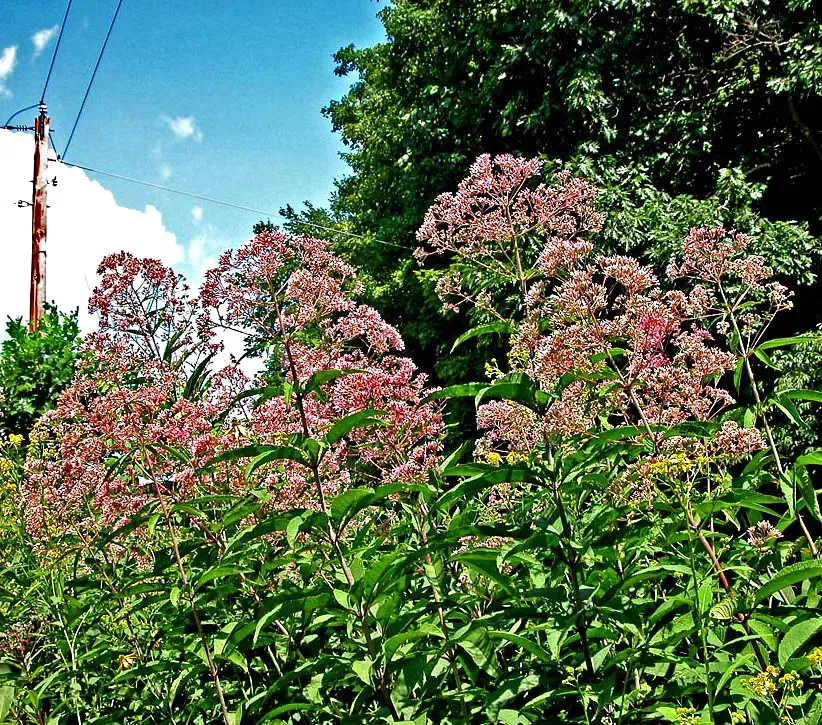
A tall, native wildflower, Joe-Pye Weed attracts a variety of butterflies with its clusters of pink or purple flowers. This tall, majestic plant reaches up to seven feet and adds striking height, blooming pinkish-purple flowers from mid-summer to fall and attracting butterflies in droves. Its low-maintenance nature thrives in moist, well-drained soil and tolerates both sun and shade.
Large, frilly flower clusters are especially attractive to swallowtails, and migrating monarchs depend on its nectar for fuel during fall migration. Joe-Pye weed requires consistent moisture, making it a great choice for low spots in your yard that tend to stay wet after a heavy rain. It’s one of those plants that fills a problem area beautifully while doing genuine ecological work at the same time.
9. Salvia (Salvia spp.)
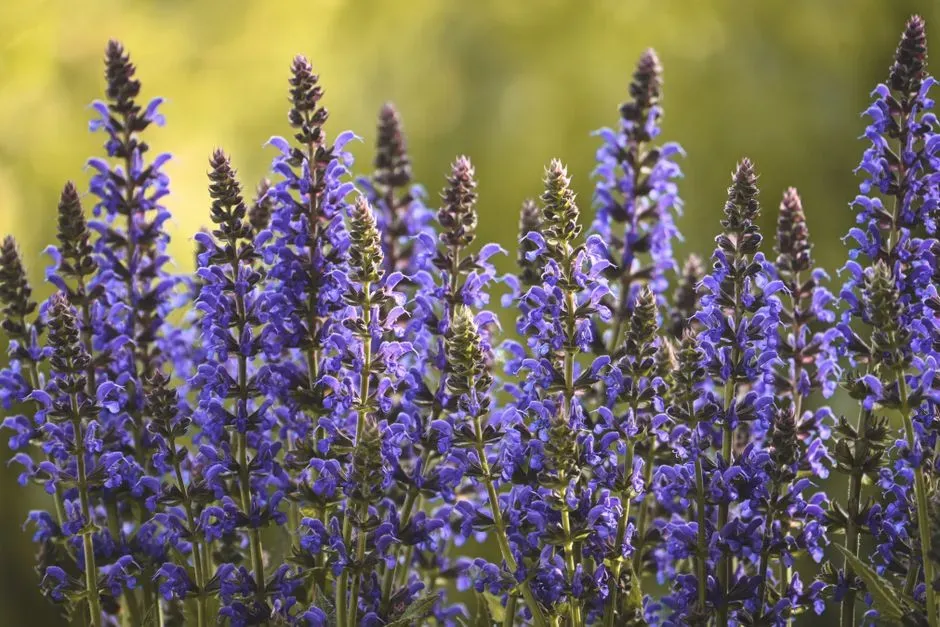
Mystic Spires blue salvia flowers freely during the growing season and is a plant butterflies love. It has a very tubular flower, and the butterfly must use its long proboscis to reach the nectar, which is exactly as it was designed to do. Salvia, considered one of the main supporters of the monarch butterfly, generally blooms in the spring, a critical time for beloved pollinators. Gardeners can choose from different types, including Mexican salvia, Indigo Spires, and Mystic Spires, to produce a tall show of flowers typically in purple or white.
Salvia’s vibrant spikes of blue, purple, and red blooms are irresistible to butterflies, and their long bloom period ensures steady butterfly activity throughout the season. As an easy-care mint relative, salvia blooms over an exceptionally long time, making it a reliable season-long nectar source for many pollinators including hummingbirds, honeybees, and many types of butterflies. It’s hardy from zones 3 through 9. Pair it with milkweed and coneflower, and your garden will rarely have a quiet afternoon again.
A garden that genuinely supports butterflies isn’t built around a single showstopper. It’s a sequence of blooms from spring through fall, each one passing the baton to the next. The nine plants above cover that range well, and most of them ask very little in return. Plant a few, then a few more, and the butterflies will sort out the rest.