
Every generation inherits a set of unspoken rules. Some of them age gracefully, quietly becoming timeless courtesies. Others get quietly dragged into modernity, resisted at every turn by the people who grew up taking them for granted. The clash isn’t really about rudeness or entitlement – it’s about a world that’s genuinely changed, faster than many people expected or wanted.
Decades after the cultural conflicts of the 1960s were largely fought along generational lines, the public still broadly believes that younger and older generations embrace fundamentally different values, with roughly four in five people agreeing that the two groups hold different moral standards and differ in the respect they show one another. That backdrop makes the following nine social norms all the more telling – each one a small battle in an ongoing, very human negotiation between old expectations and new realities.
1. Calling Instead of Texting

The Baby Boomer generation strongly values face-to-face communication and voice calls as markers of sincerity, and the different ways generations prefer to communicate continues to cause real friction. For many older adults, picking up the phone is simply the polite thing to do. It signals effort and warmth in a way that a typed message can’t.
A survey by Uswitch found that roughly a quarter of young adults aged 18 to 34 never answer phone calls at all, with nearly three quarters of respondents in that age group favoring text messages over voice calls. Frustrations arise on both sides: older generations may perceive delayed responses as disengagement, while younger employees often find unsolicited phone calls intrusive or anxiety-inducing. The tension is real, and neither side thinks they’re being unreasonable.
2. Leaving Voicemails

Many younger adults never set up voicemail at all, or rarely check it when they do, partly because a 30-second message can take far longer to process than a short text, and it forces someone to listen sequentially, replaying if they miss a detail. Older generations, meanwhile, see the voicemail as considerate – proof that you thought your message important enough to record.
Etiquette expert Diane Gottsman notes that Gen Z, as digital natives, are accustomed to more efficient forms of communication, which steers them away from voicemails and phone calls in favor of texting or video calling. This is one of those things that has completely changed over the past decade, and the etiquette rules around voicemails have shifted accordingly. The voicemail isn’t extinct yet, but it increasingly feels like a format kept alive by habit rather than necessity.
3. Formal Titles and Honorifics

Formal titles such as “sir” or “ma’am” feel overly stiff to many members of Generation Z, and both millennials and Gen Z tend to prefer informal forms of address that signal friendliness and inclusivity rather than hierarchy, with formal titles sometimes reading as distant or even slightly condescending in casual or peer-to-peer settings.
Respect toward elders still exists, but the strict rules around not using first names feel hierarchical to millennials and Gen Z, and most younger adults demonstrate respect through tone and action rather than formal naming conventions. Addressing someone older by their title and surname rather than on a first-name basis was once considered basic courtesy, but in today’s fast-paced world, many of these conventions have quietly fallen by the wayside.
4. Strict Workplace Dress Codes

For older generations, dressing for work meant structured suits, ties, pantyhose, and polished shoes – every day, no exceptions. That expectation carried a certain logic: professional appearance projected professional credibility, full stop. There was a time, not so long ago, when jeans weren’t allowed in the workplace even on Fridays.
The COVID-19 pandemic accelerated a shift that was already underway, pushing millions into remote work and significantly reducing the perceived need for traditional office wear. In November 2025, the U.S. Secretary of Transportation went on a public campaign to “bring civility back” to travel, suggesting a return to an era when people didn’t wear pajamas on planes, which tells you something about how far the pendulum has swung – and how determined some are to swing it back.
5. Mandatory Life Milestones in a Set Order
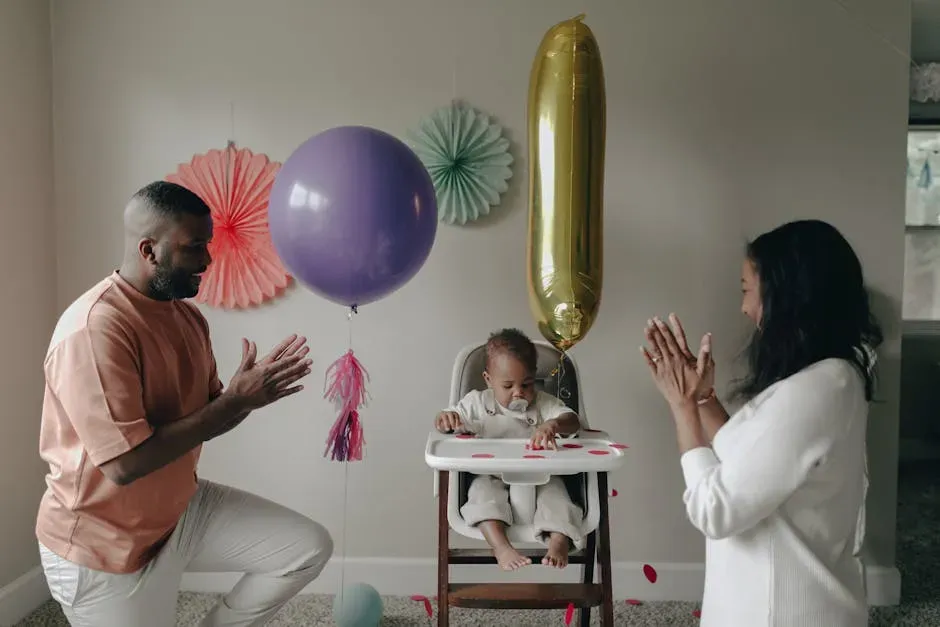
The phrase “milestones of adulthood” has long painted maturity as something anchored in the rites of passage of marrying, purchasing a home, and having children – benchmarks that past generations treated as common and expected markers of a life on track. Older generations frequently still measure a person’s progress by these checkpoints, and asking “when are you settling down?” remains a staple of family dinners everywhere.
The rejection of these traditional milestones by younger people is increasingly born out of economic pragmatism rather than rebellion, and in 2025, traditional milestones often clash sharply with young adults’ day-to-day realities. Younger generations are facing higher housing prices, different relationship norms, climate anxiety, and an understanding that not everyone wants or is able to have children, and when the old script is pushed too hard, it can trigger a genuine sense of shame in people who feel “behind” because they rent, are single, or are child-free by choice or circumstance.
6. Men Paying the Bill

For many younger adults, the notion that men should pay the entire tab feels binding rather than romantic, and millennials and Gen Z generally value fairness, with many couples now splitting bills equally or taking turns covering the check, reflecting a broader cultural emphasis on equality in relationships.
Younger generations often view the expectation that “men pay first” as reinforcing outdated gender roles that don’t fit their understanding of independence and equal partnership. Many older adults see paying as a straightforward act of generosity, while some younger people experience it as an implicit form of control or an unspoken suggestion that they now owe something in return – a gap that reflects a broader shift in how money etiquette is understood.
7. Dropping By Unannounced

While dropping by unannounced was once widely considered a polite and affectionate gesture, it is now largely seen as rude by many younger generations, particularly Gen Z, who often need time to prepare before social interactions and can find surprise visits disorienting enough to affect their entire day. For older generations, a spontaneous visit was a sign of closeness, not an invasion.
What once signaled “you are family here” now often lands very differently – many people plan their days by the hour, and an unexpected knock at the door can disrupt work-from-home schedules, nap routines, or mental health breaks, with a quick text first now widely interpreted as the more considerate choice. The shift is less about being antisocial and more about a different relationship with personal time and space.
8. Keeping Money Talk Private

Younger generations are increasingly rejecting the old norm of silence around money, openly comparing salaries, sharing budgeting tips, discussing side income, and calling out unfair pay gaps – and from a psychological perspective, secrecy around money tends to breed shame, because when people don’t talk about it, they tend to assume everyone else is doing better.
Older generations, shaped by an era when discussing personal finances was considered tasteless at best and reckless at worst, often find this openness jarring. As research published in the Annual Review of Psychology explains, some social norms are stable and enduring, but others – particularly those revolving around politeness and propriety – tend to shift as new generations gain influence and cultural status. The norm of financial secrecy is one of the clearest examples of that shift in motion.
9. The Expectation of Marriage as a Non-Negotiable Goal

The pressure to marry by a certain age is clearly dissipating, with younger individuals increasingly choosing to wed on their own terms – or not at all – viewing the rigid timeline once dictated by social convention as an unnecessary constraint that crowds out personal growth, career development, and self-discovery. For many older adults, this still reads as avoidance, or worse, immaturity.
The once near-universal expectation that marriage should result in children is also becoming far less prevalent, with many younger couples choosing to remain child-free and focusing instead on careers, passions, and personal growth – a decision that challenges the long-held notion that parenthood is a prerequisite for a fulfilling adult life. Around the world, roughly four in five young adults say that being true to themselves is extremely or very important, and many now have parents who were themselves raised to suppress their authentic selves in favor of gender roles and social expectations. That generational handoff is quietly reshaping what “a good life” is supposed to look like.
What’s worth noting across all nine of these norms is that the disagreement is rarely just about manners. It’s about whose definition of respect, success, and adulthood gets to count. Younger generations often move society forward precisely by changing social norms, and that process has never been entirely comfortable for anyone involved. The fact that these tensions feel so familiar – so recurring – might be the most clarifying thing of all.