
Hotel staff are trained to be discreet, professional, and warm no matter what walks through the front door. Still, they’re human beings who notice everything. After years of processing thousands of guests, they develop a sharp eye for patterns, habits, and moments that quietly stick with them long after a stay ends.
Guests over 60 are often among the most loyal, highest-spending travelers in any hotel. They tend to stay longer, request more services, and leave detailed reviews. That also means they get a bit more attention from staff, for better or worse. Here are nine things hotel employees genuinely notice and quietly form opinions about.
1. Shouting Their Last Name at Check-In
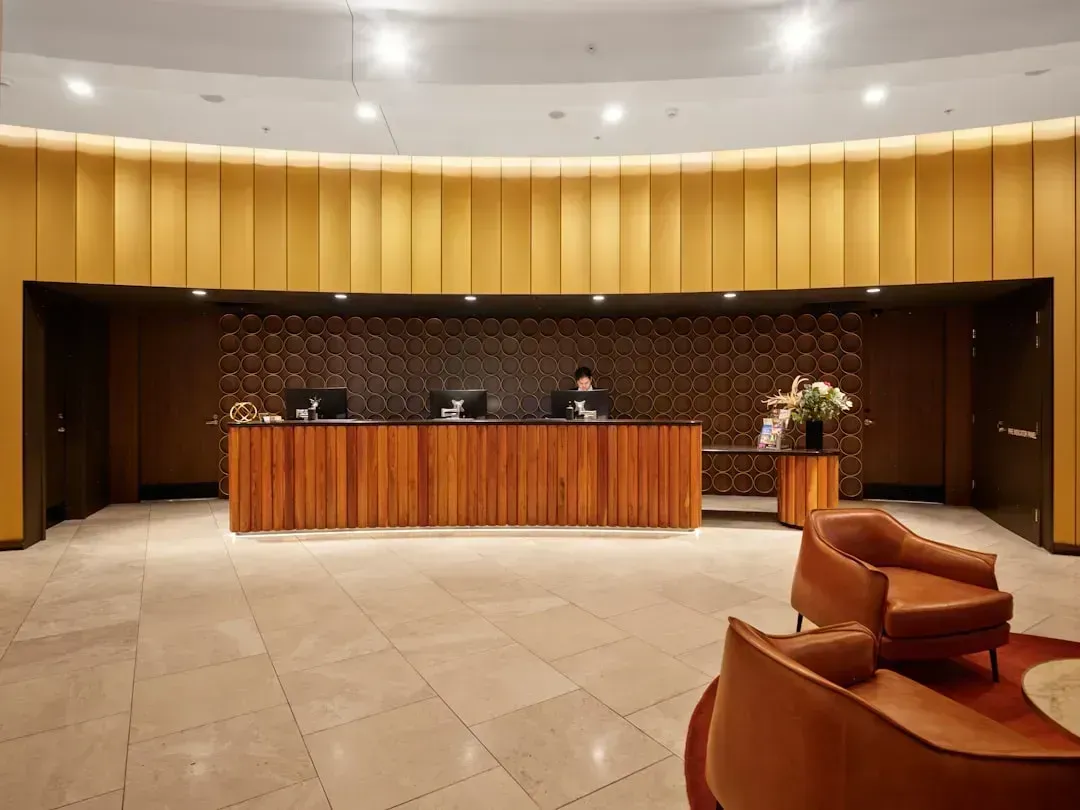
A good half of people over the age of 40 walk into a hotel and just shout their last name at the front desk. It’s a habit from an older era of travel, when things moved faster and formality was thinner. Front desk agents notice it immediately, not as a serious offense, but as a signal that the interaction might be transactional rather than warm.
That kind of opening is unlikely to get you off on the right foot with staff, especially if you want to make a special request such as an upgrade or late checkout during your stay. A simple greeting goes further than most guests realize. Staff quietly remember who acknowledged them as a person and who treated the desk like a drive-through window.
2. Demanding Early Check-In Without Any Flexibility
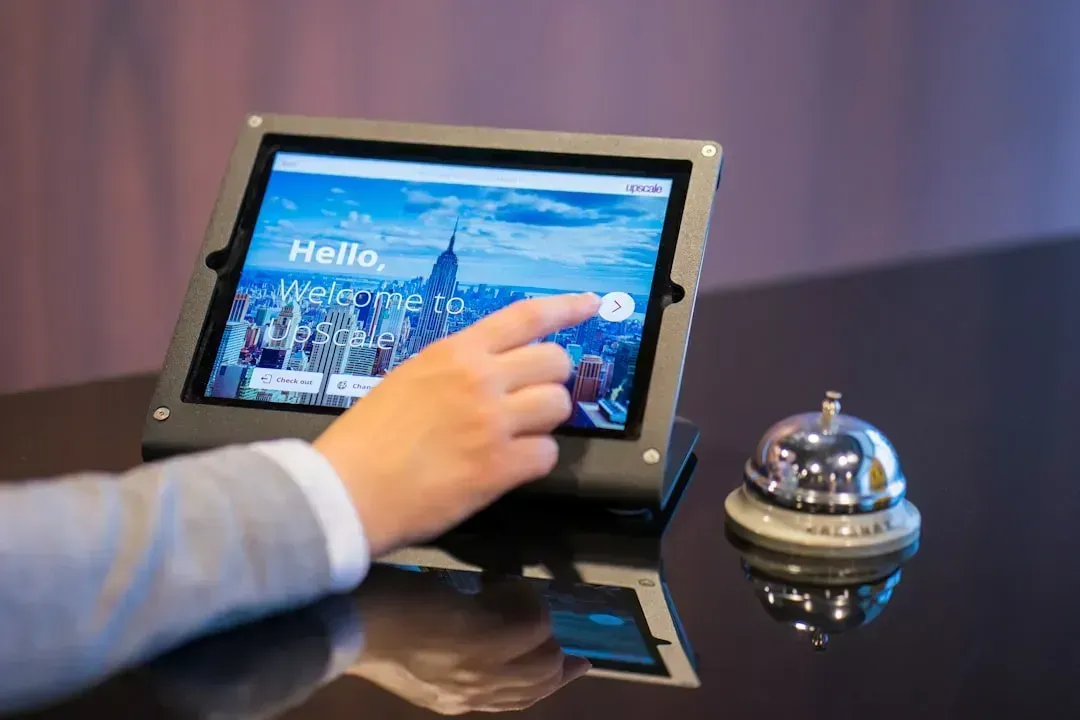
One way to frustrate hotel staff is to arrive demanding an early check-in time and getting angry when that request isn’t granted. Asking for a late check-out at the last minute is another way to get on the staff’s bad side. Housekeepers have to flip a room as quickly as possible, and the late check-out of one guest and the early check-in of another can create a real scheduling conflict.
Guests over 60 sometimes arrive with a firm mindset that their long travel history earns them special dispensation on timing. That may well be true at properties where they’re a loyalty member. The part that creates friction, though, is the assumption itself. Asking politely is fine. Demanding as if it’s owed tends to be remembered in a less flattering light.
3. Skipping the Housekeeping Tip Entirely

The percentage of Americans who always tip hotel housekeepers has been steadily declining, falling to just 23% according to a Bankrate survey. That means the vast majority of guests check out without leaving a single dollar for the person who cleaned their toilet, made their bed, and hauled away their trash each day. Housekeeping staff notice this, and they talk about it among themselves.
Boomers tip more when they do tip. Only around half of Boomers tipped at their most recent stay, but those who did tip left larger amounts than average. So there’s a split: the ones who tip generously earn quiet admiration, while those who don’t tip at all, especially after extended stays, are remembered in a different way. The average hourly wage for housekeepers in the U.S. is around $14.40, according to the Bureau of Labor Statistics, which gives some context to why a small daily tip genuinely matters to the people making up your room.
4. Complaining Strategically to Fish for Upgrades

Setting aside genuine grievances, complaining about every minor issue in order to gain upgrades or comp nights is one of the biggest pet peeves for staff. From expecting a super-quiet room when you’re in the heart of Times Square to claiming the water doesn’t heat up quickly enough, there are many complaints guests make before requesting an upgrade. Staff recognize the pattern almost instantly.
Experienced travelers, particularly those who’ve stayed in hundreds of hotels over the decades, sometimes treat complaint-fishing as an acceptable sport. The staff see it differently. Staff are absolutely watching, and they are keeping records. A legitimate complaint is always worth raising. A manufactured one to leverage a better room tends to earn the guest a polite smile and a mental note that follows them to the next interaction.
5. Ignoring Quiet Hours in Shared Spaces

Noise complaints are one of the most consistently reported issues across hotels of every category. Many hotels employ a three-strikes system where, after three consecutive complaints, a guest will be removed from the property without a refund. Hotels try to encourage guests to keep noise down with friendly signs, often implementing quiet hours from 10 pm to 8 am.
It’s sometimes assumed that the noisier guests in hotel corridors are younger travelers. In reality, groups of older guests celebrating a milestone trip or catching up with travel companions can be just as disruptive late at night. Guests who monopolize lounge chairs, speak at full volume on video calls, or let conversations run unchecked through corridors create friction for everyone around them. Staff are equally likely to log a noise complaint whether the guest is 25 or 65.
6. Treating Housekeeping Staff as Invisible
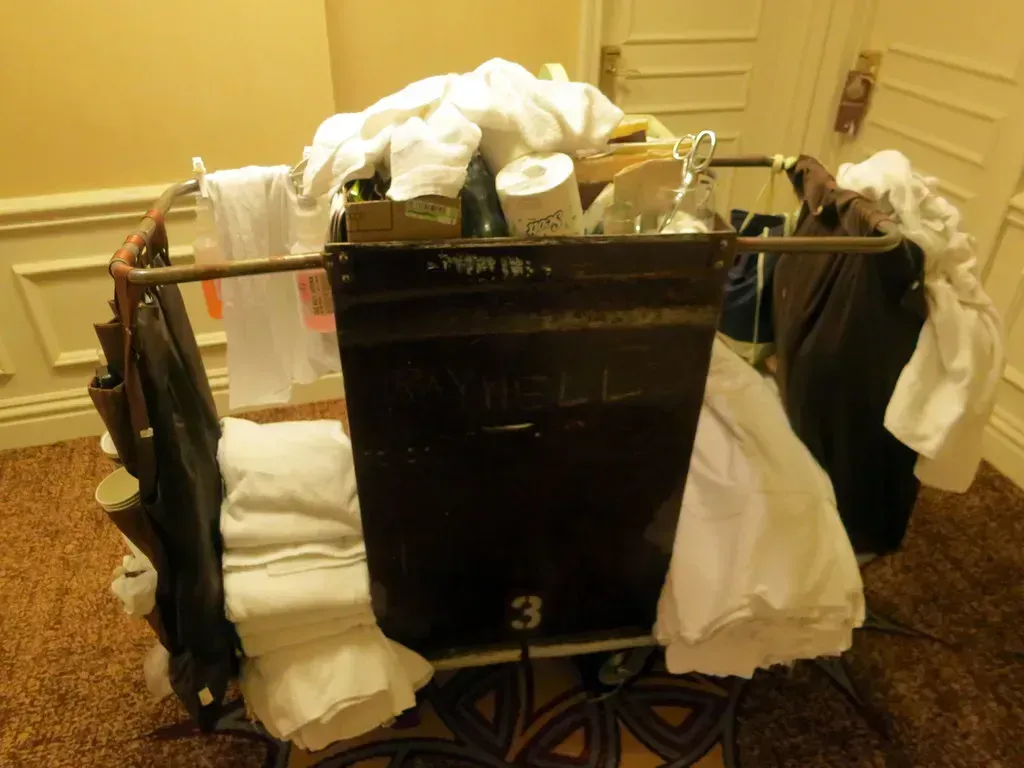
Staying on your phone through check-in, speaking through staff as if they’re not there, only expecting to deal with the manager, ignoring the room service calls, and forgetting to say thank you are all ways that guests can come across as rude, and each one is more annoying than the last. Housekeeping staff in particular, who often work quietly in the background, notice when they’re treated as part of the furniture rather than as a person.
Those who treat hotel and housekeeping staff with kindness and respect are more likely to see staff pay it forward, receiving upgrades, acts of gratitude, and faster service for requests. It’s a straightforward dynamic that many guests overlook. A nod, a thank-you, a small acknowledgment of the work being done in your room goes further inside a hotel than almost any other single gesture.
7. Resisting Digital Check-In and Modern Processes

Roughly two-thirds of those 55 and older would rather call hotels directly rather than use apps or digital messaging, which is a perfectly reasonable preference. The friction arises when that preference turns into open frustration at the front desk, taking up extra time and quietly signaling impatience with how the industry has changed.
In 2024 and beyond, guests expect a seamless, efficient, and hassle-free check-in experience. Mobile check-in and digital keyless entry can significantly enhance the guest experience by saving time and minimizing contact with the front desk team. Staff aren’t judging guests for preferring a traditional approach. They do notice, though, when that preference comes with visible irritation directed at them personally for a system they didn’t design.
8. Leaving the Room in a Disproportionate State

Housekeeping staff notice everything, discuss everything, and yes, judge everything. Not maliciously, but with the same mixture of fascination, frustration, and bewilderment that anthropologists might feel studying an unfamiliar culture. The state of a room at the end of a stay communicates quite a lot about a guest, whether they intended it to or not.
One former hotel housekeeper noted that her biggest pet peeve was when guests left a mess simply because they could, noting that cleaning staff have a lot of rooms to get through before guests return after a day out. Guests over 60 who’ve been traveling for decades sometimes develop a degree of comfort in hotel rooms that blurs the line between a temporary stay and a home environment. Leaving soiled dishes stacked in the hallway, towels strewn across every surface, or significant debris behind is the kind of thing housekeepers remember long after the guest is gone.
9. Dismissing Staff as Too Young to Know Anything

Hotels are facing an increase in rude and disruptive guest behavior, and setting clear expectations is becoming crucial for maintaining decorum and guest satisfaction. Some hotels have begun enforcing stricter behavior standards as a direct response. One of the subtler forms of friction happens when older guests visibly dismiss the recommendations or assistance of younger staff members, sometimes asking to speak to someone more senior before the conversation has even had a chance to develop.
A friendly and attentive staff member is a hallmark of exceptional hospitality. Customers expect hotel employees to be knowledgeable, approachable, and responsive to their needs. A 24-year-old concierge who grew up in the city may know that restaurant scene better than anyone on the property. Older guests who wave off that knowledge based on the staffer’s age alone tend to be quietly noticed, and occasionally discussed in the break room. The best stays happen when both sides extend each other a little good faith from the moment the door swings open.