
There’s a particular kind of fear that doesn’t announce itself loudly. It doesn’t show up as panic or avoidance. It lingers quietly in the background, a low hum of worry that certain experiences, pleasures, or freedoms are simply not available to you. Not because someone took them away, but because something internal keeps getting in the way.
For many women, these fears stay unspoken. They get buried under daily responsibilities, social expectations, and a culture that doesn’t always make space for female desire, ambition, or joy on its own terms. What follows are nine things a surprising number of women privately fear they will never fully experience, and why those fears deserve to be named.
1. Genuine Sexual Pleasure Without Self-Consciousness

Body image significantly influences sexual satisfaction by shaping a person’s perceptions of their own attractiveness and desirability. Negative body image can impede sexual satisfaction, as feelings of insecurity and inadequacy may overshadow the enjoyment of intimacy. For many women, this plays out in a very specific way: they are physically present during sex, but mentally elsewhere, quietly monitoring how they look rather than focusing on how they feel.
Self-objectification has been theorized to obscure the ability to experience one’s body as a subjective site, which corresponds with a disconnection from feelings of sexual arousal and excitement, body-related shame, and self-monitoring during sexual experiences. These processes ultimately contribute to sexual dysfunction and lower sexual satisfaction. The fear of never breaking free from this mental pattern, of never simply being present in one’s own body, is one that many women carry silently.
2. A Relationship Where They Feel Truly Seen
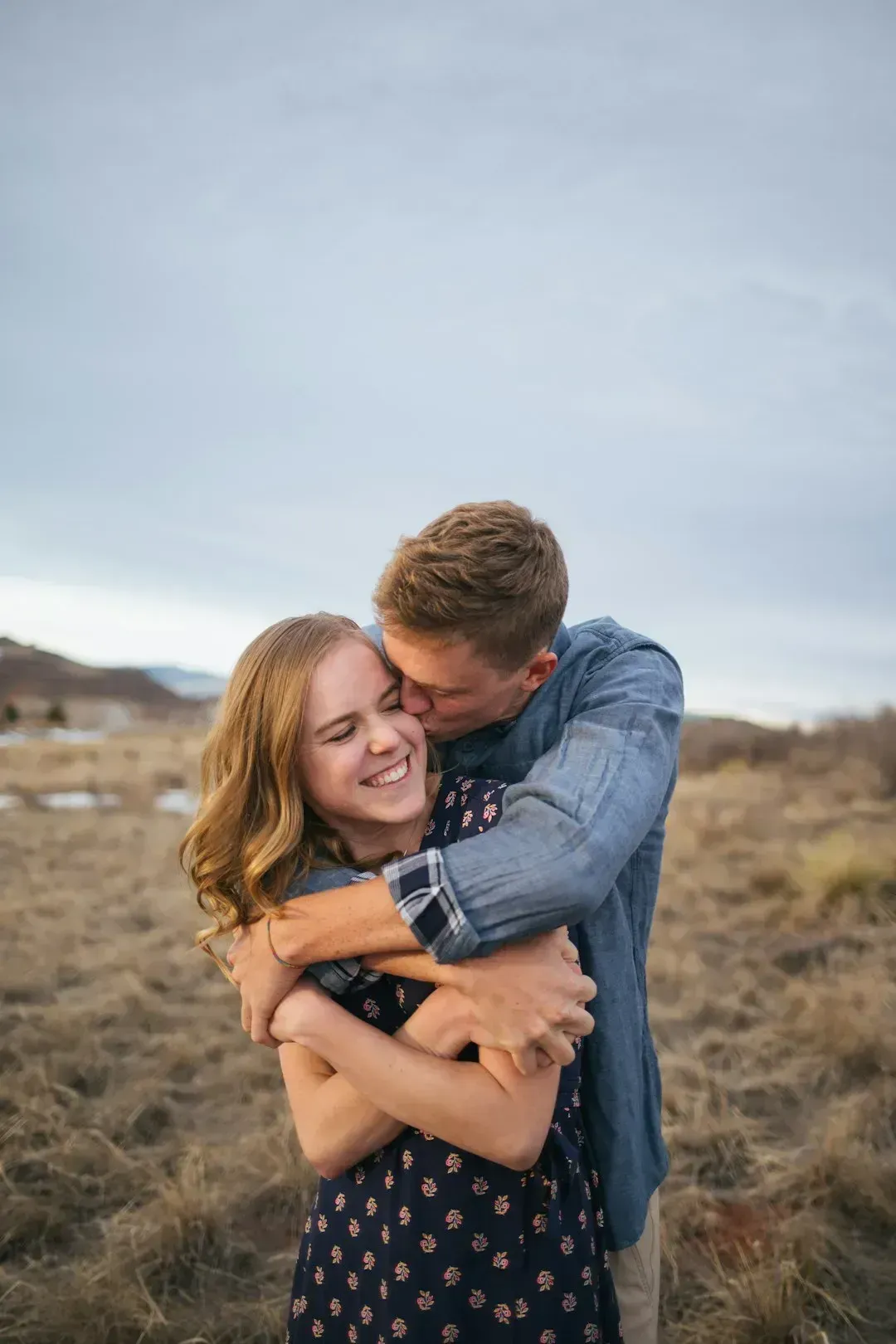
The fear isn’t just of being alone. It’s more specific than that. It’s the worry of spending a lifetime in relationships that are functional, or even loving, while never fully feeling known by another person. Deep emotional intimacy requires a level of vulnerability that can feel genuinely terrifying, particularly for women who have been conditioned to manage everyone else’s emotions before their own.
Research has shown that in secure, committed relationships, the fear centers in the brain can quiet down completely with a trusted partner present. Commitment provides safety and the ability to soothe one another. Still, many women quietly wonder whether that kind of grounded, secure connection is something they’ll ever build or whether it will always feel just slightly out of reach.
3. Financial Freedom That Belongs Only to Them

Financial independence is not just about having money. It’s about having choices, and the confidence to make them without asking permission or managing someone else’s comfort. Many women grow up with money being connected to anxiety, dependency, or tension rather than possibility. That early imprint tends to stick.
The fear of never truly enjoying financial autonomy runs deeper than a bank balance. It touches identity, security, and the quiet question of whether you are allowed to want things for yourself. Money, at its best, provides security, flexibility, freedom, a comfortable lifestyle, and the ability to help others. Reaching a point where money feels like a tool rather than a source of dread is something a meaningful number of women privately wonder if they’ll ever experience.
4. Solo Travel Without Guilt or Fear

Women who travel solo worry about many things, with personal safety topping the list at roughly seven in ten, followed by higher costs compared to splitting expenses with a travel companion, and fears about something bad happening. These aren’t irrational concerns. They reflect real constraints that shape women’s relationship with independent movement in the world. The fear of never fully enjoying the freedom of going somewhere alone, on your own schedule, answerable to no one, is both practical and emotional.
As women gain greater socioeconomic independence and record-breaking numbers choose to remain single, an increasing number are opting to travel alone. Those who do tend to naturally gravitate toward adventure-focused trips that push them out of their comfort zone and offer a sense of accomplishment. The gap between those who take the leap and those who stay stuck in the planning stage often comes down to one thing: believing they deserve the experience at all.
5. A Body They Actually Like Being In
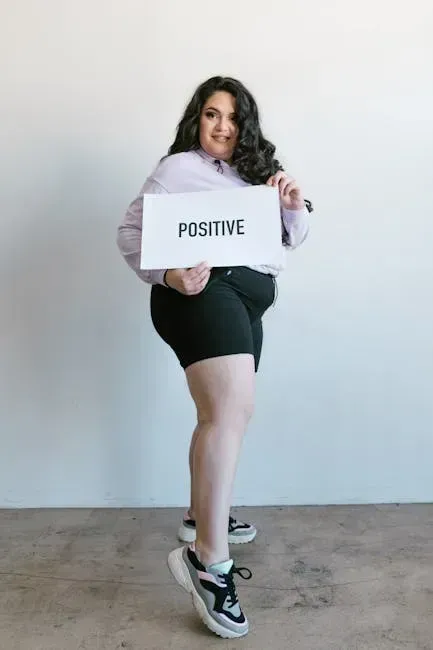
It’s important to understand how many women view their own bodies. A woman can see hundreds of advertisements a day telling her what a beautiful figure should look like. She may deeply dislike her body even when those around her do not. This disconnect between external reality and internal perception is genuinely common, and it extends well beyond appearance into how women physically inhabit their own daily lives.
Body image and intimacy are not experienced in a vacuum but are shaped by sociocultural and technological influences. Media portrayals of idealized female bodies, particularly on social media and digital platforms, reinforce unattainable standards of beauty that intensify self-scrutiny and disembodiment during intimate encounters. The fear of never waking up and simply feeling at home in your own skin is quiet, persistent, and far more widespread than most women ever admit out loud.
6. Genuine Rest Without Feeling Lazy

Rest is not something many women are culturally taught to enjoy without conditions attached. It tends to come with a running ledger of what still needs doing, who else needs something, and whether you’ve “earned” the right to stop. The result is a kind of chronic, low-grade exhaustion that becomes so normal it stops registering as a problem.
The fear here isn’t of lying down. It’s of lying down and actually feeling okay about it. For women who have spent years defining their worth through productivity and care for others, true rest, the kind that actually restores rather than just pauses, can feel genuinely inaccessible. Many wonder if they will ever be able to experience stillness without it feeling like failure.
7. Friendships That Don’t Require Constant Maintenance
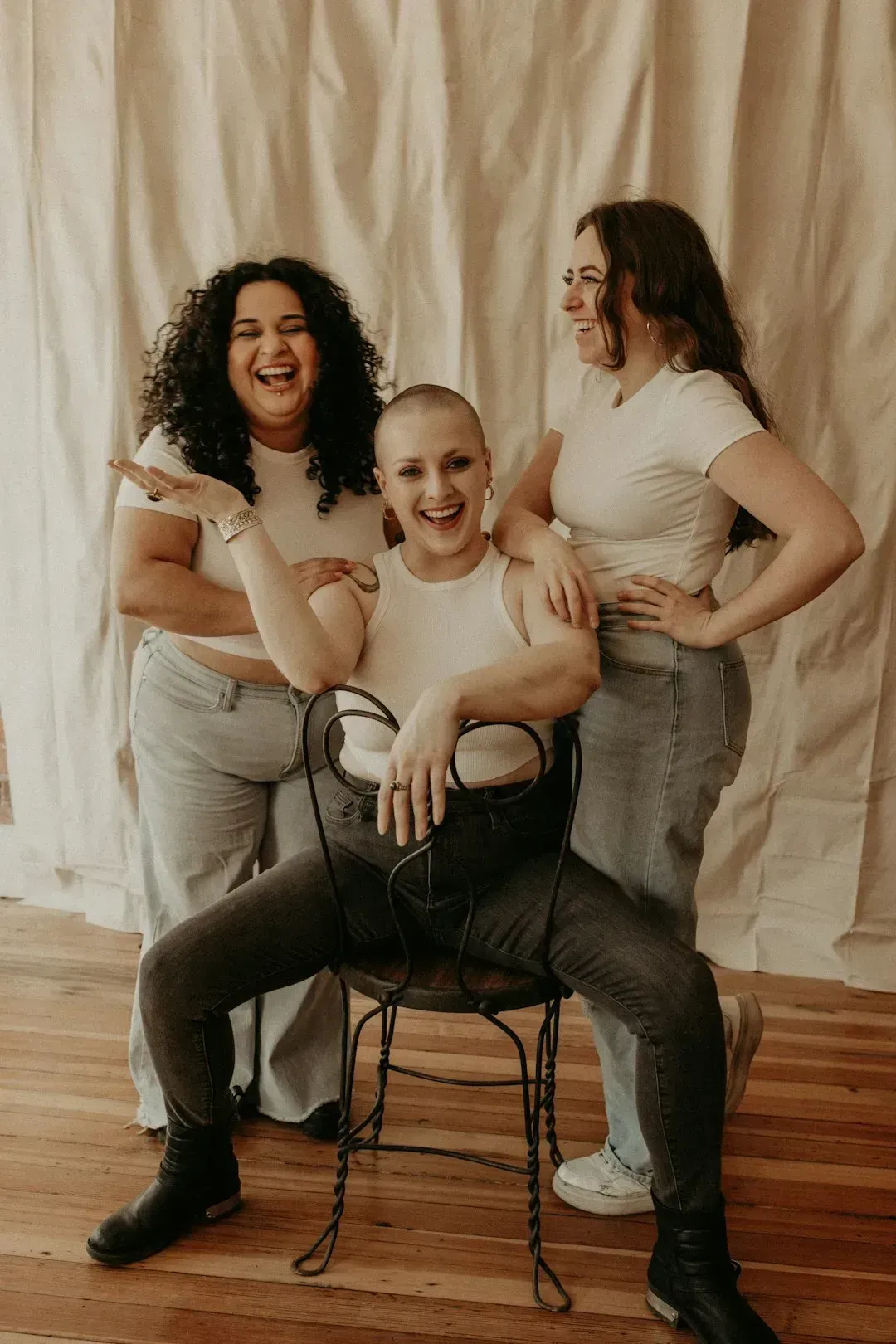
Women are more likely than men to say they would turn to a wide network for emotional support, including their mother, a close friend, another family member, and a mental health professional. Women are generally skilled at building connections, but the weight of maintaining them often falls disproportionately on their shoulders. Checking in, following up, smoothing things over: these are emotional labors that quietly accumulate.
The fear of never enjoying a friendship that simply exists without constant tending is real. Research suggests that loneliness is more about expectations than reality, specifically about how much social connection we have versus how much we want, rather than the raw amount of time spent with others. Many women don’t lack friends on paper. What they fear is never having the kind of friendship where they can disappear for a month and pick up exactly where they left off.
8. Pride in Their Own Ambitions Without Apologizing

Wanting things professionally, wanting recognition, wanting to lead, can still feel surprisingly complicated for many women. The conditioning to soften ambition, to present goals with a self-deprecating edge, or to frame success as team effort rather than personal achievement runs deep. It doesn’t feel like a choice. It often feels like breathing.
The fear of never fully enjoying professional achievement, of always having one hand pulling back while the other reaches forward, is something a significant number of women privately carry. It’s not that they doubt their capability. It’s that they’re quietly unsure they’re allowed to take up that much space, and they wonder whether that voice inside will ever fully quiet down.
9. Pleasure in the Present, Not Just the Plan

Fear can affect women’s decisions in ways that are distinct from men, particularly when it comes to weighing immediate rewards against future ones. Decision making is complex and still not fully understood, especially when balancing short versus long-term benefits. The known phenomenon of delay discounting describes the common tendency to prefer an immediate reward, even when a later reward would be significantly greater. For many women, the pattern runs in reverse: pleasure is perpetually deferred to a future moment when conditions are right, children are grown, the budget is sorted, the weight is lost.
The deepest fear on this list may be the simplest. It’s the fear of never experiencing joy that is unconditional, joy that doesn’t require achievement, a smaller dress size, or permission from anyone else. Positive and fulfilling experiences are achieved through mindfulness of bodily and present pleasure, positive self-image, and genuine access to one’s own desires. The women who find their way there usually have one thing in common: at some point, they decided the conditions were never going to be perfect, so they started anyway.
These nine fears don’t live in isolation. They overlap, reinforce each other, and often trace back to the same root: a learned uncertainty about whether women’s own pleasure and freedom are valid things to want. Naming them doesn’t dissolve them, but it does something useful. It makes them easier to examine, and a little harder to mistake for permanent truth.