
Most people can’t immediately name what makes a room feel right. They walk in, pause for half a second, and just know. Something about the light, the way the furniture sits, the faint suggestion of a considered life. Taste in interior design works that way – it registers before it’s analyzed.
The flip side is just as real. Certain home features quietly unsettle visitors and even the people who live there, without anyone being quite sure why. The spaces we live, work, and relax in have a quiet power – they shape how we feel. A calm home, a bright office, or a cozy cafe can all change our emotions without us even realizing it. That’s the essence of interior design psychology: understanding how lighting, layout, textures, and materials influence human mood and behavior. Here are thirteen home features that straddle exactly that line.
1. The Quality of Natural Light
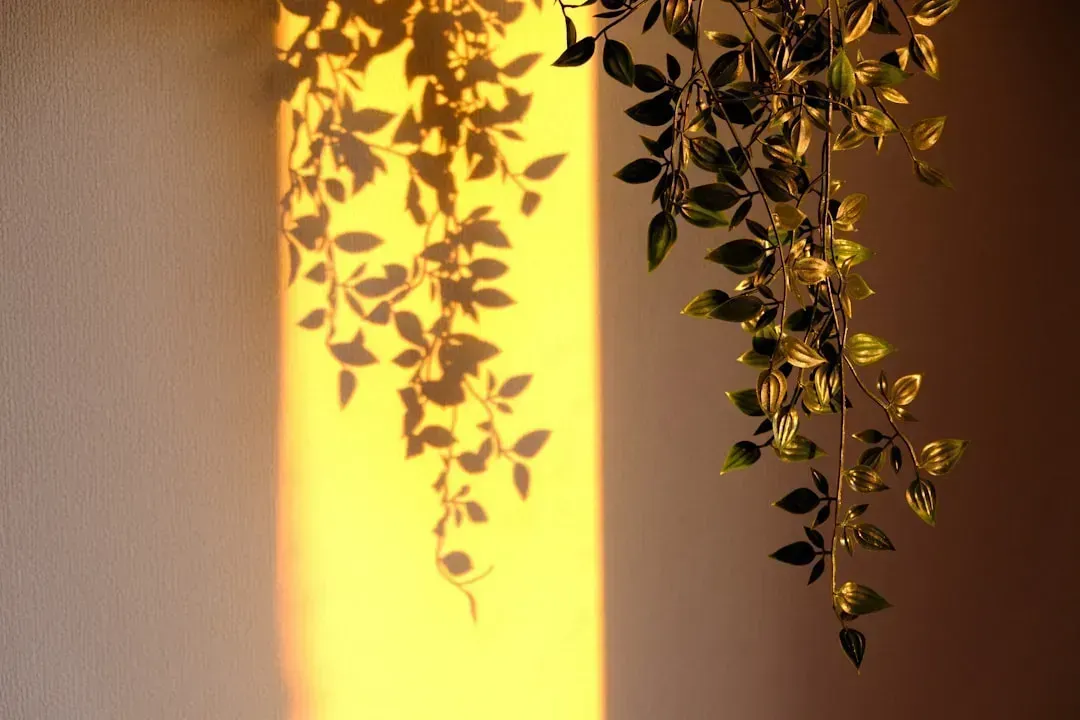
Natural light is considered the ultimate luxury in contemporary home design. The trend increasingly celebrates sunlight as both a design feature and a wellness essential, with expansive windows, strategically placed mirrors, and sheer curtains used to amplify brightness and create an airy, uplifting feel. A room that captures morning light without trying too hard signals that the home was designed with attention, not just decorated.
Natural light improves mood, productivity, and sleep patterns. Maximizing daylight through large windows, mirrors, and light-reflecting surfaces can create a bright and inviting space. Conversely, rooms that feel unnecessarily dim, even at midday, tend to trigger a low-grade unease that’s difficult to articulate but hard to ignore.
2. Layered Lighting Beyond the Overhead Fixture
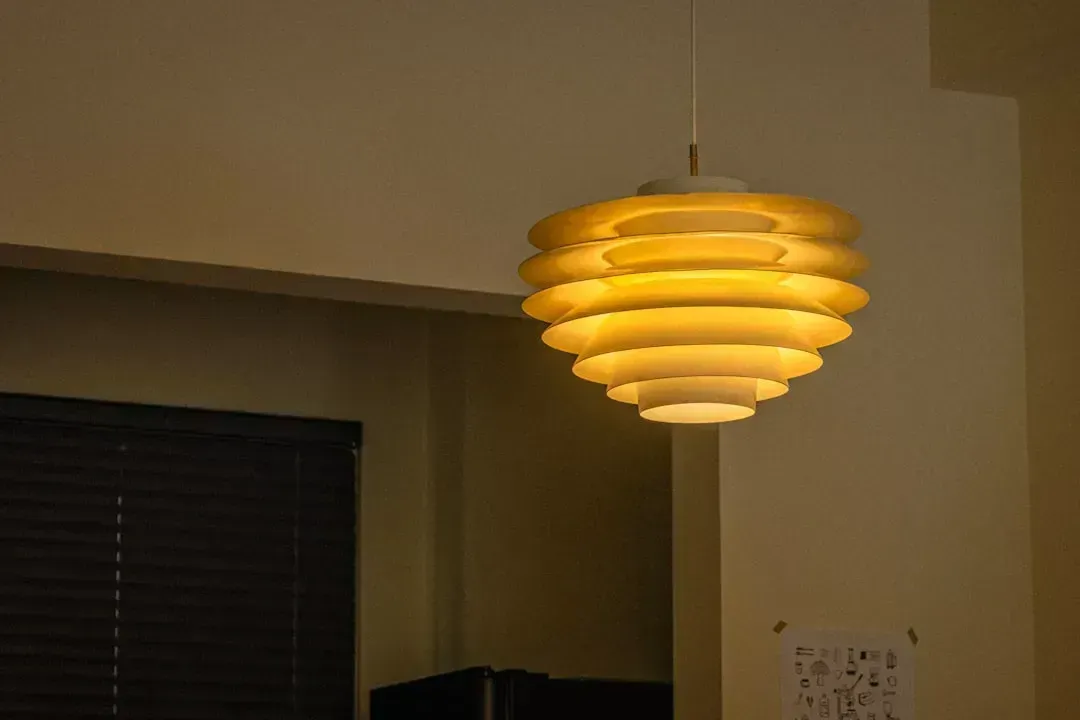
Lighting is no longer just functional – it’s a key design element that transforms a room’s ambiance. Contemporary lighting fixtures, from oversized pendants to sculptural lamps, often double as works of art. Attention-grabbing light sources can accentuate the style of a space, and dimmable lights allow the mood of a room to shift according to different times of the day.
Layered lighting continues to redefine how we experience our homes by combining ambient, task, and accent lighting. This approach offers unparalleled versatility, transforming spaces to suit everything from cozy evenings to lively gatherings. By using these three types of lighting, homeowners can create the right mood for any occasion. A home that relies on a single ceiling fixture in the living room quietly announces that nobody thought too deeply about atmosphere.
3. The Presence (or Absence) of Natural Materials
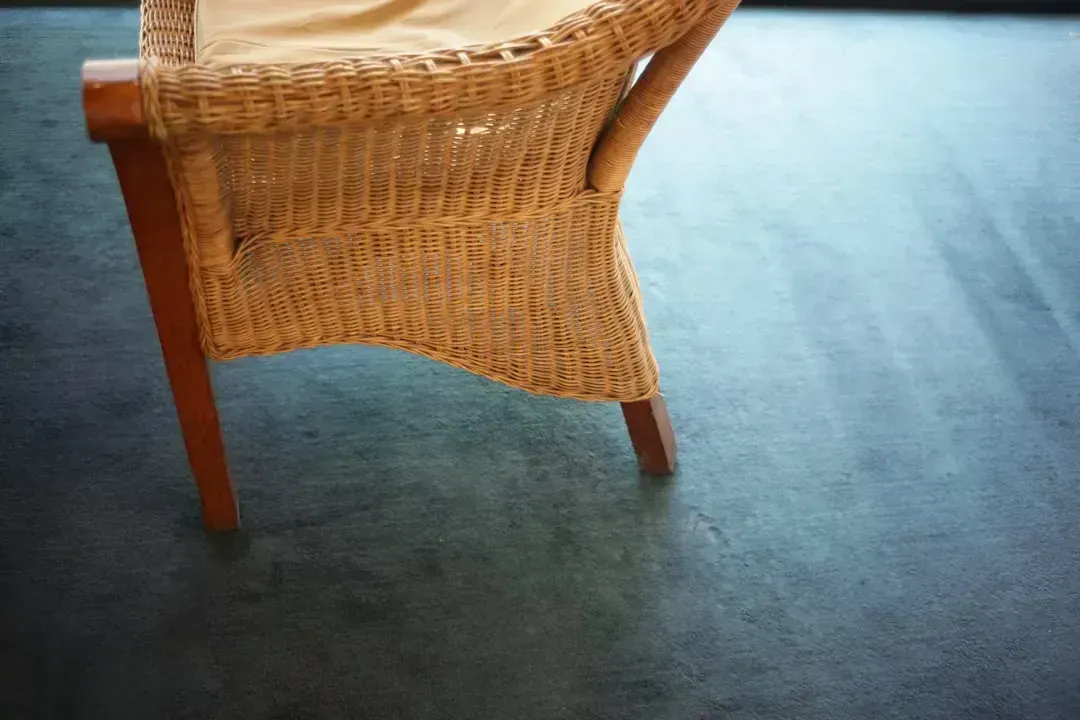
Natural materials like stone and wood bring a sense of grounding, helping people feel connected to nature. As interior design psychology suggests, tactile comfort has a direct effect on mood and well-being. People tend to relax more in spaces that feel warm and organic. A solid wood dining table, a stone countertop, or a linen-covered sofa each carry a quiet authority that synthetic alternatives simply don’t replicate.
Research supports this: neuropsychological studies indicate that biophilic indoor spaces reduce cognitive-emotional overload and decrease feelings of fatigue, anxiety, and depression. Natural materials aren’t a final touch anymore – they’re the foundation. Warm woods with visible grain, stone that doesn’t look overly polished, textured plaster, and handmade tile all work so well because they make a room feel grounded.
4. Clutter and Surfaces Without Intention

Disorganization and clutter are correlated with mental health conditions such as anxiety, depression, and stress. Clutter can also increase feelings of hopelessness, shame, and guilt. Studies have shown that clutter increases cortisol levels, a stress hormone. Physical clutter not only fills our spaces but also our minds, leading to mental fatigue, stress, irritability, and heightened anxiety.
Part of the reason why clutter feels overwhelming is that every item represents work that needs to be done and a choice that needs to be made. All these decisions create a type of cognitive overload known as decision fatigue. On the other side of this, instead of empty surfaces, designers are now curating meaningful pieces – art, books, or ceramics – that tell a story without adding clutter.
5. Furniture That Fits the Room (or Doesn’t)
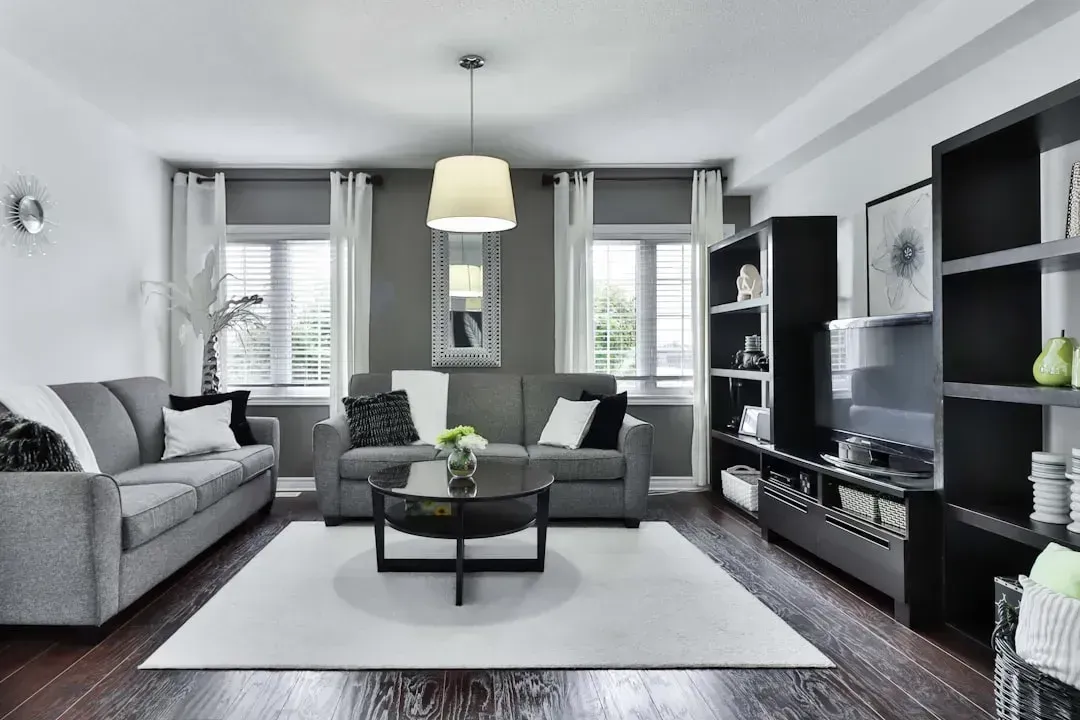
Furniture is an extension of personality. When selected with intention, it not only serves a purpose but also reinforces self-perception and daily habits. Scale is everything. A sofa that’s too large for a living room creates a cramped, anxious energy, while furniture that’s too small for a generous space leaves the room feeling unfinished and slightly lost.
Aligning furniture with identity helps reduce stress. It creates a sense of harmony between who you are and the space you live in. While trends come and go, spaces rooted in authenticity tend to feel more timeless and emotionally balanced. Getting the proportions right is less about following rules and more about being honest about how the space actually gets used.
6. Color Choices That Communicate Without Speaking
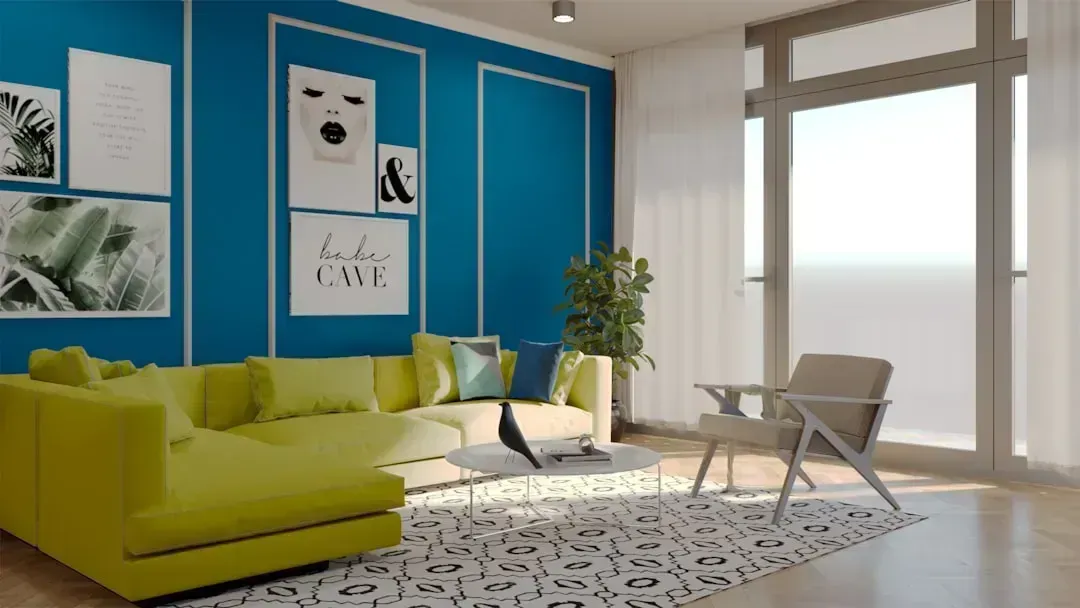
A home’s design reflects aesthetic preferences and profoundly influences emotions and overall well-being. Elements like color schemes, textures, and spatial layouts can evoke feelings ranging from tranquility to energy. Understanding the psychology behind these design choices empowers homeowners to create spaces that look beautiful and promote positive mental health.
Color is one of the most immediate ways to affect mood. Warm tones – think terracotta, caramel, or muted gold – create intimacy and comfort, perfect for dining or lounge areas. Cooler tones like deep green or slate blue bring serenity and balance, ideal for restful bedrooms or spas. Rooms where color appears chosen by committee, or not chosen at all, tend to generate a low-level visual unease that guests struggle to name.
7. The Ceiling as a Design Element
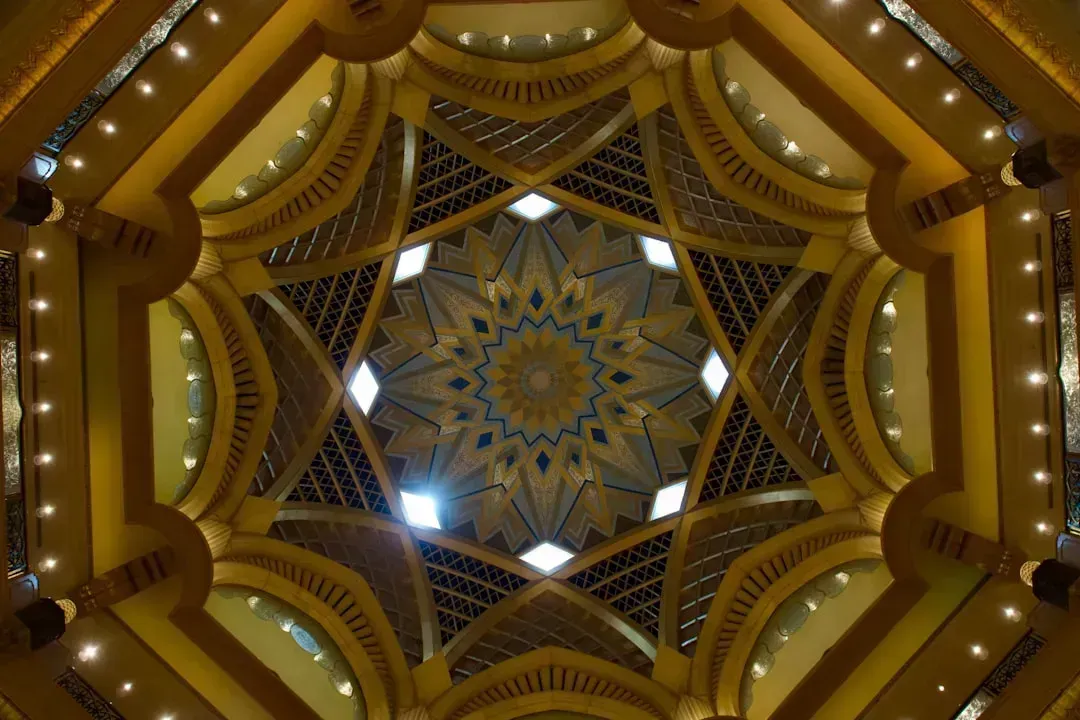
Home professionals often refer to the ceiling as the “fifth wall” to emphasize its importance in contributing to the overall design of a space. Browse newly uploaded kitchen photos and you’ll find plenty of examples of stylish ceiling treatments, including beams, coffered designs, painted shiplap, and wood panels. Most homeowners invest considerable thought in their floors and walls, then leave the ceiling flat white and promptly forget it exists.
In 2025 and into 2026, ceilings and walls have become bold design features, transforming blank spaces into stunning focal points. Decorative ceilings with wallpapers, painted patterns, or wooden beams add personality, while accent walls in vibrant hues or textured finishes enhance visual interest. These elements create drama and sophistication, making interiors truly unique. Even simply carrying a wall color up onto the ceiling can transform a room’s emotional register entirely.
8. How a Bookshelf Is Styled
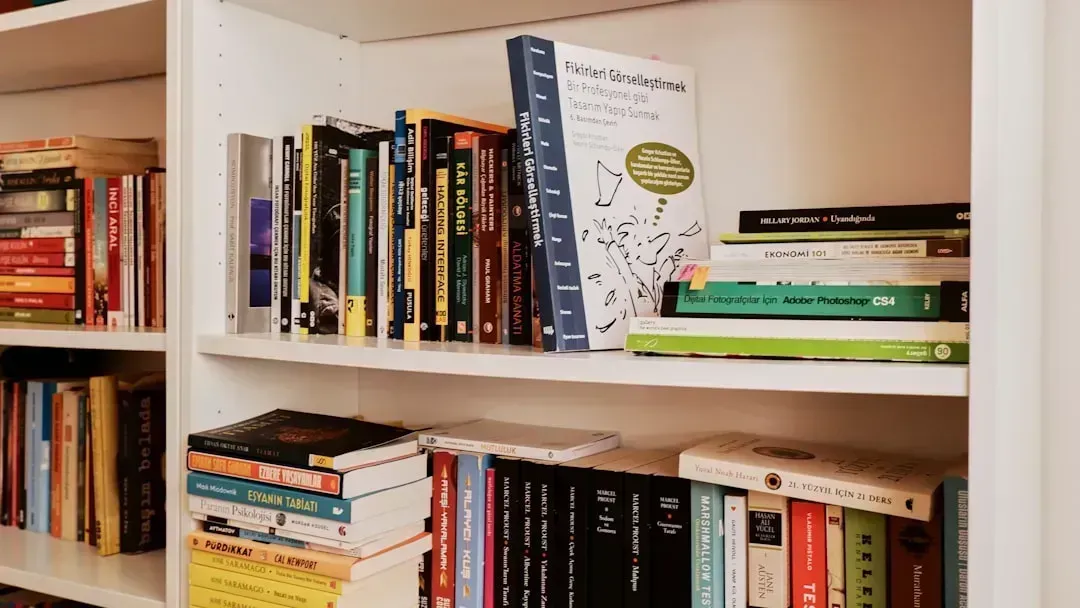
A bookshelf reveals more about the people living in a home than almost any other single feature. Shelves lined with genuinely read books, interspersed with a few ceramics or small objects collected over time, read as lived-in and intelligent. Mixed textures, pieces that don’t match perfectly, art that means something, and shelves that look like real life – things like books, frames, and ceramics are the little things that make a space feel like yours.
Thoughtful maximalism celebrates personality while avoiding visual clutter. There’s plenty to look at on a well-styled bookshelf, but it’s a far cry from anything approaching actual clutter. Shelves arranged purely for aesthetics, with books turned spine-inward or stacked only for color, tend to signal performance rather than personality – and most people sense the difference.
9. The Entry and What It Says First
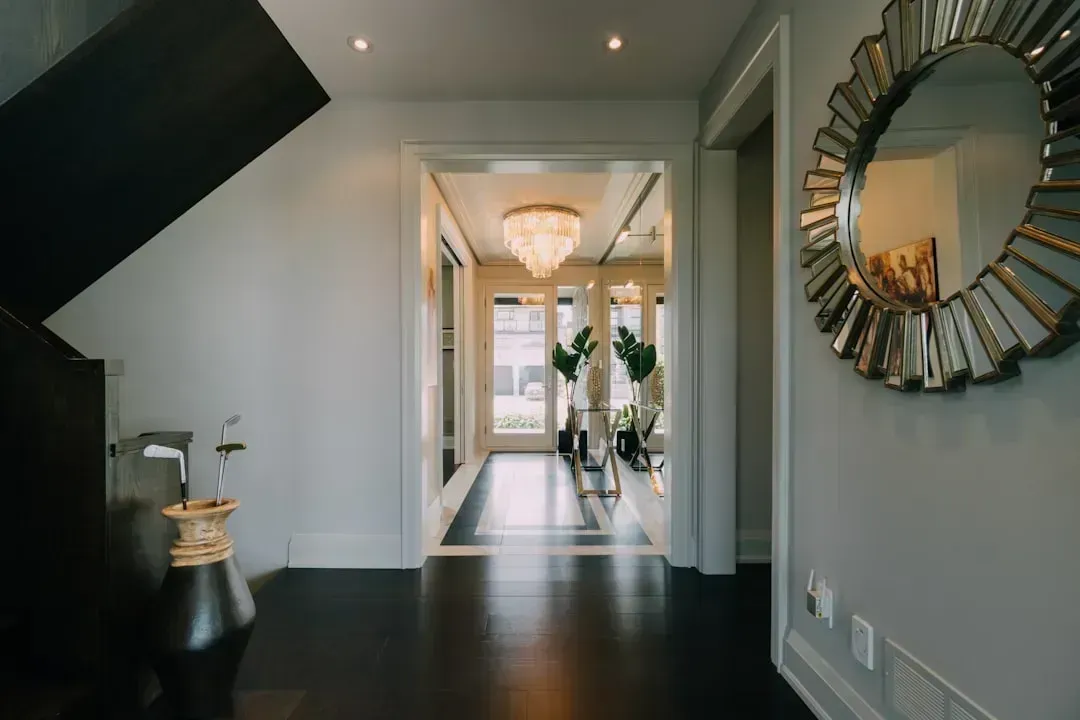
The entry of a home has roughly three seconds to establish an impression. It sets the emotional tone for everything that follows. A thoughtful entry, even in a small space, telegraphs that the home was considered as a whole. Poor lighting, nowhere to set things down, or a blank wall that greets you immediately generates a quiet anxiety that colors the rest of the visit.
Interior design in 2026 is quieter, warmer, and far more intentional. From layered, lived-in spaces to earthy palettes and craftsmanship-driven details, these are the trends shaping how we live in our homes. That intentionality shows up most immediately in entries, where even a single good light fixture and a considered place for keys communicates that someone thought the space through.
10. Curved Lines Versus Hard Angles Everywhere
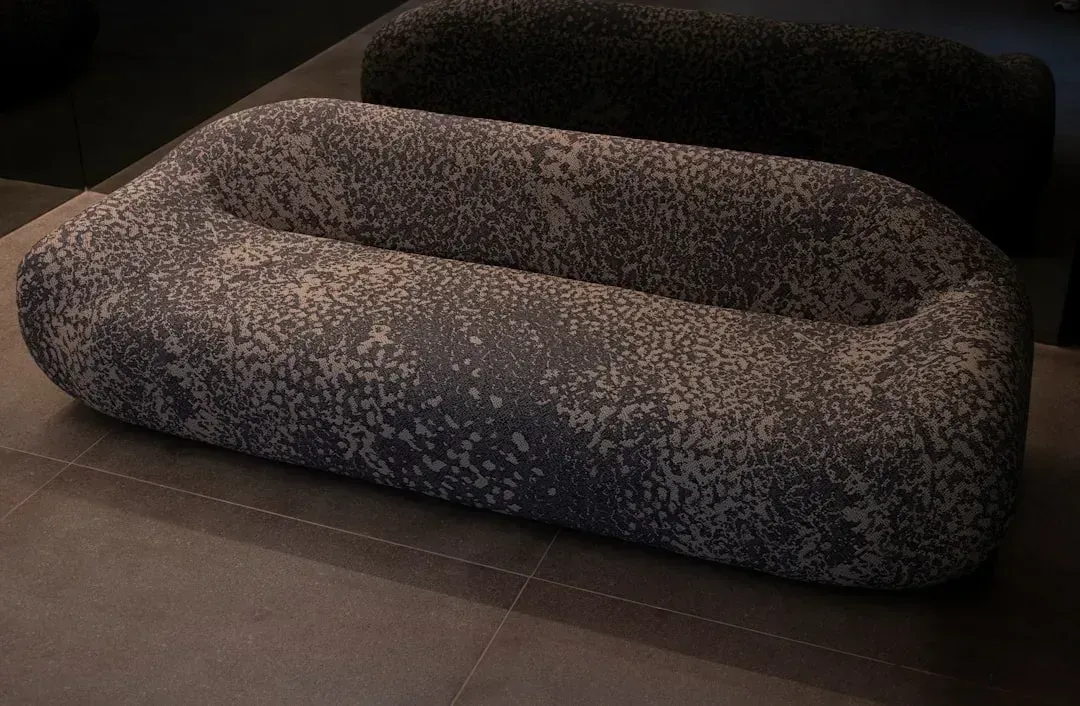
Straight lines are taking a step back as curved furniture brings softness and movement into modern spaces. Rounded sofas, arched cabinets, and circular coffee tables add a sculptural quality that feels natural and inviting. This interior design trend reflects a shift toward harmony – rooms designed to flow effortlessly and encourage connection. Even a single curved piece can transform the mood, balancing clean architecture with warmth and approachability.
Nature-inspired, gentle curves that draw the eye gracefully remain very much on trend. Architectural features such as archways and curved shelving units are popular, and curved furniture is truly trending. Curved armchairs, sofas, and nest chairs are cozy, inviting, and make intelligent use of floor space without overpowering it. A room composed entirely of sharp right angles can feel clinical, even unwelcoming, without the occupants quite knowing why.
11. Wall Texture Versus Flat Painted Surfaces
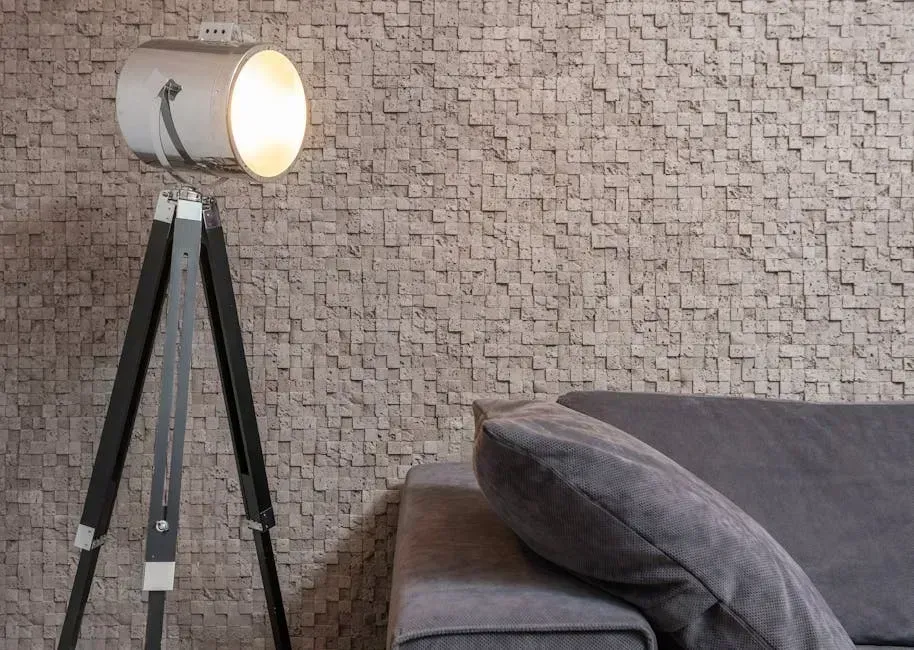
Flat walls are fading fast. Textured finishes are taking center stage, with designers embracing limewash, plaster, wood paneling, and even fabric-wrapped walls to add visual movement and a handcrafted feel. These finishes catch light differently throughout the day, turning simple rooms into layered, tactile experiences. Texture communicates craft. It’s the difference between a wall that was covered and a wall that was considered.
After years of restraint, ornamentation is making its way back into architecture, reflecting a desire for buildings that engage the senses. At home, this translates to surfaces that reward a second look – a plaster wall that shifts with the afternoon sun, wainscoting in a hallway, or a subtle tiled backsplash in the kitchen. These details don’t announce themselves, but their absence is quietly noticed.
12. The Quiet Luxury of Material Consistency
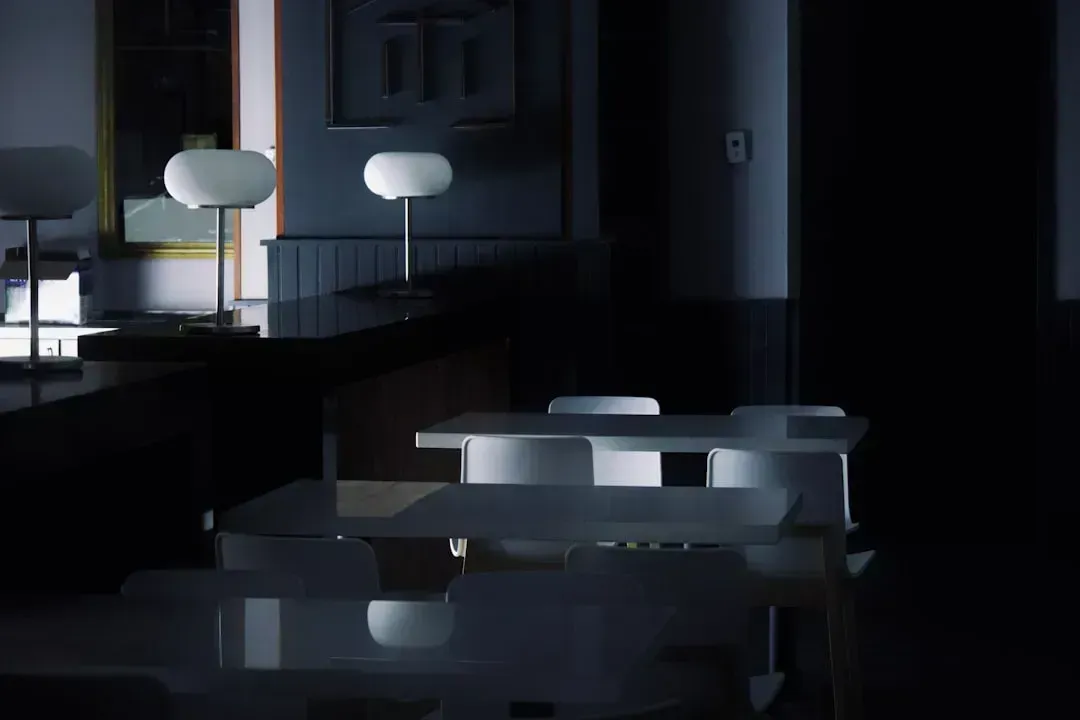
Quiet luxury, a trend that gathered momentum through 2023 and continued growing through 2024 and beyond, hinges on the concept that subtle cues indicate genuine taste, while showy opulence tends to feel transient. From an interior design standpoint, quiet luxury takes to heart the philosophy that less is more, choosing elegant restraint over spectacle. Getting the look means focusing on clean lines, a neutral color palette, uncluttered space, high-end materials, and exquisite details that are indulgent but understated.
Consistency across materials is the most reliable sign of this. Choosing signature investment pieces, such as solid-wood furniture and subtle artwork that is personally meaningful, carries the idea forward. Rooms where every material choice feels coherent, where the hardware matches the light fixtures in spirit if not exactly in finish, register as composed and considered. Rooms where nothing quite agrees quietly generate a low hum of unease.
13. Plants – Real Ones
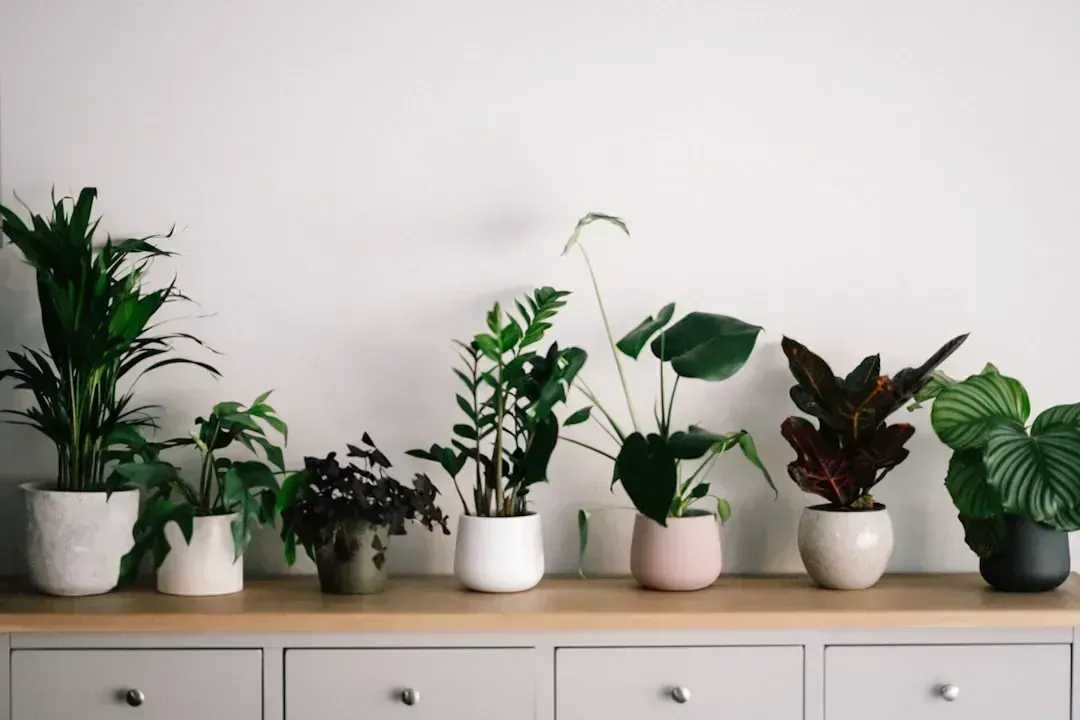
The biophilic design trend emphasizes bringing nature indoors through indoor plants, green walls, and organic materials like wood and stone. This approach creates a calming, rejuvenating atmosphere while enhancing air quality and promoting well-being. For urban spaces, it fosters a connection to nature in modern homes. A well-placed plant, genuinely alive and clearly tended, communicates something about the daily rhythms of the people living there.
While low-maintenance interiors are always appealing, there is little patience in current design thinking for the growing reliance on artificial plants. With the right choices, real plants are far more rewarding than their synthetic counterparts. Fake plants have improved dramatically in recent years, but they still carry a subtle flatness. Something in the room feels slightly held back, as if someone wanted the idea of life without the commitment of caring for it.
What all thirteen of these features share is that they operate below the level of conscious analysis. Nobody walks into a home and immediately thinks “the lighting layers are insufficient.” They just feel a little flat, or strangely at ease, or subtly energized. The most memorable interiors are not remembered for their symmetry or palette – they’re remembered for how they made people feel. That’s the quiet power of design done well, and the quiet cost of design left unconsidered.