
Most music sounds fine through speakers. You catch the melody, follow the words, maybe even nod along to the rhythm. Speakers fill a room with sound, and that’s often enough. Headphones are something else entirely. They eliminate the room, collapse the distance between the music and your ears, and suddenly every producer’s decision – every whisper, every placed effect, every texture buried deep in the mix – becomes unavoidable.
Some albums were engineered with that kind of intimacy in mind. Others just happen to reveal themselves differently when there’s nothing between you and the sound. A few of them can feel genuinely disorienting at first. This list covers eleven records that change character in a headphone environment, for better, stranger, or more intense reasons than you might expect.
1. Pink Floyd – The Dark Side of the Moon (1973)
The Dark Side of the Moon is Pink Floyd’s eighth studio album, released in March 1973, conceived as a concept album focused on the pressures of the band’s arduous lifestyle and the mental health struggles of former member Syd Barrett. The group employed multitrack recording, tape loops, and analogue synthesisers, including experimentation with the EMS VCS 3 and a Synthi A. That technical ambition is exactly what headphones expose so vividly.
The album’s cerebral soundscapes, exquisitely captured on tape by Abbey Road engineer Alan Parsons and mixed with the help of veteran producer Chris Thomas, inspired countless headphone listening sessions in darkened bedrooms. Dark Side isn’t just iconic – it’s a sonic benchmark, shaped by nine months at Abbey Road, constant experimentation, and a heady blend of rock, spoken word, and effects that turned it into the ultimate headphone album. On headphones, the transitions between tracks feel less like edits and more like walking through a building.
2. Björk – Vespertine (2001)
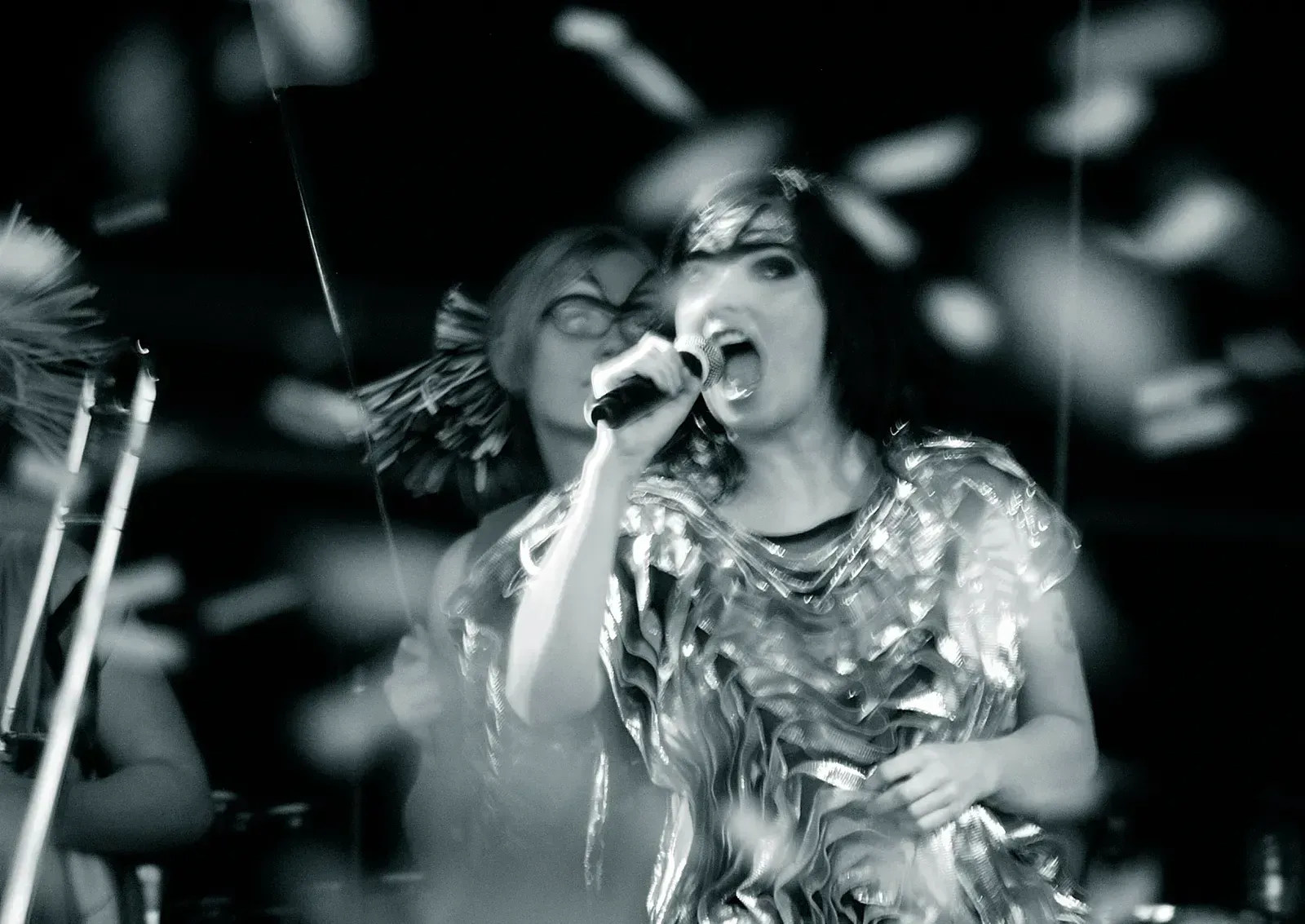
Björk envisioned Vespertine as a response to the extroverted, more nature-based qualities of 1997’s Homogenic – a headphones-and-laptop opus explicitly made for the dawning age of Napster. She composed arrangements with thin-sounding instruments including the harp, the celesta, clavichord, strings, and custom music boxes, while with the help of Matmos, she created “microbeats” from various commonplace sounds such as shuffling cards and ice being cracked.
Vespertine is delicate but dense, a swirl of whispery vocals and glistening textures that rewards close listening, and even with its digital bones, it never feels cold. Through headphones, those microbeats appear and vanish around you like something physically present in the room. An album singing the praises of peace and quiet, Vespertine proves that in Björk’s hands, intimacy can be just as compelling as louder emotions.
3. Jimi Hendrix – Electric Ladyland (1968)
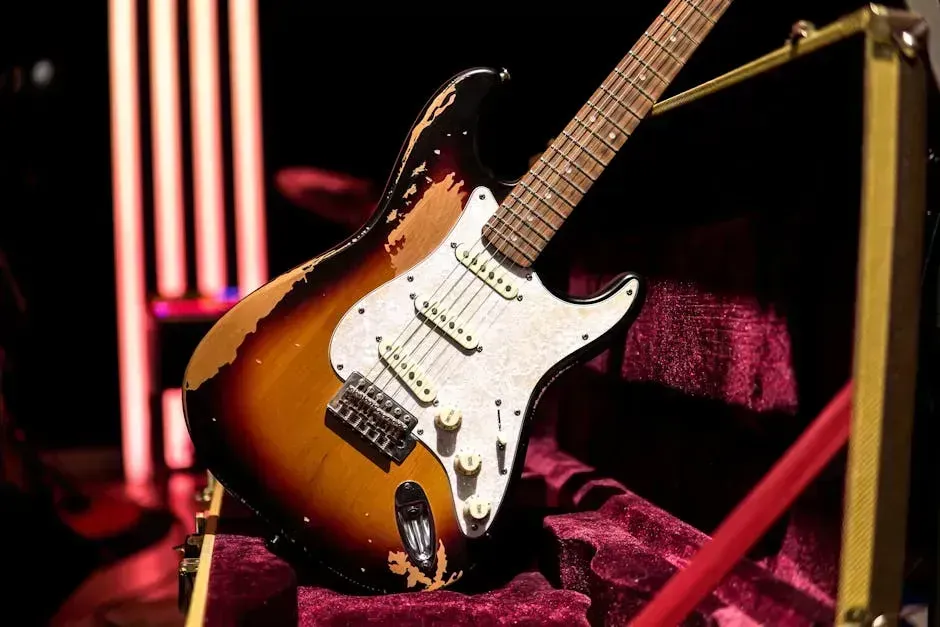
On Electric Ladyland, Jimi Hendrix and his brilliant engineer Eddie Kramer created a wonderful, three-dimensional sonic world and invited you to step in. The album is not necessarily stoned, but it certainly is beautiful. What makes it so disorienting through headphones is that Hendrix and Kramer were ahead of their era in terms of using the stereo field as a compositional tool, panning instruments far and wide in ways that still surprise listeners today.
The album’s double-LP sprawl is part of its character – it’s dense, layered, and designed to surround. For audiophiles, a headphone album is a work so exquisitely recorded that it demands you listen to each beautifully recorded note under a sonic microscope, and Electric Ladyland fits that bill. For others, great headphone albums are those that make a loud album even louder – and this one qualifies there too. The stereo panning on certain guitar passages feels almost physically dislocating through headphones.
4. The Cure – Disintegration (1989)

They say that guitarist Robert Smith was using hallucinogenic drugs throughout the course of this beautifully textured album, and like Hendrix’s Electric Ladyland, the sound of the album reflects his trippy state of mind. Listening to Disintegration under headphones is like stepping into someone else’s dream. The production layers reverb upon reverb, creating a space that seems much larger than any physical room could contain.
The album became a reference point for audiophile listeners precisely because of how much texture it holds at every frequency. Disintegration made audiophile lists, though it often takes more scrolling than expected to find it. That’s partly because the album rewards patience rather than flashiness – and on headphones, that patience pays back considerably. The bass frequencies alone can feel overwhelming at high volume.
5. Radiohead – Kid A (2000)

Following a pair of heavily electronic-infused records in Kid A and Amnesiac, Radiohead effectively returned to being a five-piece guitar band without forgoing the experimentation or genre-blurring that made those records so comprehensively seminal. Kid A specifically was built on Thom Yorke and Jonny Greenwood’s immersion in electronic music, and its production treats the human voice as just another textured instrument to be bent and processed.
Through speakers, the album can feel distant and cold. Through headphones, something different happens: the detail resolves into something almost tactile. A great headphone test album presents a wide range of sonic challenges that reveal how a headphone behaves across the full frequency spectrum and dynamic range, and strong candidates typically feature intentional spatial design where instruments occupy clearly defined positions. Kid A meets that description track by track – sounds appear in precise locations, disappear without warning, and return from unexpected directions.
6. My Bloody Valentine – Loveless (1991)
Arguably the poster album for shoegaze, Loveless is a masterpiece combining elephantine riffs with dream-pop haze, awash with reverb and overdriven guitars. The production, helmed by Kevin Shields over a legendary and extremely expensive recording process, made heavy use of a technique called “glide guitar” – a form of tremolo arm manipulation that gives the record its signature wobbling, immersive quality.
On speakers, the effect is impressive. On headphones, it becomes physically enveloping in a way that some listeners genuinely find too much. The best headphone-test albums aren’t just well-recorded – they’re revealing. They expose how a headphone handles space, dynamics, texture, and emotional weight across long listening sessions, not just flashy moments. Loveless is exactly that kind of demanding record. The walls of distortion feel like they occupy physical space inside your head.
7. Miles Davis – Bitches Brew (1970)
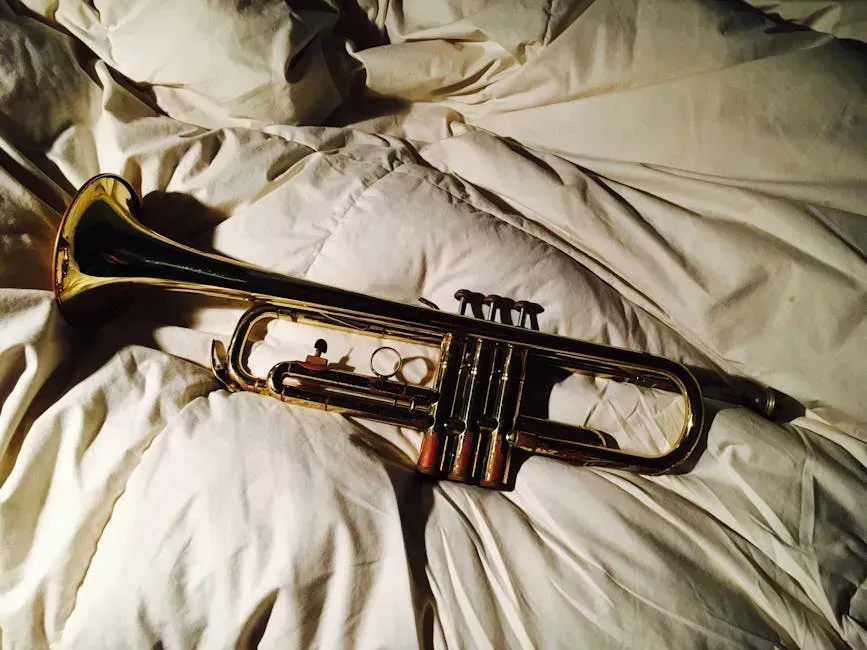
Miles Davis made his opinions on the term “fusion” as a descriptor for this period of his music stingingly clear. Nonetheless, Bitches Brew blended modal jazz with essentially a rock rhythm section to rebirth the former’s position as the wildly influential genre it had always been. What the record does in a headphone environment is something else entirely: it places instruments in a three-dimensional field that genuinely has no clear center.
When audiophiles listen to music, they like to be able to place instruments and voices in an imagined space in their minds – and soundstage is a headphone’s ability to conjure that imaginary space, giving it a sense of dimensionality. Bitches Brew is unusual because it actively resists that placement. Multiple drummers, multiple bass players, and Davis’s horn all coexist in an overlapping sonic field that, through headphones, can feel genuinely disorienting. That disorientation is the point.
8. Billie Eilish – When We All Fall Asleep, Where Do We Go? (2019)

The album was recorded in her brother Finneas’ small studio room. That intimate origin is precisely what makes it so striking through headphones. Finneas mixed it with headphone listeners in mind, crafting an album whose bass design and whispered vocal placement feel designed for close listening at the ear rather than projection across a room. Throughout the production scenes in the documentary, Billie and Finneas referenced their tracks on Audio-Technica ATH-M50X headphones, which have clear, unbiased responses to show you the strong spots in a mix while revealing areas that need attention.
The result is an album where certain sounds seem to appear just centimeters from your ear – or just behind it. The bass on tracks like “bury a friend” has a physical quality on headphones that speakers tend to soften and diffuse. Some albums are performed, mixed, and composed in a way that makes them take better advantage of listening devices, and this is a clear example of intentional headphone-first production. The intimacy can shift quickly into something unsettling.
9. Daft Punk – Random Access Memories (2013)

Recorded largely using live instruments, Random Access Memories is one of the few chart-topping dance albums that facilitates – in fact demands – deeper listening. The album brought in session musicians from various eras of popular music, and the recording was done with exceptional care for dynamic range, which was increasingly rare in an era dominated by loudness-maximized mastering.
Most modern music is mastered for loudness, often at the expense of nuance. Audiophile recordings go the other way – wide dynamic range, room to breathe, and details that catch you off guard. Random Access Memories is precisely that kind of record. Through headphones, the stereo field opens up to reveal the space between instruments – the breath before a vocal, the decay of a guitar chord, the precise moment a synthesizer enters. It has become a staple for many audiophiles alongside albums like Abbey Road and Pet Sounds.
10. Lou Reed – Street Hassle (1978)
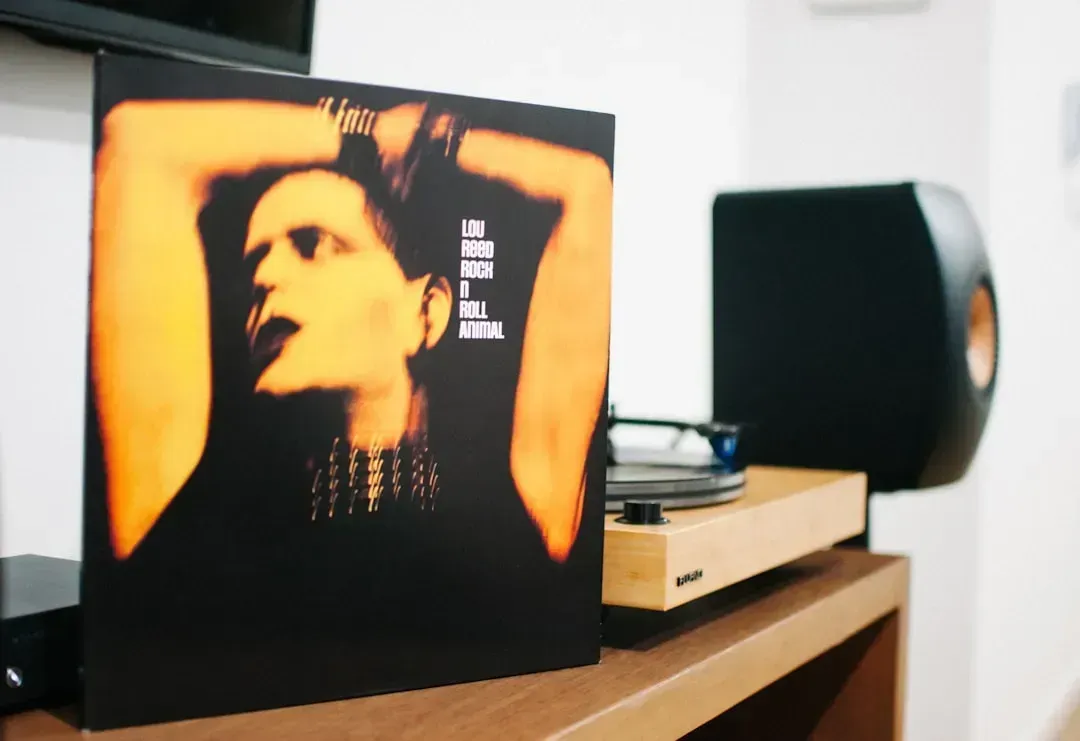
In the late 1970s, Lou Reed and German sound engineer Manfred Schunk made Street Hassle – the first commercial pop album recorded in binaural audio. That distinction makes it historically significant, but the headphone experience it delivers is more than just a novelty. The binaural recording technique places the listener in the acoustic space of the performance rather than behind a conventional stereo mix, and that spatial difference is immediately audible.
Binaural audio technically refers to audio captured in a way that a person would hear the sound exactly as they would in the real world. It really only makes sense to listen to a binaural audio recording with headphones to replicate a specific listening experience. On speakers, Street Hassle sounds somewhat unusual – spatially strange. On headphones, it makes complete sense. Reed’s vocals and the surrounding instrumentation feel genuinely placed around you in a way very few albums from that era achieve.
11. Oneohtrix Point Never – Replica (2011)
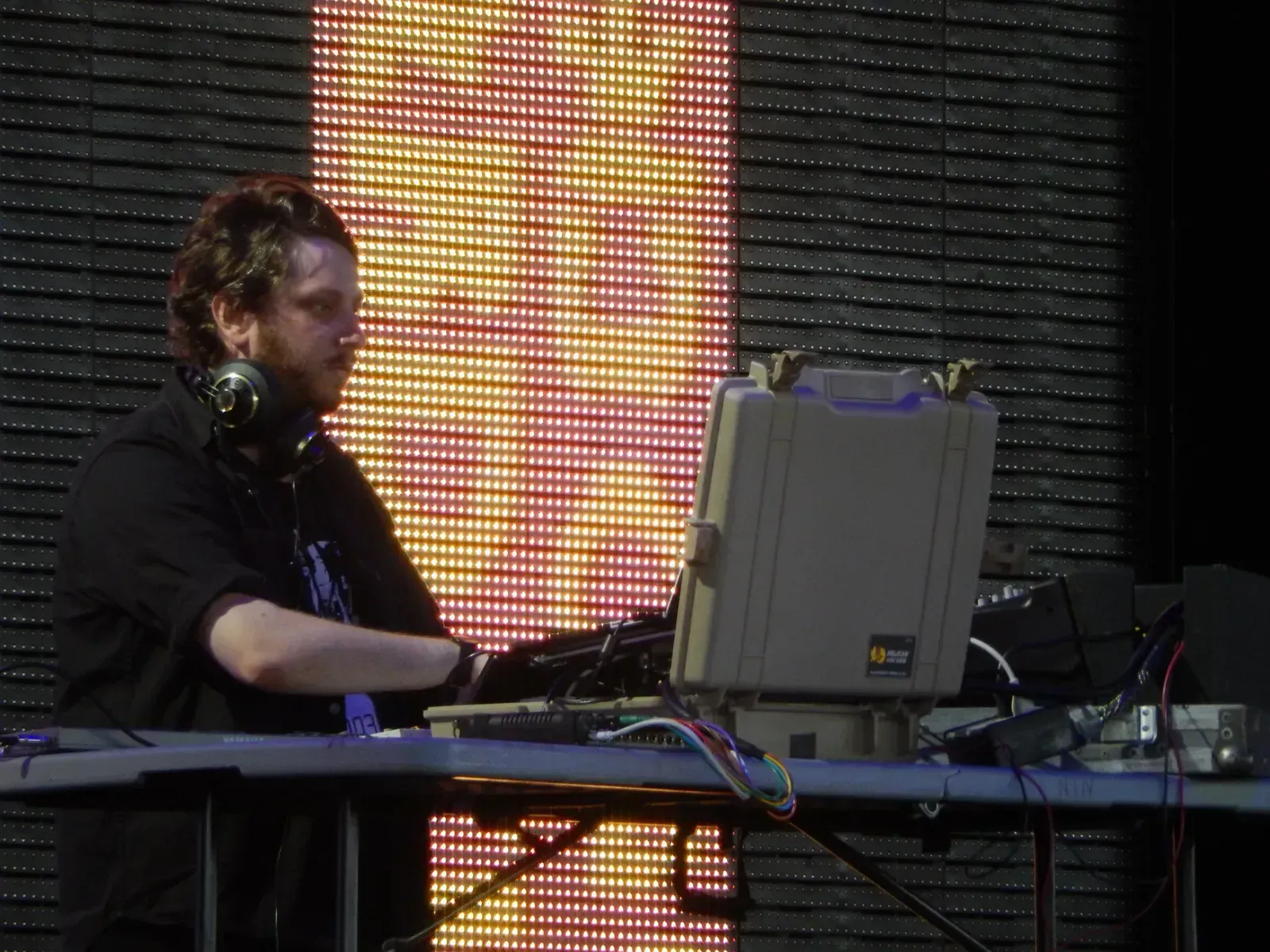
Daniel Lopatin’s Replica is built from a collage of found sounds, decayed samples, and fragmented textures, assembled into something that operates less like conventional music and more like a disrupted field recording. Oneohtrix Point Never builds his work around dense collages of library sounds, blending airy ambience with ghosted vocals and cinematic instrumentals that constantly shift across a colorful aural field. Replica is perhaps the clearest earlier example of that approach – a record that only truly coheres when it has nowhere to go except directly into your ears.
Heard over consumer earbuds, the mix can appear too crowded, omitting the blank space that enhances spaciousness. What makes this kind of work consistently rewarding through proper headphones is listening to specific micro-samples appear and vanish throughout the mix. Replica has that quality in abundance. Sounds surface from silence, linger for a bar or two, then dissolve. Through headphones, the gaps between those sounds carry as much weight as the sounds themselves. It’s the kind of record that can make a quiet apartment feel slightly unfamiliar – which is exactly what it sets out to do.
There’s a practical reason headphones change how albums sound: they bypass the room entirely. Without walls to reflect and diffuse sound, every spatial decision a producer made arrives at your ears intact, unmediated. The best headphones offer a three-dimensional audio experience rather than flat tracks, providing a sense of depth and dimension through the combination of strong soundstage and precise audio imaging. The albums on this list were made by artists who understood – whether consciously or intuitively – that some sonic ideas only fully land when there’s no room in between.
That’s not always comfortable. Overwhelming is sometimes the right word. Still, for albums built on immersion, density, or spatial experimentation, discomfort and discovery tend to arrive together.