
There’s something almost disorienting about looking back at the things that used to make you the envy of the neighborhood. In the ’80s, status could be earned with a boombox, a pair of roller skates, or a pocketful of quarters. The rules were simple. The stakes, at least in hindsight, felt genuinely low.
The funny thing is, most of what passed for “cool” back then would come with a very different emotional weight today. Some of it has aged into charming nostalgia. Some of it would quietly give you a headache. Here are 17 things that once meant you’d made it – and why they might feel a little exhausting now.
1. Carrying a Boombox on Your Shoulder
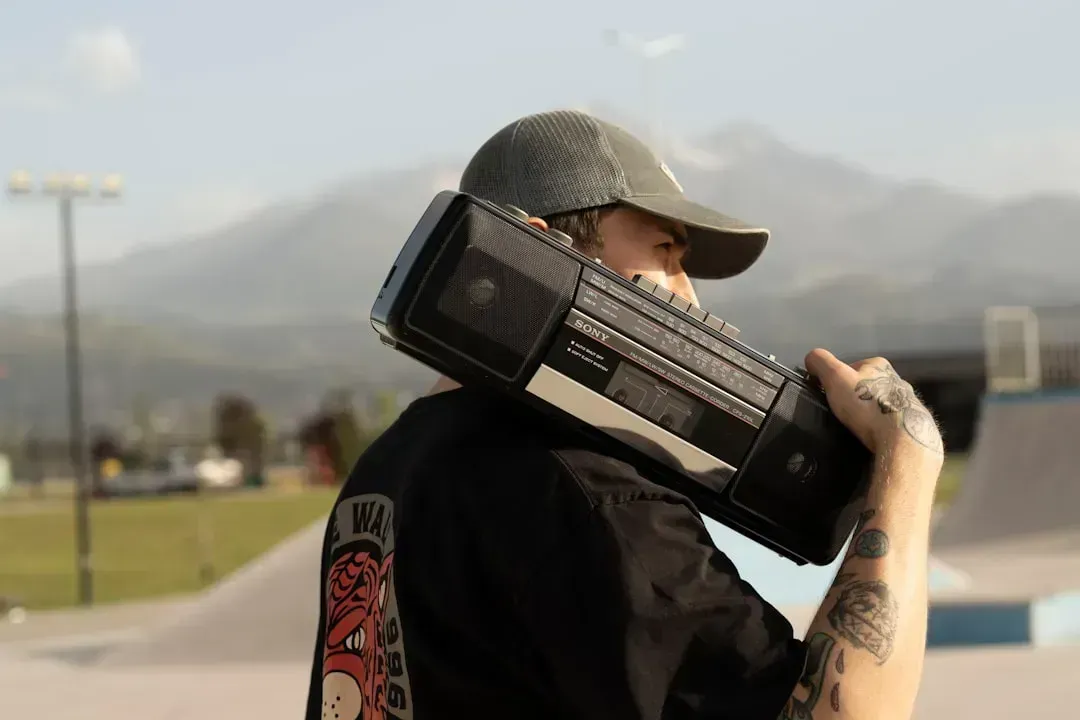
The boombox was more than a music player – it was a cultural icon, the heartbeat of parties, gatherings, and street corners. With its powerful speakers, you could share your music with the world. Carrying one on your shoulder was a statement, a declaration of your musical taste. Back then, that was admired. Today, blasting music in a public space without headphones is a quick way to earn some very pointed looks on the subway.
The physical strain alone is worth considering. Those things weighed several pounds and were designed to be hoisted proudly. In 2026, when everything fits in your pocket and plays through wireless earbuds, the image is more comedic than commanding. The spirit was right, though – music as a social act rather than a solitary one.
2. Having the High Score at the Arcade
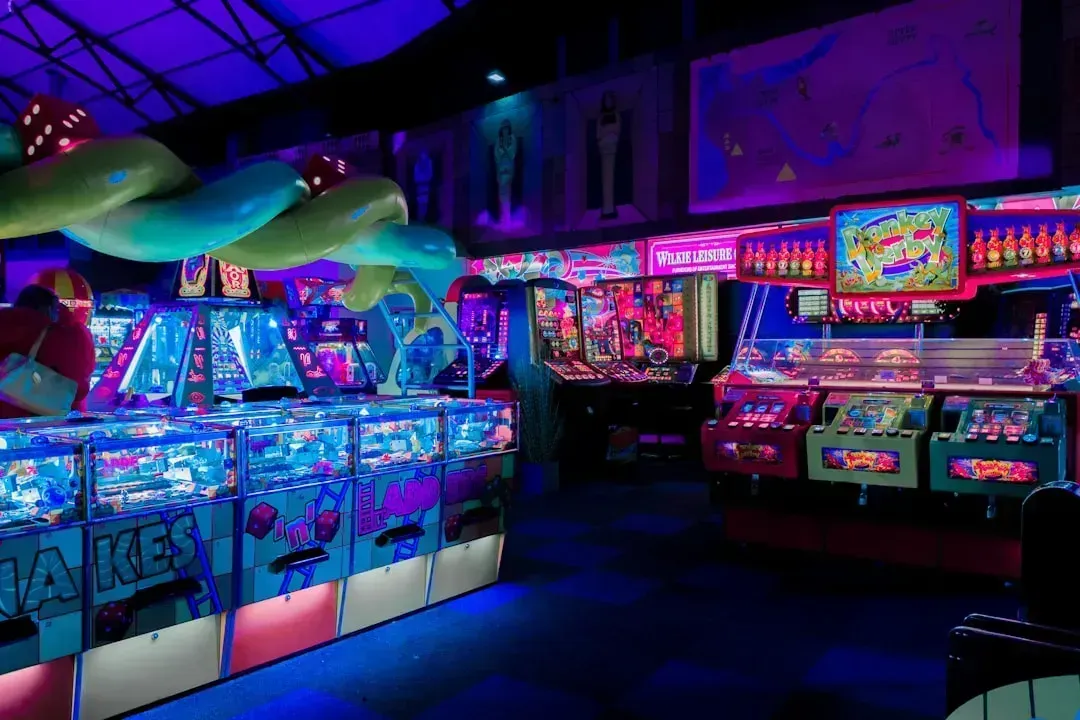
In the 1980s, arcades weren’t just a pastime – they were a cultural phenomenon. Games like Pac-Man, Donkey Kong, and Space Invaders became household names, each offering players a chance to chase high scores and prove their mettle. Getting your initials on the leaderboard was a genuine social achievement. Kids would gather around just to watch.
The cost per game was usually just 25 cents, but the value extended beyond entertainment. Achieving a high score could grant you bragging rights, your initials immortalized on the leaderboard for all to see. Try explaining that kind of pride to someone raised on online leaderboards that refresh every hour. The comparison is almost poignant.
3. Making a Mixtape for Someone
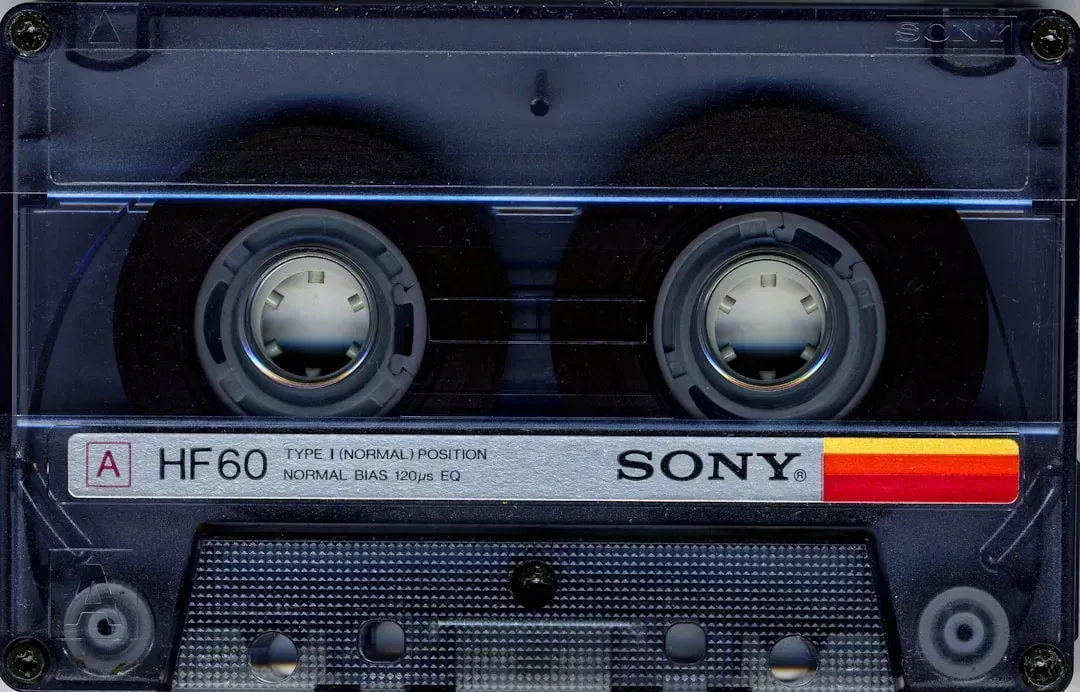
Creating a mixtape was an art form and a true labor of love. There was nothing quite like sitting by the radio, waiting – sometimes for hours – to catch your favorite song so you could press “record” at exactly the right moment. If you got it right, you were a romantic hero. If you fumbled the timing and recorded over the wrong part, you started over.
Mixtapes were the love letters of the ’80s. Making one took time, intention, and a little emotional turmoil. Today, anyone can build a playlist in about ninety seconds. The craftsmanship is gone, which is exactly why the original process felt so meaningful – and why attempting to replicate it now feels both charming and slightly torturous.
4. Wearing a Pager on Your Belt
The pager was the original mobile communication device. It showed the world you were so important, you needed to be reached anytime, anywhere. It first originated in the ’50s and was largely used by doctors and nurses, but eventually, especially during the ’80s, businesspeople started wearing them – and it became a status symbol worn proudly on your belt. Having one in middle school meant you were operating on a different level entirely.
Now, the idea of being reachable at all times carries entirely different connotations. The “always on” culture that the pager quietly seeded has become one of the defining sources of modern work stress. What started as a symbol of importance evolved, over the decades, into something that feels a lot more like a leash.
5. Roller Skating at the Rink Every Weekend
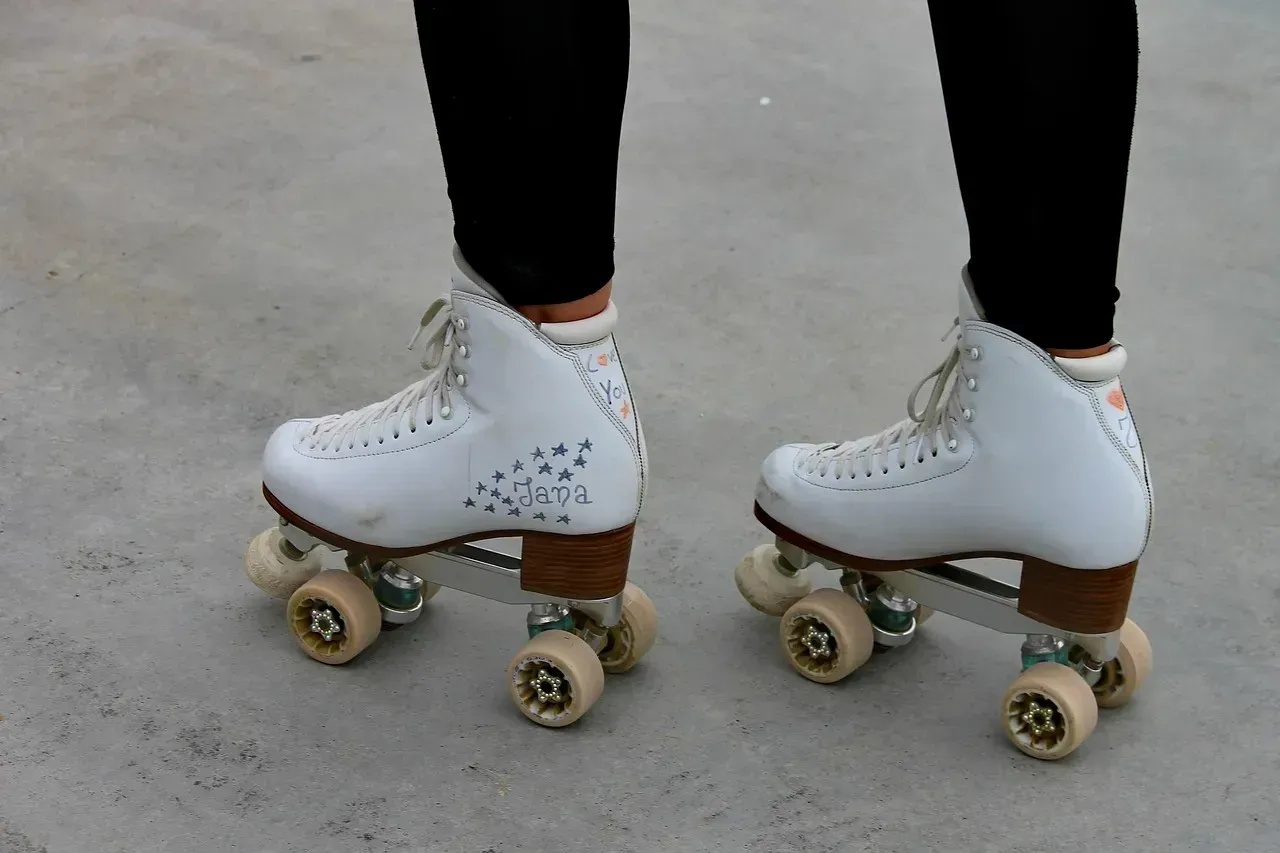
Roller skating was a hugely popular activity in the ’70s and ’80s, with roller rinks being the go-to venues for fun and socializing. The 1980s were a golden era for roller skating. Rinks were packed and skating was more than just a hobby. Showing up on a Friday night with some moves and the right outfit was a legitimate social event.
Going back to a roller rink today as an adult is a different experience. The muscle memory is shakier than you’d expect, the music feels pointed at a much younger audience, and the risk of a serious fall registers in a way it simply didn’t at age eleven. The joy is still real – but so is the awareness of what a wrist fracture means for a work week.
6. Owning the Latest Video Game Console
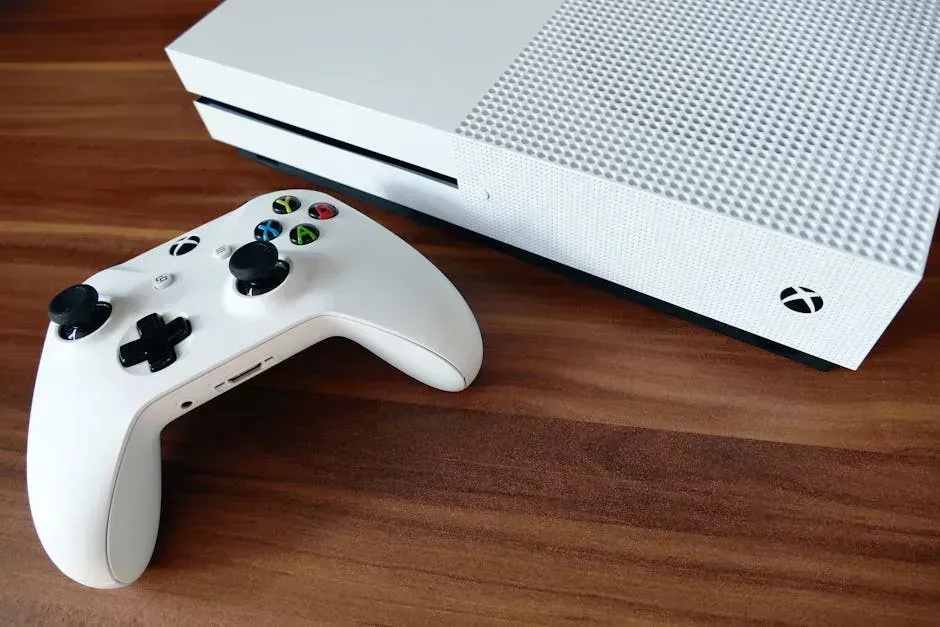
While arcades dominated public spaces, home consoles were steadily rising in popularity, bringing video gaming into living rooms across the world. Notable systems included the Atari 2600, which peaked in the ’80s and served as the cornerstone of many childhood memories, and the Nintendo Entertainment System, which changed the industry in 1985 and brought us enduring classics like Super Mario Bros. and The Legend of Zelda, solidifying Nintendo’s presence as a gaming giant. Having the newest console on launch day was the ultimate flex.
Today, that same competitive drive to be first still exists – but the financial stakes are vastly different. Console launches now involve pre-order queues, scalpers, and price tags that can rival a car payment. The thrill hasn’t entirely disappeared, but it’s wrapped in considerably more adult anxiety than it was when your parents handled the purchase.
7. Big, Heavily Hairsprayed Hair

The ’80s were a decade where fashion wasn’t just clothing, but a loud, proud statement of who you were and what you stood for. It was a time when neon was the new black, and bigger – especially in the hair department – was definitely better. A towering set of curls or a perfectly feathered mane communicated social confidence without saying a word.
Getting that hair to behave took genuine effort and an industrial quantity of aerosol. Recreating it now would mean a significant time investment every morning, environmental guilt about ozone-depleting hairspray volumes, and the mild suspicion that your coworkers might not share your appreciation for the aesthetic. Some things are better admired in yearbook photos.
8. Having a Trapper Keeper Stuffed with Everything

The Trapper Keeper wasn’t just a binder – it was a mobile office for the socially ambitious middle-schooler. The more accessories jammed into it, the better. Sticker collections, note folders, and carefully curated folders signaled organizational mastery and personal brand in equal measure. Kids took the contents of their Trapper Keepers seriously.
Now, that impulse to fill every available space with visual information and physical documents maps fairly directly onto the modern inbox. The Trapper Keeper was, in retrospect, a dry run for the kind of information overload most working adults navigate daily. Back then it felt like control. These days it might just feel familiar in an exhausting way.
9. Watching Friday Night TV in Real Time

As a Gen X kid, you probably remember a time before cell phones, when plans were made by calling your friend’s house and hoping their parents didn’t answer. When Friday nights meant pizza and the TGIF lineup. Catching your favorite shows as they aired – no pausing, no rewinding – required actual scheduling commitment. Missing an episode was a real social liability on Monday morning.
Today, that same synchronized experience barely exists. Streaming has given us complete control over when we watch anything, which sounds freeing until you realize it also means there’s no shared cultural moment anymore. The mild stress of appointment television in the ’80s came bundled with a kind of collective experience that’s genuinely hard to replicate now.
10. Owning a Sony Walkman
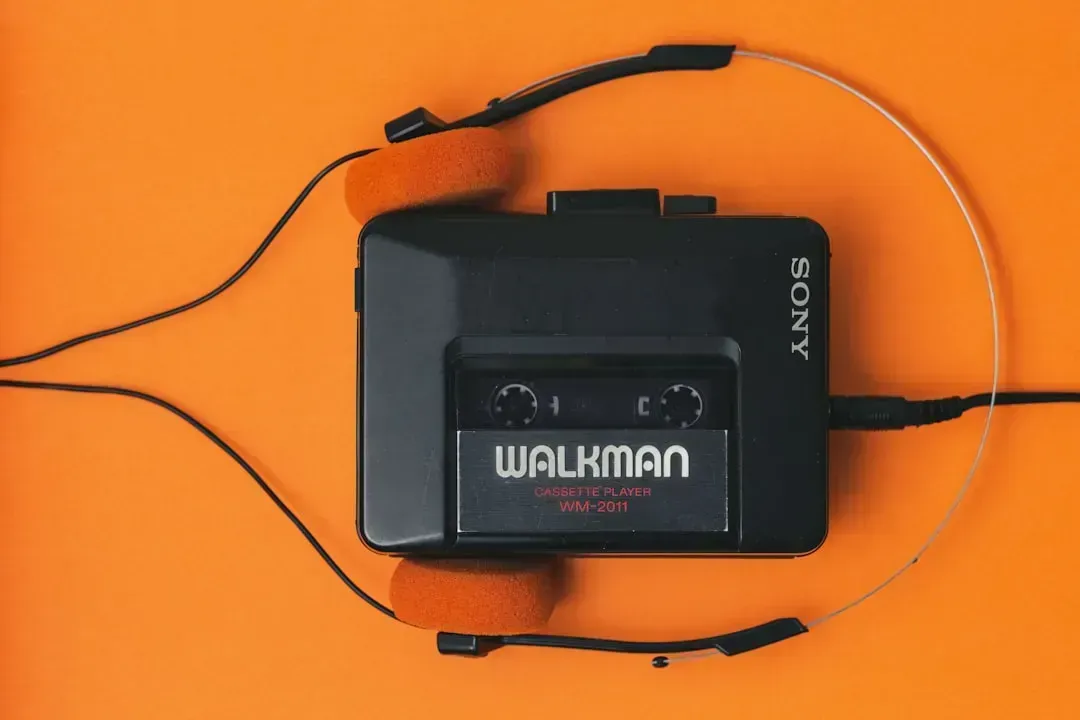
The Walkman was a revolution in personal audio. For the first time, you could take your music with you wherever you went. It was the perfect companion for joggers, commuters, and anyone who wanted a personal soundtrack. The headphones were iconic, and the ability to play your mixtapes was liberating. Walking down the street with one was a quiet statement of modernity.
The Walkman required full commitment. You had one album, maybe two if you packed an extra tape. The limited choice was actually a kind of freedom – no decision fatigue, no algorithm nudging you toward something else. In 2026, having access to virtually all recorded music at any moment should feel better than that. Somehow it doesn’t, always.
11. Calling Your Friends on the Home Phone (And Tying Up the Line)

As a Gen X kid, you probably remember a time before cell phones, when plans were made by calling your friend’s house and hoping their parents didn’t answer. If you got your friend directly, that was already a small victory. Talking for an hour while the rest of the house waited for the phone was a mark of social importance.
The total absence of contact anxiety was the remarkable part. Nobody expected an immediate reply. Nobody could see your status. You called, maybe reached someone, maybe didn’t, and life continued. The modern equivalent – being available across multiple platforms simultaneously and expected to respond quickly – is a genuinely different kind of pressure wearing the same basic clothing.
12. Collecting the Right Accessories – Slap Bracelets, Jelly Shoes, and All
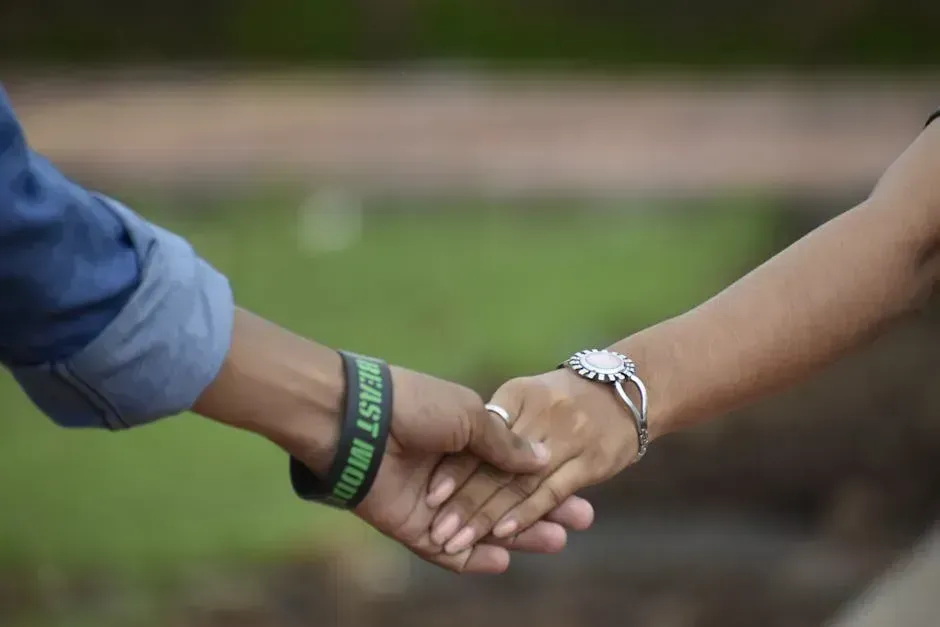
Slap bracelets were one of the most exciting accessories a kid could have. There was something almost magical about taking a flat, colorful strip, slapping it against your wrist, and watching it wrap around perfectly. They came in every pattern and color imaginable, from neon animal prints to sparkly metallic. Your collection told people exactly how tuned-in you were.
Trading them with friends was practically a rite of passage, and having a collection on your arm made you feel like the coolest kid around. Part of their charm was also the sense of rebellion they carried. For a while, slap bracelets were even banned in schools because teachers thought they were distracting, or even dangerous. That a rubber bracelet could feel genuinely subversive says something charming about the era’s stakes.
13. Staying Out Until the Streetlights Came On
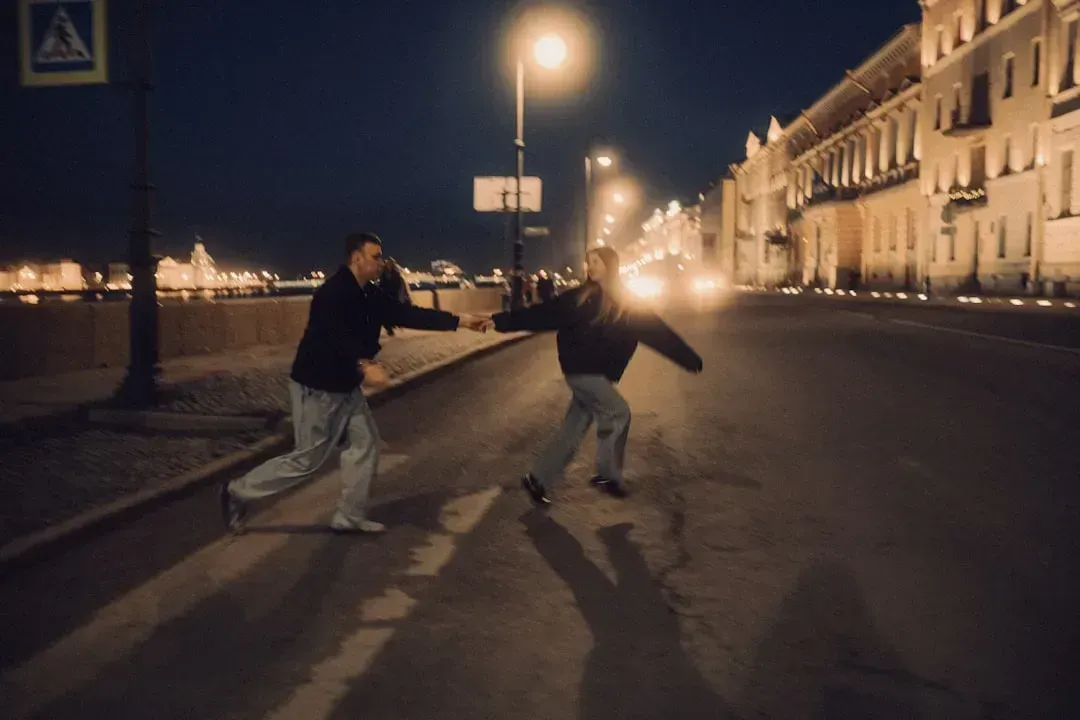
As kids, we played outside until the streetlights came on. That was the rule, and it was enforced by nothing more than ambient light and a vague awareness of dinner. The freedom was real, and it came with almost zero adult supervision by contemporary standards. Spending eight hours outside without checking in was simply called “a Tuesday.”
Parenting culture has shifted enough that the same laissez-faire approach now requires a conscious, almost countercultural effort. Parents today can feel genuine social pressure around supervision norms that didn’t exist in the same form four decades ago. The freedom was effortless then. Recreating it now takes deliberate intention – and occasionally the courage to ignore what the neighbors might think.
14. Rewinding VHS Tapes
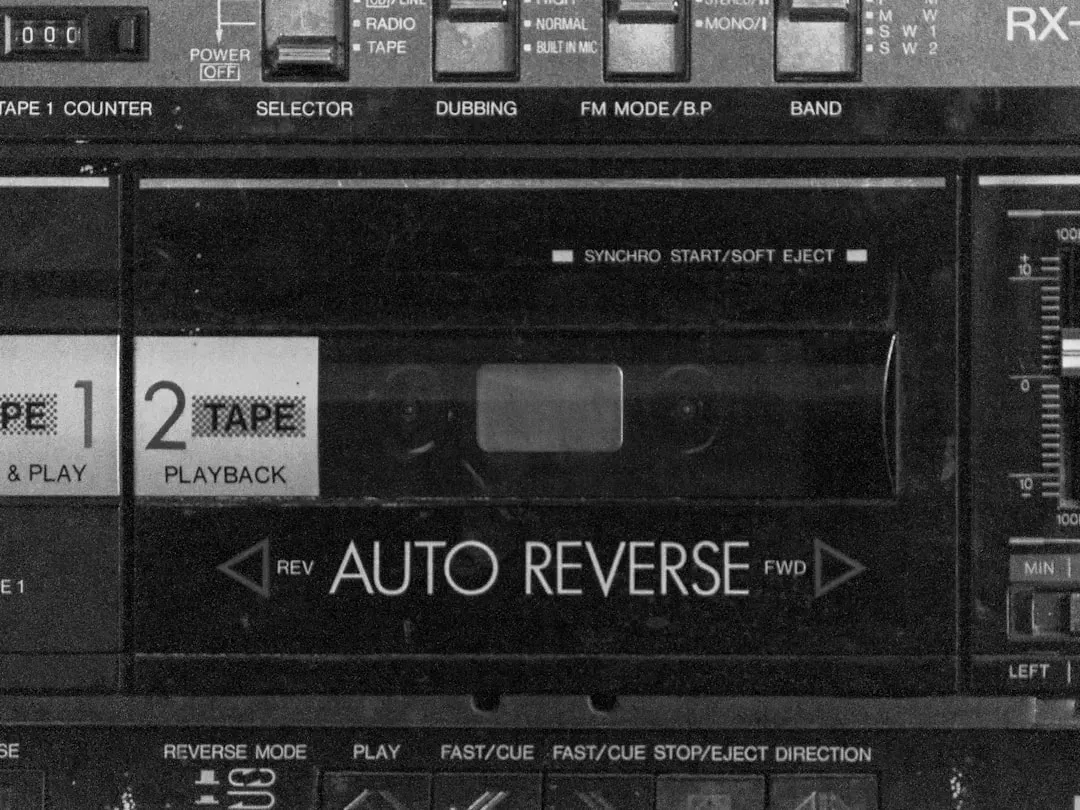
Before the digital revolution, VHS tapes were the primary medium for watching movies and recording television shows. The excitement of renting a VHS tape from the local video store and the frustration of rewinding them are nostalgic experiences for many. DVDs and streaming services have since replaced VHS tapes, and although some collectors still cherish them, they are no longer part of everyday life.
Having a well-maintained VHS collection, carefully rewound and labeled, was a form of cultural currency. It meant you had taste, and you respected the rental agreement. Today, the closest equivalent is managing an overflowing streaming watchlist – dozens of things saved and never watched, each one generating a low hum of obligation. The VHS era, for all its limitations, kept things tidier by default.
15. Neon Everything – The Brighter, the Better
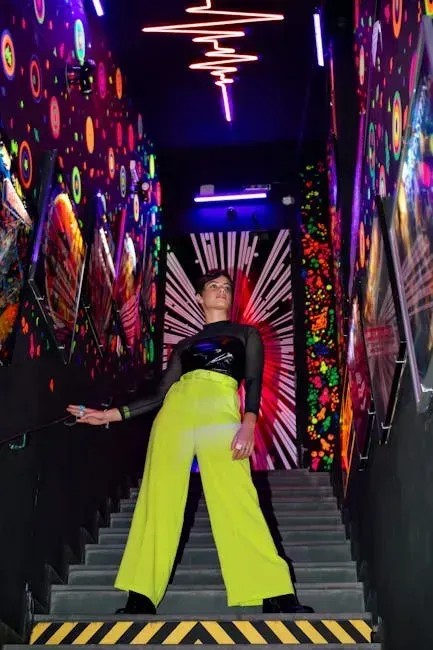
The ’80s was a fun time for fashion, with bright colors, graphic tees, and playful accessories as the norm. Today, these styles make for adorable and nostalgic wear. Wearing the loudest outfit in the room wasn’t a cry for help – it was the point. Visibility was social currency, and restraint was quietly suspicious.
There’s something genuinely liberating about that philosophy. The exhausting part, revisiting it as an adult, is that fashion confidence at age ten required no real effort. You just put it on. Now, assembling a deliberately bold look involves navigating a much more complicated internal conversation about age, context, and what the office dress code technically permits. The neon is still out there. The breezy confidence is the trickier ingredient.
16. Trading and Collecting Sports Cards
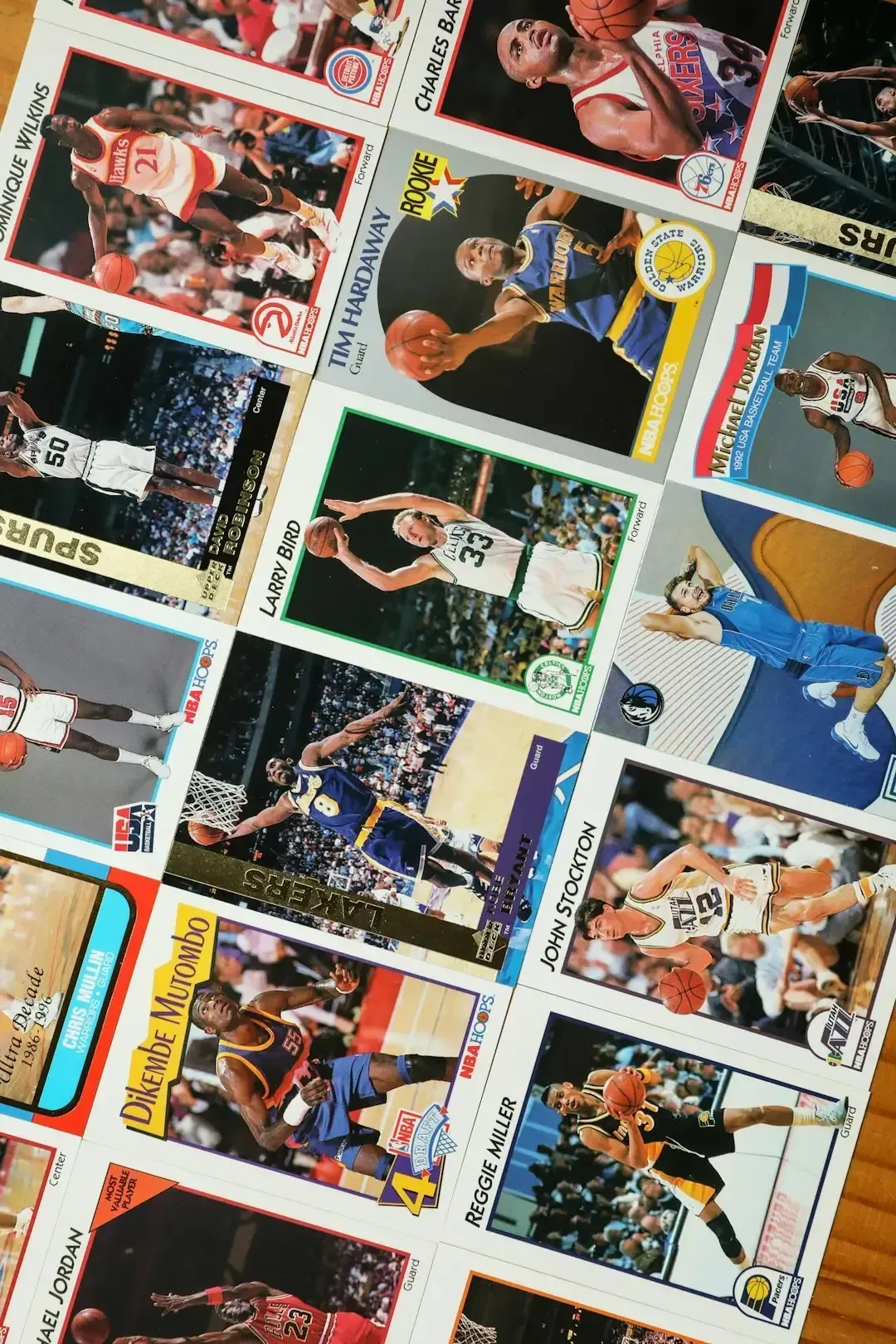
Sports card trading was a fully operational childhood economy. You knew your collection’s value, you knew who had the cards you needed, and negotiating a deal on the playground was considered excellent social training. A rare rookie card in mint condition could elevate your standing in ways that felt genuinely meaningful at the time.
The hobby has made a dramatic return in recent years, but the stakes have changed considerably. What was once a low-cost, high-pleasure pastime now involves grading services, authentication companies, sealed boxes priced in the hundreds of dollars, and a speculative market that can swing dramatically. The fun is still accessible – but so is real financial loss, which was decidedly not part of the original elementary school experience.
17. Being the Kid Who Knew Everything About a New Band First
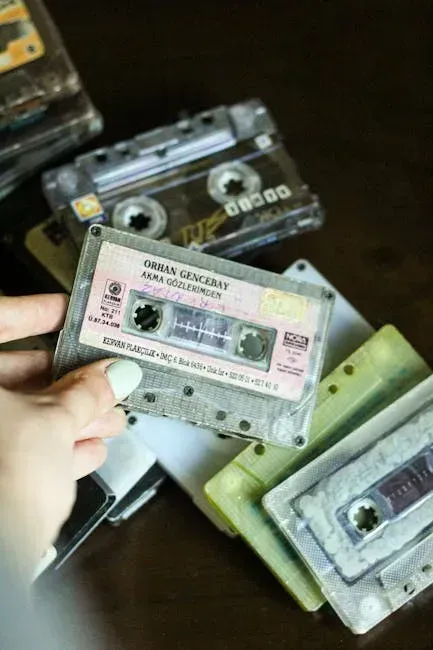
Today’s nostalgia for classic cassette tapes puts heavy emphasis on mixtapes. However, those who lived through the era know that the format itself was incredibly versatile – it was about more than just music. Being the first to know about a band, to have their tape before anyone else, and to evangelize their sound across the lunch table was a form of genuine cultural authority that’s very hard to replicate now.
In 2026, new music arrives everywhere simultaneously. Algorithms surface it before word-of-mouth has a chance to travel. The slow, organic discovery of a band through a friend’s hand-copied tape has been replaced by recommendation engines that are efficient and entirely impersonal. The kid who stayed up late listening to the radio just to catch something new was building something – a taste, an identity, a sense of being ahead. That particular flavor of cool required patience, and patience was something the ’80s had in abundance.
None of this is meant to suggest the ’80s were a simpler or better time in any absolute sense. The world was genuinely more complicated in ways that didn’t make it onto anyone’s list of cool things to collect. Still, there’s something worth noticing in how many of the era’s markers of status were rooted in physical presence, patience, and genuine scarcity. The things that made you cool back then required showing up, waiting, and committing. The adult version of that tradeoff – constant access without the satisfaction of earning it – is, perhaps, the real reason nostalgic feelings help counteract periods of great stress, anxiety, and loneliness. We’re not missing the cassettes. We’re missing the pace.