Most people arrive at an airport thinking their outfit is the least of their worries. Boarding pass, ID, carry-on – that’s the checklist. What rarely makes the list is whether your clothes are about to become someone else’s problem at the security checkpoint.
The thing is, what you wear directly affects how long everyone behind you waits. Belts with big buckles, stacked jewelry, heavy boots, and layered jackets still trigger alarms, even when the traveler isn’t doing anything wrong – and many people dress for comfort without thinking about how metal and bulk behave in a scanner, then act surprised when they get pulled aside for a second check. Before your next flight, it’s worth knowing which wardrobe choices consistently slow things down for everyone in line.
1. Heavy Metal Belts
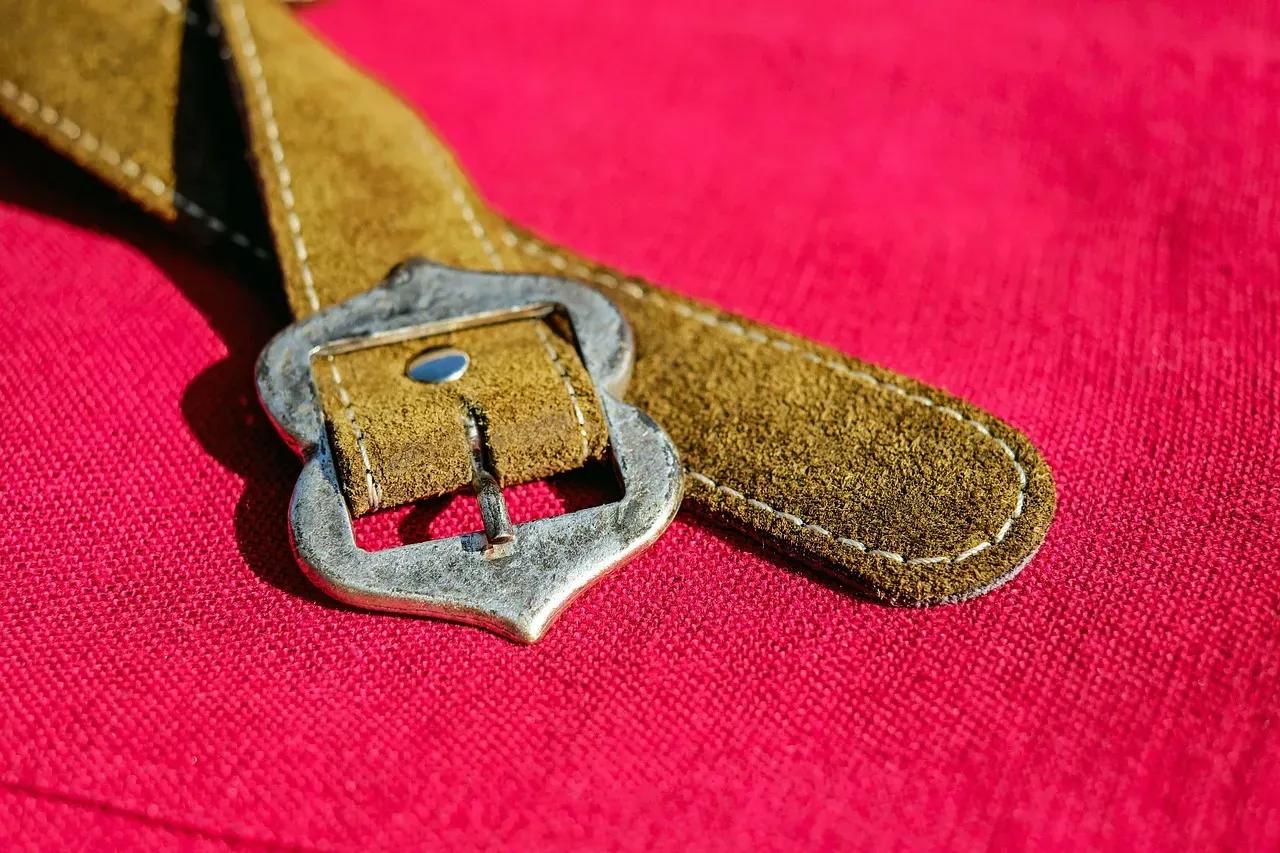
Most flyers must remove their belts before walking through metal detectors, since the vast majority of belts have metal clasps. It’s best to choose a belt-free outfit or be prepared to remove your belt if you want to wear one. The delay sounds minor, but fumbling with a tight belt while a dozen people wait behind you adds up fast, especially during peak morning departures.
Belt buckles can easily cause issues, and most TSA rules and regulations require you to remove them anyway. If you want to be a travel pro, choose a belt-free outfit – or at least preemptively remove your belt and put it in the bin with your phone and wallet. Simple fabric or elastic waistbands are genuinely underrated for travel days.
2. Chunky or Statement Jewelry

Any jewelry with cheaper metal that’s magnetic “is going to be a nuisance at TSA by setting off the metal detector.” Your wedding band and other fine jewelry should go through security just fine, but “big statement necklaces, belt buckles and other costume jewelry are going to be asked to be taken off and placed in one of those small circular bins.” Each extra item means another bin, another wait, and another moment of awkward tray-juggling.
Large metal bracelets and necklaces will set off the metal detector. A particularly problematic item is the Cartier Love bracelet, which can only be removed with a screwdriver, making it a genuine issue when going through security. It might be wise to put your jewelry on after screening to avoid a pat-down. That’s a detail most people don’t find out until they’re already in the scanner.
3. Boots With Complicated Laces or Straps
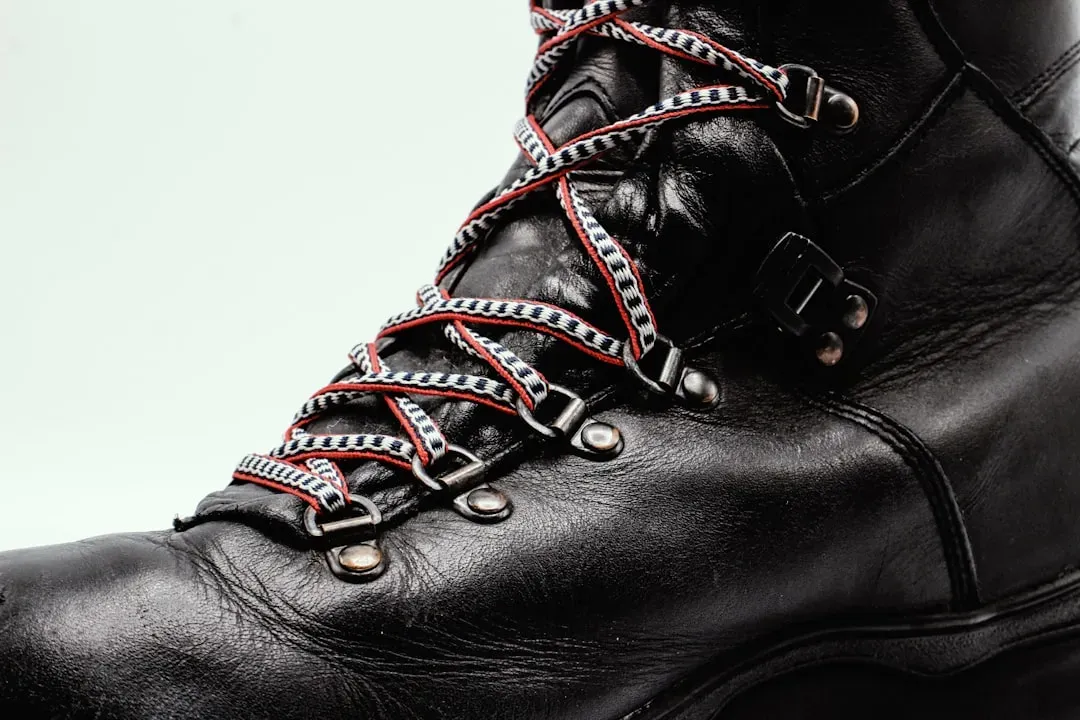
Shoes should be easy to take on and off. Boots with tons of laces or straps that require extra attention slow things down on both sides of the security line. Slip-on shoes – anything you can remove without requiring the use of both hands – are strongly preferred. The security belt keeps moving regardless of how long it takes you to unlace your footwear.
Shoes that lace up your calf will slow you down. Slip-on shoes are simply best. High heels are also worth reconsidering, since these usually have metal in them and will alert the metal detector. When you combine hard-to-remove shoes with a long queue, the frustration becomes collective very quickly.
4. Oversized or Bulky Outer Clothing

Bulky clothing is defined as a garment that is very loose or doesn’t conform to the contour of the person. Examples include but are not limited to oversize pullover hoodies, large sweaters, cardigans, and ponchos. These items can conceal contours that scanners are designed to read clearly, which means they often trigger a closer look.
Clothes with excessive fur, volume, or unusual materials may set off the scanner or require searches from TSA agents. Wearing bulky or especially oversized clothing – whether to be avant-garde or super comfortable – can look suspicious to TSA and lead to a pat-down. A pat-down takes considerably longer than a standard scan, and the line behind you feels every second of it.
5. Sequined or Glittery Outfits

The TSA has advised holiday travelers to skip sparkly sweaters and sequined outfits at airport security checkpoints, as glittery clothing can trigger extra screening. With airports often especially busy, the message is meant to help travelers move through security more smoothly and avoid unnecessary delays. The metallic threads woven into many sequined garments are exactly the kind of material that gives scanners pause.
TSA guidance states that you should avoid wearing clothes, shoes, and jewelry with high metal content. Passengers can reduce the risk of setting off an alarm by removing all items from their pockets to avoid a pat-down screening at airports. A festive sweater is a fine fashion choice – just not one the security checkpoint will appreciate.
6. Cargo Pants With Too Many Pockets
Cargo pants and shorts are considered one of the most difficult items of clothing at the airport. All the different pockets become a major hassle because they almost always set off the alarm. The problem isn’t the pants themselves – it’s that people consistently forget what’s buried in those extra pockets until they’re already through the scanner.
When being told by an officer to remove everything from your pockets, there is always a lighter or set of keys forgotten in a hidden pocket. While cargo pants may be trendy, experts suggest taking them out of your airport outfit, as the excessive pockets can also lead to suspicion. Fewer pockets genuinely means faster processing for you and for everyone waiting behind you.
7. Baggy or Loose-Fitting Clothing
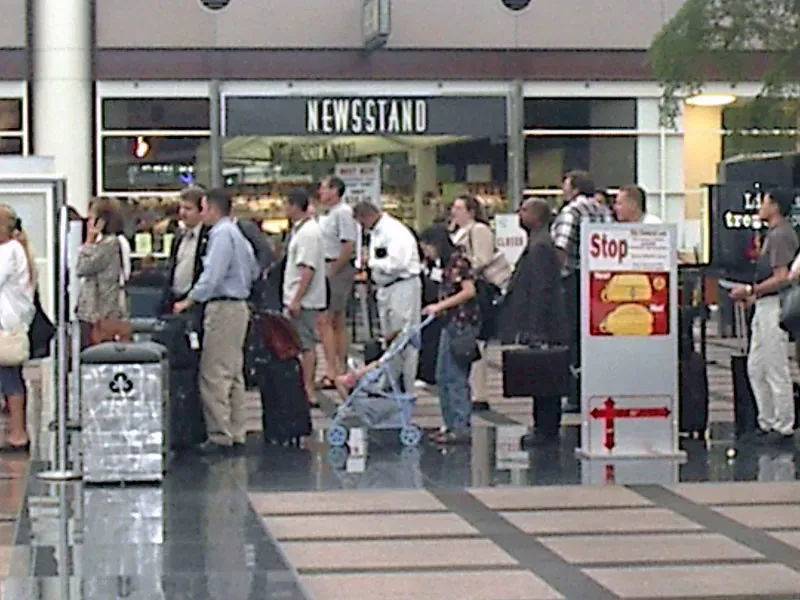
While baggy clothing isn’t prohibited, TSA rules and regulations may require extra screening if they cannot clearly confirm you are safe to travel. Baggy clothing can include low-hanging pants, flowy skirts, heavy sweaters or sweatshirts, and loose dresses – things that could allow travelers to conceal prohibited items. Airport security may need to conduct a pat-down inspection if your clothes are too loose and they suspect you may be hiding prohibited items.
Persons wearing loose-fitting or bulky garments may undergo additional security screening, which may include a pat-down. A pat-down will be conducted by a TSA officer of the same sex. That’s an extra few minutes for you and a shuffling, sighing queue for the people behind you. It’s not intentional disruption – but the result is the same.
8. Heated or Tech-Embedded Clothing
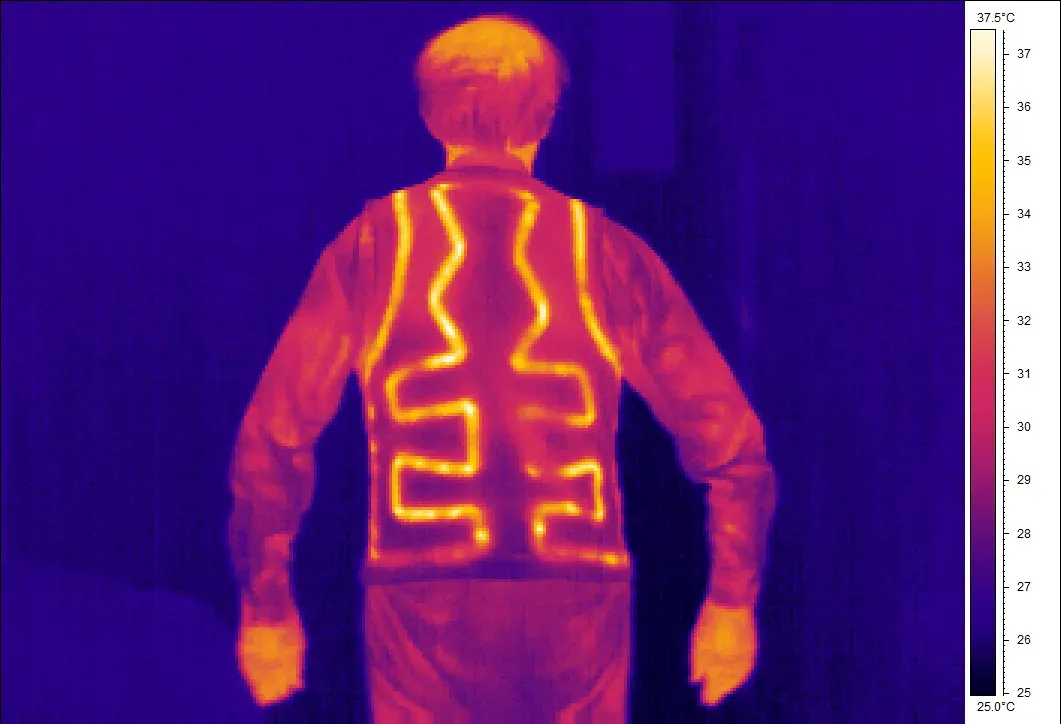
Heated coats, vests, and socks are gaining in popularity, and while they may be tempting to wear for your flight, they are more likely to be flagged as you go through security. If you wear heated clothing, remove the battery pack before screening and keep it in your carry-on, since lithium batteries are not allowed in checked bags. The combination of wiring, battery packs, and unusual heat signatures is essentially a guaranteed second look from screeners.
In 2025, the same scrutiny applied to laptops often extended to drones, VR headsets, and gaming consoles – anything bulky with batteries and wires may trigger additional checks. Wearable tech sits right in the same category. If your jacket has a USB port and an internal battery, treat it like a laptop and remove it before the checkpoint.
9. Offensive or Provocative Printed Clothing

Offensive clothing may get you kicked off a plane, and it could also draw extra attention from TSA agents, though it’s more likely that airline staff will ban you from flying due to inappropriate or offensive clothing. Stories of flyers being prohibited from planes due to poor wardrobe choices abound, and for most of them, the trouble occurred after they had made it through the screening process. Still, agents may pull you aside for additional screening if they perceive a threatening or questionable message on your T-shirt.
You don’t want to wear any clothes with offensive or threatening material – while the TSA may let you through, you could be denied boarding by an airline. Beyond your own travel plans, a confrontation or boarding dispute at the gate backs up the entire departure process for fellow passengers who did nothing wrong. The practical advice is simple: if you wouldn’t wear it to a family-friendly restaurant, don’t wear it for air travel.
10. Revealing or Minimal Clothing That Requires Awkward Screening
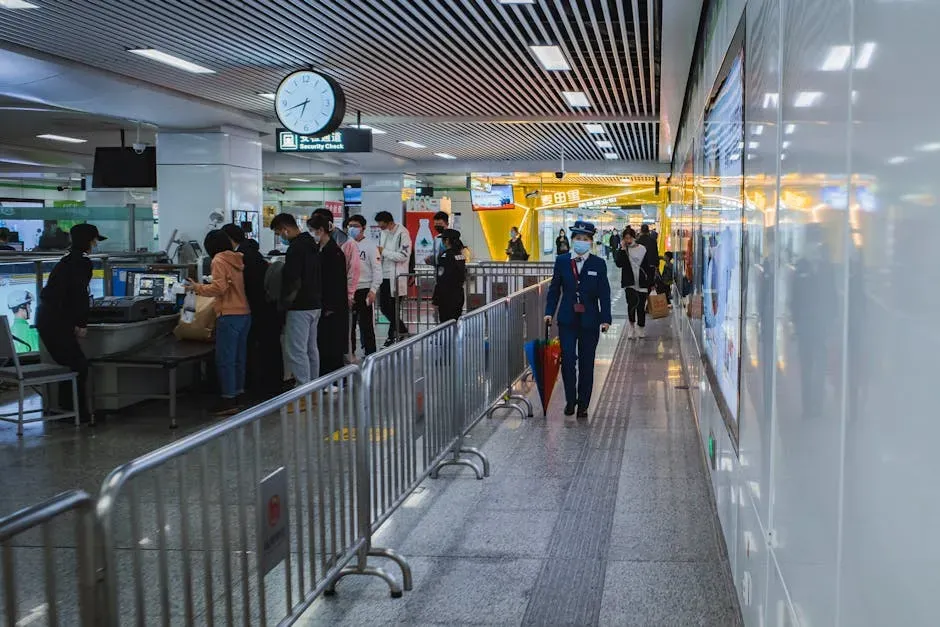
If you choose to wear a sweatshirt to the airport, remember to add a shirt underneath. If you’re wearing something skimpy under your jacket – like a bralette top under a blazer – TSA might ask you to take off the blazer, which makes you rather exposed while in line. Experts suggest layering with a more conservative top to avoid feeling uncovered and too revealing. The discomfort ripples outward – screening slows down, the agent has to make judgment calls, and everyone standing nearby becomes part of an uncomfortable situation.
Be prepared for a possible TSA pat-down if the machine is triggered, often by bulky clothing or forgotten metal items. When clothing choices make that pat-down more likely – or more drawn-out – the whole checkpoint feels the friction. The simplest outfit moves through fastest: minimal metal, easy layers, shoes that don’t require a wrestling match. When the line is long, clothing becomes a time choice, not just a style choice.
None of this is about policing how anyone looks or dresses. The airport is one of those rare environments where what you wear has a direct, measurable impact on the experience of dozens of strangers standing nearby. A few small wardrobe decisions made at home can mean the difference between a smooth checkpoint and a bottleneck that throws off gate timings for everyone downstream. Travel thoughtfully, and the ripple effect tends to be a good one.