Most people would barely blink at a penny sitting at the bottom of a coat pocket. Drop it in a jar, toss it in a tip cup, or hand it to a cashier without a second thought. That instinct is completely understandable, and for the vast majority of modern pennies it causes no real harm. Wheat pennies, though, are a different story entirely.
Lincoln Wheat Pennies were minted from 1909 to 1958 and are among the most iconic and widely collected coins in U.S. history. More than just small change, these coins hold tremendous historical and monetary value, with certain rare issues fetching thousands of dollars at auctions. Spending one without checking it first is the kind of mistake that coin experts have seen happen far too often.
The End of the Penny Makes Every Old Cent More Important
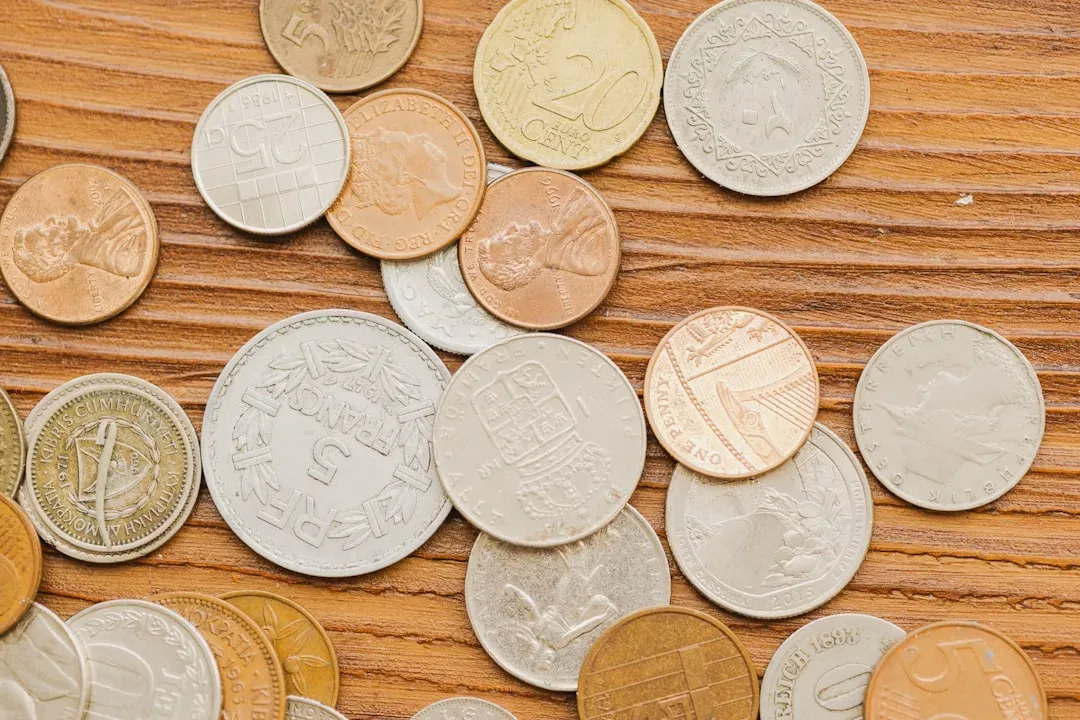
Starting in 2026, the U.S. Mint is no longer producing pennies for everyday use due to rising costs and their decreasing role in modern transactions. Over the past ten years, the total production cost of the penny rose from 1.3 cents to 3.69 cents per penny, with those costs including materials, facilities, and overhead. The U.S. Mint projects an immediate annual savings of $56 million by stopping penny production.
The estimated 114 billion pennies already in circulation will continue to be used and accepted, but their numbers will only slowly decline as they are lost, damaged, or absorbed back into the banking system. With no new circulating pennies entering the supply, the old ones, including any wheat pennies still floating around, become a shrinking and increasingly interesting pool. Numismatists are paying close attention.
What Exactly Is a Wheat Penny, and Why Does It Matter?
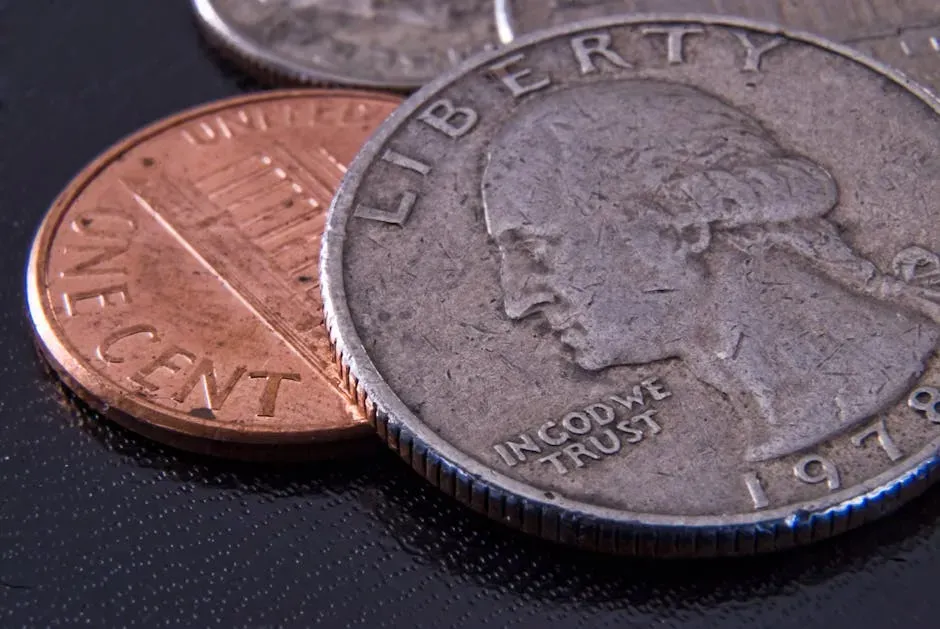
The distinctive reverse design of the wheat penny features two wheat stalks framing the words “ONE CENT,” making them instantly recognizable. The Wheat penny was first minted in 1909 to honor the centennial of Abraham Lincoln’s birth. Designed by Victor David Brenner, it featured the image of Abraham Lincoln on the front side, which was the first time a U.S. president appeared on circulating coinage.
Collectors are drawn to Wheat pennies for their historical significance, unique reverse design, and the wide range of rarities across the series from 1909 to 1958. Their combination of beauty, rarity, and minting process history ensures they remain staples in every serious coin collection today. That appeal is not purely nostalgic. It translates directly into real market demand and real dollars.
Most Are Worth More Than a Cent, Even Common Ones
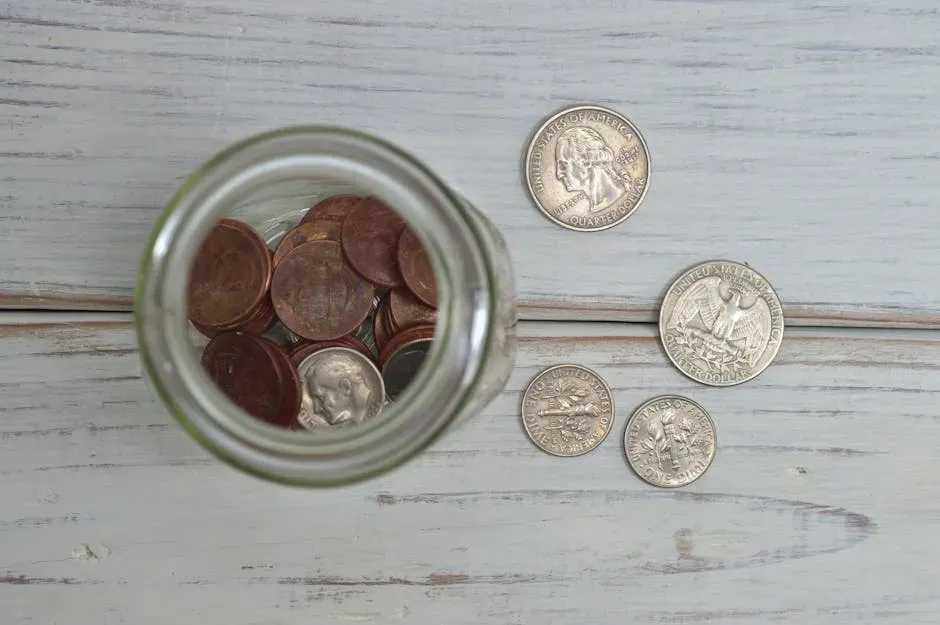
Most circulated Wheat cents found in pocket change or bulk collections are worth only a few cents to perhaps 25 cents each. However, high-grade survivors, especially with sharp details and original luster, can bring several dollars. Collectors often pay premiums for nicely preserved rolls or uncirculated examples.
The current Wheat penny market is being shaped by a combination of collector nostalgia, limited surviving high-grade examples, and increasing global demand. Key dates and well-known error varieties continue to perform strongly at auction, especially in certified Mint State condition. As more collectors compete for top-population coins, prices for premium pieces tend to rise faster than average examples. Spending even a “common” wheat penny in fine condition means losing a coin worth several multiples of its face value.
The 1909-S VDB: The Holy Grail Hiding in Plain Sight
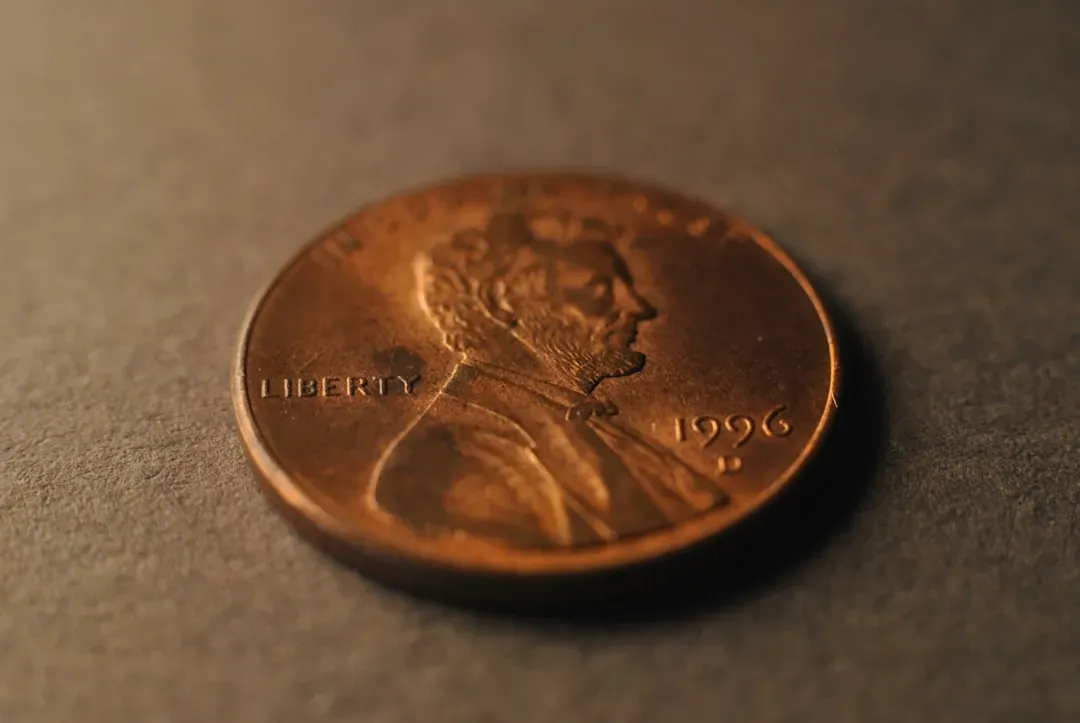
The 1909-S VDB Lincoln cent is considered to be a key date for the Lincoln cent series due to its low mintage of only 484,000. The San Francisco Mint struck only 484,000 1909-S Lincoln wheat pennies with the VDB initials, and the limited mintage sparked immediate interest among collectors who rushed to hoard these rare coins. Today, 1909-S VDB wheat pennies are extremely scarce, particularly in circulated condition, due to that early hoarding.
Even in worn grades, the 1909-S VDB commands $950 to $1,300. The record sale came in at $168,000 in MS67 Red at Stack’s Bowers in 2022. With only 484,000 struck before production was halted, the 1909-S VDB has been the series’ premier key date for over a century. To identify one, look for the “S” mintmark below the date on the obverse, and check the reverse for “V.D.B.” centered at the bottom near the rim below the wheat stalks.
The 1943 Copper Penny: A Wartime Accident Worth a Fortune
During World War II, pennies were made from zinc-coated steel rather than copper. A few coins slipped through and were made using bronze planchets. Because so few were made, these pennies are extraordinarily valuable. Experts generally agree that the number of 1943 Lincoln Wheat pennies struck in copper is likely less than 20.
A 1943-D bronze cent in MS64 grade sold for a staggering $840,000 at auction in 2021. The simple field test is straightforward: to test if your 1943 cent is steel, hold a magnet near it. Steel cents will stick. Copper cents won’t. If your 1943 cent doesn’t stick to a magnet, have it authenticated immediately by PCGS or NGC. This is one coin you absolutely do not want to spend by accident.
Error Coins: The Accidental Treasures That Fuel Big Prices
Double die coins result from an error during the production of the dies from which coins are struck. The dies usually have to be struck several times to capture every detail of the design, and if there’s any movement between strikes, a double image will be left on the die. That double image is then transferred onto the coins struck by that die.
The 1955 Doubled Die is arguably the most famous doubled die coin in U.S. history. The doubling on the obverse, visible on “LIBERTY,” “IN GOD WE TRUST,” and the date, is dramatic enough to see without magnification. Approximately 20,000 to 24,000 are estimated to exist, making it rare enough to command serious prices but obtainable for dedicated collectors. Many coin collectors want an example of this error in their collection and won’t mind paying $1,500 or more for a specimen in Very Fine or better condition.
Counterfeits Are Everywhere for the Most Valuable Dates
The 1914-D is the scarcest Denver Mint Lincoln Cent and is heavily counterfeited. Altered 1944-D coins with the first “4” shaved to resemble a “1” are common, and authentication is essential. The 1909-S VDB, being the most valuable of the four 1909 varieties, is unfortunately also the most frequently counterfeited.
Independent grading by respected services like PCGS and NGC provides unbiased confirmation of a coin’s grade and authenticity. Certified coins often sell more quickly and for higher prices than raw examples, particularly when encapsulated in tamper-proof holders. If you find a wheat penny that looks like it could be a key date, the smart move is to get it authenticated before doing anything else. The cost of a professional appraisal is trivial compared to what you might otherwise lose.
Condition Affects Value More Than Most People Realize
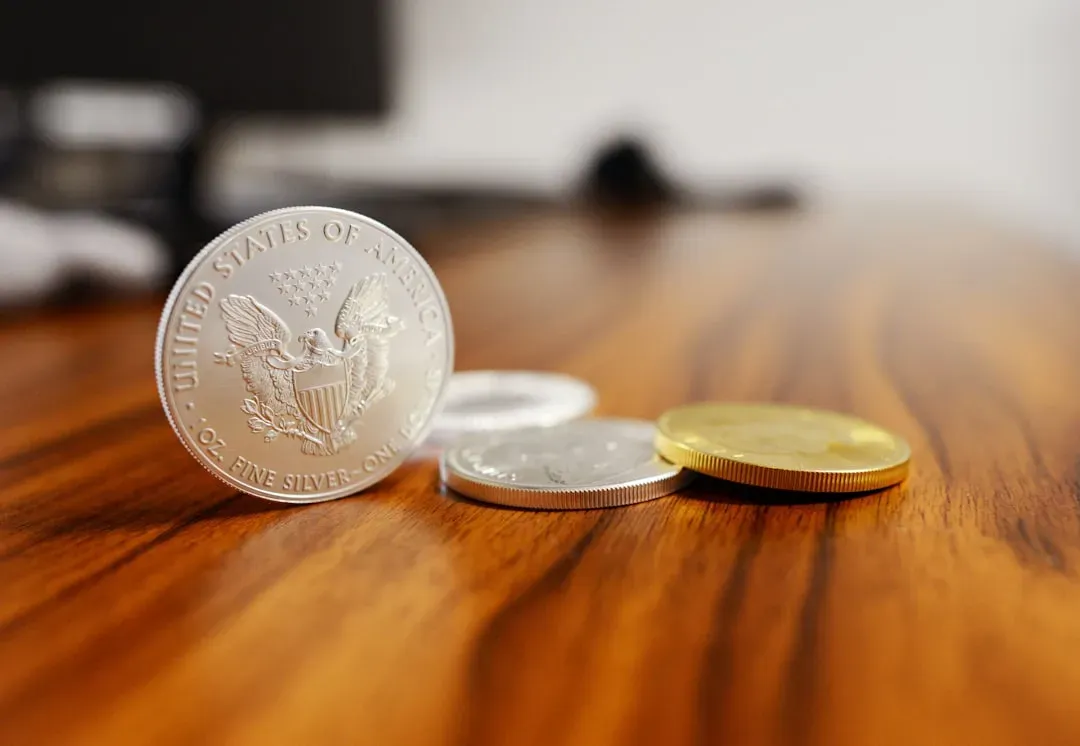
For a coin to command a high price in the collector’s market, it needs to possess exceptional condition: it must not have experienced any wear and tear from circulation and should be free from nicks or scratches. Ideally, it should be in pristine condition, just as it left the minting press, with a natural weathered patina and uniform color.
Market data demonstrates a substantial value gap between different grades. The price of an MS-65 specimen typically ranges from ten to fifty times higher than that of a Very Fine-20 example of the same type. That gap is exactly why even handling a potentially valuable wheat penny carelessly, let alone spending it, can permanently reduce its worth. A fingerprint, a scratch, or a cleaning can strip significant value from a coin that might otherwise be worth hundreds.