
Most people associate anxiety with big life events: a job change, a difficult relationship, a health scare. Yet researchers and mental health professionals have spent years identifying something more unsettling. The everyday environment you come home to may be silently nudging your nervous system toward a state of low-grade stress, day after day, without you ever noticing.
The 2024 results of the American Psychiatric Association’s annual mental health poll show that U.S. adults are feeling increasingly anxious, with 43% saying they feel more anxious than the previous year, up from 37% in 2023 and 32% in 2022. Experts point out that while large stressors get the most attention, domestic triggers, the kind built into your living space, deserve far more scrutiny than they receive.
1. Household Clutter
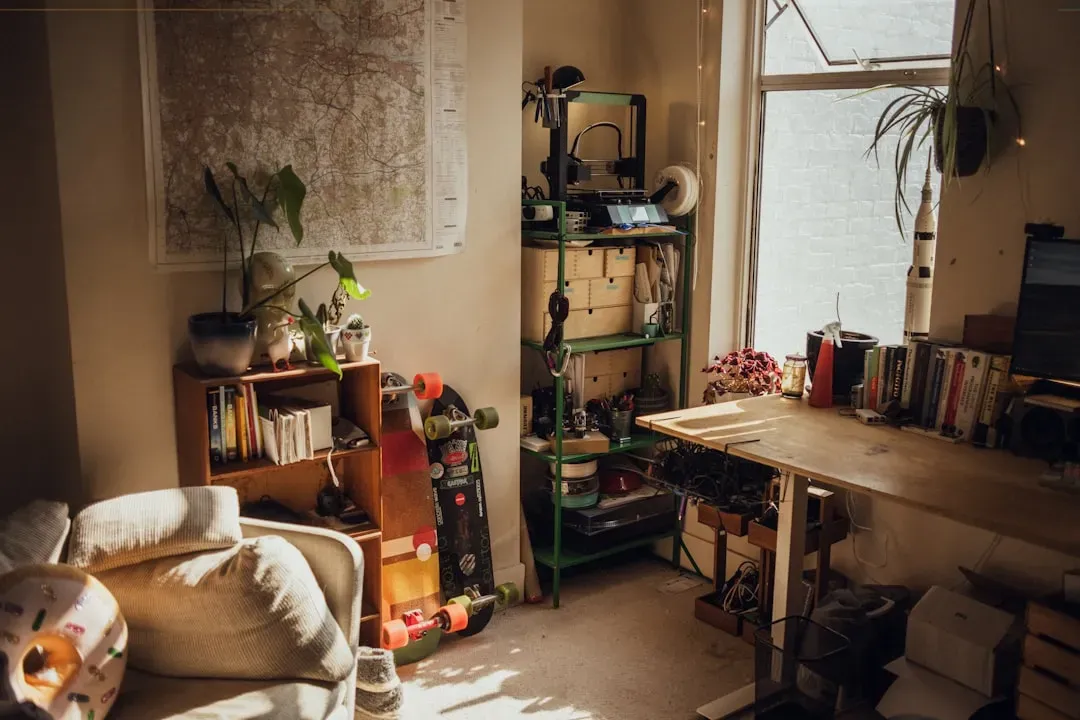
Clutter can trigger a stress response in the body. One study found that women who described their homes as “cluttered” had significantly higher levels of the stress hormone cortisol throughout the day. This is not simply a matter of aesthetics. When your environment is cluttered, your brain’s processing centers become overwhelmed by all the incoming signals. Neuroscientists have found that when there are multiple visual stimuli in front of you at the same time, those stimuli compete for neural representation in your visual cortex, forcing your brain to split its attention and making it difficult for neural networks to focus on one specific thing.
Part of the reason clutter feels overwhelming is that every item represents work that needs to be done and a choice that needs to be made. All these decisions create a type of cognitive overload known as decision fatigue. Emotional attachment to items further complicates each decision, and as every item represents an unfinished task or unresolved choice, these possessions trigger the Zeigarnik Effect, a tendency for the mind to become preoccupied with interrupted or incomplete actions. This creates mental background noise that prevents true relaxation.
2. Smartphones and Screens on Your Nightstand
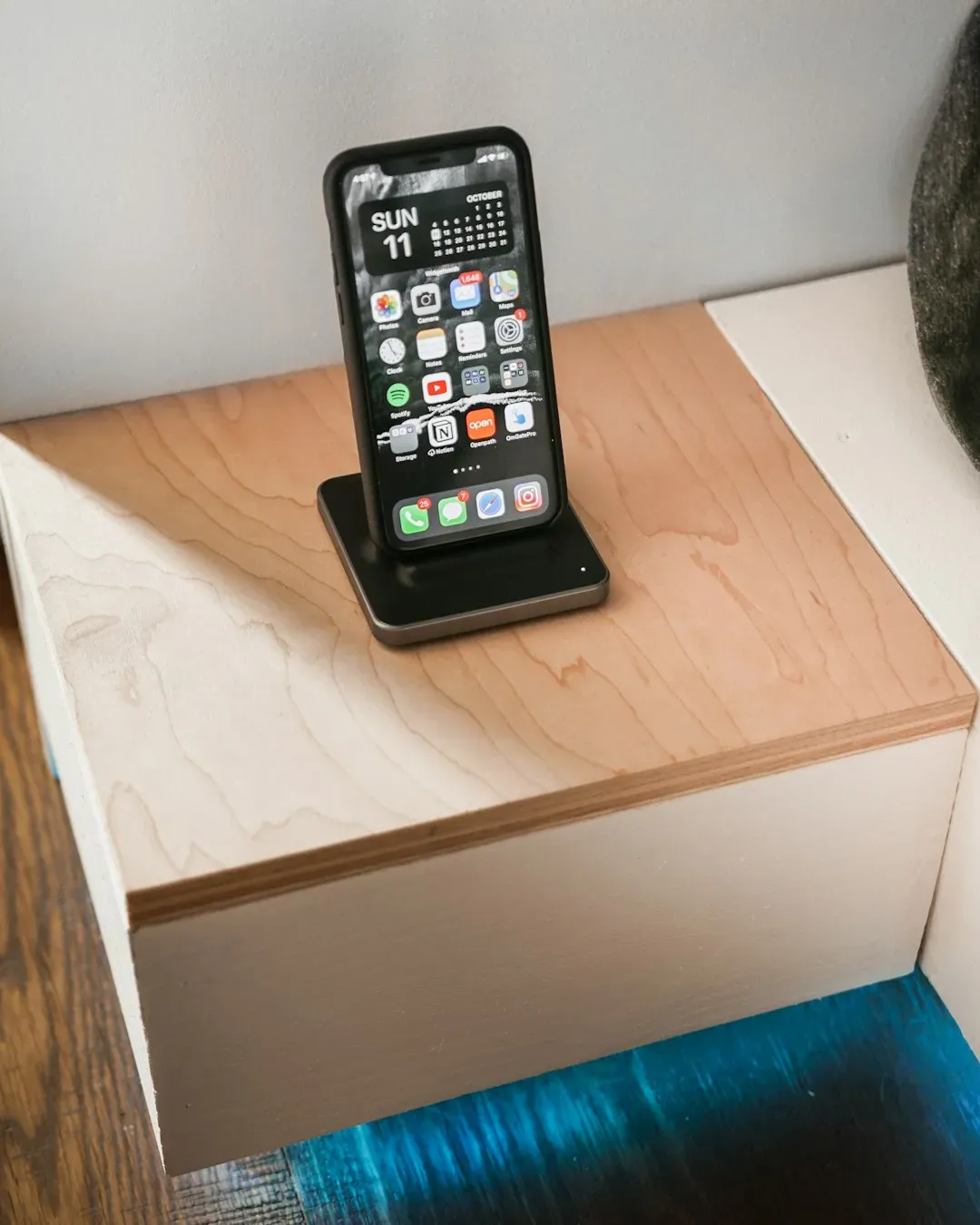
The emission of short-wavelength light from mobile device screens has been reported to delay the melatonin secretion process and disrupt normal circadian rhythms, leading to poor sleep quality and decreased sleep efficiency. What starts as a quick check of notifications before bed sets off a physiological chain reaction that undermines the rest your brain needs to regulate emotion the next day.
When you scroll through distressing content, your brain processes each negative headline as a potential threat. That triggers your sympathetic nervous system, the same fight-or-flight response used to escape predators. The difference is that the threats never stop arriving. Your phone serves an endless stream of them, and this constant activation increases cortisol and adrenaline levels, keeping your body in a state of low-grade alertness.
3. Poor Indoor Air Quality

Air pollution is not just something that happens outside. Most of the outdoor air pollution we breathe, we breathe indoors. Harmful air pollutants penetrate our homes through open doors, windows, cracks, and crevices. Additionally, nitrogen dioxide from stoves and volatile organic compounds from cleaning products contaminate indoor air. With humans spending roughly ninety percent of their time indoors, clean indoor air is critical for both physical and mental health.
Research shows that long-term and short-term exposure to air pollution can have profound and enduring negative effects on mental health. Scientists found that exposure to high levels of air pollution can lead to decreased quality of life and an increased risk of depression and suicide ideation. Breathing unhealthy air is also associated with increased anxiety symptoms. Cooking fumes, mold, dust, and off-gassing from furniture or paint are among the indoor sources most commonly overlooked.
4. Artificial Light at Night

The presence of artificial light at night has emerged as an anthropogenic stressor. Various sources of light pollution have been shown to affect circadian physiology with serious consequences for metabolic pathways, possibly disrupting pineal melatonin production with multiple adverse health effects. The suppression of melatonin at night may also affect human mental health and contribute to the development or exacerbation of psychiatric disorders in vulnerable individuals.
A global ecological study analyzing 174 countries found that a higher intensity of artificial light at night may be associated with increased anxiety incidence rates, and this association may be more pronounced among females and individuals aged 19 years and younger. Bedroom lamps left on, light bleeding under doors, and glowing device standby indicators all count. The impact of the nighttime lighting environment on mental health is often long-term, particularly through its effect on circadian rhythms, and long-term lack of daylight can lead to vitamin D deficiency and anxiety symptoms.
5. Constant Background Noise

The role of noise as an environmental pollutant and its adverse effects on health are being increasingly recognized. Beyond its direct effects on the auditory system, chronic low-level noise exposure causes mental stress associated with known cardiovascular complications. The TV running in the background, a noisy refrigerator hum, traffic filtering through thin walls, these may seem trivial, but the body registers them as persistent environmental threat signals.
A deficit in the optimization of indoor acoustics not only affects cognitive decline in hearing but also causes distractions, irritability, stress, discomfort, and fatigue. Research confirms that noise can also increase the risk of mental disorders such as depression, anxiety disorders, psychoses, and suicide. Chronic noise disturbance, even at moderate levels, keeps the stress response from fully switching off.
6. An Unmade or Cluttered Bedroom
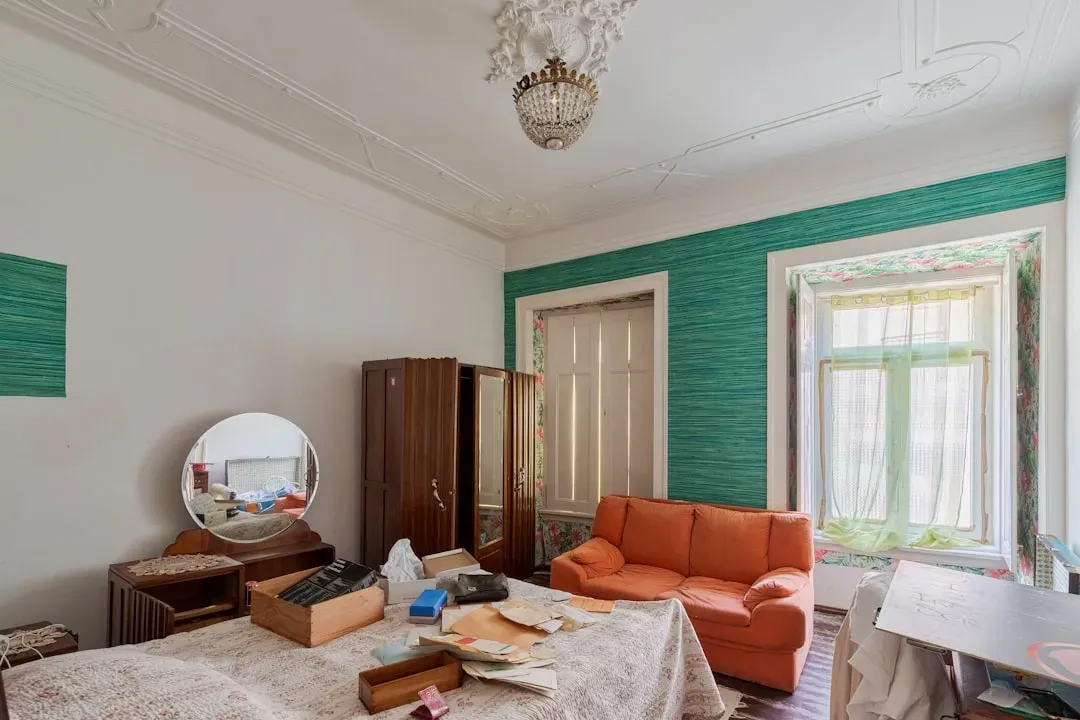
Your brain needs a calm, safe environment to wind down for sleep. A cluttered bedroom or a mind packed with worries can disrupt sleep hygiene. Many sleep experts recommend keeping the bedroom clean and minimalist for this very reason. Clutter in your sleeping area can serve as a visual reminder of unfinished business, which can provoke anxiety or guilt when you’re trying to relax.
Studies have found that people living in cluttered homes are more likely to experience insomnia and poor sleep quality. Stress and mental stimulation from clutter can keep the brain alert and uneasy, even at night. It’s hard for your mind to power down when it’s bombarded by signs of chaos or racing thoughts about things you haven’t done yet. The bedroom, more than any other room, sets the neurological stage for how rested or wired you feel the next morning.
7. Piles of Unread Mail and Unresolved Papers

Clutter can significantly affect mental and emotional well-being. Clutter and mess are linked to negative emotions like confusion, tension, and irritability. At the same time, an organized home produces more positive emotions like calmness and a sense of well-being. Nowhere is this more specific than with paperwork. Bills you haven’t opened, forms you’ve been meaning to fill out, and letters you keep moving from counter to drawer all carry an implicit message to your brain: something is unresolved.
The practical aspects of our lives, such as computer files, receipts, mail, and tax documents, create an organizational challenge of their own. Having a home setup that supports paper management will help. Establishing a routine and station for daily mail sorting, immediately discarding junk mail, and following standards for filing receipts reduce this category of background stress considerably.
8. Doomscrolling Devices Left in Common Areas
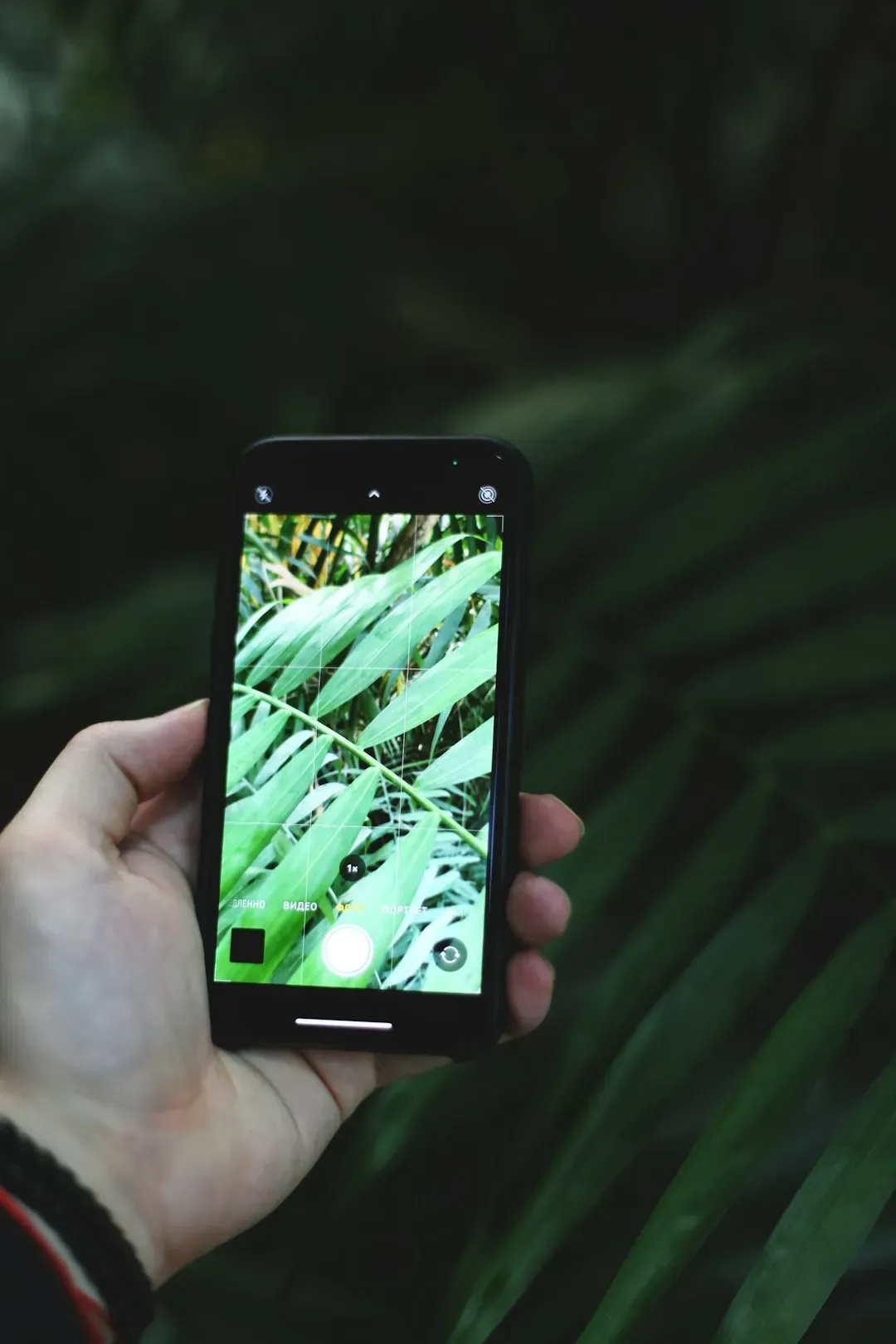
A 2024 randomized controlled trial of 220 university students found that limiting social media to one hour per day for three weeks significantly reduced symptoms of depression, anxiety, and fear of missing out. When devices are left in shared living spaces, the habit of picking them up and scrolling through negative news cycles becomes almost automatic and harder to interrupt.
Doomscrolling raises cortisol, disrupts sleep, fragments attention, and feeds a dopamine loop that makes the habit self-reinforcing. The research is clear: compulsive scrolling through negative content raises cortisol, disrupts sleep, fragments attention, and feeds a cycle that is difficult to break by willpower alone. Modest reductions of even thirty minutes less per day produce measurable improvements in anxiety, depression, and overall well-being within weeks.
9. Overstuffed and Disorganized Storage Spaces

Joseph Ferrari’s psychology of clutter research and controlled studies have repeatedly demonstrated that living or working in cluttered spaces can increase stress and anxiety levels, decrease productivity, and present mental health challenges to otherwise healthy individuals. Closets, garages, and storage rooms are the parts of the home most people consciously ignore, yet psychologically they function as unfinished tasks even when the door is shut.
Clutter-induced stress can often become a difficult cycle to break. Disorganization causes anxiety because you feel pressured by the constant visual reminder of things left undone. This in turn makes it harder to muster the energy and focus to clean up the clutter. Psychologists have noted that excessive clutter can lead to feelings of frustration, being overwhelmed, and shame, which can zap your motivation to tackle the mess.
10. Harsh or Dim Artificial Lighting
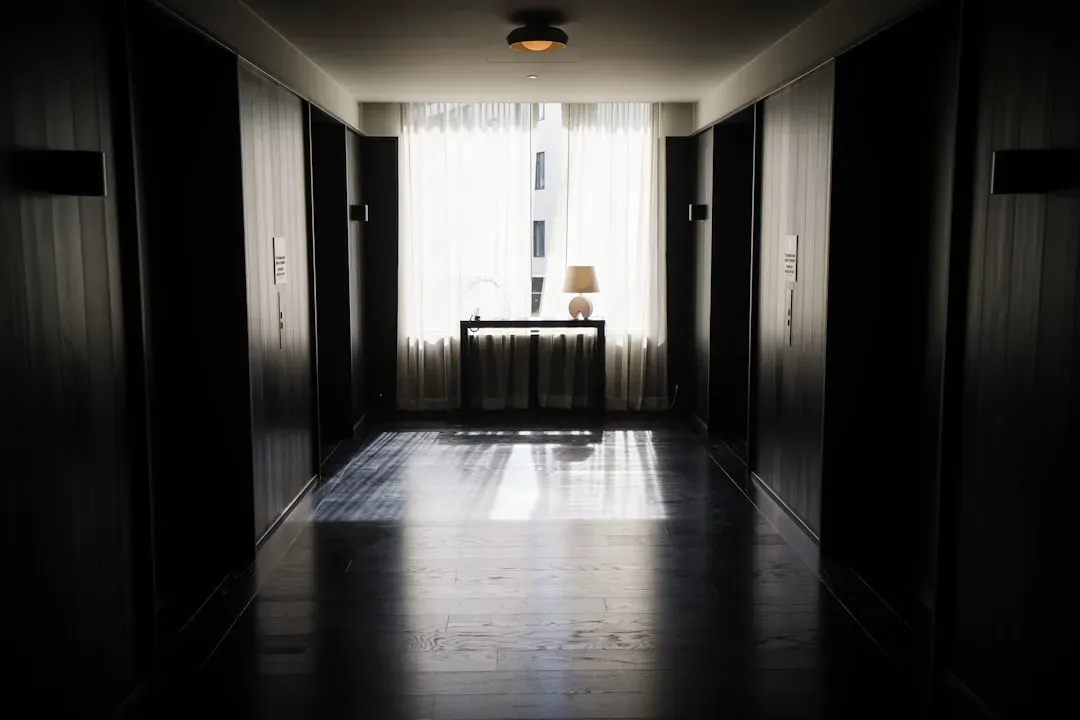
Inadequate lighting disrupts sleep quality and circadian rhythms, causing discomfort throughout the day. The effects of poor lighting can vary based on gender, age, and the time of year. Inside the home, harsh overhead fluorescent lighting can elevate arousal and make it harder to wind down, while chronically dim spaces contribute to low mood, particularly during shorter winter days when natural daylight is already limited.
Natural light should be encouraged in frequently used rooms and supplemented with adjustable artificial lighting that respects circadian rhythms and reduces glare, thereby contributing to the visual health and rest of the occupants. Improving the lighting environment has been shown to improve sleep quality even in the short term. Something as simple as switching to warm-toned bulbs in the evening and maximizing daylight exposure in the morning can meaningfully shift how your nervous system behaves throughout the day.
The common thread running through all ten of these is that none of them feel urgent. They are background conditions, not crises. That’s precisely what makes them so effective at sustaining low-grade anxiety over time without ever drawing attention to themselves. Small environmental changes, addressing one room, one habit, or one light source at a time, may do more for daily mood than many people expect.