Science rarely moves in a straight line. For every orderly textbook narrative of incremental progress, there is a messier backstory full of resistance, retractions, and researchers who refused to let go of what they thought they knew. That tension is alive and well in 2026, playing out across several fields at once.
From the nature of consciousness to the expansion rate of the universe, long-held frameworks are under serious pressure. What makes the current moment unusual is how many foundational assumptions are being challenged simultaneously, and how emotionally charged those challenges have become inside the scientific community itself.
When a Theory Becomes a Crisis: The Hubble Tension Explained
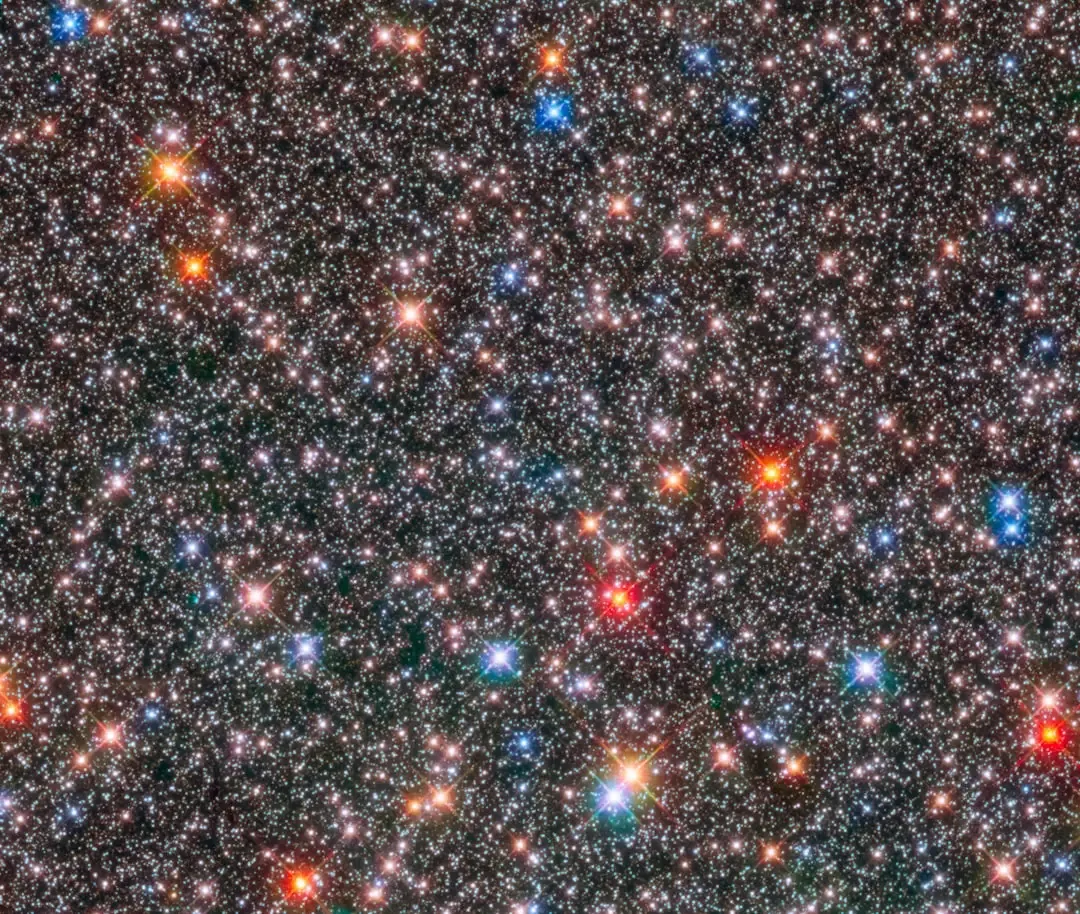
Over the past decade, two very different ways of calculating the rate at which the universe is expanding have come to be at odds, a disagreement dubbed the Hubble tension. The numbers simply don’t match. Depending on whether you measure the universe’s expansion using the cosmic microwave background or using direct observations of nearby galaxies, you get two distinctly different answers.
The Hubble Tension persists as a statistically significant discrepancy at the five-sigma confidence level as of late 2025. Data from the James Webb Space Telescope confirmed that previous Cepheid measurements were accurate. That confirmation matters enormously, because it rules out one of the most convenient explanations: that earlier measurements were simply wrong.
Why the Numbers Won’t Reconcile
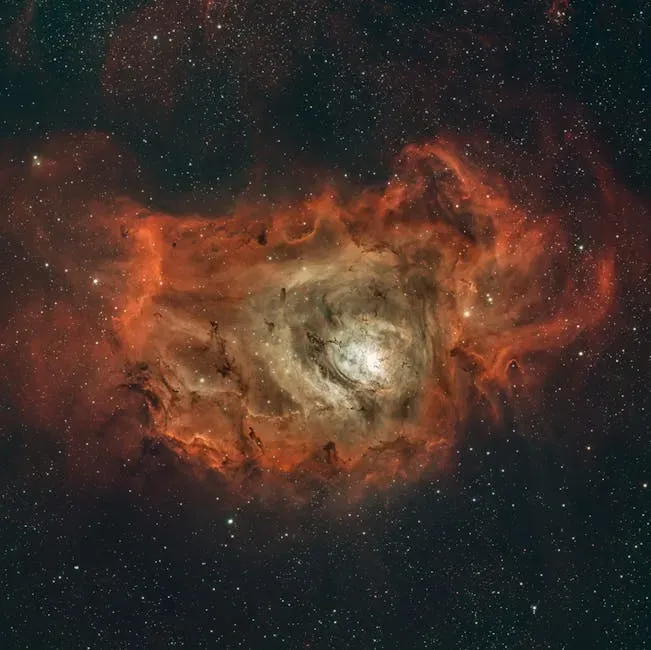
The tension’s roots lie in the two differing values calculated for the Hubble constant, the expansion rate of today’s universe. One comes from measurements of the cosmic microwave background, the leftover radiation from when the universe was about 380,000 years old. The other comes from direct, local measurements of how fast galaxies are moving away from us. These two approaches should agree. They don’t.
Controversially, either cosmologists don’t understand the beginning and evolution of the universe, the ingredients of the standard model are wrong, or astronomers don’t know how to measure what they can see. That’s not a small problem. Those three possibilities together essentially cover everything physicists thought they had figured out about the cosmos.
A New Proposal: The Universe’s Expansion Arises Naturally
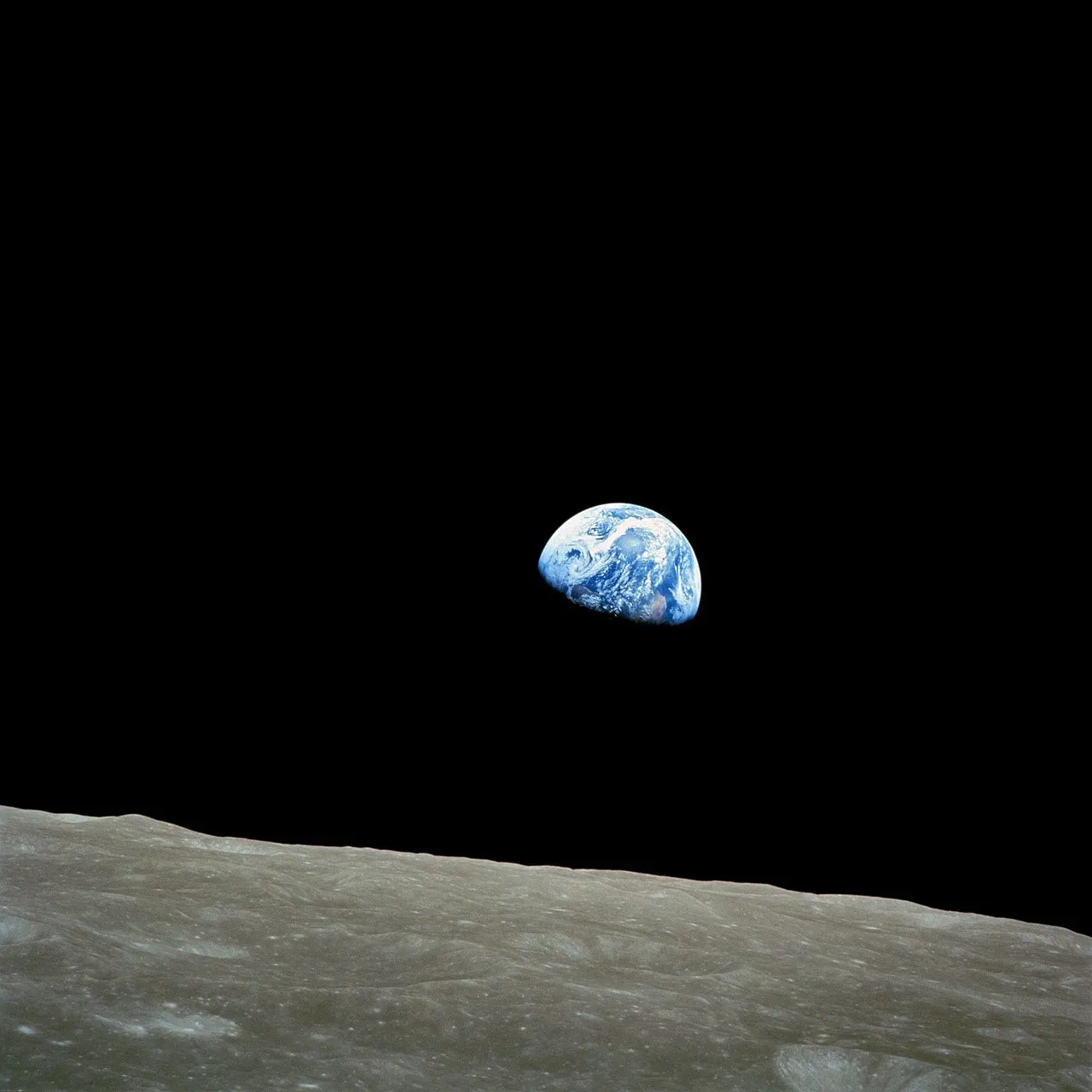
Scientists at the University of Waterloo have proposed a new way to explain how the universe began, offering a fresh perspective on the Big Bang and its earliest moments. Their findings suggest that the universe’s rapid early expansion may have emerged naturally from a deeper and more complete theory known as quantum gravity. This is a significant departure from the prevailing model, which requires additional assumptions layered on top of general relativity.
The team discovered that the universe’s rapid early expansion can arise naturally from this consistent theory of quantum gravity, without the need for added assumptions. This expansion, known as inflation, is a key concept in cosmology because it helps explain the large-scale structure of the universe. The model also predicts a minimum level of primordial gravitational waves, which are tiny ripples in spacetime created shortly after the Big Bang. Future experiments may be able to detect these signals, giving scientists a rare opportunity to test ideas about the universe’s quantum beginnings.
Dark Energy May Not Be What Scientists Thought
Data from DESI in 2024 and 2025 provided evidence that dark energy may not be a constant. The results hinted at a dynamic form of dark energy. That’s a remarkable finding. The standard cosmological model, known as Lambda-CDM, treats dark energy as a fixed property of space itself. If it’s actually evolving over time, the entire framework needs rethinking.
A team of cosmologists in China introduced a mathematical framework that investigates two of the deepest mysteries in cosmology at the same time. Publishing in The Astrophysical Journal, researchers at the Chinese Academy of Sciences suggest their work could pave the way for vital corrections to the current Lambda-CDM model, alongside a long-awaited resolution to the Hubble tension. Whether this approach holds up under further scrutiny remains to be seen, though the interest it has generated is telling.
The Consciousness Wars: A Theory Labeled Pseudoscience
A large-scale experiment comparing Integrated Information Theory and Global Neuronal Workspace Theory found that consciousness is more closely linked to sensory processing and perception than to prefrontal cortex activity. An experiment seven years in the making uncovered new insights into the nature of consciousness and challenges two prominent, competing scientific theories. The results, published in April 2025 in Nature, managed to unsettle both camps at once.
In 2023, a number of scholars characterized Integrated Information Theory as unfalsifiable pseudoscience for lacking sufficient empirical support, a claim reiterated in a 2025 Nature Neuroscience commentary. The backlash was fierce. Supporters of the theory pushed back, arguing that the “pseudoscience” label was being deployed as a political weapon rather than a scientific judgment.
What the Major Consciousness Experiment Actually Found
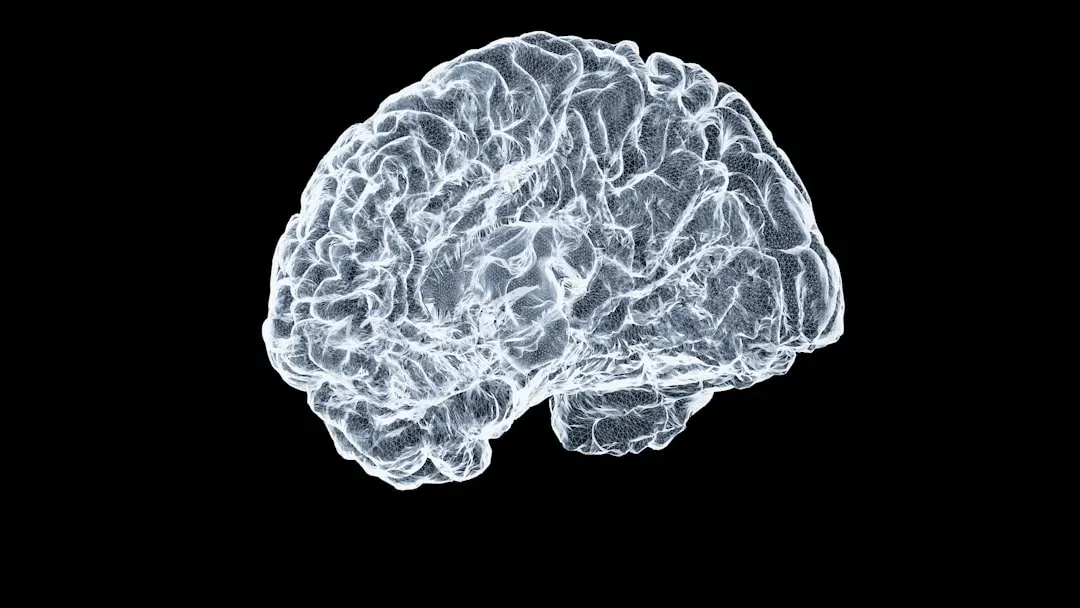
Human participants numbering 256 viewed suprathreshold stimuli for variable durations while neural activity was measured with functional magnetic resonance imaging, magnetoencephalography, and intracranial electroencephalography. Researchers found information about conscious content in visual, ventrotemporal, and inferior frontal cortex, with sustained responses in occipital and lateral temporal cortex reflecting stimulus duration.
The results aligned with some predictions of both IIT and GNWT, while substantially challenging key tenets of both theories. For IIT, a lack of sustained synchronization within the posterior cortex contradicts the claim that network connectivity specifies consciousness. GNWT is challenged by the general lack of ignition at stimulus offset and limited representation of certain conscious dimensions in the prefrontal cortex. Neither theory walked away vindicated.
How Paradigms Crack Before They Break
Scientists accept the dominant paradigm until anomalies are thrown up. Scientists then begin to question the basis of the paradigm itself, and new theories emerge which challenge the dominant paradigm. Eventually, one of these new theories becomes accepted as the new paradigm. That process sounds tidy on paper. In practice, it tends to generate years of conflict before any resolution appears.
A crisis in science arises when confidence is lost in the ability of the paradigm to solve particularly worrying puzzles called anomalies. Crisis is followed by a scientific revolution if the existing paradigm is superseded by a rival. The fields of cosmology and consciousness research both appear to be somewhere in that difficult middle phase, past the point of comfortable confidence but not yet at resolution.
Science Is More Cumulative Than We Think

Examining over 750 major scientific discoveries, including all Nobel Prize and major non-Nobel Prize discoveries, researchers systematically tested the fundamental question about scientific progress. They found that three key measures of scientific progress, including major discoveries, methods and fields, each demonstrate that science evolves cumulatively. The dramatic notion of complete paradigm overhaul, while compelling, turns out to be the exception rather than the rule.
Scientific discoveries, including theoretical discoveries, are also predominantly cumulative, with only roughly one percent of over 750 major discoveries having been abandoned. That context is worth holding onto when the latest headlines suggest everything is about to collapse. Theories get refined and extended far more often than they get thrown out entirely.
AI Is Changing the Rules of Theoretical Discovery
With technological advances and the exponential growth of data, a new research paradigm of data-intensive science has emerged, using data mining techniques to automatically identify statistical patterns from large-scale datasets, reducing reliance on prior scientific hypotheses. This shift has real consequences for how anomalies get noticed and how quickly they propagate through a field.
AI is transforming the paradigm of knowledge creation, moving from classical hypothesis-driven approaches to data-driven science. Jim Gray called this shift the “Fourth Paradigm” of science, encompassing data-intensive scientific discovery, with the previous three being experiment-driven, theory-driven, and computation-driven paradigms of research. The concern, though, is that AI systems trained on existing literature may actually reinforce old assumptions rather than challenge them, at least in their current form.
Why Panic Is Part of the Process
When the crisis cannot be resolved by tweaking the existing paradigm, a competing interpretation that casts the data in entirely new ways may gain ascendance. This switching of the paradigms constitutes a scientific revolution. The emotional reaction from researchers, including what some might reasonably call panic, is not a sign that science is failing. It’s a sign that something real is happening.
The history of cosmology has cycled through periods of confidence, complacency, and then crisis. At the start of the twentieth century, astronomers took for granted that the universe was a static thing that had always existed. They were wrong. The researchers who pushed back against that assumption were not celebrated immediately. They were resisted, sometimes fiercely, before the evidence finally won out. The pattern is not new. It is simply unsettling every time it repeats.