
Buying a home is supposed to be a milestone worth celebrating. For millions of people, it still is. Yet a striking number of buyers discover, sometimes just weeks after closing, that a decision they were sure was clever ended up being the root of genuine stress, financial strain, or lasting regret.
A report from Clever Real Estate found that roughly four in five buyers who purchased a home in 2023 or 2024 had at least one regret about their purchase. That figure isn’t a fluke. Some of the most common regrets trace back not to obvious blunders, but to choices that felt perfectly reasonable at the time. Here are ten of them.
1. Buying at the Very Top of Your Budget Because “You Can Technically Afford It”
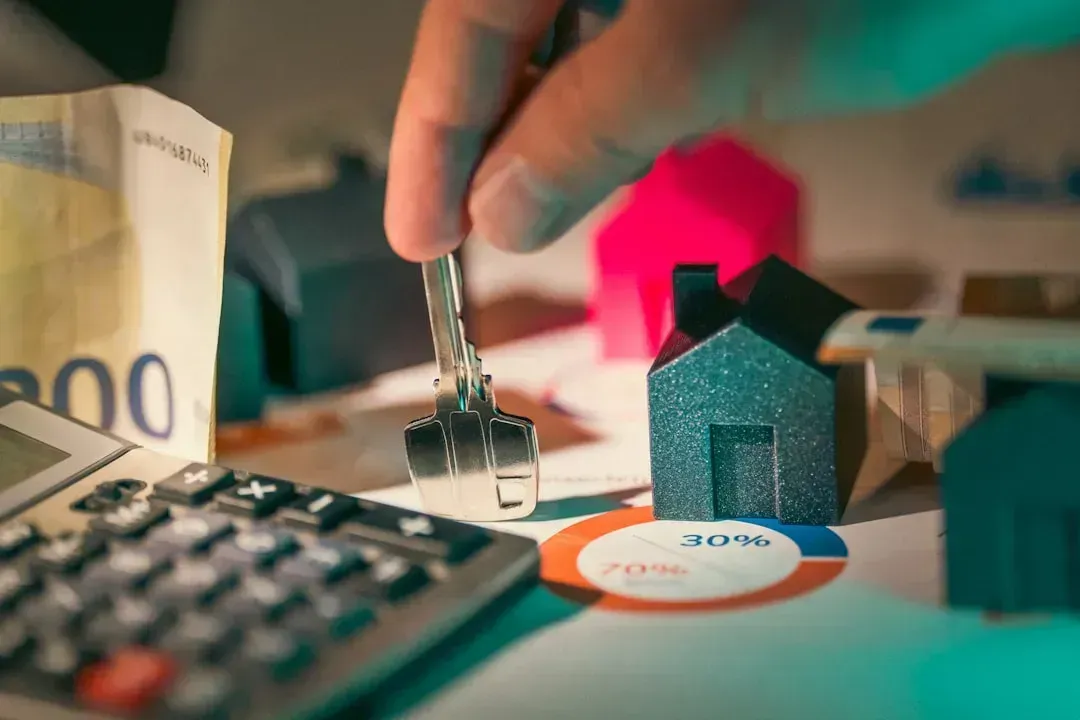
Not establishing a clear budget is a common error. Many homebuyers focus on the maximum loan amount a lender approves without considering additional costs such as property taxes, homeowners insurance, maintenance, and utilities – and without a comprehensive understanding of your full budget, you risk overextending yourself financially. The mortgage approval letter tells you what a bank will lend you, not what you can comfortably live with month after month.
Being house poor means your entire paycheck vanishes the moment it hits your account. This stressful financial situation can force you to stay home every weekend, staring at expensive walls. Stretching your budget to the absolute limit also leaves you entirely vulnerable to a sudden job loss. Buying a home you can technically afford and buying one where you can actually breathe are two very different things.
2. Skipping the Home Inspection to Make Your Offer More Competitive
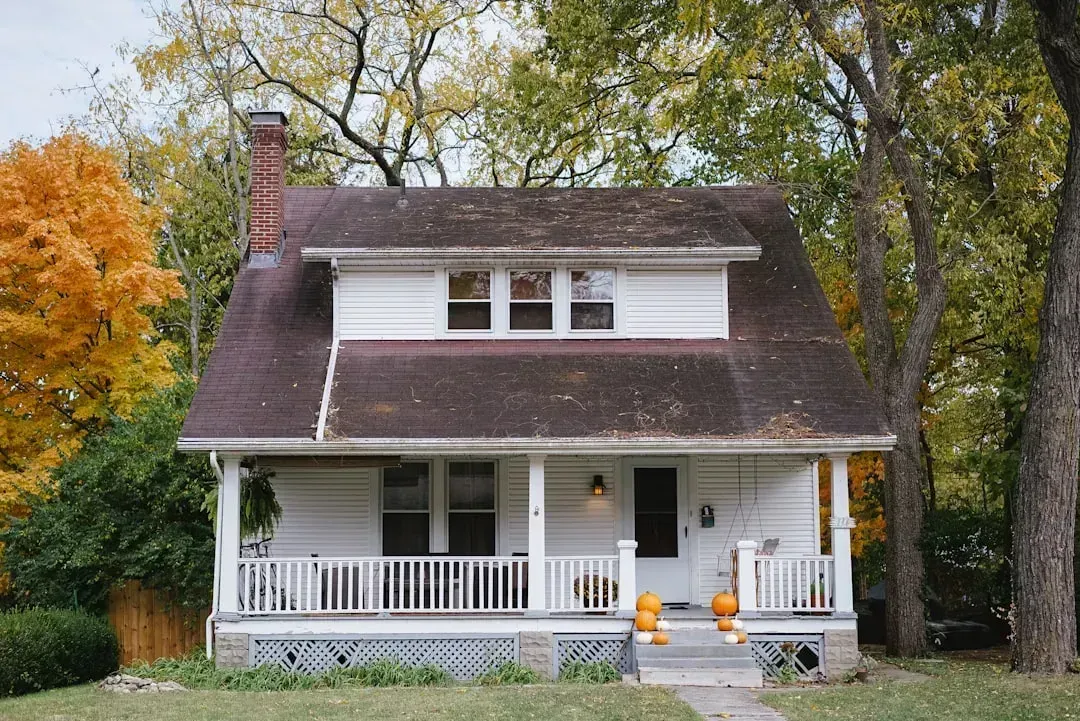
In 2024, depending on the month, anywhere from roughly one in five to one in four buyers were still waiving their inspection contingency, according to the first six Realtors Confidence Index Surveys published by NAR. The logic seems sound in a bidding war. If it helps your offer win, why not? The problem surfaces after closing.
The inspection contingency is designed to provide buyers with a window of time to identify and address structural, mechanical, or safety issues before finalizing the purchase. When you waive it, you’re essentially agreeing to accept the property as is, regardless of any potential problems that may be lurking beneath the surface. More than two-thirds of first-time homebuyers faced unexpected home issues after moving in, with an average cost of over five thousand dollars. For many, those costs were far higher.
3. Letting Emotion Override Practical Assessment During the Tour
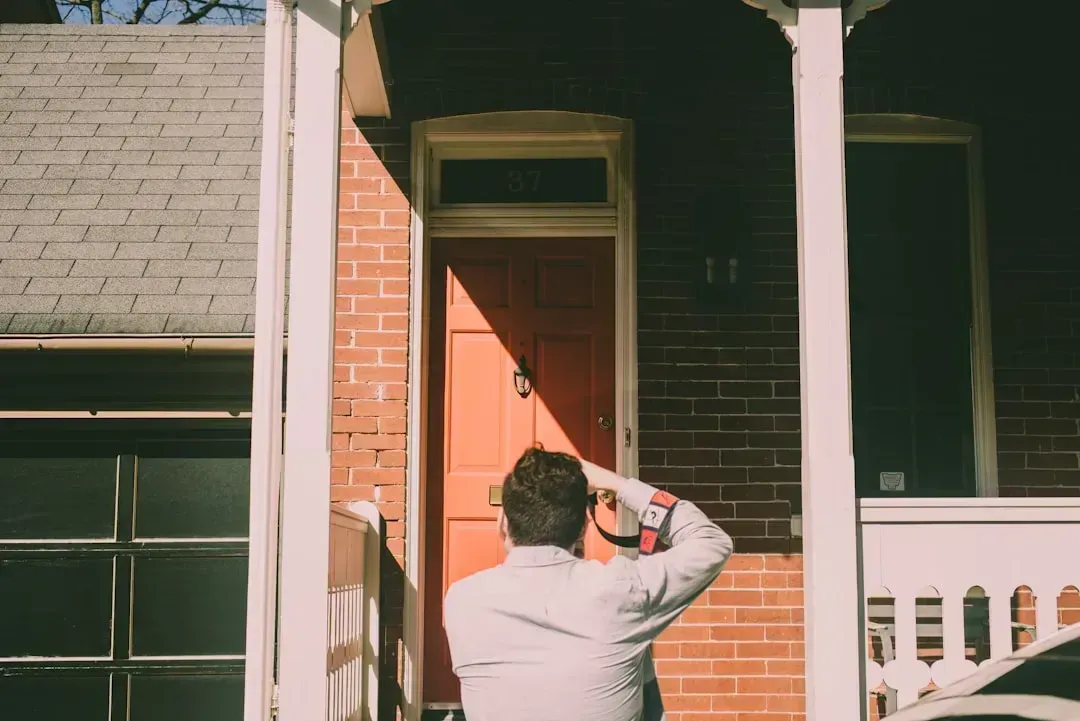
It’s easy to let emotions dictate your choices, especially if you find a home you love. However, buying a house based on feelings rather than facts can lead to regrettable decisions, such as not considering overdue maintenance left undone by previous owners, plumbing or electrical deficiencies, structural damages, or overpaying. A beautifully staged kitchen has a way of making everything else look acceptable.
Survey respondents rated an updated kitchen, remodeled bathroom, and contemporary lighting as the most important features during their home search – rated much higher than more operational aspects of a home, such as having a solid foundation or an updated electrical system. Cosmetics wear off. A cracked foundation does not fix itself.
4. Rushing the Decision Because You Fear Missing Out

About two in five first-time homebuyers felt pressured to make a homebuying decision quickly, and those who felt pressured were nearly three times more likely to experience buyer’s remorse. Fear of missing out is a powerful force in any competitive real estate market, and sellers know it.
Rushing the home buying process and buying too quickly is the second most common regret among first-time homeowners. They often didn’t realize until moving in that the property doesn’t meet their long-term needs, or that they overlooked some features in the excitement of the purchase. Being in a highly competitive real estate market, feeling pressure to find a place, or the fear of missing out on good homes can all lead to rushed decisions. The home you almost missed out on may not have been worth the scramble.
5. Underestimating the True Ongoing Cost of Ownership

Bankrate’s 2025 Homeowner Regrets Survey found that owners with regrets most often cited maintenance and other hidden costs being more expensive than expected, at roughly two in five respondents. Other regrets cited included buying too small of a house, the mortgage payment being too high, and overpaying. These costs arrive quickly and often all at once.
The hidden costs of homeownership contribute significantly to regrets. Beyond the mortgage, homeowners spend an average of nearly seventeen thousand five hundred dollars annually on taxes, insurance, maintenance, and repairs. A general rule of thumb holds that homeowners should budget one to four percent of the home’s value for annual maintenance costs alone. Very few first-time buyers factor that in before signing.
6. Buying a Fixer-Upper Without a Realistic Renovation Budget
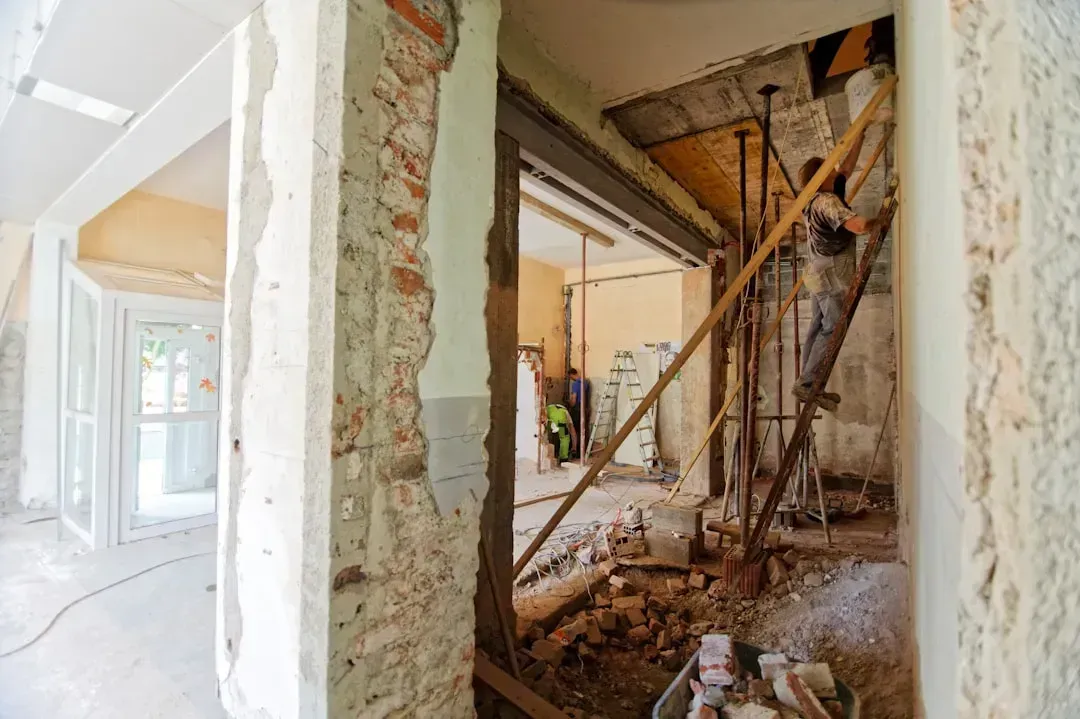
Hiring professional contractors to fix amateur mistakes costs double what you originally planned to spend. Taking on a massive renovation project without construction knowledge is a reliable path to financial and emotional strain. The gap between what a renovation looks like on a home improvement show and what it costs in real life is enormous.
Roughly one in eight millennial homeowners regret buying a fixer-upper. That figure makes sense when you consider how quickly material costs, permit delays, and contractor availability can turn a manageable project into a months-long ordeal. A discount purchase price rarely tells the whole story of what a property will ultimately cost you.
7. Ignoring the Neighborhood in Favor of the House

Focusing solely on the house and ignoring the neighborhood can lead to serious dissatisfaction. Factors like commute times, school districts, and nearby amenities significantly affect your quality of life. It sounds obvious in retrospect, but many buyers spend far more time scrutinizing kitchen countertops than they do researching the street outside.
According to a survey by Real Estate Witch, millennials regret buying in a bad location, in a bad neighborhood, in an area that has changed too much, or they feel like they outgrew their home too quickly. Beyond bad location being the most common regret, other prevalent concerns include bad neighbors, high interest rates, expensive mortgages, and outgrowing the home too quickly. You can renovate a house. You cannot renovate its surroundings.
8. Buying Too Small Because It Was “Enough for Right Now”
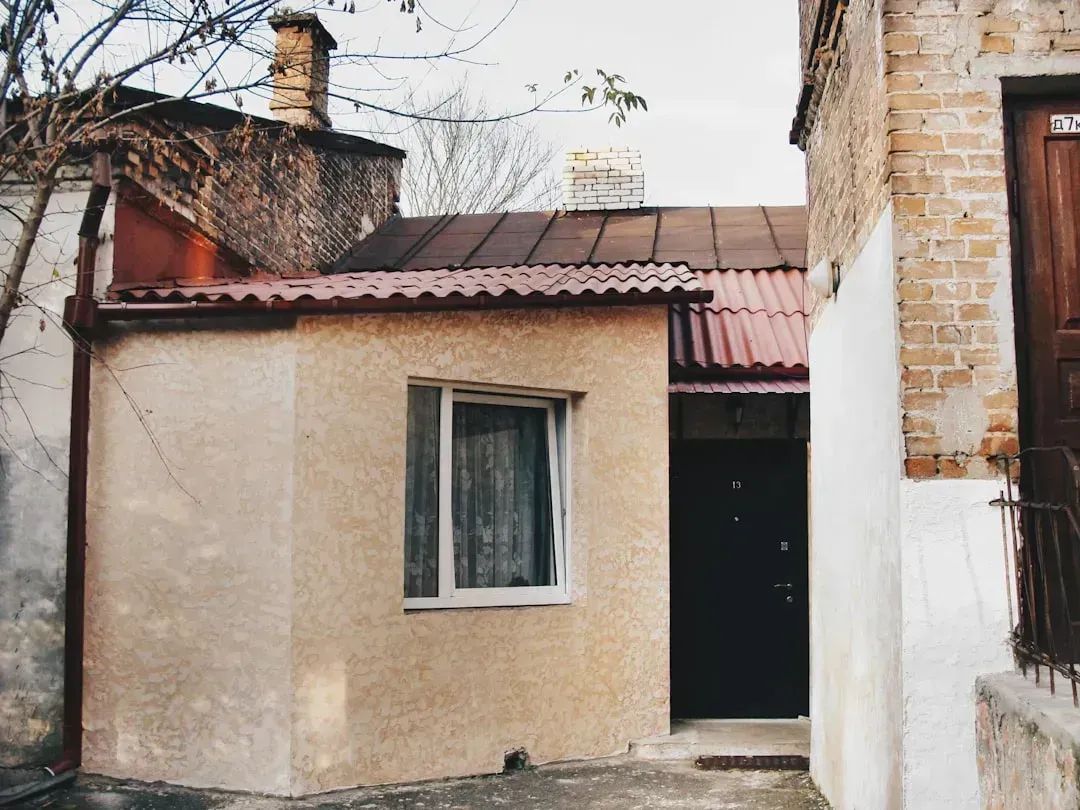
The top regret among first-time homebuyers was underestimating repair costs, followed closely by choosing the wrong home size. Choosing a home based on where you are now rather than where you expect to be in five or ten years is a very common trap, especially for younger buyers working with limited budgets.
Adding an extension to a small house is incredibly expensive and sometimes prohibited by local zoning laws. You can end up stuck in a space that no longer serves a growing household’s needs. Life changes faster than most buyers anticipate. A home that felt spacious for two people can feel impossibly cramped after a few years and a growing family.
9. Being Blindsided by Closing Costs

Closing costs, which can range from two to five percent of the home’s purchase price, often catch buyers off guard. These costs include fees for appraisals, title insurance, attorney services, and more. Asking your mortgage lender for a detailed estimate of closing costs early in the process is essential to avoid surprises. On a four hundred thousand dollar home, that can mean up to twenty thousand dollars due at closing, on top of your down payment.
Fifteen percent of homeowners say their biggest regret is spending more on household items than expected, and another fourteen percent cite depleting their savings account as their biggest lament. Closing costs plus moving expenses plus immediate home needs can drain reserves faster than almost any buyer plans for. Arriving at homeownership financially depleted sets a difficult stage for everything that follows.
10. Buying Based on Peer Pressure or Social Timelines
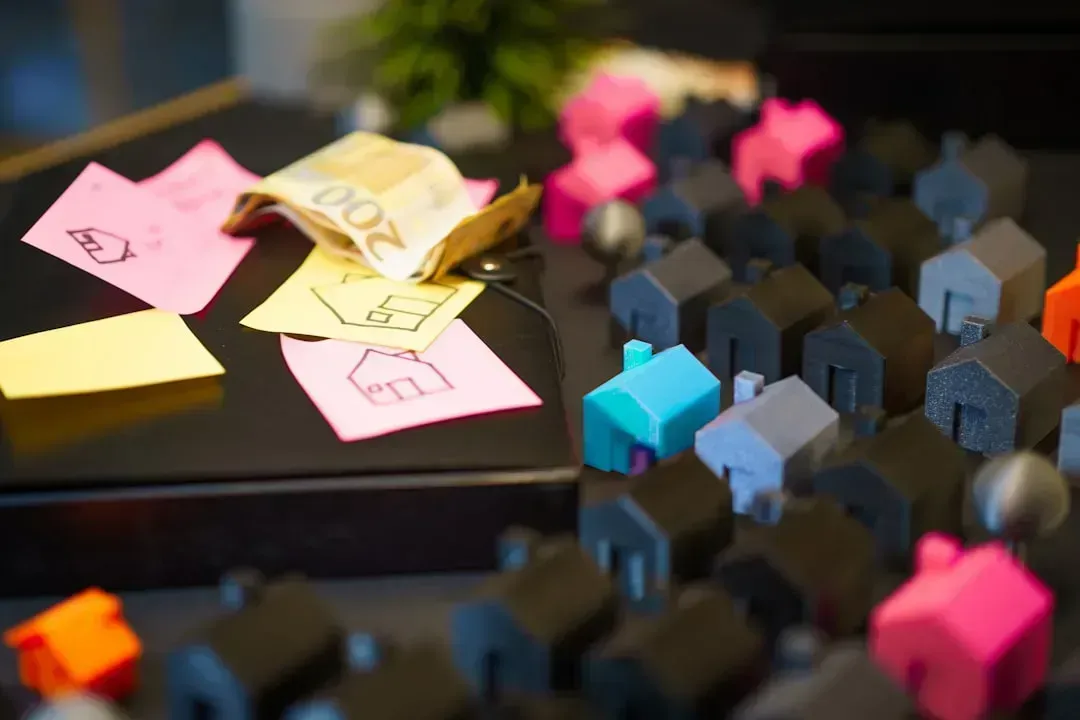
The primary motivation for first-time homebuyers was the desire to stop renting, with nearly two-thirds making the leap to homeownership for this reason. Peer and social pressure played a role too, especially for Gen Z and millennial buyers who were the most likely to purchase a home due to these influences. Wanting to own a home because it feels like the “right” stage of life is not the same as being genuinely ready.
Those who felt overwhelmed, stressed, or nervous were the most likely to believe their emotions led to a decision they later regretted. First-time buyers earning less than fifty thousand dollars per year were fifty percent more likely to regret their home purchase than those earning over one hundred thousand dollars. Timing a purchase to match a social milestone rather than financial readiness is one of the quietest, most consequential mistakes a buyer can make. The right time to buy is when the numbers and the life circumstances align, not when someone else’s Instagram makes it feel overdue.
Most of these decisions share something in common: they feel smart precisely because they come with a rational-sounding justification. That’s what makes them so easy to fall into and so hard to see clearly when you’re in the middle of a competitive market, an emotional moment, or both. The buyers who avoid serious regret tend to be the ones who slow down just long enough to question the decisions that seem most obvious.