
Buying a home has always involved a certain degree of calculated risk. But in 2026, one variable has quietly grown to dominate the conversation in ways that price-per-square-foot and school district rankings never quite prepared buyers for. Climate risk is now, in the words of one real estate sustainability analyst, “in the same category as location and price.”
With catastrophic wildfires, hurricanes, and sea-level rise climbing, experts are urging prospective homebuyers to take regional climate risks into account before settling down somewhere with a 30-year mortgage. A recent report by First Street Foundation found that climate-related risks could cause home values to plunge $1.47 trillion over the next 30 years. The following ten cities sit at the center of that concern.
Miami, Florida: Where Every Risk Converges
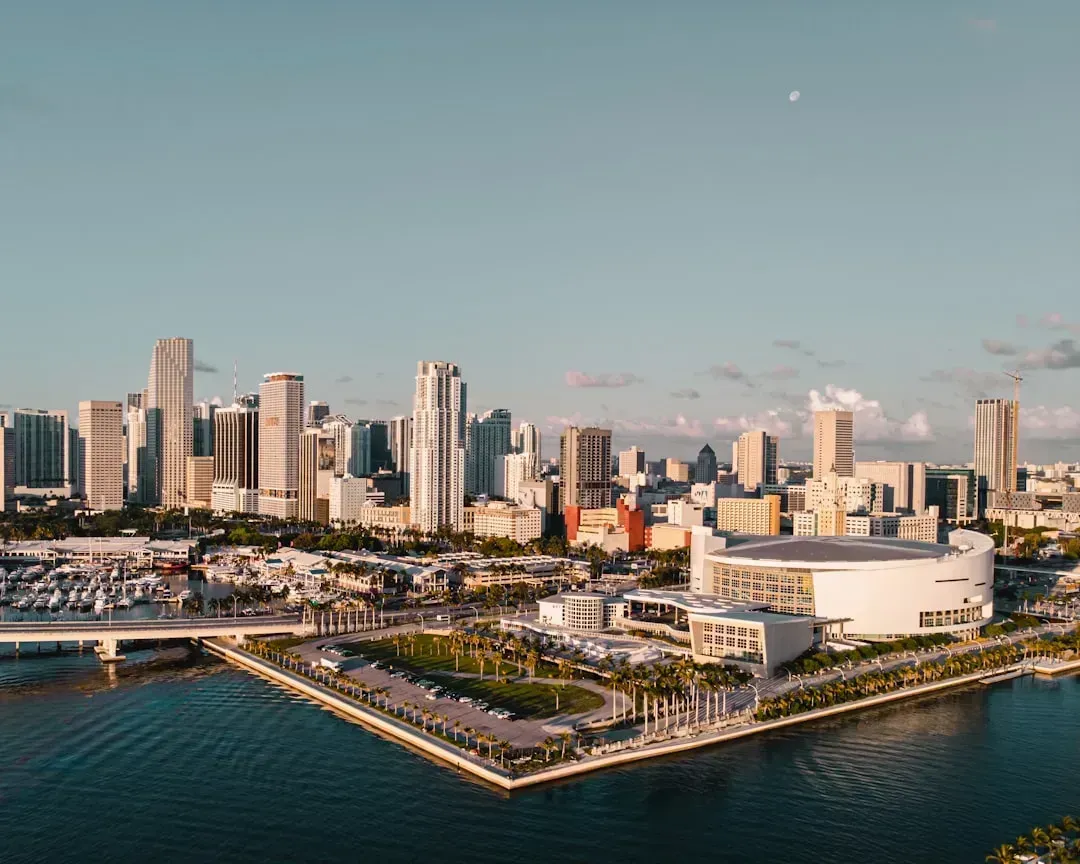
Despite its glorious coastline, Miami is widely described as “ground zero” for sea-level rise in the U.S. Instances of “sunny day flooding” and saltwater intrusion are gradually devaluing real estate in the city, and frequent storms combined with the city’s low-lying location are compounding the problem further. According to Realtor.com, Miami has the highest total value of homes at severe or extreme heat, wind, and flood risk of any city in the country.
Insurance premiums are surging in high-risk markets, with Miami homeowners paying an average of roughly 3.7 percent of a home’s value in annual premiums, the nation’s highest rate. Additional living costs include HVAC and energy-efficiency system improvements and extra insurance due to hurricane risks. The Insurance Information Institute found that Floridians pay an average of over $4,000 per year for home insurance, about three times the national average.
New Orleans, Louisiana: A City Below the Waterline
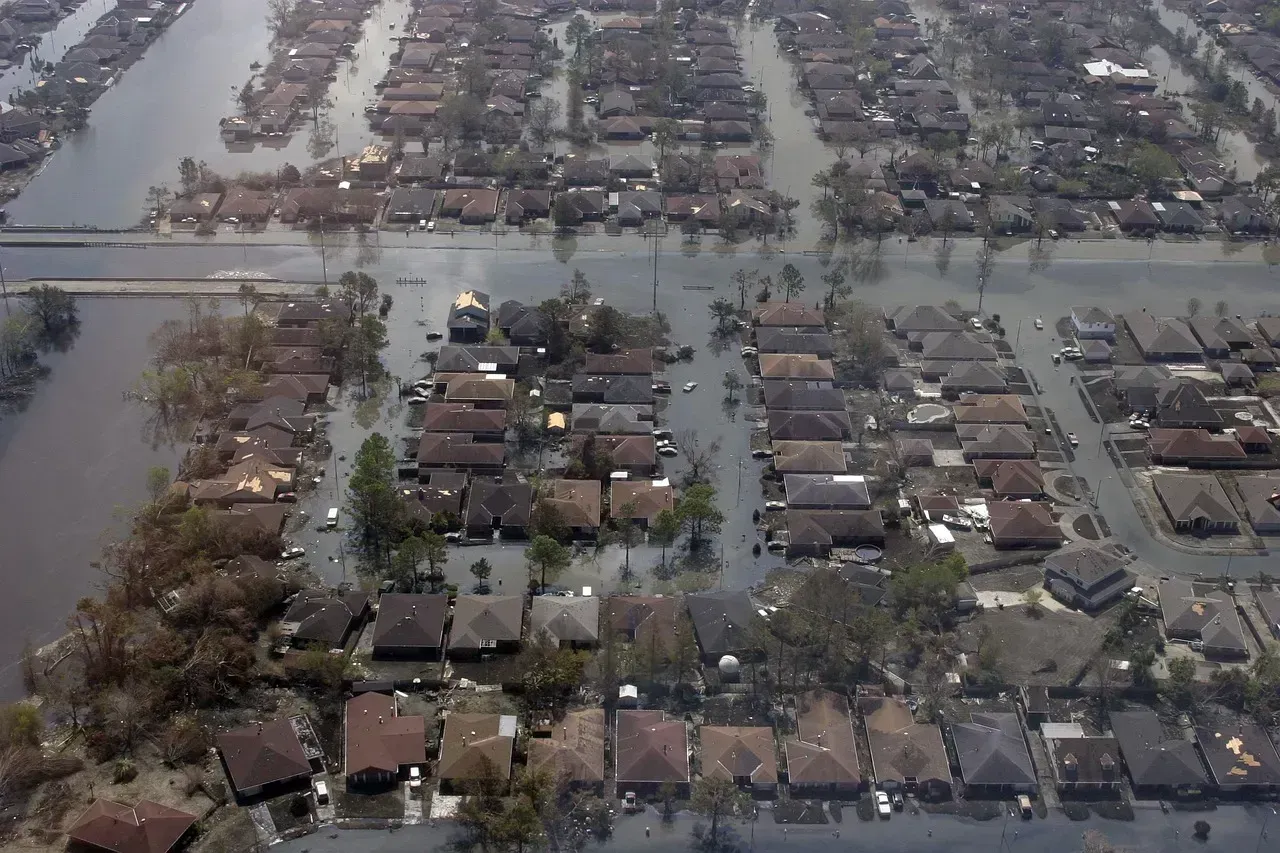
New Orleans sits below sea level and is protected by levees that failed catastrophically during Hurricane Katrina. Its low elevation, land subsidence, and rising sea levels raise ongoing concerns about the city’s long-term sustainability as climate change accelerates. New Orleans isn’t just sinking; it’s also facing rising seas. The Gulf of Mexico is pushing further inland, and Louisiana is losing roughly a football field of land every hour to erosion and sea-level rise.
Since 2010, the U.S. Gulf Coast has experienced a sudden burst of rapid sea-level rise, with rates that scientists didn’t expect to see until late this century. At its center lie the wetlands that make up the first line of defense for New Orleans, buffering the levees and barriers behind them. The change has put the city and its nearby coastal communities at greater risk from storms. Among all U.S. cities, New Orleans follows Miami closely for the highest insurance cost burden as a share of overall home value.
Los Angeles, California: Wildfire Capital of the Nation

The year 2025 kicked off with record-breaking blazes that ripped through Los Angeles, destroying more than 10,000 homes and killing at least 28 people. Fanned by strong Santa Ana winds and burning through tinder-dry vegetation, the blaze rapidly spread into urban areas and racked up more than $30 billion worth of damage. Researchers confirmed that the hot, dry, and windy conditions that fueled the extreme fires were about 35 percent more likely due to climate change.
California alone accounts for nearly 40 percent of all wildfire-exposed property value in the country, roughly $1.8 trillion, with Los Angeles and Riverside among the most vulnerable metros. The state’s insurance market is buckling under the pressure: California’s FAIR Plan, a last-resort insurance option, now covers $650 billion in exposure, an increase of 289 percent since 2021. In terms of unrecognized flood vulnerability, Los Angeles carries a $65.6 billion gap between what FEMA maps show and what updated models actually project.
Tampa, Florida: The Storm Surge Trap
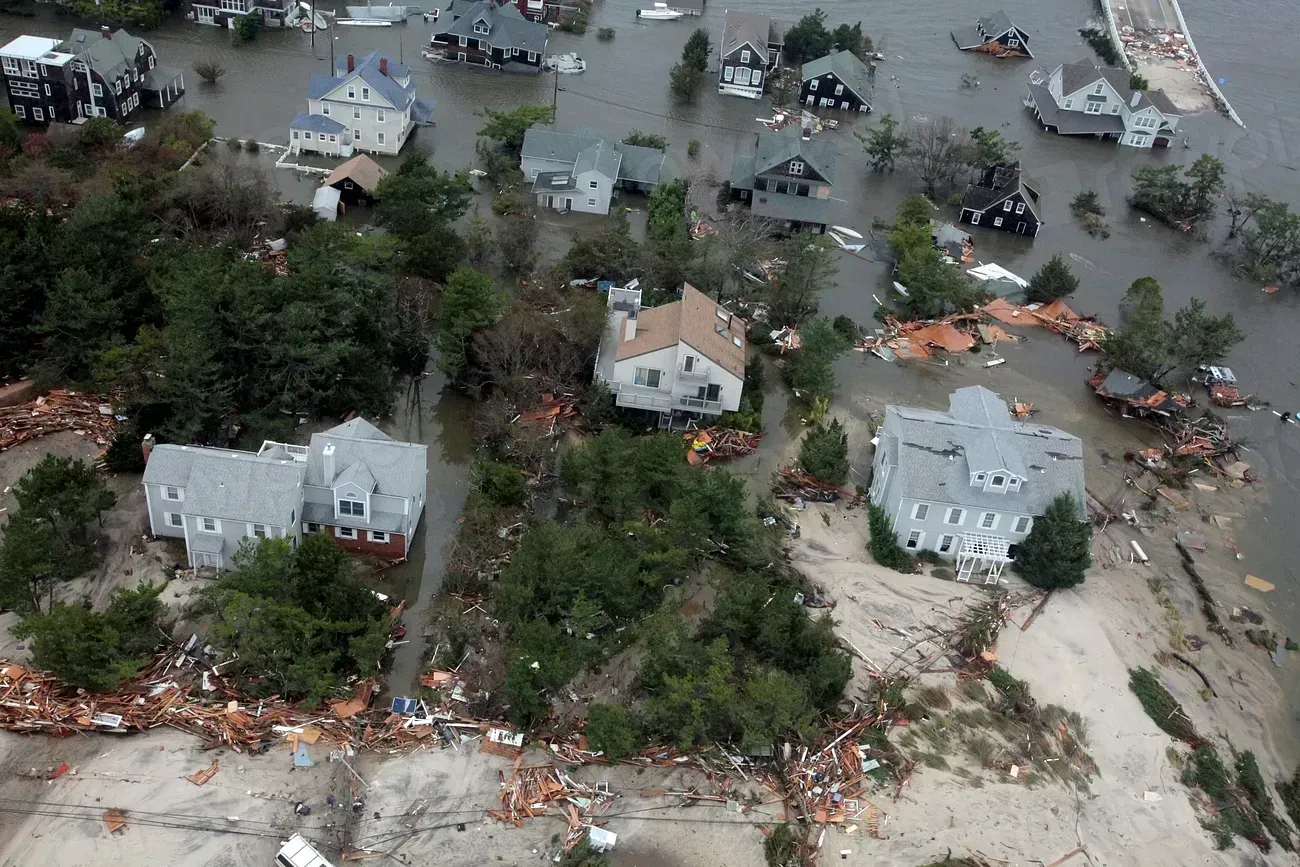
In fourteen major metros across Louisiana, Florida, South Carolina, and Texas, including Tampa, every single home is exposed to severe or extreme hurricane wind risk. Tampa’s geography makes it particularly vulnerable: the shallow, funnel-shaped Tampa Bay can amplify storm surge to extraordinary heights during a direct hurricane strike, a scenario that climate scientists say grows more probable as Atlantic storm intensity increases. Florida cities dominate the list of the most expensive insurance markets, with Tampa, Palm Bay, and North Port all ranking in the top ten nationally.
In future sea-level rise projections, the coastlines around Cape Coral, St. Petersburg, and Tampa would retreat significantly. Wind risks in these areas often overlap with flooding, leaving homeowners in coastal regions vulnerable to compounding disasters. The financial fallout can be staggering: in some states, homeowners with a $400,000 policy must pay as much as $20,000 in hurricane damage before insurance coverage even begins.
Houston, Texas: Flood After Flood After Flood
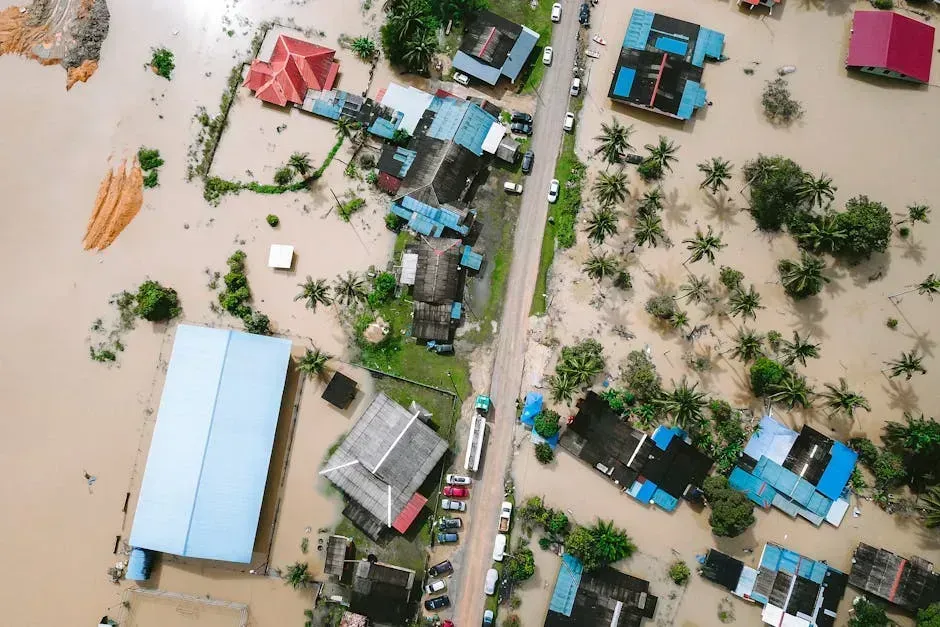
The 2025 State of Housing in Harris County and Houston report indicated that more than one in five housing units in Harris County are in one of three major flood areas, including floodways, the 100-year floodplain, and the 500-year floodplain. Researchers also found a strong connection between a neighborhood’s share of single-family homes in floodplains and that neighborhood’s poverty rate. Over 500,000 residents in Houston face three simultaneous threats: flooding, extreme heat, and poor air quality.
Perhaps most alarming, the rising cost of home insurance driven by climate risks could add more than $15,000 to the overall cost of owning a home, pushing homeownership even further out of reach for many. One Houston homebuyer reported that his insurance jumped from $3,400 per year in 2022 to about $9,000 per year. On top of that, he spent at least $26,000 on disaster-proofing measures alone.
Cape Coral, Florida: A Canal City Running Out of Options

Cape Coral is a city literally built on canals, an engineering marvel when it was developed decades ago, but an increasingly precarious proposition today. Residential areas around Fort Myers and Cape Coral will take on water as sea levels rise. In Pinellas County on the Gulf, barrier islands and low-lying neighborhoods like Shore Acres on Tampa Bay become more than problematic. Because Florida sits on porous limestone, seawalls protect against waves, but the water itself will seep in underneath walls through the rock and rise up on the other side.
New Orleans leads in insurance cost as a share of home value at 3.6 percent, with Cape Coral, Florida, not far behind at 2.2 percent. Florida cities dominate the list of the most expensive insurance markets overall. The National Flood Insurance Program has more than 1.7 million policies in force in Florida, approximately 35 percent of the national total, while decades of underpriced risk have left the federal program tens of billions of dollars in the red.
Phoenix, Arizona: Extreme Heat as an Existential Threat
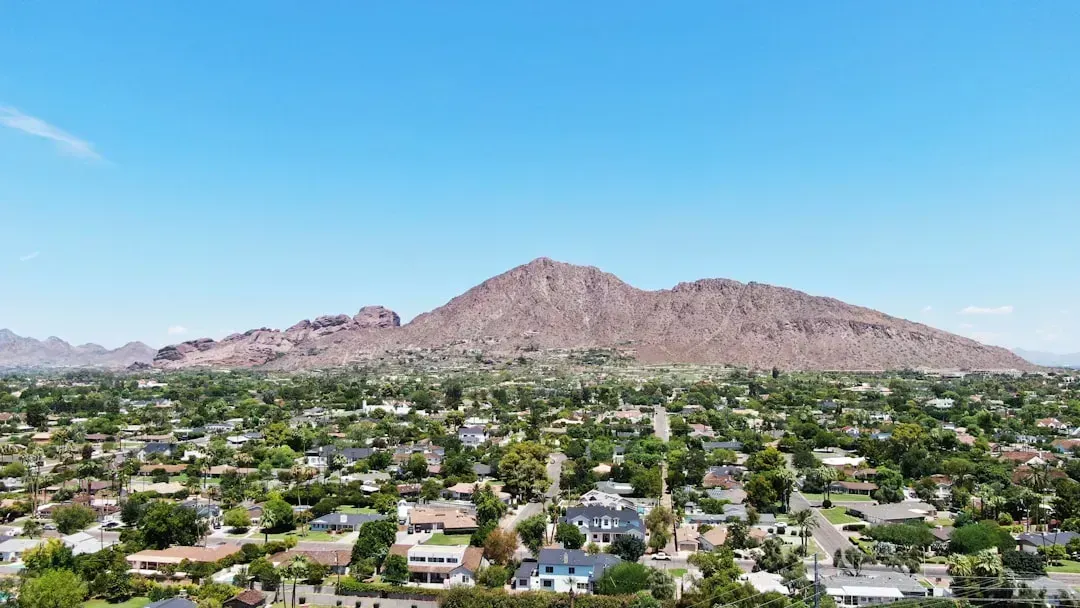
In Denver, heat risk ratings are flagged as very high, reaching 76 on a 100-point scale. Phoenix and other major Southwestern metros face similarly extreme scores. Phoenix routinely records well over 100 days per year above 100 degrees Fahrenheit, and climate models project those counts will climb significantly by mid-century. Extreme heat isn’t just uncomfortable. It’s the deadliest weather-related hazard in the United States, killing more people annually than hurricanes, tornadoes, and floods combined. According to the CDC, extreme heat now causes over 1,220 deaths per year in the U.S., with that number expected to rise significantly.
A Redfin analysis found that 629,000 more people moved into counties in the U.S. most threatened by extreme heat in 2021 and 2022 alone. Phoenix has been a primary destination for that migration wave, partly due to affordability, yet the long-term math on energy costs, water scarcity, and heat-related health burdens increasingly challenges that calculus. Climate change is fueling hotter, drier conditions that lay the groundwork for more intense and frequent natural disasters, and insurers have started curbing their offerings in disaster-prone areas where they may no longer be profitable.
Colorado Springs, Colorado: Wildfire Risk Hiding in Plain Sight
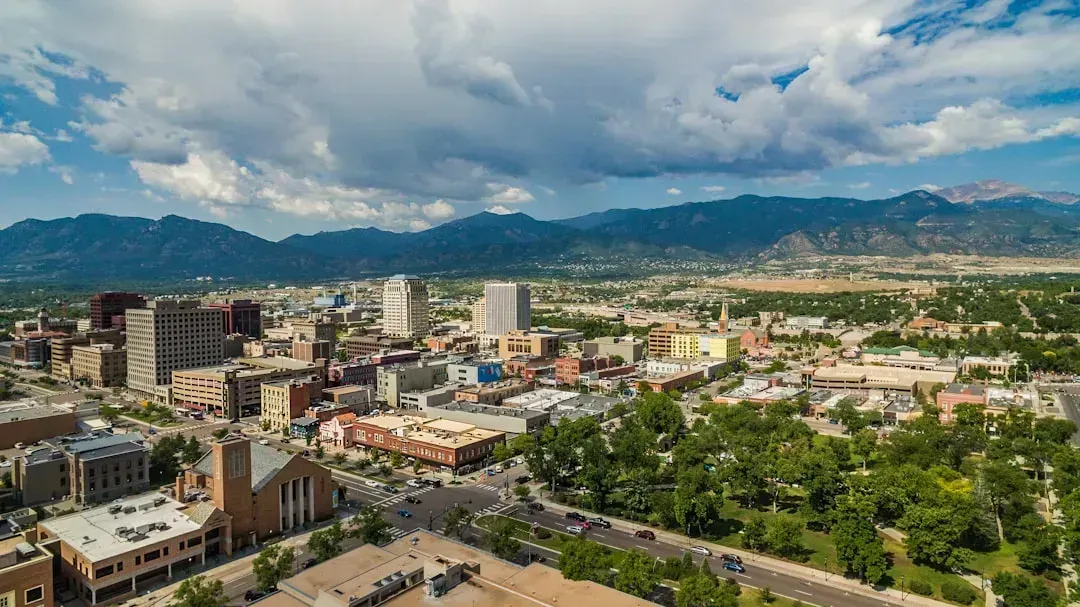
Beyond California, wildfire danger is intensifying in western metros like Colorado Springs, where more than three-quarters of home value is at risk from fire. That statistic rarely makes national headlines, yet it places Colorado Springs among the most wildfire-exposed metropolitan areas in the entire country. The city’s mix of forested foothills and dense suburban sprawl creates the kind of wildland-urban interface that fire scientists call extremely dangerous. Outside California, western cities such as Colorado Springs and Tucson also face high wildfire-related property threats that are frequently underappreciated.
According to LendingTree, home insurance has risen more than 40 percent across the U.S. over the last six years, with 2024 recording the highest single-year jump at 11.4 percent. In wildfire-exposed metros like Colorado Springs, those increases are far steeper than the national average, and the trend shows no signs of reversing. Buyers attracted by mountain scenery and relative affordability compared to Denver often discover the hidden cost burden only after signing their mortgage papers.
Galveston and Greater Houston Coast, Texas: Repeat Catastrophe Territory
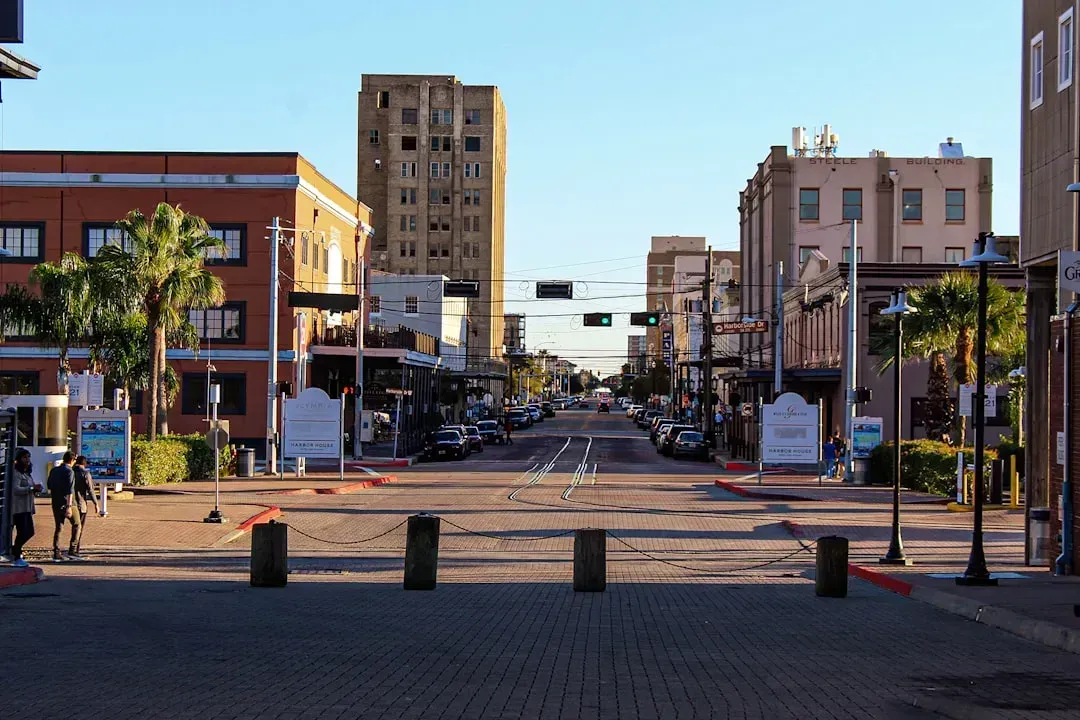
Cities highlighted as particularly vulnerable to sea-level rise and storm surge include Galveston, among others. Large portions of the Gulf and Atlantic coasts are expected to be particularly hard-hit, with severe consequences for local economies and infrastructure. Galveston sits directly on a barrier island with a documented history of catastrophic hurricane strikes, including the 1900 storm that remains the deadliest natural disaster in U.S. history. Coastal regions of eastern Texas, including around Galveston, would be significantly vulnerable under projected sea-level rise scenarios.
Texas alone experienced three severe weather events, including a hailstorm and a hurricane, in 2024. Rebuilding costs after repeated events have made insurers increasingly reluctant to maintain coverage in the region. Some cities and states are already seeing insurers pull out altogether, leaving homeowners scrambling for protection. For buyers considering property anywhere along the Texas Gulf Coast, the combination of storm surge, hurricane wind, and flooding exposure represents a genuinely compound risk.
Tucson, Arizona: Fire and Water Scarcity in Combination
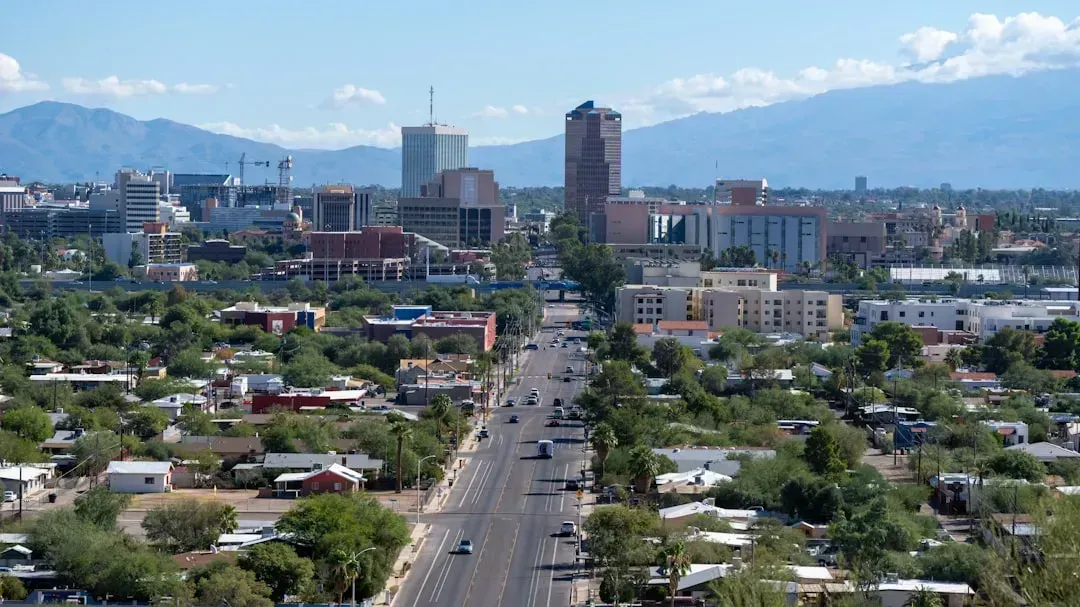
Tucson faces high fire danger, with roughly 60 percent of homes in the metro area exposed to wildfire risk. That alone would be notable, but Tucson faces a second compounding problem that is harder to insure against: long-term water scarcity. The Colorado River system, which supplies much of the region’s water, has experienced historic low levels, and federal water allocation cuts have already been implemented across Arizona in recent years. Drought risk is expected to affect three in four states in the U.S., but the Southwest faces the most severe projected increases.
Many climate-impacted areas like Arizona and Nevada remain relatively affordable to prospective homebuyers exiting overheated markets, and many remain attractive places to live. That combination of lifestyle appeal and lower price tags has kept demand strong even as underlying risks mount. The concern for long-term buyers is that affordability today may not offset the compounding costs of water insecurity, rising utility bills, and growing wildfire insurance premiums across a 30-year mortgage horizon. The financial fallout of the climate bubble could be especially detrimental for lower-income homeowners, many of whom hold the vast majority of their net worth in their home value.