
Power outages are becoming a bigger part of everyday life, not a distant worst-case scenario. A July 2025 report from the Department of Energy issued a stark warning, finding that blackout hours could increase a hundredfold by 2030, driven largely by soaring electricity demand from AI data centers and new manufacturing facilities. That context matters, because the gap between a manageable inconvenience and a genuine crisis often comes down to the decisions people make in the first few minutes and hours of an outage.
The psychological toll of blackouts is real and well-documented. Qualitative studies have consistently identified worry, anxiety, stress, and reduced well-being among individuals exposed to power outages, generally tied to concerns about disrupted heating, food, water supplies, and healthcare. Most of the panic people experience during a blackout isn’t caused by the darkness itself. It’s caused by avoidable mistakes that make an already stressful situation spiral out of control.
1. Running a Generator Indoors or Too Close to the House

This is the single most dangerous thing people do during a blackout, and it happens with alarming regularity. Portable generators produce carbon monoxide, a colorless and odorless gas that can take lives within minutes, and roughly 85 Americans die from CO poisoning related to portable generators each year. The panic of a dark, cold house pushes people to drag generators into garages or up to back doors, which eliminates any margin of safety.
The carbon monoxide concentration in a garage can reach lethal levels in less than five minutes, even with the door open. The CDC is explicit: never use a generator, pressure washer, or any gasoline-powered engine inside your home, basement, or garage, or less than 20 feet from any window, door, or vent. This rule needs to be settled before the power ever goes out, not improvised in the dark.
2. Constantly Opening the Refrigerator and Freezer
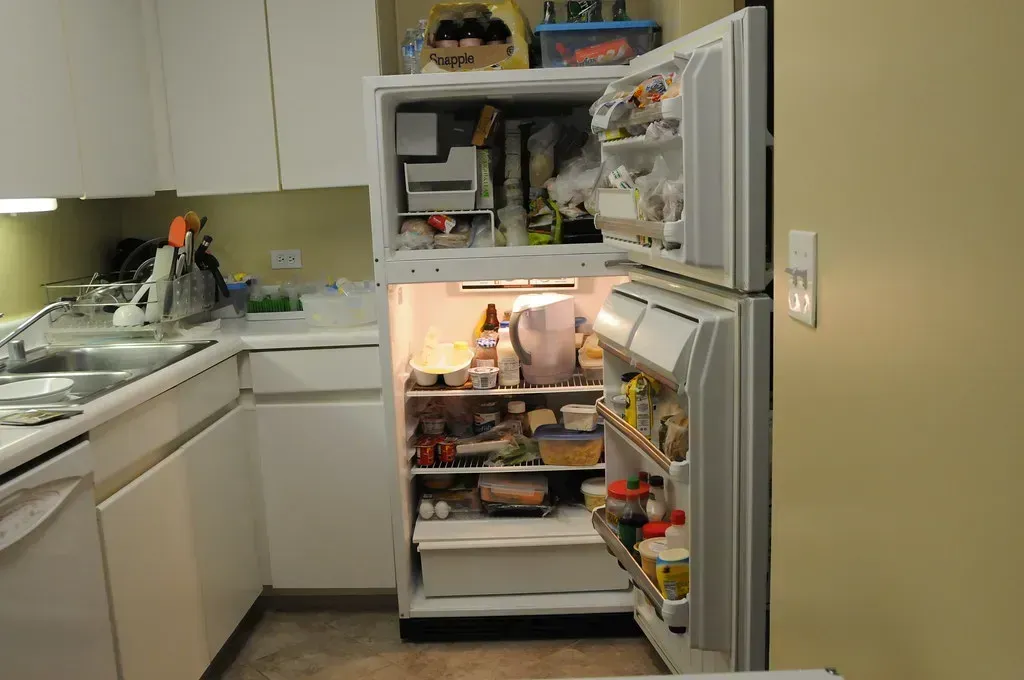
When the power cuts out, the instinct is to check the fridge immediately, then check it again, and again. Every time that door opens, cold air escapes and warm air rushes in, speeding up the clock on food safety. A full freezer will keep food safe for about 48 hours without power if you don’t open the door, while a refrigerator will only keep food safe for up to four hours under the same condition.
The difference between 48 hours and a few hours is enormous, and it hinges entirely on discipline. FEMA advises throwing away any food that has been exposed to temperatures of 40 degrees or higher for two hours or more, or that has an unusual odor, color, or texture. Treating the refrigerator like a sealed vault during an outage isn’t paranoia; it’s simply the most effective way to protect the food inside it.
3. Having No Backup Communication Plan

One of the fastest triggers for genuine panic during a blackout is losing the ability to communicate. Without power, cell phone towers might not provide a signal and the internet will not typically function. People who haven’t prepared for this scenario suddenly find themselves cut off from news, family, and emergency services all at once, and that isolation amplifies anxiety rapidly.
Research highlights that the loss of communication infrastructure is likely to be an important stressor among the public during a power outage. A battery-powered or hand-crank weather radio can fill that gap. Keeping a list of emergency contact numbers written on paper, rather than stored only in a phone, also turns out to matter more than most people expect when devices die.
4. Ignoring the Psychological Needs of Vulnerable Household Members

Blackouts hit some people much harder than others, and failing to account for this ahead of time is a real preparedness gap. Research demonstrates that age is one of the foremost factors influencing an individual’s capacity to cope with the harm of power outages, with older adults over 65 and children under 5 particularly susceptible to experiencing adverse effects from extreme indoor temperatures caused by the absence of power.
According to researchers, a power outage cuts out communication and can cause social isolation, and for groups like the elderly, that isolation can cause significant mental stress, compounded by fear related to security risks. Experts warn against underestimating the potential for worsening depression, mood disorders, stress, and anxiety during prolonged outages. Building a household plan that explicitly accounts for the needs of children, elderly relatives, and anyone with mental health conditions is not optional; it’s central to keeping everyone calm.
5. Having No Emergency Kit Ready Before the Lights Go Out
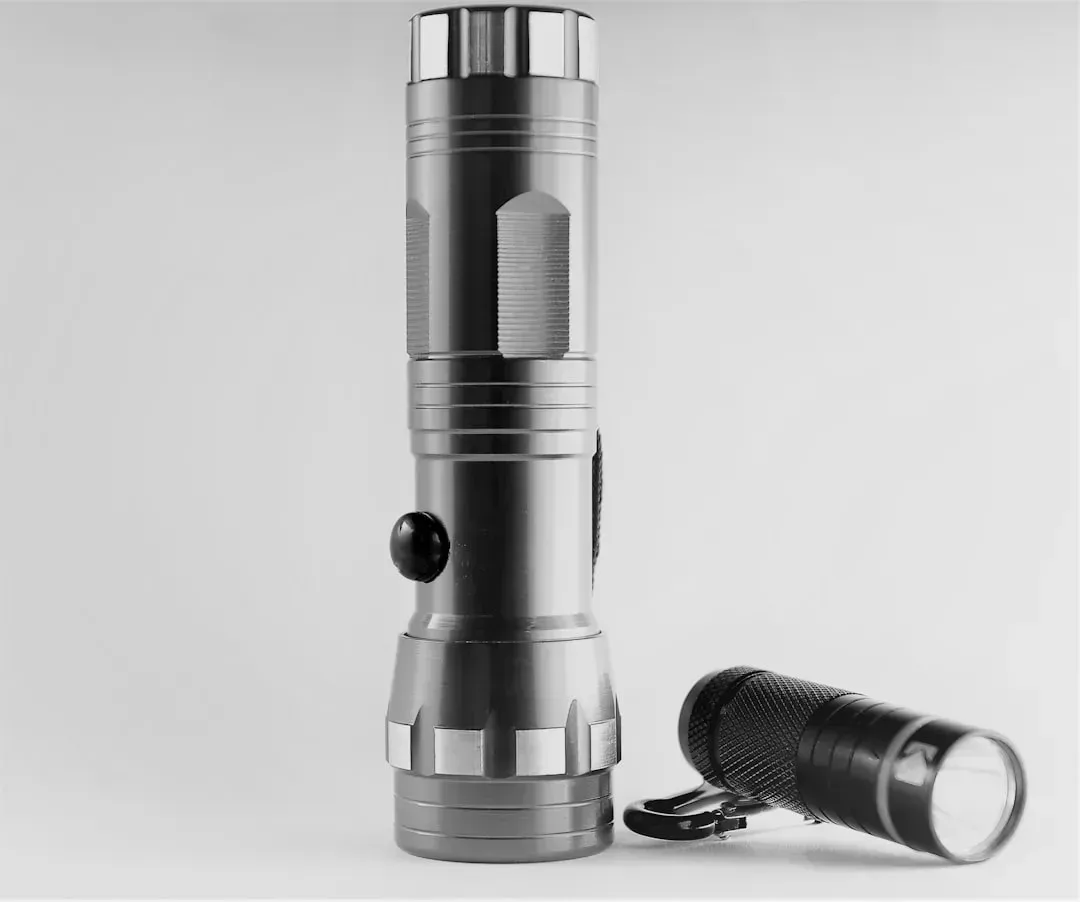
Searching for candles in a pitch-dark kitchen while the family waits is one of the most preventable sources of blackout stress. Most blackouts are over before you’ve finished searching for candles, but when they drag on for a week or longer, a long-term power outage can quickly become more than an inconvenience and can even be dangerous or life-threatening if you’re caught unprepared.
Emergency preparedness experts recommend an emergency kit containing at least two weeks of food, water, pet supplies, and medicine, along with a week’s worth of cash in case ATMs and credit card machines go down. When everything goes dark, it’s crucial to have lighting alternatives close at hand, including LED lights, flashlights, and extra batteries stored in an easily accessible location. Having that kit assembled in advance is what separates an inconvenient evening from a chaotic ordeal.
6. Using Candles or Charcoal Grills Indoors for Heat or Light

Candles have long been a go-to solution during blackouts but are not recommended as they pose a significant fire hazard. The same impulse that drives people toward candles also drives them toward charcoal grills for cooking or heat, which introduces a second and equally serious threat. Charcoal produces lethal levels of carbon monoxide just like generators, and should never be used indoors for any reason, including garages, even with the door wide open.
Power outages that last longer than a few hours, often caused by extreme weather events, can have negative impacts on indoor environments, and without electricity, controlling indoor temperature may be difficult or impossible. The EPA recommends using only properly vented combustion appliances during outages. Battery-powered LED lanterns are a far safer substitute for candles and produce no toxic fumes whatsoever.
7. Leaving Electronics Plugged In During the Outage
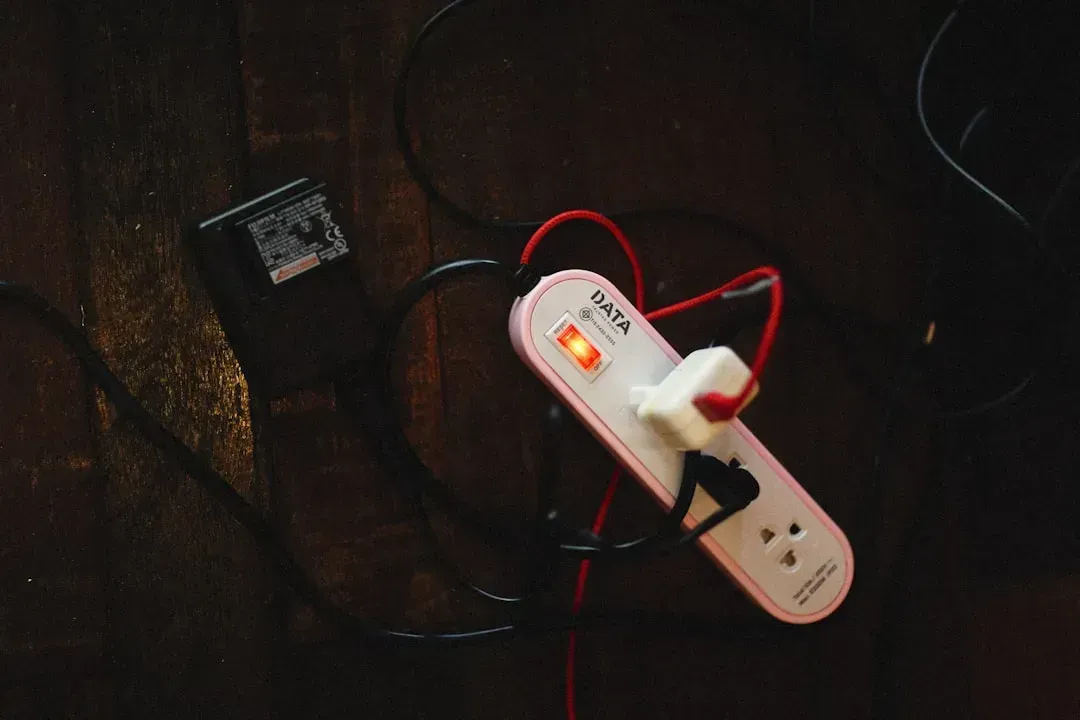
This is a quiet mistake that often goes unnoticed until the damage is done. When power returns after an outage, it frequently comes back as a sudden surge rather than a smooth restoration. It’s easy to forget, but unplugging electronic devices and appliances during a blackout is important because when power is eventually restored, the home may experience a voltage surge that could cause irreversible damage to any devices left plugged in.
FEMA specifically advises turning off or disconnecting appliances, equipment, or electronics during an outage, because power may return with momentary surges or spikes that can cause damage. Losing expensive electronics on top of an already stressful blackout adds a financial shock that compounds anxiety and creates a new layer of chaos. Unplugging takes about 90 seconds and costs nothing.
8. Assuming a Short Outage and Making No Plan for Duration
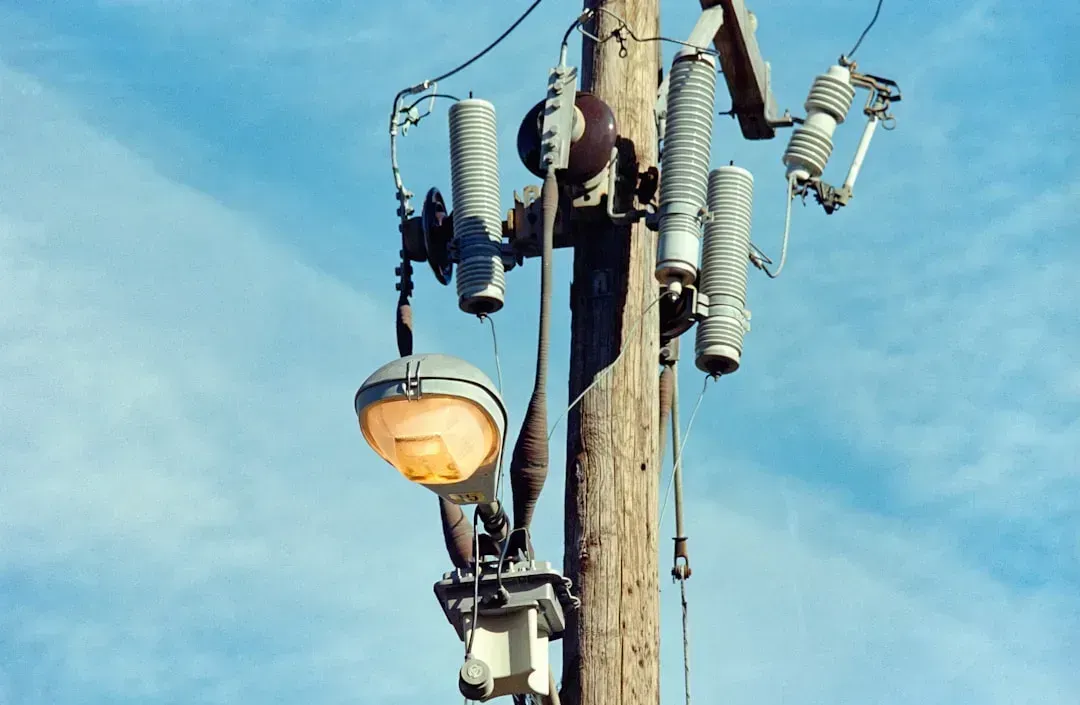
One of the most common cognitive errors during a blackout is assuming it’ll be over in an hour. The main lesson from recent major outages is about time: people must plan for the length of an outage, not just the initial loss of power, because a multi-day blackout turns an inconvenience into a real problem affecting food safety, communication, and even shelter.
With aging infrastructure, worsening extreme weather events, and geopolitical instability increasing, long-term blackouts are becoming more common, and when a long-term power outage does hit, it can create havoc, with the last few years showing that even long-reliable electrical grids can experience catastrophic problems. Planning only for a two-hour outage and then facing a 48-hour one is a setup for escalating panic. A realistic emergency plan accounts for multiple scenarios, including the uncomfortable longer ones.
9. Treating Medication and Medical Devices as an Afterthought

Power outages are particularly dangerous for those who use medical devices that require electricity, such as CPAP machines, electric wheelchairs, electric heart pumps, and oxygen concentrators. For these individuals, a blackout stops being a nuisance very quickly. Research looking at three years of power outages found thousands of eight-plus-hour outages, which can represent a critically long time for medically high-risk groups to go without equipment.
Many drugs require refrigeration to keep their strength, and when the power is out for a day or more, medications that should be refrigerated should be discarded unless the label says otherwise; if a life depends on the refrigerated drug, it should only be used until a new supply is available. FEMA recommends talking to your medical provider about a power outage plan for electrically powered medical devices and refrigerated medicines, including finding out how long each medication can safely be stored at higher temperatures. Having that conversation before an emergency is the kind of preparation that genuinely saves lives.
Every blackout is different. Some last minutes, others stretch into days, and the factors that determine which way things go are often well outside anyone’s control. What remains firmly within reach is the level of preparation brought to the moment. The mistakes listed here share a common thread: they’re almost all rooted in assuming that electricity will return quickly and that no special planning is needed. Preparedness is paramount, and improving mental readiness alongside physical readiness reduces both the frequency and the severity of panic responses during an outage. Knowing what not to do turns out to be half the battle.