
Health anxiety is far more common than most people realize. It is a condition involving excessive worry about having or developing a serious medical condition, even when medical tests show few or no symptoms. For the roughly one in twenty people who experience it in a clinical form, it doesn’t look like simple nervousness. It looks like researching the same headache for three hours, texting a friend for the fifth time asking if they think something is seriously wrong, or lying awake cataloging every odd sensation the body has produced that week.
What makes health anxiety particularly stubborn is that most people who have it are unknowingly doing things that feed it. People with health anxiety misinterpret normal physical sensations – like chest pain, muscle twitches, or digestive discomfort – as signs of life-threatening illness. The behaviors that feel logical in the moment often become the very engine keeping the fear running. Here are seven of the most common and consequential mistakes that quietly turn ordinary health worry into something much harder to shake.
1. Googling Symptoms Late at Night
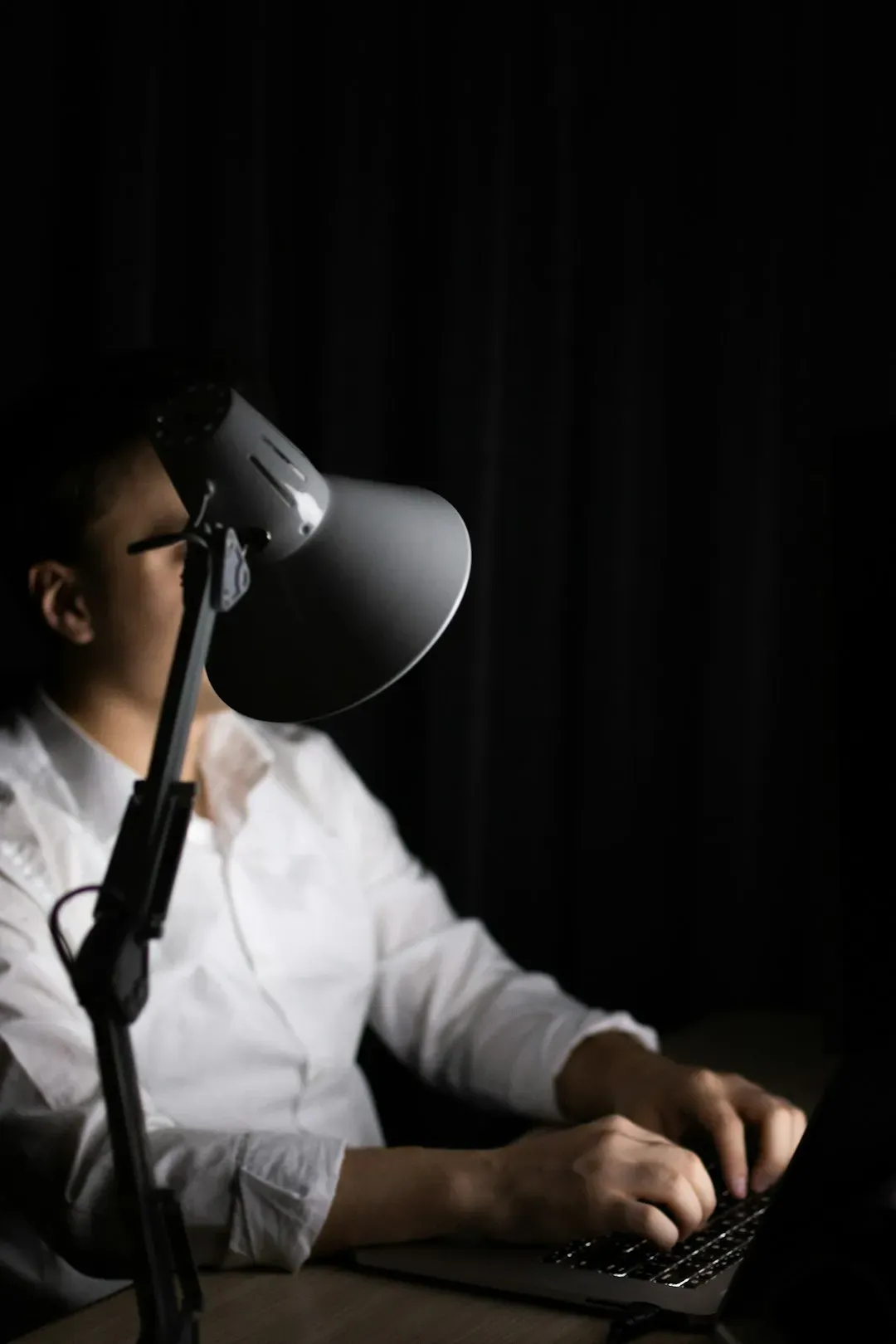
Cyberchondria is defined as heightened health anxiety and distress arising from excessive online searches about medical symptoms or risks, and it is an emerging mental health concern in the digital era. The timing matters more than most people think. Late-night searching combines two of the worst conditions for rational thought: fatigue and the absence of any distraction that could interrupt a spiral. One ambiguous result leads to another, and the algorithm does not care whether you’re terrified.
Cyberchondria is a pattern of excessive online health information searching that worsens rather than relieves health anxiety. Unlike a straightforward search, the cyberchondria spiral is self-reinforcing: each search generates more alarming information, which generates more searching. Regardless of what occurs first – health anxiety or online health-related searches – online searches in cyberchondria result in higher levels of health anxiety compared to the levels prior to initiating those searches. That is a one-way door most people don’t realize they’ve walked through.
2. Seeking Constant Reassurance from Others

Excessive reassurance seeking is believed to play an important role in maintaining mental health problems, in particular anxiety disorders such as obsessive-compulsive disorder and health anxiety. The logic seems sound: if someone else confirms you’re fine, the worry should stop. The problem is that this relief is almost always temporary, and the anxiety returns stronger each time because the underlying pattern hasn’t been addressed.
Reassurance seeking has been shown to immediately reduce anxiety, but this temporary reduction is typically followed by a paradoxical increase in anxiety and an urge to seek additional reassurance, leading to increased frequency of reassurance seeking over time. Engaging in excessive reassurance seeking may impede the process of habituation, maintain threat overestimation, and hamper an individual’s sense of their ability to cope with anxiety. In other words, the more you ask, the less you trust your own ability to handle uncertainty.
3. Body Checking as a Daily Habit

Body checking refers to the repeated, deliberate inspection of the body for perceived signs of illness. Pressing a lymph node repeatedly to see if it’s swollen. Checking skin under different lights. Measuring a pulse multiple times per hour. People with illness anxiety disorder fear that they have a serious medical condition or that they are at high risk of becoming ill. They may also misinterpret typical body functions as signs of illness. Body checking amplifies that tendency because the act of searching almost always finds something to fixate on.
Paired with a preoccupation with illness and constantly seeking reassurance, body checking can seriously impact someone’s daily life and relationships. The irony is that healthy bodies produce dozens of odd sensations, twitches, and aches every single day. When someone is primed to notice and interpret each one as dangerous, the body suddenly feels like a minefield. Reducing body checking is one of the more uncomfortable but effective steps out of that cycle.
4. Avoiding Medical Appointments Out of Fear

There are two opposite poles in health anxiety, and both are traps. Some people over-use healthcare services obsessively, while others go in the opposite direction. Health-anxious people are either driven to over-rely on health services or completely avoid clinics of any sort. Avoidance feels like protection, but it keeps the imagined diagnosis alive because it’s never actually confronted or ruled out.
One of the more noticeable signs of anxiety is avoidance. People with anxiety may begin to avoid situations that trigger their symptoms. While avoiding these situations may provide temporary relief, it reinforces the cycle of anxiety and can worsen the disorder in the long run. Skipping a routine checkup because you’re afraid of what might be found is exactly the kind of short-term relief that quietly deepens a long-term problem.
5. Chronic Sleep Deprivation

The bidirectional relationship between anxiety and sleep deprivation means they can be self-reinforcing: worrying causes poor sleep, while further sleep difficulties cause greater anxiety. For someone already prone to health-focused worry, this cycle can be punishing. Lying awake at night scanning the body for symptoms while simultaneously getting worse sleep, which then makes every sensation feel more threatening the next day, is an exhausting loop.
Sleep plays a vital role in emotional regulation, largely through its effect on the amygdala and its interaction with the medial prefrontal cortex. The amygdala detects emotional threats and triggers stress responses, while the prefrontal cortex acts as a brake. When someone is sleep-deprived, the amygdala becomes hyperactive and its connection with the prefrontal cortex weakens. As a result, emotional responses become more intense. That neurological shift means sleep-deprived people are literally less equipped to reason their way out of anxious thoughts.
6. Using AI Chatbots as a Diagnostic Tool

For two decades, the cyberchondria spiral was powered by Google. You searched a symptom, got a list of links, clicked the most alarming one, then clicked another. The architecture of that spiral was chaotic – ten blue links, competing sources, no through-line. That has now changed significantly. Conversational AI doesn’t give you links to follow. It gives you a diagnosis to sit with. It speaks in the first person. It sounds like someone who has read everything and is telling you calmly what they found.
For the anxious mind, that is not a neutral upgrade. That is a more convincing trap. The problem isn’t just that AI tools can be wrong. It’s that they present uncertain information with a confident, clinical tone that feels authoritative. The interaction between cyberchondria, somatic symptom disorder, and internet self-diagnosis increases reliance on self-diagnosis while delaying professional medical care consultations, potentially creating a harmful cycle that worsens overall health.
7. Avoiding Treatment Because “It Might Not Be That Bad”

Research shows cognitive behavioral therapy effectively treats health anxiety and helps people with health anxiety reclaim their daily life. Yet a large number of people who meet clinical criteria for health anxiety never receive any treatment, often because they rationalize the problem as something they can manage through willpower alone, or because they don’t want to be told their fears are in their head. Around one in five U.S. adults have been told by a doctor or healthcare professional that they have any type of anxiety disorder.
A recent study in Sweden showed that those with health anxiety could potentially die earlier than others. Examining the records of 45,000 patients, those with the disorder were likely to die up to five years earlier than those without it. That figure isn’t meant to alarm; it illustrates how physical the consequences of untreated chronic anxiety can become. Cognitive behavioral therapy effectively treats health anxiety, and avoiding that step, like so many of the other mistakes on this list, is ultimately a decision to keep the cycle in motion rather than interrupt it.
Each of these seven mistakes shares a common thread: they all feel protective in the short term, and each one quietly strengthens the problem they claim to address. Recognizing the pattern is the first genuinely useful step, because it shifts the question from “what’s wrong with my body?” to “what’s keeping this fear alive?”