
Most men don’t recognize burnout when it’s happening to them. That’s not a character flaw – it’s actually a well-documented pattern. Gender role research suggests men are socialized to conceal emotions and withdraw under chronic stress rather than express distress openly. The result is that burnout in men tends to wear a convincing disguise, one that often looks like composure, reliability, or just “handling it.”
The World Health Organization classifies burnout as an occupational phenomenon caused by prolonged stress, with three core dimensions: emotional exhaustion, depersonalization, and a collapsed sense of accomplishment. Researchers who study burnout across professions note that burnout symptoms don’t appear all at once – they accumulate over months or years of chronic stress. By the time the warning signs are obvious, the damage is usually well underway. Here are thirteen of the most telling, and most frequently missed, signals.
1. You’re Exhausted Even After a Full Night of Sleep

Feeling tired typically resolves with rest – enough sleep, a weekend off. Burnout doesn’t. If you’ve taken recovery time and still felt the same flatness, cynicism, or detachment when you returned, that’s a key signal. This isn’t ordinary tiredness. It’s a depletion that sleep simply can’t touch.
The Conservation of Resources theory suggests that burnout, manifested by prolonged feelings of physical fatigue, emotional exhaustion, and cognitive weariness, arises from the depletion of energetic resources due to cumulative exposure to stress. When your internal reserves are genuinely empty, no amount of rest over a weekend refills them. The body keeps showing up, but something essential has gone quiet.
2. Everything and Everyone Irritates You

Burnout affects the way you feel, which can also affect how you treat others. You may be more irritable and on edge than usual. Small stressors may lead to frustration and even angry outbursts. For men in particular, this irritability is often the primary face of burnout – and it’s easy to write off as stress or a bad mood rather than something more serious.
Flashes of temper or irritability, such as snapping at partners or children, bursts of road rage, and frustration at slow technology, are common presentations. If you find yourself reacting with disproportionate anger to minor inconveniences on a daily basis, that pattern deserves a closer look. It’s rarely just about the traffic.
3. You’ve Become Deeply Cynical About Work

You stop caring about work you used to find meaningful. Colleagues become annoyances. Clients become tasks. You go through the motions with a low-grade contempt that surprises even you. This shift can happen so gradually that men rarely notice it until someone else points it out.
The cynicism dimension of burnout was originally called depersonalization and was also described as negative or inappropriate attitudes towards clients, irritability, loss of idealism, and withdrawal. Research has found that men experience more cynicism than women, but women experience more emotional exhaustion than men. In other words, cynicism isn’t just a personality trait in burned-out men – it’s a clinical signal.
4. You Feel Emotionally Detached From People Around You

Burnout researchers call this depersonalization – treating people and situations as objects rather than things that matter. In men, it’s the most pronounced burnout dimension, and the hardest to spot because it looks like composure. To an outside observer, a man in this state can appear stoic and focused. Internally, the connection has been severed.
A telltale sign of burnout is depersonalization or cynicism, which reveals the decline in one’s emotional engagement and connection to the outside world. People become emotionally detached from the activities they formerly considered fulfilling and the people they engage with, as if a protective emotional screen were put up. When the people you love start feeling like background noise, that’s not a phase – it’s a warning.
5. You’ve Lost Interest in Hobbies That Used to Excite You
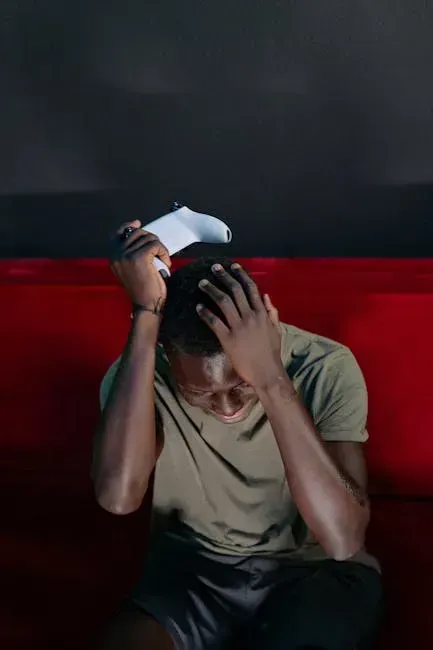
Lack of interest in work, hobbies, or relationships, constantly feeling flat or detached from people and surroundings, is one of the most common burnout presentations in men. The gym routine you were proud of, the sport you played on weekends, the music you used to love – all of it starts to feel like effort without reward.
Spending quality time with friends and family can feel like a chore when you’re battling burnout. The loss of enjoyment isn’t selective. It tends to spread from work outward, quietly erasing the activities that used to provide balance. When nothing reliably brings you pleasure, that’s anhedonia – a recognized symptom of burnout, and one that men frequently dismiss as simply “getting older.”
6. Your Body Is Sending Physical Signals

Common physical symptoms of burnout include headaches, gastrointestinal disorders, and cardiovascular problems such as tachycardia, arrhythmia, and hypertonia. These aren’t imaginary or coincidental. Chronic stress maintains the body in a prolonged state of physiological alert, and the wear shows up in the places least expected.
When prolonged stress leads to sleep problems and causes your muscles to tense up, tension headaches are common, feeling like pressure on your forehead and temples. Burnout has also been shown to cause symptoms like back pain and gastrointestinal issues, ranging from constipation to diarrhea. Men are especially prone to dismissing these symptoms as unrelated inconveniences, booking a chiropractor appointment instead of considering what’s actually driving the pain.
7. You’re Relying More on Alcohol or Other Numbing Habits

Men experiencing burnout are more likely to withdraw, become irritable, or increase substance use rather than express feeling overwhelmed. The extra drink after work, the nightly scroll that stretches past midnight, the weekend that starts with a six-pack – these behaviors tend to creep in quietly, framed internally as deserved rewards.
Research on burnout in high-pressure professions paints a clear picture of the occupational consequences when burnout goes unaddressed: higher rates of substance use, relationship breakdown, and compounding mental health challenges that deepen the original problem. Numbing strategies provide short-term relief but deepen the underlying depletion over time. The habit often grows before anyone, including the man himself, recognizes it as a coping mechanism.
8. Your Performance Is Quietly Declining
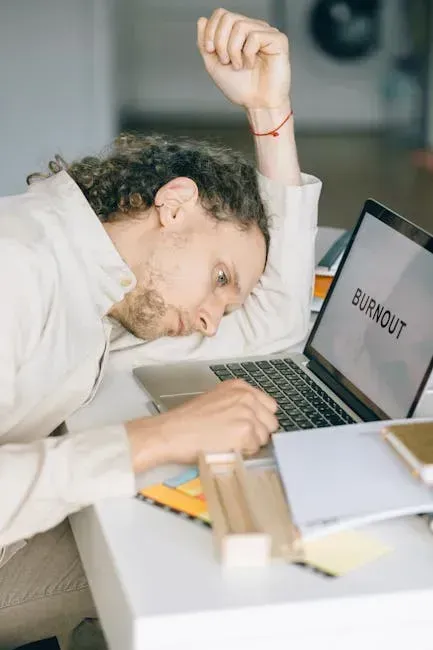
Around a third of workers express a decline in concentration due to burnout, with roughly the same proportion indicating a loss of interest in their tasks, and about one in five report increased procrastination. For men who anchor their self-worth to professional output, this decline tends to create a painful loop: lower performance triggers more stress, which deepens the burnout.
Reduced performance can occur at work or at home because there is no energy left for everyday tasks. Burnout makes it hard to concentrate, handle responsibilities, or be creative. The frustrating thing is that burned-out men often work longer hours in a desperate attempt to compensate, which only accelerates the cycle rather than breaking it.
9. You Feel a Persistent Sense of Worthlessness or Failure

The progression toward self-doubt and identity loss raises serious concerns. Men start to question their abilities. They begin to see themselves as empty vessels that just complete work. This identity crisis brings feelings of worthlessness and deep emotional numbness. It’s a particularly damaging stage because it internalizes the problem – the man stops blaming circumstances and starts blaming himself.
The notion of “precarious manhood,” meaning the belief that manhood is an achieved social status that must be earned and constantly defended, means that men may feel it is their character rather than their behavior being judged during tumultuous times. Even men who achieve and maintain what they perceive as success are likely to put unreasonable expectations on themselves that can lead to burnout. The standards men hold themselves to often make it impossible to recognize when enough is enough.
10. Your Sleep Is Disrupted, Even When You’re Exhausted

Changes in sleeping patterns are a recognized burnout symptom. You may also find yourself sleeping more or less than usual or at different times than usual. Some men sleep ten hours and wake up feeling hollow. Others can’t sleep at all, lying awake with a racing mind that won’t switch off despite the body being completely spent.
Burnout is often accompanied by physical symptoms like fatigue, headaches, and sleep disturbances. Disrupted sleep then compounds every other symptom – it degrades decision-making, emotional regulation, and physical health simultaneously. The constant context switching, decision overload, and digital noise that characterize modern knowledge work drain cognitive resources at unprecedented rates. The meetings, messages, and notifications may not look like “hard work,” but they’re draining cognitive resources deeply.
11. Your Sex Drive Has Noticeably Dropped

The prolonged stress associated with burnout alters hormone production, and libido depends on these hormones. High levels of cortisol can inhibit the production of sex hormones such as testosterone, which is essential in both men and women to maintain sexual desire. Hormonal imbalance becomes an obstacle to the enjoyment of intimacy. This is a sign men rarely connect to burnout, often assuming it’s a physical health issue or simply aging.
Social consequences of burnout may include withdrawal at the workplace, marital or sexual problems, and social isolation. A decreased interest in sex combined with emotional withdrawal from a partner is a pattern that frequently surfaces in burned-out men – and frequently goes unaddressed precisely because it feels too personal, or too embarrassing, to name out loud.
12. You’ve Withdrawn From Friends and Social Life

Withdrawal is a recognized stage of burnout progression, where dealing with others starts to feel like a burden. Canceling plans becomes a reflex. Evenings out with friends that once felt energizing start to feel like obligations. The man often convinces himself he’s simply introverted, or tired, or just needs alone time.
Physical symptoms of burnout present as fatigue, exhaustion, and somatization, and burnout is also linked to social withdrawal and the inability to regulate the expression of emotions. Around four in five professionals acknowledge that burnout from their work can have a negative impact on their personal relationships. The irony is that social connection is one of the most effective recovery tools, yet burnout systematically dismantles the willingness to pursue it.
13. You’re Still Showing Up, but You Stopped Caring
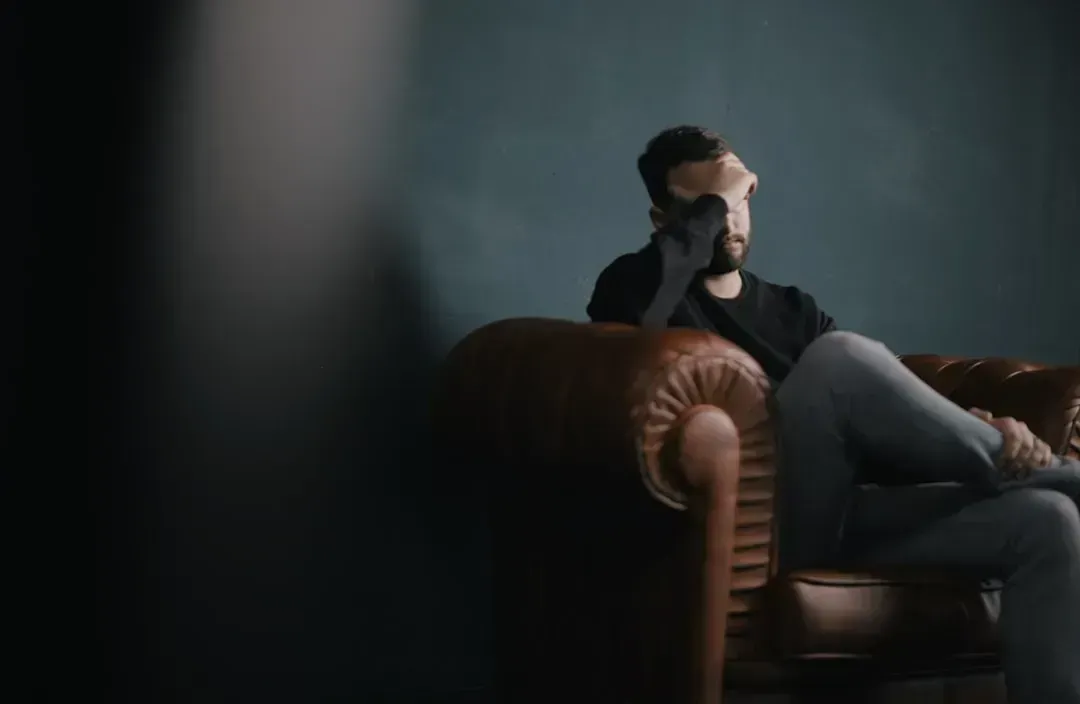
Burnout recovery looks different for men – mostly because burnout itself looks different in men. You’re not crying at your desk or calling in sick. You’re showing up, performing, getting it done. But something behind your eyes went quiet months ago, and you’re just now starting to notice. This is perhaps the most insidious form of burnout, because it looks fine to everyone else.
Standard burnout screening tools may underdetect burnout in men who don’t present with typical emotional signs. Men may simply not understand why they don’t feel “right,” have limited knowledge of mental health, and do not have the ability or confidence to articulate what they are feeling or look for support. Continuing to function while feeling completely hollow isn’t strength – it’s a sign that something important has been ignored for too long.
Burnout in men doesn’t arrive dramatically. It accumulates quietly, disguised as discipline and stoicism, until the gap between how a man appears and how he actually feels becomes impossible to ignore. The first step in the recovery process is calling it what it is – not “I’m just tired” or “work has been a lot.” Burnout is a recognized occupational phenomenon with measurable dimensions, and naming it accurately is what makes it treatable rather than something you simply endure. Recognizing these signs isn’t weakness. It’s the beginning of something genuinely different.