
Most of us want to do right by the planet. We carry our tote bags to the farmers market, toss our cardboard in the recycling bin, and feel a small sense of pride knowing we’re at least trying. The problem is that good intentions, without the right information behind them, can lead to habits that accomplish the opposite of what we hope. Some of our most celebrated eco-rituals turn out to be far messier, or far less effective, than the messaging around them suggests.
Researchers, lifecycle analysts, and environmental scientists have been raising these concerns for years now, and the evidence has only grown sharper. None of this means giving up on sustainability. It means getting smarter about it. Here are ten “green” habits that experts say deserve a second, more honest look.
1. Carrying a Cotton Tote Bag Everywhere

The cotton tote has become something of a cultural symbol of eco-consciousness, and the backlash from scientists has been building quietly for years. A study by the Danish Ministry of Environment in 2018 found that a conventional cotton tote bag needs to be reused 7,100 times to make up for its higher environmental footprint compared to a plastic bag used once. For organic cotton, the number is even more sobering. An organic cotton tote needs to be used 20,000 times to offset its environmental impact, due to the large amounts of energy and water needed to produce it – the equivalent of using just one tote bag every day for 54 years.
Cotton tote bags have a significant environmental footprint, especially during production, since cotton farming is resource-intensive, requiring large amounts of water and pesticides. The trendy sustainable consumer who owns ten tote bags in different colors and patterns probably isn’t being sustainable at all – if you own ten tote bags, the production and energy impact is far worse for the environment than owning ten plastic bags. Owning one and using it relentlessly is the only scenario where it genuinely helps.
2. Tossing Items Into the Recycling Bin Without Checking
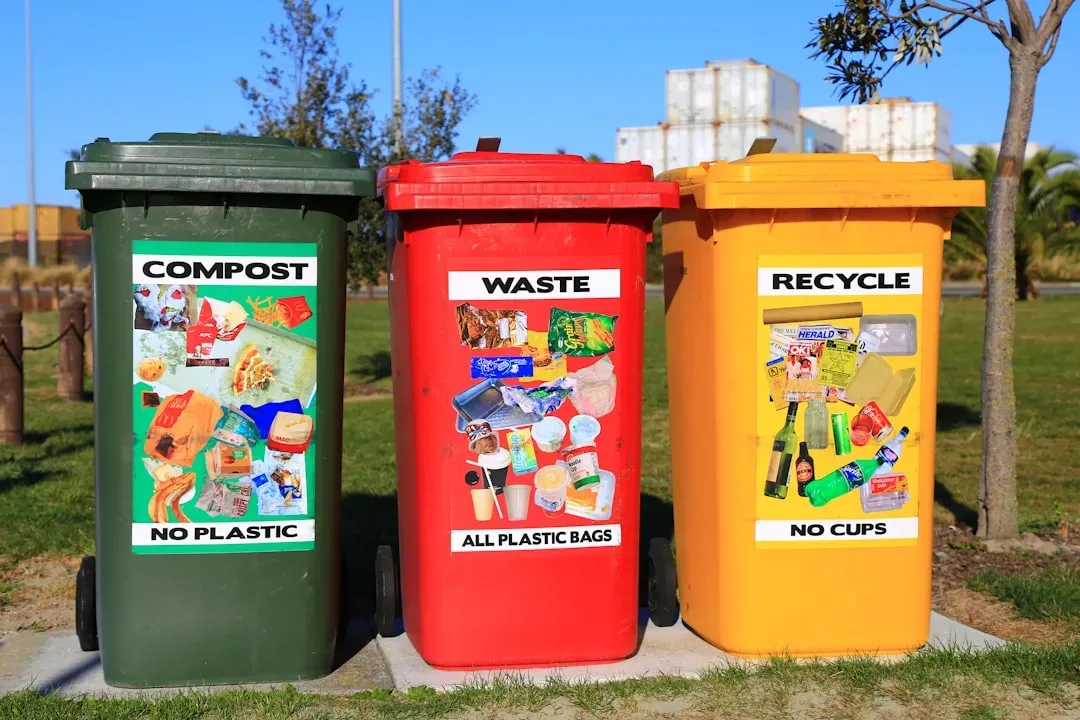
Recycling feels like the simplest green habit there is. The bin is right there. The instinct is to use it. The trouble is that what many people call recycling is actually “wishcycling,” a habit of tossing in items with the hope that someone else figures it out. According to the EPA, U.S. recycling contamination rates are around 25%, meaning one in every four items placed in a recycling bin doesn’t belong there. That’s not a minor sorting error – contaminated loads are frequently rejected entirely and sent to landfill.
A single wrong item can ruin an entire bin of recyclables or compost, sending it straight to the landfill instead. Packaging is often confusing and a huge part of the problem, which is why environmental experts call for more clarity on recycling symbols and information. What’s accepted in one municipality may be flatly rejected in another, meaning local guidance matters far more than general rules of thumb.
3. Buying “Compostable” Packaging and Assuming It Breaks Down

More disposable food service products and packaging makers describe their items as “eco-friendly,” calling them biodegradable, compostable, bio-based, or bioplastic, which might make you think they can all be composted. That assumption is wrong more often than consumers realize. Although your backyard compost can handle food waste and yard trimmings, most compostable products on the market require the high temperatures of an industrial composting facility to break down.
Many compostables that look and feel like natural fibers are made with toxic PFAS chemicals to make them waterproof – “forever” chemicals linked to harmful health impacts in adults and children, and communities are finding PFAS in their compost piles from compostable food ware mixed in. While industrial composting environments provide optimal conditions for the degradation of biodegradable plastics, incomplete degradation can still lead to microplastic production, posing significant risks including agricultural contamination.
4. Eating Locally as a Primary Strategy to Lower Your Carbon Footprint

The “eat local” movement has earned devoted followers around the world, and it carries genuine appeal. Shorter supply chains, fresher produce, support for local farmers – all good things. The problem is when eating local becomes the central strategy for reducing diet-related emissions, because the evidence simply doesn’t support that framing. While it might make sense intuitively, eating local is one of the most misguided pieces of advice when it comes to food emissions, because eating locally only has a significant impact if transport were responsible for a large share of food’s final carbon footprint – and for most foods, it is not.
Globally, transport accounts for just 5% of food system emissions, with most of food’s emissions coming from land use change and on-farm production, meaning what types of food we eat matters much more than how far it has traveled. Food products that travel thousands of miles can actually have a lower carbon footprint than local produce, especially when eaten out of season – for example, research found that eating tomatoes and lettuce grown in the UK during winter is worse than importing them from Spain.
5. Buying New “Eco-Friendly” Products to Replace Perfectly Working Ones

There’s a consumer trap baked into the sustainability movement: the idea that you can buy your way to a greener life. Swapping out a working plastic cutting board for a bamboo one, or replacing a functioning appliance with an “energy-efficient” model years before it fails, often creates more environmental impact than it saves. Bamboo products get a lot of love in the eco-friendly aisle, plastered with labels like “sustainable” and “green,” mostly because bamboo grows quickly and doesn’t need pesticides. The production reality, though, is more complicated.
The processing of bamboo can be energy-hungry, and in some cases involves chemicals that aren’t nature-friendly, while rising demand for bamboo has fueled deforestation in some regions. The greenest version of most products you already own is to keep using what you have. Manufacturing anything new requires energy, water, and raw materials – costs that don’t vanish just because the packaging says otherwise.
6. Tree-Planting Campaigns as a Climate Fix
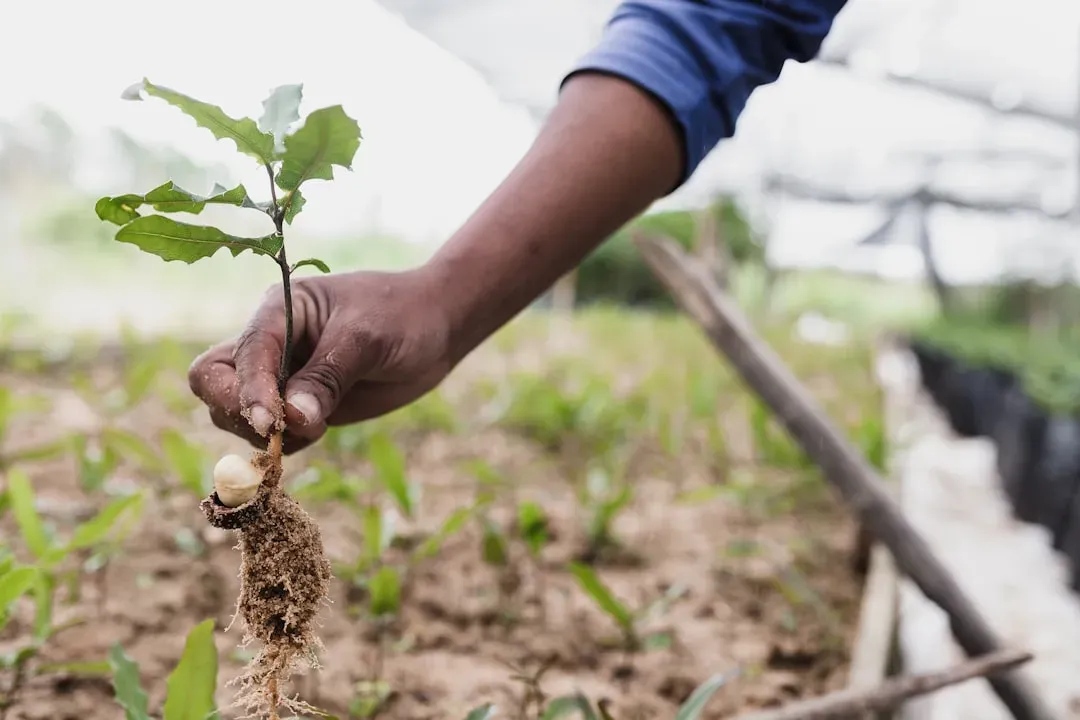
Few images are as instantly feel-good as the idea of planting trees to offset carbon. Dozens of companies offer programs where purchases fund tree planting at scale, and the numbers can look impressive on paper. The reality on the ground is often far less inspiring. Many initiatives plant non-native, fast-growing monocultures that do little for biodiversity and can actually displace native ecosystems rather than restore them.
If you’re looking to support a tree-planting project, it’s worth doing research first, since the most effective initiatives tend to use native species, work closely with ecological experts, involve local communities, and focus on long-term impact – making sure those trees actually survive and benefit the local ecosystem. Trees that die within a few years after planting release stored carbon right back into the atmosphere, leaving the net benefit at zero or worse.
7. “Wishful Composting” – Adding Things That Don’t Actually Compost
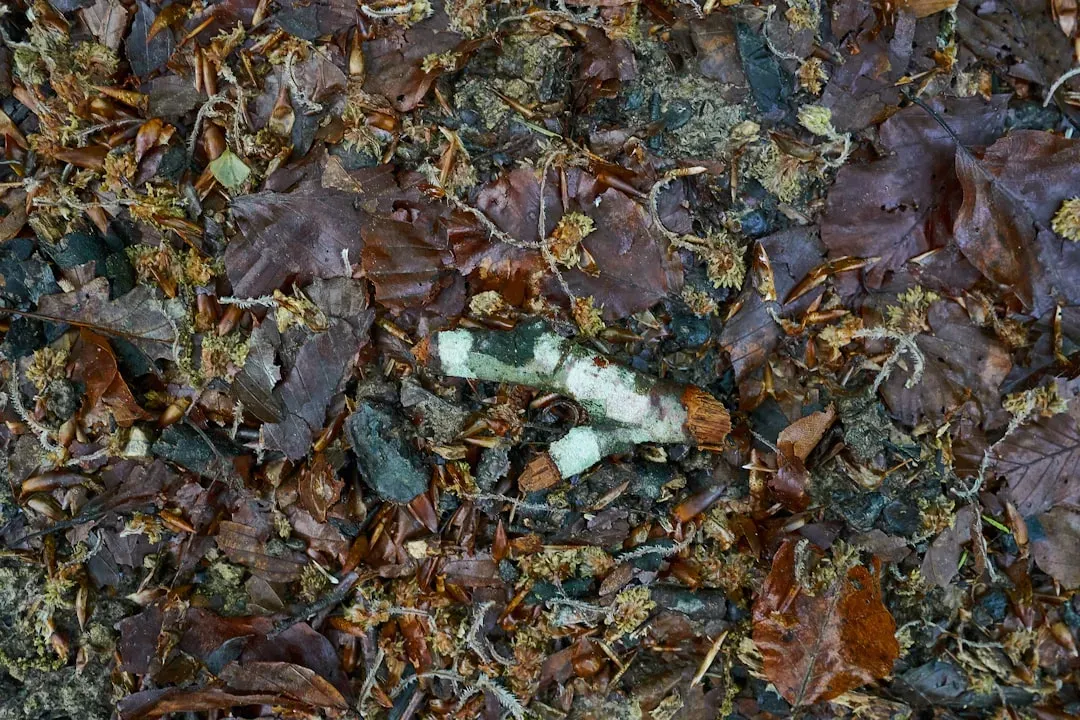
Wishful composting is a growing problem because it can lead to contaminated soil at home or disrupt industrial composting operations, and composting guidance available to citizens and businesses may be confusing or incomplete. People routinely toss in items that seem organic – waxed cardboard, sticker-covered produce, tea bags made with nylon mesh – none of which break down properly in a standard compost environment.
Contamination from lookalike packaging is a significant problem, since it can be hard to tell compostable items apart from non-compostable ones, and many paper or cardboard-based cups and boxes have a polyethylene inner lining that does not break down in a compost pile. If contamination levels are too high, entire loads of compost are rejected and sent to landfill – not only wasting time and money, but also harming the environment.
8. Assuming All Recycled or “Green” Labeled Products Are What They Claim

Greenwashing – the practice of marketing products as environmentally friendly without the evidence to back it up – remains a pervasive problem. In 2024, greenwashing incidents continued to be highest in Europe and North America, followed by Asia and Latin America. The problem with greenwashing isn’t just corporate dishonesty. It actively misdirects consumer choices and erodes trust in products that genuinely are better for the environment.
Greenwashing is when a company makes vague or exaggerated claims of sustainability on their products, often using keywords and phrases like “all natural” or “eco friendly,” and even a claim such as “made from recycled material” can be misleading. This trend has spawned “greenhushing,” where companies are less likely to discuss or advertise sustainability goals at all, making it difficult for consumers to determine who is actually eco-friendly.
9. Relying on Personal Habits While Ignoring Systemic Impact

Individual green habits feel empowering, and they’re not without value. Still, there’s a risk of focusing so much on personal choices that the larger structural picture fades from view. Focusing only on personal choices can make us lose sight of the bigger picture, as studies show that the majority of global greenhouse gas emissions aren’t generated by individuals but by industries and large-scale commercial activities. The carbon footprint concept itself was originally popularized by a major oil company, a fact that puts individual responsibility in a different light.
Scientists generally agree that people can create the most positive changes in transportation choices, diet, and household gas and energy use – all areas containing large elements of individual control. The point isn’t that personal choices are useless. It’s that channeling all eco-energy into reusable straws while ignoring energy providers, voting patterns, and corporate accountability misses where the real leverage sits.
10. Letting Food Waste End Up in the Landfill, Even When Composting
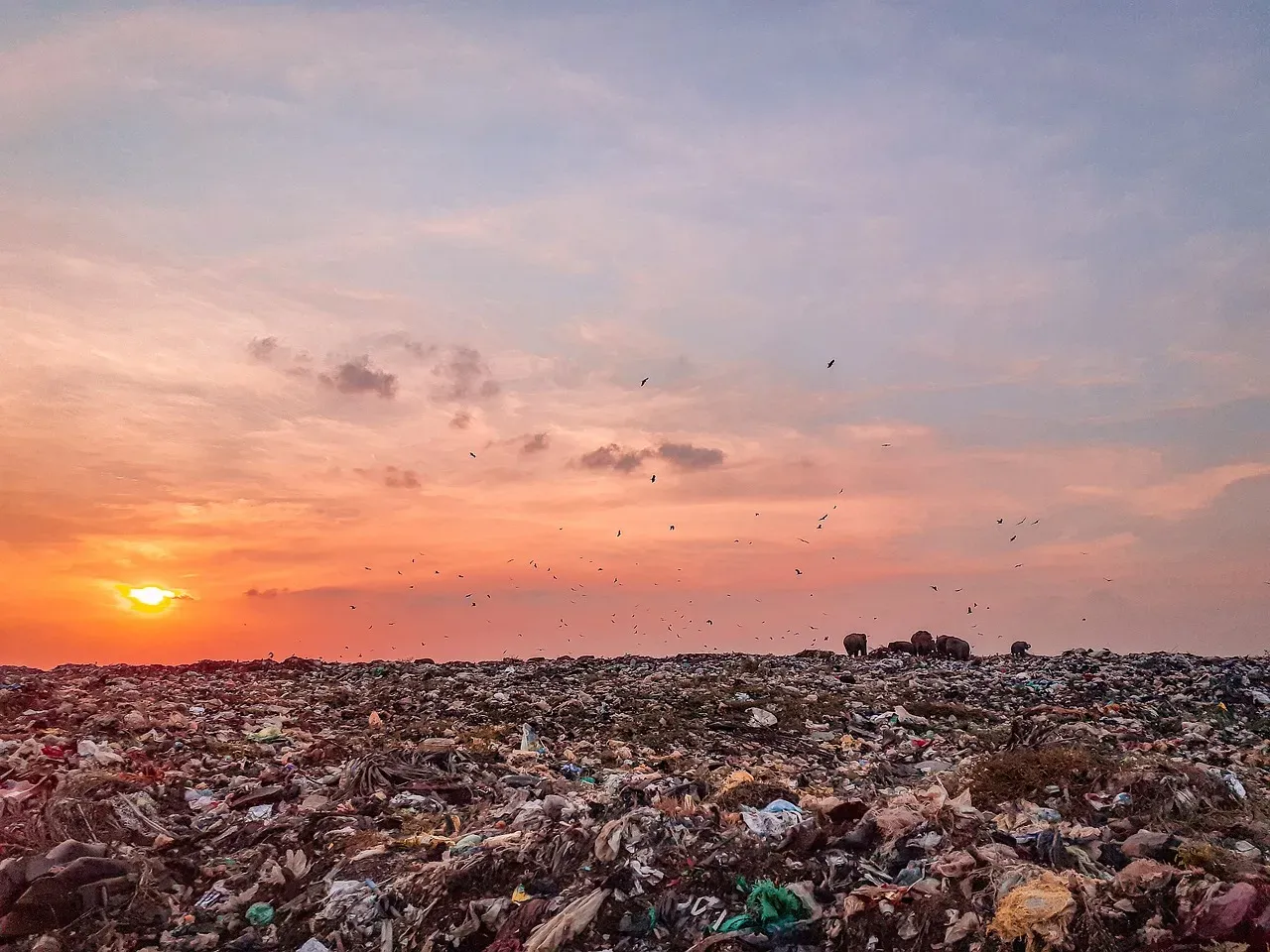
Many households that compost some food scraps still let a significant portion of organic waste slip into the regular trash – often because of confusion about what’s accepted, or simply because it’s inconvenient in the moment. That organic matter, once buried in landfill conditions, becomes an active climate problem. In an environment without oxygen, anaerobic microorganisms break down organic materials and create methane – a much more potent greenhouse gas than CO2, with a global warming potential roughly 27 to 30 times greater than CO2 over a 100-year horizon.
In the U.S., food is the single most common material sent to landfills, comprising about one quarter of municipal solid waste. Municipal solid waste landfills are the third largest source of human-related methane emissions in the U.S., accounting for approximately 14% of methane emissions in 2022, with wasted food responsible for 58% of landfill methane emissions. Reducing food waste in the first place – before it ever reaches a bin – remains far more effective than composting habits that are inconsistent or contaminated.
Good environmental intentions are worth something, but only when they’re grounded in how things actually work. The gap between feeling green and being green is wider than most of us want to admit, and closing that gap starts with being willing to question the habits that feel the most comfortable and familiar.