
South America has long held a romantic grip on the imagination of would-be expats. The promise is almost always the same: warm weather, low costs, vibrant culture, and a life that feels richer than anything back home could offer. Social media has only made this worse, flooding timelines with aesthetically lit apartments in Palermo and sunset shots from rooftop bars in Medellín.
The reality, however, tends to arrive quickly and without ceremony. Crime, bureaucratic chaos, runaway inflation, suffocating humidity, and a currency that evaporates your savings in real time are experiences that rarely make the highlight reel. These are ten cities where people arrive with excitement – and sometimes leave with a story they’d rather forget.
1. Buenos Aires, Argentina
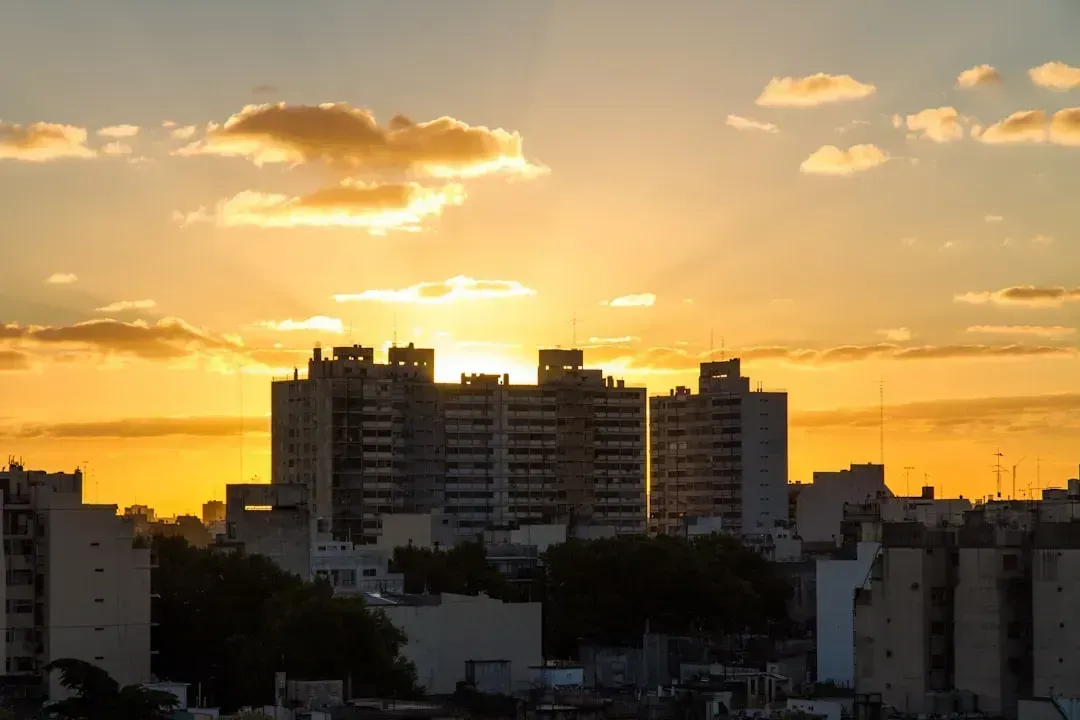
Buenos Aires costs have risen significantly in USD terms due to the unwinding of peso exchange-rate distortions under President Milei. The “$700/month Buenos Aires life” widely circulated on social media in 2023 is no longer realistic. Many who moved specifically for the cheap lifestyle have found themselves in a city that now demands real money to live comfortably in its desirable neighborhoods. As of early 2026, a single person needs roughly USD $1,500 to $2,200 per month to live comfortably in Buenos Aires, covering rent in a safe neighborhood, utilities, transport, private healthcare, and eating out weekly.
The most common safety concerns for expats in Argentina are petty crimes like phone snatching by “motochorros” (thieves on motorcycles), pickpocketing in crowded areas, and opportunistic theft, rather than violent crime. Then there’s the bureaucracy. Imported goods like electronics and clothing are significantly more expensive in Argentina. Finding shoes, jackets, or phones for anything close to their home-country price is essentially impossible. Long-term expats who earn in pesos face an especially grim reality, as after almost seven years in Buenos Aires, one expat admitted they had gotten enough of Argentina’s unstable economic situation and left for Europe.
2. Bogotá, Colombia
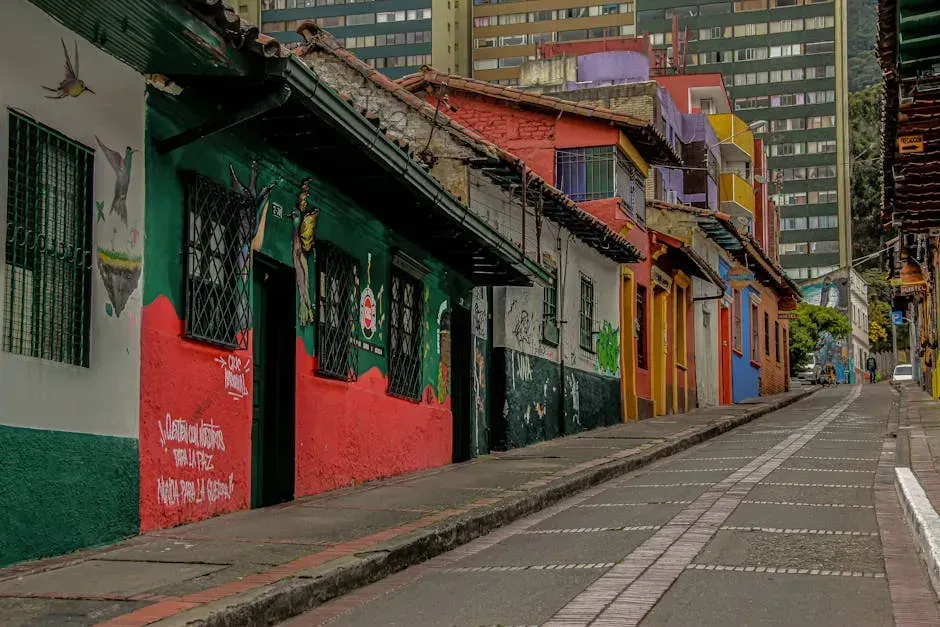
Bogotá, the capital, offers much in excitement, but plenty in risk too. Crime is still rife in Bogotá, with a score of 66.39 on the crime index and only 33.61 on the safety index, concerns backed up with data. The altitude alone catches many newcomers off guard. Bogotá is located in the Andes and with an average altitude of over 2,600 meters, altitude sickness is common for visitors – and, it turns out, for newly arrived residents who didn’t factor in months of adjusting to thin air.
Sophisticated scams are common in Bogotá. One traveler almost fell into the trap of the “scopolamine powder,” a substance that can make the victim suggestible – and was only saved by being warned in advance and refusing drinks from unreliable sources. Zika, malaria, dengue, yellow fever, and Chikungunya are also a concern, with a recent outbreak of Oropouche virus requiring attention. Expats who envisioned cool mountain-city intellectualism often find themselves navigating a sprawling, chaotic metropolis where situational awareness has to be constant.
3. Caracas, Venezuela
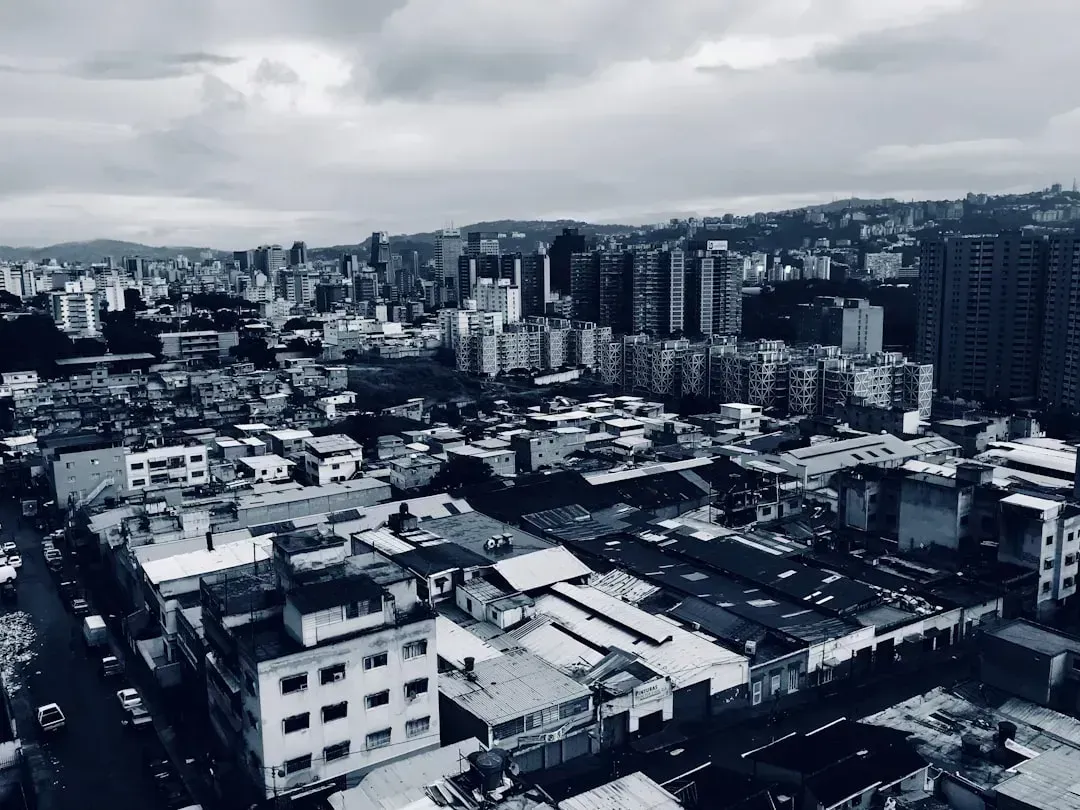
The Venezuelan city of Caracas topped the charts with a maximum danger score. At present, foreign government offices advise against all travel to the country as a whole, not just the capital. Where Numbeo grades crime out of 100, Caracas scored a frightening 92.11. Vandalism, theft, armed robbery, corruption, and bribery all scored worryingly high. Despite this, a small number of foreigners, often with Venezuelan partners or family ties, have tried to build a life here – and the stories that emerge tend to be harrowing.
It isn’t just fears of crime that keep people away. Hyperinflation, an extremely turbulent political scene, and a healthcare system in disarray mean that risks stem from many more factors than the criminal alone. Electricity outages can last for days. Basic goods cycle in and out of availability. Those who moved here imagining they could carve out a comfortable bubble in a gated compound often discover that no wall is high enough to insulate you from a city in deep structural collapse.
4. Guayaquil, Ecuador
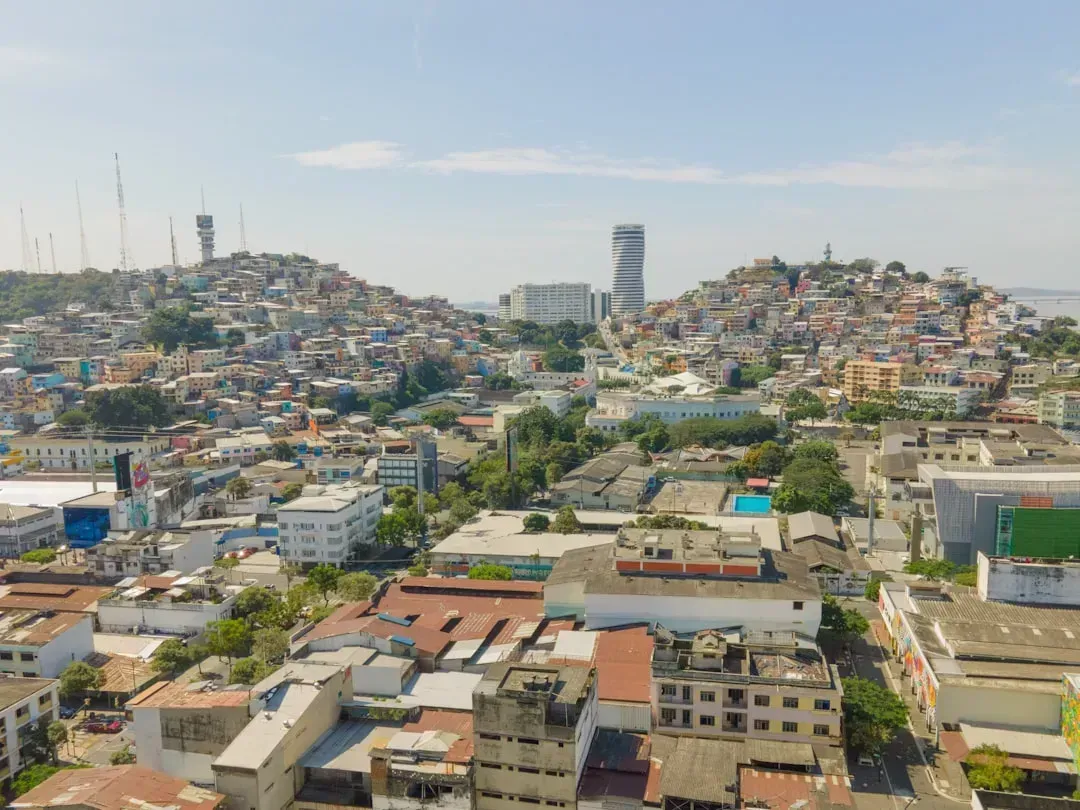
Ecuador’s homicide rate rose sharply from 2021 to 2024, driven largely by organized crime. In 2023, the rate hit approximately 25 per 100,000 residents – a dramatic increase from the pre-pandemic rate of about 6 per 100,000. Guayaquil sits at the epicenter of that surge. Guayaquil became the epicenter of this growing violence. Territorial struggles between drug cartels transformed previously touristy areas into battlefields.
Ecuador declared a state of internal armed conflict in January 2024 after a wave of organized crime violence, largely tied to drug trafficking organizations operating in coastal cities. Gang violence, prison riots, and high-profile incidents made international headlines and understandably spooked potential expats. Guayaquil’s southern zones, including Suburbio Oeste, La Trinitaria, and Isla Trinitaria, have high rates of gang activity and violent crime, while northern Guayaquil is considerably safer. That distinction is often invisible to newcomers who arrive without granular local knowledge.
5. Medellín, Colombia
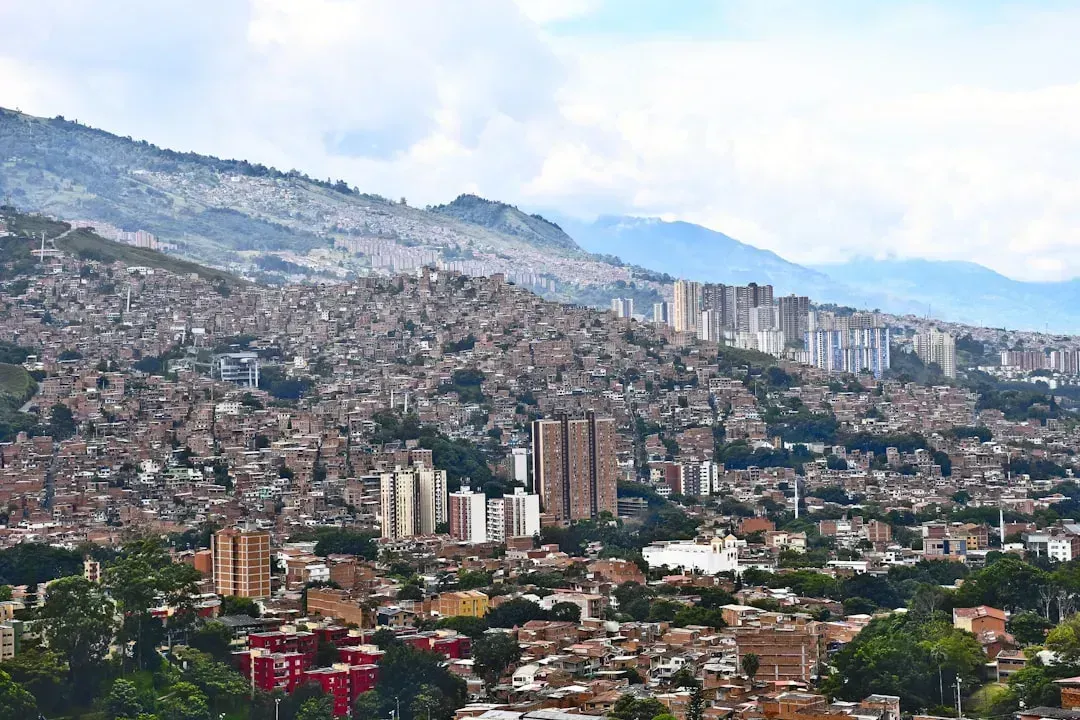
Few cities on this list are more aggressively marketed to foreign movers than Medellín. The reality is genuinely complicated. Crime remains one of the biggest cons of living in Medellín. Petty theft, phone snatching, and armed robbery still happen, even in popular areas like El Poblado and Laureles. Express kidnappings and drug-related crimes still occur, though less often than in the past. Scams target both tourists and expats, including fake rental listings, inflated utility bills, and misleading property deals.
Medellín is emerging as a new focus of gentrification. Experts attribute the phenomenon to the high influx of foreign tourists, who accounted for more than half of total visitors in 2022 alone. The analyses show increases of up to 50% in the value of rents in Medellín, and Laureles, a high-income neighborhood in Medellín, saw rent prices jump 80% in just the first four months of 2023. Expats who moved for affordable living are now paying prices that feel remarkably like the cities they left behind.
6. Lima, Peru
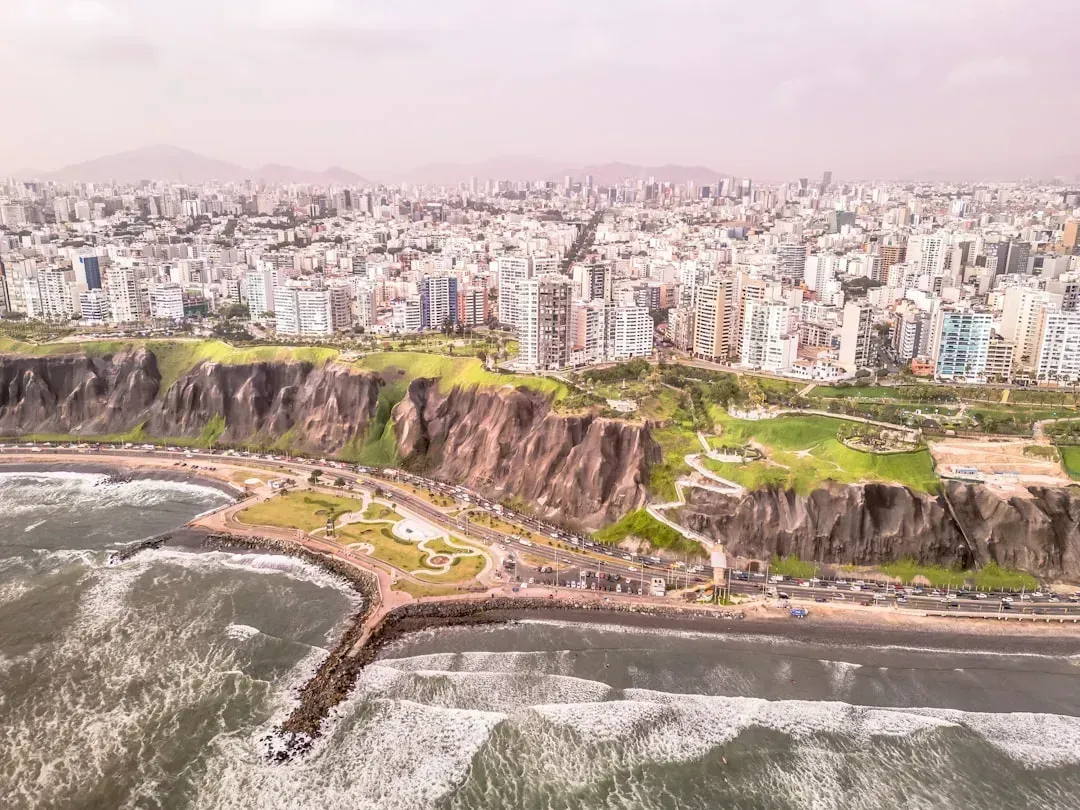
Peru’s capital Lima has been placed under a state of emergency. Authorities can restrict movement, conduct searches, and detain suspects. Violent crime has risen markedly, with armed thieves roaming the city and theft widespread. The safer enclaves, particularly Miraflores and San Isidro, insulate expats up to a point, but they also come with price tags that have crept steadily upward. Lima traffic and humidity can be frustrating, and seismic activity and air quality are concerns in some areas.
The internet in Lima tends to be more unstable and slower than expected. Cafés may offer connections of only 2 to 8 Mbps download speeds, while apartments and short-term rentals may range from 3 to 15 Mbps. For remote workers who assumed Lima would be a seamless work-from-home base, unreliable connectivity paired with persistent noise from a city that never seems to sleep can erode enthusiasm surprisingly fast. The food scene is world-class, but a city cannot be sustained on ceviche alone.
7. São Paulo, Brazil
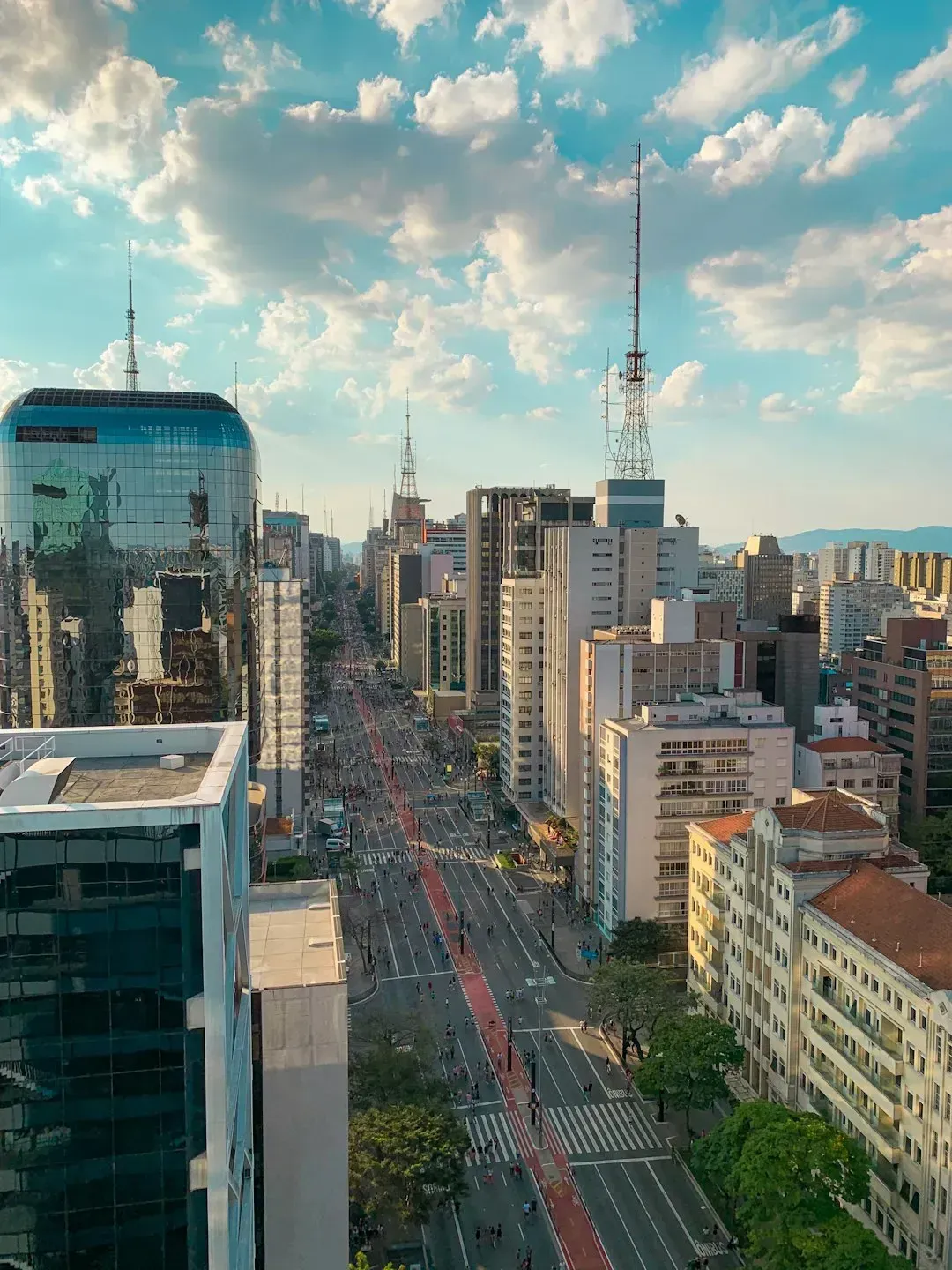
In cities like São Paulo, it is common for businesses to employ security measures that might seem stringent but are routine locally, such as armed guards, surveillance cameras, and secondary doors with buzzers. That detail tells you something important about how residents there calibrate normal. São Paulo is a megacity of over 22 million people, and its scale alone is enough to overwhelm newcomers. Traffic can consume several hours of any given day, and the social geography of the city, where extreme wealth and extreme poverty exist in direct proximity, creates a tension that takes a long time to process.
In São Paulo, it’s best to stay in well-known, secure areas where security presence is higher. Dengue is endemic in Brazil, and contracting it is an experience no one would wish on anyone. The Portuguese language barrier also tends to be more severe than expected, as Brazilian Portuguese is not interchangeable with Spanish and presents a steeper learning curve for most English-speaking expats than the glossy relocation guides ever care to mention.
8. Bogotá’s Neighbor: Quito, Ecuador
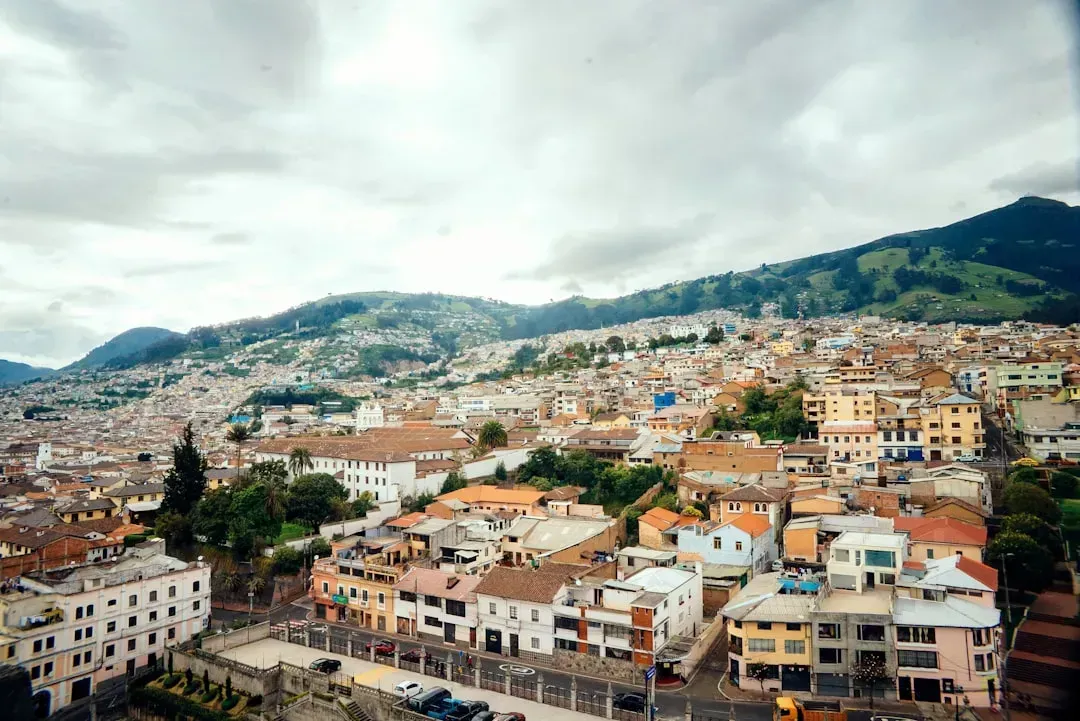
Ecuador’s capital Quito offers a mix of modern conveniences and dramatic mountain scenery. Set at nearly 9,350 feet, Quito offers cool weather, a UNESCO-listed old town, and access to the Amazon and Galápagos. That’s the brochure version. The lived reality in recent years has been considerably more tense. Even in Quito, a new tension has emerged that long-term expats say was not present a decade ago, a direct consequence of the cartel violence spreading inland from Ecuador’s coastline.
Certain neighborhoods in southern Quito have higher crime rates than the north, and careful research of specific neighborhoods before renting is essential. These higher-risk areas are not where expats typically live – but not every newcomer knows where the boundaries are when they first arrive. Express kidnappings, in which a victim is forced into a car and driven to ATMs, are more common in Guayaquil and Quito than in smaller cities. Using reputable taxi services or apps dramatically reduces this risk. The altitude also presents real health challenges for anyone arriving from sea level.
9. Río de Janeiro, Brazil
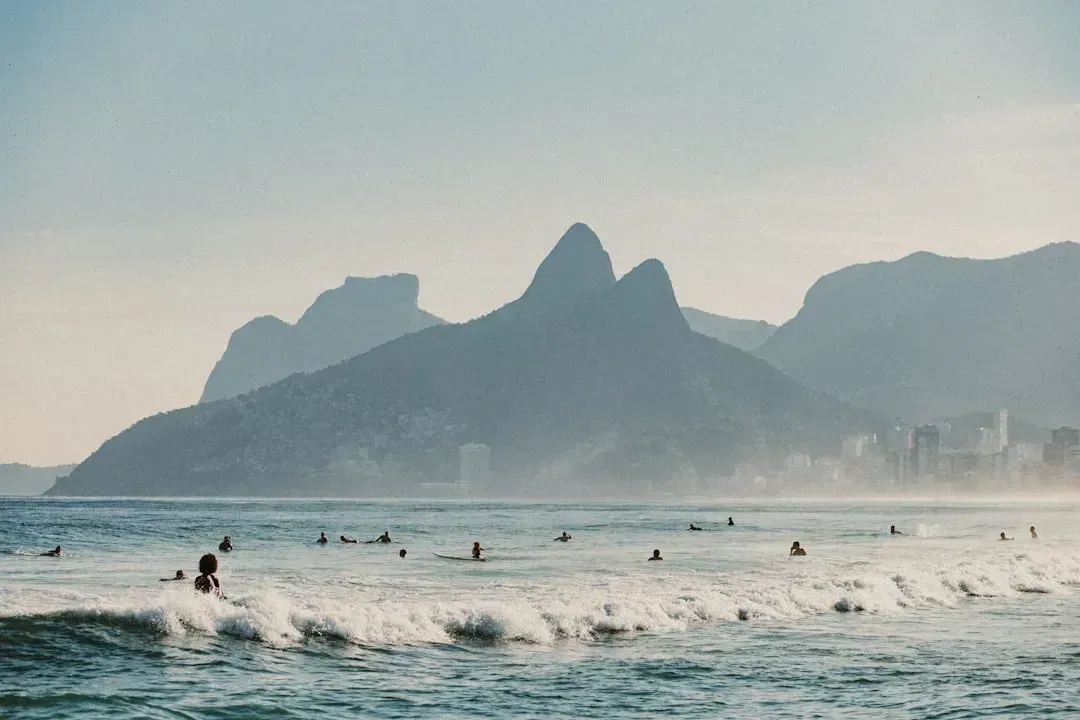
The crime rate in Rio de Janeiro is particularly concerning even by regional standards, which is saying something. The city draws expats with an almost unfair combination of beauty: dramatic ocean backdrops, iconic architecture, samba energy, and some of the most arresting physical scenery on the planet. What the postcard doesn’t show are the favelas that press up against wealthy neighborhoods, and the armed robberies that can happen in broad daylight on beaches that tourists assume are safe because of how famous they are.
In Rio de Janeiro, it’s best to stay in well-known tourist areas like Copacabana and Ipanema, where security is higher. The cost of living has also climbed substantially, with Rio ranking among the more expensive Brazilian cities. São Paulo and Rio de Janeiro have high costs but are lower than the top-tier range, typically requiring a monthly budget of between roughly $2,500 and $2,860 USD. The gap between what you spend and what you get for it – relative to what the internet promised – is where the regret tends to quietly begin.
10. Rosario, Argentina
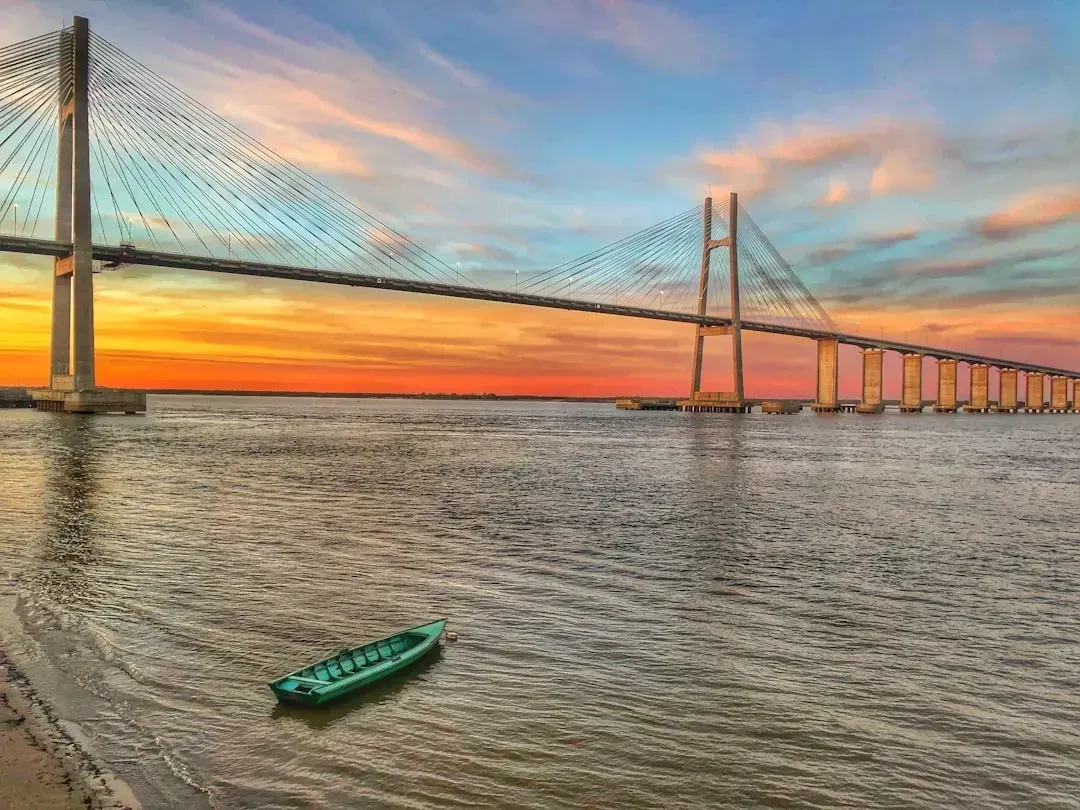
Rosario has spent years being pitched as a more manageable alternative to Buenos Aires: smaller, calmer, supposedly more authentic. Parts of Buenos Aires and Rosario are considered dangerous, and Rosario in particular has seen a well-documented surge in organized crime violence connected to drug trafficking networks. By 2024, Rosario had become the focus of significant national security concern in Argentina, with gang-related killings creating conditions in some neighborhoods that residents described as warzone-adjacent.
Countries like Argentina continue to experience currency instability, which can affect the cost of living and financial planning for residents. Rosario offers fewer of the cosmopolitan compensations of Buenos Aires – fewer international restaurants, a thinner expat network, less cultural infrastructure – while still carrying many of Argentina’s persistent structural problems. The peso’s ongoing volatility and the rising cost of rent, now often quoted in US dollars, remain persistent challenges that squeeze both locals and expats who earn in pesos. Those who moved to Rosario imagining a quieter Argentine life often found themselves in a city caught between its ambitions and a security crisis it had not asked for.
None of this means these ten cities are without genuine value. Many people build good, meaningful lives in all of them. The problem is almost never the city itself – it’s the gap between expectation and reality. South America rewards those who arrive informed and adaptable. It tends to be considerably less forgiving to those who arrived mostly on the basis of someone else’s Instagram feed.