
Most parents aren’t making big, obvious mistakes. The habits that tend to cause real damage are the ones that look fine on the surface – even caring, even smart. They get passed down, borrowed from parenting blogs, or absorbed from the culture without much scrutiny. The problem isn’t intention. The problem is that good intentions, applied the wrong way, can still steer a child in the wrong direction.
Child development research over the past decade has made one thing increasingly clear: some of the most common parenting moves conflict with what children actually need to grow into capable, emotionally resilient people. These are 18 of those habits – the ones doing quiet damage while looking perfectly reasonable from the outside.
1. Praising Intelligence Instead of Effort

Praise for ability is commonly considered to have beneficial effects on motivation. Contrary to this popular belief, research demonstrated that praise for intelligence had more negative consequences for students’ achievement motivation than praise for effort. It feels generous to tell a child they’re naturally smart, but that framing can quietly backfire.
Fifth graders praised for intelligence were found to care more about performance goals relative to learning goals. After failure, they also displayed less task persistence, less task enjoyment, more low-ability attributions, and worse task performance than children praised for effort. Children praised for intelligence described it as a fixed trait more than children praised for hard work, who believed it to be subject to improvement.
2. Helicopter Parenting and Constant Hovering

Helicopter parenting is defined as a parenting style in which the parent expresses behaviors of overprotectiveness toward the child in a controlling manner, thereby also communicating the attitude that the child is lacking in self-care competence and thus needs to be overly protected. It’s rooted in love, but its effects can reach well into adulthood.
A clear majority of studies found a direct positive relationship between helicopter parenting and symptoms of anxiety and depression. The bulk of the studies suggest that parents behaving in an overprotective and controlling manner negatively affect their child’s mental health. This relationship was detected in both adolescents and adults, meaning helicopter parenting could have lifelong effects on an individual’s anxiety and depression levels.
3. Using Screens as a Pacifier or Reward
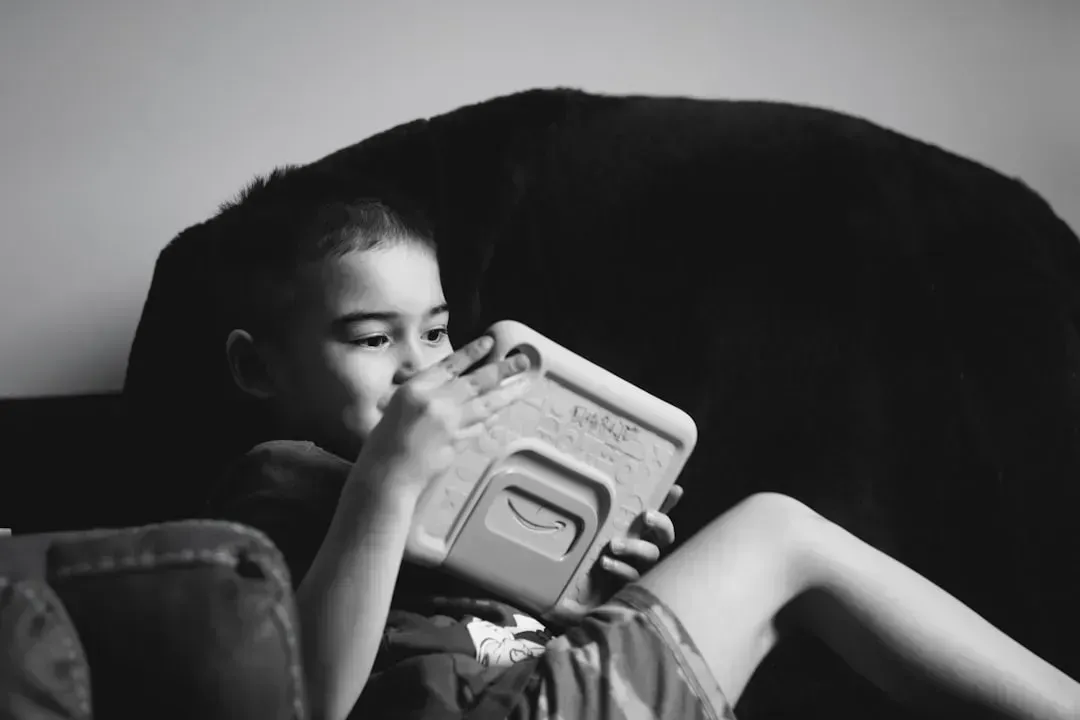
Greater parental modelling, mealtime viewing, and the use of screens as a babysitting, mood regulation, or reinforcement tool were associated with higher child screen use. Handing over a tablet to calm a meltdown or rewarding good behavior with screen time might seem harmless in the moment.
Experts recommend avoiding screens as a source of comfort or consolation. In the long run, this tactic actually worsens things – because it does nothing to help children learn to regulate their emotions. Instead, it teaches children to rely on media for relief and to seek external sources of comfort and support.
4. Overprotecting Children from Failure

The underlying message that overprotectiveness transfers to children is that they are not really capable, competent, or good enough to manage life by themselves. By constantly being monitored and protected, children do not have the opportunity to prove to themselves that they can accomplish great deeds by themselves.
Children are force-fed images of themselves as having high self-esteem, yet many of them have not faced many practical real-world problems and overcome them as a way of earning that self-esteem. These young people, when overparented, often harbor a grave mistrust in those around them and in their own capabilities. Protecting a child from every stumble removes the very experiences that build confidence.
5. Sharenting – Oversharing Children’s Lives Online

Research from the Information Security Lab at State University of New York in Canton reveals many children have a digital footprint by the age of two, and some even have their own online profiles. Most parents who post about their kids online aren’t thinking about the long-term implications – they’re just sharing a proud moment.
While the potential to fracture relationships between parents and their kids is still being studied, any parent who has had a teenager in the house in the last decade has probably gotten in a fight over posting something that embarrassed them, and those stresses can erode trust within the family. What feels like connection can, over time, feel like a violation to the child.
6. Dismissing Children’s Emotions

Perhaps the most critical shift in modern parenting involves mental health awareness and emotional intelligence development. Traditional approaches often overlooked psychological well-being, focusing primarily on behavioral compliance and academic achievement. Today’s research emphasizes the crucial role of emotional health in child development.
Children lacking stable emotional support often turn to digital media for alternative companionship and comfort. When real-life interactions fail to provide sufficient emotional feedback, children develop an emotional reliance on media, which eventually evolves into problematic media use. Telling a child to simply “stop crying” or “calm down” bypasses an important developmental process entirely.
7. Physical Punishment
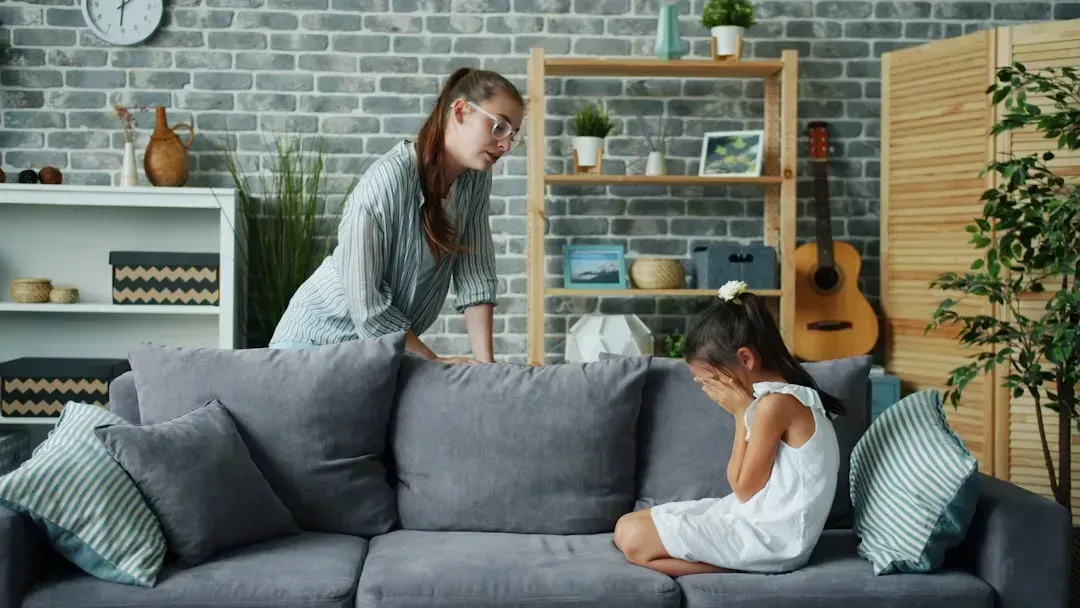
A comprehensive NYU study published in May 2025, analyzing 195 studies across 92 low- and middle-income countries, concluded that physical punishment leads to exclusively negative outcomes for children. Crucially, this research debunks the “cultural normativeness hypothesis,” which suggested that physical punishment might have different, less harmful effects in cultures where it is more common. The findings indicate that the negative impacts are universal.
The specific negative outcomes associated with physical punishment are numerous and far-reaching. Increased victimization and aggression are among them: children who are physically punished are more likely to become victims of violence and also to perpetrate violence themselves, including intimate partner violence in adulthood.
8. Parental Phubbing – Ignoring Kids for Screens
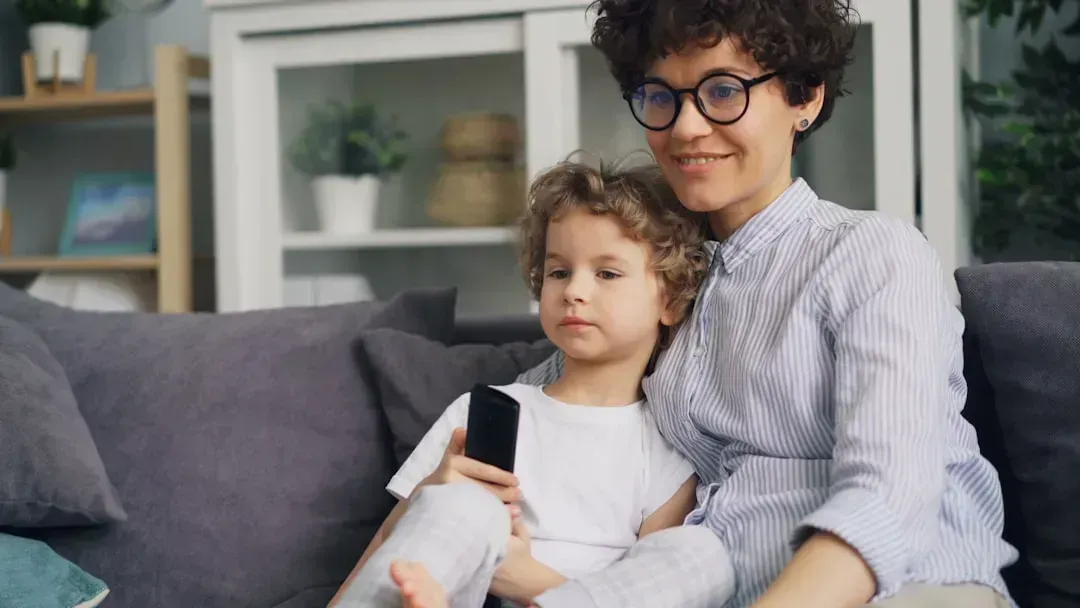
When parents focus on screens rather than their children, the child frequently experiences feelings of exclusion. Although this subtle harm is often overlooked, it has long-term negative effects on social-emotional development. It’s one of the most common habits of the modern household, and one of the least talked about.
Research indicates that stressed parents are more likely to use digital media to regulate their own emotions. While this provides short-term relief, habitual phubbing significantly reduces parental sensitivity to the child’s needs. Children notice the absence of attention even when they can’t articulate it.
9. Solving Every Problem for Your Child

The problem with overprotective parents is the tendency to hover around their children at all times, ready to protect them from any perceived challenge. Consequently, such parents do the thinking, speaking, and acting on behalf of their children. It feels like support. In practice, it quietly communicates that the child isn’t trusted to cope.
The negative outcomes of helicopter parenting include inadequate life skills: poor independent problem-solving, lack of independence and autonomy, inability to separate from parents, and a deficient ability to stand up for oneself, such as in a conflict with a peer or other adult. These are gaps that tend to surface painfully when children enter adulthood.
10. Raising Kids Without Chores or Responsibilities
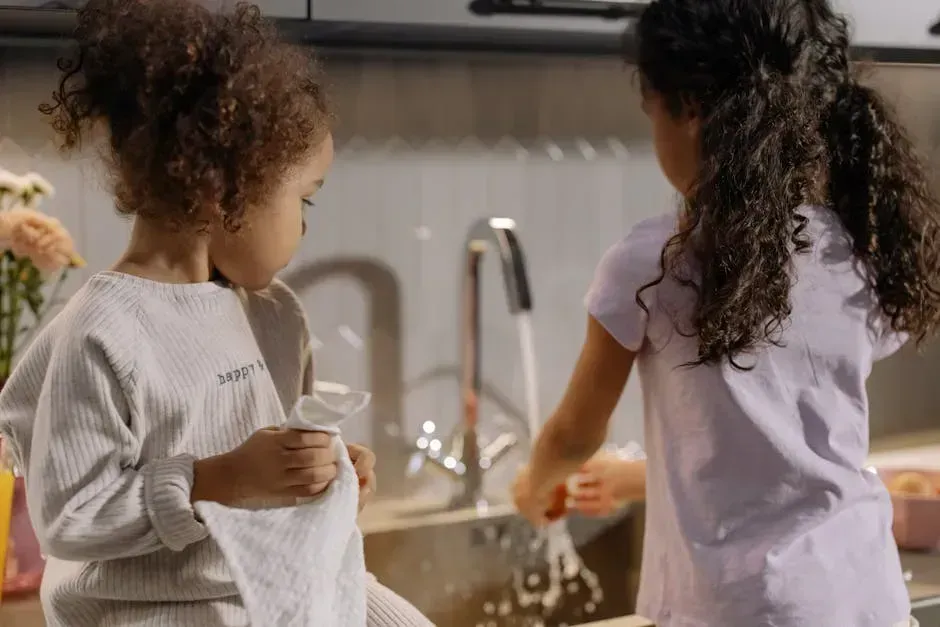
To accommodate children, parents often miss teaching them basic skills such as saying “please” and “thank you” and assisting in the home. This is a quiet trend driven by the best of motives – protecting childhood, keeping things peaceful – but it removes a key developmental ingredient.
Excessive control and continuous protection from parents hinder students’ independence and adaptation to new environments. Age-appropriate household responsibilities, from simple tasks to more complex chores, are one of the primary ways children build the sense of competence that underpins genuine self-esteem. Without them, that foundation simply doesn’t form.
11. Treating All Children Identically

Traditional parenting often promoted uniform disciplinary methods, assuming all children would respond similarly to the same approaches. Modern child development research strongly contradicts this stance, highlighting the importance of individualized parenting strategies that consider each child’s unique personality, needs, and circumstances.
Two siblings raised in the same home can need very different things. One child may thrive with clear, firm structure while another crumbles under the same approach. Defaulting to a single parenting template across all children, regardless of temperament, risks leaving some of them chronically unmet at a fundamental level.
12. Overprotection Leading to Anxiety at Key Life Transitions

First-year undergraduates who grew up with overly cautious or controlling parents tend to experience increased anxiety when faced with stresses associated with the transition to university, according to researchers from McGill University and the University of California. It’s a striking example of how early habits create long echoes.
Previous findings show that overprotective parenting leads to insecure attachment and poorer emotion regulation, both of which are linked to greater vulnerability to anxiety. The child who was never allowed to struggle doesn’t suddenly develop that ability when they leave home. The gap shows up at exactly the moments it matters most.
13. Excessive Screen Time Without Parental Modeling
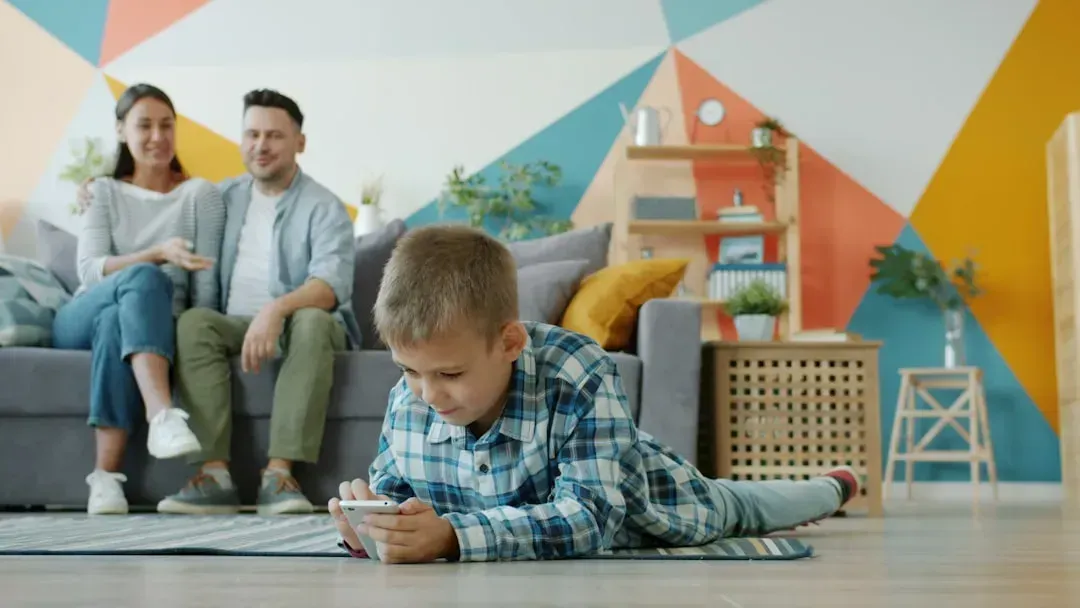
Parent screen use, family mealtime screen use, and bedroom screen use were associated with greater adolescent screen time and problematic social media, video game, and mobile phone use. Parental use of screens to control behavior – such as a reward or punishment – was also associated with higher screen time and greater problematic video game use.
Most children under age five exceed recommended screen time guidelines, with lifelong implications for children’s psychosocial, cognitive, socio-emotional, and physiological outcomes. Parents who try to manage their child’s screen use while remaining heavily device-dependent themselves send a contradictory message that children are quick to pick up on.
14. Parental Rejection or Emotional Coldness

Findings indicate that parental rejection, overprotection, and system logic positively predict aggressive behavior, whereas emotional warmth and family climate negatively predict it. The connection between emotional warmth and behavioral outcomes in children is one of the most consistent findings across decades of developmental research.
Self-Determination Theory suggests that children’s psychological needs – such as autonomy, competence, and relatedness – are fulfilled through positive parenting practices, such as warmth, but not met through negative parenting practices, such as rejection. Emotional distance in a parent isn’t just uncomfortable; it actively disrupts the development of a child’s sense of self and security.
15. Blurring Parent-Child Boundaries

The most toxic trend may still be the blurring of boundaries between children and parents. This may involve oversharing adult issues, guilt-tripping for behavior, or demanding children take sides in disagreements. What looks like closeness or honesty is often something more burdensome.
Children who are treated as confidants for adult stress or marital conflict are placed in a role they’re psychologically unequipped to handle. Over time, this pattern – sometimes called emotional parentification – can generate anxiety, a distorted sense of responsibility, and difficulty setting boundaries in their own future relationships.
16. Conditional Praise That Depends on Outcomes
Praise can create dependency on external validation. Many adults who received substantial praise as children become reluctant to attempt things they aren’t already good at, for fear of not receiving praise or worse, receiving criticism. This is often where perfectionism emerges – not from high standards, but from fear that without perfection, they won’t be valued or loved.
In laboratory studies, praising children’s effort encourages them to adopt incremental motivational frameworks – they believe ability is malleable, attribute success to hard work, enjoy challenges, and generate strategies for improvement. In contrast, praising children’s inherent abilities encourages them to adopt fixed-ability frameworks. The difference in long-term outcome between these two approaches is significant.
17. Harsh or Punitive Parenting

Harsh parenting is characterized by coercive, punitive, and hostile behaviors toward children, including physical punishment, verbal aggression, and psychological control. For children experiencing harsh parenting, excessive screen use may serve as a coping mechanism to alleviate emotional distress. Harsh parenting can thwart children’s basic psychological needs for autonomy, competence, and relatedness, leading them to turn to screens as a means of gaining a sense of control and competence.
The ripple effects of harsh parenting don’t stay contained to the moments of conflict. In a persistently tense family environment, the parent-child relationship, which should provide emotional support for the child, instead becomes a source of stress for the child. That inversion – from safe harbor to stressor – changes how a child relates to the world around them.
18. Prioritizing Academic Performance Over Emotional Development

An outgrowth of a dangerous combination of toxic achievement culture and helicopter parenting is a rise in perfectionism in children, teens, and young adults. Research has shown that perfectionism has consistently and steadily increased. Perfectionism may be socially prescribed by the toxic achievement culture, other-oriented through comparisons facilitated and strengthened by overuse and dependency on social media, and ultimately self-oriented – when the necessity for being perfect takes a serious toll on youth.
Traditional approaches often overlooked psychological well-being, focusing primarily on behavioral compliance and academic achievement. Today’s research emphasizes the crucial role of emotional health in child development. Successful modern parents actively create environments where emotional expression is welcomed and mental health discussions are normalized. A child who learns to name and process emotions is far better prepared for life than one who simply scores well on tests.
None of these habits make someone a bad parent. Most of them come from real concern, real love, and real effort. The challenge is that love without awareness can still lead somewhere unintended. Recognizing these patterns is the first and most important step – not toward perfect parenting, but toward more honest and effective parenting.