
There’s something quietly disorienting about looking at photographs from the 1960s. The clothes are unfamiliar, sure, but so are the offices, the kitchens, the corner stores, and even the hospital rooms. Many of the things people used every single day look almost recognizable – and then they don’t quite.
The gap between that world and ours is wider than it might seem. Some of the differences are technological, some are cultural, and a few are genuinely startling. Here are fifteen everyday things that looked strikingly different the last time America had a different set of expectations about what “normal” meant.
1. The Telephone
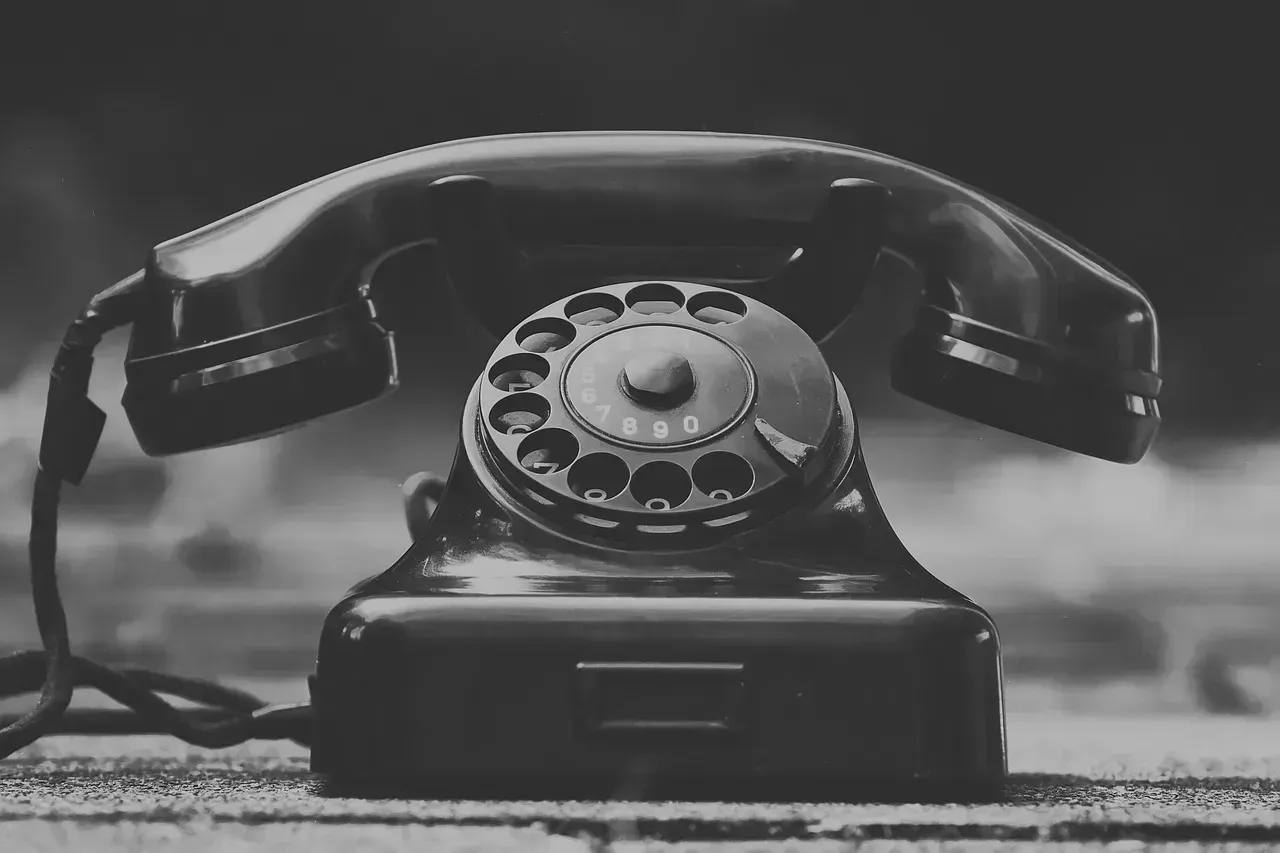
The telephone during that era was nothing like what we carry in our pockets today. It was large, mounted on a desk or wall, and used solely for making calls. It was a rotary-type phone, meaning you had to physically dial each number by spinning a wheel. No texting. No notifications. No camera. Just a heavy handset connected to a cord that gave you about three feet of freedom to move around.
In many rural and even suburban areas, a “party line” wasn’t a fun celebration – it was a shared phone line used by multiple households. Each house had a specific ring pattern, and anyone on the line could listen in. Privacy, as we understand it now, was not exactly built into the system.
2. The Supermarket
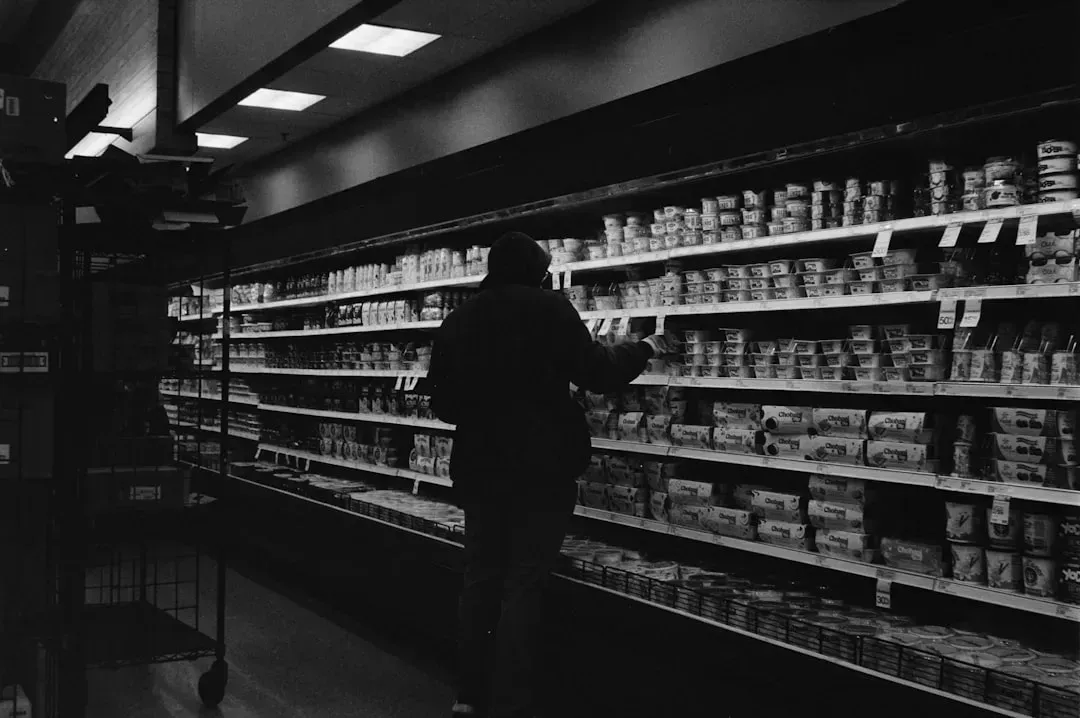
In an era before Costco and Walmart, supermarkets in the ’60s were considered huge. The average size was somewhere between 10,000 and 15,000 square feet. For shoppers who had previously bought from small shops selling limited categories of items from behind a counter, wandering through those aisles felt like the height of opulence. Yet those dimensions are dwarfed by the roughly 45,000 square feet of the average supermarket today.
According to Consumer Reports, the average number of items in supermarkets in 1975 was just under 9,000. By 2017, that number had grown to somewhere between 40,000 and 50,000 items. The ’60s store was lean, focused, and far less overwhelming – a place where your choices were limited but the experience was strangely more personal.
3. Cigarette Culture Everywhere
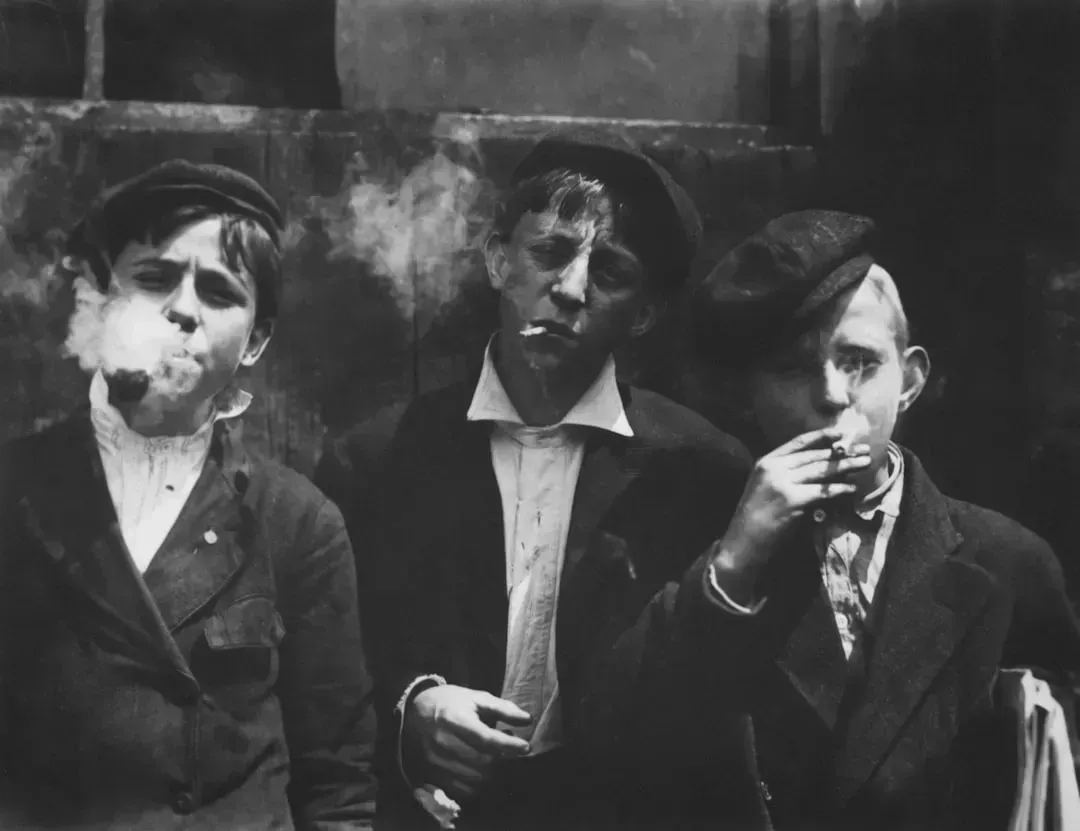
In the 1960s, smoking was permitted nearly everywhere: at work, in hospitals, in school buildings, in bars, in restaurants, and even on buses, trains, and planes. In the 1960s and 1970s, roughly 45% of American adults smoked. The air in almost every public space carried a permanent haze.
Even more jarring by today’s standards, hospitals allowed smoking. Doctors smoked in their offices while examining patients. Nurses took cigarette breaks in patient rooms. Some hospitals even sold cigarettes in their gift shops and had designated smoking areas in waiting rooms. The idea of a smoke-free hospital would have struck most people in that era as unusual, perhaps even unnecessary.
4. Cigarette Advertising
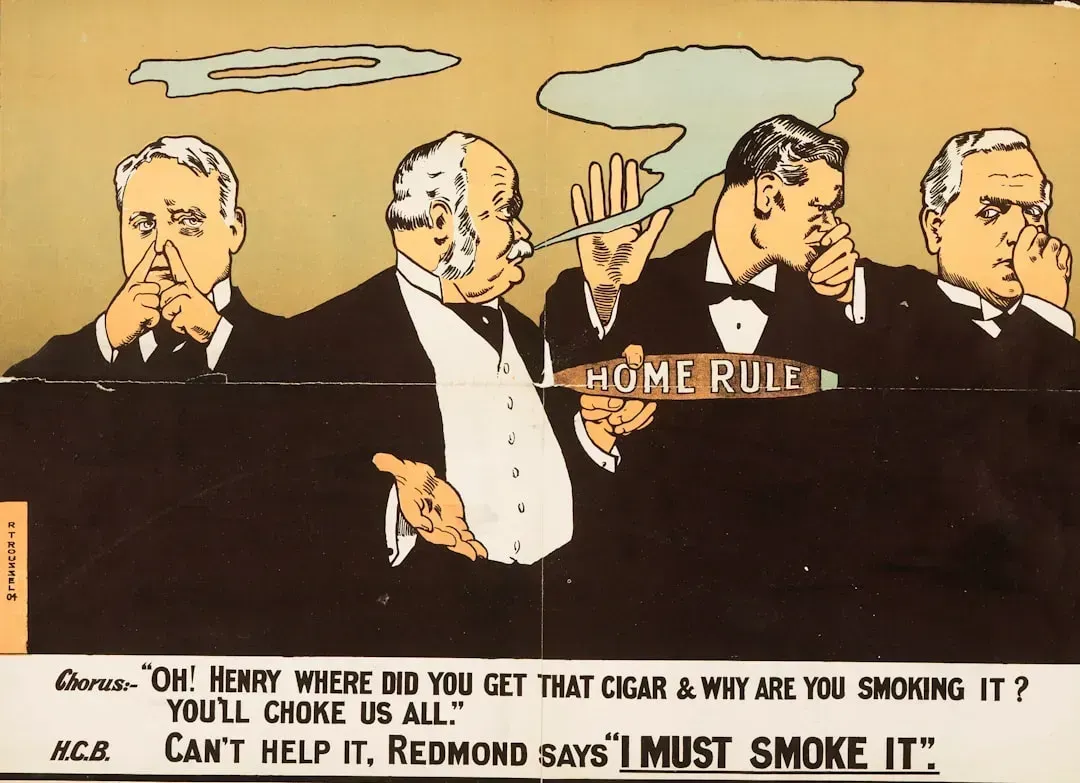
In the mid-1960s, it was still completely common to see doctors, athletes, and radio, movie, and TV celebrities smoking or advertising different cigarette brands, and cigarette companies were major sponsors of popular shows on all three television networks. The endorsements were everywhere and carried genuine authority.
Fred and Wilma Flintstone were once cigarette spokespeople. In the early 1960s, The Flintstones was sponsored by Winston cigarettes, and the characters appeared in animated commercials smoking and promoting the brand. The idea of cartoon characters selling cigarettes today seems unthinkable, but back then it was just another prime-time advertising strategy.
5. The Television Set
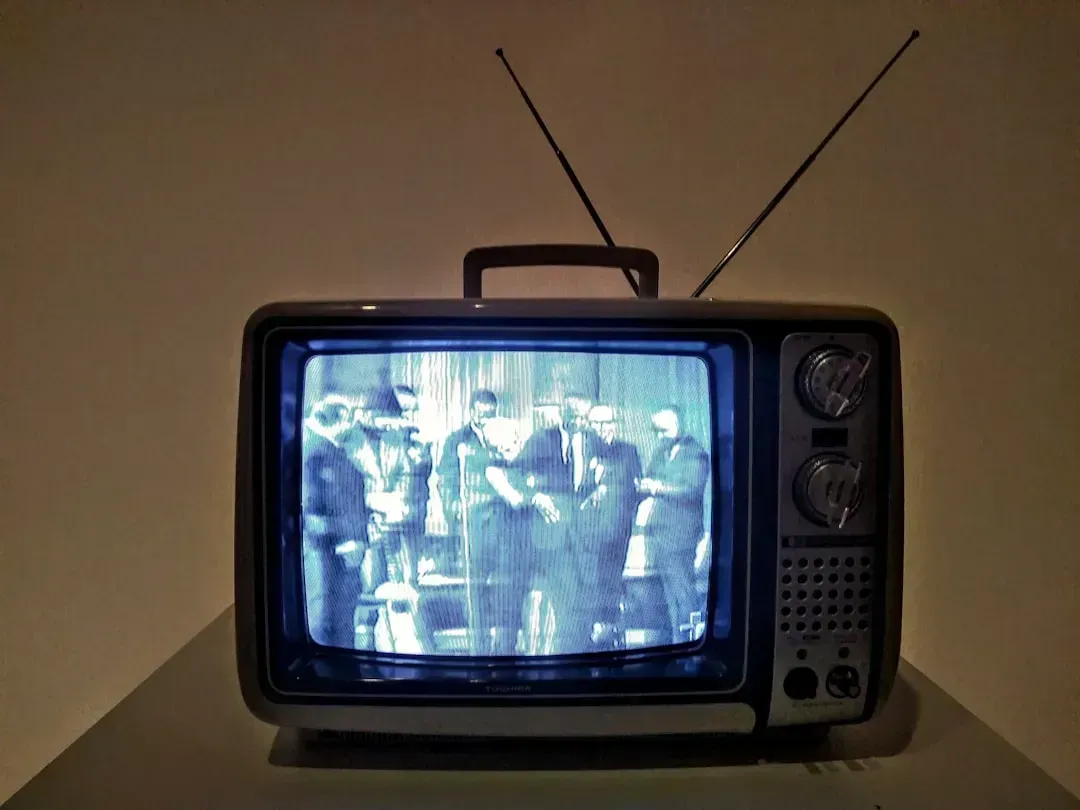
Color television arrived in the 1960s, following a decade when most households watched in black and white. Decade after decade, TV technology steadily advanced: cable came in the 1970s, VCRs in the 1980s, and high-definition in the late 1990s. In the early part of the ’60s, though, the television was a large wooden cabinet in the corner of the living room, and the picture was still largely black and white in most homes.
Believe it or not, there was a time when TV actually went to sleep. At the end of the night, stations would play the national anthem, show a test pattern, and then cut to static. That was your cue to go to bed. There were no late-night reruns, no early-morning cartoons, and definitely nothing like on-demand streaming. Television had a hard stop. Life did too, in a way.
6. The Grocery Cart and Checkout Experience
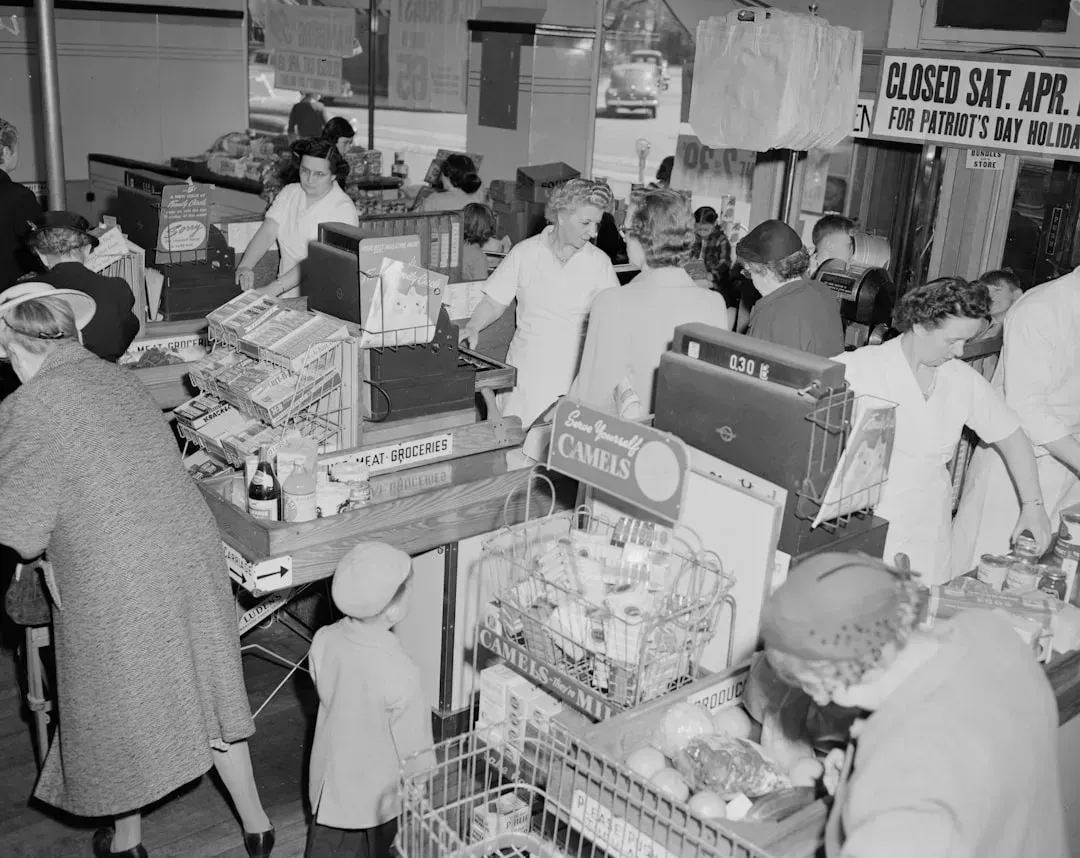
At checkout in the 1960s, a cashier had to manually enter the price of each item on the register. Customers paid with cash or wrote a check. There were no barcodes to scan, no credit card terminals, and no loyalty points accumulating in a digital account. The receipt you received listed prices and a total, nothing more.
Hard as it is to believe now, smoking inside grocery stores was completely normal throughout the 1960s. Shoppers lit up while comparing soup labels, staff members smoked behind counters, and ashtrays were sometimes attached directly to shopping cart handles. The modern supermarket trip, with its self-checkout kiosks and contactless payments, would be almost unrecognizable to a shopper from that decade.
7. The Car
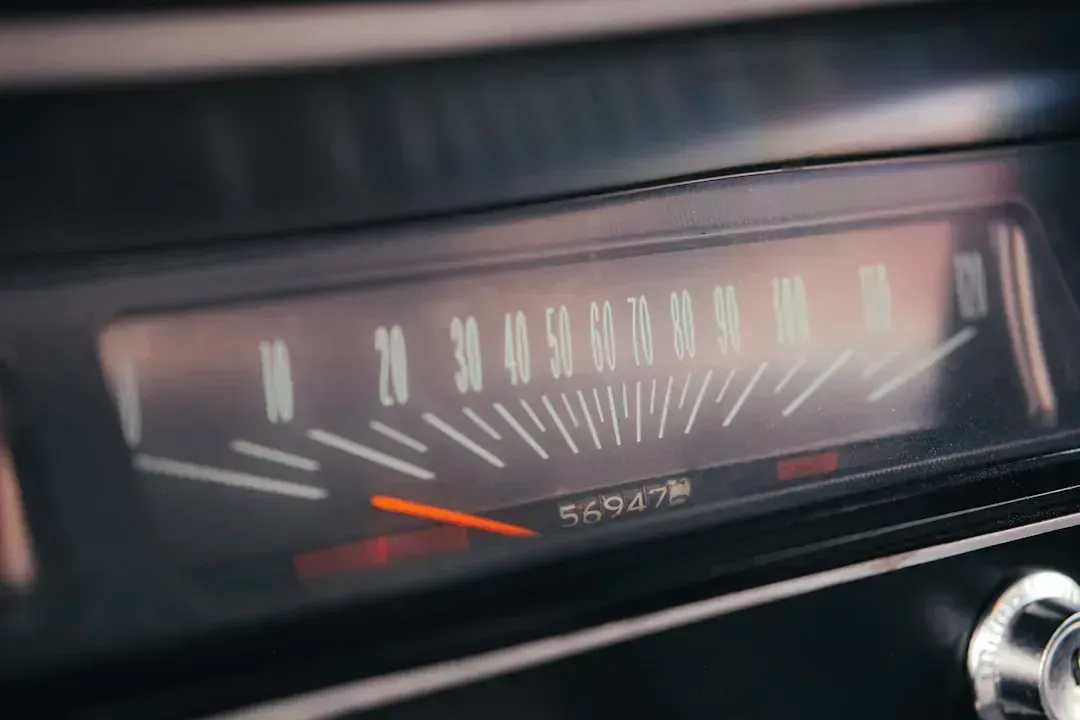
Cars in the 1960s were a different species – long, chrome-heavy machines with enormous steering wheels and bench seats up front. Car seats for children existed, but the designs were a lot different and a lot less secure than those we’re used to today. A 1966 patent application for an infant car seat looked significantly different from what you’d find in stores now, resembling what the USPTO described as closer to a modern high chair than a proper car seat.
Anti-lock braking systems were only in their earliest developmental phase during the 1960s. Improvements in seat belt technology, including retractable mechanisms, were still being worked out during the decade. Most people simply drove without seatbelts, without airbags, and without any meaningful crash protection – and thought little of it.
8. Air Travel
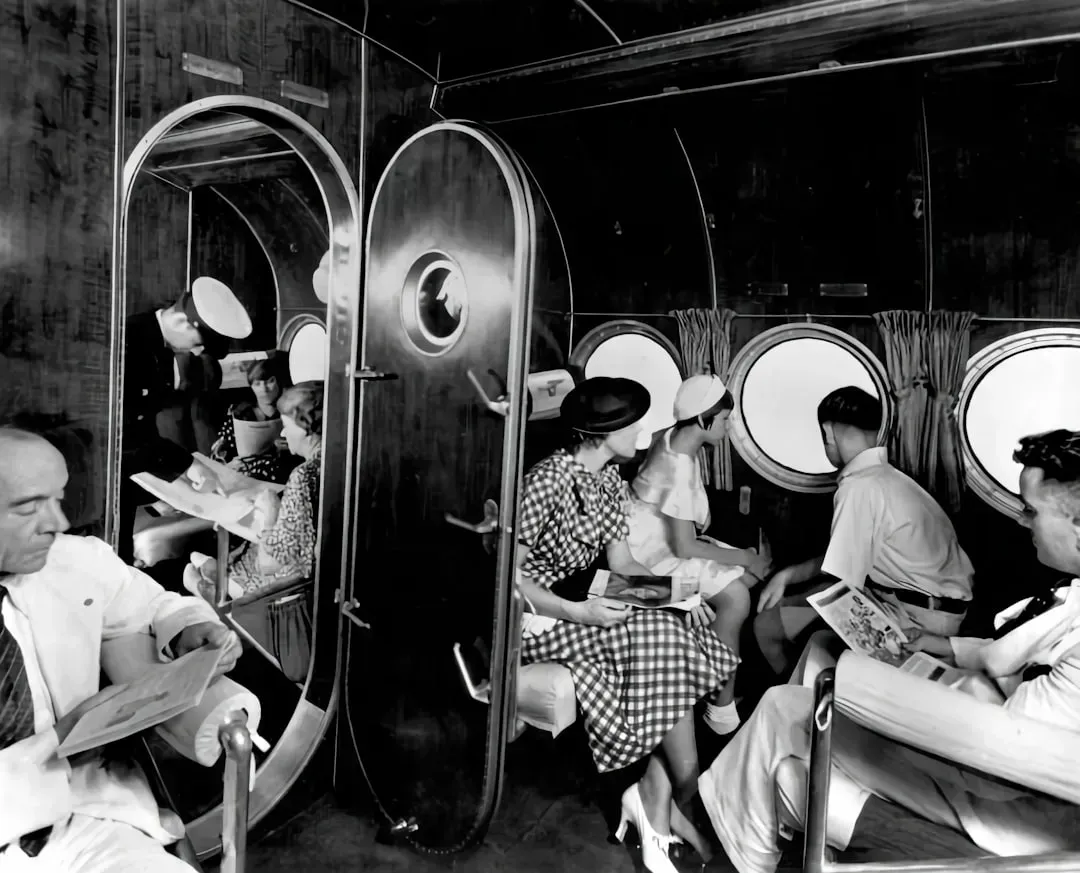
Between 1955 and 1972, passenger numbers on airlines more than quadrupled. By 1972, almost half of all Americans had flown, although most passengers were still business travelers. Flying in the ’60s was a formal event – people dressed up, seats were wider, and there was a genuine sense of occasion about it.
Even though women made up the majority of the flight attendant profession in the 1960s and 1970s, airlines frequently used them as a marketing tool, attracting passengers by dressing flight attendants in fashionable, though often revealing, uniforms. The cabin itself looked different too – smoking was permitted mid-flight, and the entire experience was simultaneously more glamorous and more exclusionary than what we’d recognize as normal today.
9. Women’s Fashion and Dress Codes
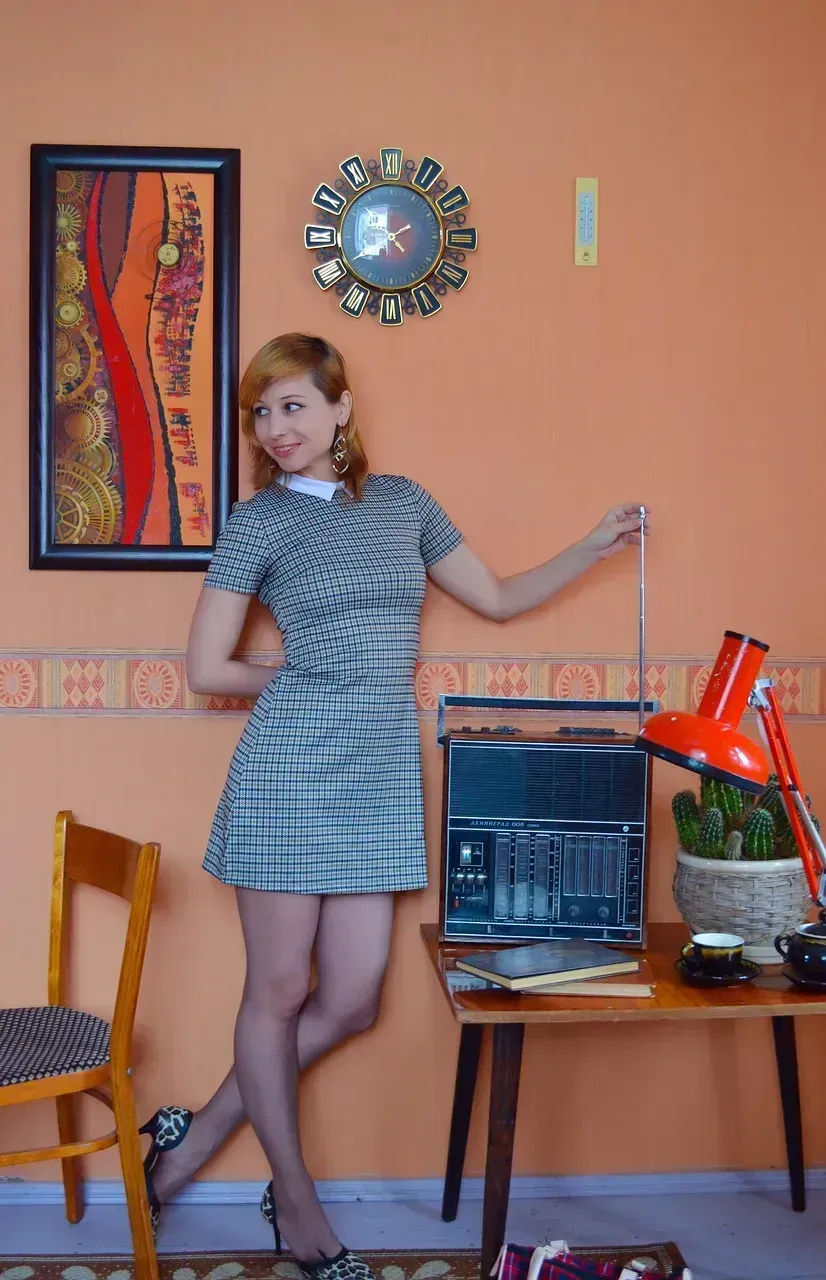
On the fashion front, women were increasingly rejecting dresses and skirts in favor of pants and pantsuits during the 1960s. The perceived “masculinity” of women wearing pants was tempered by gloves, jewelry, and dressy handbags. From about 1963 onward, hemlines crept higher and higher, with many younger women favoring miniskirts. The shift happened fast, and it wasn’t without controversy.
Boys and girls were still required to dress formally while in school throughout most of the 1960s, with dress codes that didn’t change significantly until the 1970s. Acceptable school clothes for girls included dresses or skirts and blouses – pants of any kind were taboo – while boys donned button-down shirts, khaki-type trousers, and in some schools, even sports jackets and ties. A child showing up to school in jeans would have been sent home.
10. Men’s Hair and Barbershops
During the decade, men became notably more fashion-conscious. Where the conservative gray flannel suit had once been the rule for businessmen, by the mid-1960s a wide range of styles became popular, with European designers marketing suits with much slimmer lines. Ties and belts became narrower, and more adventurous men wore suits in brighter colors.
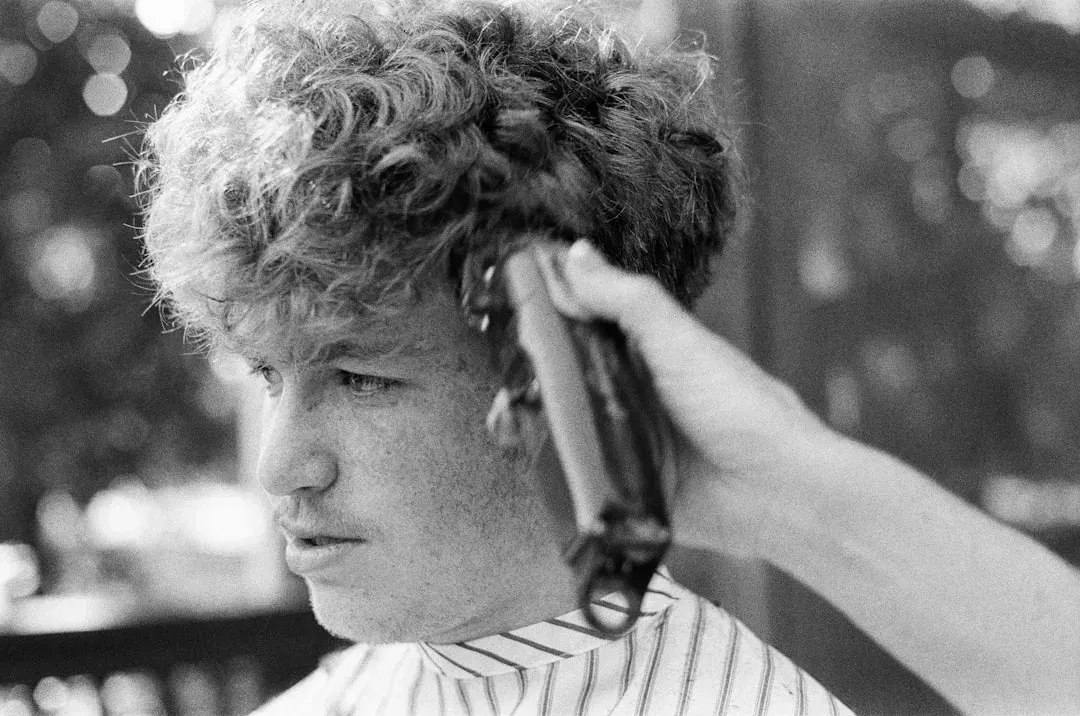
Instead of keeping their hair short and neatly trimmed, males of all generations generally began wearing their hair longer. Some even started visiting unisex hairstyling salons that catered to both men and women, rather than the traditional barber shop. During the second half of the 1960s, millions of young men let their hair grow to lengths that rivaled that of their sisters or girlfriends. The barbershop was still there, but its cultural monopoly was slipping fast.
11. The Home Kitchen
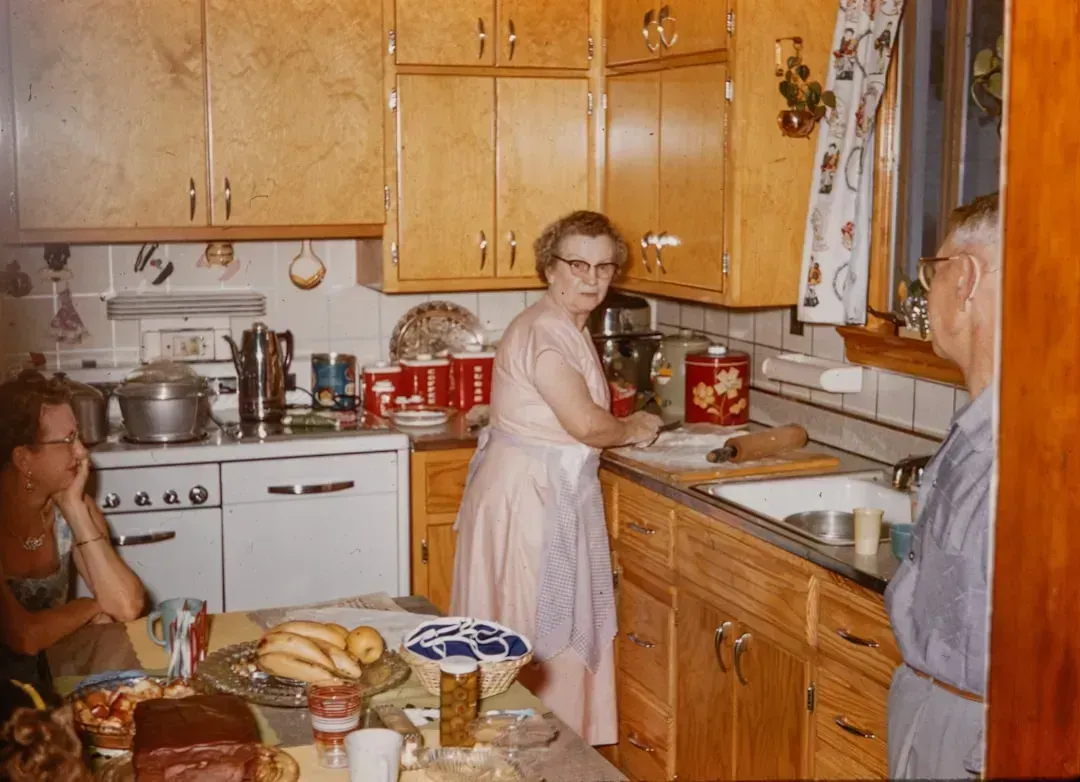
In the 1960s, an increasing choice of branded products filled supermarket shelves, among them frozen and chilled items such as ready-made meals, yogurt, and desserts, for most homes now had a refrigerator. Brands were often aimed at children and promoted on TV by popular cartoon characters. Breakfast cereals provided an instant meal for hungry kids and busy mothers. The kitchen of the era was a place of canned goods, Jell-O molds, and convenience foods that felt genuinely revolutionary.
Between 1960 and 1970, consumption of beef went from about 64 pounds per person annually to more than 84 pounds – an increase of roughly a third. By 2021, Americans consumed closer to 59 pounds per capita. Foods that are common today, like kale, arugula, quinoa, and chia seeds, simply were not available in grocery stores during the 1960s. The average dinner plate looked genuinely different.
12. The Office
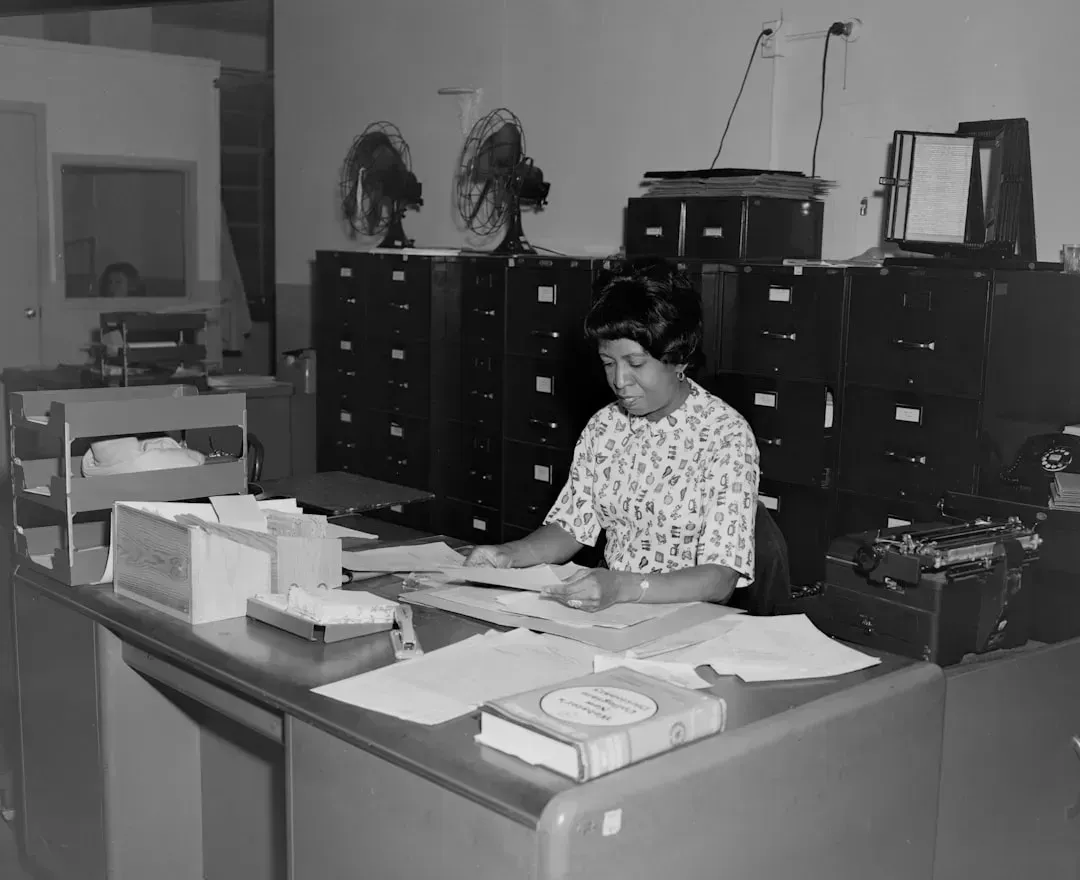
In 1960s offices, math wasn’t digital – it was mechanical. Adding machines with big buttons and paper rolls made loud clacking noises as they calculated. Each entry printed a line of numbers on a long receipt-style tape. The open-plan office with laptops and wireless headsets was decades away. Offices had a noise and a texture to them – typewriters hammering, adding machines clacking, and phone conversations carried across the entire floor.
Typing in the 1960s meant hammering away at a manual typewriter. There was no backspace key and no screen – just a ribbon soaked in ink that slowly wore out as you typed. When the ribbon faded, you had to change it by hand. Ink-stained fingers were part of the job. A single typo meant retyping an entire page, which gave workplace writing a weight and finality it no longer carries.
13. Road Maps and Navigation
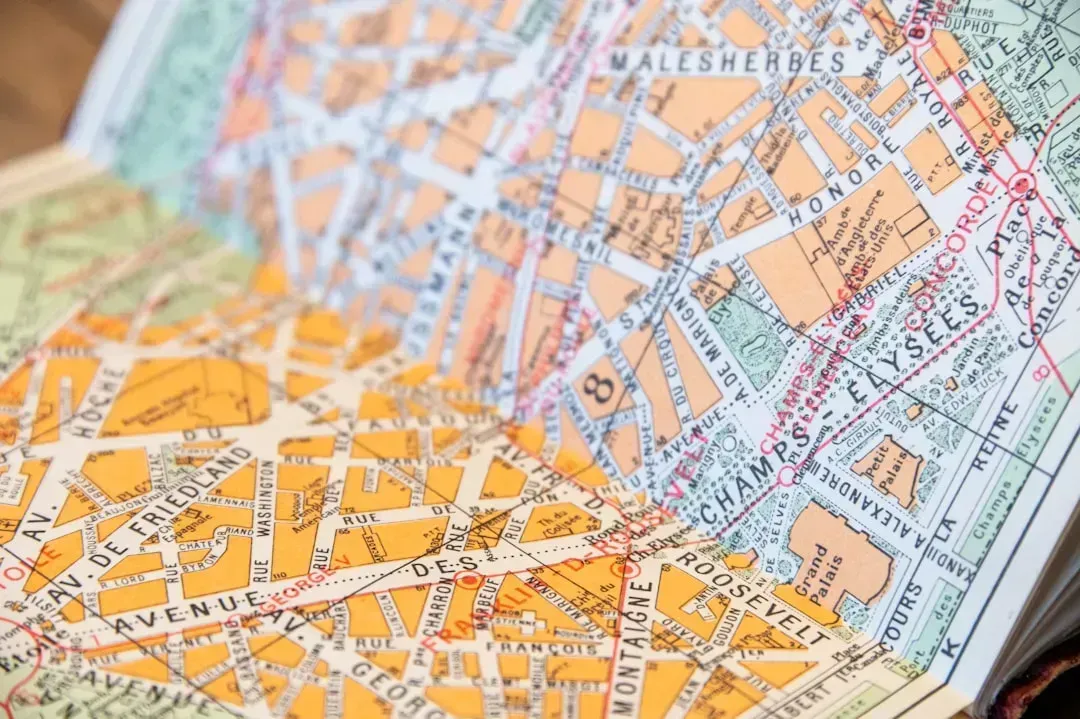
Before GPS and turn-by-turn directions, people relied on road maps – those giant fold-out sheets that never quite folded back the right way. Planning a road trip meant plotting your route by hand. One wrong turn and you’d be squinting at intersections, looking for landmarks, or pulling into a gas station for directions. You had to really know where you were going – or be good at asking.
Getting lost was a genuine possibility on every journey of any real distance. Gas station attendants were routinely asked for directions, and they gave them – often in the form of hand-drawn sketches on scrap paper. The idea that a small rectangle in your pocket could tell you exactly where you were, in real time, anywhere on Earth, would have sounded like science fiction.
14. Medical Care and Hospitals
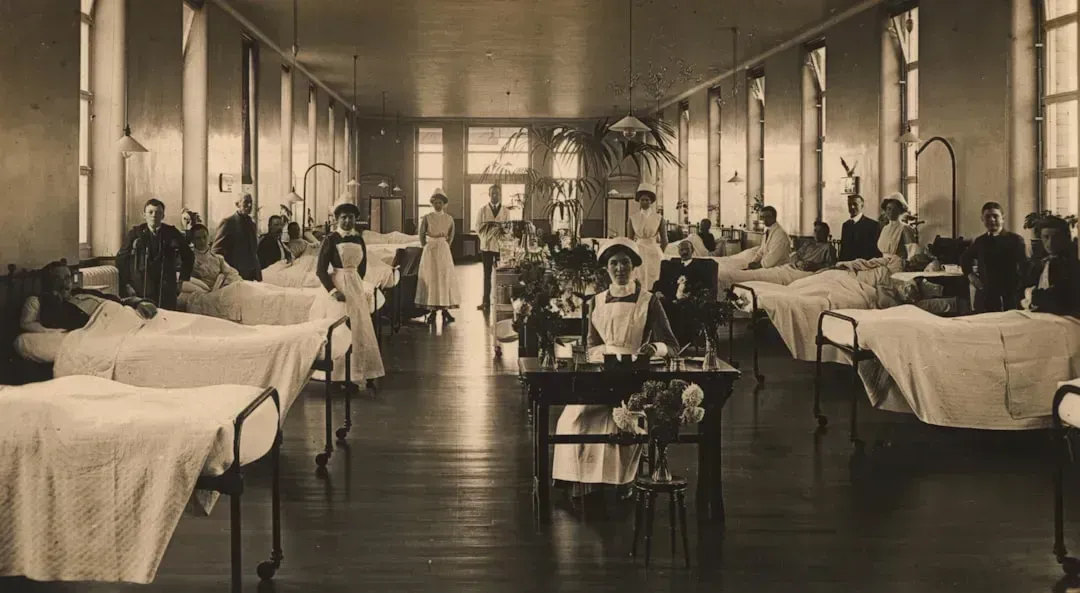
The 1960s were fertile ground for medical inventions that saved lives. In 1960, the first implantable cardiac pacemaker was successfully used, offering a lifeline to patients with heart rhythm disorders. This device marked a new era in biomedical engineering and chronic disease management. Yet for all its innovation, medicine in the ’60s was still remarkably limited by today’s standards, and hospital visits were far more serious affairs with fewer options.
On December 2, 1967, surgeon Christiaan Barnard and his team in Cape Town performed the world’s first human-to-human heart transplant. The patient received the heart of a young woman who had died in a car accident. The surgical team used a pump-oxygenator machine to keep the patient alive during the procedure. He survived 18 days before dying of severe pneumonia. The procedure that made headlines as the miracle of its age would today be considered a routine, if complex, operation performed in hundreds of hospitals worldwide.
15. The Soda Fountain and Local Drugstore
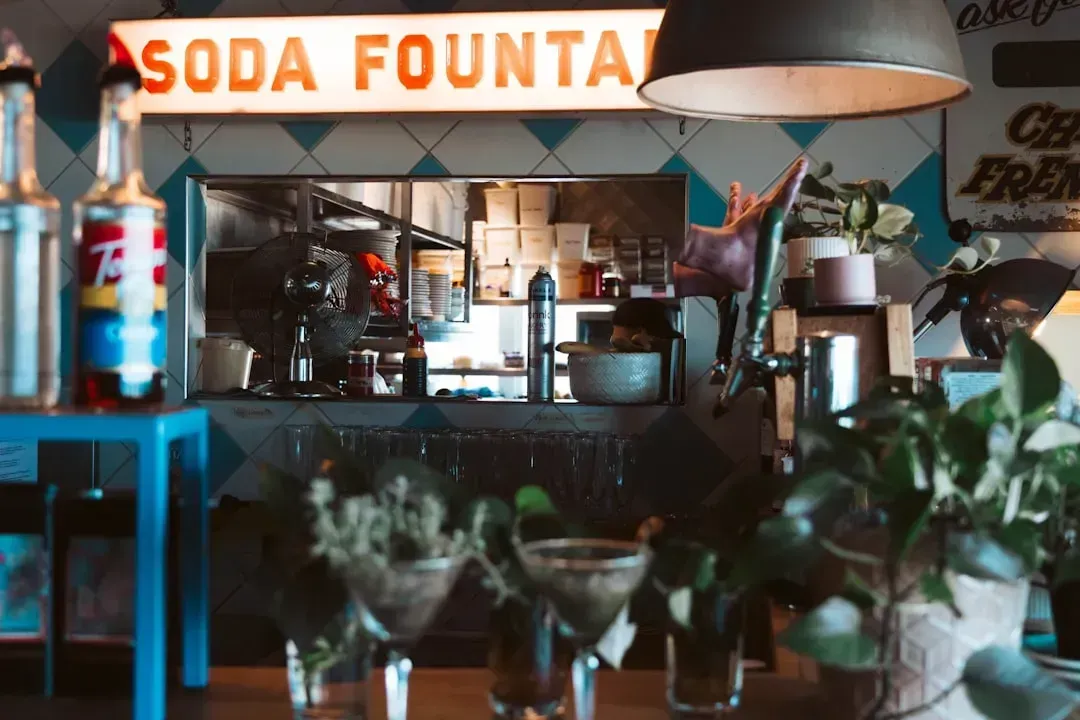
Before Starbucks and fast food chains took over, soda fountains were the ultimate social scene. Located in drugstores or diners, these bubbly bars served custom fizzy drinks mixed by a “soda jerk.” It wasn’t just about grabbing a cherry cola – it was about chatting with friends, making memories on shiny stools, and having somewhere unhurried to be. The soda fountain was the original third place, long before that phrase existed.
In the 1960s, a mother would buy only food at the grocery store. Toiletries and over-the-counter medications were purchased at a separate drug store, which also included a pharmacy. Each type of errand had its own destination. The idea that you could buy groceries, pick up a prescription, fill your gas tank, and grab a coffee all in the same parking lot – or, for that matter, from your phone without leaving your house – would have been genuinely difficult to picture. The 1960s weren’t just a different era – they were a different pace of life. Things took time, and whether it was waiting for a letter or rewinding a record, there was a rhythm to the day that demanded patience.
What stands out, looking across all fifteen of these things, isn’t just that they changed – it’s how completely some of them vanished. The rotary phone, the soda fountain, the smoke-filled waiting room: they didn’t evolve gradually. They were replaced, almost entirely, within the span of a generation or two. The world of the ’60s wasn’t primitive. It was fully functional, and people lived rich lives within it. It just operated on entirely different assumptions about time, convenience, and what daily life was supposed to feel like.