
Most of us move through the day trusting the habits we picked up in childhood. Brush your teeth after eating. Rinse a wound under running water. Sleep on your side. These feel like settled wisdom, passed down through families and school health classes. The problem is that a surprising number of them are either flat-out wrong or far more nuanced than anyone told us.
Science keeps quietly revising things we assumed were fine. Some of these corrections are minor, bordering on trivial. Others, when you understand the mechanics behind them, are genuinely unsettling. Here are thirteen things most of us have been doing incorrectly for as long as we can remember.
1. Brushing Your Teeth Immediately After Eating
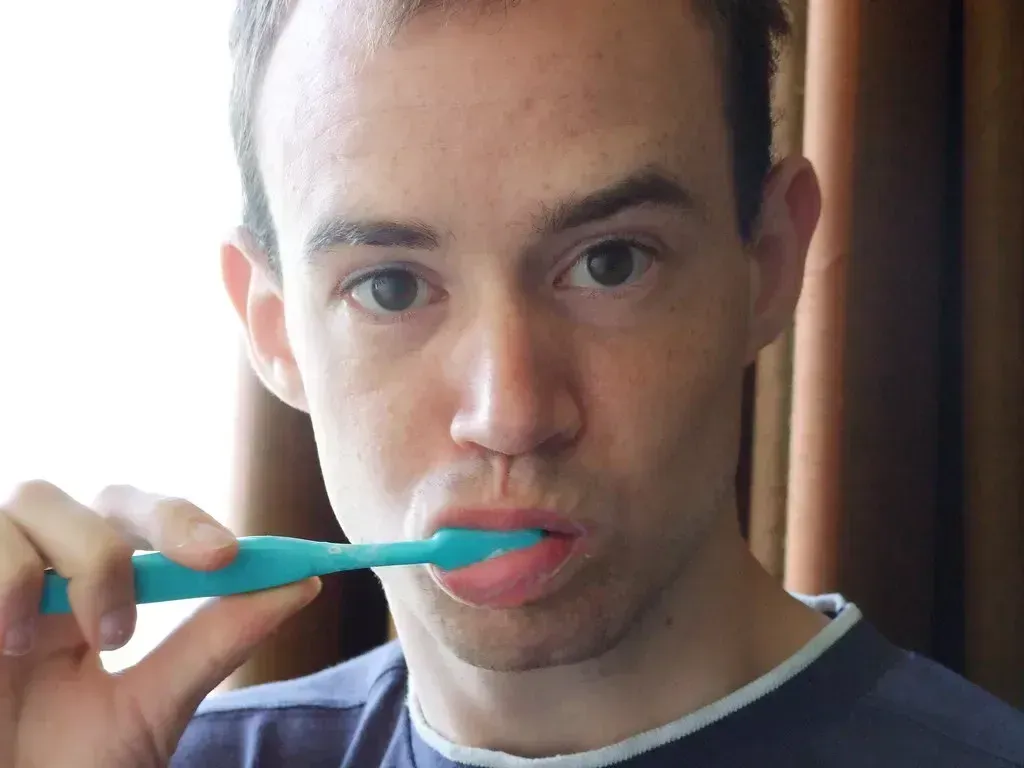
It feels like the responsible thing to do, reaching for the toothbrush the moment you finish a meal. As children, most of us were told to brush immediately after eating. But this habit may actually be one of the most destructive things you can do to your teeth. The reason comes down to acid and timing.
Teeth are covered in enamel, and acid makes them temporarily softer and more vulnerable to damage if you brush right after eating. Any enamel lost will never return, so waiting at least 30 minutes allows enamel to remineralize. The American Dental Association suggests waiting at least 60 minutes after eating, giving saliva a chance to naturally wash away food particles and return the mouth to its proper pH level.
2. Using a Hard-Bristled Toothbrush
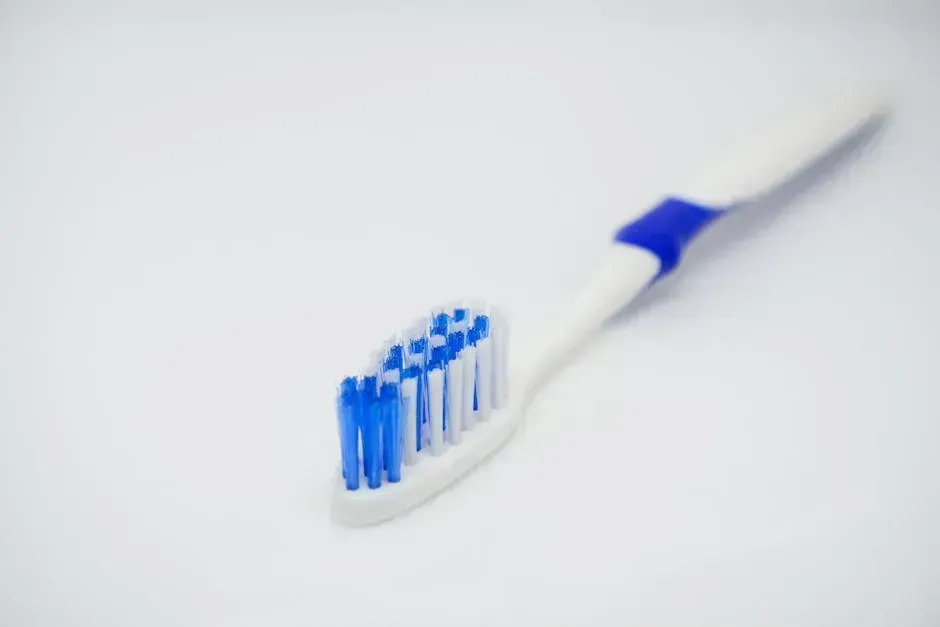
The assumption behind firmer bristles is straightforward: harder scrubbing means cleaner teeth. It seems logical, but dentists have been pushing back on this for years. There is a common misconception that a hard toothbrush cleans better than a soft one, but this simply isn’t true. A soft brush cleans just as effectively, and hard bristles can wear down enamel and cause the gums to recede, leading to sensitive teeth.
The wrong brushing technique not only leaves plaque behind but can actively damage oral health. Most people brush by moving the brush back and forth, which is incorrect. The proper method is to start at the gums and move in small, circular motions, which removes the most plaque without damaging teeth or gums.
3. Only Applying a Little Sunscreen
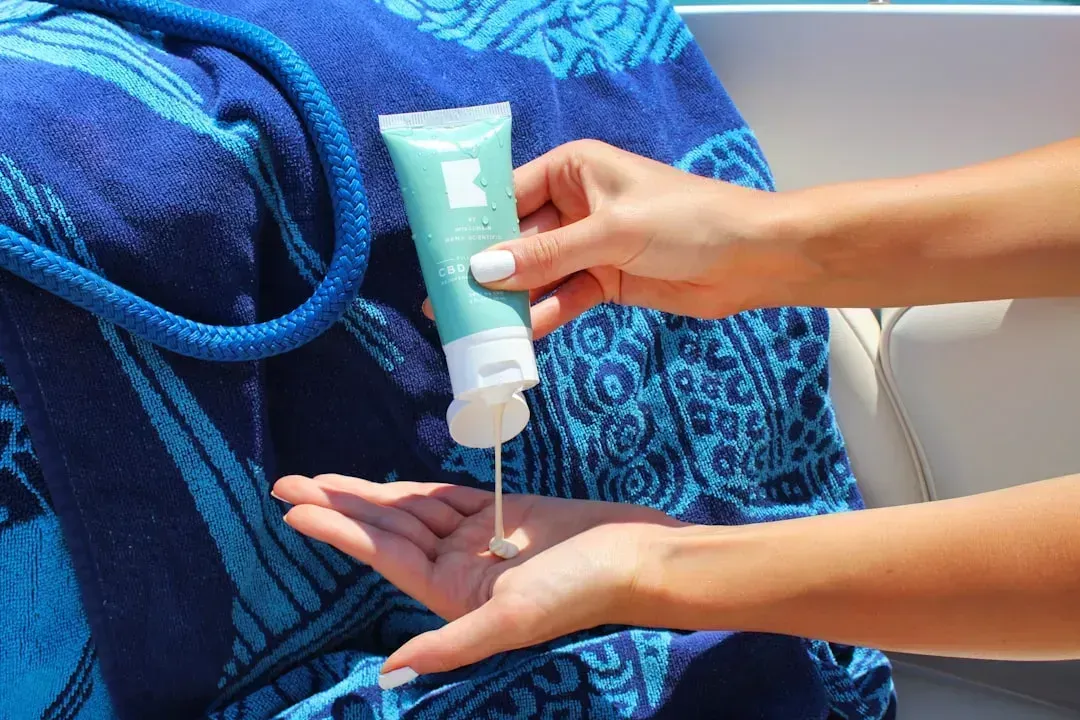
Sunscreen is one of those products where people assume a thin layer is good enough. A quick rub across the face, maybe a light pass over the arms, and we consider ourselves protected. The reality is considerably messier. In a 2018 study published in the journal Acta Dermato-Venereologica, researchers found that most subjects were applying their sunscreen too thinly to provide adequate protection.
The American Academy of Dermatology recommends using a shot-glass-sized amount to cover the whole body. Timing also matters: applying sun protection at least 15 minutes before stepping outside is important for maximum effect. Most people use roughly a quarter of the recommended amount, which means the labeled SPF protection is largely theoretical.
4. Thinking Cold Weather Makes You Catch a Cold

This one has been handed down for generations. Go outside with wet hair and you’ll catch a cold. Stay out in the rain too long and you’ll get sick. It’s woven into how many of us were raised, and most people still believe it. The only reason colds spread more in winter is reduced humidity. You’re actually more likely to catch a cold indoors than outdoors, and your internal body temperature and immune system are unaffected by outdoor temperatures.
Cold viruses spread through respiratory droplets from infected people, not through exposure to cold air. The real reason winter sees more illness is that people gather indoors in poorly ventilated spaces, exactly the environment where viruses thrive. The cold itself is essentially a bystander.
5. Cracking Your Knuckles Thinking It Causes Arthritis

Generations of parents and teachers have warned that cracking your knuckles will lead to arthritis. It’s one of the most persistent health myths in circulation. The urge to crack may be about relieving joint pain or increasing mobility, and it can also simply be a nervous habit or a way to release tension. There is no scientific evidence that knuckle cracking causes arthritis.
The popping sound comes from the rapid collapse of gas bubbles in the synovial fluid surrounding the joint, not from any kind of bone-on-bone contact. Research that followed knuckle crackers over decades found no meaningful difference in arthritis rates between crackers and non-crackers. The habit is annoying to some, but medically harmless.
6. Putting a Wet Phone in Rice

For years, submerging a soaked phone in uncooked rice was the universal emergency fix. It felt clever, even MacGyver-ish. The logic was that rice absorbs moisture, so it would pull the water out. Submerging a water-damaged cell phone in rice has been the quick go-to rescue remedy for years, but tech experts now warn against it. It was originally thought rice would absorb all the phone’s moisture, but the small particles are incapable of sucking out water and can introduce dust and other particles, causing internal damage.
Mushy and sticky pieces of rice can get stuck inside essential parts of the phone, such as speaker cavities and ports. The better approach is to power the device off immediately, gently shake out visible water, and let it air dry in a warm spot or, if possible, use a device-specific drying kit. Silica gel packets are actually far more effective than rice.
7. Assuming Most of Your Body Heat Escapes Through Your Head

Parents everywhere have told shivering children to put on a hat because “most of your body heat escapes through your head.” It sounds physiologically plausible, and it’s been repeated so often it has the feel of established fact. We often hear that most body heat is lost through the head, but according to a report published in the British Medical Journal, just seven percent of a person’s body heat is lost through the head, far less than the 45 to 50 percent range often reported.
The myth likely originated from outdated military cold-weather studies and spread from there. The truth is that heat loss is roughly proportional to the surface area of skin that’s exposed. Your head is no more special than your arms or torso in this regard. Wear a hat because your ears get cold, not because science demands it.
8. Trimming Your Hair to Make It Grow Faster

The idea that regular haircuts accelerate growth is remarkably common and stubbornly persistent. Salons have been quietly benefiting from this belief for decades. Regular haircuts are great for getting rid of split ends or maintaining a style, but the myth that a trim stimulates and accelerates hair growth is total fiction. Hair grows via the follicles on the scalp, not from the ends, so routine cuts have no influence on hair growth.
What trims actually do is remove damaged ends, which makes hair look thicker and healthier, creating the impression of better growth. The rate at which hair grows is governed by biology, genetics, nutrition, and hormones, none of which are changed by a visit to the salon. The confusion between looking better and growing faster has been good for the haircare industry.
9. Believing Habits Form in 21 Days

The idea that it takes 21 days to form a new habit has become one of the most quoted self-help figures of the last few decades. It’s been repeated in books, wellness apps, and motivational content to the point where it feels like a law of human psychology. It isn’t. Researchers found that new habits can begin forming within about two months, with a median of 59 to 66 days, but can take up to 335 days to establish.
Most daily actions may happen without much thought, and researchers found that around 65 percent of everyday behaviors are triggered automatically by habit rather than by conscious decisions. The 21-day figure came from a plastic surgeon’s casual observation about how long patients took to adjust to their new appearance, not from any rigorous behavioral study. Knowing that real habit formation takes months, not weeks, changes how we should approach behavioral change entirely.
10. Keeping Batteries in the Freezer to Extend Their Life
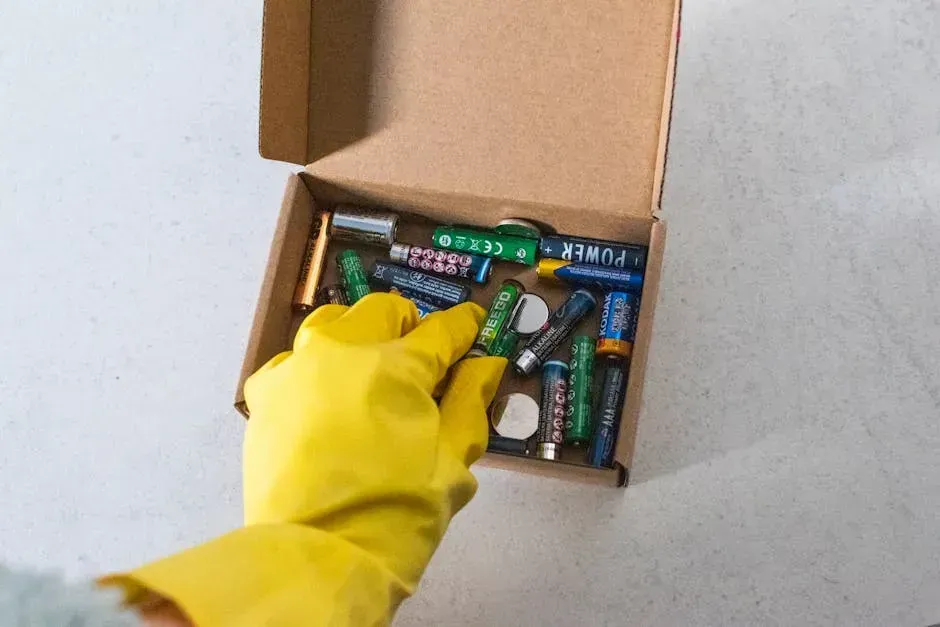
This one became household folklore at some point, the idea that storing batteries in the refrigerator or freezer keeps them fresh longer. Many people still do it without thinking twice. Putting batteries in a refrigerator or freezer to prolong their life is a widely shared myth that’s been debunked by scientists and battery makers alike. The truth is that very cold temperatures actually reduce battery performance.
Extreme cold causes the chemical reactions inside batteries to slow down, which temporarily diminishes their output capacity. Condensation from temperature cycling can also introduce moisture into the battery’s internal components. Room temperature storage in a dry environment is what manufacturers recommend, and that’s actually where they perform best.
11. Stopping Antibiotics Early Because You Feel Better

When you’re prescribed a course of antibiotics and your symptoms clear up after a few days, it feels sensible to stop. Why keep taking medicine when you’re no longer sick? This logic, while understandable, has contributed to one of the more serious public health problems of the modern era. Even when antibiotics were warranted, patients were not sufficiently warned about the dangers of not completing the full course. When symptoms abated, patients often stopped taking their pills, allowing bacteria that had not been killed off to mutate. Now there are whole categories of antibiotics that no longer work.
Stopping a course of antibiotics early doesn’t mean you’ve beaten the infection. It means you’ve killed off the weakest bacteria while leaving the stronger, more resistant ones alive. Those survivors can multiply and pass on their resistance. The full course exists specifically to prevent that from happening.
12. Running a Ceiling Fan Only in Summer

Most people flip their ceiling fan on during warm months and forget it exists the rest of the year. It seems like purely a cooling device, and in summer mode it works that way. Few people know that most ceiling fans have a second setting specifically designed for winter. In spring and summer, running the fan counter-clockwise pushes cold air down toward the body, making you feel cooler. In fall and winter, flipping the switch so it spins clockwise pushes the warm air that collects near the ceiling back down, keeping the whole room warmer.
This simple reversal can meaningfully reduce heating costs during winter months. Warm air naturally rises to the ceiling, and without a fan running in clockwise mode, it stays trapped near the top of the room while you remain cold below. Most fan bases have a small switch that reverses the blade direction, and most homeowners have never touched it.
13. Assuming More Repetition Is Always the Key to Learning

The intuitive model of learning is simple: repeat something often enough and it sticks. Practice makes perfect. While repetition undeniably matters, research into how habits and skills are actually formed tells a more layered story. Results of learning research supported independent impacts of both repetition and reward on choices, suggesting that the mere performance of a behavior influences its likelihood of recurrence, but that this is more pronounced under conditions of greater reinforcement.
Habits happen when automatic responses outweigh our ability to consciously control them, and good and bad habits are two sides of the same coin, both arising when automatic responses overpower goal-directed control. By understanding this dynamic, we can use it to our own advantage, to both make and break habits. Mindless repetition without reward or clear context can actually entrench behaviors in ways that become difficult to revise later. The quality and intention behind practice matters just as much as the quantity of it.
The thread running through all thirteen of these is that confident repetition is not the same as being right. Many of these habits feel correct precisely because they’ve been performed so many times, by so many people, for so long. That social reinforcement creates a kind of certainty that scientific evidence quietly keeps chipping away at. The question worth sitting with isn’t just which habits you hold, but how certain you are about why you hold them.