
Some of the habits we learned at the kitchen table, drilled into us by parents and grandparents as the very definition of good behavior, don’t hold up the way they once did. That’s not because people are ruder than they used to be. It’s that the rules have changed. Social interactions now move faster, rely more on inclusivity and equality, and are shaped by digital norms.
The behaviors that once signaled respect or civility may now come across as presumptuous, exclusionary, or even condescending. A few of them have aged into something that genuinely makes people uncomfortable. Here are six of the most recognizable offenders.
1. Gender-Based Chivalry Gestures
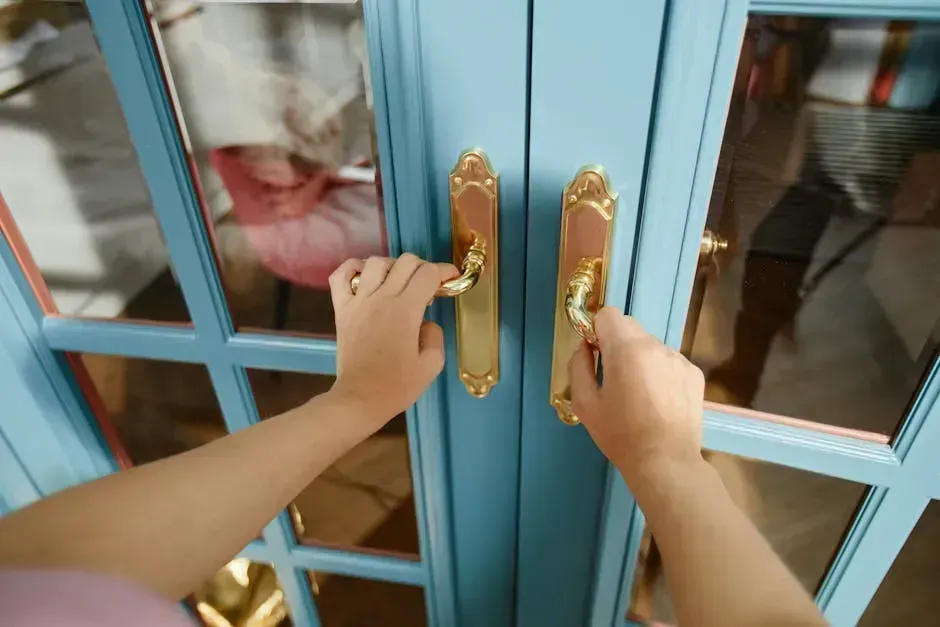
Holding a door open, pulling out a chair, or insisting a woman go first were once considered hallmarks of a well-mannered person. The intent was never malicious. In many circles today, particularly among younger people or in professional settings, unsolicited gestures like holding the door specifically because someone is a woman can come across as patronizing or rooted in outdated gender roles. Instead of being seen as polite, it can be interpreted as implying that the other person is incapable or fragile.
Chivalry is not dead, but the definition of what exactly shows respect to women is changing. Things like opening doors and pulling out chairs for women aren’t rude, but they’re not seen as necessary anymore. The cleaner move today is simple: hold the door for the person right behind you, regardless of gender, and move on.
2. Insisting on Paying the Bill

For generations, whoever held the most traditional social power at a table, usually the man or the senior guest, was expected to cover the bill. Refusing to let someone else pay was considered dignified generosity. For decades the rule was simple: the man, the host, or the senior person always paid the bill. To insist on this was seen as a gesture of generosity and respect. Today, however, with greater financial independence and equality, this insistence can come across as condescending.
Gone are the days of men being obligated to pay for the meals of the women with whom they dine. Going “Dutch” is entirely appropriate, particularly when two equals mutually make a plan. The rule now is that whoever does the inviting pays for the meal, according to the Emily Post Institute. Pushing cash across the table when someone genuinely wants to split can feel controlling more than generous.
3. Requiring a Formal Introduction Before Speaking

In earlier eras, speaking to a stranger before being formally introduced through a mutual acquaintance was considered deeply improper. The rule had staying power well into the 20th century. Traditional society required a mutual acquaintance to formally introduce two strangers before they were permitted to speak. This barrier kept social circles extremely closed and prevented individuals from networking outside their immediate socioeconomic class.
Formal introductions have become a thing of the past thanks to modern communication’s reliance on speed and spontaneity. According to the experts at Debrett’s, London’s leading authority on modern manners, not only is it perfectly acceptable to introduce yourself to someone, but it’s often “the most practical solution.” Saying “hello” isn’t just acceptable nowadays; it’s expected. Waiting silently for someone to facilitate a meeting can now read as aloof or even arrogant.
4. Commenting on Someone’s Weight or Appearance as a Compliment

Telling someone they look great because they’ve lost weight was once a perfectly standard compliment. It was meant warmly, and in previous decades it almost always landed that way. Phrases like “You look so good” referring to someone’s weight were once considered polite compliments, but now young generations think are rude. Weight loss can often be a symptom of grief, mental health struggles, loss, health issues, or eating disorders, which is why commenting on a person’s appearance, whether good or bad, is often a poor compliment and use of conversation.
The shift here isn’t about being oversensitive. It’s about recognizing that a compliment tied to body size carries assumptions about what a person’s body should look like, or how it looked before. Social norms and values shift drastically over time. As new, younger generations enter adulthood, the workforce, and other institutions, they bring their individualized perspectives and beliefs with them, ultimately shifting and changing things for everyone as they evolve and find their way. This is one of the clearer examples of that shift.
5. Constantly Deferring and Refusing to Make Decisions

There was a time when repeatedly putting others first, insisting they pick the restaurant, choose the activity, or take the last slice, was a clean signal of selflessness. The logic made sense in an era that prized deference as a social virtue. When done excessively or with the wrong tone, this behavior can now be interpreted as passive-aggressive or indecisive. Younger generations, in particular, may prefer directness and mutual respect over overly deferential behavior.
If you constantly push others to go first or refuse to make decisions, it might make people feel pressured or uncomfortable. In some cases, it even slows things down and creates confusion. Today’s etiquette emphasizes balance. Being considerate still matters, but so does owning your preferences and not putting the emotional labor on others. There’s a real difference between being generous and offloading every choice onto someone else.
6. Addressing Adults by Formal Titles Without Being Asked

Calling someone “Mr. Johnson” or “Mrs. Smith” at work, or in most casual social settings, was once the baseline for respect. Using a first name without permission felt presumptuous, sometimes even rude. Even though America has traditionally been less formal with titles than many other places, it was still considered good manners to address people, particularly those in a higher position, as Mr./Ms. or Sir/Ma’am. General codes of conduct do not require such formality in most situations anymore.
Many Gen Zers now acknowledge the complicated and controversial history of formal titles like “Mrs” or “Mr,” which is why they’re considered to be rude amongst younger generations today. The discomfort isn’t arbitrary. Titles like “Mrs.” historically erased women’s individual identities by linking them to marital status. Always using “Mr.,” “Mrs.,” or “Miss” can feel stuffy in many modern workplaces. Many people prefer a more casual approach, using first names even with higher-ups. It can create a friendlier, more open work environment. Of course, it’s still good to start formal and let others set the tone.
None of this means that manners no longer matter. Etiquette evolves to reflect the time, space and culture of where it is being applied, yet the underlying concepts of kindness, grace, consideration, savvy and confidence still apply. The behaviors on this list weren’t invented with bad intentions. Most were genuine attempts at respect. What’s shifted is who gets to define what respect actually looks like, and that shift is long overdue.