
Most people spend years in therapy before they realize the source of their anxiety isn’t their job, their relationship, or their finances. It’s the house they grew up in. The patterns formed in childhood have a way of becoming invisible – so deeply embedded in daily life that they stop registering as abnormal at all.
Family dynamics refer to the patterns of interactions among relatives, their roles and relationships, and the factors that shape them. Because family members offer support in multiple forms, including emotional, physical, and financial, they are one of the primary sources of either relationship security or stress. These interactions play a significant role in shaping psychological, physical, and behavioral pathways. That’s what makes toxic family patterns so insidious: they don’t always look dramatic from the outside.
The Invisible Weight of Emotional Neglect
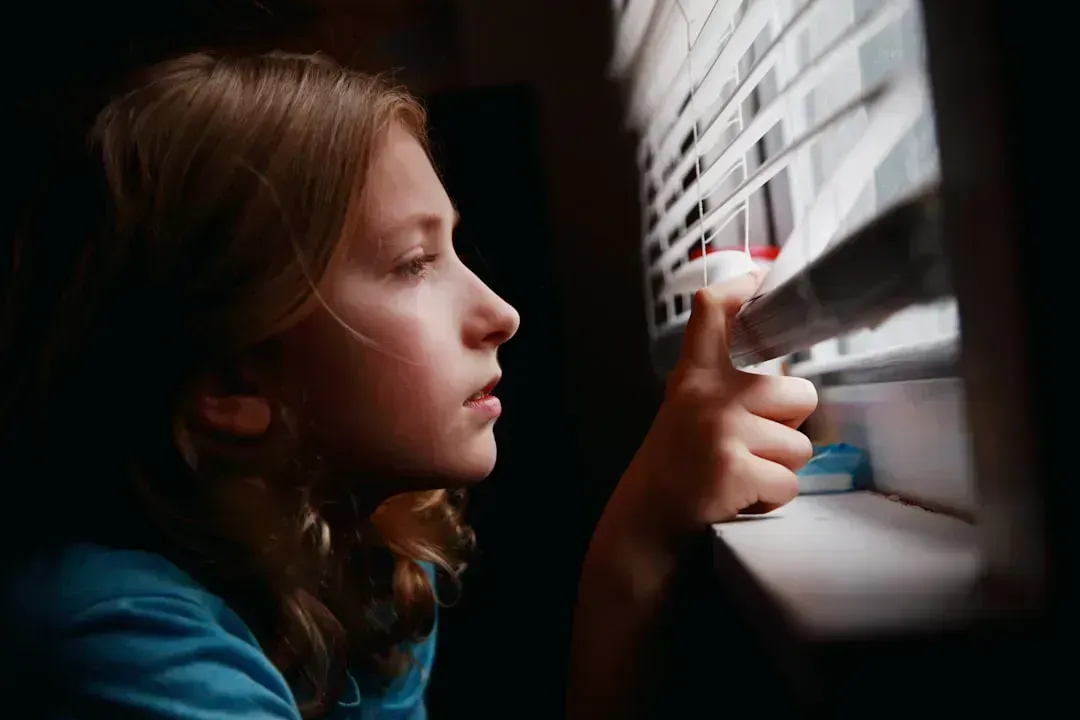
Emotional neglect is among the most prominent forms of psychological maltreatment. Other forms include gaslighting, parentification, and excessive demands placed on a child by an adult upon whom they are emotionally dependent. What makes emotional neglect particularly hard to recognize is that it’s defined by what didn’t happen, not what did. There were no screaming matches. No visible bruises. Just a persistent absence of being truly seen.
Many forms of psychological maltreatment can be categorized as traumas of omission, involving persistent failure to provide adequate emotional nurturance, affection, or protection from overwhelming stressors in the home. Chronic emotional deprivation leaves children feeling alone in their pain. Between trying to decipher confusing adult behavior and soothe their own distress, such children often find themselves in a persistent state of survival.
Constant Conflict as a Household Norm

Constant conflict creates a toxic family environment that affects communication patterns, parent-child relationships, emotional engagement, and overall performance of family life. Over time, these strained dynamics shape a negative family culture in which cooperation, trust, and emotional bonding become difficult to maintain. When children grow up surrounded by unresolved arguments, they learn to read the room before they learn to read a book.
Research findings suggest that constant conflict increases stress, anxiety, depressive symptoms, and emotional burnout in parents, ultimately impairing their ability to communicate, co-parent effectively, and maintain nurturing connections with their children. Studies also indicate that children raised in high-conflict households may develop aggression, withdrawal, anxiety, emotional insecurity, behavioral problems, low self-confidence, or academic difficulties, sometimes for life.
Parentification: When Children Become the Caretakers

Parentification occurs when youth are forced to assume developmentally inappropriate parent-like or adult-like roles and responsibilities. It’s a quiet inversion of the natural order. The child who becomes their mother’s emotional confidant, the teenager who mediates parental fights, the oldest sibling who essentially raises the younger ones. It feels like maturity. In reality, it’s deprivation wearing the mask of responsibility.
Research on parentification documents consistent long-term consequences: difficulty identifying one’s own needs, a tendency toward hyperresponsibility in relationships, burnout from caretaking roles, and a fundamental uncertainty about whether one’s own emotional experience is legitimate. Symptoms experienced by adults who were parentified as children may include difficulty functioning independently, a higher chance of chronic physical illness, inability to trust others, and increased risk of anxiety, eating disorders, depression, and substance use disorders.
Gaslighting Within the Family System

In some families, caregivers blatantly deny ongoing abusive and neglectful treatment – otherwise known as gaslighting. This pattern can leave a person with long-term questions about whether or not they can trust their own perception and emotional experience. When the people responsible for your sense of reality are the ones distorting it, the damage goes deeper than any single incident.
Cognitive destabilization, including gaslighting, ridiculing a child’s perceptions, or making the child question the validity of their own emotional responses, directly parallels the gaslighting patterns documented in adult intimate partner abuse. It is common for survivors of psychological maltreatment to believe their experiences were less severe than those with identifiable histories of physical or sexual abuse, which can lead them to invalidate or minimize their own lifelong suffering.
Scapegoating: Carrying the Family’s Blame

In a dysfunctional family, the “scapegoat” often becomes the target of blame. This role can foster deep feelings of shame and unworthiness, which may lead to behavioral issues as the individual seeks external sources of validation. The scapegoat isn’t chosen because they’re the most troubled family member. Often, they’re chosen because they’re the most honest, or simply the most vulnerable.
Research indicates that being the family scapegoat can have profound psychological consequences. Longitudinal research further emphasizes that the psychological wounds inflicted by family scapegoating can persist over time, contributing to a range of mental health challenges, including mood disorders, substance abuse, and interpersonal difficulties. Incredibly, there are families that scapegoat a loved one even into and including adulthood.
Household Dysfunction and Emotionally Immature Parents

One important aspect of the toxic family environment is what researchers have described as “household dysfunction,” characterized by emotionally immature caregivers who are unable to effectively deal with stress and difficulty in their own lives. The result is a home environment where the adults’ unmet emotional needs quietly dominate every interaction.
Emotional immaturity may lead to parents projecting their needs and fears onto children, even if this is not done consciously. These behaviors differ significantly from intentional harm but can still disrupt development and attachment patterns. Abuse and neglect affect a child’s ability to trust the world, others, and themselves. They grow up without a frame of reference for what is normal and healthy, and may develop traits they struggle with throughout their adult lives.
Generational Trauma: When Wounds Travel Through Time

The transfer of generational trauma doesn’t happen through genetics alone; it is often transmitted through learned behaviors, emotional patterns, and family narratives. Parents may unknowingly teach their children maladaptive coping mechanisms or project unresolved fears, creating cycles of stress and emotional dysfunction. A parent who experienced significant childhood neglect might struggle to provide emotional availability, which can affect their child’s ability to form secure attachments.
Generational trauma is not confined to stories or distant memories; it can have a biological basis through epigenetics. Research shows that trauma can alter the way genes are expressed, influencing how future generations respond to stress. Within families, generational trauma can create patterns of dysfunction that are incredibly difficult to break. These patterns often include cycles of abuse, neglect, and codependency, with family members frequently repeating harmful behaviors even when they recognize the damage those behaviors cause.
Dysfunctional Family Roles and Their Adult Consequences

In dysfunctional families, members often assume specific roles that serve as coping mechanisms. While these roles can provide temporary stability, they can also lead to harmful patterns in adulthood. The “hero,” for example, tries to keep everything together, often taking on excessive responsibility. They feel as though it’s on them to keep everyone around them happy, because they were tasked with this job when they were young. While they may appear successful and put together, they often struggle with anxiety or perfectionism.
Family dysfunction frequently results in lasting trauma and complex PTSD that can follow children into adulthood. Adult children of dysfunctional families may carry unresolved issues into adulthood, affecting their emotional well-being and ability to form healthy relationships. Over time, unresolved issues can contribute to PTSD, attachment challenges, and chronic stress. The roles assigned in childhood rarely disappear on their own – they simply find new stages to play out on.
Poor Communication as a Slow Erosion of Self

In dysfunctional families, parents often do not show unconditional love, becoming judgmental instead. Rather than attempting to understand a child’s feelings and point of view, a dysfunctional parent might rely on anger or derision, making the child feel guilty or demeaned. Parents may lack the ability to emotionally tune in to their kids, causing children to internalize negative feelings.
Research shows that family relationship problems, such as conflicts and tensions, have links with lower levels of autonomy, environmental mastery, personal growth, positive relations, purpose in life, and self-acceptance among young adults. The process-oriented theories of family suggest that if families are not able to effectively deal with events, chronic dysfunction and various mental disorders – such as depression and anxiety – may emerge. A household where feelings are routinely dismissed or mocked doesn’t teach children how to communicate. It teaches them to be afraid of their own voice.
Breaking the Cycle: Awareness Is the First Step

The recognition of toxic family environments may help clients identify family and home-related experiences which disrupted development or created difficulty that has now persisted into adulthood. That recognition alone carries real power. Many people spend decades attributing their struggles to personal weakness before understanding the environment that shaped them.
Generational trauma can perpetuate cycles of abuse within families. When a parent has unresolved trauma, they may unconsciously act out patterns of behavior that stem from that trauma, which can then be absorbed and repeated by their children. Breaking free from dysfunctional family dynamics requires intentional effort. Building healthy boundaries, seeking therapy, and developing better communication skills are essential steps toward healing. The patterns that quietly destroyed someone’s peace for years can, with sustained effort and support, be replaced by something entirely different.