
Most people treat their wallet like a portable filing cabinet. Over the years, cards, notes, receipts, and IDs accumulate quietly, each one sitting there without drawing much attention. The problem is that a lost or stolen wallet becomes a far more serious event when it’s packed with the wrong things.
A record $12.5 billion was stolen through scams and fraud in a recent year, up 25 percent from the year prior, based on reports to the Federal Trade Commission. Older people tend to lose more money to these crimes than younger counterparts, in part because they tend to have more to lose: adults in their 70s reported a median of $1,000 stolen through fraud, compared with a median of about $417 reported by those in their 20s. After 50, keeping your wallet lean isn’t just tidy habit – it’s a genuine layer of protection.
1. Your Social Security Card
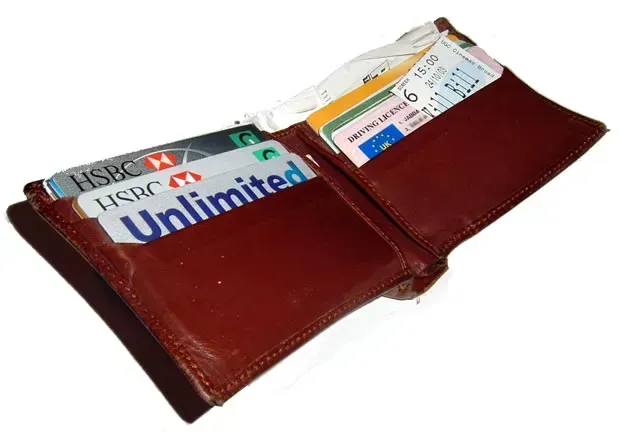
Never carry your Social Security card, or anything with that number on it. Your nine-digit Social Security number is all a savvy identity thief needs to open new credit card accounts or loans in your name – which you could be responsible for until you prove otherwise. The physical card offers essentially no benefit when carried daily, since the number itself is what matters.
With a Social Security number, thieves can open credit cards, file false tax returns, take out loans, drain bank accounts, or steal government benefits – all in your name. There’s virtually no reason to carry your Social Security card. Instead, memorize your number and then store your physical card at home in a safe, fireproof document box or locked drawer.
2. Your Medicare Card (Unless You Have an Appointment)
Your Medicare card no longer carries your Social Security number, which is a meaningful improvement. Still, your Medicare number is unique to you and should be closely guarded, never shared with anyone who contacts you out of the blue. Only carry your Medicare card when you’re headed to an appointment that might require it. In the wrong hands, your Medicare number may be used for a variety of scams, including filing false claims and seeking reimbursements.
Medicare cards offer convenient access to healthcare benefits, but they also pose potential risks for seniors who carry them routinely. The information printed on Medicare cards can leave holders vulnerable to identity theft. A practical workaround is to keep a photocopy at home with part of the number obscured, and only carry the original when needed.
3. Your Passport or Passport Card
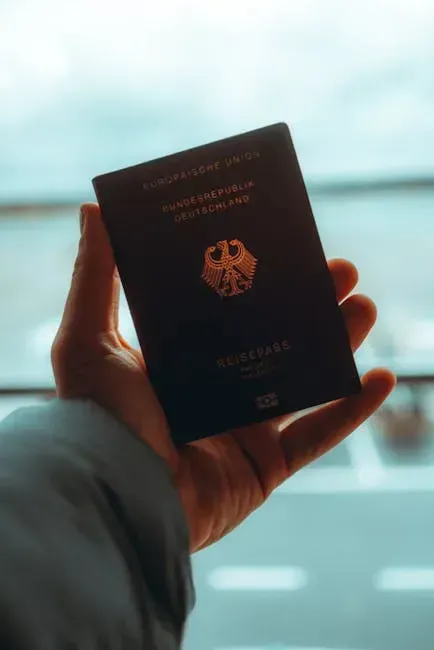
A passport or passport card, like any government-issued photo ID, can be a weapon used against your finances if it falls into the wrong hands. It could be used to travel in your name, get a new copy of your Social Security card, or open bank accounts. This makes it one of the most dangerous documents you can carry on a daily basis.
If someone steals it, they can use it to impersonate you or sell your identity on the dark web. Worse still, replacing your passport is a tedious process that can take weeks or months. Keep your passport in a safe or fireproof lockbox, and use your driver’s license or state ID for everyday identification needs.
4. Your Birth Certificate
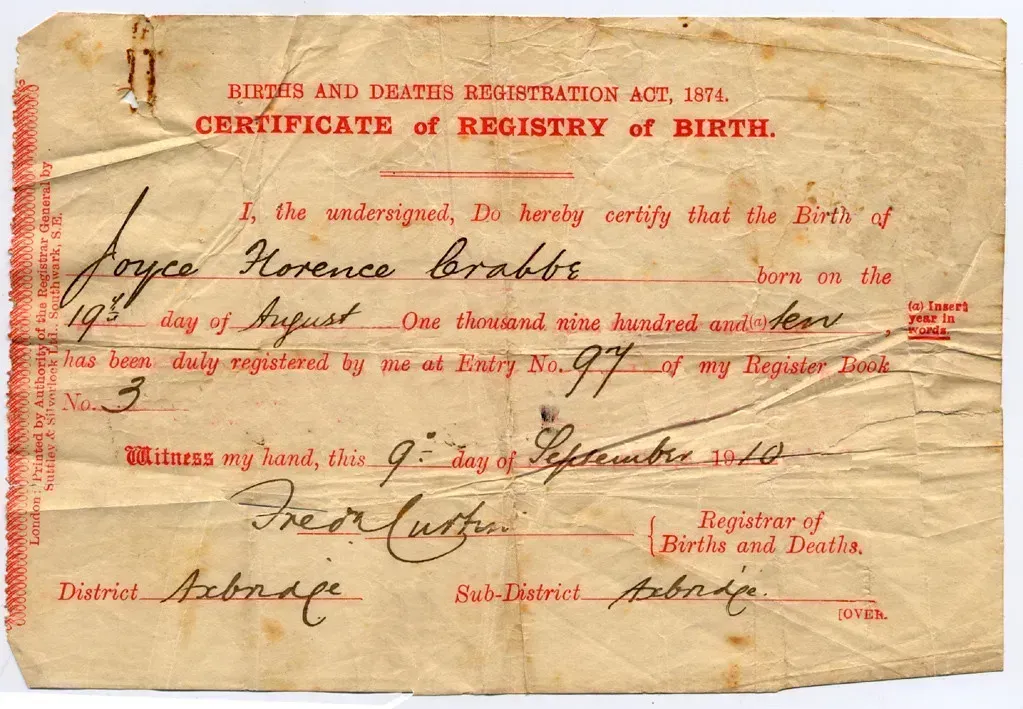
Your birth certificate is an essential piece of paper. It contains enough information for a criminal to create fake accounts in your name and access your own accounts. Most people have no reason to carry this document under ordinary circumstances, yet it occasionally ends up slipped inside a wallet after a government appointment and never removed.
Like your passport, your birth certificate is a valuable document that can be used for identity theft. Keep it safely stored at home unless you have a specific need for it. On the rare occasions you do need it, take it straight home when you’re done.
5. Blank Checks or Your Entire Checkbook
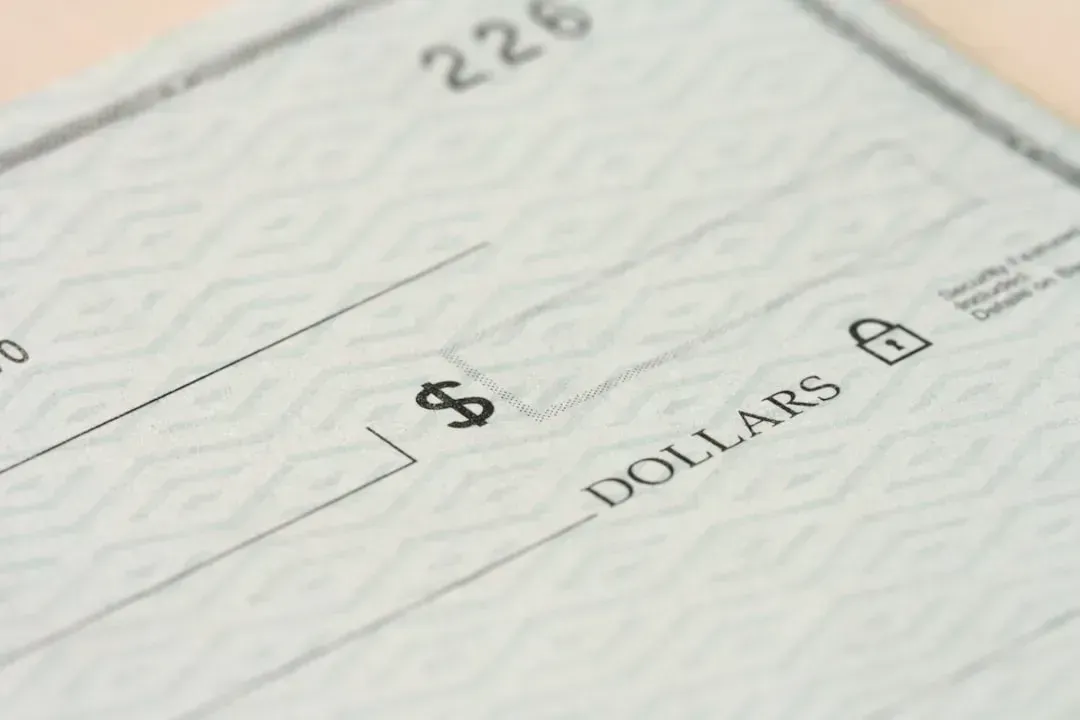
Blank checks are risky. In the wrong hands, a blank check could be used to quickly drain money from your bank account. Even if the stolen check isn’t used directly, it carries your bank account and routing numbers, which are a target for electronic withdrawals. To pile on, that blank check will also likely have your home address and maybe your telephone number.
Blank checks are an obvious risk – an easy way for thieves to quickly withdraw money from your checking account. Even a lost check you’ve already filled out can lead to financial loss, perhaps long after you’ve canceled and forgotten about it. With the routing and account numbers on your check, anybody could electronically transfer funds from your account. Carry a single check only when you know you’ll need it.
6. A Written List of Passwords or PINs
Scraps of paper with sensitive information such as PINs and passwords are inherently risky. Carrying the PIN that goes with your debit card or credit card is downright foolhardy, and should never be done. It seems obvious, yet a surprising number of people keep just such a note tucked behind a card.
About two-thirds of people write their passwords down on a piece of paper, according to survey data from the Pew Research Center, but keeping a running list of your passwords, PINs, and alarm codes in your wallet is just asking for trouble. It wouldn’t take somebody more than a few minutes to figure out what those numbers are. Using a password manager on your phone or computer is a far smarter alternative.
7. Too Many Credit Cards
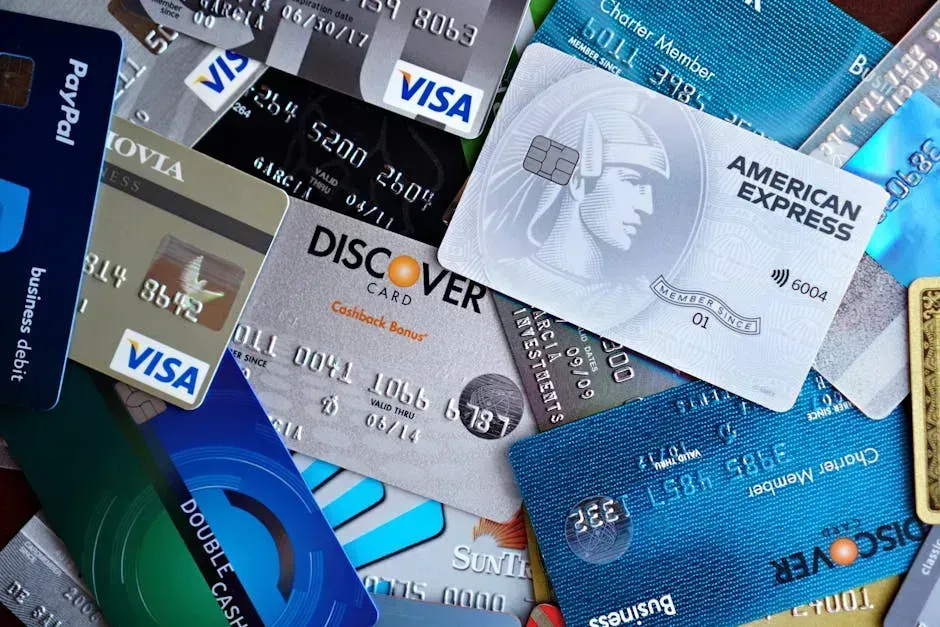
You might have a credit card for your favorite department store, another for air miles, another for hotel points – the list goes on. Having a large stack of cards isn’t a good idea; identity theft experts recommend capping it at two or three to avoid unnecessary exposure. The more cards you carry, the more accounts are immediately at risk if your wallet goes missing.
Stick to carrying your primary card for daily use and a backup for emergencies. Keep additional cards secure at home. If you use certain cards for specific purposes – such as business expenses or rewards – bring only what you need when it makes sense. Fewer cards mean reduced risk and a quicker response if you lose your wallet.
8. Gift Cards You’re Saving for Later
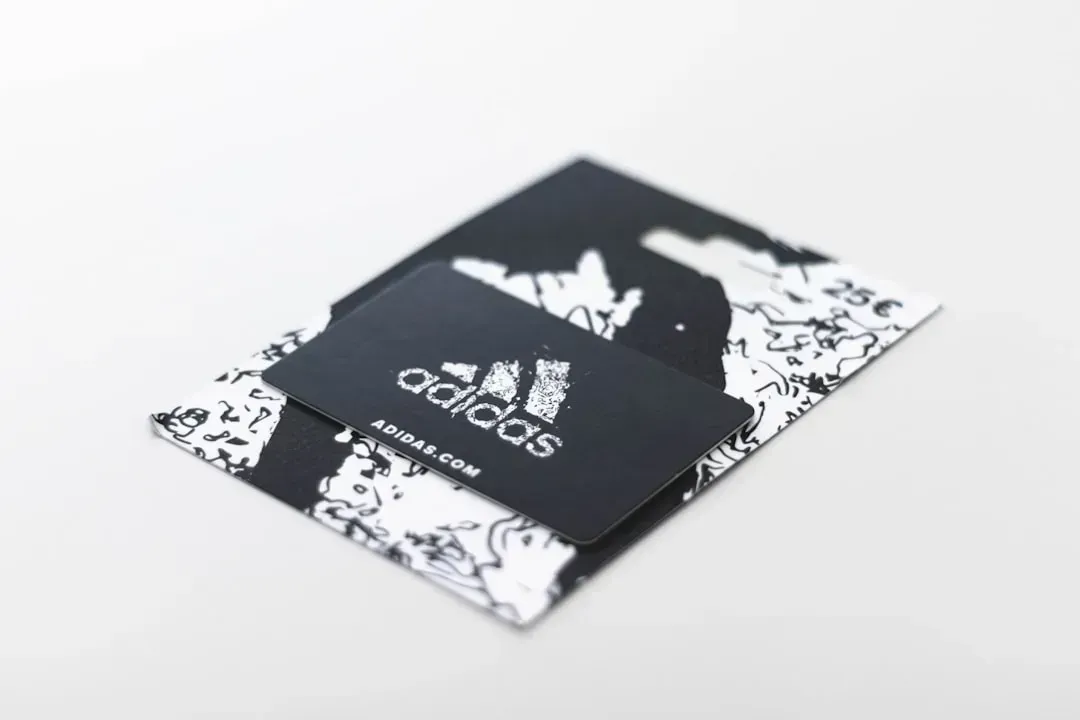
Like cash, you have no way to get money back from gift cards if you lose them. They’re essentially cash – you don’t even need to show an ID to use them. You wouldn’t carry around hundreds of dollars in cash, so you shouldn’t risk losing a big stack of gift certificates either. Only tuck them in your wallet when you know you’ll use them.
Think about the number of gift cards that can pile up, especially after the holidays or a birthday, and that you may tote around out of habit. If you’re carrying a number of gift cards, you are basically risking giving the value of those cards away if you happen to lose your wallet. Consider using a gift card app instead. With some of these apps, you can scan and upload gift cards to a digital wallet so that when you shop they can be conveniently accessed from one central spot.
9. Spare House Keys
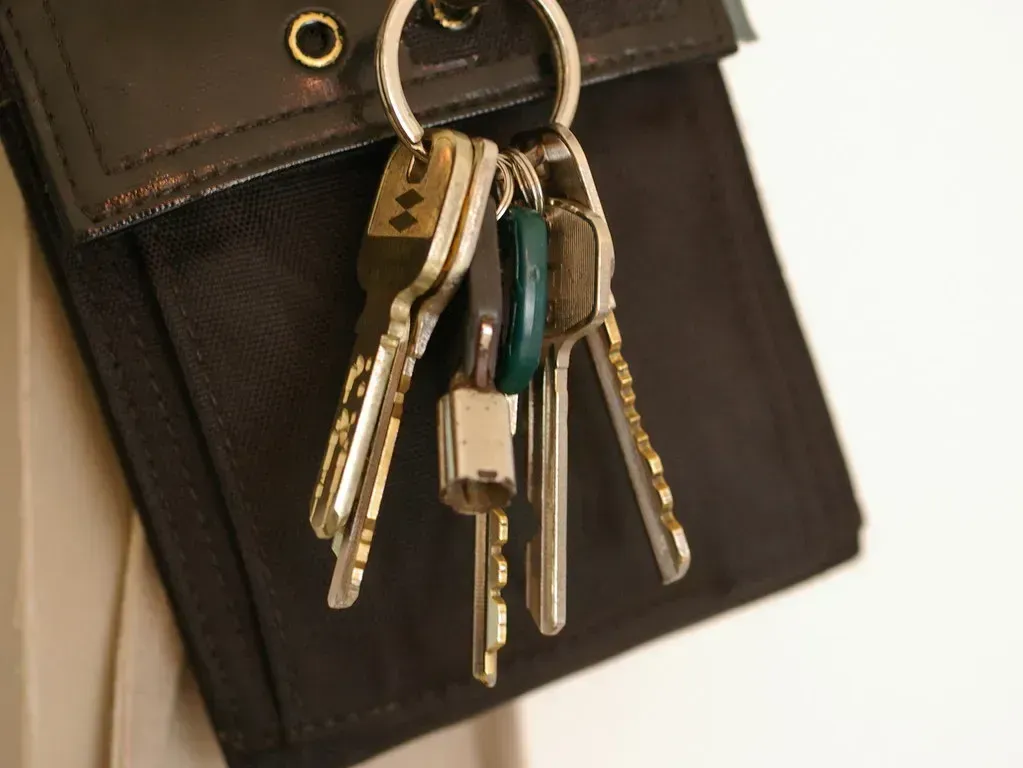
Beware of toting around spare house keys in your wallet – it’s an open invitation for thieves to break into your home. All a criminal has to do is find your address on your driver’s license, and they will instantly have access to everything inside your house. Leaving spare keys in the care of a relative or trusted friend is a much safer alternative.
Although carrying a spare key inside your wallet can seem practical, it can be a big risk if identifying information such as the details on your driving license is also available. A thief who finds your wallet already has your address. Adding a physical key to the equation turns a financial theft into a potential home burglary in the same moment.
10. Your Work ID Badge or Access Card
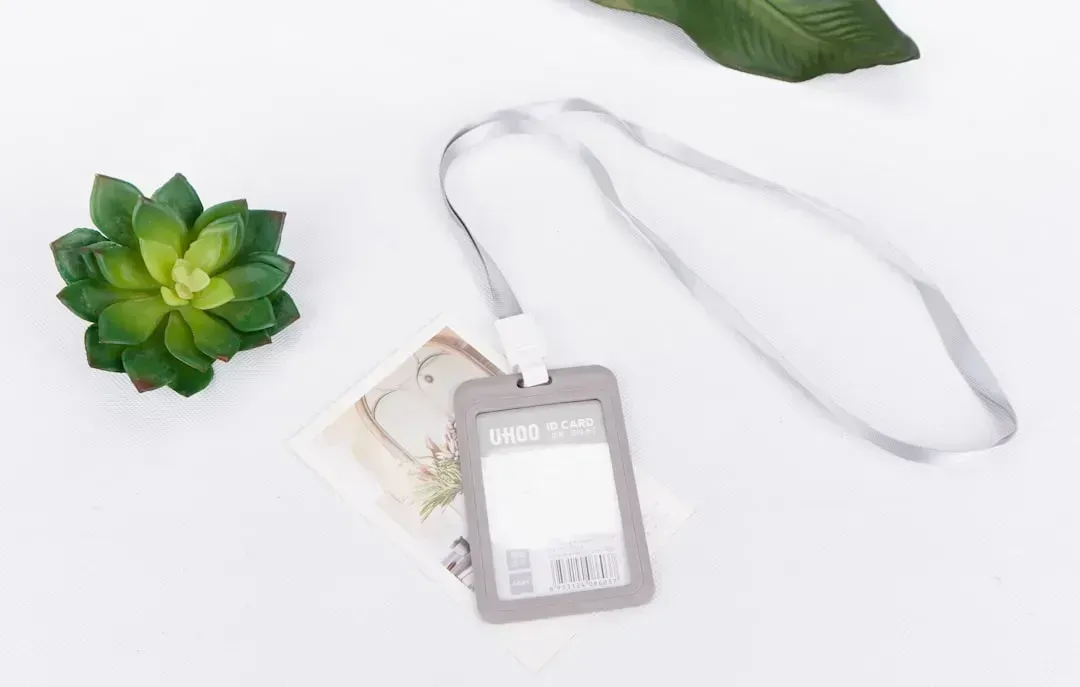
If your work ID lets you swipe in to get office access – especially during odd hours of the night – your business could be at risk if your wallet goes missing. Giving a thief access to the building could get both you and your employer in serious trouble. That’s a risk that extends well beyond your personal finances.
Work ID cards typically carry your name and other identifying information that could be used for a targeted phishing campaign – known as spear-phishing – to perpetrate a scam within your workplace. Keeping your work badge in a separate lanyard or office bag rather than in your personal wallet is a straightforward precaution most people overlook.
11. Old Receipts
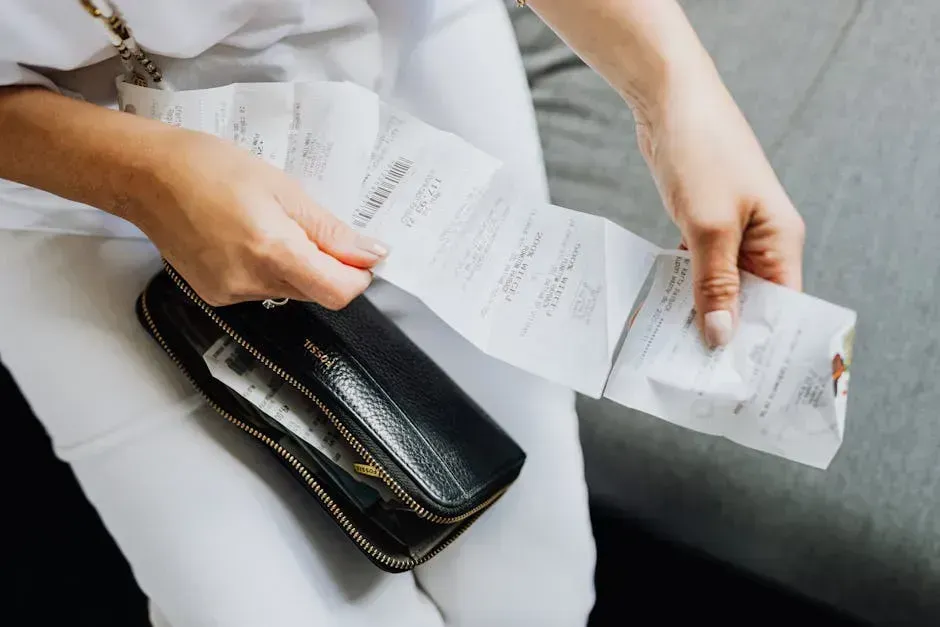
You don’t need all those receipts jammed into your wallet. While businesses have not been allowed to print more than the last five digits of your credit card number on paper receipts for years, skilled thieves could use those digits and merchant information on receipts to phish for the remaining numbers on your credit card. Quite often, your full name – taken from the credit card you used – is also on those receipts.
Receipts often contain transaction information that can be exploited if found by someone else. Keeping too many in your wallet clutters it and can expose private data. The simplest solution is to scan important receipts digitally and discard the paper copies immediately or at the point of purchase.
12. Excessive Cash

Although cash is still useful in certain scenarios, there are risks beyond theft if you carry large amounts of it. Electronic transactions are both secure and traceable, so you may be exposing yourself to losses with no option for recovering your funds if you rely too heavily on cash. Cash that leaves your wallet through theft is simply gone, with no fraud protection and no recourse.
A reasonable amount for day-to-day needs is fine. The concern is carrying several hundred dollars as a matter of habit – a sum that hurts significantly if a wallet is lost on a busy afternoon. Spreading cash across different secure compartments or pockets when traveling or on business can help minimize the potential loss if theft does occur.
13. Multiple Debit Cards
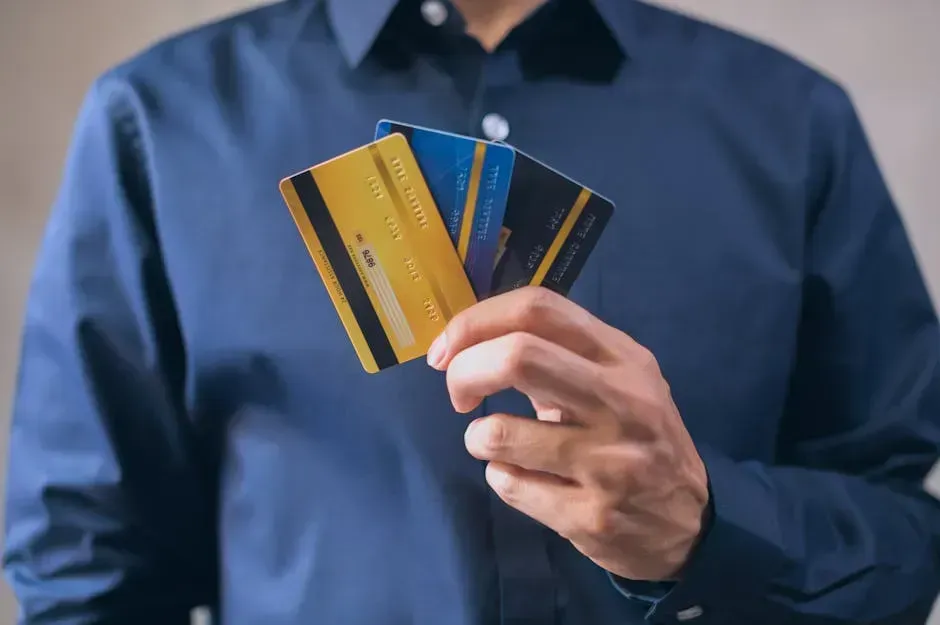
Bank transfer and payment fraud cost consumers over $2 billion in 2024 alone. This fraud refers to a thief accessing your bank account and transferring or withdrawing money. It’s one of the most dangerous types of account takeover fraud. Debit cards are especially risky because they connect directly to your checking account, unlike credit cards which offer an additional buffer of fraud protection.
Carrying more than one debit card multiplies that exposure unnecessarily. Most people have a primary bank account they use daily and a secondary one they rarely touch. The secondary card is better left at home. If your primary debit card is compromised, your backup funds remain untouched.
14. Sensitive Medical Information or Insurance Supplemental Cards You Don’t Need Daily
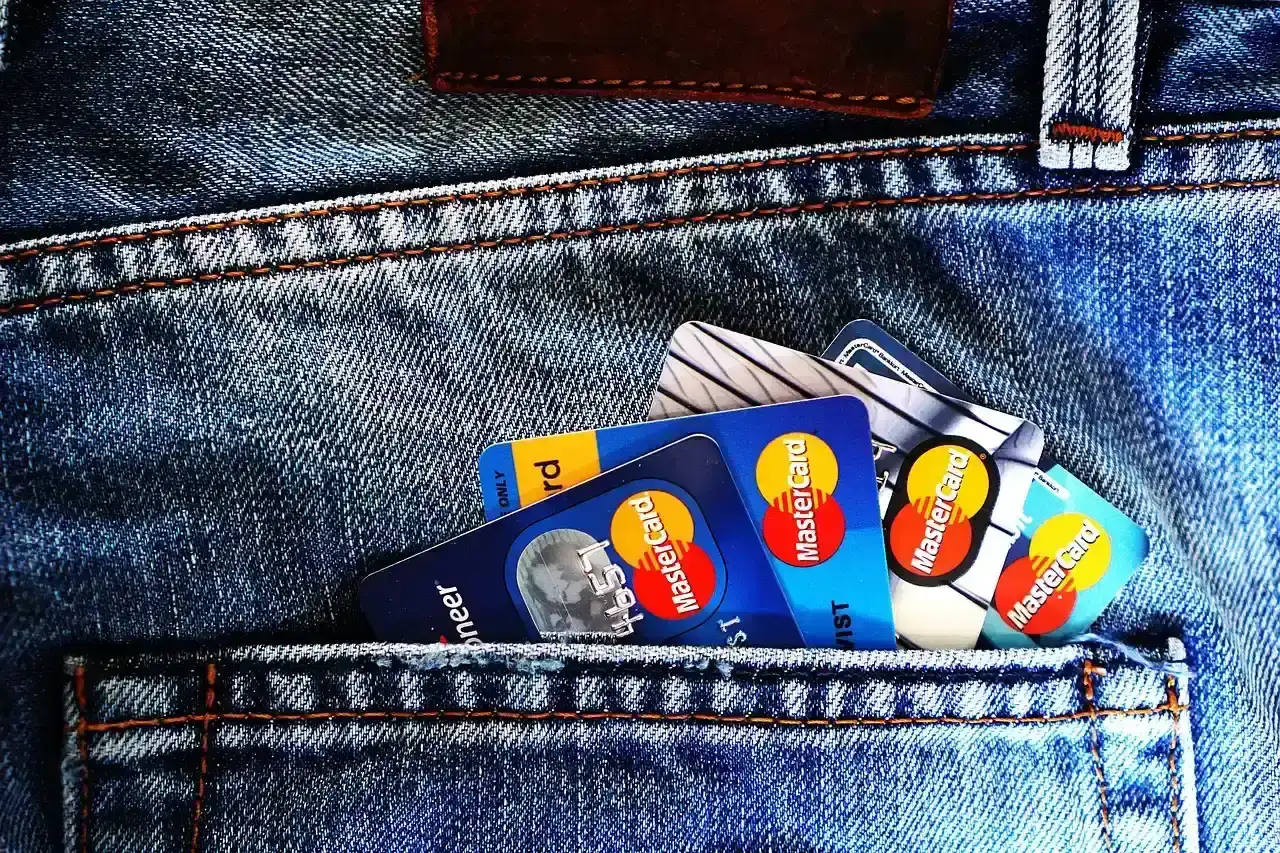
Seniors tend to be at higher risk of in-person identity fraud, as they may carry their Social Security number or Medicare card on their person. Beyond those two, many people also routinely carry supplemental insurance cards, prescription discount cards, and health plan documents – all of which contain personal health identifiers that can be misused.
If the worst happens and your wallet is lost or stolen, having a record of its contents can help minimize the damage. Create a list of everything you typically carry in your wallet, including credit and debit cards, IDs, insurance cards, and other important documents. Store this list in a secure location at home. If your wallet goes missing, you’ll have a handy reference to quickly report the loss and cancel any compromised cards or accounts.
15. Your PIN Written Anywhere Near Your Debit or Credit Card
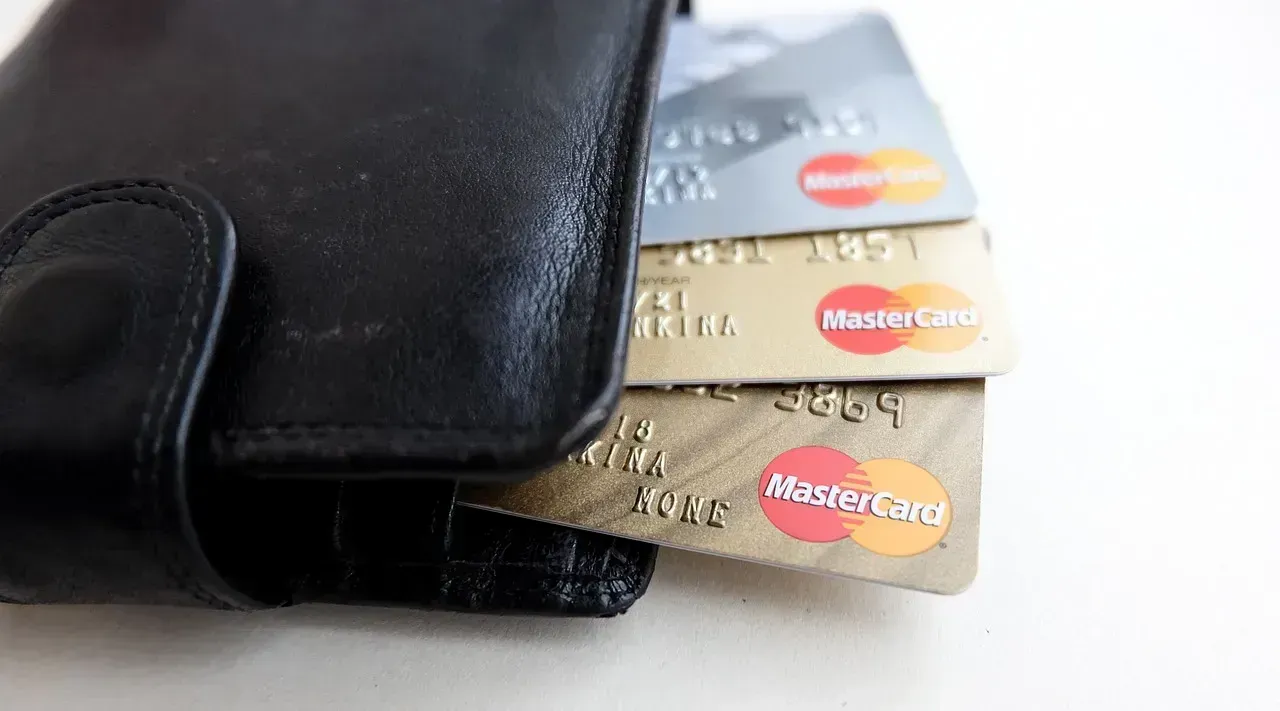
This one sounds like common sense, yet it happens more often than you’d expect. Some people write a PIN directly on the card in marker, or keep a small folded note in the same card slot. Less is more when it comes to what’s in your wallet, because criminals have begun creating synthetic identities, where they combine real and fake information to create a new fictional identity. It’s a fast-growing form of fraud made easier with AI tools. Any information a criminal finds or steals from a wallet can be used for this purpose.
A stolen card with an accessible PIN is far more dangerous than a stolen card alone. Because criminals have begun creating synthetic identities by combining real and fake information, any piece of data found in a lost wallet carries real value to them. AI tools have made this process faster and more scalable than ever before. Keep your PIN memorized and nowhere near your physical cards.
16. Anything Containing Your Full Date of Birth in Writing
Traditional identity fraud occurs when a criminal deceives an organization by obtaining and using someone else’s personal information, such as a Social Security number, home address, date of birth, or bank account data, and uses it fraudulently. Your date of birth is one of the core identifiers used to verify financial accounts, government records, and medical files. Having it written on a card or note in your wallet hands criminals a key piece of that puzzle.
Any information that a criminal finds or steals from a wallet can be used to create synthetic identities. Criminals exploit personally identifiable information – such as a Social Security number, address, or phone number – often from older adults, and combine it with fake details to build a new identity. Synthetic identity fraud is difficult to detect. Criminals will often store and sell stolen identity information on the dark web. A written birth date might seem harmless on its own, but combined with other details from your wallet, it becomes part of a profile that’s far easier to exploit.
The common thread running through all 16 items is simple: the wallet is not a vault. It’s an object you set down at restaurant tables, slip into jacket pockets, and leave in bags that get misplaced. Americans 60 and older filed more than 200,000 complaints in 2025, with reported losses reaching $7.7 billion – the highest total of any age group. By comparison, people in their 30s and 40s submitted more complaints overall, but reported lower total losses.
What you carry daily should reflect only what you genuinely need that day. Everything else belongs somewhere safer, stored at home in a locked or fireproof container. The thinner your wallet, the shorter the list of problems if it ever goes missing.