
There’s a particular kind of time-travel that happens when you catch a whiff of something from your lunchbox years. One whiff and you’re right back in childhood, with a stack of pancakes dripping with maple syrup or a familiar treat waiting on the kitchen counter. Food memory is remarkably loyal, and it has a way of skipping past the actual facts straight to the feeling.
The problem is that the feeling and the facts don’t always match. Whether it’s sugary cereals that never quite made you feel full or snack cakes with more preservatives than we’d like to admit, these snacks defined an entire generation of childhood. Looking back at some of these beloved classics, the nostalgia hits first. Then, a moment later, so does everything else.
1. Lunchables
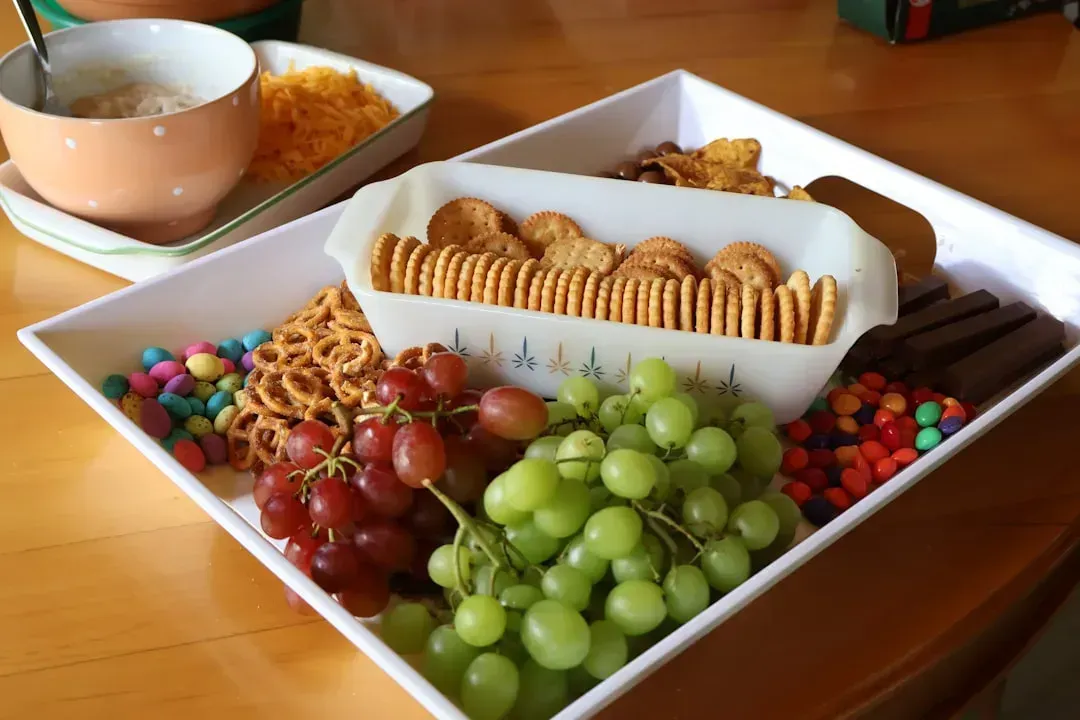
Lunchables was designed in 1985 by Craig Mims as a way for Oscar Mayer to sell more bologna and other lunch meat. That origin story alone tells you something. The product wasn’t conceived as a nutritious meal for children – it was a sales strategy wrapped in a tray. The 1980s brought with them the beginning of the ongoing reign of Lunchables, those compartmentalized, pre-packed lunch packs that have become part of the fabric of American school lunches, though their original combo of cold cuts, cheese, and crackers remained the cornerstone.
In 1997, Lunchables came under fire for having high saturated fat and sodium content while being marketed as a healthy children’s meal. A single serving of Ham and Swiss Lunchables contained 1,780 milligrams of sodium, which is 47% of the recommended daily allowance for an adult. More recently, a Consumer Reports investigation found the concerns hadn’t gone away. Five of 12 tested products would expose someone to 50% or more of California’s maximum allowable amount of lead or cadmium, heavy metals that can cause developmental and other problems in kids.
2. Gushers
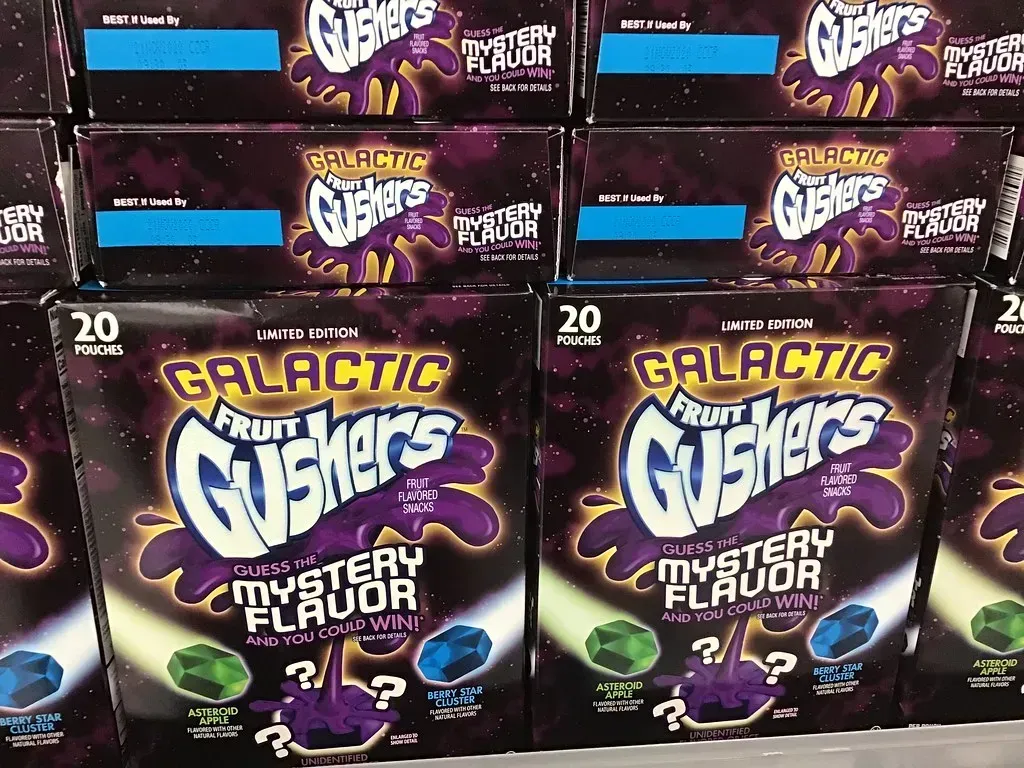
Fruit Gushers were introduced in 1991 as a Betty Crocker fruit snack. The liquid-filled hexagonal pieces were a lunchbox sensation almost immediately, and they still sit on shelves today. The nostalgia is real. Gushers are one of the most enduring fruit snacks around, and to make matters worse, the vast majority of their sugar content comes from added sugar – the unhealthiest form.
Colorants including Blue No. 1, Red No. 40, Yellow No. 5, and Yellow No. 6 are added to popular lunchtime treats like Gushers. Those dyes aren’t just a cosmetic quirk. Both yellow 5 and yellow 6 are banned in the United Kingdom and elsewhere in Europe over concerns that the low levels of benzidine present in them may cause cancer. As long as the dye does not cause more than one cancer case per million people, the FDA will not ban it – meaning these compounds still feature in Gushers.
3. Fruit by the Foot
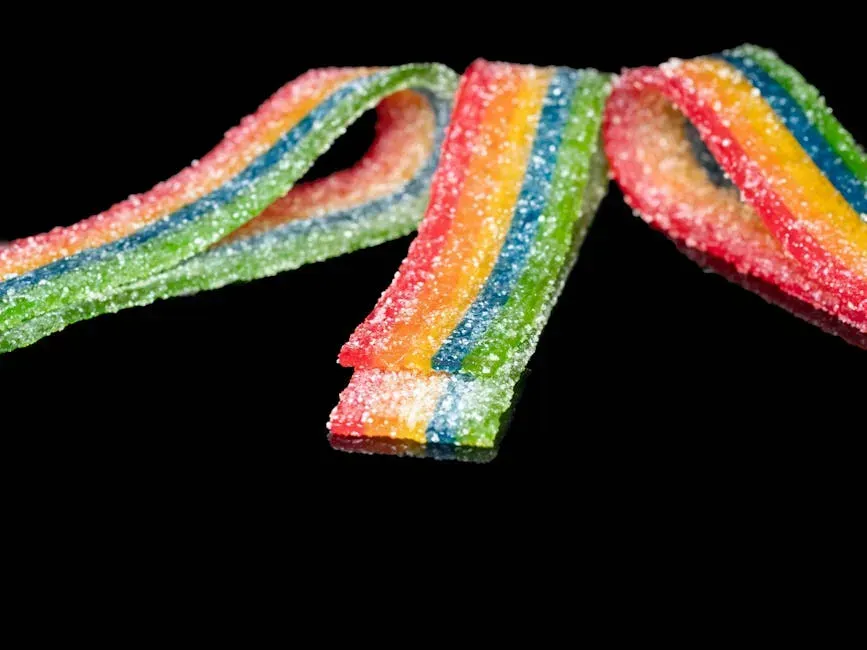
Fruit by the Foot is among the fruit snacks that contain artificial food dyes of concern, including Red No. 40 and Yellow No. 5 and Yellow No. 6. The appeal was always the theater of it – unrolling three feet of candy and pretending it was somehow fruit-related. What it actually was, nutritionally, was a different story. Phony fruit snacks are mainly sugar and small amounts of fruit that has been dehydrated, pureed, concentrated, heated, and otherwise processed until it is shelf stable and largely unrecognizable, requiring colors, flavors, and vitamins to be added back in.
In early 2022, a class-action lawsuit was filed against General Mills because of alleged false advertising on Fruit Gushers and related snack packaging, with the snack toted as having no artificial ingredients despite listing questionable compounds. Fruit by the Foot occupied the same product family and faced similar scrutiny. In 2015, General Mills announced it would remove artificial colors and flavors from all of its fruit-flavored snacks, including Fruit by the Foot and Gushers, though the journey toward truly cleaner ingredients proved more gradual than the announcement implied.
4. Lay’s WOW! Chips
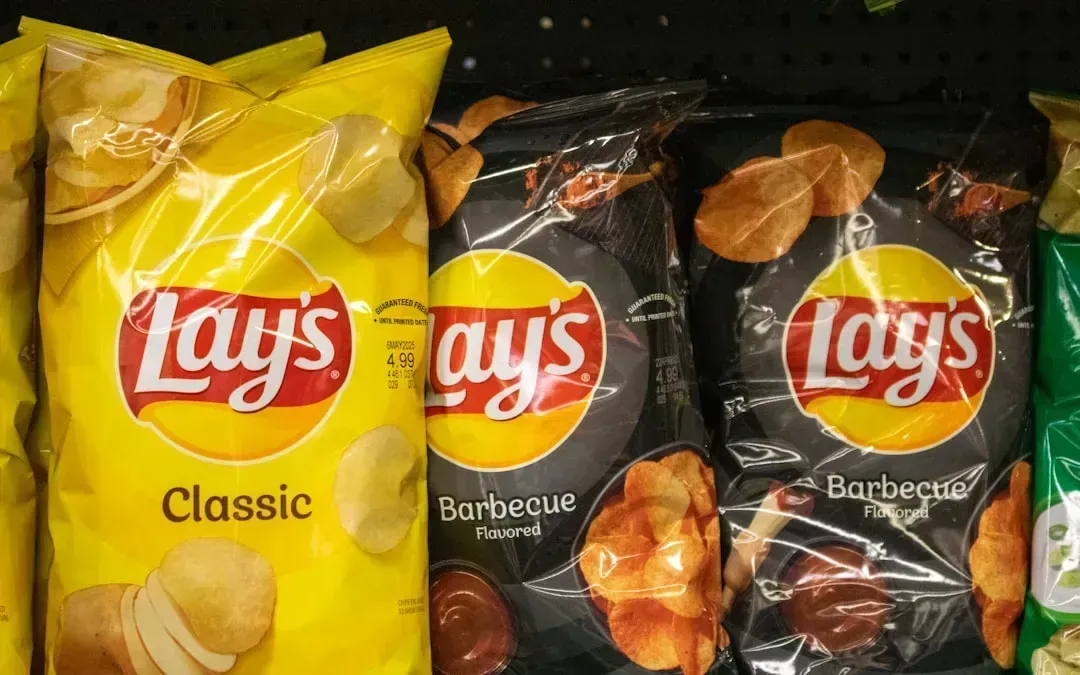
The chips made their debut in 1998, during the early days of America’s obsession with fat-free foods and dieting, and their release also came at the height of the nation’s fixation with junk food, creating a perfect storm. They seemed like a dream: a bag of chips with zero fat. The chips were cooked in Olestra, a calorie-free and fat-free oil substitute – which would have been ideal if it weren’t for Olestra’s tendency to cause severe bowel issues in unsuspecting victims.
Olestra worked by moving at lightning speed through the digestive tract. It moved so quickly that the body couldn’t absorb fat and calories, but it also came with the obvious side effects of something designed to fast-track digestion. Countless kids and adults learned that lesson the hard way. The FDA eventually required bags to carry a warning label, and the product quietly faded away – leaving behind one of the more memorable cautionary tales in snack food history.
5. Dunkaroos
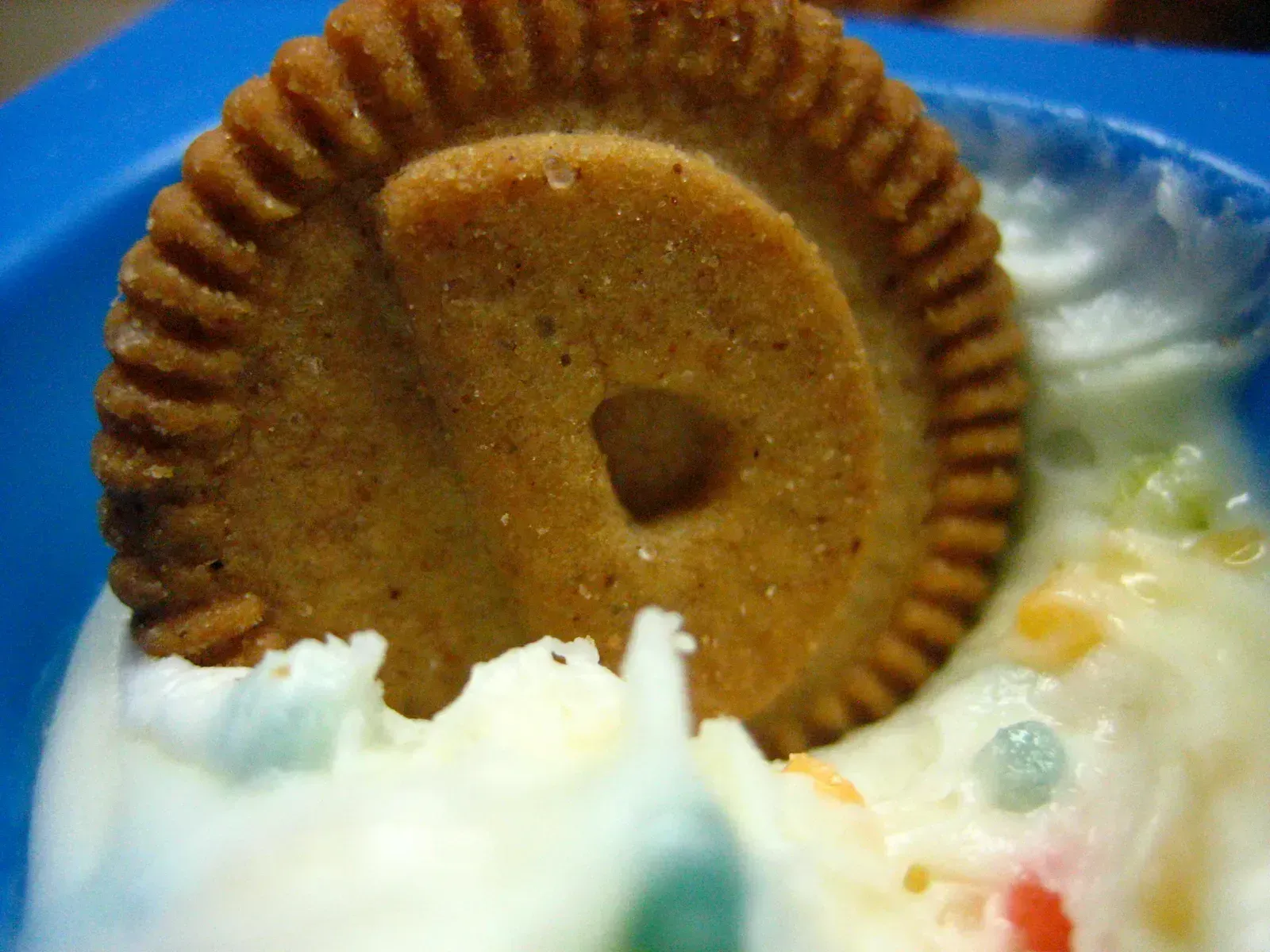
The original Dunkaroos were a Betty Crocker-brand snack consisting of cookies in various shapes, including cartoon kangaroos, with a separate container of sugary icing in various flavors. Dipping a small cookie into a tiny tub of frosting felt like the pinnacle of childhood achievement. They were discontinued in the U.S. in 2012, though they remained available in Canada for a while longer.
The original Dunkaroos contained trans fats, added sweeteners including high maltose corn syrup, and at least one preservative. When they eventually returned to American shelves, the formula had been somewhat adjusted to reflect changing standards. Still, revisiting them as an adult tends to produce a mixed reaction. They don’t hit in your 30s like they did when you were a kid, and part of the reason may be that you’re now reading ingredient labels instead of just eating whatever was in the lunchbox.
6. Candy Cigarettes
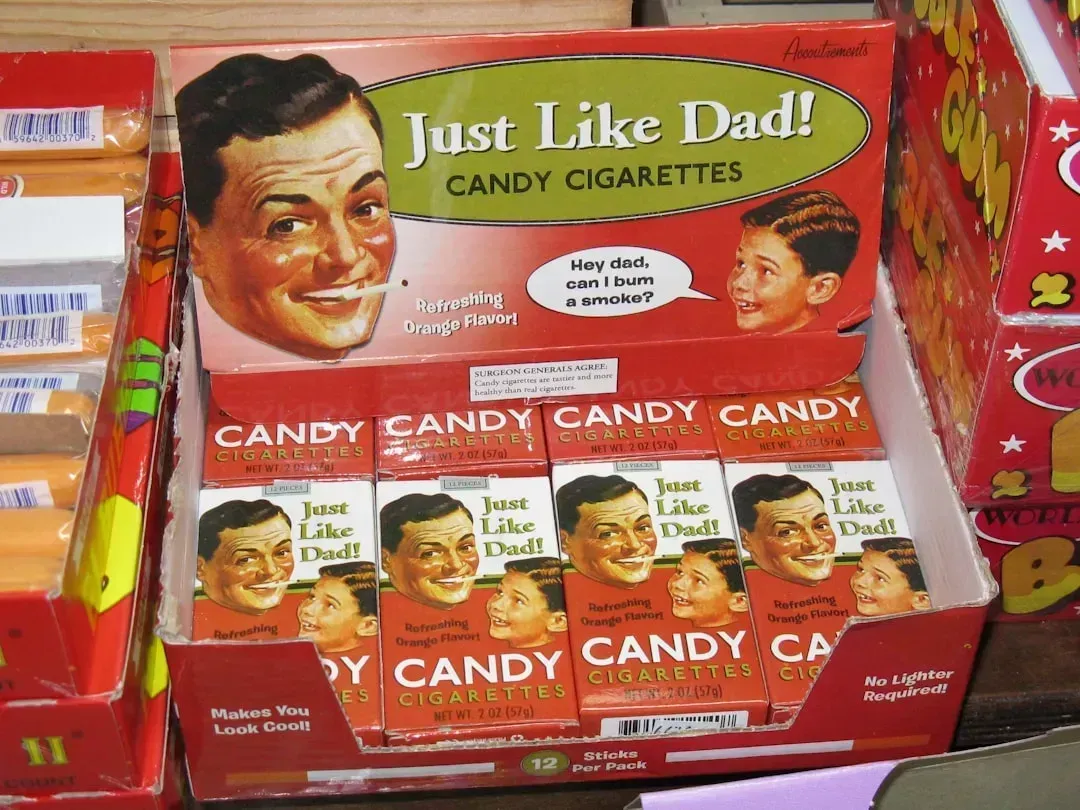
Throughout the 20th century, candy cigarettes that looked strikingly like the real thing, right down to the red tip on some brands, were a staple on candy store shelves. They had a lot of allure when smoking was pushed as a sophisticated, adult activity that kids wanted to copy. In retrospect, this is one of the more jarring relics of a different era in consumer culture. The idea of marketing a product specifically designed to help children mimic cigarette smoking barely requires commentary – it more or less speaks for itself.
Classic candy cigarettes were originally made from chocolate, but this changed over to a sugar and corn starch recipe that was white and looked more authentic. You could even puff out clouds of sugar from some brands. As fears around smoking and its serious health consequences gained traction, more and more groups raised concerns that emulating smoking as a child sent the wrong message and might even lead kids to take up smoking as they got older.
7. Nestlé Magic Balls (Wonder Balls)
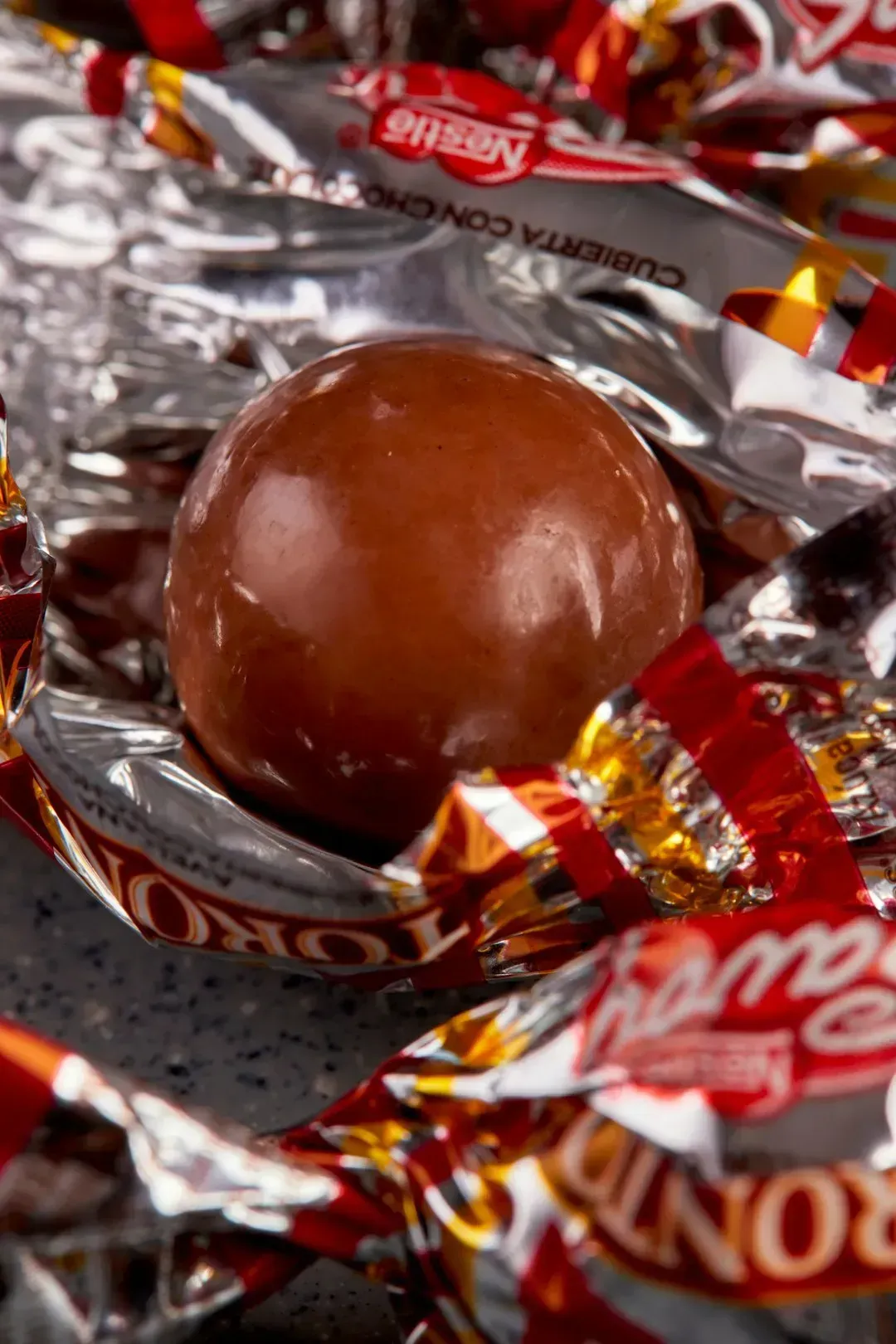
Despite being popular, the product was withdrawn by Nestlé in 1997 after child protection groups raised concerns that toys inside candy could be a choking hazard. Some groups believed that Nestlé Magic chocolate balls breached the FDA’s Food, Drug, and Cosmetic Act, which bans non-edible ingredients from being added to foods – the same reason why Kinder Surprise Eggs are banned in the U.S. unless the toy and chocolate are sold in separate packages.
Although the FDA had cautioned Nestlé about this before the Magic Balls’ release, the agency did not enforce an official recall of the product. Taking these criticisms into account, Nestlé briefly re-released the snack under the new name Nestlé Wonder Balls in 2000 and replaced the plastic toys with candy. However, these updates didn’t catch on, and Wonder Balls were discontinued a few years later. The whole saga is a reminder that novelty and safety don’t always travel together well.
8. SnackWell’s Devil’s Food Cookie Cakes
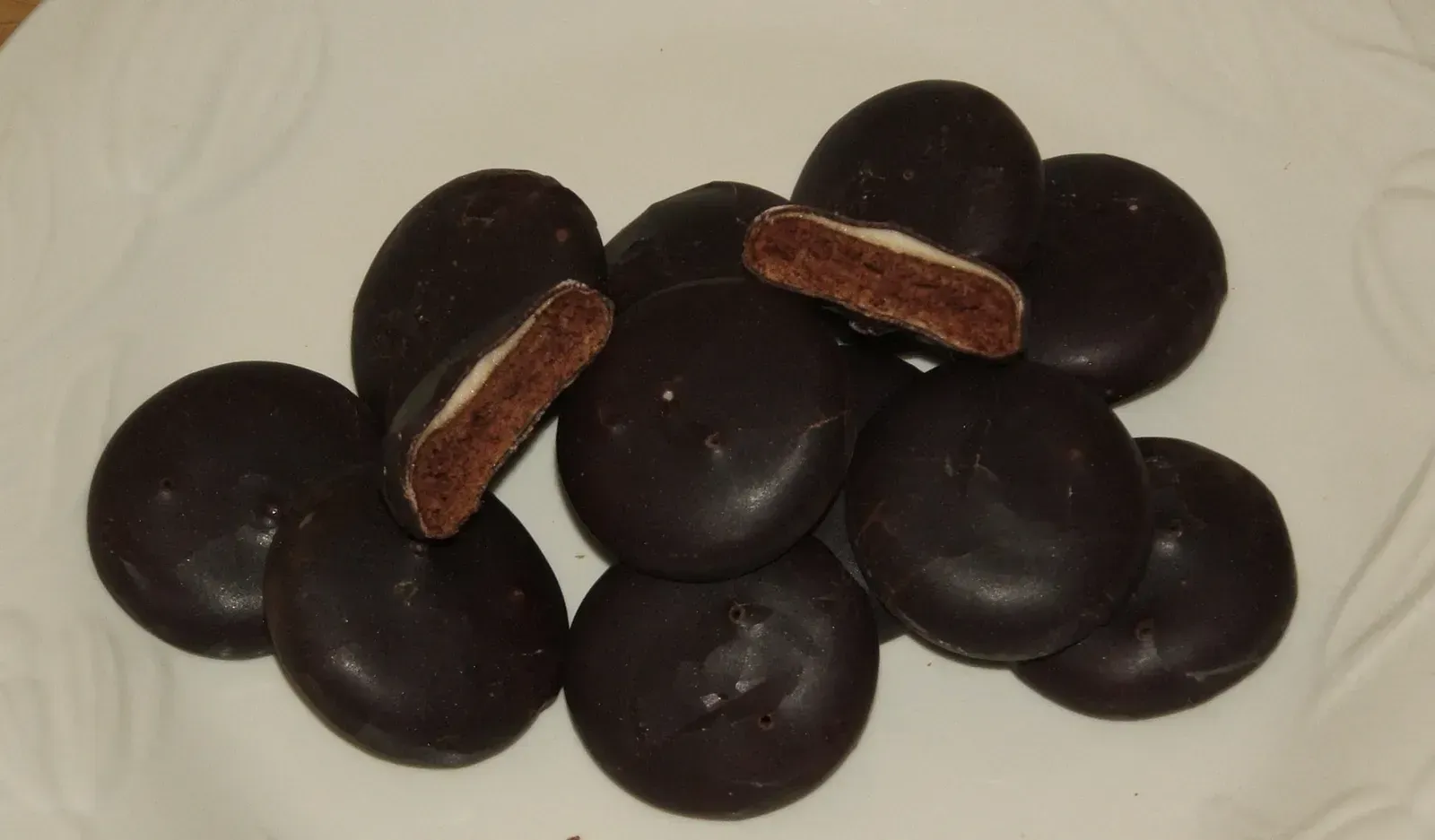
Like many retro diet foods, SnackWell’s Devil’s Food cookie cakes were touted as healthy options when you wanted to soothe your sweet tooth but not cheat on your diet. In the early 1990s, being on a diet generally meant eating low-fat. Parents put them in lunchboxes, and kids ate them thinking they were being virtuous. Although the Devil’s Food cookie cakes didn’t exactly taste like real chocolate cake, they were a best-selling item and contained around 60 calories per cookie, with most of the calories coming from wheat starches, corn syrup, sugar, and hydrogenated vegetable oil.
The broader SnackWell’s phenomenon has since become a textbook illustration of how “low-fat” marketing misled an entire generation. Reducing fat while packing in sugar and refined carbohydrates didn’t produce healthier eating – it just shifted which macronutrient was doing the damage. Every year, food distributors pull products due to poor sales, health concerns, ingredient scarcity, and other factors, and SnackWell’s eventual decline reflected how completely the nutritional conversation had shifted by the 2000s.
9. Squeeze Its
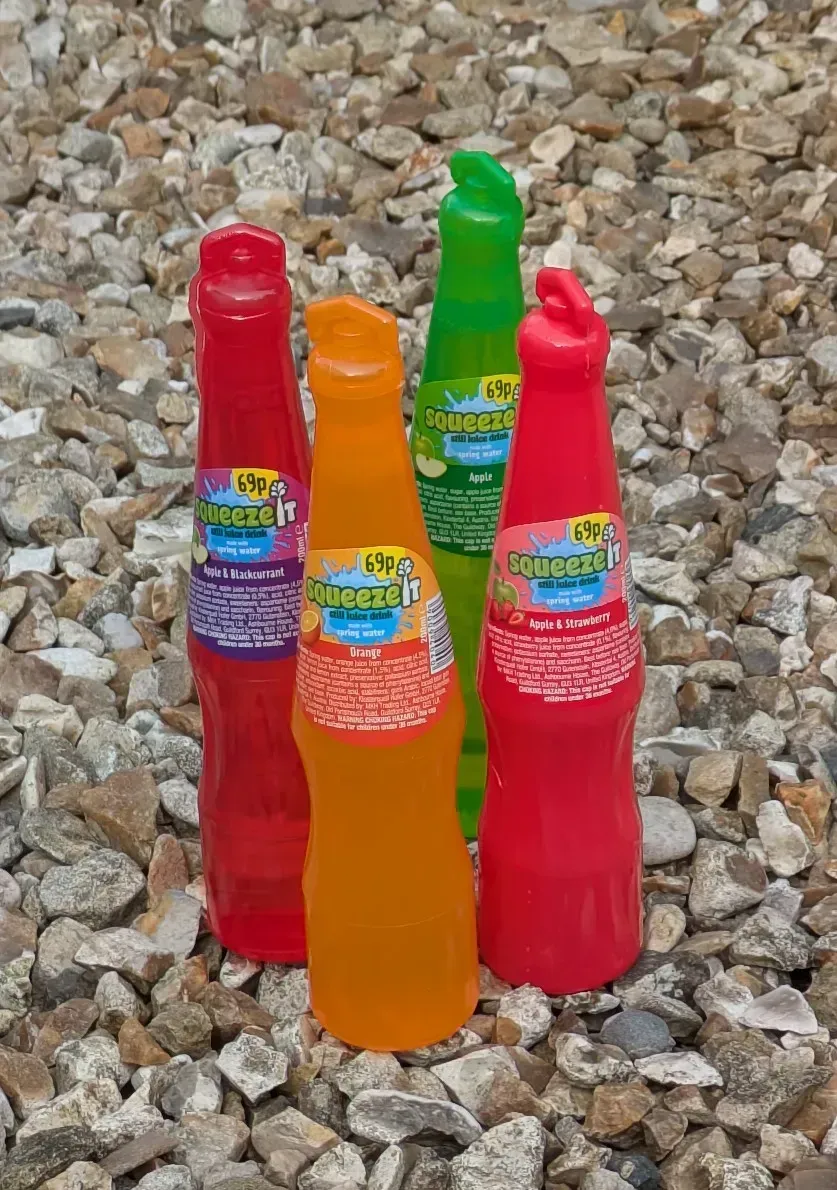
Those small plastic squeeze bottles filled with brightly colored, heavily sweetened drink were a 1990s lunchbox staple. The bottles were shaped like little barrels, and the act of squeezing the liquid into your mouth felt like an event. What was actually inside was a neon-colored sugar delivery system with negligible nutritional value. By 2001, Squeeze Its disappeared, and the party ended, leaving a generation nostalgic for the 1990s beverage they wish they could drink one more time.
There was something magical about junk food in the 1990s. Maybe it was the neon packaging, or perhaps it was the aggressive use of artificial flavors that made no promises of being “natural” or “better for you.” Squeeze Its embodied that era completely. It wasn’t pretending to be a fruit drink so much as it was daring you to ask questions – and most kids happily didn’t.
10. Kudos Bars
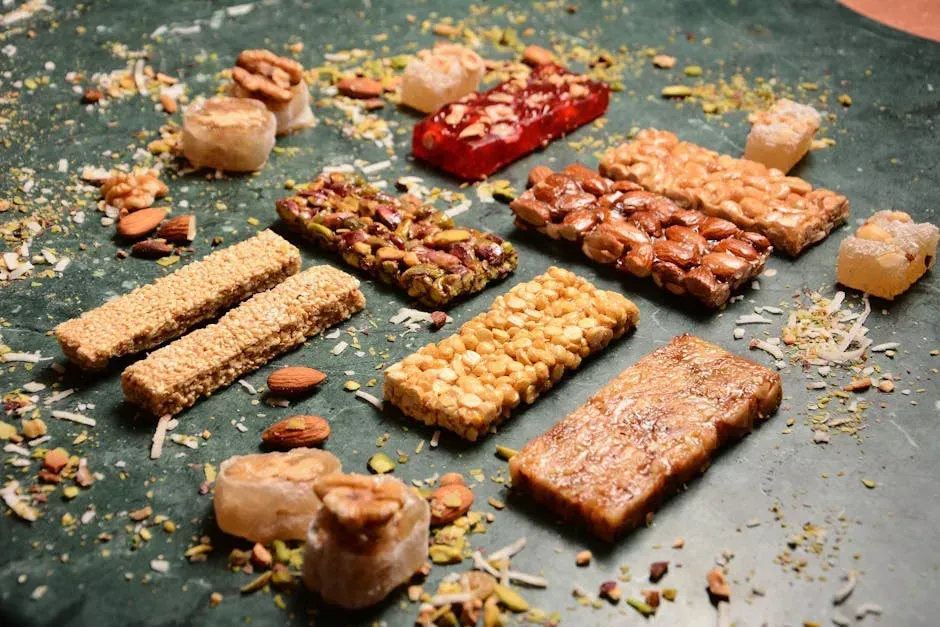
What the genius marketing behind Kudos bars managed to pull off, at least at first, was a bona fide chocolate-covered heist of collective health consciousness. The brains at Mars, Inc. took not more than a few oats, then buried them under a mountain of milk chocolate and M&Ms, slapped “granola bar” on its advertising, and kids cheered and ate it up. The word “granola” was doing a lot of heavy lifting on that wrapper.
A Kudos bar was like pure gold in the lunchroom, the leverage that could net you a bag of Dunkaroos and a juice box in a trade. While some kids were chewing on tasteless granola bars, Kudos kids were happily inhaling what were essentially Snickers with a convincing alibi. That last line might be the most honest thing ever written about the snack. Kudos bars were eventually discontinued, leaving behind a generation that genuinely believed oats could justify that much chocolate.
11. Sugar-Free Haribo Gummy Bears
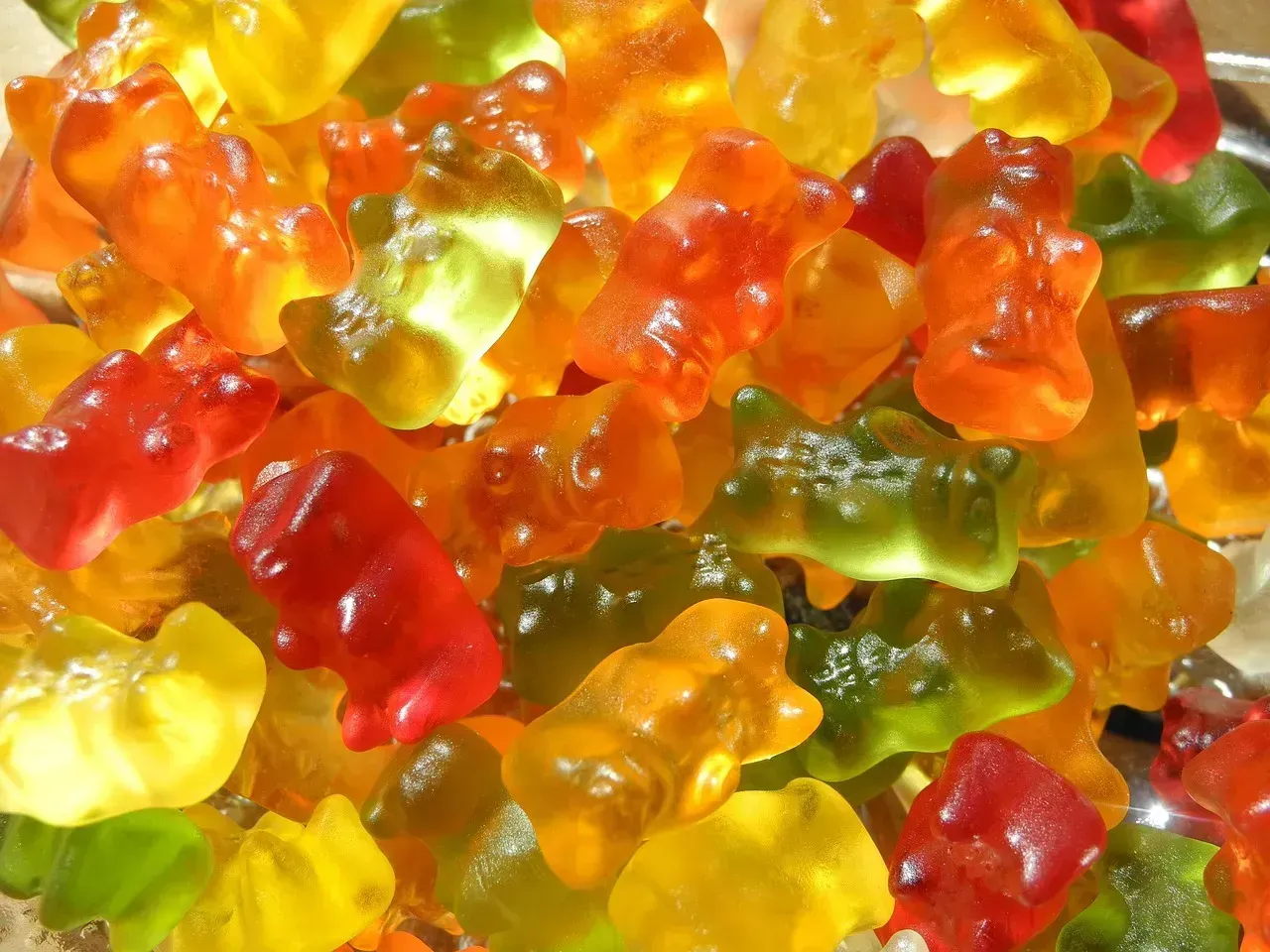
Haribo believed they found the winning combination in their sugar-free gummy bears, having replaced the sugar in the product with the artificial sweetener maltitol. It wasn’t long before the public found the downside – the sweetener acted as a laxative and gave everyone who consumed the candy extreme gastrointestinal distress. The product became notorious, though it took a while for word to spread widely enough to matter.
Haribo’s Sugar-Free Gummy Bears went down in infamy thanks to a viral 2015 Amazon review, in which an unsuspecting soul who fell prey to the bears while taking an important exam detailed their brutal, bowel-disrupting encounter. Haribo quickly doubled back on its product, and despite competitors still selling gummy candies with this sweetener, Haribo has since pulled it. The story lives on as an internet legend, which may be the most fitting memorial it could have received.
12. Fruit Roll-Ups
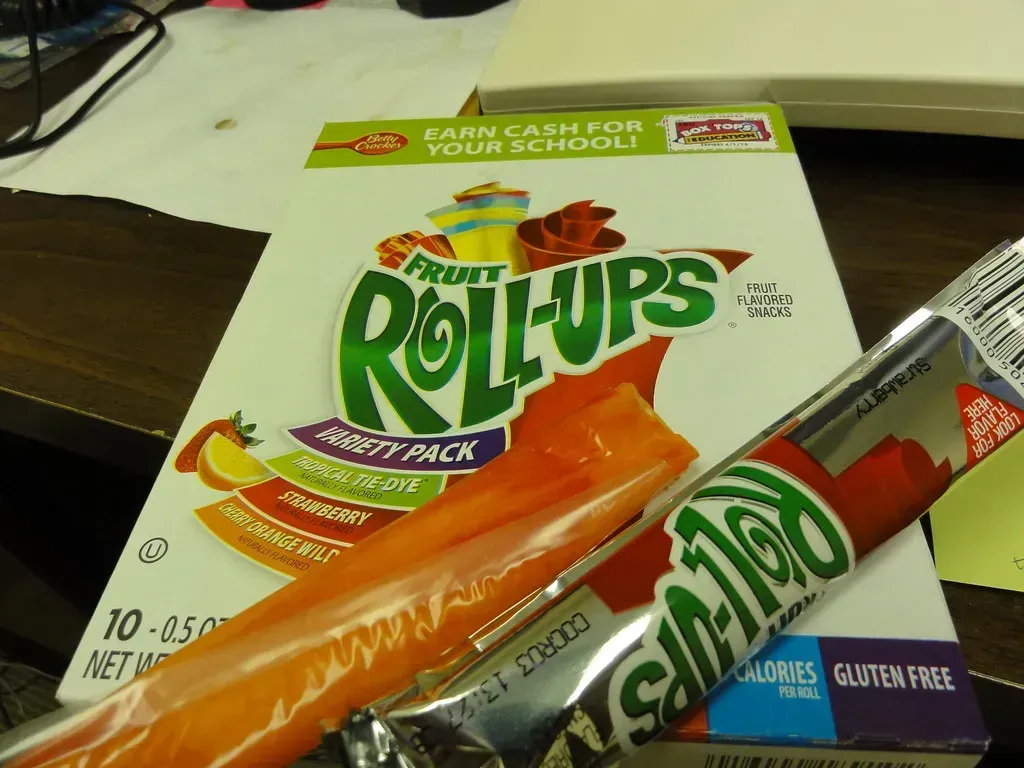
Fruit Roll-Ups were positioned as a fruit product, and the packaging leaned hard into that framing. The reality was considerably less wholesome. These snacks are mainly sugar and small amounts of fruit that has been dehydrated, pureed, concentrated, heated, and otherwise processed until it is shelf stable and largely unrecognizable, requiring colors, flavors, and vitamins to be added back in. By the time actual fruit made it into the finished product, it had very little in common with the fruit that started the journey.
Although food dyes are usually found in small quantities compared to other ingredients, they can harm children. Synthetic food dyes can make children vulnerable to behavioral difficulties, including decreased attention spans, according to a 2021 study by the California Office of Environmental Health Hazard Assessment. The FDA and other regulatory bodies are intensifying scrutiny on ingredients that have been in trusted products for years, for example calling on the industry to replace artificial dyes by the end of 2026.
13. Microwave Popcorn (Butter-Flavored)

The 1980s were a good decade for popcorn, and brands like Pop Secret helped explode the microwave popcorn market. Pressing a button and producing a bag of buttery popcorn felt futuristic, and for a while, the experience was as much about the novelty as the food. What wasn’t widely understood at the time was what was actually creating that butter flavor in many brands.
Diacetyl, the artificial butter flavoring used in many microwave popcorn products, was later linked to a serious lung condition that became known informally as “popcorn lung,” primarily documented in factory workers exposed to the chemical in large concentrations. Ultraprocessed foods typically contain a long list of ingredients, most of which are not used in home cooking and would be more familiar in a chemistry lab, including many types of packaged snacks and breakfast cereals. Most major brands have since reformulated, but the revelation that the butter smell came from an industrial chemical was a memorable moment in snack food history.
14. Kool-Aid Jammers and Squeeze Pouches

For many kids in the 1990s and early 2000s, the brightly colored drink pouch was the standard lunchbox beverage. From the neon-colored drinks of that youth to the sugary cereals that fueled Saturday morning cartoons, these foods are a testament to the power of nostalgia. The Kool-Aid pouch was essentially a concentrated sugar solution with artificial dye, and it was marketed with the same cartoon-character energy as every other product aimed at children.
Food manufacturers spend billions of dollars on research and development to create flavor profiles that trigger the human affinity for sugar, salt, and fat. Consumption results in pleasurable, likely addictive, effects on the brain. At the same time, massive marketing efforts are deployed, creating powerful brand loyalties that studies have shown can trump taste. Drink pouches were a masterclass in that approach. The mascot was the pitch, and the pitch worked for decades.
15. Oreo O’s Cereal
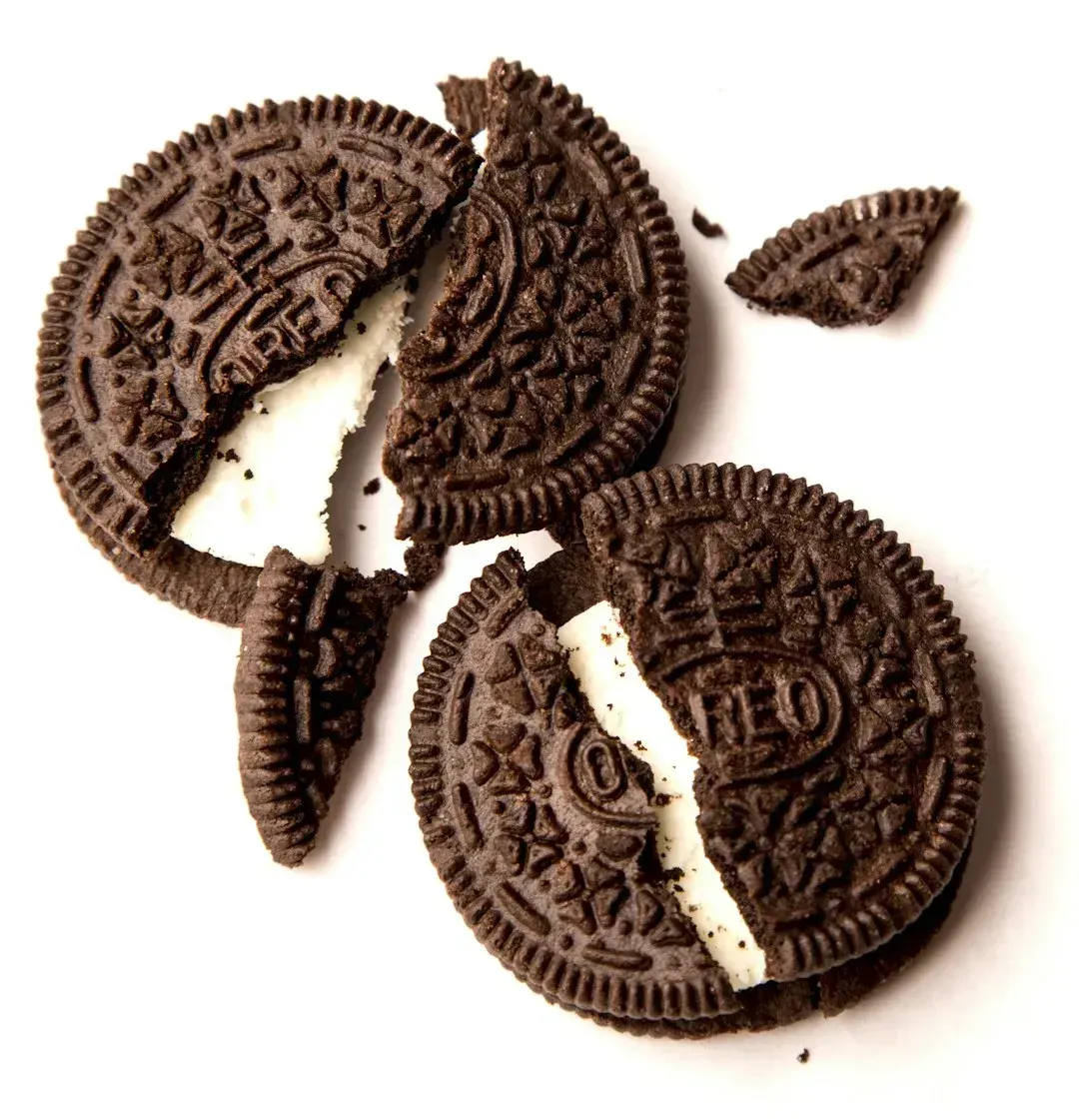
Oreo O’s cereal was launched by Post and Kraft in the US in 1998, following a decade of sweet cereal launches. Featuring little chocolate loops and dollops of sugary creme, it was an instant hit. It had a near decade-long run in shops before it was discontinued in 2007, only remaining available in South Korea. The premise was exactly what it sounds like: a bowl of cookies for breakfast, categorized as cereal to make the whole thing feel acceptable.
A 1990s renaissance provided prime conditions for its return to the US and Canada in 2017. The cereal came back, and people were genuinely thrilled. That enthusiasm, though understandable, does raise an honest question about what it means to be nostalgic for a product that was essentially a workaround for eating dessert before 9 a.m. The habits children develop early in life may encourage them to adopt unhealthy dietary practices which persist into adulthood, increasing the likelihood of overweight, obesity, and associated health problems.
16. Fruit Stripe Gum
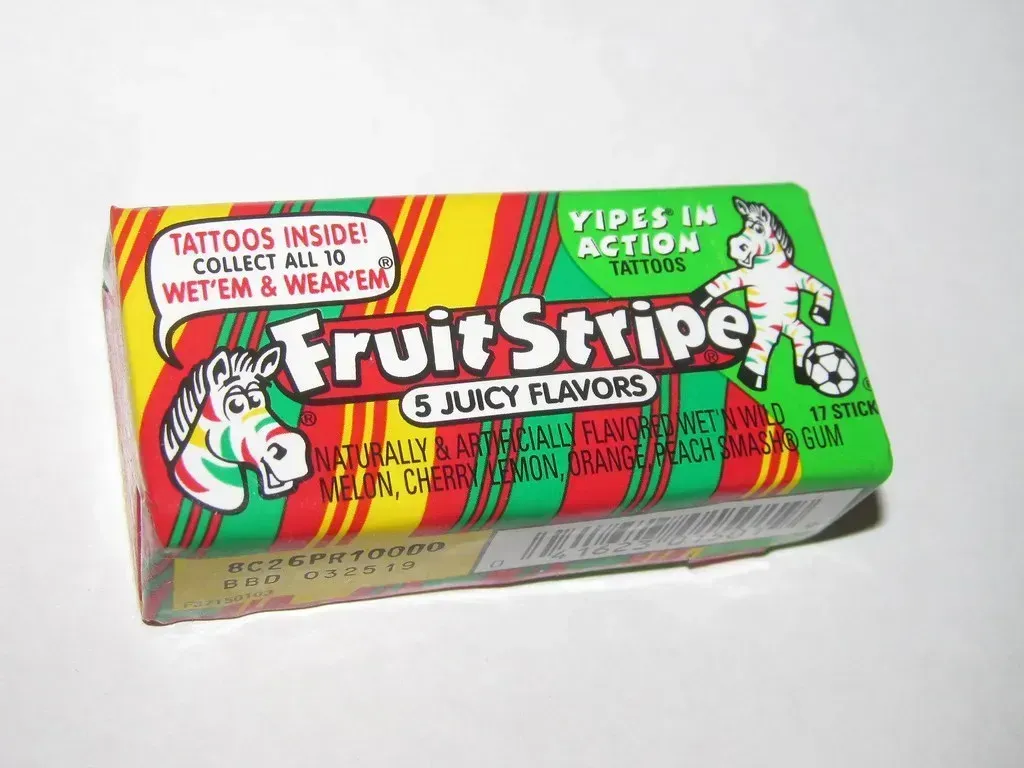
No list of 1990s snack relics is complete without Fruit Stripe. The zebra-branded gum came in bright stripes, smelled extraordinary, and delivered about 30 seconds of intense flavor before turning into a tasteless, rubbery block. Kids ate it anyway because the smell and the anticipation were half the experience. After 54 years, this colorful gum product was discontinued due to changing consumer preferences and purchasing patterns.
The gum’s fade-out flavor wasn’t actually the strangest thing about it in hindsight. It was the aggressive use of artificial flavors in that era that made no promises of being “natural” or “better for you,” and Fruit Stripe was a perfect example. We are seeing an increased consumer knowledge and awareness of what ingredients are in their products, and brands are now taking proactive steps in setting aside funding for research and getting leadership on board with redevelopment. Fruit Stripe’s discontinuation, in its own small way, was part of that broader shift – a colorful casualty of a market that finally started reading the label.
None of these snacks deserve to be condemned entirely, and most of us probably ate them without lasting harm. What’s changed isn’t so much the snacks themselves as the context around them. We know more now – about what goes into processed food, how it’s marketed to children, and what daily exposure to artificial ingredients actually means over time. The nostalgia remains genuine. The unease is just more informed than it used to be.