Picking where to retire is one of the most consequential decisions you’ll ever make. The right location can stretch savings, ease daily stress, and provide the sense of security most retirees genuinely need. The wrong one can drain a fixed income fast, leave you stranded far from adequate healthcare, or put you square in the path of extreme weather every single year.
The ten worst places to retire typically have higher taxes and crime rates, and subpar healthcare facilities compared to top retirement destinations. A recent analysis found that roughly one in three retirees in 2025 were cutting back on essentials like groceries and medical care just to make ends meet, while many older Americans were delaying retirement or planning to work into their 70s because they didn’t feel financially secure enough to stop earning. What follows are the ten places that consistently show up on the wrong side of that equation.
1. New Mexico: The Crime Problem That Won’t Quit
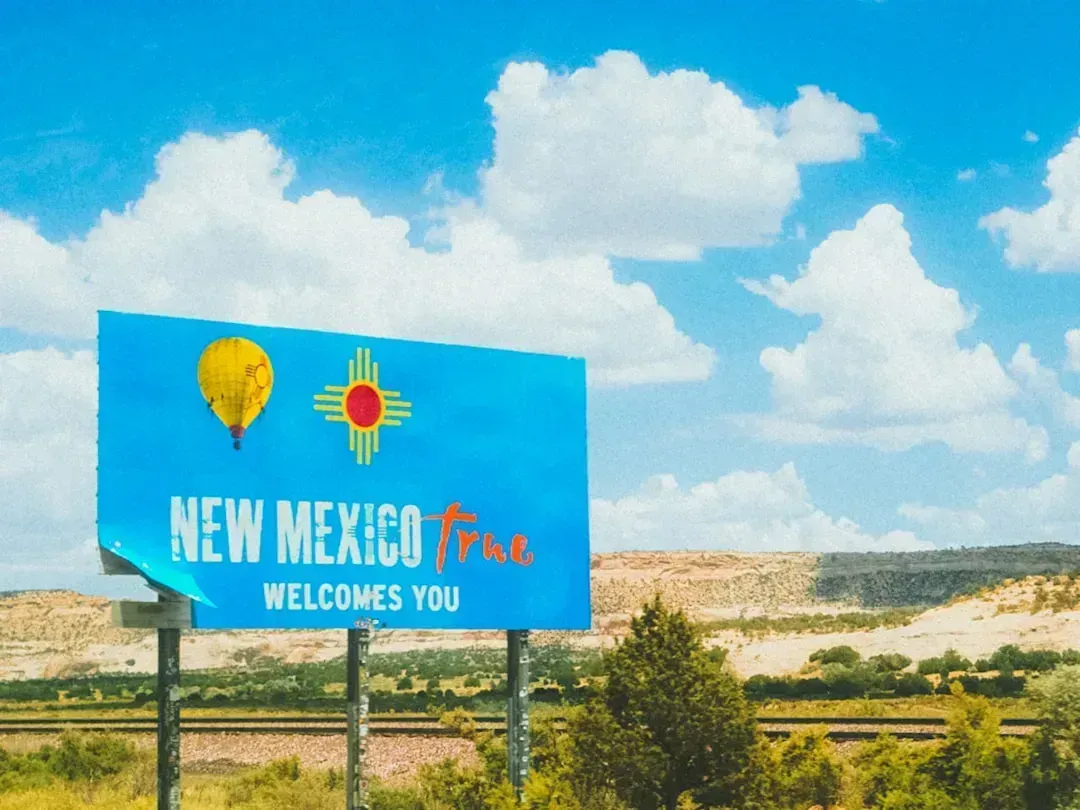
Ranked last overall in multiple retirement studies, New Mexico struggles with the highest crime rate in the country and the second-lowest quality-of-life score, leaving retirees facing challenges in both healthcare access and community safety. The numbers behind that ranking are genuinely alarming. According to FBI data, New Mexico has one of the highest rates of violent crime against older adults in the nation, with violent crimes against seniors occurring at a rate of about 212 per 100,000 individuals.
While the state scored reasonably well for housing and cost of living in The Motley Fool’s retirement study, it has the second-worst crime rate nationwide, with a crime score of just 2 out of 100. New Mexico and Louisiana consistently report high crime rates, which can affect not only personal safety but also real estate values. For retirees who need predictability and peace of mind, that combination is genuinely difficult to overlook.
2. Louisiana: Finishing Last Across Nearly Every Category
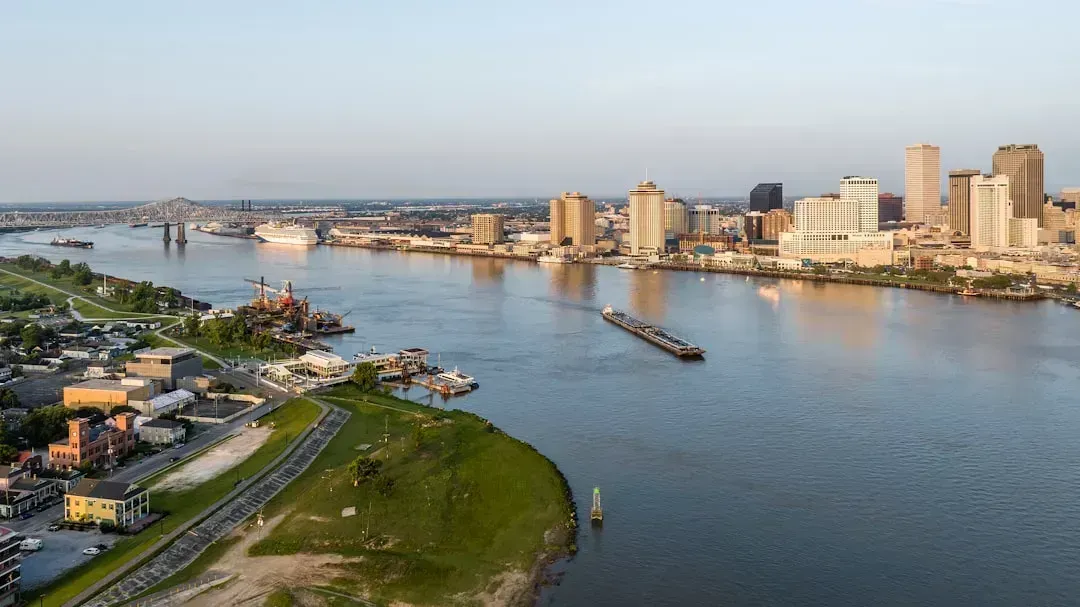
Louisiana came in as the worst-ranked state for retirees in Bankrate’s 2025 study, finishing in the bottom third of all major categories, including 48th for crime. That’s not a single weak spot. That’s a systemic problem. Louisiana turned in poor rankings across all major categories, failing to rank higher than 36th in any of them, and on heavily weighted categories such as affordability, neighborhood safety and healthcare, the state had dismal performances, placing 43rd, 48th and 37th, respectively.
Louisiana ranks low due to limited community support, poor infrastructure, and weaker healthcare and safety scores. The state does have some genuine affordability advantages in housing, but those savings tend to evaporate when you factor in the cost of living with inadequate healthcare access, storm risk, and personal safety concerns. Louisiana and Mississippi rank low due to limited community support, poor infrastructure, and weaker healthcare and safety scores, making it a tough sell for anyone who wants a genuinely comfortable retirement.
3. Hawaii: Paradise With a Brutal Price Tag

Hawaii ranks last overall for retirement in some major analyses, a shocking result for a state often seen as paradise. While the year-round mild weather and natural beauty are undeniable, the cost of living is sky-high, and retiring in Hawaii requires an estimated $1.67 million in savings, the highest figure in the nation. The state’s 11% income tax only adds to the financial pressure, and for many retirees, necessities can start to feel like luxury expenses.
California and Hawaii rank worst for housing affordability, with median home prices well over $700,000 in California and even higher in Hawaii, making it financially impossible for many retirees to buy or maintain property. The distance from the mainland can also be a dealbreaker, and entertainment and dining options are limited relative to Hawaii’s population compared to other states. The postcard version of Hawaii and the retirement reality of Hawaii are two very different things.
4. Alaska: Extreme Costs and Extreme Isolation
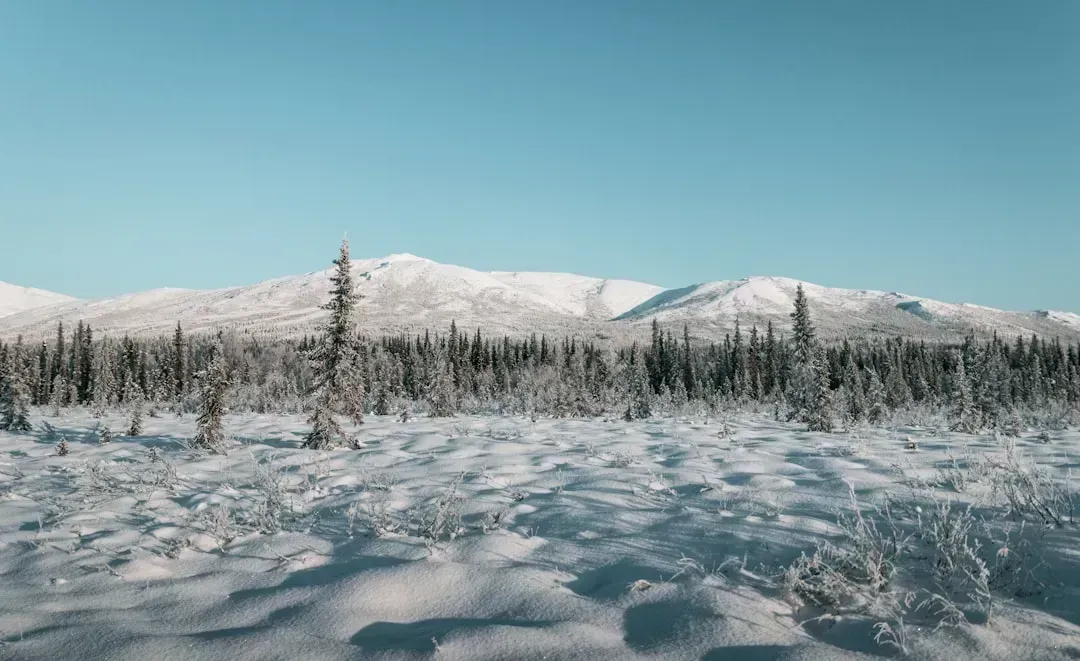
Alaska ranked as the worst state in the U.S. to retire for the third consecutive year according to Bankrate’s 2024 study, driven largely by weather, cost, and isolation. Alaska can be an expensive place to live, especially for retirees on a fixed income. On average, the cost of living in Alaska is roughly 30% higher than the rest of the country, with housing costs about 17% higher than the national average and utilities and healthcare expenses both nearly half again as expensive.
Alaska notably ranks last in the weather category, and while temperatures can range from 45 to 75 degrees Fahrenheit in summer, they can sink as low as negative 10 degrees Fahrenheit in winter. Alaska’s harsh winters can isolate seniors and increase health risks significantly. For older adults who need reliable access to specialists, social connection, and affordable daily essentials, Alaska’s remoteness is more than just an inconvenience.
5. New Jersey: The Tax Burden That Never Lets Up
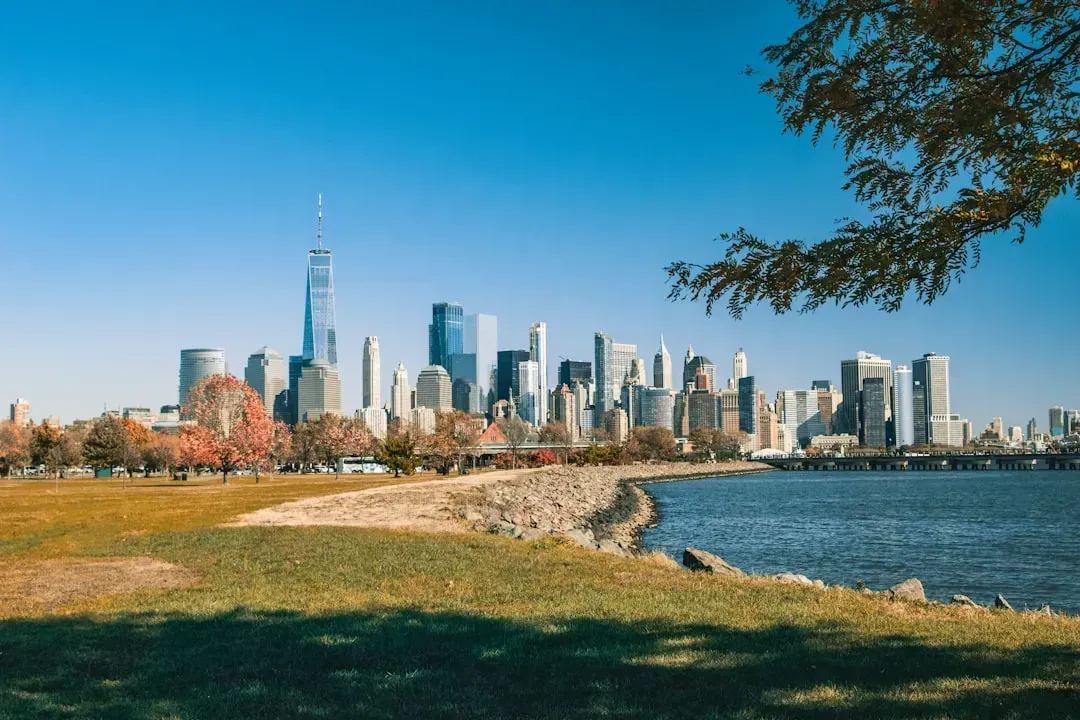
New Jersey is the worst state to retire according to Seniorly’s analysis, because it is one of the least affordable states in the country, has mediocre access to arts and recreation, and has an unhealthy senior population, with roughly two thirds of seniors living with three or more chronic conditions. The financial pressure is measurable. New Jersey ranks low in affordability, requiring about $964,000 in retirement savings. The state imposes the highest property tax rate in the nation at 2.23%, along with a steep 10.75% state income tax rate, making it one of the most expensive places to maintain a retirement lifestyle.
New York and New Jersey impose some of the highest state tax burdens in the nation, reducing disposable income and long-term savings. New Jersey does offer some redeeming qualities, particularly in its strong healthcare access, a decent walkability score, and a low violent crime rate. For many retirees, though, these advantages may not be enough to offset the high cost of living. When your savings are on a clock, a tax structure this aggressive is genuinely stressful.
6. California: Beautiful on the Surface, Brutal on the Budget

While California boasts beautiful weather and scenic living, it ranks near the bottom for retirees due to its extremely high cost of living, elevated tax rates, and skyrocketing housing prices. In The Motley Fool’s retirement study, California ranked fifth-worst in cost of living, holds the second-highest cost of housing, and the fifth-highest tax burden of all 50 states. That’s a triple hit that fixed-income retirees feel almost immediately.
California taxes pensions, although it does not tax Social Security benefits. The state is also known for having some of the highest personal income tax and sales tax rates in the country. Eight of the 10 worst states for retirees are in the Sun Belt, including California among others such as Alabama, Arkansas, Louisiana, Oklahoma, New Mexico, and Texas. The California dream is real for some, but so is the California retirement trap.
7. Arkansas: Low Costs Can’t Offset High Crime and Poor Healthcare

Arkansas has a lower cost of living, roughly 19% below the national average, and healthcare, housing, and groceries are all cheaper than the national average. The climate is temperate, allowing many opportunities for outdoor activities. On the downside, however, the state has high crime rates in many areas, including violent and property crime, and a tough economy with lower education levels than many other parts of the country.
Arkansas puts up scores in healthcare, safety, and arts that rank among the national bottom, and in particular ranked fourth-worst in the violent crimes metric. Arkansas received a score of just 6 out of 100 for quality of life, 19 for healthcare, and 37 for crime in The Motley Fool’s retirement index. Cheap rent doesn’t buy peace of mind when crime rates are persistently high and quality medical care is hard to reach.
8. Oklahoma: Affordability With Too Many Trade-Offs
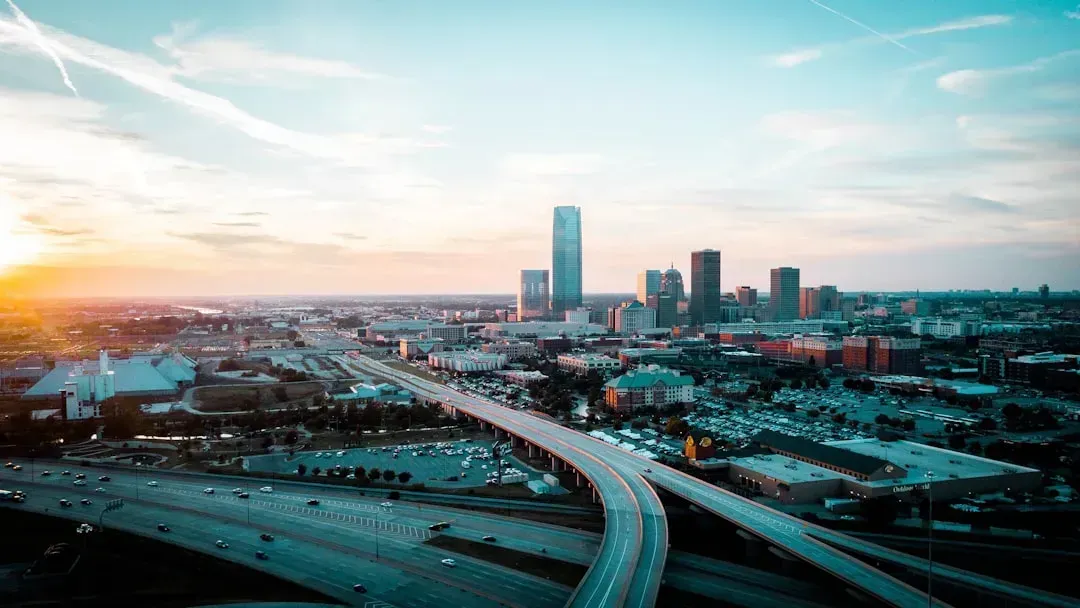
Oklahoma had mostly poor rankings in Bankrate’s retirement study, though it did score 13th for weather due to abundant sunshine. Other major categories matched its low overall standing: affordability ranked 45th, people of a similar age ranked 44th, arts ranked 46th, healthcare ranked 41st, and safety came in at 37th. That’s a consistent pattern of weakness across the categories retirees care about most.
Oklahoma’s average home insurance premiums are among the third-highest nationwide and more than double the national average, coming in at roughly $4,600 versus a national average of about $2,300. State taxes are relatively retiree-friendly in Oklahoma, with Social Security exempt and partial deductions on other income, along with low property taxes. However, the overall challenges in healthcare and quality of life often make it less appealing for retirees seeking comfort and security compared to higher-ranked states.
9. Arizona: The Heat Is More Than Uncomfortable

Though the Grand Canyon State is home to nearly 2 million citizens aged 60 and older, it ranked as the nation’s least safe locale for seniors in SeniorLiving.org’s analysis. Arizona’s most challenging feature for older residents is its weather, with the state averaging more than 100 days above 100 degrees Fahrenheit annually, and Phoenix enduring 113 consecutive days in triple digits in 2024. The state also suffered nearly 1,000 heat-related deaths in 2023, with most victims aged 50 and older.
A shortage of medical professionals has turned rural Arizona areas into medical deserts, reflected in the state’s rank of 30th for elderly healthcare access. Rounding out the state’s poor scores, it ranked 39th for crime safety and 40th for traffic dangers. Phoenix spent the summer of 2024 sweltering through a record-breaking number of 110-plus-degree days. For retirees managing heart conditions, mobility challenges, or other health vulnerabilities, extreme heat is a clinical concern, not just a personal preference.
10. New York: Culture and Cost in a Difficult Balance
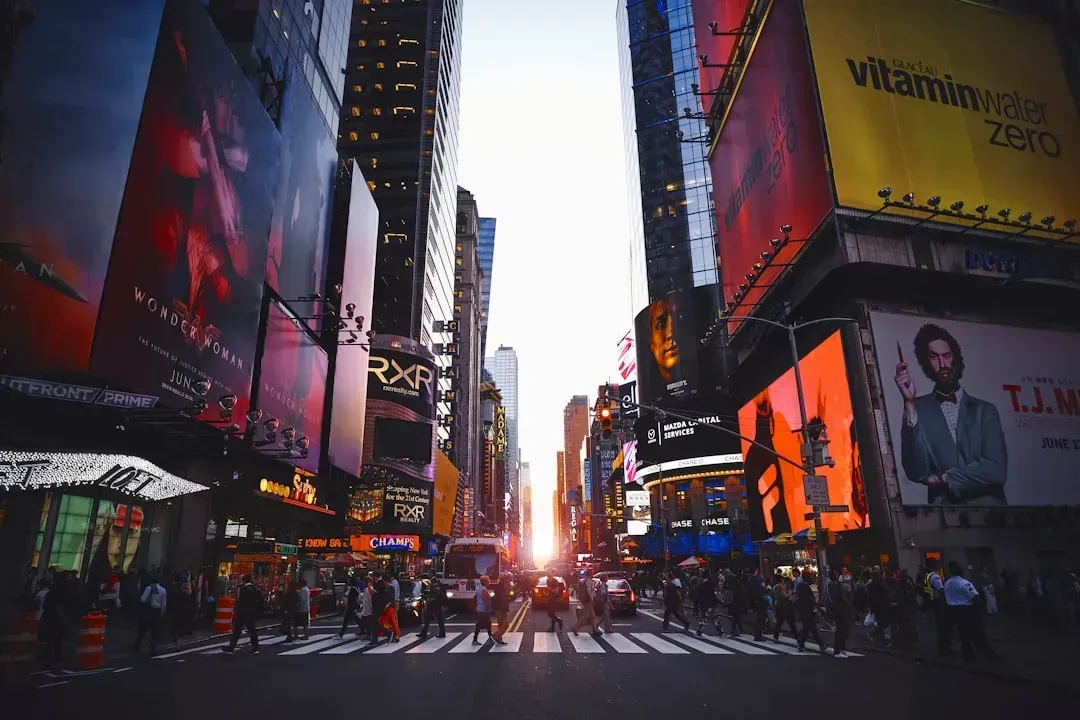
New York carries the heaviest tax burden of any state and faces serious issues with expensive housing and overall affordability. Despite its cultural appeal, many retirees find it hard to maintain financial security, especially outside of major metro areas where healthcare access and safety are also concerns. Taxes hit retirees hard in New York too: while Social Security is exempt, most other retirement income such as pensions, IRAs, and 401(k) distributions are not. Other drawbacks include harsh winters across much of the state, high urban crime in certain areas, and high healthcare costs that can strain fixed budgets.
Taxes can quietly chip away at fixed incomes, and tax-friendly policies allow retirees to better manage medical costs, travel plans, and lifestyle choices without added financial stress. New York’s world-class museums, hospitals, and transit system are real advantages, but they exist inside one of the most expensive cost structures in the country. It’s important to choose wisely when picking where to retire, as many retirees are on a fixed income, and the best cities are those that minimize taxes and expenses while offering good opportunities for retirees who choose to continue earning supplemental income.
None of these places are categorically unlivable, and individual circumstances always matter. Someone with a substantial nest egg, nearby family, or a specific reason to be in one of these states may find a way to make it work. The data is worth understanding, though, because given the financial and health challenges retirees face today, choosing where to spend your later years has never been more important, and location can determine whether retirement becomes a stable, comfortable chapter or a period of genuine uncertainty.