Walk into almost any coffee shop, grab-and-go lunch spot, or rideshare vehicle today, and you’ll notice a familiar, slightly uncomfortable moment: the screen swivels toward you, tip options gleaming in percentages that start at 18% and climb higher. It’s become a routine interruption in daily life, and for a growing number of Americans, it’s genuinely stressful.
Tipping has always carried a degree of social weight in the United States. What’s changed in recent years is the sheer relentlessness of it. The requests come faster, in more places, and with less clarity than ever before. The result, as surveys and research keep confirming, is something that goes beyond mild annoyance: real, measurable social anxiety that affects how people shop, dine, and move through their days.
1. Nobody Agrees on the Rules Anymore
Americans are meeting new tipping expectations with a mix of confusion and resentment. A Pew Research Center poll of nearly 12,000 adults found that only about a third of Americans feel it is “extremely or very easy” to know when to tip, while an equal share found it “not too or not at all easy,” with respondents all over the map about how much to tip for coffee, taxis, haircuts, and food delivery. That’s a staggering level of uncertainty for something that happens multiple times a day for most people.
Americans are divided and confused over when to leave gratuities and how much to tip for all kinds of services, and many don’t like recent trends such as added service fees and suggested tipping amounts. When no shared standard exists, every transaction becomes a miniature social test that many people feel they could fail.
2. Digital Tip Screens Create Public Shame in Real Time
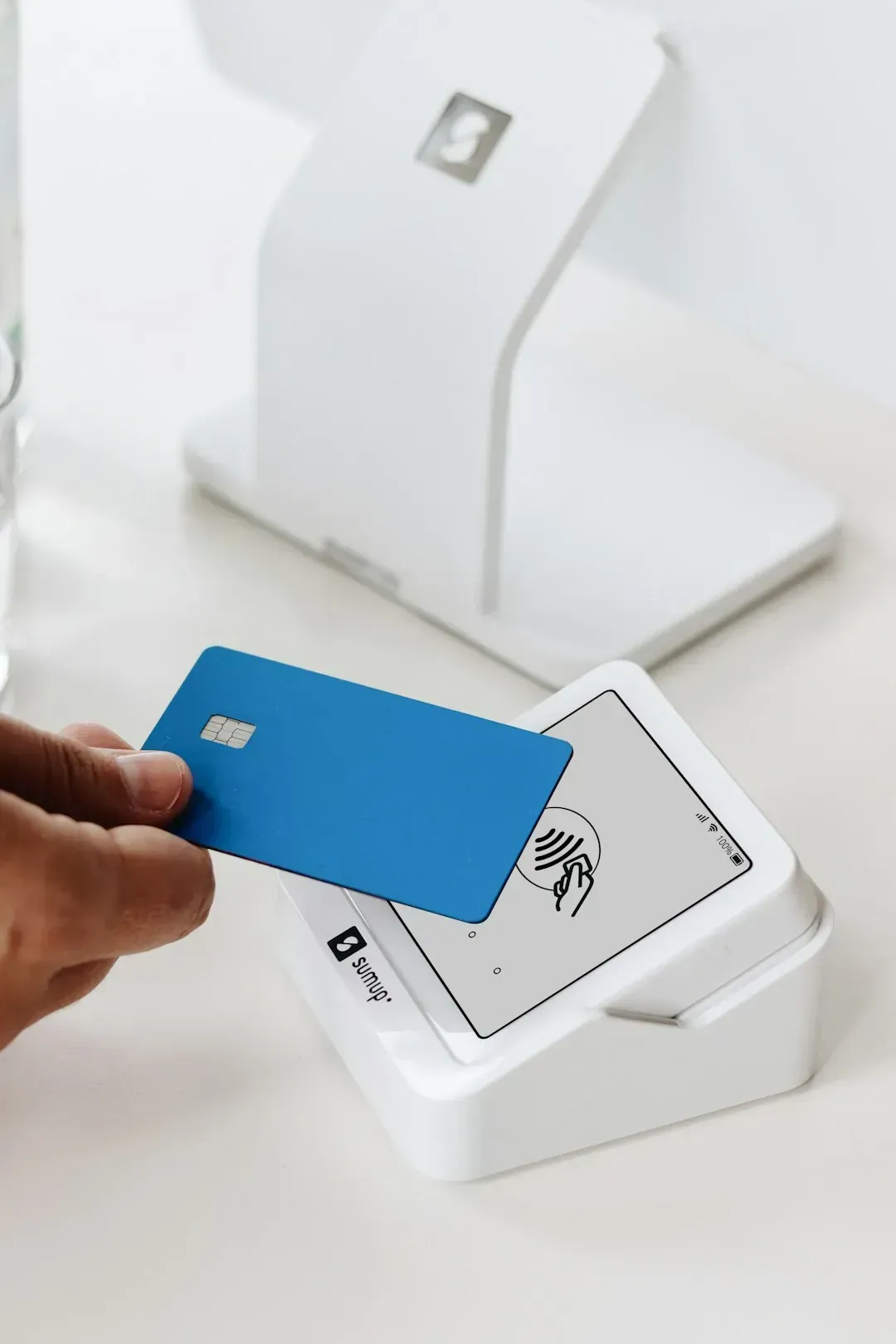
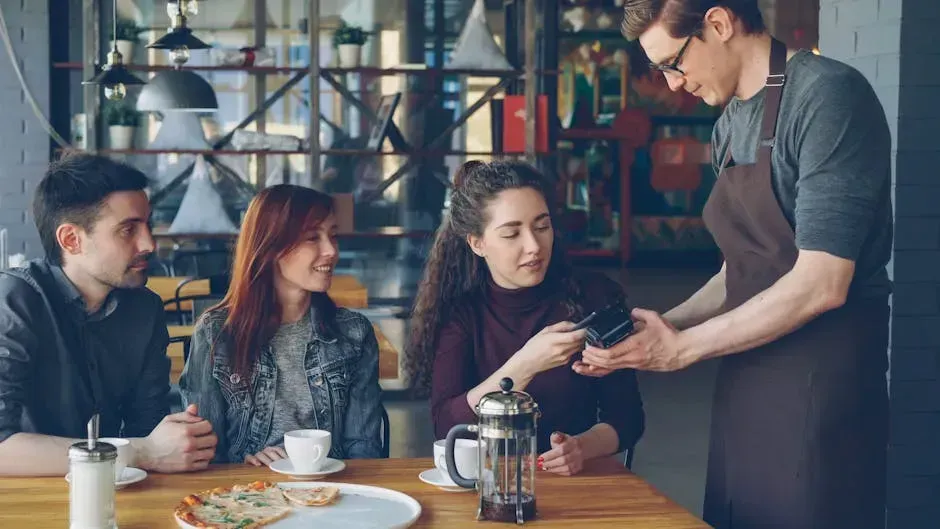
The advent of digital payment systems has made asking for tips easier and less awkward for businesses than ever: a simple flip of a screen with suggested amounts usually displayed between 18 and 25 percent is often all an employee needs to solicit a tip. The added social pressure of an expectant employee watching as a customer makes their selection creates a psychological element of shame that motivates tipping. That dynamic is fundamentally different from the private moment of scribbling a number on a paper receipt.
Not long ago, leaving no tip was the default option. Now, digital payment systems force you to opt out. According to behavioral economics, people prefer not to make financial decisions, and these payment systems compel users to make decisions they don’t want to. They force users to opt out of leaving sometimes very generous tips, which can make the consumer feel guilty. Opting out, in plain view, carries social cost that many people aren’t willing to pay.
3. Guilt Tipping Has Become a Measurable Financial Drain
Research exploring 2,000 Americans’ approaches to tipping found the average respondent spends close to $300 a year tipping more than they’d like to due to social pressure. Results showed the average person reluctantly tips $24 per month more than they feel is fair due to the pressure or awkwardness of not doing so. That’s real money being handed over not out of generosity, but out of discomfort.
The term “guilt tipping” was coined to refer to the social pressure or discomfort a customer feels when they are asked to leave a tip, often through digital point-of-sale systems. Rather than using tipping purely as a voluntary reward for good service, people have felt compelled to do so out of guilt or fear of judgment. The fact that researchers now have a name for this phenomenon says a lot about how normalized the experience has become.
4. Tipping Is Now Expected in Absurd Places
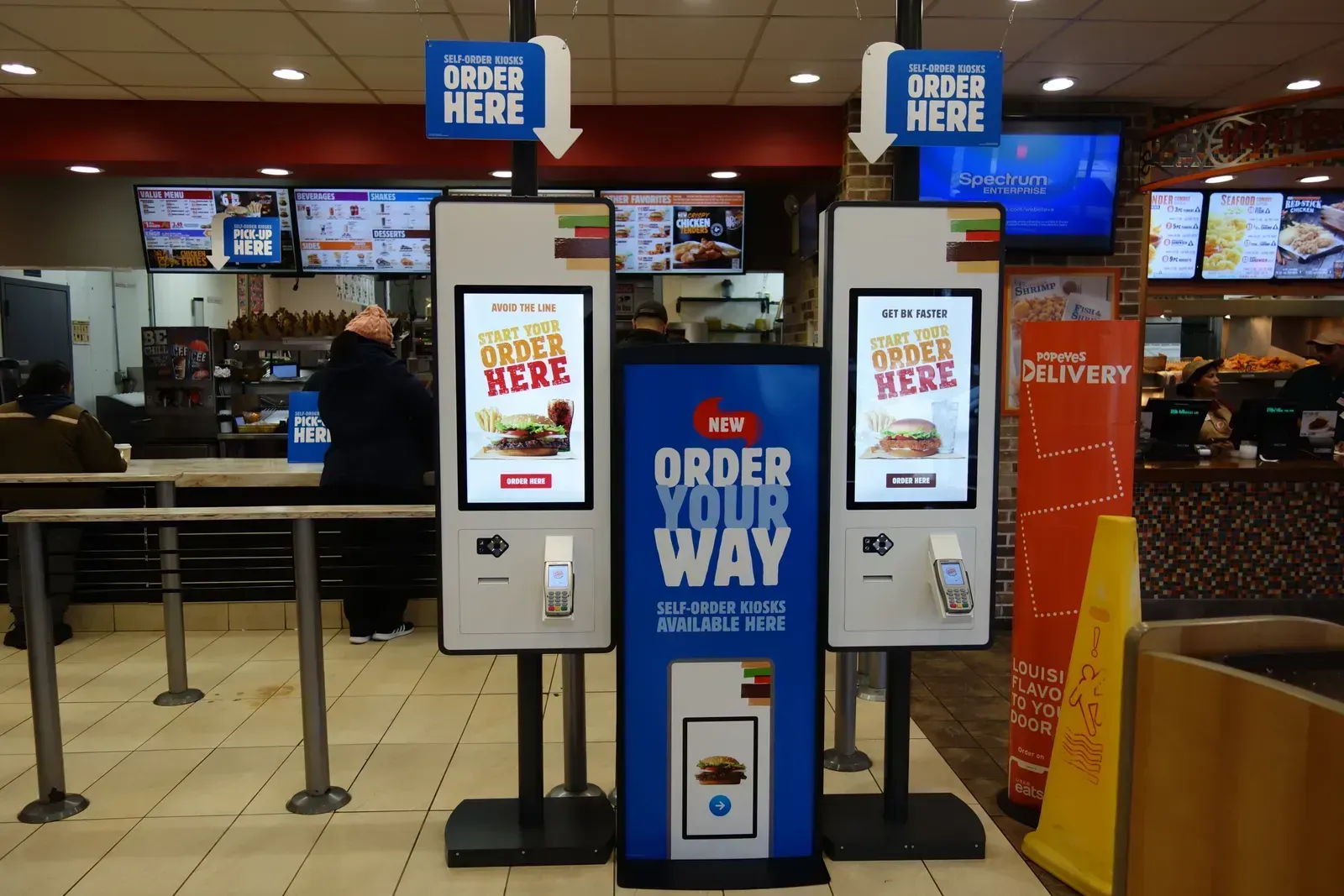
Over three-quarters of Americans surveyed believe tipping expectations have “gone too far,” citing the increasing presence of gratuity requests at self-service kiosks, convenience stores, and the like. Despite nearly eight in ten Americans agreeing that self-service machines asking for tips is going too far, it’s also something nearly half have personally experienced. Being asked to tip a machine you’re operating yourself is a genuinely surreal experience.
Americans are also being asked to leave a tip in unconventional places, such as airport newsstands, movie theater concession counters, and even auto repair shops. One etiquette columnist noted she was recently prompted to leave a tip when paying her mechanic, who sets his own rates and doesn’t rely on gratuities to compensate for low minimum-wage pay. The creep of tip requests into these contexts leaves people unsure whether declining makes them look cheap or whether tipping is even appropriate in the first place.
5. Suggested Tip Amounts Keep Climbing Higher
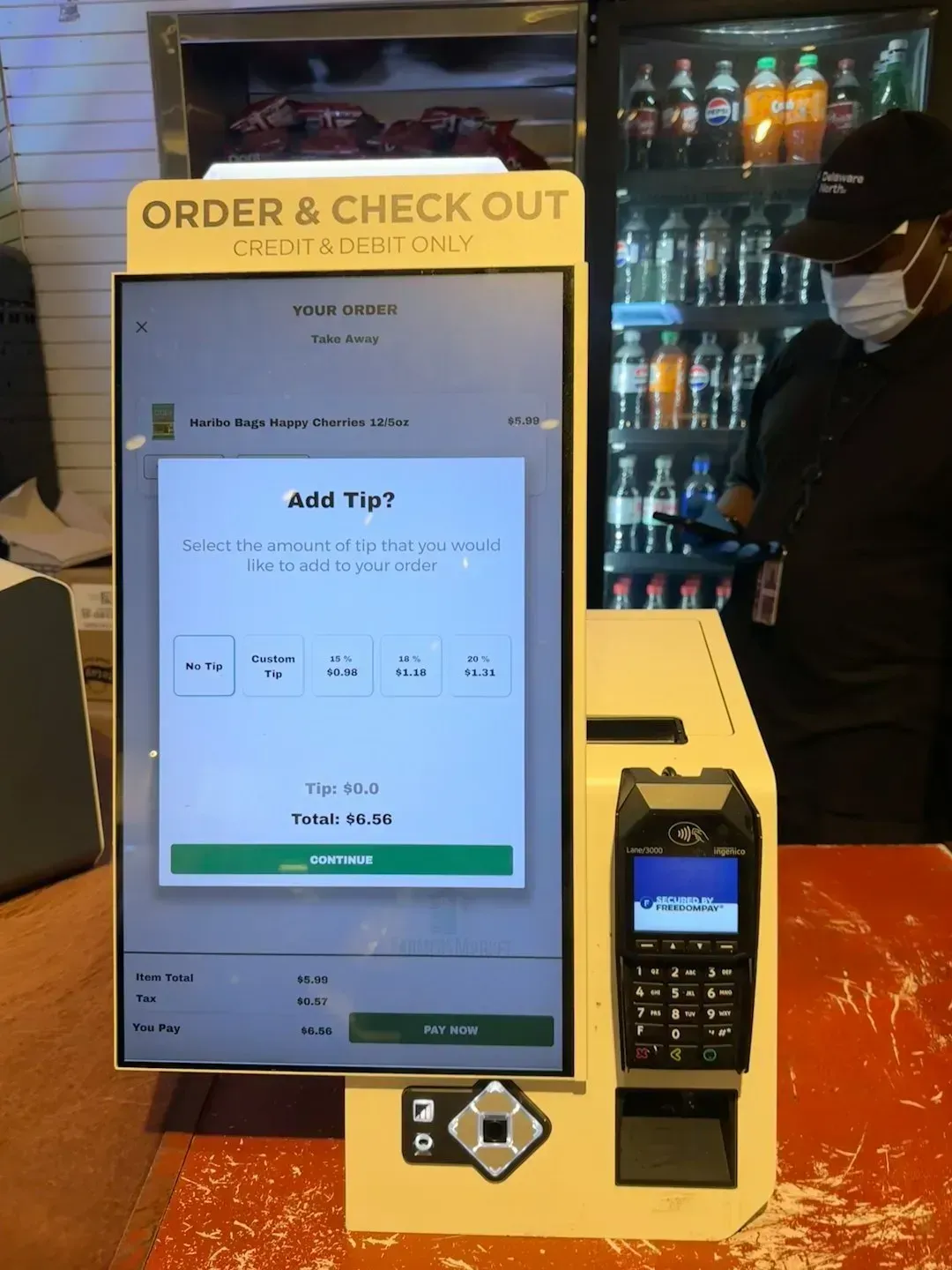
The public is more negative than positive about automated tip suggestions, whether listed on a bill or shown on a screen when checking out. Four in ten U.S. adults strongly or somewhat oppose suggested tips, while only about a quarter somewhat favor them. Opposition runs across age groups and income levels, suggesting this isn’t simply a matter of personal finance.
PopMenu’s research found that roughly two thirds of consumers say they “sometimes or always” feel pressured to tip when an iPad or digital interface asks them to, even when it’s just a takeout coffee order. Yelp reviews mentioning “tipflation” increased nearly 400 percent from May 2023 to April 2024, which suggests that customers aren’t just quietly frustrated. They’re venting publicly about an experience that feels increasingly coercive.
6. Younger Americans Feel the Obligation Most Acutely
A survey found that 44 percent of Gen Zers and 42 percent of millennials say they often feel obligated to tip, compared to 38 percent of Gen Xers and 29 percent of Baby Boomers. Younger generations have grown up with digital payment systems as the norm, meaning tip prompts have always been part of their consumer experience, and the sense of obligation appears to have taken deeper root as a result.
The likelihood of tipping generally increases with age, with Gen Zers and millennials standing out as the least frequent tippers. For example, only about a quarter of Gen Zers always tip their hair stylist or barber, compared to roughly two thirds of Gen Xers and an even higher share of boomers. Similarly, fewer than half of Gen Zers always tip at sit-down restaurants, versus about four out of five boomers. The gap likely reflects both economic strain and a generational skepticism about the system’s fairness.
7. The Lack of Clear Norms Makes Every Transaction Uncertain
Around seven in ten U.S. adults say tipping is expected in more places today than it was five years ago, a finding that has been dubbed “tipflation.” Yet even as Americans say they’re being asked to tip more often, only about a third say it’s extremely or very easy to know whether or how much to tip for different types of services. That gap between expanding expectation and shrinking confidence is a reliable recipe for ongoing stress.
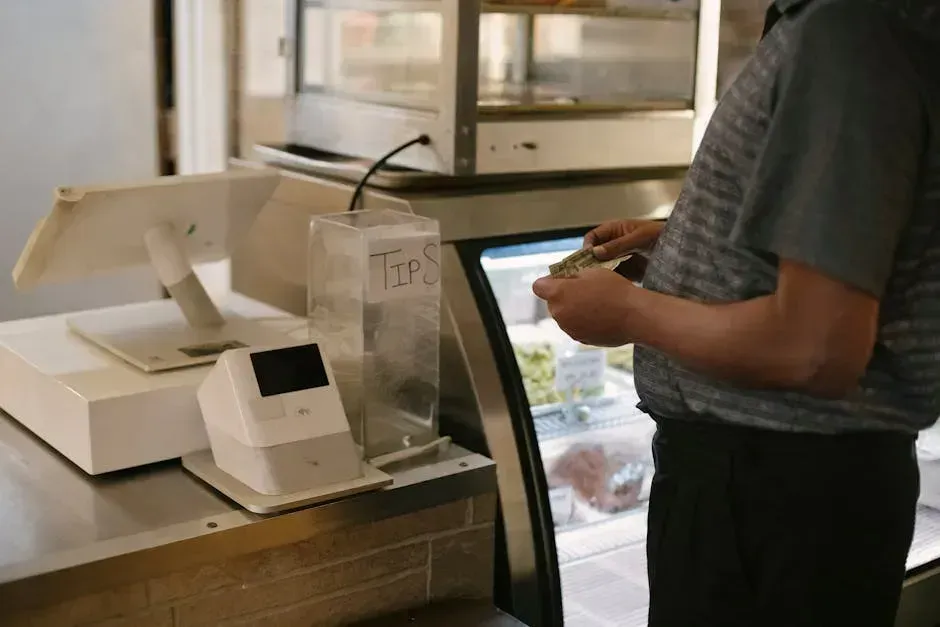
This anxiety is worsened by new technology, where customers at a coffee shop or a self-service counter are now faced with a tablet that asks for a tip. This puts customers in an uncomfortable position. The person at the counter is staring, and you feel the social pressure to press a button that gives them a tip. You may feel guilty if you press “no tip.” This social pressure removes the joy from the dining experience. Instead of a simple and transparent transaction, it becomes a complicated social negotiation. The customer’s emotional well-being is tied to a system that makes them feel judged and unsure.
8. Broad Negative Sentiment Toward Tipping Is at an All-Time High

A WalletHub survey found that roughly nine out of ten Americans now say tipping culture has spiraled out of control, up sharply from about three quarters just the year before. That is a remarkable shift in public sentiment in a very short time. The frustration has moved well beyond individual grumbling and into something that now reflects a widespread, cross-demographic exhaustion.
About 63 percent of Americans hold at least one negative view about tipping, which is up from 59 percent the year before. A full 78 percent of Americans think businesses should pay employees more instead of relying on tips. When the majority of a country’s population believes a social system is broken, the stress it generates isn’t personal sensitivity. It’s a rational response to a system that no longer has clear boundaries, fair stakes, or shared rules.
The data points in one consistent direction: tipping anxiety in America isn’t a niche complaint. It sits at the intersection of economic pressure, unclear social expectations, and technology that was designed to nudge rather than inform. Until the underlying system changes, that uncomfortable moment at the checkout screen isn’t going away anytime soon.