
There’s a particular kind of discomfort that comes not from anything new or frightening, but from something deeply familiar that has quietly shifted into something else. A handshake. A phone call. A moment of silence between two people in a room. These were, not long ago, simply the texture of everyday life.
Somewhere between pandemic-era upheaval, the creep of digital communication, and the relentless pace of modern overstimulation, a handful of ordinary experiences have taken on a strange, almost uncanny quality. Here are seven of them.
1. Shaking Someone’s Hand

For thousands of years, the handshake carried the weight of trust, agreement, and greeting. One of the earliest portrayals of a handshake is a ninth-century depiction of Assyrian King Shalmaneser III pressing palms with a ruler from Babylonia to affirm an alliance. It showed up in Homer, on ancient Roman coins, and in nearly every professional setting across the modern world. It was automatic, unthinking, and entirely unremarkable.
Then the pandemic arrived and effectively suspended the ritual for years. Even afterward, we found ourselves in a socially awkward time of handshake uncertainty, with some people comfortable shaking hands and some not, with estimates suggesting a split of roughly half and half. What was once a reflex now requires a small, silent negotiation. The gesture that once sealed deals and formed bonds has become something people briefly brace for.
2. Receiving a Phone Call
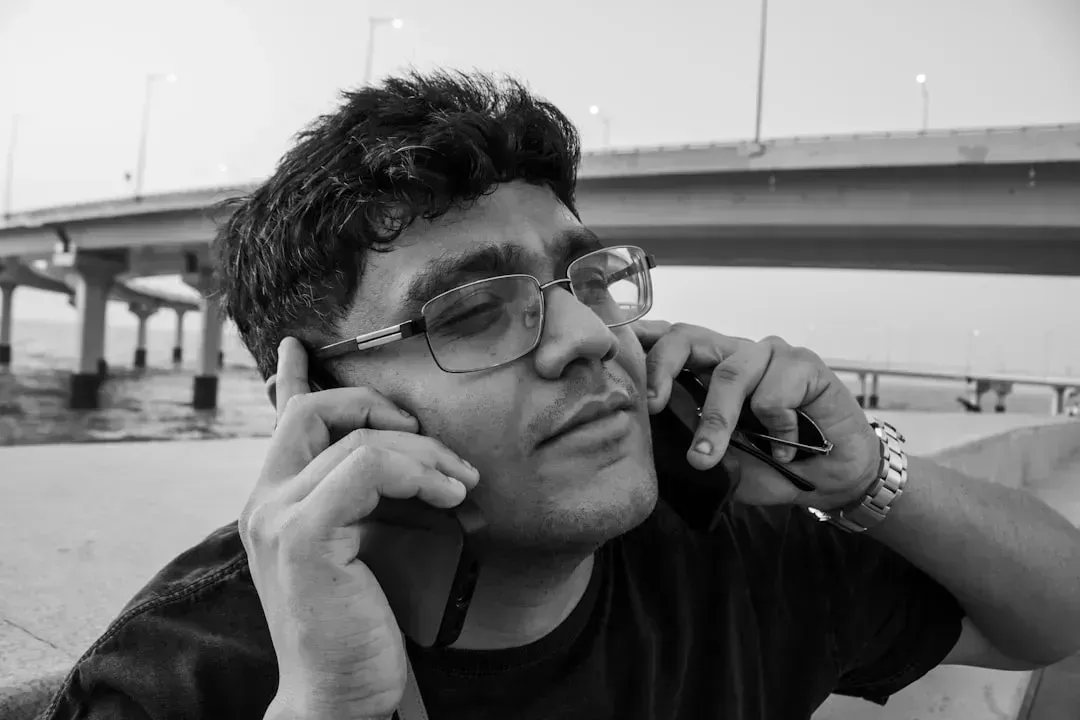
There was a time when the phone ringing was simply the phone ringing. Now, for a growing share of the population, it triggers a flash of dread. Members of a younger generation who have grown up with digital communication increasingly find both making or receiving phone calls “intrusive,” preferring to use media that allow them to participate in the conversation at the pace they choose. The unscripted immediacy of a live call, with no time to edit or compose, feels exposing in a way it never used to.
The data here is striking. A Uswitch survey of 2,000 UK adults in 2024 found that almost a quarter of 18 to 34-year-olds never pick up phone calls, and around 61% of that age group prefer to receive a message rather than an audio call. Over half of 18-to-24-year-olds think an out-of-the-blue phone call means bad news. A ringing phone, once a neutral event, now carries an undertone of alarm.
3. Sitting in Silence With Someone

Comfortable silence was once a mark of closeness. Old friends, long-married couples, and people at ease with themselves could sit quietly without it meaning anything at all. That kind of stillness is becoming rarer, and more difficult to tolerate. The modern world exacerbates this pressure. We’re bombarded with information and stimuli from our devices, social media, and 24/7 news cycles. This continuous noise becomes the norm, and silence feels unnatural.
Research conducted among Dutch and English speakers found that a mere four seconds of conversational silence caused people to feel uncomfortable, while a separate study found that Japanese people were happy with up to 8.2 seconds of silence. In many Western cultures, silence can trigger anxiety and insecurity. People often associate silence with negative judgments or disapproval, fearing they’ll be perceived as boring or uninterested, which can lead to a compulsive need to fill every second with conversation or noise.
4. Being Somewhere Without Your Phone
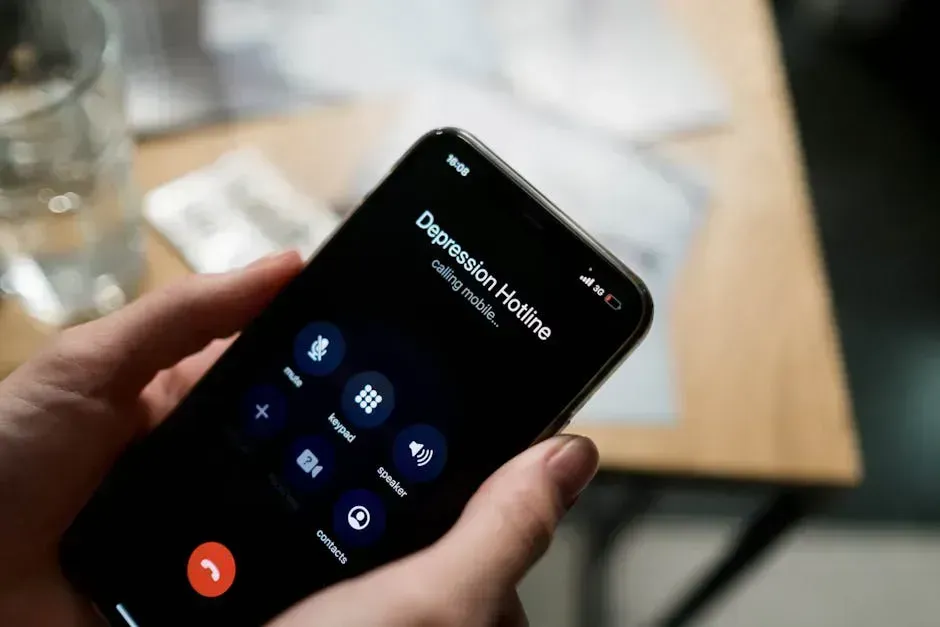
Leaving the house without a wallet was once a minor inconvenience. Leaving it without your phone now registers in the body differently, almost like a low-grade alarm. The device has become so embedded in how people navigate space, time, communication, and even identity that its absence produces a measurable response. One study found that participants who heard their ringing iPhones but could not answer tended to experience an increased heart rate and reported feelings of anxiety.
This isn’t entirely irrational. Phones have replaced maps, wallets, keys, boarding passes, and entire social lives. Still, the visceral unease that comes from being phoneless for an afternoon is something previous generations would find baffling. What once described a peaceful break from interruption now reads, to many people, as a kind of vulnerability.
5. Making Small Talk With a Stranger
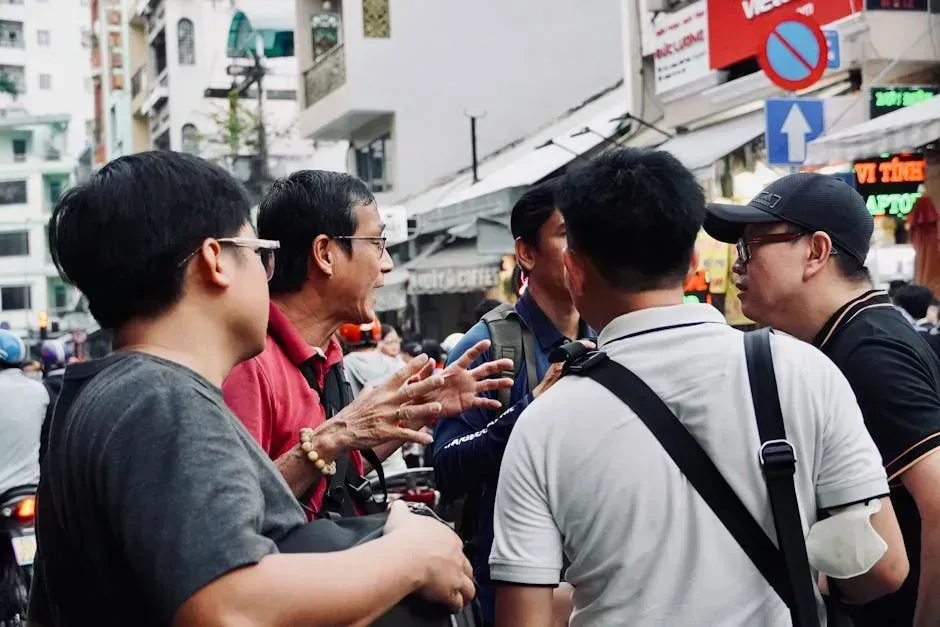
Standing next to someone at a bus stop, waiting in a queue, riding an elevator: these used to be reliable settings for brief, unremarkable exchanges with strangers. Shared eye contact, a comment about the weather, a small polite nothing. That kind of ambient sociality has become noticeably thin. People reach for their phones the moment a social gap opens, and the instinct to actually speak to a nearby stranger has started to feel socially overstepping.
Long gaps in conversations between strangers are often attributed to poor social skills, and qualitative research asserts that long gaps signal disagreement and sow discord. Fears of awkward silences may be one reason why people avoid talking to strangers even though doing so is most likely to be enjoyable. The low-stakes encounter with a stranger, once a quiet staple of public life, now carries enough ambient social risk that many people simply skip it.
6. Reading a Long Article or Book Without Interruption

Sustained, uninterrupted reading used to be a default leisure activity, completely unremarkable. You sat, you read, time passed. Now many people report that settling into a long piece of writing requires a kind of mental gearing-up that wasn’t necessary before. The same brain trained to pivot constantly between notifications, feeds, and short-form content increasingly resists staying with one thing for an extended stretch. Attention itself has changed texture.
This is not simply a generational complaint. Researchers studying how digital communication habits affect cognitive focus have repeatedly found associations between high digital media use and difficulty with sustained attention tasks. The strange thing about exponential growth is that it stays invisible for a long time, then suddenly everything changes around us, and the way we consume information has shifted so quietly and so thoroughly that the old mode of deep reading now requires active effort for many people who once found it effortless.
7. Doing Nothing, Even Briefly
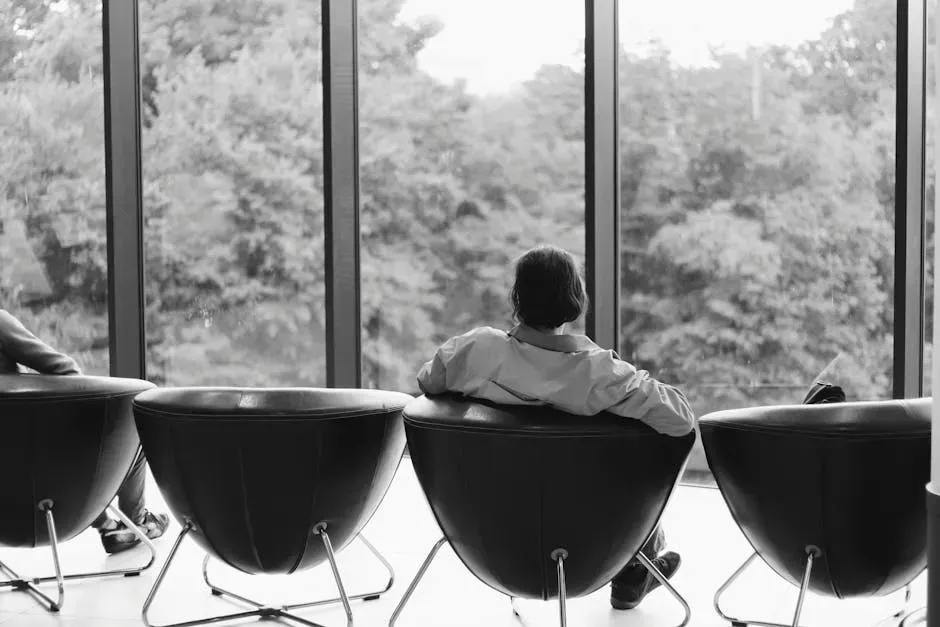
Perhaps the strangest entry on this list is the experience of simply doing nothing. Waiting without scrolling. Sitting without a podcast running. A few idle minutes without pulling out a screen. This was not merely tolerated by previous generations; it was the ordinary texture of waiting rooms, commutes, and quiet evenings. Now it registers, for many people, as something closer to restlessness or even mild anxiety.
There is a strange psychological loop at work: everyone feels like they’re behind, even when everyone else feels the same way. It’s the quiet collective anxiety of the digital age. That pressure, the sense that idle time is somehow being lost rather than lived, has made doing nothing feel vaguely transgressive. What once came naturally now has to be reclaimed deliberately, which is perhaps the strangest thing of all.
Most of these shifts happened gradually, without any single moment of rupture. They accumulated, one small habit at a time, until the ordinary started to feel unfamiliar. Recognizing that is not nostalgia. It’s a useful way of understanding what normal actually costs us when we aren’t paying attention.