
Most people assume that flight anxiety is simply something you either have or you don’t. The truth is more interesting than that. A surprising number of mid-air jitters are triggered not by some deep-seated phobia but by ordinary habits travelers repeat every single flight, often completely unaware of the effect.
Many international studies report that roughly 30 to 40 percent of air travelers feel some degree of anxiety when flying. That’s a wide slice of passengers, and understanding what fuels that anxiety, especially the habits hiding in plain sight, is where things get genuinely useful.
1. Obsessively Checking Turbulence Forecast Apps Before and During the Flight
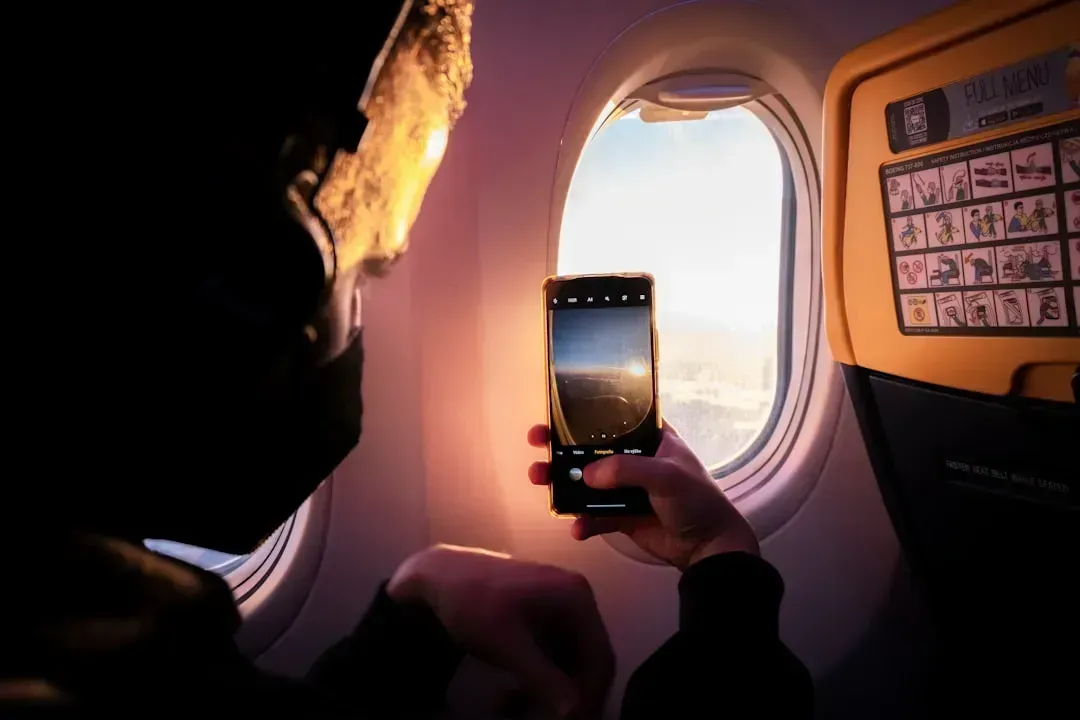
There’s a particular kind of traveler who pulls up a turbulence-tracking app before boarding, during the taxi, and again somewhere over the Atlantic. The intention is to feel in control. The effect is usually the opposite. Uncertainty about flight status and safety measures intensifies flight anxiety rather than relieving it. Feeding that uncertainty with more data doesn’t necessarily calm the nervous system.
Cabin pressure changes and mild hypoxia can cause a faster heartbeat, shortness of breath, dizziness, and nausea, and turbulence amplifies this discomfort. When a passenger is already monitoring those physical sensations and simultaneously watching a turbulence map tick from “light” to “moderate,” the brain connects two dots that may not actually belong together. More information, in this case, tends to mean more worry, not less.
2. Drinking Too Much Coffee Before or During the Flight

A large airport coffee feels like a reasonable pre-flight ritual. For anxious flyers, it can quietly set the stage for a difficult few hours. Coffee, tea, and other caffeinated drinks can heighten anxiety and cause dehydration, which can then lead to physical ailments like headaches as well. In a sealed cabin at altitude, that combination hits harder than it would on the ground.
The body’s stress response and caffeine’s stimulant effects overlap in uncomfortable ways. A racing heart, slightly elevated breathing, and a general feeling of jumpiness, all side effects of caffeine, are also classic early signs of anxiety. When those sensations appear at 35,000 feet, the brain can misread them as something more threatening than a double espresso.
3. Sitting Rigidly Still and Gripping the Armrest
Armrest-gripping is one of the most visually recognizable signs of flight anxiety, but it also actively makes things worse. Holding the body rigid signals to the nervous system that there is a real threat nearby. The physical tension spreads, breathing shallows, and the cycle feeds itself. If you grab the armrests with every bump or hyperventilate during takeoff, techniques that might otherwise help become far less effective.
Staying locked in one position for hours also increases physical discomfort, which, in a confined space, compounds psychological stress. Research consistently identifies the physical environment of airplanes as a significant contributor to passenger frustration and discomfort, with cramped seating, limited personal space, and high-density cabin configurations exacerbating feelings of confinement. Staying rigid rather than shifting position and moving gently only deepens those feelings.
4. Reading Crash News or Aviation Incident Reports Mid-Flight
Some travelers, particularly those prone to anxiety, find themselves scrolling through news about recent aviation incidents right before or during a flight. It feels like staying informed. In psychological terms, it’s closer to self-sabotage. News reports often exacerbate public fear and anxiety following aviation incidents, leading to a generalization of these emotions.
In the wake of high-profile crashes in early 2025, online searches for “fear of flying” and “flight anxiety” increased exponentially. That spike reflects how much media exposure shapes perceived risk, independent of actual safety data. Reading about aviation problems while sitting on a plane is essentially volunteering your own nervous system for a stress response that has no grounding in what’s actually happening on your flight.
5. Choosing a Window Seat Just to Watch the Wing or Engine
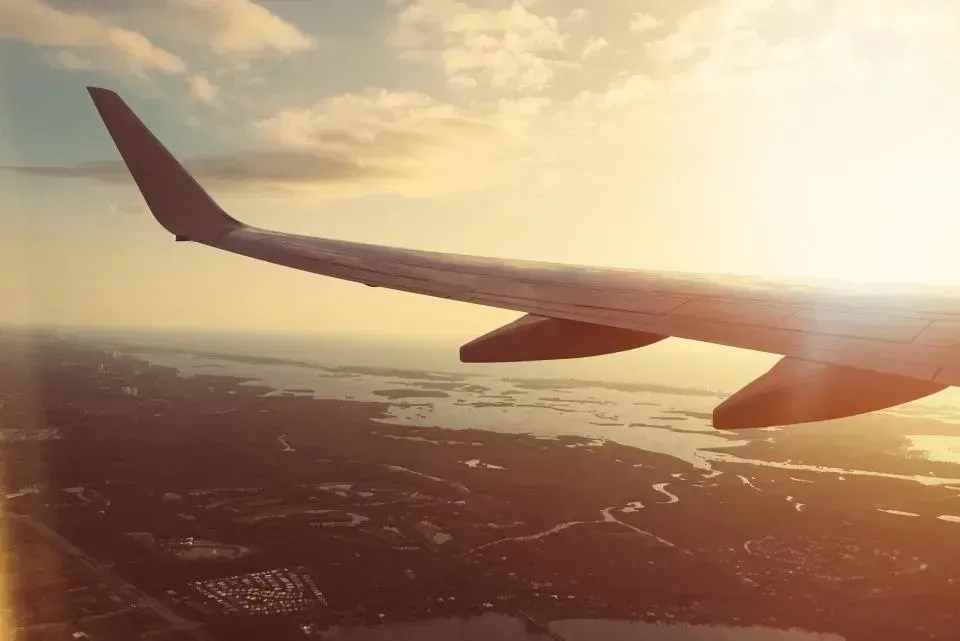
Window seats are popular for a reason. The view is genuinely beautiful. For some anxious passengers, though, the window becomes less of a pleasure and more of a monitoring station. They watch the engine for any change in sound or vibration, study the wing flex, and scan the horizon for storm clouds. Attentional bias toward threat-related cues plays an important role in maintaining anxiety by increasing awareness of potential triggers and raising perceived threat levels.
Wing flex, for example, is entirely normal and is designed into modern aircraft structures. An engine that looks stationary from the outside is functioning exactly as it should. Still, sustained visual attention to these features trains the anxious mind to assign significance to things that pilots and engineers would find completely unremarkable. The window can be a great asset; it becomes a liability when it turns into a surveillance post.
6. Drinking Alcohol to “Take the Edge Off”
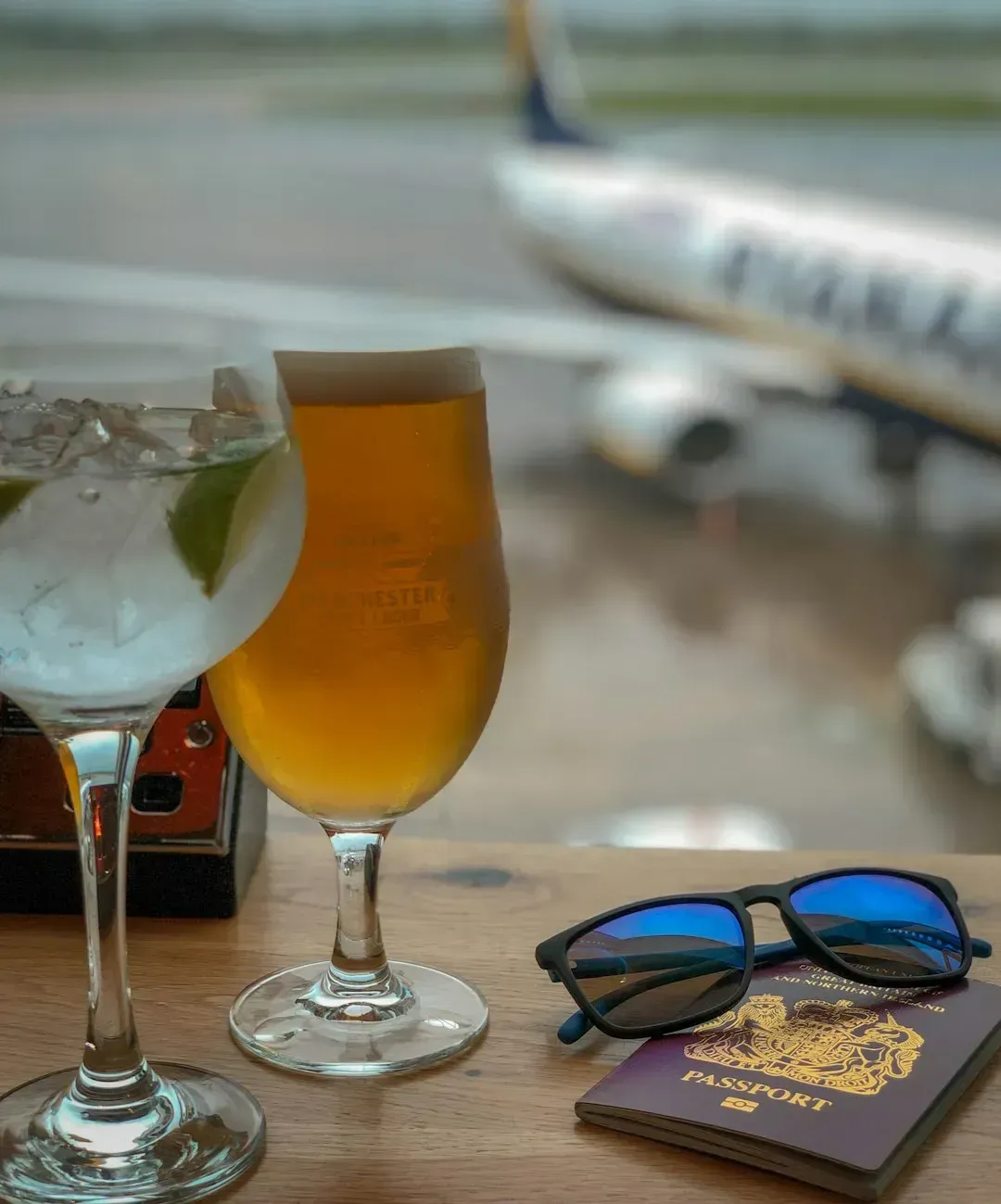
Pre-flight drinks at the airport bar are practically a cultural institution. The trouble is that alcohol is a poor anxiety management tool in this specific environment. Alcohol is a dominant factor in air-related incidents, with some studies finding that more than half of reported cases involved alcohol intoxication, often fuelled by liberal airport policies and in-flight consumption.
Beyond the social dimension, alcohol interacts with altitude in ways that amplify rather than smooth anxiety. Cabin air is already dry and pressurized to simulate conditions at around 6,000 to 8,000 feet, which accelerates dehydration and alters how the body metabolizes alcohol. The initial relaxation can give way to heightened heart rate, disturbed sleep, and irritability, all of which feed right back into an anxious state during a long flight.
7. Catastrophizing Every Unusual Sound or Sensation
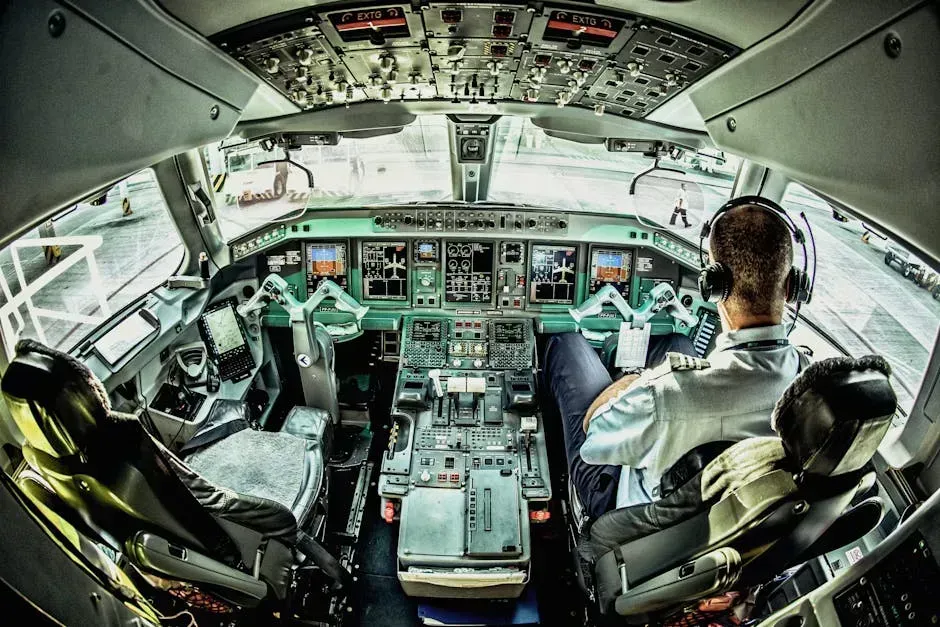
Clicks, clunks, whines, and thuds. Commercial aircraft produce a remarkable variety of sounds, most of them completely routine. The landing gear retracting, the flaps adjusting, the thrust reducing after takeoff. For passengers with heightened anxiety, each of these sounds can trigger a rapid spiral of worst-case thinking. One minute after the aircraft lifts off, passengers can hear and feel a reduction in engine thrust, and many perceive this as a malfunction or a sign that something is wrong, when in fact it is a standard and required procedure.
Those who experience flying anxiety often have persistent marked fear during flights that is disproportionate to the actual danger posed by flying. That disproportionality is the key. The sounds are real; the catastrophic interpretation of them is the habit. Each time a passenger mentally fast-forwards from “unusual noise” to “engine failure,” they reinforce a neural pathway that will fire faster and more automatically next time.
8. Sitting Toward the Back of the Plane
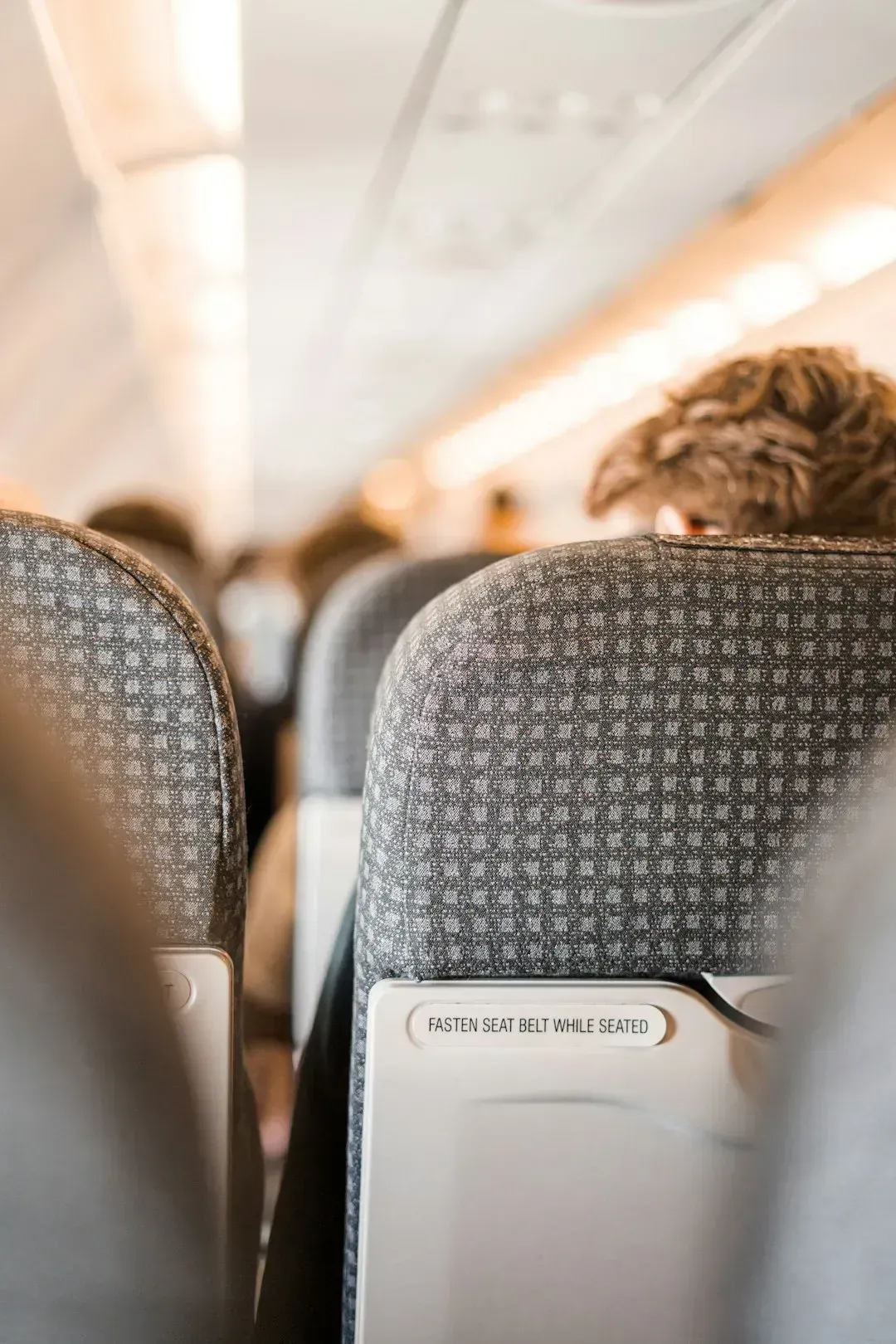
Many travelers grab whatever seat is available without giving its location much thought. For anxious flyers, seat position genuinely matters in a physical sense. The back of the aircraft is where turbulence is most strongly felt, since the tail experiences more oscillation than the center. When reserving your seat, looking for areas of the plane where turbulence is typically less noticeable, such as over the wings or toward the front, can make a meaningful difference.
It’s a small logistical choice that gets overlooked when booking in a hurry, but it has real consequences. A passenger who is already prone to anxiety and then sits in the seat where every air pocket feels like a major event is, quite unintentionally, setting themselves up for a harder flight. The physical sensation of turbulence in the rear cabin doesn’t match what’s actually happening with the aircraft’s stability overall.
9. Suppressing Anxiety Rather Than Acknowledging It
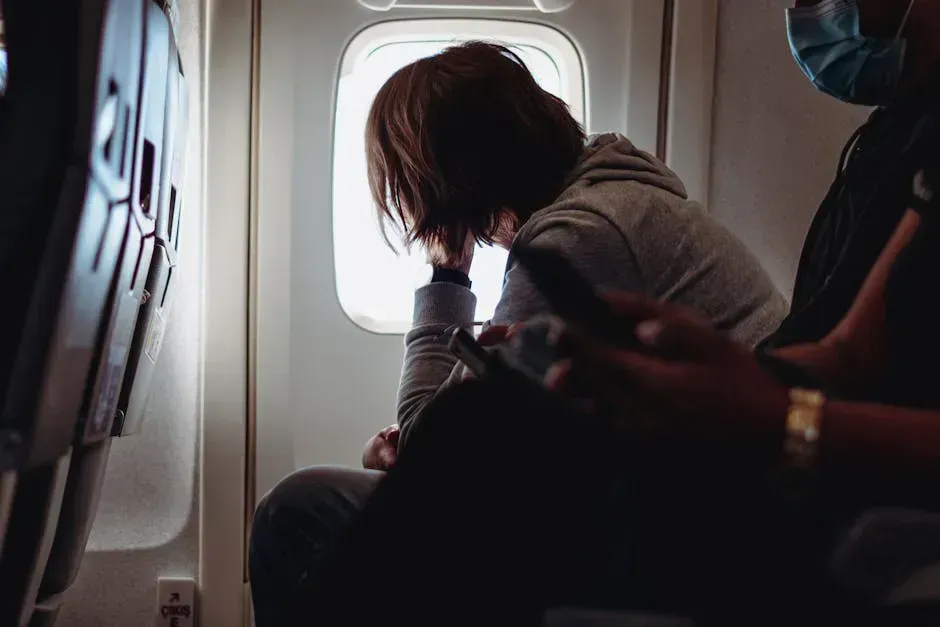
There’s a particular social pressure on planes to appear calm. Nobody wants to be the visibly anxious passenger. So a lot of travelers quietly clench their jaw, fix their gaze on the seat-back screen, and essentially try to hold their anxiety underwater. Research into anxiety disorders broadly suggests this approach tends to backfire. On a plane, passengers experience a common phobia trigger in that they have zero control, and what they do have some control over is the internal conversation happening in their own head.
The first step in tackling flight anxiety is for travelers to understand and accept their fear, since fear is a natural mechanism and being afraid of flying genuinely makes sense as a human response. Suppression keeps anxiety pressurized. Acknowledging it, even quietly and internally, tends to take some of the charge out of it. Passengers who allow themselves to notice what they’re feeling rather than fighting it often report the sensation passes more quickly.
10. Anticipating the Flight for Days Beforehand
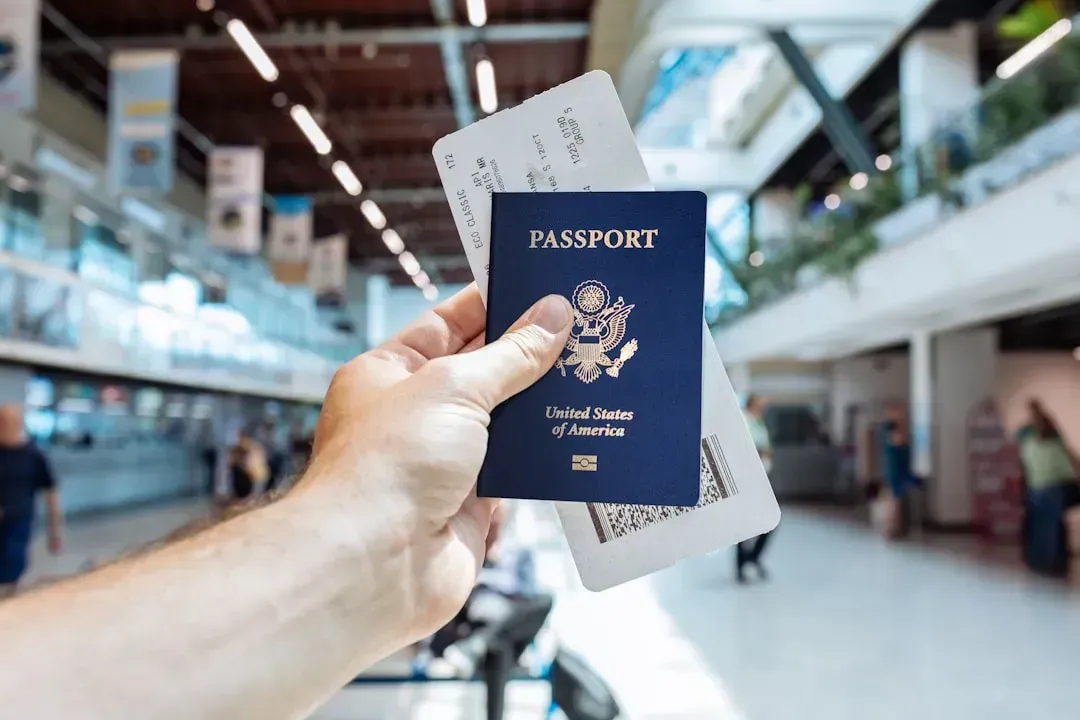
The anxiety doesn’t always start at the gate. For many travelers, it starts at the moment they book the ticket. Days of low-grade dread, checking the weather forecast for the destination, waking up early the morning of the flight, running through every possible scenario in quiet moments. With air travel, reservations are made in advance and passengers arrive at the airport hours ahead of the flight, going through security, and there is a lot of time to fall into anticipatory anxiety.
Some travelers closely monitor turbulence reports before flying and experience anticipatory anxiety for several days prior to even boarding the plane. This extended window of worry can be more draining than the flight itself, and it means passengers often step on board already exhausted and emotionally depleted. The flight becomes the endpoint of a much longer anxiety experience that started at a laptop screen several days earlier.
Most of these habits feel protective in the moment. They’re ways of trying to manage an environment that genuinely does feel unfamiliar and uncertain. The irony is that many of them sustain the very tension they’re meant to reduce. Recognizing the pattern is usually the first and most useful step, since you can’t change what you don’t notice.