
Most dog owners have experienced it at least once: you grab your keys, reach for the door, and your dog’s entire demeanor shifts. The whining starts. The pacing begins. Some dogs press themselves against your legs, while others just stare at the door long after you’ve gone. It’s one of the more heartbreaking dynamics in pet ownership, and it’s more common than many people realize.
Separation anxiety in dogs is a behavioral disorder that occurs when dogs become anxious and distressed when left alone or separated from their pet parents or family members. The tricky part is that some breeds are wired, almost by design, to feel this more acutely than others. Dog breeds show large differences in prevalence of all anxiety-related traits, suggesting a strong genetic contribution. What follows are twelve breeds that consistently appear on that spectrum, and the reasons why go deeper than just being “needy.”
1. Vizsla
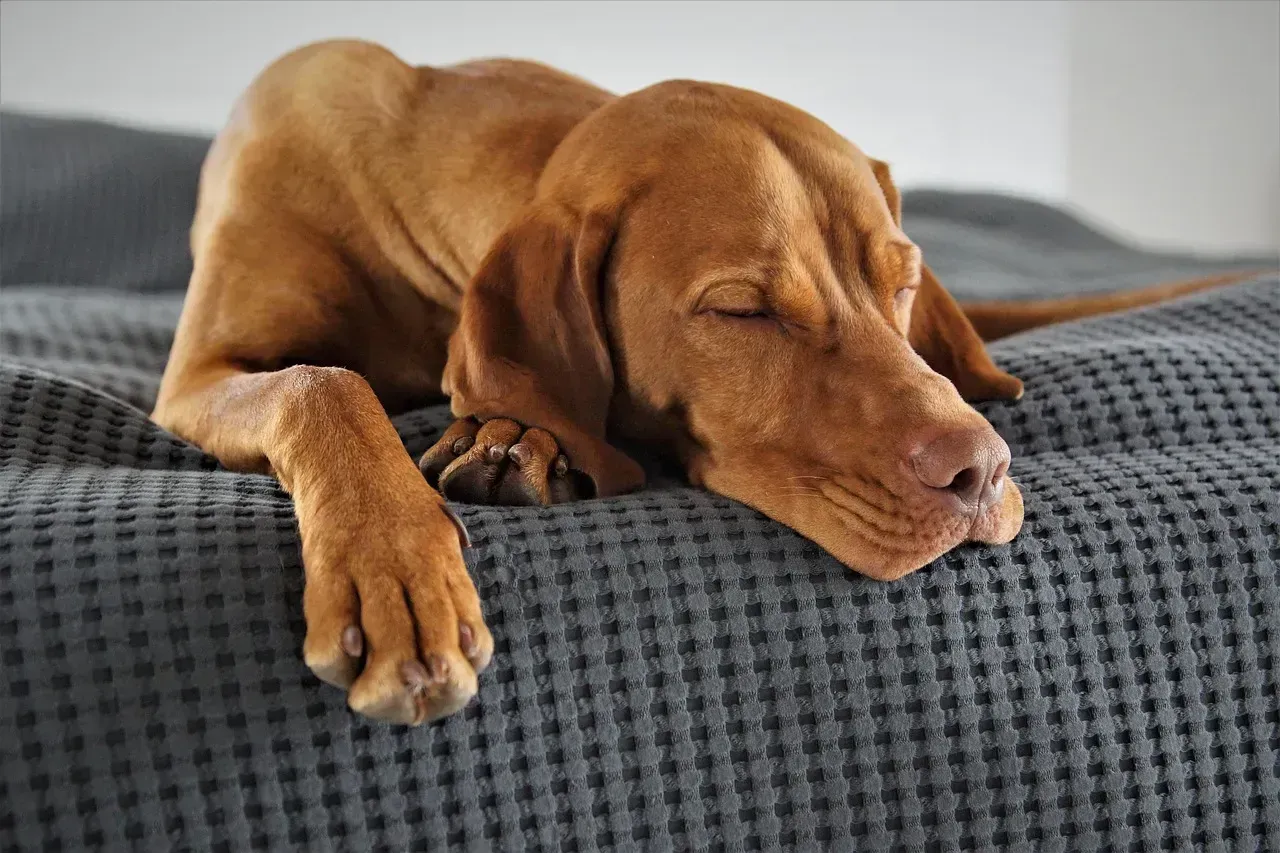
Nicknamed the “velcro dog” because of their propensity to stick close to their owner, Vizslas were born and bred to hunt alongside people. They love to work and love to be with humans, and being left alone with nothing to do often leads to anxiety. This isn’t stubbornness or bad training. It’s a breed whose very identity is built around constant human partnership.
Bred for hunting alongside their owners for long periods of time, the Vizsla does not do well when left alone for long hours, and too much alone time combined with too little activity will greatly increase the risk of severe separation anxiety. They’re often called “velcro dogs” because of how closely attached they are to the people they love, and because of this, separation anxiety is a common problem for Vizslas.
2. Border Collie
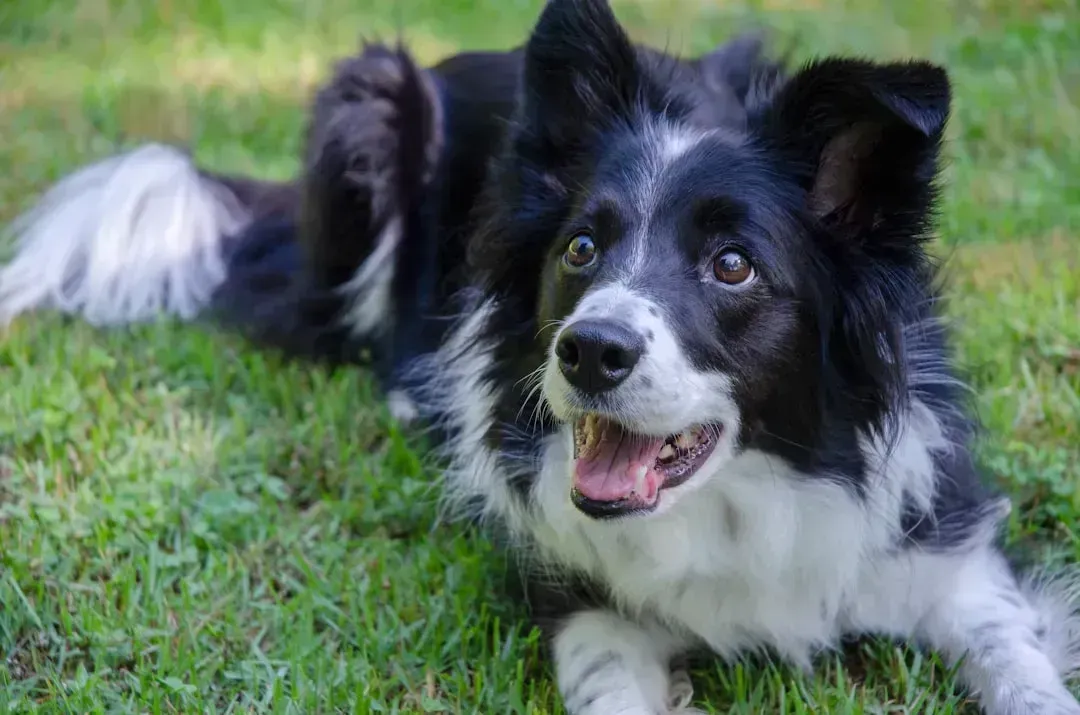
The Border Collie consistently ranks as the most intelligent dog breed, but this means they are more likely than other breeds to become bored when they have no stimulation, and leaving them alone can lead to separation anxiety and destructive behavior as they look for ways to amuse themselves. Intelligence, in this case, is a double-edged quality. A mind that sharp needs something to do, always.
If a collie experiences significant levels of stress when left alone, they may be suffering from separation anxiety, which can be caused by a change in their daily routine, the addition of a new family member, or even from spending too much time with them as a puppy. This form of anxiety is quite common among working dog breeds like collies. Herding dogs like Border Collies are more prone to separation anxiety because they are both sound and environmentally sensitive, making them more likely to experience fears and anxieties.
3. Labrador Retriever

Labrador Retrievers are beloved for their friendly and outgoing nature, but they can also experience anxiety, particularly related to separation from their owners. Labs are highly social and may become distressed when left alone, leading to destructive behaviors or excessive barking. For a breed that ranks among the most popular in the world, that’s a fairly significant trade-off worth knowing about upfront.
The Labrador Retriever was bred to be around people and work with them all day long. Labs were bred to have a temperament to be social and friendly helpers of the fishermen on the boat and around the docks, and they have been selectively bred to be around people, making it somewhat natural for them to suffer from separation anxiety when left alone. Genuine separation anxiety causes great distress, and the Labrador will often begin showing signs of that distress in advance of the owner departing, with just fetching your coat or car keys being enough to start the dog panting and drooling.
4. German Shepherd
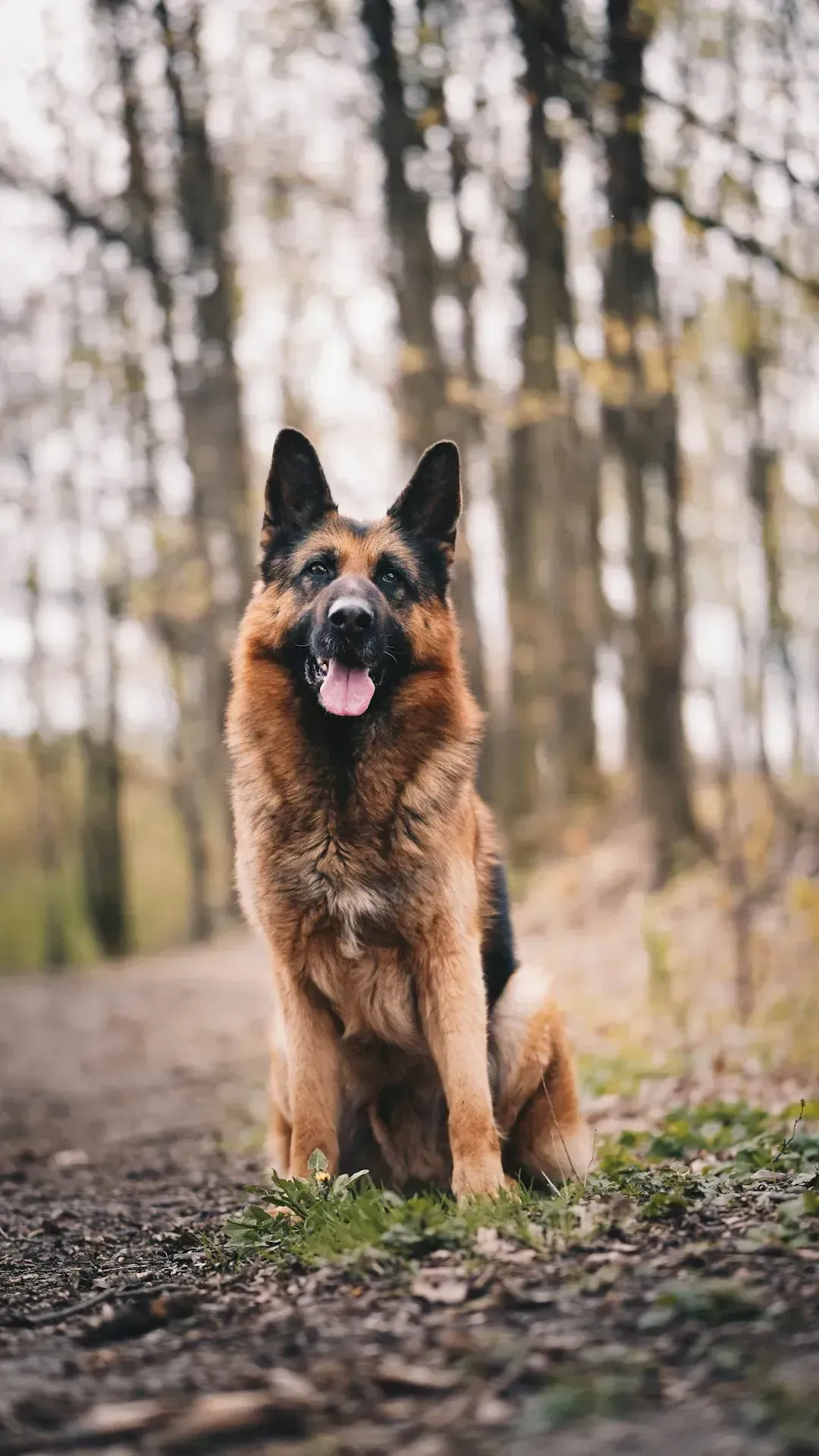
The German Shepherd needs a physically and mentally stimulating environment, and as a brilliantly trainable and intelligent working dog, they form strong bonds with their owners. However, this means they can be prone to distress if they are left alone or not adequately exercised and stimulated. For a breed so often associated with confidence and capability, it can catch owners off guard when the anxiety shows up.
German Shepherds are high-energy herding dogs who love having a job that lets them use their brain and body. They thrive on consistency, so being thrown off their routine may result in anxious behaviors such as pacing and door-scratching. Their attachment to their family can make them prone to separation anxiety when left alone, and German Shepherds are used to having a purpose and being involved in their owner’s daily life, so extended periods of isolation can lead to anxiety and destructive behaviors.
5. Bichon Frise
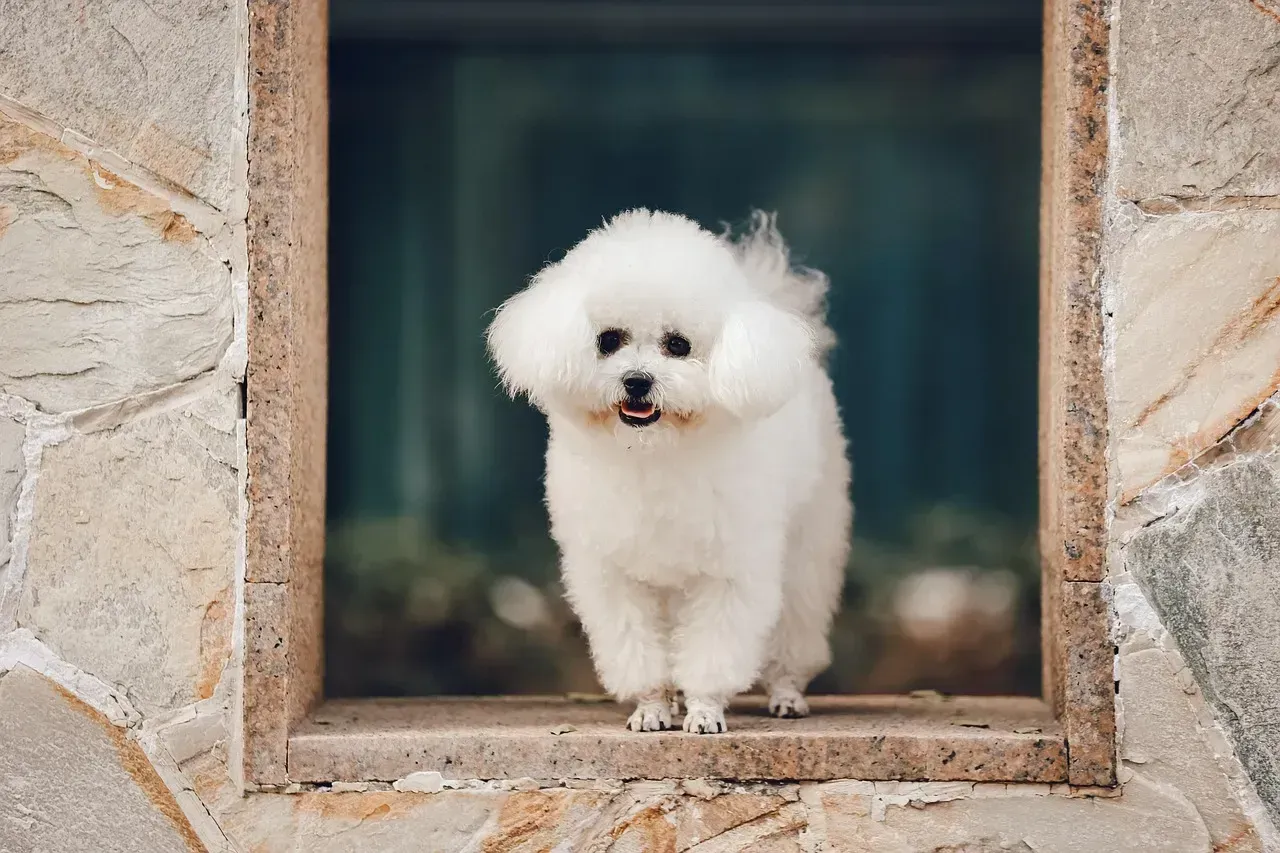
The Bichon Frise is a small, affectionate dog that craves companionship and attention. Bred as lapdogs, Bichons are happiest when they are with their human family members and they can struggle when left alone. Their cheerful disposition can quickly become anxiety when separated from their loved ones, leading to barking, whining, or destructive chewing.
The Bichon Frise is a perfect companion that loves to cuddle up in your lap. They are happy-go-lucky dogs and love to be the apple of your eye. However, as soon as you leave them alone, they can become aggressive and destructive, and their anxiety, when overlooked, can quickly change into depression. One of the most common problems reported among Bichon Frise owners is their separation anxiety.
6. Cocker Spaniel

Cocker Spaniels are known for their friendly, affectionate nature and strong desire to be around people. These dogs were bred as companions and often struggled when left alone for long periods. Cocker Spaniels form deep bonds with their families and can develop separation anxiety if they don’t receive enough attention, potentially barking excessively, whining, or engaging in destructive behaviors when left alone.
Cocker Spaniels are hyperactive dogs belonging to the hunting group. However, they are compassionate, resilient, friendly, and intelligent. They do not like being left alone and may develop a hyper-attachment disorder, as they love to be around their owner. This devoted family pet is known to be prone to separation anxiety if left alone, and because they are naturally such a friendly, rewarding dog in response to people’s attention, they seem to feel aggrieved when they don’t get enough of it.
7. Australian Shepherd
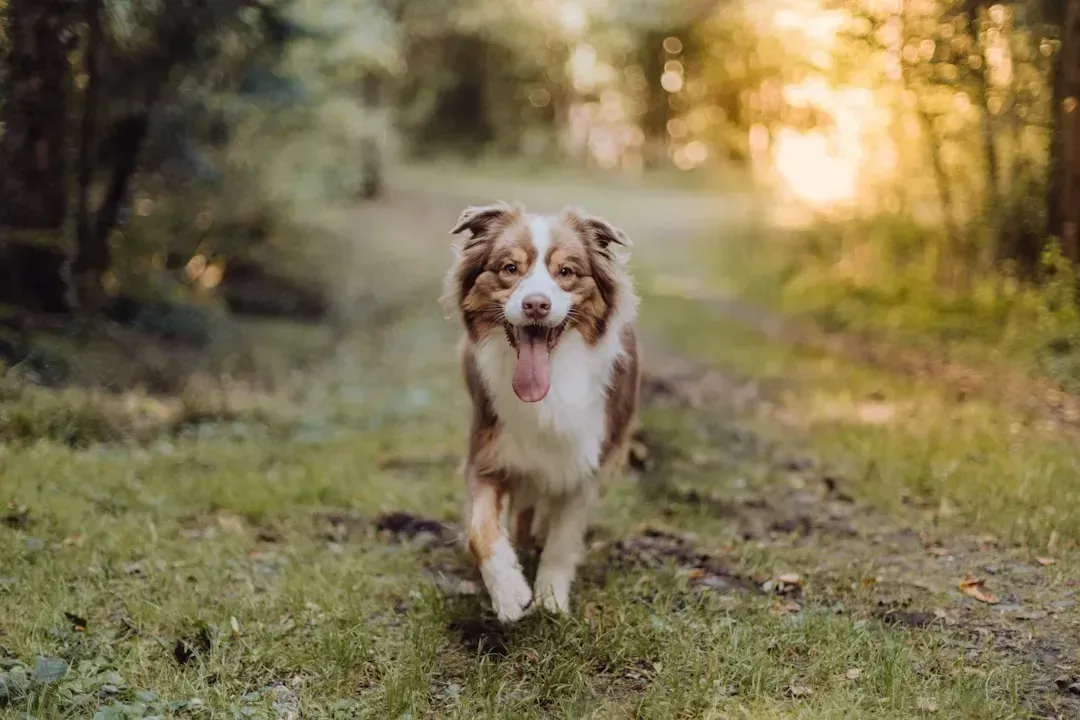
The Australian Shepherd is a breed bred for herding and is a very active dog that does best when at work. They need to stay active and may suffer anxiety when there’s nothing to do. Pair that drive with genuine emotional sensitivity and you’ve got a breed that struggles deeply with idle alone time.
The Australian Shepherd is a very active breed that was created to work all day long, and if they’re not busy, they’re bored, which leads to problematic habits when left alone doing nothing. An Australian Shepherd is a herding dog similar to the Border Collie that often experiences separation anxiety, which can cause them to become very anxious and destructive when they are left alone or find themselves bored at home for too long.
8. Chihuahua
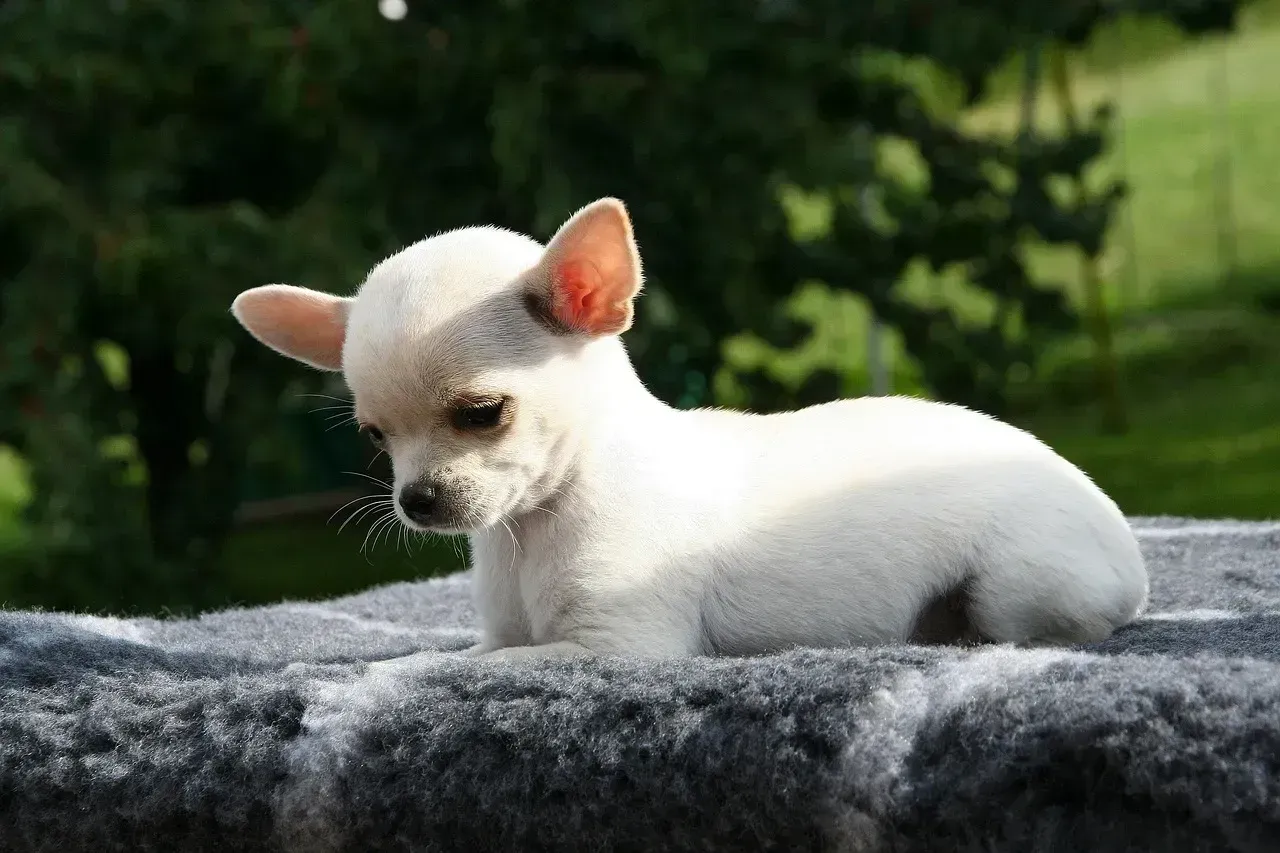
Chihuahuas may be small in size, but they can have big personalities and equally significant anxiety levels. They form intense bonds with their owners and can suffer from separation anxiety when apart. Additionally, their size makes them more susceptible to feeling vulnerable, which can lead to anxious behaviors, especially in unfamiliar or crowded environments.
Known for their loyalty and devotion, Chihuahuas often prefer to be with their humans as much as possible. When left alone for extended periods, they can exhibit signs of separation anxiety including barking, whining, and destructive chewing. Their small size and delicate temperament make them particularly sensitive to changes in their environment, and they thrive best in homes where someone is available to provide them with constant companionship.
9. Poodle
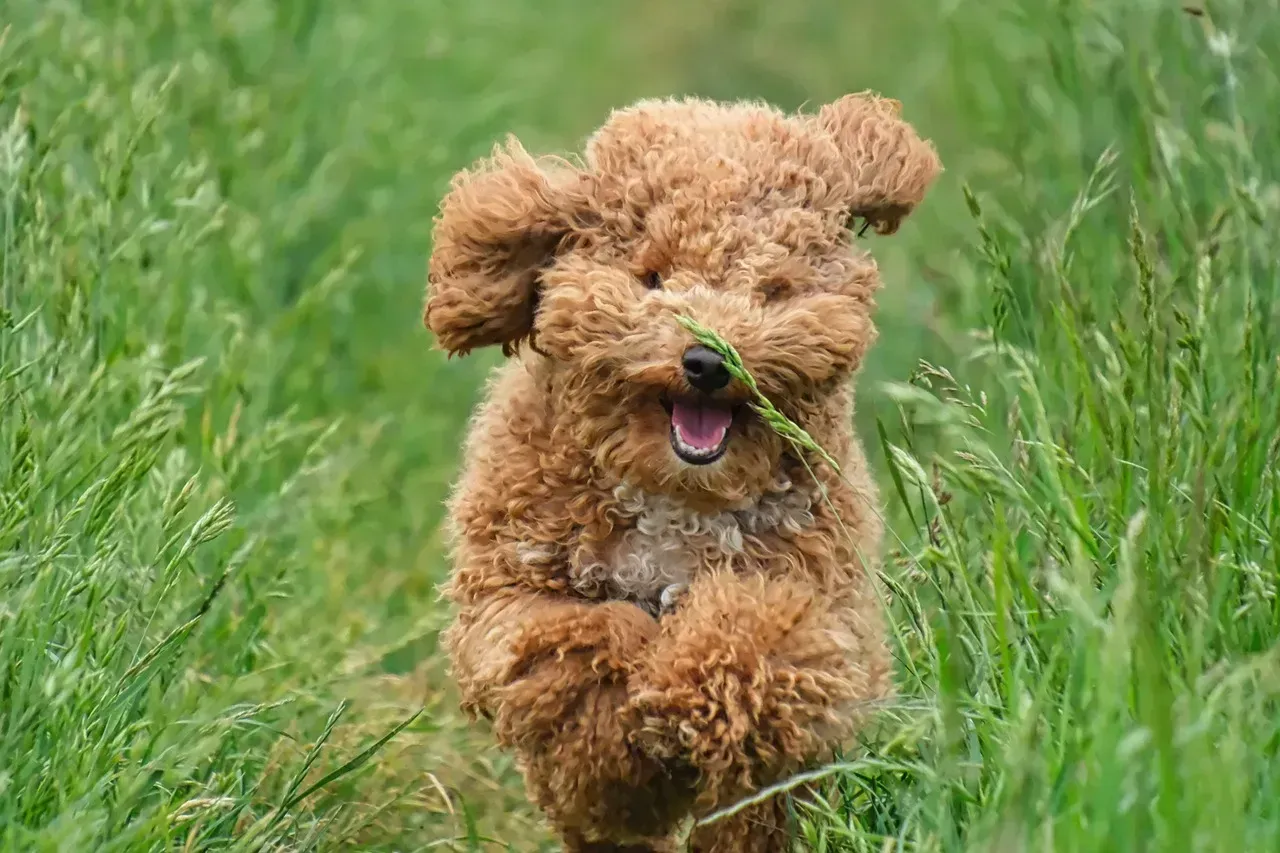
Poodles’ keen intelligence and sensitivity make them prone to separation anxiety when left alone for long periods. They are happiest when involved in their owner’s daily activities and thrive on mental and physical stimulation, and may become anxious and exhibit excessive barking or destructive chewing when isolated. This applies across all size varieties, from Standard to Miniature to Toy.
The Poodle is often said to be more keen on humans than other dogs, and blessed with a gentle temperament and bred to be a companion dog, they crave attention and human company. The Toy Poodle is the smallest of the Poodles and probably the softest in temperament. Bred solely as companion dogs, they do not fare well when left alone for long periods as they desire regular human interaction, and their intelligence makes them acutely aware of your absence and prone to anxiety-driven behaviors.
10. Beagle

Beagles were meticulously developed for cooperative rabbit and hare hunting, working in tight packs where success depended on synchronized movement and constant auditory contact. This selective breeding shaped their neurological wiring in profound ways, and where breeds like terriers or livestock guardians developed self-sufficiency, Beagles evolved to find safety and purpose in proximity to pack members.
Beagles are hunting dogs with a strong pack instinct and they’re simply not built for being alone. This specific breed is both active when young, very driven by scent, and prone to loneliness, which can cause destructive behaviors when they’re home alone. Due to being bred as a pack dog who is superbly loyal to their human friends, the Beagle doesn’t always cope well with long periods of isolation and can feel stressed and respond with anxiety.
11. Soft-Coated Wheaten Terrier
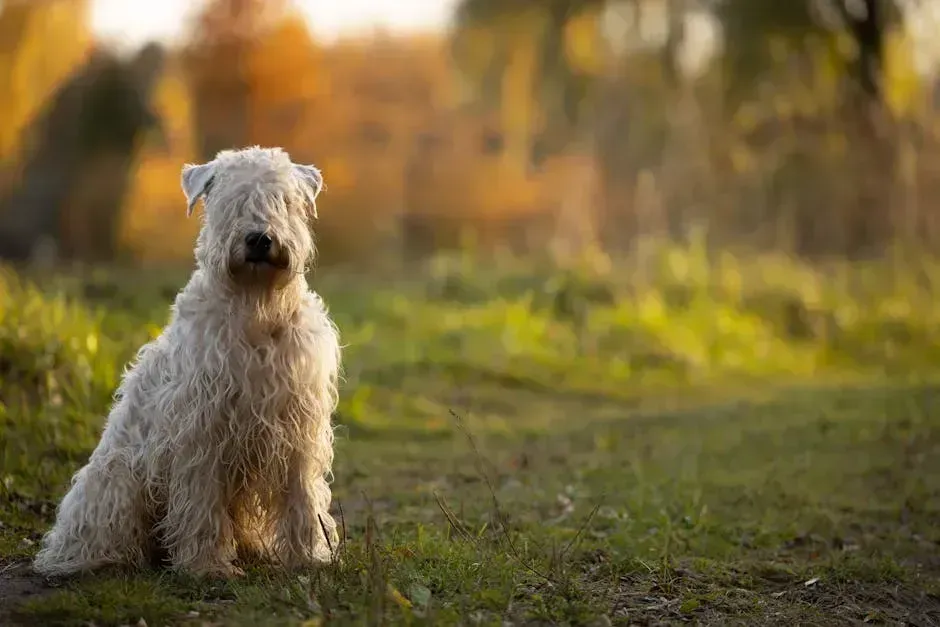
Separation-related behavior was most common in mixed breed dogs and Wheaten Terriers specifically, with Wheaten Terriers being likely to vocalize, salivate, or pant when left alone. That finding came from a large-scale study of over 13,000 pet dogs, which makes the Wheaten’s ranking among purebreds particularly notable. It’s one of the more surprising entries on this list for anyone unfamiliar with the breed.
The Soft-Coated Wheaten Terrier is prized for its soft, silky, wheat-colored coat and has been known for more than 200 years in Ireland as a versatile farm dog, controlling vermin, herding sheep, and hunting otters and badgers. Because the Wheaten is a very sociable dog, they need a lot of companionship, and if left alone daily for too long, they are at risk for developing separation anxiety, with destructive chewing and excessive barking being common results.
12. Boxer

Boxers thrive on human company, so if they are alone or get bored, they can develop problematic habits such as chewing furniture and nuisance barking. This is a breed that is prone to claustrophobia, so giving your Boxer plenty of space while ensuring they don’t feel confined is essential. That combination of social need and spatial sensitivity makes the Boxer’s alone time experience especially uncomfortable.
Boxers thrive on human company, and if they are alone or get bored, they can develop problematic habits such as chewing furniture and nuisance barking. This is a breed prone to claustrophobia, so giving them plenty of space is important, though not so much space that they end up pacing around the whole house looking for their humans. It’s a delicate balance that reflects just how emotionally tuned-in this breed really is.
What’s worth remembering across all twelve of these breeds is that when a dog is highly attached, their entire sense of security is tied to the physical presence of their owner, and the resulting panic is a physiological response, not a behavioral choice. If left untreated, separation anxiety in dogs will likely become worse as time goes on, which is why finding effective treatment at the first sign of separation anxiety matters. Knowing your breed’s tendencies isn’t a reason to avoid them. It’s a reason to go in prepared, consistent, and patient.