
There’s a familiar scene that plays out every spring at garden centers across the country. Homeowners walk the aisles, charmed by glossy catalog photos, lush foliage, and promises of fast, easy growth. They buy the plant, take it home, and feel genuinely satisfied – at least for a season or two.
There are at least 5,000 plant species currently identified as invasive in the US, and over two thirds of them were introduced to this continent not for food, medicine, or commercial value, but simply because somebody thought they made pretty garden plants. The regret tends to arrive quietly, then all at once. Here are eight plants that experienced nursery workers consistently flag as purchases homeowners come to deeply wish they’d never made.
1. English Ivy (Hedera helix)
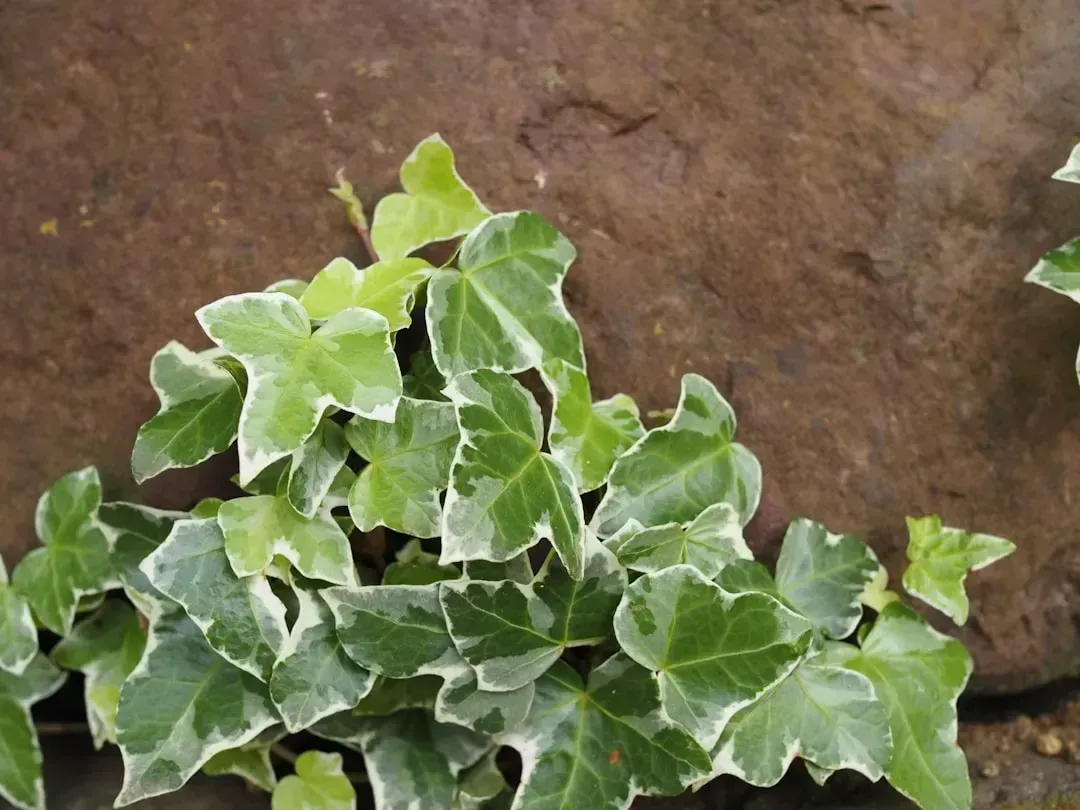
Long valued as a low-maintenance and attractive ground cover, English ivy grows quickly, thrives in a wide range of conditions, stays green through winter, and adds a sense of elegance to landscapes. That appeal is real. The problem comes later, when the vine starts behaving like it owns the place.
Its vine roots secrete a glue-like substance that allows it to cling tightly to bricks, stone, trees, and other surfaces. On buildings, ivy traps moisture, loosens masonry, and accelerates structural decay. English ivy costs American homeowners millions of dollars in tree and building damage every year, but is still sold legally in every state but Oregon. English ivy might seem like a cost-effective way to fill space with greenery, but it is very costly and labor-intensive to remove.
2. Chinese Wisteria (Wisteria sinensis)
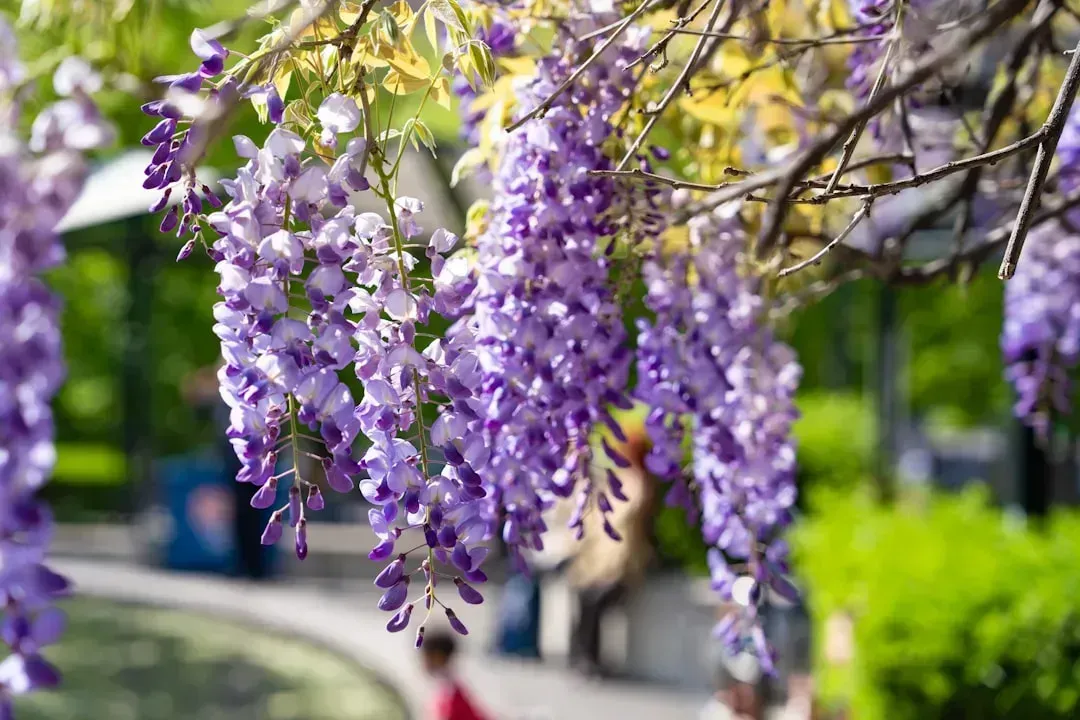
Its gorgeous purple or pink flowering vines are why nurseries recommend it as an ornamental – and we have to admit, it’s stunning. Few plants make a more dramatic first impression. The trouble is that the show lasts only weeks, and the maintenance battle lasts for years.
Many homeowners have watched in dismay as their beautiful wisteria arbor became a maintenance nightmare requiring constant pruning and control efforts. The brief flowering period, while admittedly spectacular, hardly justifies the year-round struggle to keep this plant from taking over entire properties and damaging valuable structures. Wisterias spread rapidly and outcompete other species, and it is especially problematic in forested areas and capable of killing young trees. American wisteria is a far safer native alternative.
3. Bradford Pear (Pyrus calleryana ‘Bradford’)
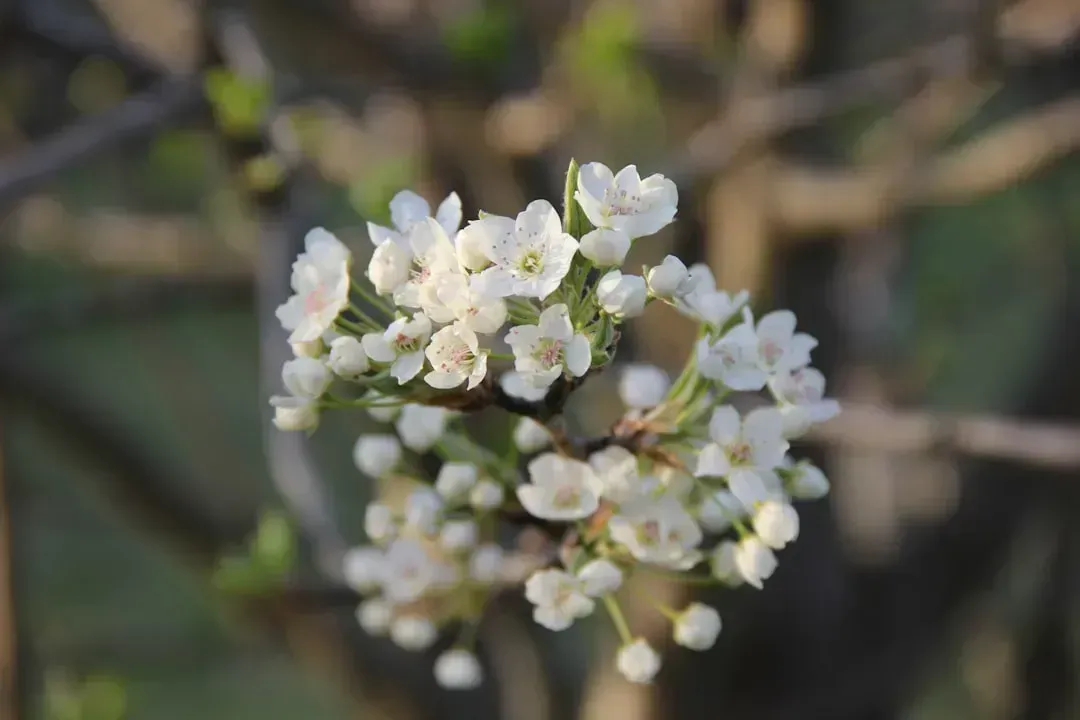
Back in the 1960s and 1970s, nurseries and landscapers were buzzing about a tree that seemed too good to be true. The Bradford pear shot up fast, sometimes growing three to five feet in a single year. For developers building new subdivisions, that kind of speed was a major selling point. Homeowners loved the look of those bright white blossoms that appeared every spring.
The Bradford cultivar is extremely susceptible to damage from storms due to branches having narrow crotch angles, and these trees will also split under their own weight after 15 to 20 years of growth. Those pretty white flowers come with a horrible surprise – they smell like rotting fish. The putrid odor can make outdoor activities unbearable for weeks during blooming season. Due to these concerns, sales of Bradford pears are now illegal in Ohio, Pennsylvania, and South Carolina.
4. Running Bamboo (Phyllostachys spp.)
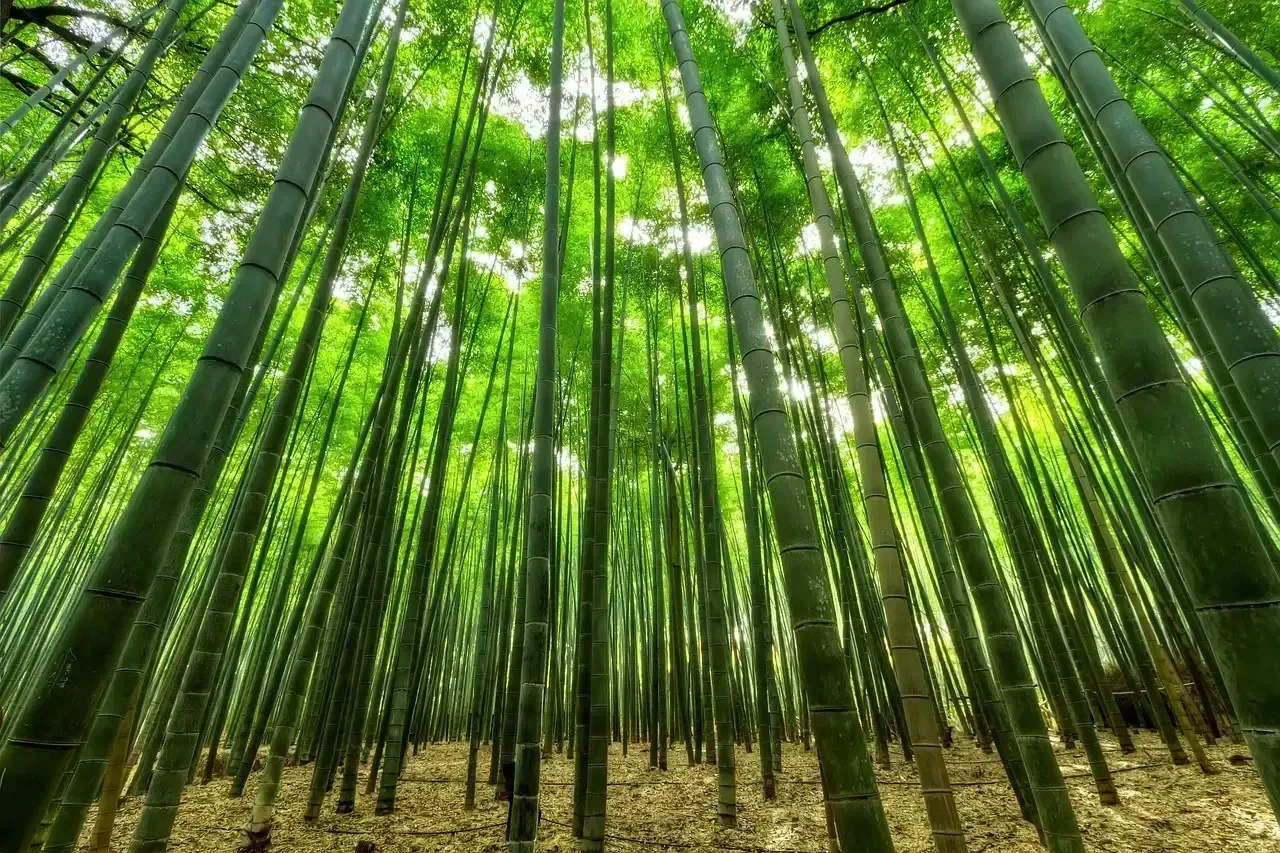
Exotic appearance and fast growth tempted many homeowners to plant running bamboo for privacy screens and Asian-inspired garden designs. The tall stalks and rustling leaves created beautiful effects that seemed perfect for adding tropical flair to ordinary suburban landscapes. It photographs beautifully and grows almost instantly. That’s precisely the trap.
Running bamboo spreads through underground rhizomes that travel surprising distances, popping up in unexpected places like neighbors’ yards and driveways. These rhizomes are incredibly strong and can crack concrete, damage underground pipes, and push through asphalt. Once established, running bamboo becomes nearly impossible to eliminate because any rhizome fragments left behind will regenerate into new aggressive growth. New Jersey’s Invasive Species Management Act now outlaws the sale and spread of running bamboo, along with nearly 30 other invasive species, throughout the state.
5. Burning Bush (Euonymus alatus)
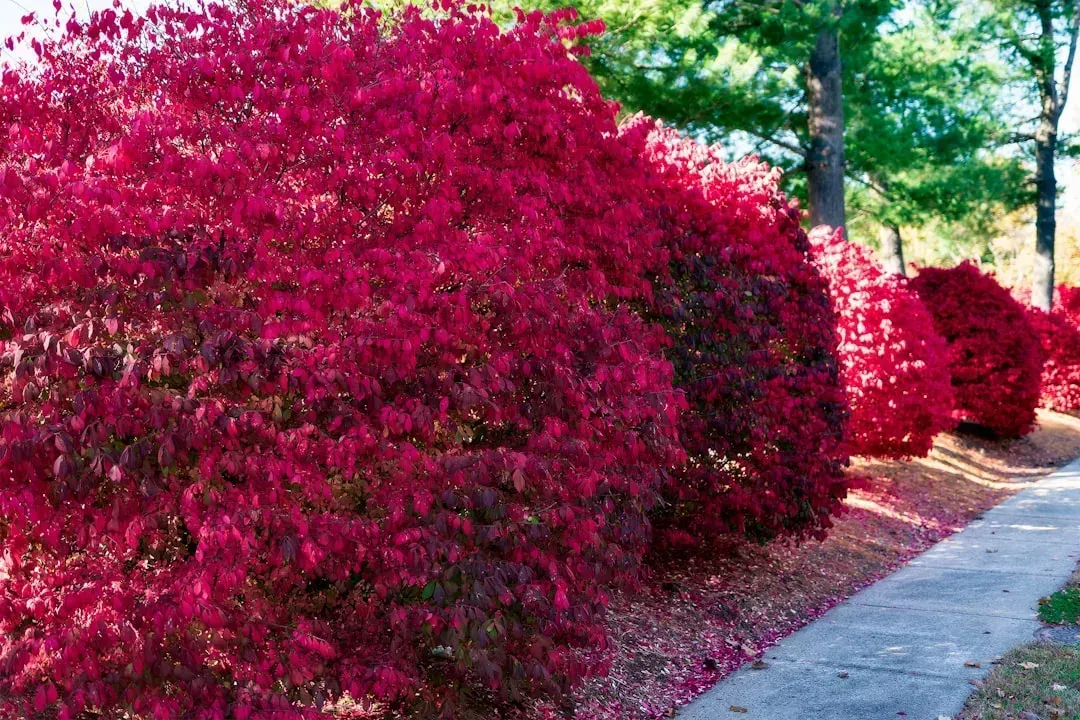
Brilliant red fall color makes burning bush a popular choice for landscaping projects. Garden centers prominently display these attractive shrubs, and many homeowners plant them for stunning autumn displays. The compact growth habit and easy maintenance seem to make burning bush an ideal landscape plant. It’s one of those plants that looks like a safe, classic choice.
Birds feast on the small fruits that burning bush produces and spread seeds throughout natural areas. Seedlings establish easily in forests, where they grow into dense shrubs that outcompete native vegetation. The plants tolerate shade well, allowing them to invade undisturbed woodland areas where few other invasive shrubs can survive. Conservation areas throughout the region report increasing problems with burning bush invasions. People can’t resist its flaming red fall foliage, even though it is on the invasive species list in many states.
6. Japanese Honeysuckle (Lonicera japonica)
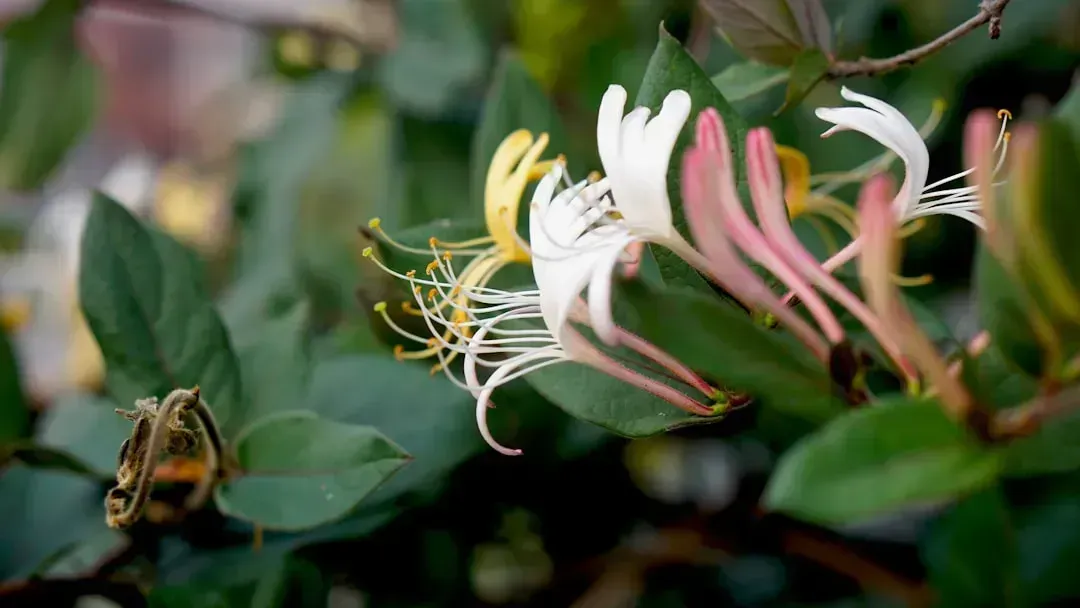
A fast-growing evergreen climber with a sweet fragrance, Japanese honeysuckle is native to East Asia. It spreads rapidly, growing into dense mats which smother native plants and shrubs, out-competing them for sunlight, nutrients, and space. It’s a tough plant that can thrive in a wide range of conditions and climates, which makes it difficult to control.
The sweet scent and delicate flowers make it extremely hard to resist at a nursery. Once it’s in the ground, the charm fades quickly. Homeowners report spending entire weekends pulling vines from trees, only to find new growth emerging within weeks. The roots spread underground, sending up shoots in unexpected places throughout the yard and into neighboring properties. Control requires persistent cutting and careful herbicide application, often repeated over multiple growing seasons.
7. Mimosa Tree (Albizia julibrissin)
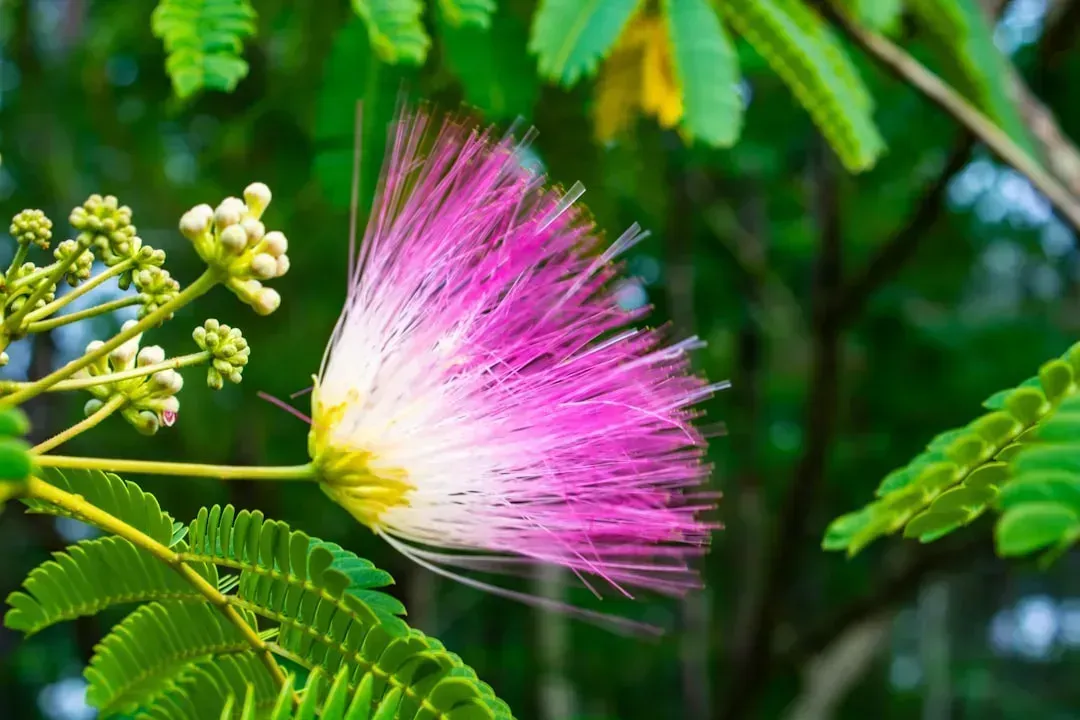
With pink puffball flowers and feathery leaves, it’s clear why botanists were excited to bring the mimosa tree to America. In its home region through the Middle East and Asia, it’s a common ornamental tree in parks both for its beauty and ability to grow quickly, providing nice shade. Almost no flowering tree looks more exotic or welcoming in a yard.
Just one mimosa tree can produce and spread roughly 8,000 seeds per year. In just two centuries, this tree has spread throughout most of the southern United States. Its fast growth quickly shades out native plants underneath. Unfortunately, the native plants that struggle to grow under the tree are often vital host plants for caterpillars and other insects. When these native plants struggle, the whole food web struggles, harming birds who feed caterpillars to their young and then the predators who feed on those bird populations.
8. Chameleon Plant (Houttuynia cordata)
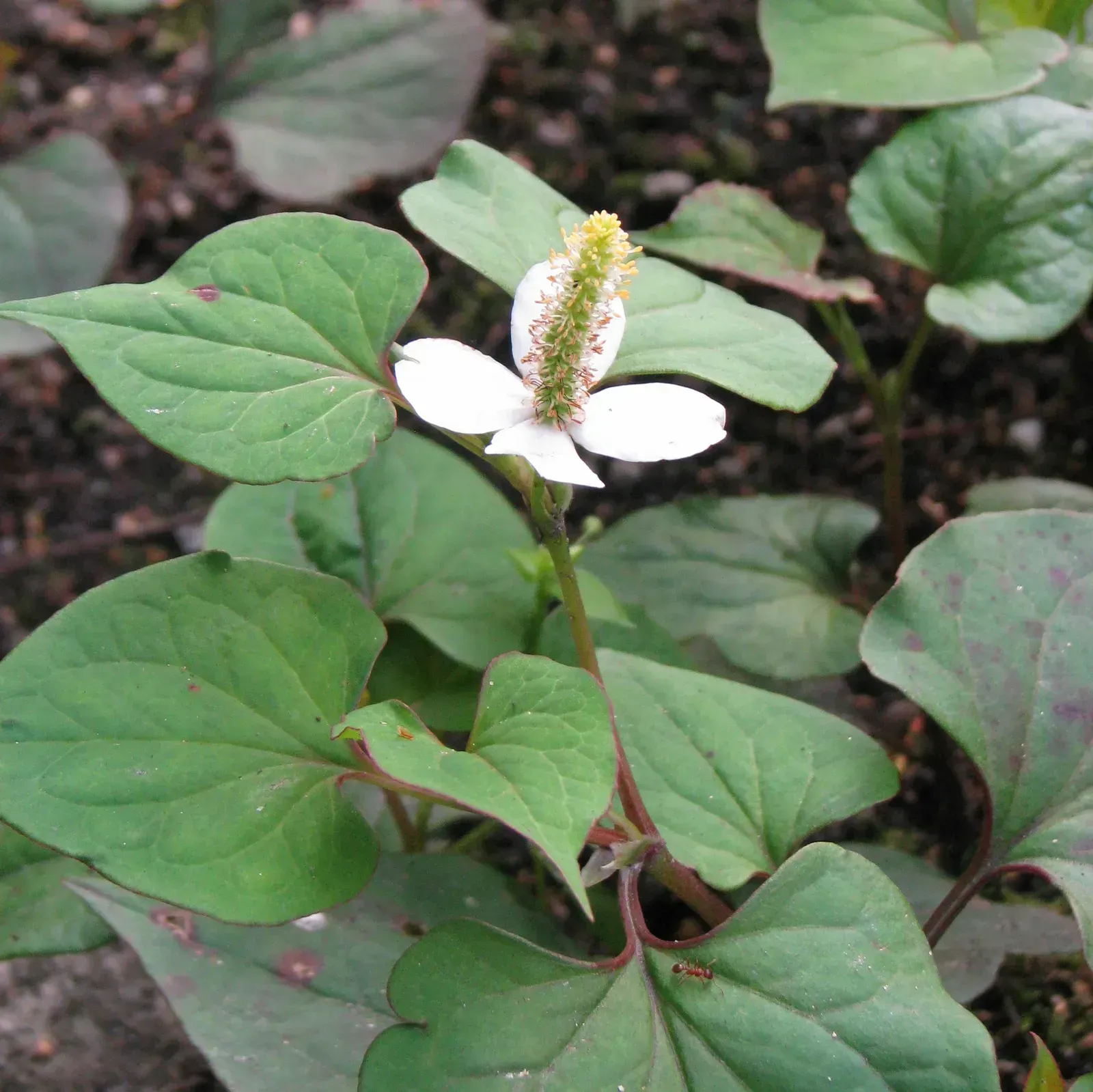
The chameleon plant is native to Southeast Asia and has very attractive, multi-colored leaves – and like many ground covers, spreads by underground rhizomes, fast. Nurseries often display it in tidy pots where its variegated leaves of red, yellow, and green look polished and well-behaved. That presentation is somewhat misleading.
If you try to weed it out, those brittle rhizomes break, and any scrap left behind will just resprout, similar to bishop’s weed. It grows in sun or shade and likes moist soil. It’s another beautiful foliage plant that tempts buyers, but it will take over a garden and is tough to eradicate. Native alternatives like heuchera or tiarella offer similar visual interest without the years of frustrated digging that typically follow a chameleon plant purchase.
The common thread running through all eight of these plants is simple: they were sold as solutions and became problems. Invasive plants cost the US an estimated $142 billion annually, a figure that includes the cumulative effort of homeowners, municipalities, and land managers dealing with species that were once celebrated in garden catalogs. Spending a few minutes researching a plant before buying it remains one of the most useful things a homeowner can do – not just for their own yard, but for the landscape around it.