
Most people think of gardening as a peaceful, law-abiding hobby. You dig, you plant, you water. What could go wrong? Quite a lot, it turns out, if you happen to be growing one of the plants on this list. State agriculture departments and environmental agencies across the United States have tightened restrictions on certain invasive species, and some of these plants still show up at garden centers, in old landscaping, or in well-meaning seed swaps.
Once they spread, they bulldoze native ecosystems, clog waterways, and cost millions in control efforts, and several states now fine property owners who continue to grow or sell them. Some of these plants look gorgeous. A few were sold openly in garden centers not long ago. Here are seven that could quietly put you on the wrong side of local law.
1. Japanese Knotweed (Fallopia japonica)
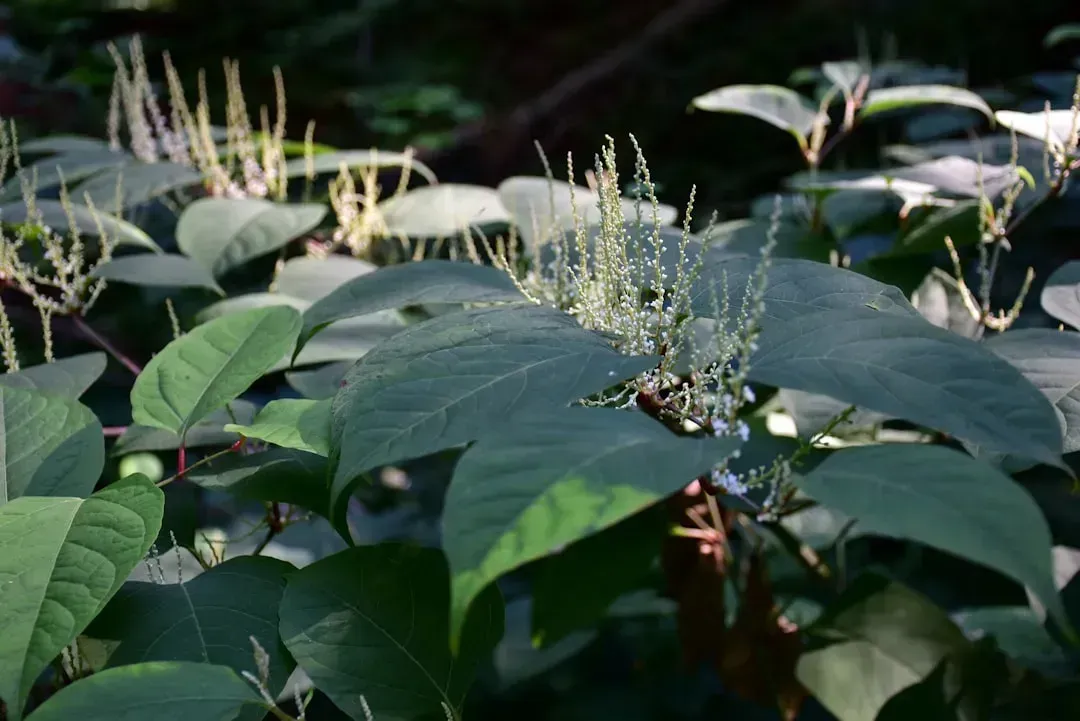
Japanese knotweed has a reputation that strikes fear into gardeners, real estate agents, and city planners alike. With bamboo-like stems and heart-shaped leaves, it looks ornamental and tidy during early growth stages. Unfortunately, this plant spreads through underground rhizomes that can crack concrete, damage foundations, and burst through pavement. It is, in a very real sense, a structural threat dressed up as a garden plant.
States such as New York and Pennsylvania prohibit its sale and distribution, and some municipalities fine property owners who allow it to spread into neighboring properties or waterways. In the UK, the stakes are even higher. Property owners failing to control Japanese knotweed can be prosecuted and fined up to £2,500 under anti-social behaviour laws. Fragments as small as half an inch can root and establish a new colony, and professional treatment using approved herbicides over multiple growing seasons is the only reliably effective approach, according to USDA APHIS guidance.
2. Giant Hogweed (Heracleum mantegazzianum)
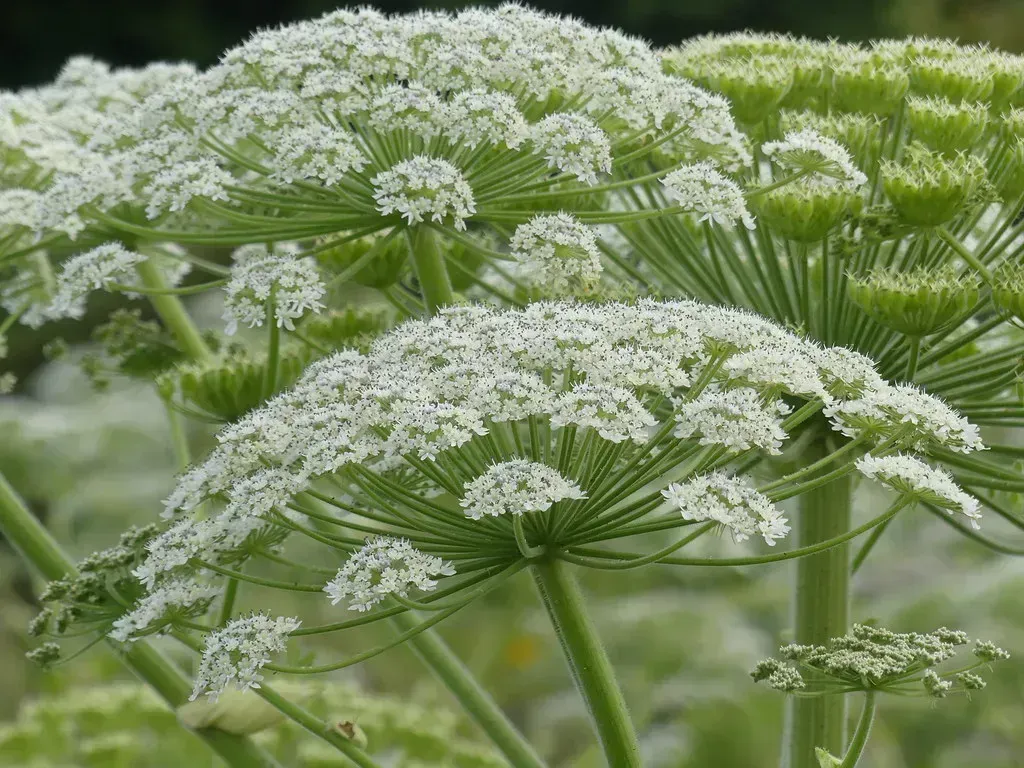
Giant hogweed looks dramatic with its towering stems and umbrella-shaped flower clusters, and it also poses serious health risks. States including New York, Ohio, and Virginia classify it as a noxious weed and actively track infestations. It can grow to a height of several meters and is easily mistaken for something harmless at first glance, which makes it especially dangerous.
Giant hogweed produces a clear sap that causes severe phototoxic burns, including blisters, scarring, and, in cases of eye exposure, permanent blindness when skin or eyes make contact and are then exposed to sunlight. State agriculture officials actively monitor for this species and will issue fines if they discover it on your property. Handling it without protective gear is dangerous, and cultivating it can lead to fines or mandated removal. What makes it extra tricky is how similar it looks to harmless plants like Queen Anne’s lace.
3. Kudzu (Pueraria montana)
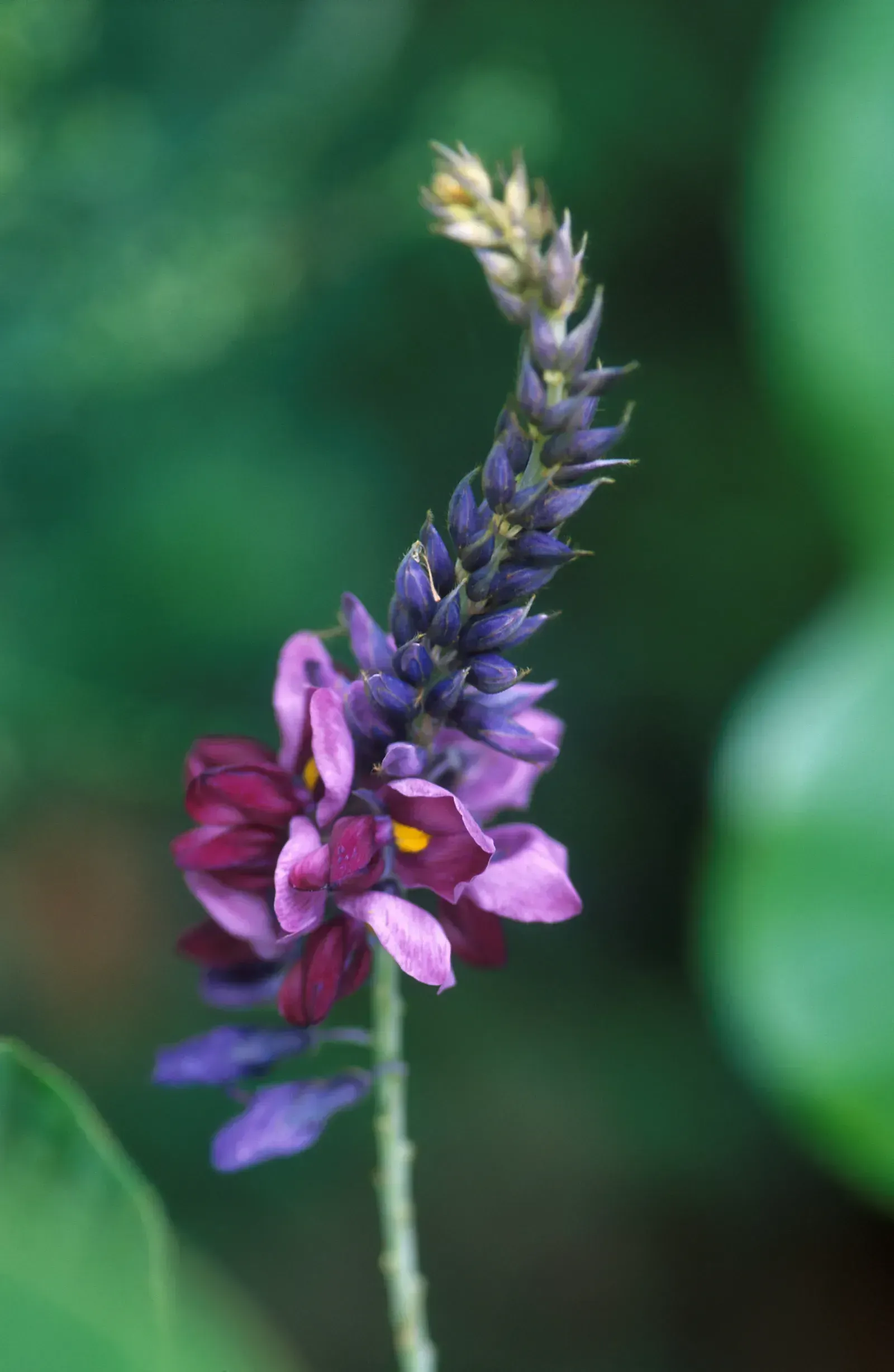
Originally introduced to the U.S. for erosion control, this fast-growing vine now blankets roadsides, trees, abandoned buildings, and entire landscapes across the southern and southeastern states. It grows so aggressively that it can smother native plants, collapse structures, and choke forests by blocking sunlight. In the Southeast, it has become something close to a symbol of what happens when an invasive plant goes fully unchecked.
Several states classify kudzu as a noxious weed, meaning planting or transporting it can trigger fines or penalties. The plant grows up to a foot per day during peak season, covering trees, buildings, and power lines. Many counties have ordinances specifically prohibiting kudzu cultivation because of the damage it causes to native ecosystems, and removal costs thousands of dollars once established. Getting rid of it after the fact is not a weekend project.
4. Purple Loosestrife (Lythrum salicaria)
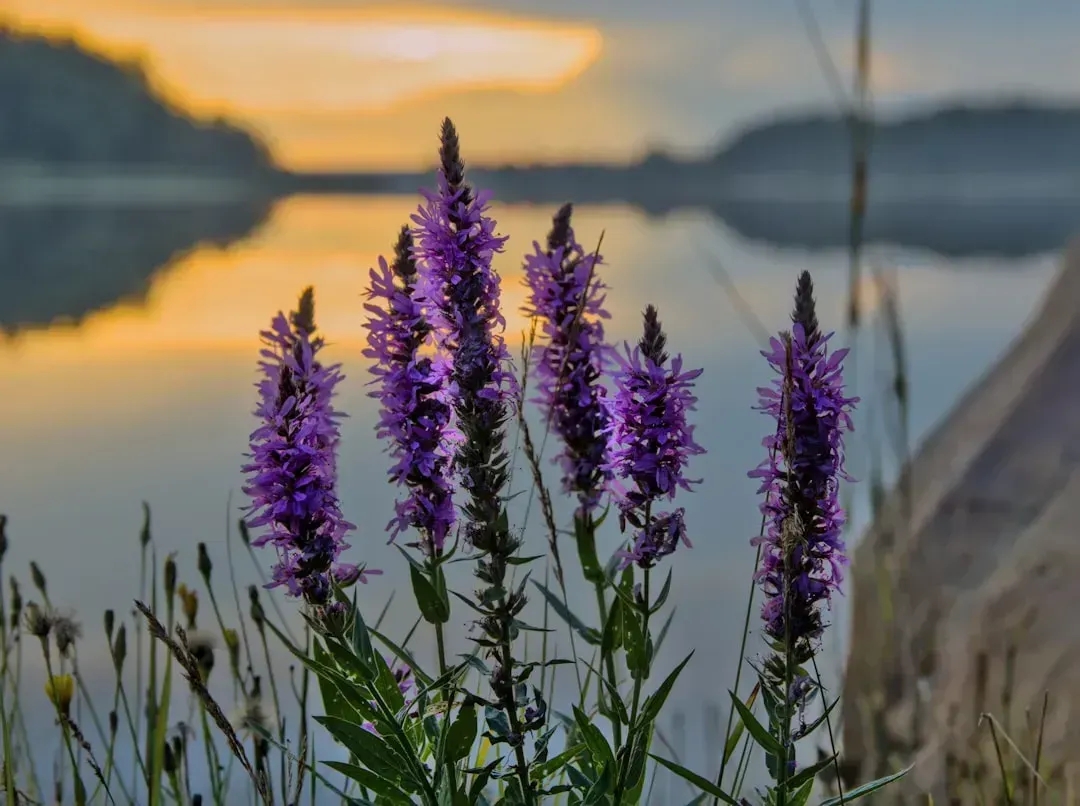
Purple loosestrife produces tall spikes of vibrant purple flowers that attract attention from a distance. Despite its beauty, more than half of U.S. states list it as invasive or noxious, and several restrict its sale. Once established in wetlands, purple loosestrife forms dense stands that displace native cattails and sedges. It’s one of those plants that gardeners have historically loved and ecologists have always feared.
This species invades wetlands, marshes, and shorelines, pushing out native plants that wildlife depend on. Many states now list purple loosestrife as a prohibited or restricted species, making it illegal to plant or distribute. Once established, it forms dense stands that reduce biodiversity and alter water flow. This plant is so restricted in some areas that one can be fined if one attempts to grow it.
5. Tree of Heaven (Ailanthus altissima)
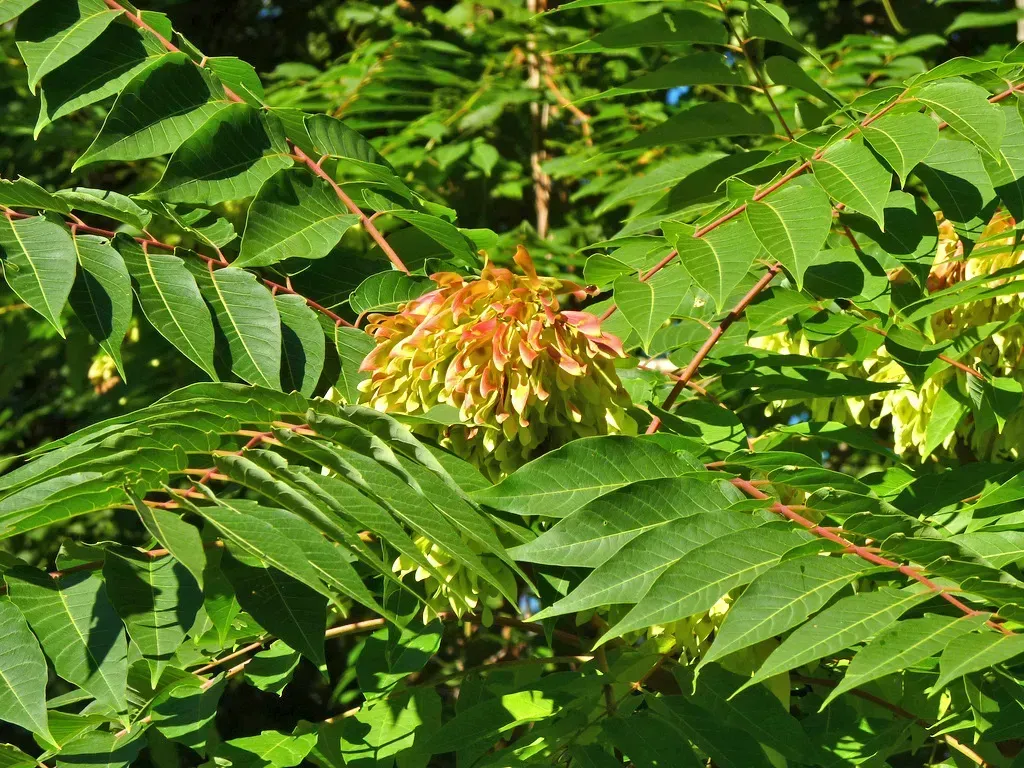
Tree of Heaven earned popularity because it grows quickly in poor soil and tolerates urban conditions. That resilience is precisely what makes it a problem. It also spreads aggressively and appears on noxious weed lists in states like Pennsylvania and Ohio. The tree produces thousands of seeds and releases chemicals into the soil that inhibit other plants. It also serves as a preferred host for the spotted lanternfly, an invasive insect that damages crops and hardwood trees.
Tree of Heaven presents a cautionary tale in non-native species introduction. Despite its attractive rapid growth, this tree poses significant environmental threats through its aggressive spreading mechanisms. If you identify Tree of Heaven on your property, remove young saplings by pulling them up entirely, roots and all. Larger trees require careful management, often with targeted herbicide application to prevent resprouting. Waiting too long makes the situation considerably more difficult and potentially costly.
6. Running Bamboo (Phyllostachys spp.)
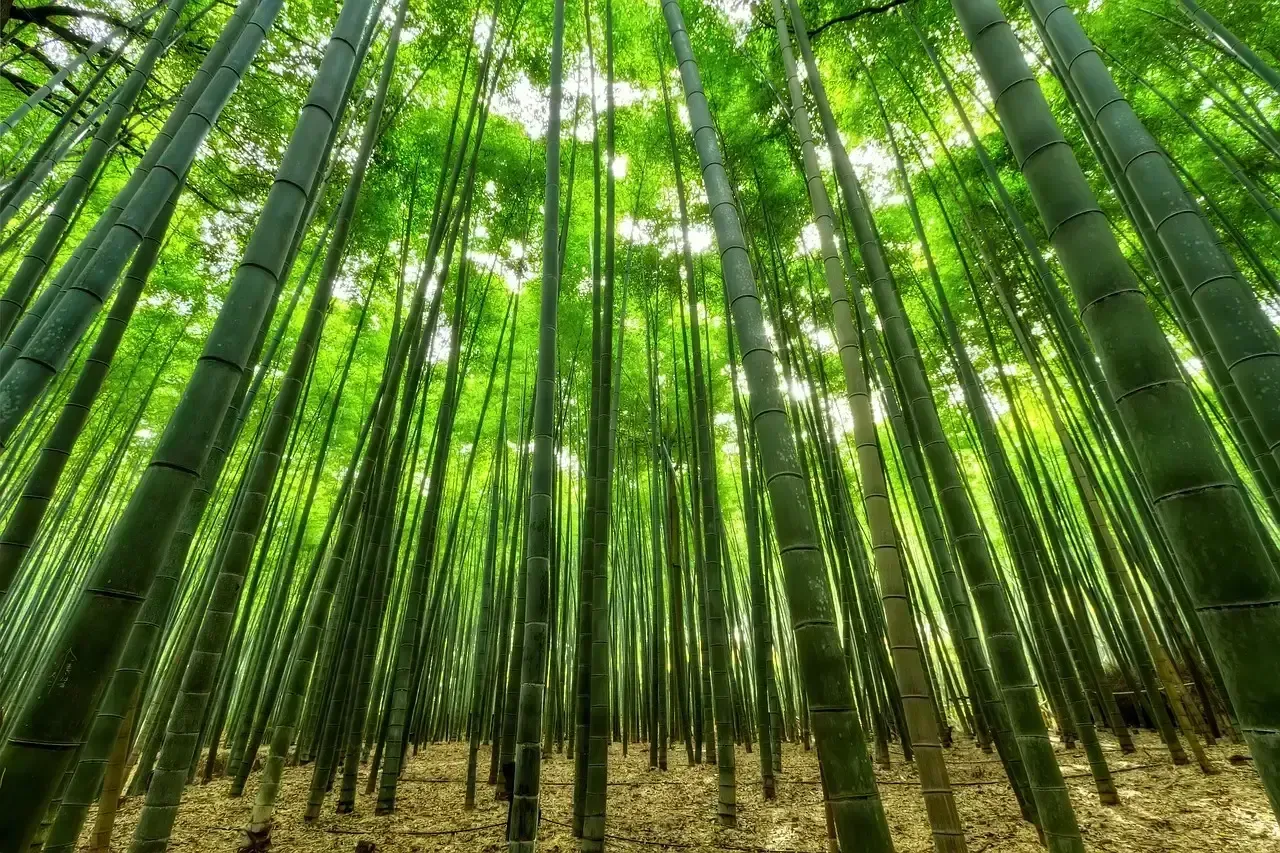
Running bamboo is a fast-growing, invasive grass with a complex, horizontal root system that aggressively spreads underground, as much as 15 feet per year. Once planted, running bamboo can eventually take over yards and travel across property lines, creating issues for adjacent property owners and local jurisdictions. That charming privacy screen can quietly become your neighbor’s legal complaint.
In 2026, New Jersey adopted the Invasive Species Management Act, which formally classifies running bamboo as a prohibited invasive species at the state level. While this state law does not replace or override local bamboo ordinances, it provides new context for how municipalities, HOAs, real estate professionals, and homeowners view bamboo-related issues. Local bamboo ordinances remain the primary mechanism for enforcement, fines, and compliance requirements. In some communities, homeowners with bamboo can be fined $350 per week and face up to 15 days in jail.
7. English Ivy (Hedera helix)
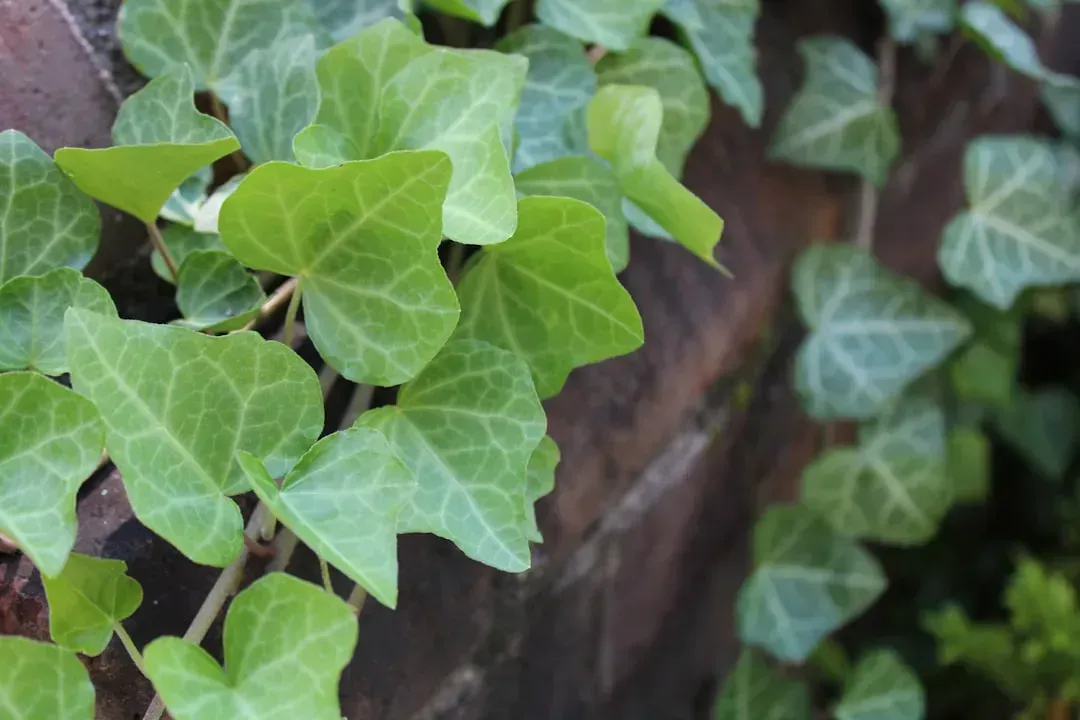
English ivy looks romantic crawling up brick walls and draping over fences. Landscapers once praised it as a low-maintenance groundcover. States such as Oregon and Washington classify it as a noxious weed, and some counties fine property owners who allow it to spread unchecked. Its image as a classic cottage garden plant has given it a kind of undeserved innocence for years.
The plant climbs buildings and trees; its dense foliage blocks sunlight, thereby limiting photosynthesis of trees. By stripping away their bark and stopping development, it can gradually weaken and even destroy trees. Although growing it is not banned in all areas, its aggressive proliferation damages trees, buildings, and other plants, making it a regulated species in some places. The lesson here, as with so many plants on this list, is that something pretty and familiar is not always something safe to plant without checking local rules first.
Plant regulations can vary significantly between states, counties, and even individual municipalities. State plant laws exist for a reason, often shaped by decades of costly cleanup efforts and ecological damage. Before planting anything new, it pays to check your state’s invasive species list and understand the rules that apply where you live. A quick call to your local cooperative extension office takes ten minutes. Paying to remove an established invasive plant, or facing a fine for allowing one to spread, can cost far more than that.