
Moving day brings its own kind of chaos. Between packing tape, bubble wrap, and a hundred decisions made in a hurry, it’s easy to toss something into a box without thinking twice about whether it should go on the truck at all. Most people assume that if it fits, it ships. That assumption can be genuinely dangerous.
Moving companies operate under strict federal regulations enforced by the Department of Transportation and the Federal Motor Carrier Safety Administration, and those agencies mandate exactly what can and cannot be transported on commercial moving trucks. The rules aren’t bureaucratic noise. They exist because a sealed, unventilated moving trailer in summer heat is an environment where the wrong item can cause catastrophic damage, serious injury, or worse. Here are seven things that regularly end up on trucks despite being explicitly prohibited.
1. Propane Tanks (Even “Empty” Ones)
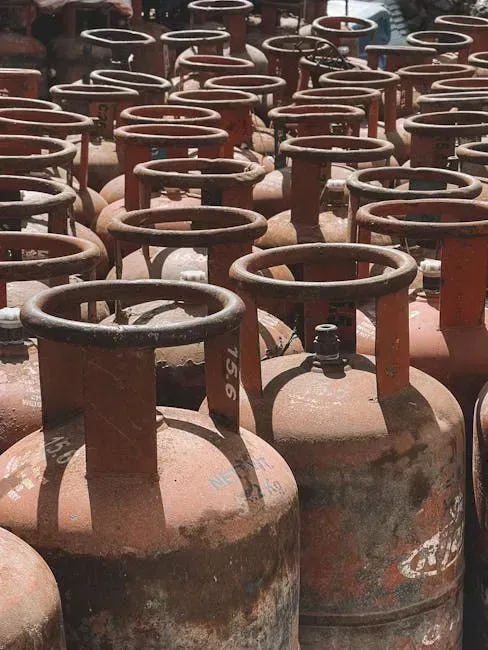
Movers cannot transport propane tanks even if they appear empty, because tanks retain flammable gas residue and can explode under pressure or heat. This catches a lot of people off guard. They disconnect the tank from the grill, assume it’s basically empty, and slide it into the truck without a second thought. The residue left inside tells a different story.
Propane tanks can explode in hot trucks. The cargo area of a moving truck is unventilated and uninsulated. The cargo area of a standard moving truck is not climate-controlled, and interior temperatures routinely reach 120 to 140 degrees Fahrenheit in summer, conditions that create serious risk regardless of how well an item is packed. The safest option is to disconnect propane tanks from grills and leave them behind for the new homeowner, exchange them at a local retailer, or properly dispose of them at hazardous waste facilities.
2. Gasoline and Fuel Containers

Gasoline vapors can ignite from static electricity. People pack gas cans for lawn mowers, generators, and boats all the time, figuring a little leftover fuel isn’t a big deal. In reality, it takes almost nothing to create an ignition source inside a closed truck. Vapors accumulate, pressure builds, and a single spark from shifting cargo can be enough.
Gasoline, propane, lighter fluid, paint thinners, aerosols, corrosive cleaners, and pool chemicals are all prohibited on long-distance moving trucks. Lawn mowers, snow blowers, generators, and other small engine equipment can only be moved after proper preparation, which includes draining all gasoline from fuel tanks at least 24 hours before moving and running engines until they die to burn remaining fuel. Even then, the empty can itself should not travel in the truck’s enclosed cargo area.
3. Household Cleaning Chemicals and Corrosives

Regular household cleaning products can be toxic, flammable, or hazardous. These products often contain components that may trigger dangerous chemical reactions, posing risks from temperature or pressure changes inside a truck. Bleach, ammonia-based cleaners, oven spray, and drain openers are among the most commonly overlooked offenders. Most people see them as mundane items sitting under the sink, not as chemical hazards.
Movers will not move opened or partially used cleaning supplies because they contain hazardous chemicals that could leak, corrode, or combust during transport. Unopened, factory-sealed cleaning products in original packaging may be accepted for local moves under 50 miles, but most movers prohibit all cleaning chemicals. The safest move is to dispose of or donate opened products before moving day.
4. Large Lithium-Ion Batteries
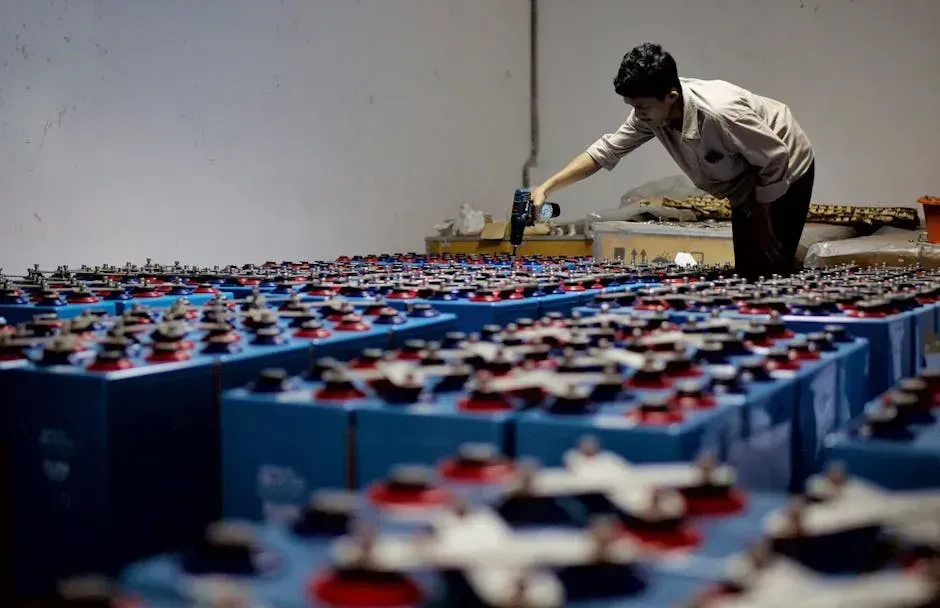
High-voltage lithium batteries are prohibited on moving trucks due to thermal runaway risk, a chain reaction that causes batteries to overheat, catch fire, and potentially explode. This includes e-bike batteries, power tool battery packs, hoverboard batteries, and portable power stations. This category has become significantly more relevant in recent years as these devices have entered millions of homes. Many people own multiple high-capacity batteries without thinking of them as hazardous materials.
Lithium battery fires burn at extreme temperatures, over 1,000 degrees Fahrenheit, hot enough to melt metal truck components. They cannot be easily extinguished, water can make lithium fires worse, and they release toxic gases harmful to anyone nearby. Perhaps most alarmingly, lithium fires can reignite hours or days after appearing extinguished. Standard electronics with built-in batteries such as laptops and phones are generally acceptable, but loose or high-capacity batteries must be removed and transported separately.
5. Firearms and Ammunition

Firearms and ammunition come with complex legal requirements that vary by state. Some moving companies will transport certain firearms under specific conditions, but many will not move them at all, especially loaded guns or loose ammunition. Even in cases where a carrier technically allows an unloaded, properly secured firearm, the legal exposure for both the customer and the company grows significantly over a long-distance interstate move.
Ammunition is considered hazardous and is never allowed on moving trucks. Some movers will not transport any type of firearms or ammunition due to extreme safety risks and high legal liability concerns. Traveling with firearms in your own vehicle, secured and unloaded according to state law, is the only reliably safe and legal approach. Packing them with the rest of your household goods invites serious consequences at state lines and beyond.
6. Perishable Food

Food may not seem dangerous, but anything that is perishable is not allowed in long-distance moving trucks. Perishable items can spoil, rot, or attract pests if left unrefrigerated for extended periods. Even sealed containers can create major problems. Movers cannot transport these items because they can leak, create odors, or damage other belongings during a long trip. A half-eaten jar of peanut butter or a bag of produce left in a box might seem harmless, but inside a truck hitting 130 degrees, spoilage happens fast.
Interior temperatures routinely reach 120 to 140 degrees Fahrenheit in summer and drop below freezing in winter. Most moving companies decline to load perishable food of any kind for this reason, and for longer moves, the liability exposure from spoiled food contaminating other household goods adds an additional layer of motivation for the restriction. The practical fix is straightforward: eat what you can in the days before the move, donate sealed non-perishables, and leave the rest behind.
7. Pressurized Canisters and Fire Extinguishers
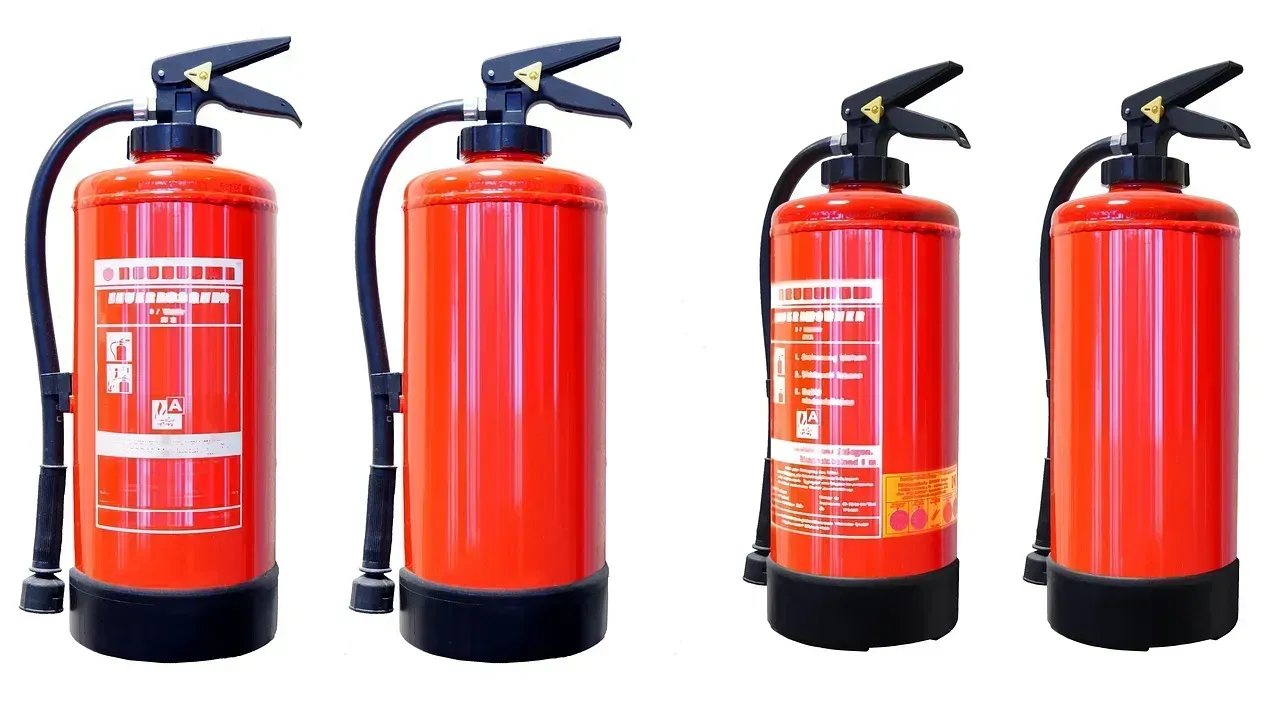
Charged scuba tanks and fire extinguishers are commonly overlooked: both involve pressurized gas that creates explosion risk in the heat of a moving truck and are refused by virtually all carriers. People tend to pack fire extinguishers because they feel responsible and safety-minded, which makes sense. The irony is that an extinguisher under heat stress inside a sealed truck becomes a hazard rather than a safeguard.
Federal DOT regulations prohibit commercial carriers from transporting a defined set of flammable, explosive, corrosive, and pressurized materials in standard moving trucks, which are not equipped with the ventilation, containment, and safety systems required for hazmat transport. Violating hazardous materials regulations can result in fines up to $75,000 per violation for the moving company, along with criminal charges and revocation of their operating license. Aerosol cans fall into a similar category for the same pressure-related reasons, and the list of prohibited aerosols is longer than most people expect, covering everything from spray paint to compressed air canisters used for cleaning electronics.
The common thread across all seven of these items is that they look ordinary. They sit in garages, under kitchen sinks, and in utility closets across the country without anyone giving them much thought. Put them in a hot, sealed trailer traveling hundreds of miles, and the story changes completely. Checking a carrier’s prohibited items list before packing, not on moving day, is the single most practical step that prevents last-minute scrambling, financial liability, and real physical risk.