
There’s a reason experienced cruise staff seem almost psychic. After working on ships where thousands of passengers rotate through every week, they develop an almost automatic ability to read people. They know within minutes who’s sailed before and who’s white-knuckling it through their very first embarkation day.
That silent assessment isn’t unkind. Most crew members genuinely want nervous passengers to have a good time, and spotting anxiety early helps them step in before small stresses spiral. Still, if you’ve ever wondered what the person behind the check-in desk was quietly noticing, here’s an honest look at twelve of the clearest tells.
1. How You Handle Your Documents at Check-In

When travelers aren’t organized and spend extra time rifling through their bags for their cruise tickets, passports, and other items necessary for verification, it affects the flow of traffic at the terminal during check-in. Staff positioned at the check-in counter see this play out multiple times an hour on embarkation day. Fumbling with a backpack or pulling out the wrong document three times in a row is one of the first and clearest first-timer signals.
Veterans almost always walk up with documents already in hand, sometimes held together with a clip or a dedicated travel wallet. You’re expected to be prepared to show your boarding pass and ID to enter the cruise terminal, and seasoned travelers have usually rehearsed the routine so many times it’s second nature. Nervously searching through bags while a line builds up behind you? Staff notice instantly, and usually respond by slowing down their pace to give you more room.
2. Whether You Struggle With Your Luggage

When passengers board, their luggage handling often reveals their travel experience. A seasoned traveler maneuvers bags with ease, while newcomers might struggle. It sounds like a small thing, but it tells the story quickly. Someone wrestling an overpacked suitcase through the gangway, uncertain where to set it down or whether to hand it to a porter, tends to stand out.
Observing how someone deals with their luggage can tell staff a lot about their cruise familiarity. For some, lugging heavy suitcases is akin to a wrestling match, leaving them flustered and tired. Others breeze through, effortlessly gliding with their wheeled companions. It’s a small window into their travel habits. On the practical side, you’ll likely want to hand your bags over to porters, as cabins are often not ready when you board, and you’d be left lugging your heavy suitcases with you for a few hours.
3. The Reaction to Ship Size

Nearly all first-time cruisers on a large mainstream ship are surprised to learn how big vessels are. Many first-time cruisers liken the size and feeling to that of a resort, shopping mall, or even a small floating city. That wide-eyed pause at the top of the gangway, followed by an audible gasp or a sudden stop to look around, is one of the most consistent markers of a first-timer. Staff stationed at the ship’s main atrium see it constantly.
Many first-time cruisers are surprised by the sheer size and spaciousness of large cruise ships. These vessels often feel more like a resort, shopping mall, or even a small floating city. With modern cruise ships designed to have open and bright spaces both indoors and out, it’s unlikely that you’ll feel claustrophobic or trapped on board. The initial overwhelm is perfectly normal, and an attentive crew member will often step in with a quick verbal map of the key areas just to ease the sensory overload.
4. Confusion About the Cruise Card System
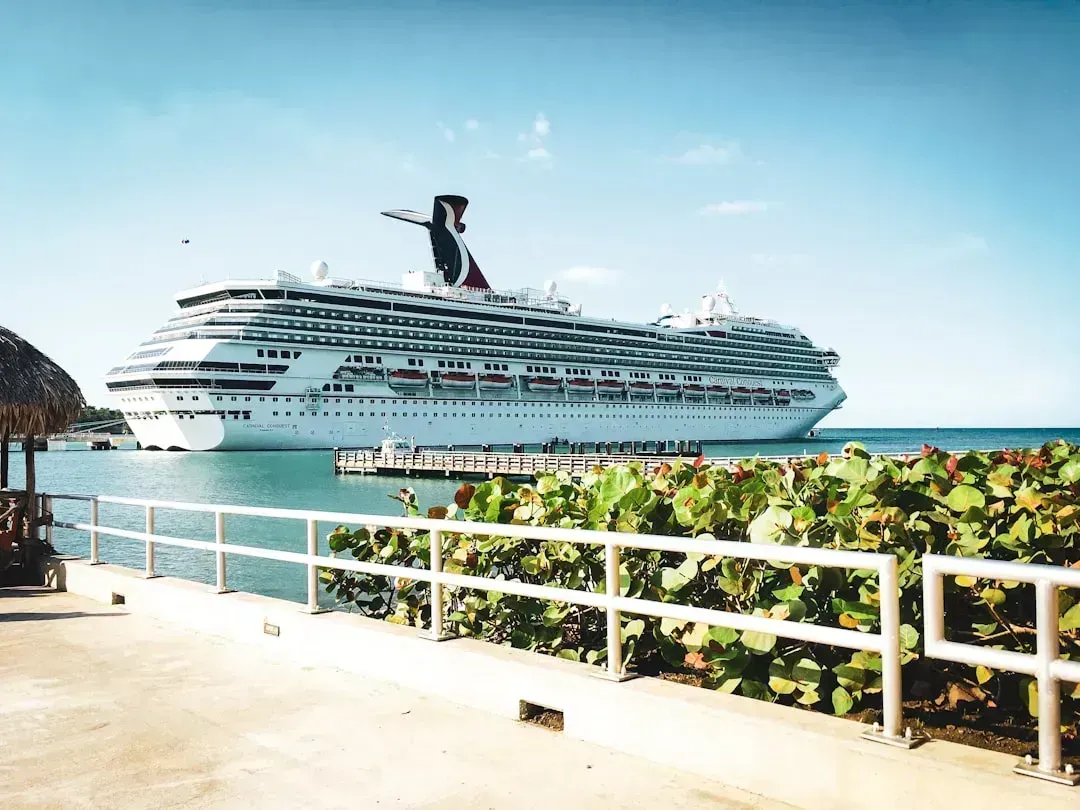
At the time of boarding, you’ll be given a cruise ID card that acts as your onboard ID, cabin key, and charge card for all expenditures. For first-timers, the multi-purpose nature of that single card trips people up more than almost anything else. Crew at the bar, the buffet entrance, and the cabin corridor all notice the passengers who pause, flip the card around, and look genuinely puzzled about what to do with it.
All cruise ships are cashless, so you will need to carry your cruise card with you at all times. Many people purchase lanyards so they can conveniently wear their cruise card. Experienced cruisers pull their card out without hesitation. First-timers sometimes try to pay with cash, reach for their hotel key out of habit, or tap the card on the wrong side of the reader. It’s a small moment, but staff clock it every time.
5. Whether You Know What the Muster Drill Is
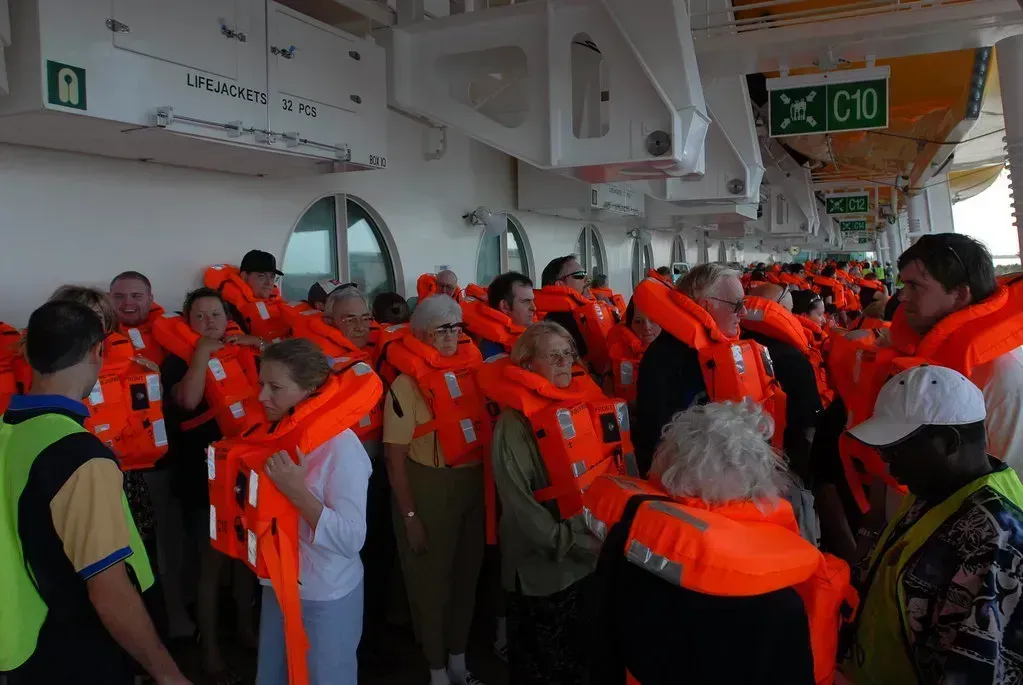
The muster drill is a key part of the embarkation process and is a legal requirement under maritime law. Essentially, you’ll be asked to gather in a specific part of the ship at a certain time, where you’ll be guided through the onboard safety procedures. First-time passengers frequently arrive at the muster station looking visibly unsure of why they’re there or what’s expected of them. Some try to treat it like an optional welcome event they can drift in and out of.
Crew who run safety briefings are trained observers. They watch for passengers who aren’t paying attention, haven’t brought their cabin card, or look around anxiously hoping someone else will explain what’s happening. All passengers are required to attend the safety drill, or muster drill, that is required to take place before departure. Knowing that beforehand and arriving prepared signals a level of readiness that staff genuinely appreciate.
6. How You Navigate the Buffet

Dining habits on a cruise reveal a lot about a passenger’s personality. Some guests meticulously plan each meal, while others embrace spontaneity, exploring every option available. This behavior catches the staff’s keen eye. First-timers at the buffet on embarkation day are easy to spot. They tend to circle the stations two or three times before taking anything, sometimes holding an empty plate for an awkwardly long time while deciding.
For many, the dining room is a place of discovery, where culinary adventures unfold. Staff notice those who eagerly ask about exotic dishes versus those sticking to familiar favorites. There’s nothing wrong with either approach, but standing in the middle of a busy buffet aisle looking paralyzed while others flow around you is one of the clearest indicators that someone hasn’t done this before. Attentive dining staff will often guide you to quieter sections or explain how the layout works.
7. Asking Staff for Things They Could Find Themselves

Passengers’ organizational skills are often evident by how they plan their cruise activities. Some arrive with a detailed itinerary, ensuring they make the most of every opportunity on board. Others might take a more relaxed approach, embracing the unpredictability of cruise life. Staff observe these distinct planning styles, as they reflect different travel philosophies and preferences. Part of what reveals a first-timer is a steady stream of basic questions that the ship’s daily program, deck map, or app would answer in seconds.
Questions like “what time does the pool open?” or “where is the dining room?” are asked dozens of times a day on turnaround day, almost always by newcomers. Crew members answer cheerfully, but they also mentally note who needs more hand-holding. Crew are incredibly inter-connected, and it’s often these informal connections that can unlock and make things happen for you. Things work not just through the official channels, using the informal system can be a real plus.
8. Your Reaction to the Gratuity Conversation
Many first-time cruisers are confused about how tipping works onboard cruise ships and may find themselves asking questions like, “who do you need to tip onboard?” and “do you have to tip on a cruise?” When a guest services agent mentions automatic gratuities during check-in or over the first day, the reaction tells staff a great deal. First-timers often look startled, as if the concept is entirely new to them.
Tipping isn’t mandatory on a cruise, but gratuities distributed onboard are much more than mere bonuses. Most mainstream cruise lines pay cruise workers a low base wage. As such, on nearly all big-ship lines, crewmembers are dependent upon the generosity of travelers for a good portion of their income. Experienced cruisers have usually pre-paid gratuities before boarding or know exactly how the daily charge works. The blank look of someone hearing this for the first time is one of the more telling signs staff encounter.
9. How Much You’re Watching the Ocean for Signs of Trouble
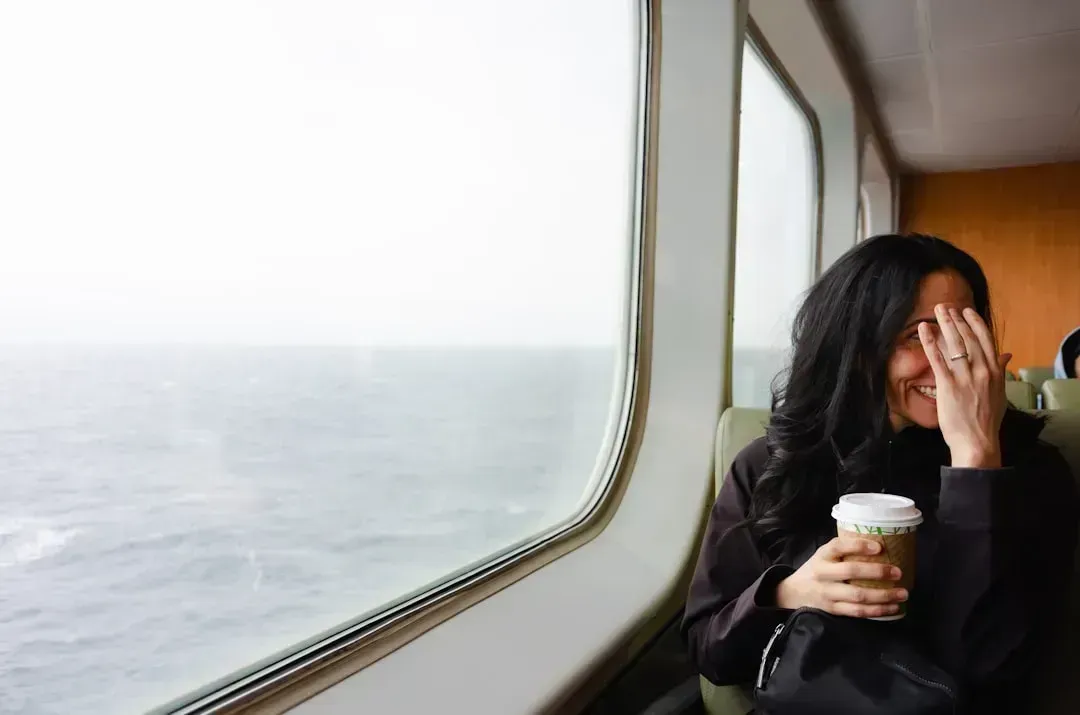
Anxiety develops as passengers anticipate or experience seasickness. The discomfort and unpredictability of motion trigger stress responses in the nervous system. Anxiety worsens physical symptoms, creating a cycle of unease. Crew members on open decks and in dining areas quickly spot passengers who are scanning the horizon with tension in their faces, gripping railings unnecessarily while the ship is still docked, or asking repeatedly about the weather forecast.
If you’re not prone to motion sickness, you won’t likely have a problem on cruises. But if you are prone to it, the waves may get to you on windier days. Thankfully, there are remedies you can prepare yourself with. Dramamine is a common answer to seasickness, and you can get it for free at the ship’s medical center. Staff tend to gently steer anxious passengers toward midship locations and offer reassurance early, long before any actual discomfort sets in.
10. Whether You Treat Staff Like Hotel Concierges or Like People

Crew members want passengers to be nice or nicer. Being kind and considerate will get you way further than if you’re rude. This isn’t just a general principle. In practice, how a passenger first speaks to a staff member in those opening hours sends an immediate signal about their experience level and expectations. First-timers who are nervous sometimes overcorrect into being overly demanding, unsure of how much authority they have as a guest.
Most crew, including deck hands, chefs, waiters, and cabin stewards, have contracts of six to nine months, and everyone works seven days a week in shifts of between ten to twelve hours per day, with no days off. Staff who are that deep into a contract develop a finely tuned radar for passenger temperament. Treating them as partners rather than servants isn’t just the decent thing to do. It also signals that you’re a guest who understands how life on a ship actually works.
11. Your Reaction When Your Cabin Isn’t Ready Yet
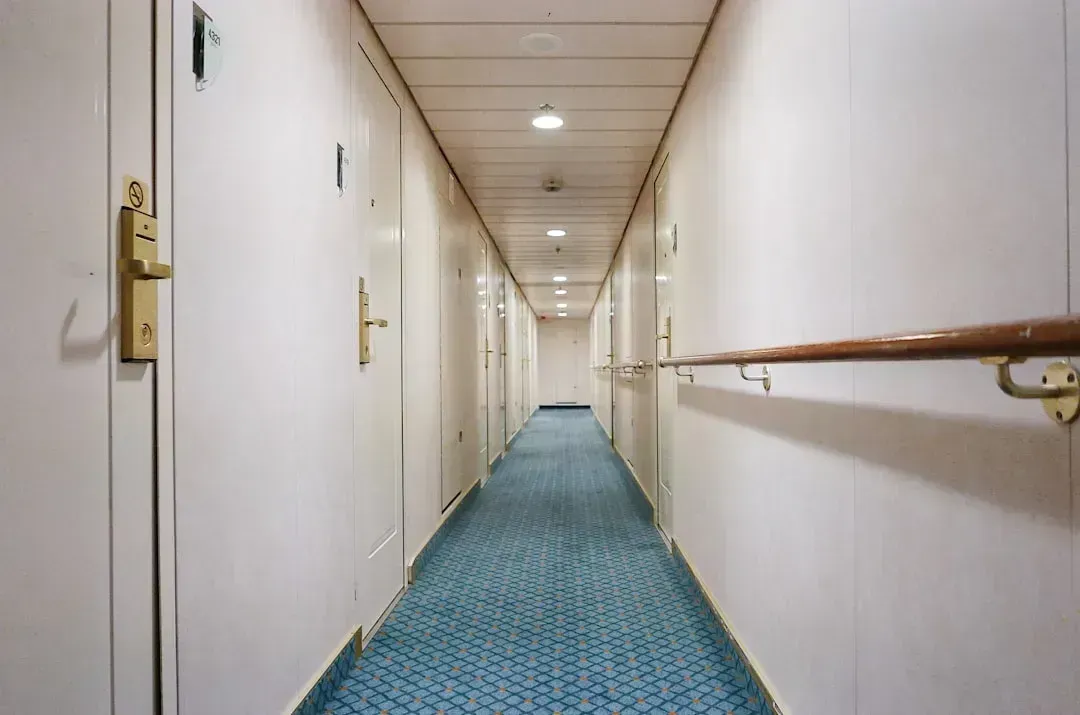
Cabins are often not ready when you board, and you’ll be left lugging your heavy suitcases with you for a few hours if you haven’t handed them to porters. The window between boarding and cabin access is one of the most reliable moments for staff to identify first-timers. Passengers who walk straight toward the cabin corridors and then look frustrated when turned back, or who hover near their cabin door repeatedly checking the time, are almost universally new to cruising.
Once you board, you’ll have at least one free hour before the cruise ship sets sail. This is a great time to explore the cruise ship and discover all the amenities. Seasoned cruisers use this window intentionally, heading to the pool, grabbing lunch, or exploring the ship’s layout. The contrast between a veteran who walks away confidently and a newcomer who seems stuck waiting for the cabin is something staff notice within the first half hour on board.
12. Whether You Attended the Onboarding Orientation Events
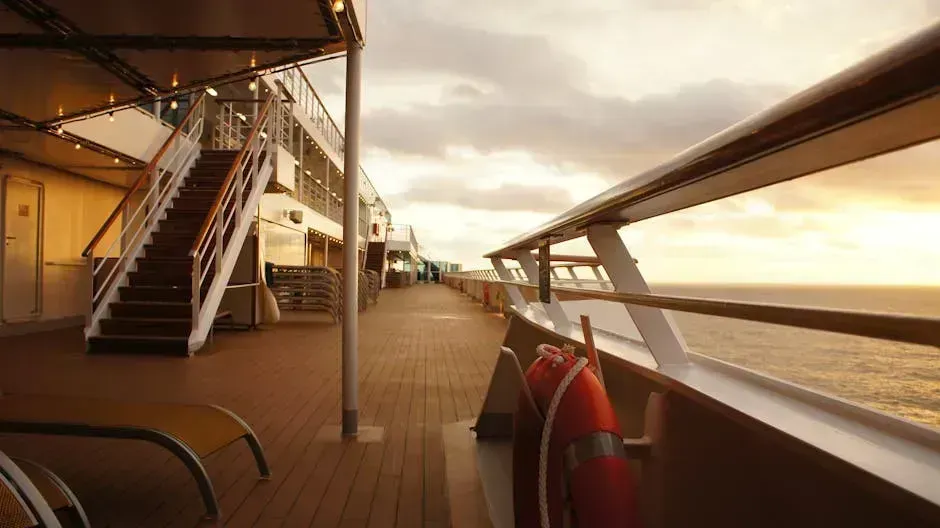
Most cruise lines run orientation events for passengers new to the line or ship on embarkation day. These include hosted tours of the ship, spa and fitness center demonstrations, a cyber cafe help desk, excursion talks, and an evening welcome show in the theater to introduce the senior crew and entertainment team. Staff who run these sessions notice who shows up and how engaged they are. First-timers who attend tend to ask the most questions and take the most notes, while experienced cruisers often skip these events entirely because they already know the layout.
There are protocols, staff, and technology behind the scenes ensuring that every moment feels effortless. Cruising removes the stress of planning and replaces it with the ease of simply being. That invisible infrastructure only becomes invisible once you understand it. Attending orientation events, reading the daily program, and leaning into the structure the ship provides transforms a nervous first-timer into someone who looks, at least by day two, like they’ve done this a hundred times before.
Most of what cruise staff quietly observe isn’t judgment in any harsh sense. It’s professional awareness, shaped by thousands of embarkation days and the genuine desire to make every sailing go smoothly. The nervous passenger clutching their cruise card upside-down at the buffet scanner is not an inconvenience. They’re exactly who experienced crew members are there to help.