Cruise ships run on an almost military level of coordination. Thousands of passengers, hundreds of crew members, tight port schedules, and a relentless hospitality standard that never dips – even at 3 a.m. on a rough sea. Most guests never see the machinery behind the smile, and that’s by design.
What guests don’t always realize is that certain common behaviors, some harmless-seeming and even well-intentioned, quietly ripple through entire departments and create real stress for the people working behind the scenes. Cruise ships benefit from having a consistent crew, which allows passengers to build stronger relationships with staff over time. However, even well-meaning actions from guests can unintentionally affect the crew’s working conditions or compensation. Here are eleven habits that cruise directors and crew consistently flag as the most quietly disruptive.
1. Hogging Deck Chairs Without Sitting in Them

Keeping a towel, book, or water bottle to save loungers without actually being there is considered rude, and cruise lines are starting to crack down on it. The problem isn’t just other passengers getting irritated – it puts crew in the uncomfortable position of enforcing rules against guests who may push back aggressively. That confrontation falls on crew members who are already managing a full workload.
Carnival Cruises has a 40-minute policy where a crew member will remove the chair’s items if no one is seated within that time period, and Royal Caribbean has a similar rule, sliced down to 30 minutes. In September of 2025, one group tied what looks like a bunch of towels or clothing items together to form a barrier and block off a whole row of prime loungers. Enforcing those policies takes time, creates conflict, and forces crew into awkward standoffs that no one on their team signed up for.
2. Skipping the Muster Drill or Treating It as Optional
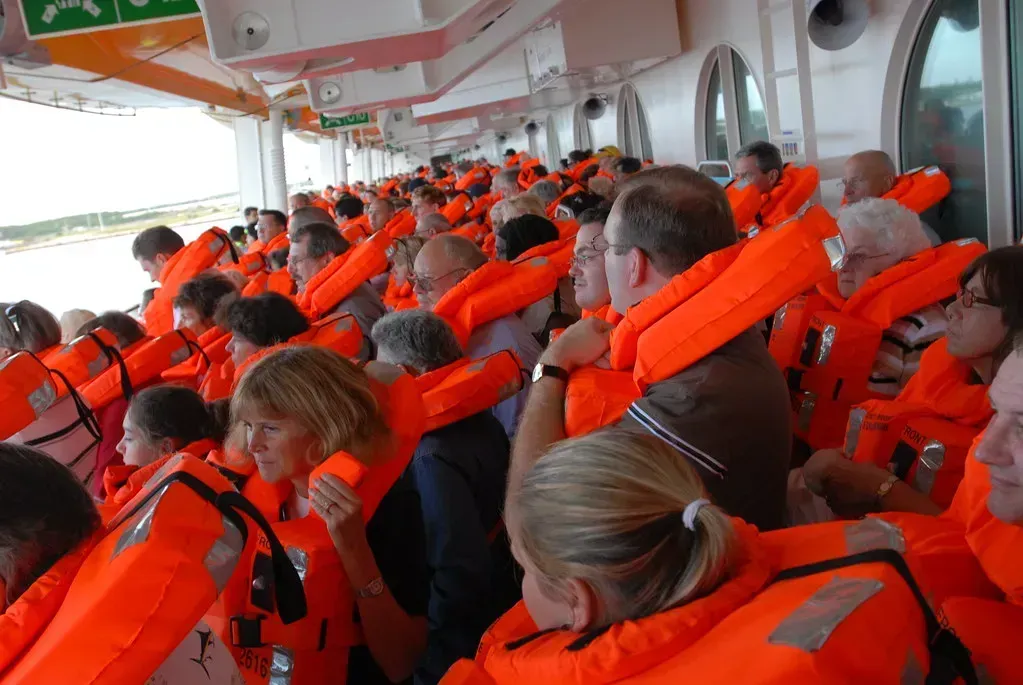
The muster drill is the one piece of ship life that exists purely for safety, not hospitality. Almost nobody loves the muster drill. It’s easy to dismiss it as just a formality, but a cruise director will tell you it matters far more than guests realize. When guests wander in late, chat through instructions, or skip it entirely, the crew running the drill has to account for every single passenger – and missing or inattentive guests can trigger a search.
Boat drills are conducted at the start of each cruise, and for crew members, the frequency of these drills – repeated weekly for six to nine months – can become monotonous and tiresome. Crew are required to run these exercises with full seriousness regardless of how many times they’ve done it. Guests who treat the drill like an interruption to their vacation make an already exhausting routine measurably harder to execute safely.
3. Bypassing the Crew Member to Go Straight to a Supervisor
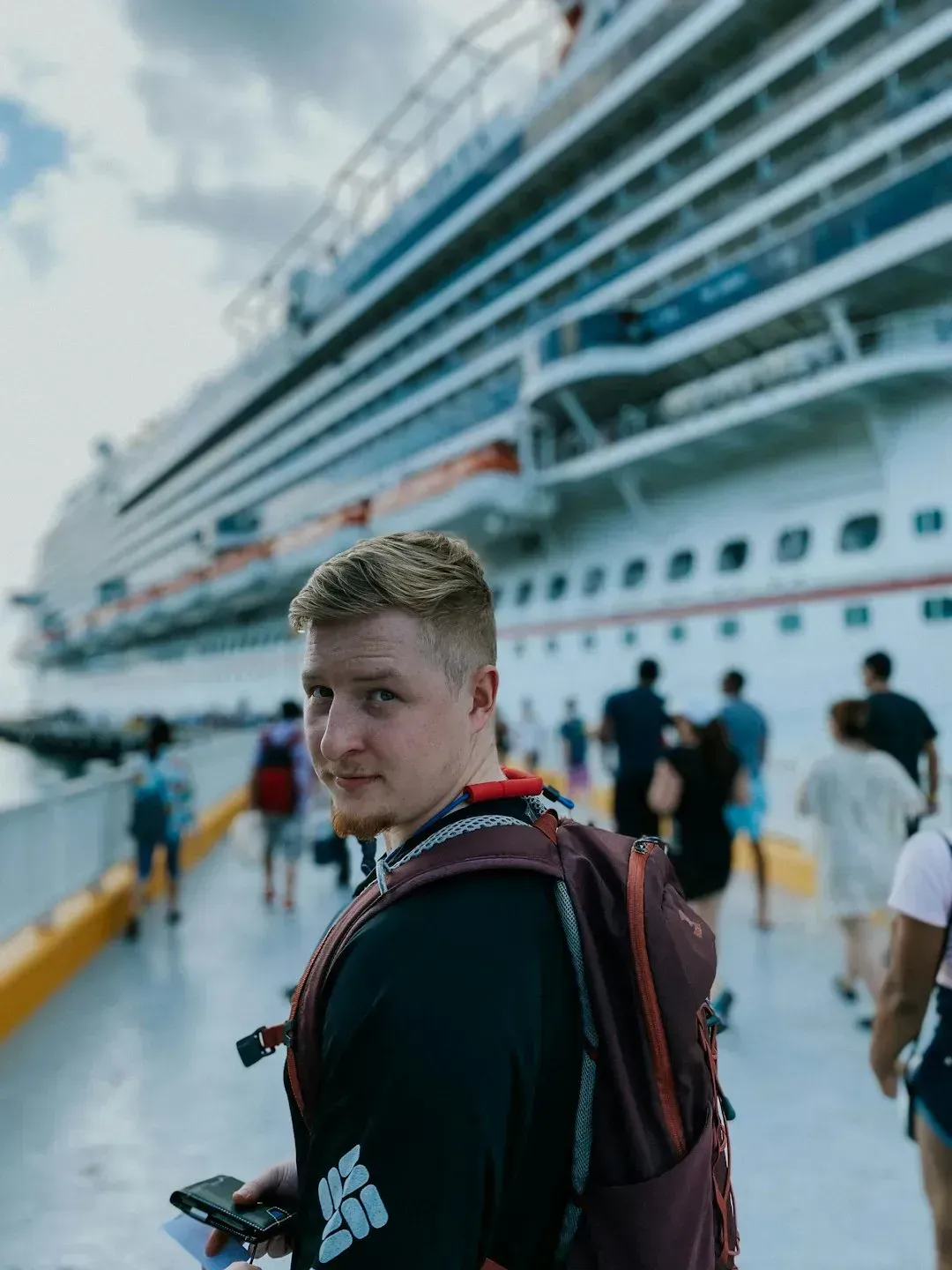
When something goes wrong, many guests leap straight to the supervisor. Crew would much rather you speak to them first. They might be able to fix the issue on the spot and avoid dragging their already-overworked manager into it. The impulse to escalate quickly is understandable, but it creates a dynamic where the crew member gets penalized even when they’ve done nothing wrong.
Even when the supervisor agrees with the crew member, the crew still gets a dressing down for “causing” the complaint. Supervisors are usually juggling scheduling issues, staff support, inventory management, and guest escalations across multiple departments. Being pulled away to resolve something that could have been handled directly adds unnecessary stress and often leads to more scrutiny on the crew involved. A calm, direct conversation almost always works faster anyway.
4. Skipping Handwashing at the Buffet
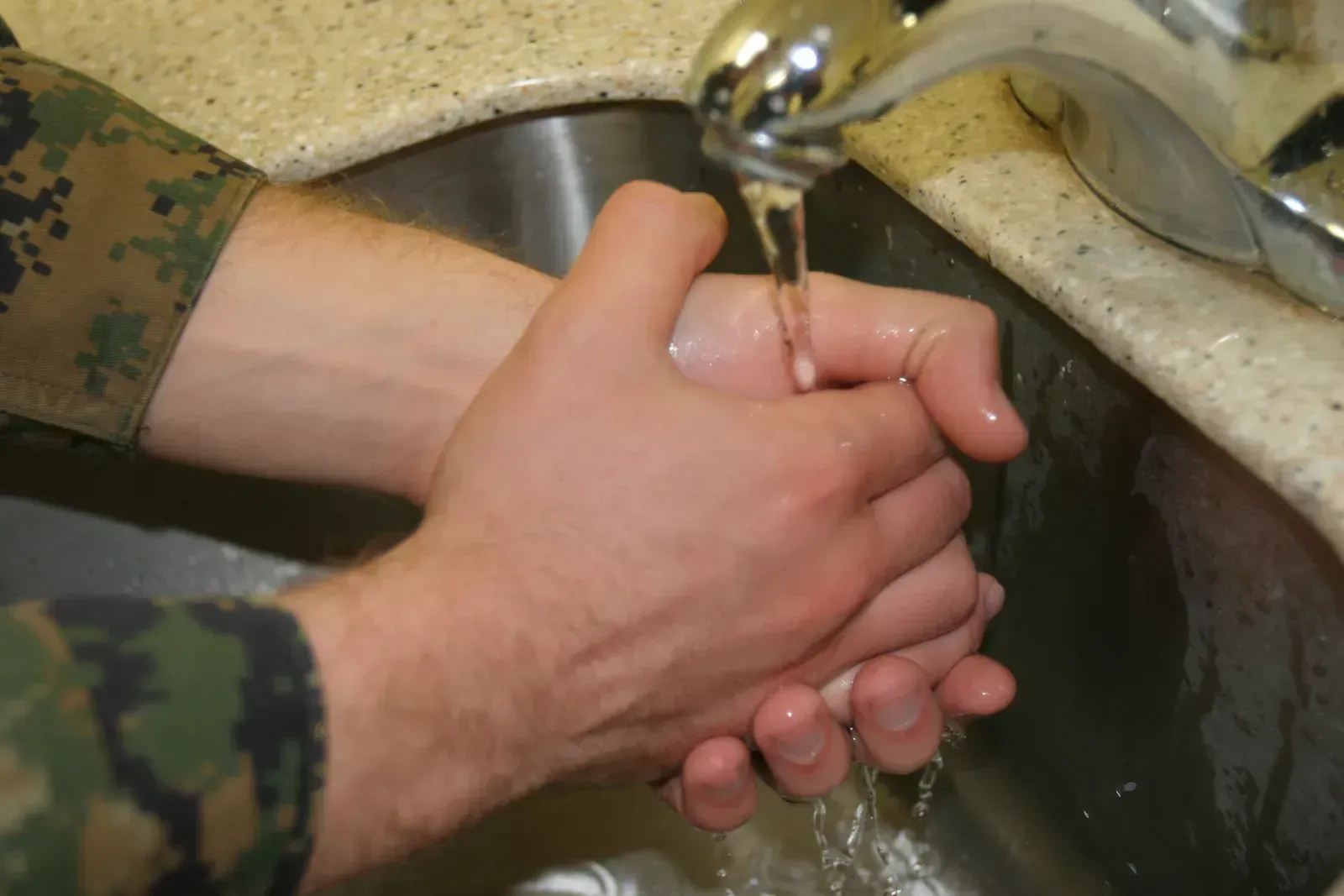
Cruise ships are enclosed spaces, which means bugs like norovirus and gastrointestinal viruses can spread like wildfire. When guests bypass the handwashing stations at the buffet entrance – something many do without a second thought – they’re potentially introducing pathogens into a high-contact food environment shared by thousands of people. Crew see this happen constantly, and they know exactly what follows when it goes unchecked.
When illness spreads, it affects the entire operation of the ship. Crew are pulled from their normal duties to serve in emergency cleaning teams. Buffet service becomes crew-assisted. Entertainment is scaled back. Sometimes ports of call are cancelled. Hand sanitizer is helpful, but it’s not a replacement for proper handwashing with soap and water, especially after using the restroom or before eating.
5. Chatting Up the Cabin Steward When They’re on a Tight Schedule
Friendliness toward crew is genuinely appreciated. Lingering conversations at the wrong moment, though, can quietly derail an entire morning’s work. Cabin stewards now have more cabins than they used to for cleaning. Guests taking up a lot of time wanting to chat and interact can cut into their time too, making crew members increasingly aware of how much time a conversation takes out of their workday.
This isn’t about being cold or unfriendly. It’s about reading the room. A steward pushing a linen cart down a corridor at 9 a.m. is almost certainly on a strict turnaround schedule. A quick exchange is warmly received. A fifteen-minute chat about your last cruise can cascade into a rushed job for every cabin that follows on their list. Common crew complaints include the pressure of constant passenger service standards on top of long working hours with limited days off.
6. Making Requests That Disrupt the Entire Kitchen Flow
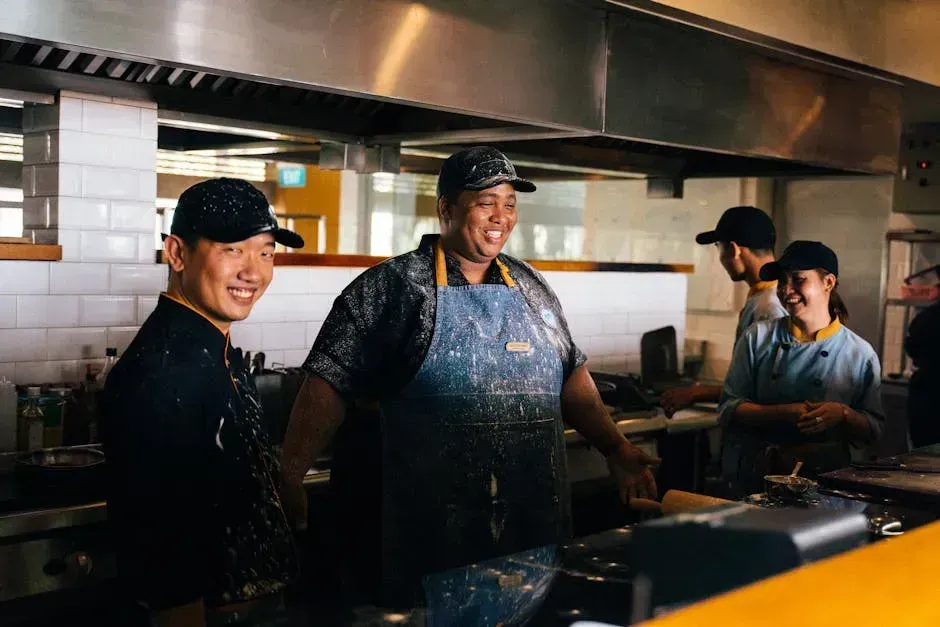
Complimenting a tasty meal is always kind, but it becomes a challenge when the dish in question was a unique or customized creation that the kitchen can’t easily reproduce. On high-end cruises especially, chefs may run into problems when several guests begin requesting that one-off item all at once. These custom meals aren’t designed for mass production, and accommodating such requests can derail the flow of regular kitchen service.
The galley operates with precision timing. Every station has an expected output at an expected pace, and a sudden wave of off-menu requests throws the whole rhythm off. Guests often don’t realize their innocent request multiplied by twenty other curious diners can cause a real bottleneck – one that the kitchen crew absorbs entirely on their own while keeping smiles on their faces through dinner service.
7. Running Late to Scheduled Activities and Shore Excursions
Always arriving late to activities, dinner, or outings does not pass unnoticed. It has the ability to mess around with schedules and disrupt the work of other guests, making punctuality one of the simplest ways to either shine or create friction. For crew running a structured event, a handful of late guests can compress setup time, rush finales, and force difficult decisions about when to simply begin without them.
Shore excursions carry even higher stakes. If guests don’t make it back to the ship by embarkation time, either the ship will leave them behind – meaning they have to find their own way to the next port – or the ship may wait a small amount of time, which is less than considerate to the other cruisers as well as the crew and captain. A delayed departure affects fuel calculations, port schedules downstream, and the crew coordinating the entire operation from the gangway.
8. Filming Crew Without Asking

Crew members aren’t props and part of your vacation footage. They’re at work. Turning their shift into social media content is a line that’s increasingly being crossed. Most crew won’t say anything when a camera is pointed at them – they’re trained to keep things pleasant – but the discomfort is real. Being filmed without consent while doing a repetitive job on a very long shift sits poorly with almost anyone.
There’s also a practical dimension to this that goes beyond feelings. Crew members from certain countries can face complications if footage of them at work circulates publicly without permission from the cruise line. Some guests post videos of crew in unflattering or joking contexts, and those clips can surface in ways that follow the crew member professionally. Working on cruise ships comes with a level of job insecurity due to stringent adherence to rules and regulations, and a minor slip-up can result in immediate termination.
9. “Helping” with Tender Boats or Shore Operations
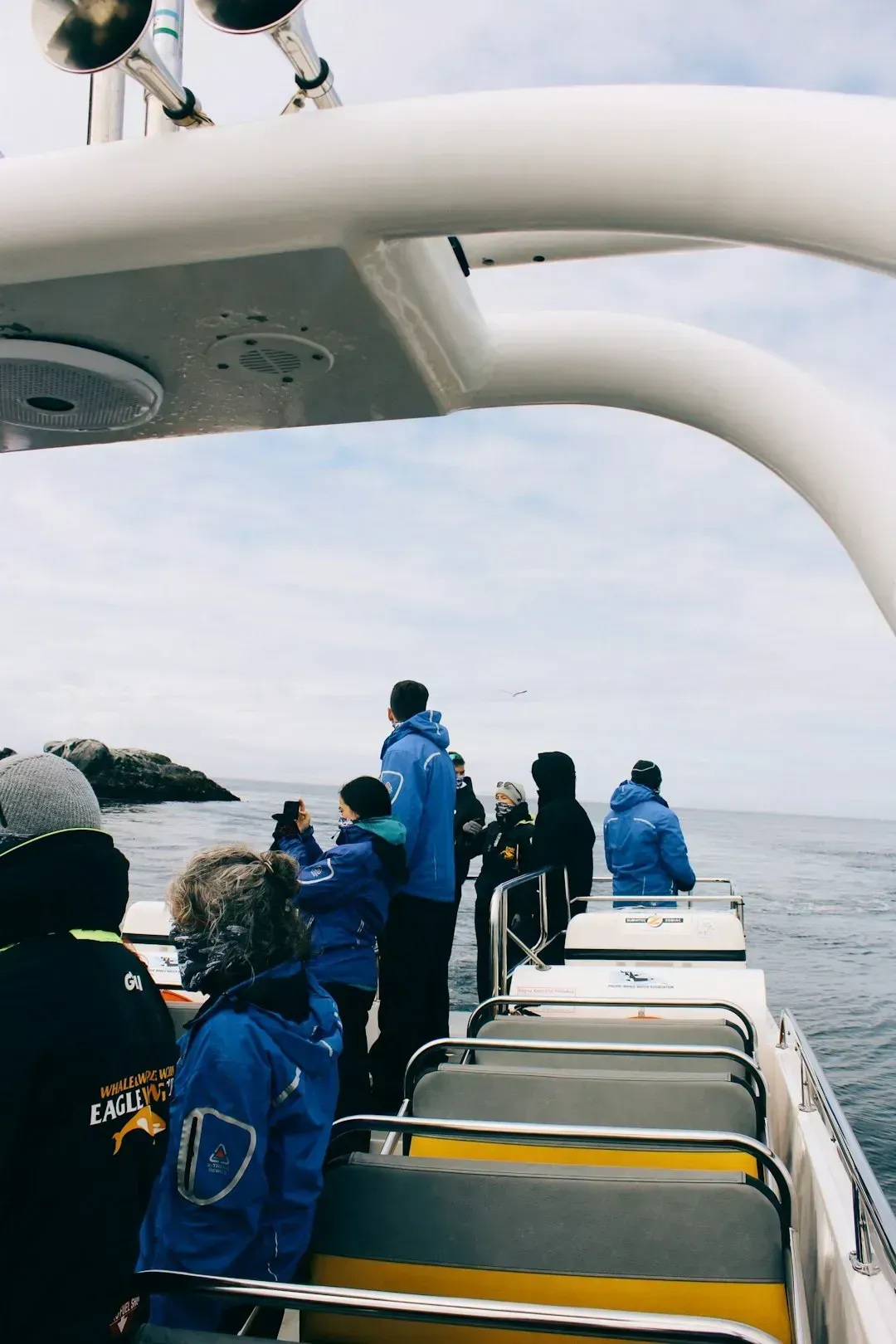
Trying to assist with the return of Zodiac or tender boats after an excursion may seem helpful but can actually interfere with the crew’s procedures. Reaching out to grab a pole or line while the boat docks can result in abrupt movements or even cause the boat to drift away. These actions, though well-intentioned, can lead to guest injuries like strained muscles or smashed fingers. Standing up in the small boat also limits the driver’s visibility, creating unnecessary hazards.
The instinct to pitch in is human and kind. The problem is that tender and Zodiac operations follow specific safety protocols that crew train on repeatedly. An untrained hand introducing unexpected force or movement at the wrong moment creates a hazard no one anticipated. Crew have to manage that risk in real time while also keeping the guest calm – a stressful combination when all they needed was for everyone to sit still.
10. Stacking Plates to “Help” at the Dining Table

It might appear thoughtful to help out by stacking your dishes after a meal, but this actually complicates things for the service team. Clearing tables typically follows a methodical process, with plates taken away one or two at a time. Guest-stacked plates can be unbalanced – especially if food is left on them – making them harder to carry and messier to clean, which slows down both the servers and the dishwashing team.
This one surprises most guests because it feels like such an obviously helpful thing to do. In a restaurant on land, stacking plates near the edge signals readiness and consideration. On a cruise ship, it can mean a precarious tower of mismatched china, sauce pooling between plates, and a server having to quietly undo the stack before they can carry it safely. The crew won’t tell you this. They’ll thank you warmly and dismantle it out of view.
11. Removing or Adjusting Gratuities Unilaterally

Frequently cited crew complaints include tip-dependent pay structures, limited internet access, and the stress of serving demanding passengers. Gratuity on a cruise ship isn’t a bonus for exceptional service the way it might be at a local restaurant. For most crew members, particularly in housekeeping and dining, it forms a core part of their income. When a guest removes or significantly reduces the automatic gratuity, the financial impact can be meaningful – and the crew never learn why.
Leaving a tip on the receipt at a specialty dining venue might not benefit your specific server, even if that’s your intent. Tips added this way often go into a central fund managed by the cruise line, which helps cover prepaid gratuities or general incentive pools. The way this money is divided isn’t always transparent, meaning your server might never see the extra you left for their excellent service. If you want a specific crew member to receive your appreciation, handing a cash tip directly to them is the most reliable method – and one they will genuinely remember.
None of these habits require bad intentions to create real problems. Most of them come from the same place: a guest who’s relaxed, enthusiastic, and possibly just unaware of how a ship actually runs. The crew are professionals trained to absorb all of it gracefully. Knowing what quietly makes their job harder is perhaps the most considerate thing a guest can pack before boarding.