
Walk into an unrestored 1970s house today and something feels immediately off. The colors are wrong, the textures are wrong, and some of the fixtures are genuinely alarming once you understand what they were actually for. It’s not just aesthetic shock, either. Some of this stuff was hazardous in ways that nobody fully grasped at the time.
For Gen Z, raised in homes designed around safety standards, digital convenience, and clean minimalism, the average 1970s interior isn’t just dated. It’s a cabinet of curiosities with a few genuine horrors tucked in. Here are the twelve items that defined the era, and that would genuinely unsettle a younger generation walking through today.
1. The Popcorn Ceiling
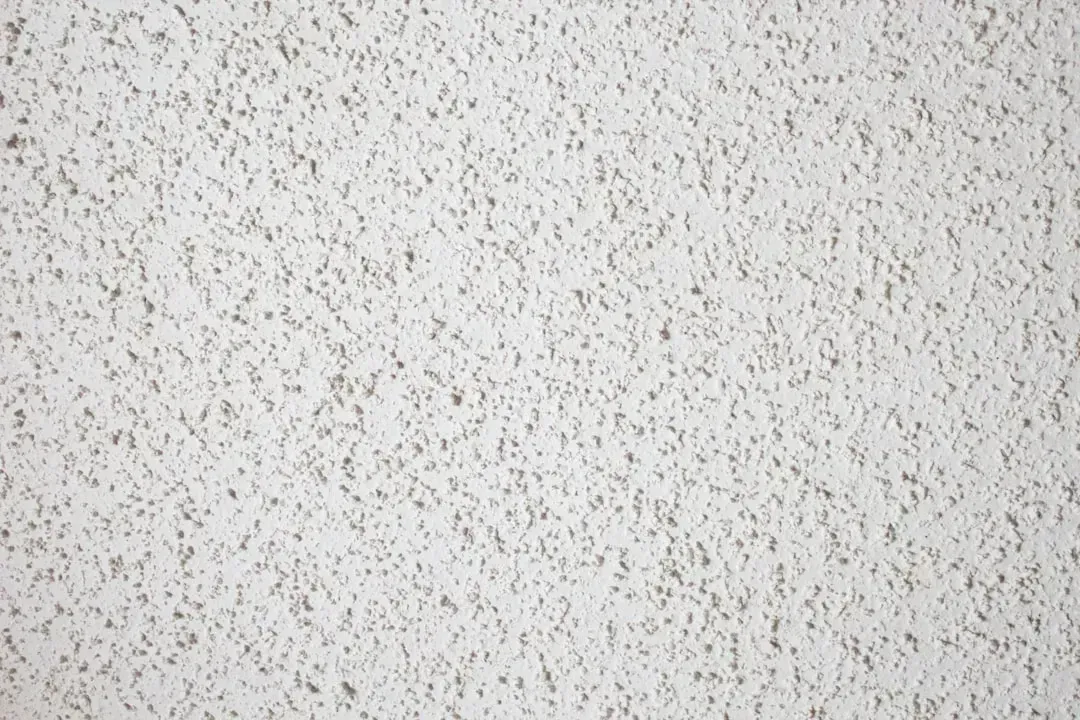
Popcorn ceilings began containing asbestos in the late 1950s, with widespread use throughout the 1960s and 1970s. While these textured ceilings were once popular for their appearance and sound-dampening qualities, many were manufactured with asbestos, which can pose serious health risks when disturbed. Builders loved them because they hid imperfections and required almost no finishing skill.
Popcorn ceilings generally contain between one and ten percent asbestos. While this may seem insignificant, any percentage of asbestos in popcorn ceiling is cause for concern. Thankfully, asbestos doesn’t pose any serious health risks as long as it’s left completely intact and undisturbed. The problem is that Gen Z’s first instinct in any fixer-upper is to scrape and renovate, which is exactly when things get dangerous.
2. The Medicine Cabinet with a Razor Blade Slot

Most houses built between the 1920s and 1970s had this feature. Before the 1950s, the problem of disposing of used blades had no perfect solution. People got creative, slipping them between wall crevices and even tucking them under heavy carpets. Some continued these improvised methods even after the first medicine cabinets with razor blade slots were created.
Old medicine cabinets were installed directly inside the interior walls. These old units had a slot in the back used to discard used blades, which would allow them to fall into the wall cavity between framing studs and collect on top of the bottom-plate stud. This practice tapered off in the 1970s when fully disposable razors became the norm, but many of the cabinets, and the piles of razors in the wall, are still around today.
3. Dark Wood Paneling Everywhere
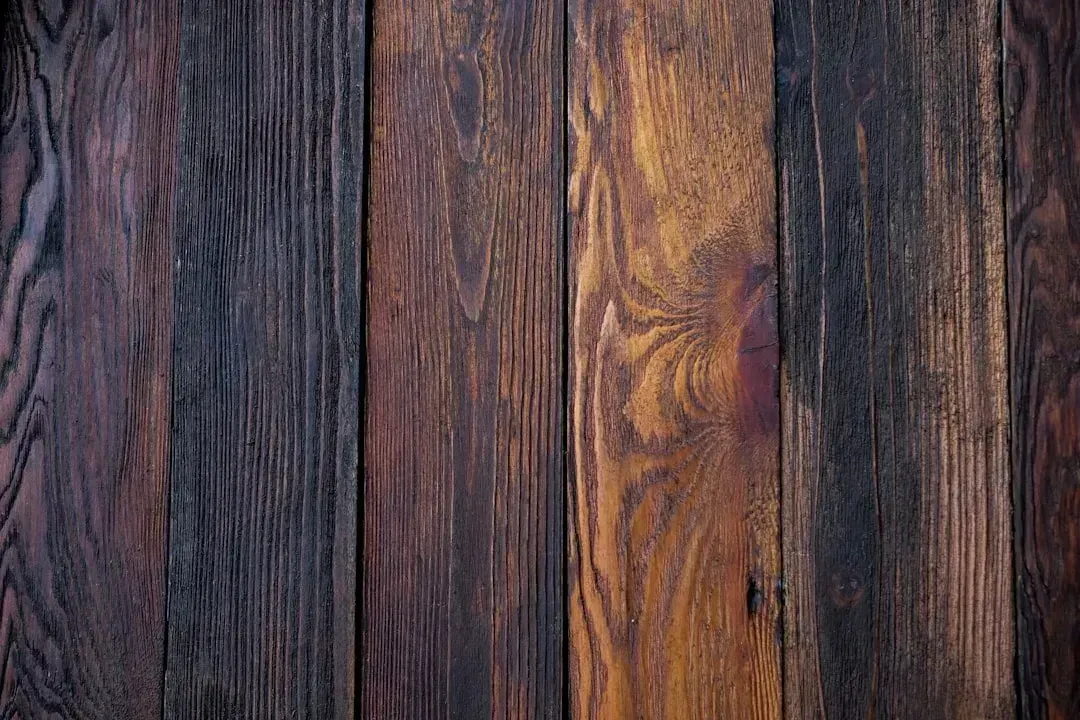
Wood paneling was a popular design trend in the 1970s, with many homes featuring the material on their walls. It was often used in family rooms, rec rooms, and even bedrooms, giving homes a cozy and warm feel. The wood paneling was typically made from natural materials such as oak or pine, and had a distinct texture and grain pattern. When you covered every surface in it, though, the result felt more like the inside of a coffin than a cozy den.
Heavy, dark wood paneling was common but can make spaces feel closed-in and dated. For Gen Z, accustomed to bright, open-plan interiors and white walls, entering a room fully wrapped in dark paneling triggers something close to a claustrophobic response. It didn’t help that the panels often hid the wall structure, making it impossible to know what was lurking behind them.
4. The Sunken Living Room
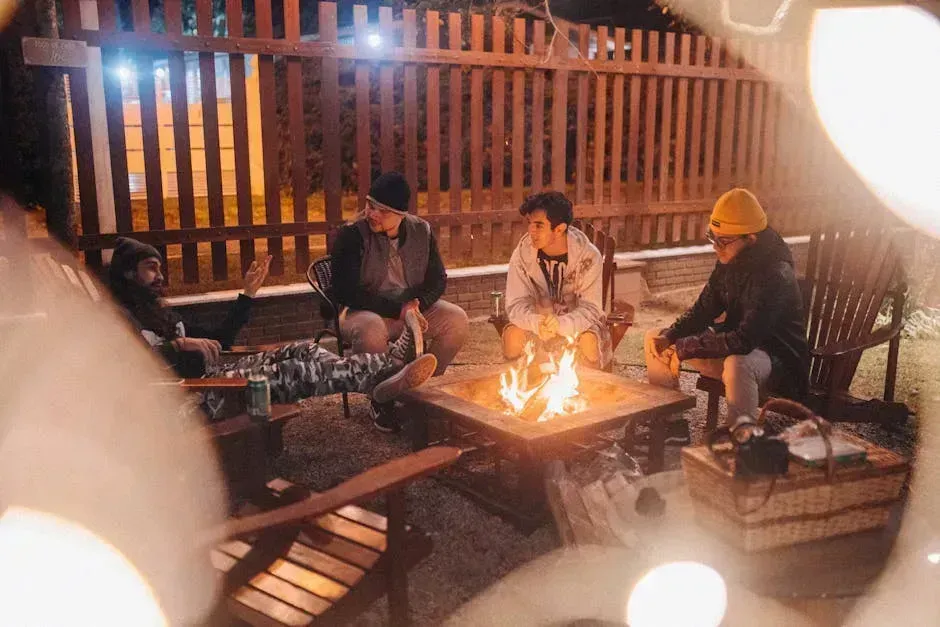
Features like cathedral ceilings, floor-to-ceiling fireplaces, and sunken living rooms were common, creating a sense of drama and openness. The sunken living room, sometimes called the conversation pit, was designed as the ultimate social gathering space. It was dug several feet below floor level, usually fully carpeted, and meant to feel intimate and lounge-like.
In practice, these pits were invisible to anyone walking into the room from the hallway, which made them accidental fall hazards on a surprisingly regular basis. Sunken living rooms were an absolute must-have in the 1970s. These rectangular or circular spaces, also called conversation pits, were built a few feet below floor level and were often carpeted. Today, building codes in most areas would never permit this kind of unguarded drop in a residential space.
5. Shag Carpet in Every Shade of Burnt Orange
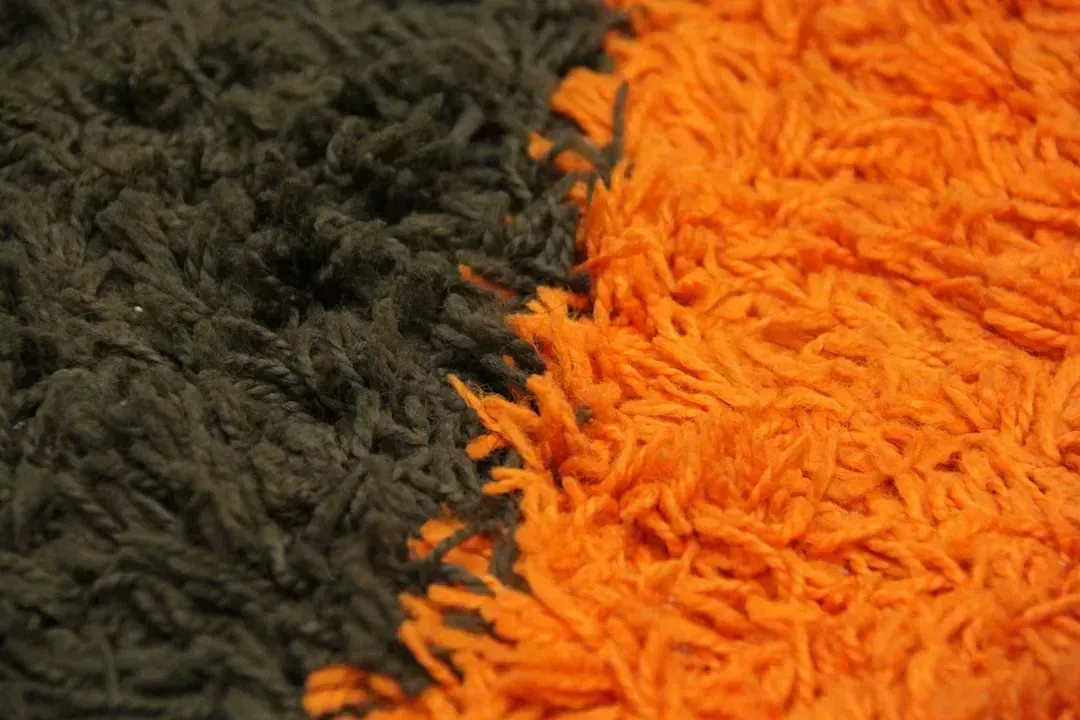
At one time, shag carpets came in colors that would be almost laughable today. While your home’s scheme probably doesn’t have room for a burnt orange or yellow-green rug, you can work in a shag carpet if you choose a hue that reads a bit more modern. Even a neutral, beige-toned shag carpet exudes the joy and carefree style of the 1970s without being too cartoonish or old school.
The original 1970s version, though, was another story entirely. The deep pile made it nearly impossible to clean thoroughly. Dust mites, pet dander, spilled food, and worse could sink into the fibers and stay there for years. The good news regarding shag carpet’s updates is that it’s easier to clean nowadays. Removing dirt from shag carpet may require the aid of an extractor or other piece of machinery that gets deep down between the threads, but at least it’s not as difficult as it was 40 years ago. Gen Z, raised on hard floors and hypoallergenic interiors, would sooner wear gloves than walk barefoot on one of these.
6. Lead Paint on Every Painted Surface
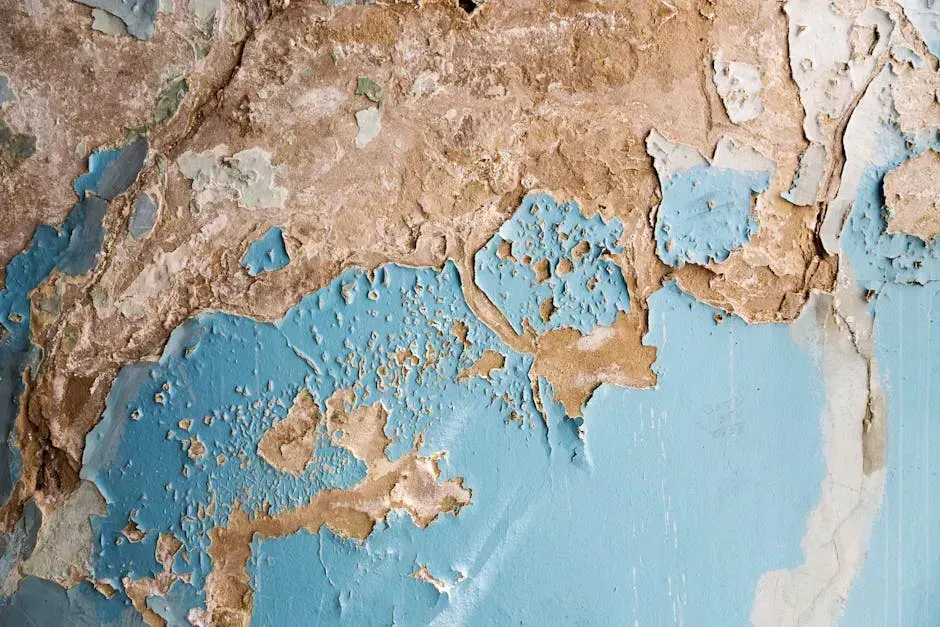
Lead-based paint was banned by the EPA in 1978 after knowledge of its health hazards affecting the public became apparent. That means almost every painted surface in an untouched 1970s home, the walls, the window sills, the door trim, could be carrying something that’s now classified as a serious neurotoxin, particularly for children.
Lead paint was used for its durability and ability to make bright colors more vibrant. Lead paint can be found in homes built before the late 1970s on painted surfaces such as walls, ceilings, window sills, and window troughs. For Gen Z, the idea of chipping at a painted wall without a hazmat protocol feels genuinely scary. It should. Pre-1978 means suspect everything painted.
7. Asbestos Floor Tiles
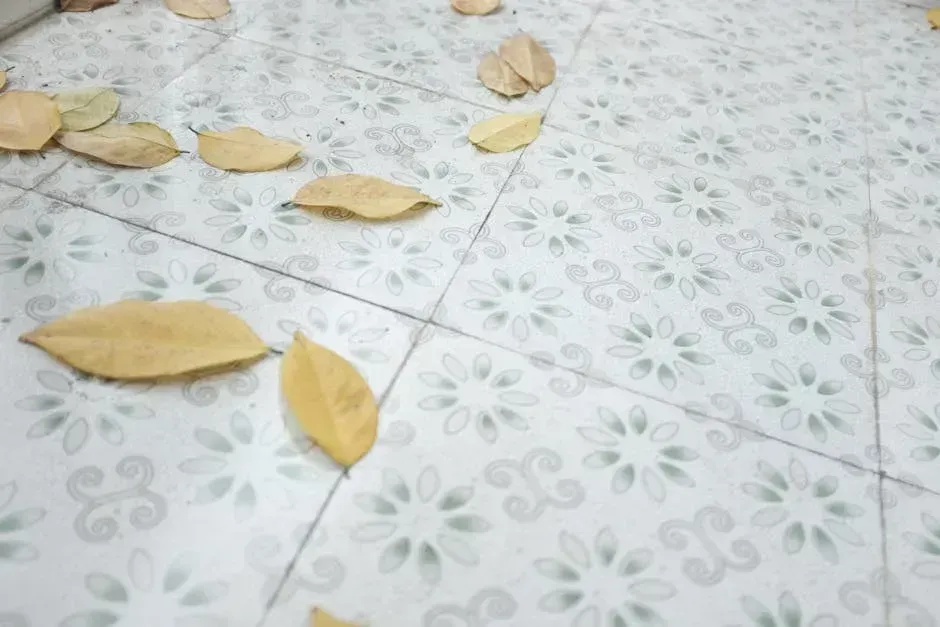
From roughly the 1920s through the late 1970s, asbestos was used in floor tiles, pipe insulation, roofing shingles, textured ceiling coatings, and joint compound. Those speckled nine-by-nine-inch vinyl tiles that showed up in millions of 1970s kitchens and utility rooms were not just ugly. Many of them contained asbestos fibers bonded into the vinyl during manufacturing.
Vinyl tiles provide an easy-to-maintain floor option. They come in a variety of colors and patterns. During the manufacturing process, the vinyl may have been fused with asbestos. The adhesive used to glue the tile down may also have asbestos. If homeowners renovate or repair flooring themselves, they face exposure risks. To anyone familiar with current safety standards, the idea of casually pulling up those tiles with a pry bar is genuinely alarming.
8. Harvest Gold and Avocado Green Appliances
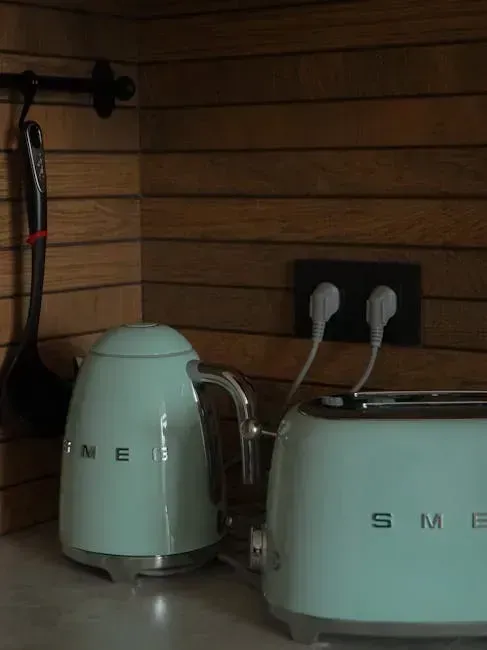
It’s time to upgrade the harvest gold or avocado green appliances. That one sentence from a home renovation guide says it all. These colors, harvest gold, avocado green, and occasionally a muddy brown called “coppertone,” dominated kitchen and bathroom fixtures throughout the decade. Refrigerators, dishwashers, ovens, even toilets came in these shades.
The toilet seat covers were brightly colored, as were the toilets themselves. To modern eyes, a bathroom with a matching avocado toilet, sink, and tub looks less like a home and more like the set of a horror film. Gen Z, weaned on stainless steel and matte white, tends to react to these kitchens and bathrooms with genuine physical discomfort, not just aesthetic disapproval.
9. Aluminum Wiring Instead of Copper
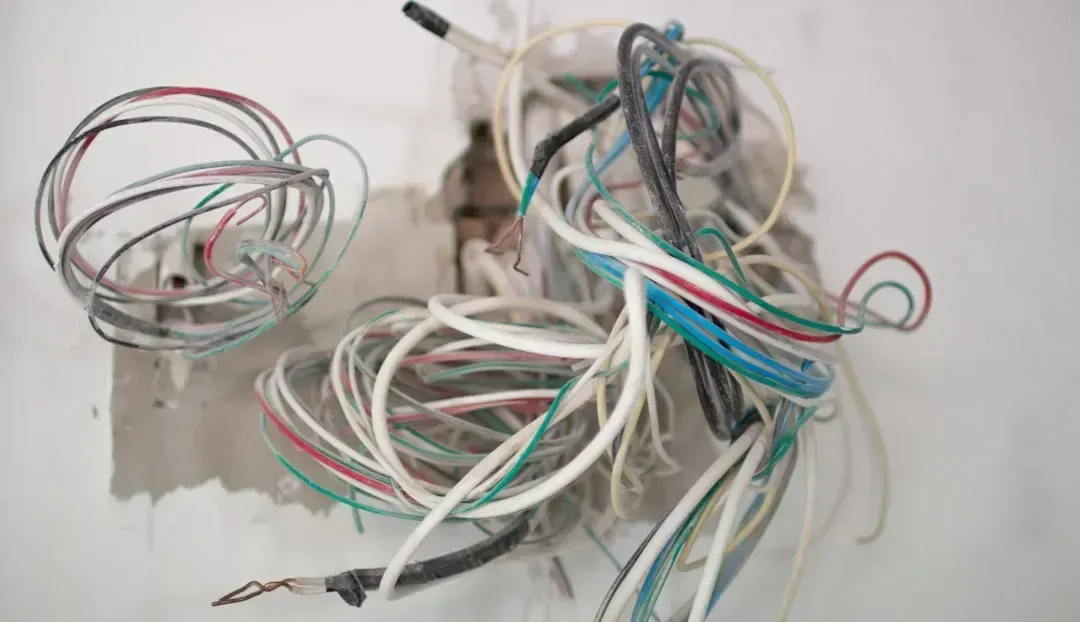
From the mid-1960s to the mid-1970s there was a popular use of single-strand aluminum wiring in homes instead of copper. Aluminum was a cheaper product at the time and placed in thousands of homes. Aluminum wiring contracts and expands at a higher rate than copper, which can cause loose connections. Loose connections in electrical wiring, in a decade before modern circuit breakers, were a recipe for house fires.
Many of these homes still have their original aluminum wiring hidden behind walls, largely invisible and untouched. The wiring looks ordinary enough, but the fire risk it carries is very real. For Gen Z, the idea that flipping a light switch in a 1970s home could involve corroded aluminum connections behind the wall is the kind of invisible danger that feels deeply unsettling precisely because there’s no way to see it.
10. Polybutylene Plumbing Pipes

Polybutylene piping was used for supply plumbing until the mid-1990s, and was considered the pipe of the future due to cost and ease of installation. This material was used in over ten million homes from the mid-1970s to the mid-1990s. It’s not easily identifiable as it’s hidden behind walls and under insulation.
PB pipes stopped being used after scores of allegations surfaced regarding piping failure and property damage. Although it’s not mandatory, many plumbers would recommend the replacement of this material, which can be a big out-of-pocket expense. The creepiest thing about polybutylene is that it can fail without any visible warning. One day the walls are fine, the next the pipes have ruptured inside them. For a generation that grew up expecting transparency and instant alerts on everything, a silent plumbing failure hidden in the walls is a particular kind of nightmare.
11. Swirling Patterned Wallpaper on Every Surface
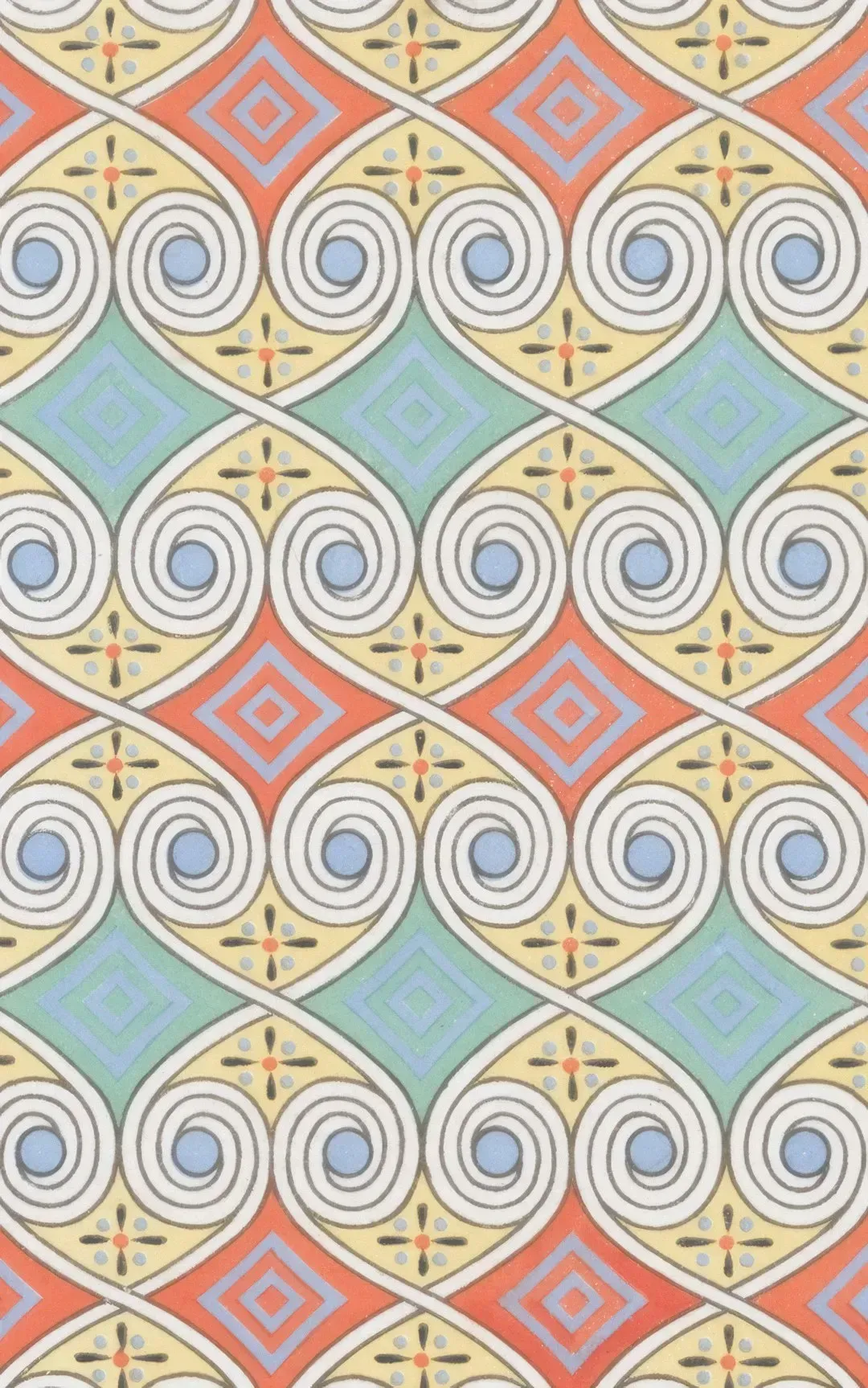
Busy patterns on wallpaper, furniture, and rugs were a 1970s hallmark but could clash or feel chaotic. The wallpaper of the era went well beyond accent walls. Some homes had floor-to-ceiling geometric swirls in the living room, kitchen, hallways, and bedrooms simultaneously. The overall effect, especially in rooms without much natural light, was genuinely disorienting.
The problem with our perception of the 1970s as dark and dingy is actually not so much an issue of color as of lighting and fabrics. This was the era of dimmer switches, plush materials like velvet and, frankly, explicitly seductive design. Combine that with walls covered in large repeating brown and orange spirals, and you have an interior that feels less like a home and more like a sensory trap. Gen Z, raised on clean-lined, calming spaces, finds this level of visual noise genuinely hard to process.
12. The Unventilated, Fully Carpeted Bathroom
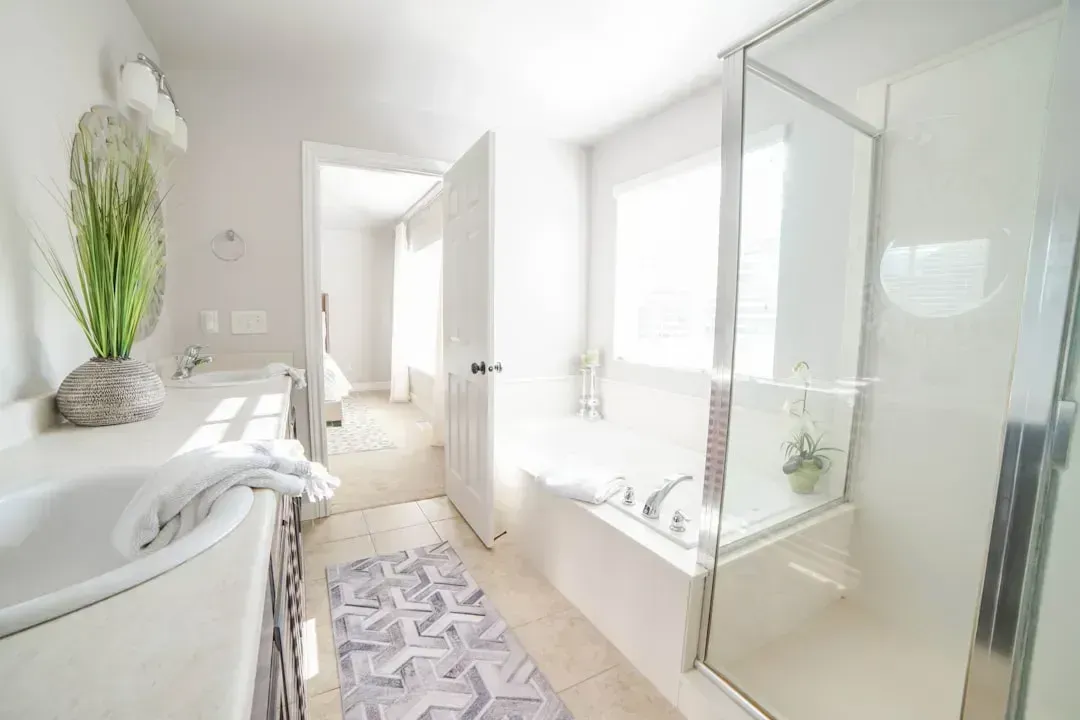
The carpeted bathroom was one of the 1970s’ most committed interior design choices, and also one of its most baffling. Wall-to-wall carpet was installed directly in rooms where water, steam, and humidity were daily constants. Linoleum and vinyl were popular choices in the kitchen. These products were marketed as easy maintenance. However, the cancer-causing material asbestos was discovered in many building products in homes built before the 1980s.
Even where bathrooms used carpet instead of vinyl tile, they rarely had proper mechanical ventilation. If you smell mold or mildew when walking into a room, it might be a sign that there is a leak. Decades of trapped moisture beneath bathroom carpet produced mold colonies that could grow completely undetected under the surface. For Gen Z, who routinely checks air quality monitors and demands proper bathroom fans as a baseline, the idea of kneeling on a damp, decades-old bathroom carpet is about as appealing as it sounds.
The 1970s wasn’t a careless decade. People were working with what they had, and the materials and design choices of the time made genuine sense by the standards then in place. What’s changed is the knowledge. We now know what asbestos does to lungs, what lead does to developing brains, what aluminum wiring does when it loosens, and what wet carpet does when it sits undisturbed for fifty years. Gen Z isn’t squeamish, they’re just better informed, which makes encountering these features in real life feel less like a trip through history and more like a very slow-moving hazard warning.